The Hidden Ecosystem Living in Your Backyard
A yard is more than grass, plants, and outdoor furniture.
Every backyard contains a small ecosystem made up of soil, insects, birds, trees, water, and plant life working together daily. Healthy outdoor spaces support pollinators, improve soil quality, reduce erosion, and create better environments for both wildlife and homeowners.
What ecosystems are living in your backyard? And how can you support them? Let’s look closer.
A Healthy Ecosystem Starts with Your Soil
Healthy soil plays a major role in plant growth and outdoor balance. Soil contains insects, microorganisms, fungi, and nutrients that help plants absorb water and grow properly. Compacted or damaged soil may reduce drainage and weaken plant health during hot or dry weather.
Mulch, compost, and natural ground cover may help improve moisture retention while supporting healthier soil conditions. Overusing chemical treatments can sometimes affect beneficial organisms living underground, which may weaken long-term yard health.
Trees and Plants Provide Shelter
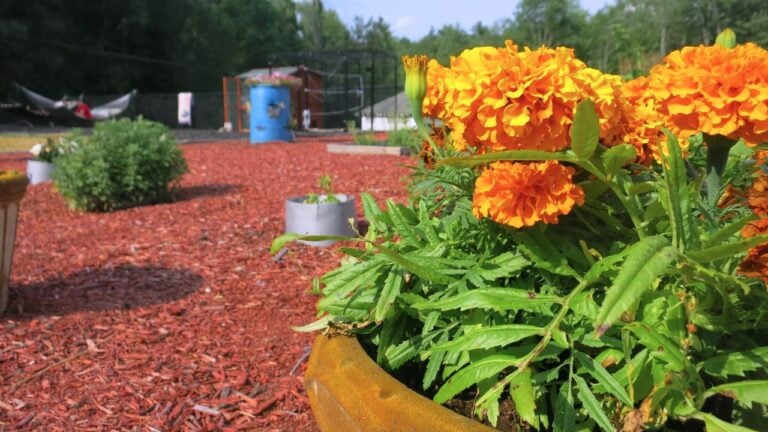
Trees, shrubs, flowers, and native plants provide food and shelter for birds, insects, and small wildlife. Pollinators such as bees and butterflies rely heavily on flowering plants during warmer months. Birds often depend on trees for nesting, shade, and protection from predators.
Native plants usually adapt better to local weather conditions and often require less maintenance than non-native species. Homeowners sometimes work with a professional tree service to manage and improve tree health to help maintain this ecosystem.
Water Affects Yard Balance
Water supports every part of a yard ecosystem, though too much or too little may create problems. Poor drainage can lead to standing water, root damage, and increased mosquito activity. Dry conditions may weaken grass, plants, and soil health during warmer seasons.
Rain gardens, proper grading, and controlled watering schedules may help maintain a healthier moisture balance across outdoor spaces. Collecting rainwater for gardening may also reduce unnecessary water waste during dry periods.
Signs of Wildlife Point to a Balanced System
Many animals commonly seen in backyards contribute to the natural ecosystem balance. Birds help control insect populations, earthworms improve soil quality, and pollinators support plant reproduction. Even small backyard habitats may support dozens of species throughout the year.
Chemical overuse and habitat loss may reduce beneficial wildlife activity over time. Simple additions such as bird feeders, pollinator gardens, or shaded planting areas may support healthier outdoor environments while improving biodiversity.
How Regular Maintenance Supports Long-Term Health
Routine yard care helps outdoor ecosystems remain balanced and functional. Pruning damaged plants, removing invasive weeds, cleaning gutters, and monitoring drainage problems may prevent larger landscape issues later.
Homeowners should also watch for signs of diseased plants, soil erosion, or tree damage before conditions worsen. Consistent maintenance often supports stronger plant growth and healthier outdoor conditions overall.
Backyards contain living systems that rely on a balance between soil, plants, water, insects, and wildlife. Healthy yard ecosystems support plant growth, improve outdoor comfort, and create better environments for local species. Homeowners who make thoughtful landscaping and maintenance decisions are often better positioned to maintain healthier and more sustainable outdoor spaces over time. Look over the infographic below for more information.