Small Yard or Patio? These 14 Plants Thrive in Vertical Gardening Spaces
Running out of room for a garden can feel limiting when you want to grow fresh food. The solution to a tiny yard or a small balcony is simply looking upward.
Urban farming statistics reveal that vertical gardening can increase crop yields by up to 50 percent per square foot compared to traditional row planting. Growing upward reduces the footprint required to cultivate an abundant harvest.
Elevating plants improves air circulation around the foliage and lowers the risk of soil-borne diseases. Harvesting becomes easier when fruits and vegetables hang at eye level instead of resting on the ground.
The following list highlights 14 plants well-suited for climbing trellises or thriving in tiered planters. You will discover practical ways to train them and transform any bare wall or fence into a productive green zone.
1. Tomatoes
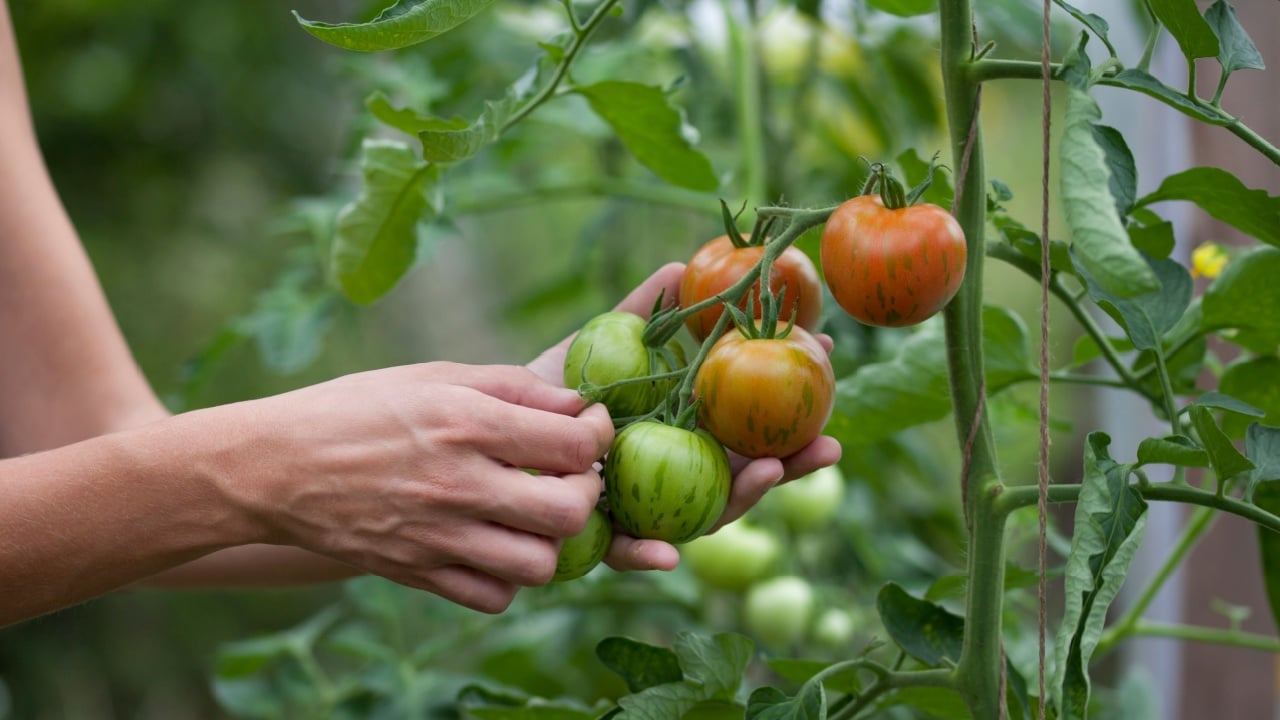
Indeterminate tomatoes naturally want to climb and will easily reach six to eight feet tall with proper support. Providing a sturdy structure allows them to stretch toward the sun rather than sprawling out across the soil.
Tie the main stem to a tall wooden stake or a heavy-duty wire cage as the plant grows. Pinching off the side shoots directs the energy of the plant into producing larger and more flavorful fruit instead of extra leaves.
Mulch the base of the plant to retain soil moisture during hot summer days. Check the ties weekly to keep the rapidly growing vines secure before they become too heavy with ripening tomatoes.
2. Cucumbers
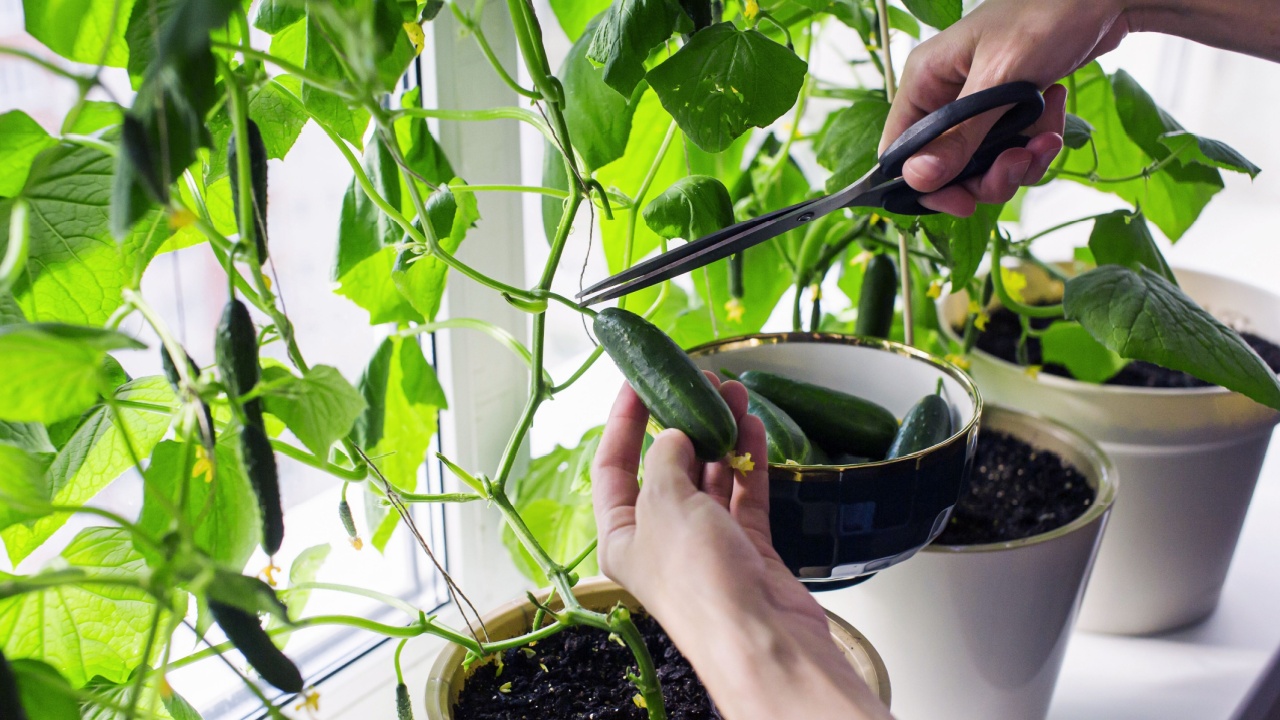
Cucumbers possess natural tendrils that actively seek out structures to grab onto as they grow. Cultivating them on a trellis prevents the fruit from developing yellow spots caused by resting on damp soil.
Install a metal A-frame or a tall netting system right after planting the seeds to avoid disturbing the roots later. Guide the young vines through the gaps in the netting until they begin holding on by themselves.
Water the base of the vine regularly to keep the foliage dry and prevent powdery mildew. Harvest the cucumbers frequently to encourage the plant to produce new blossoms throughout the warm season.
3. Beans

Thrive when allowed to reach toward the sky on tall poles or twine. Keeping the vines off the ground reduces pest damage and creates a healthier environment for the developing pods.
Set up a teepee structure using bamboo stakes to give the vines a stable base to wrap around. Plant the seeds at the base of each pole and watch as they naturally spiral upward.
Pick the green beans every few days to keep the plant vigorous and productive. Removing the mature pods signals the plant to keep generating new flowers until the first frost arrives.
4. Peas
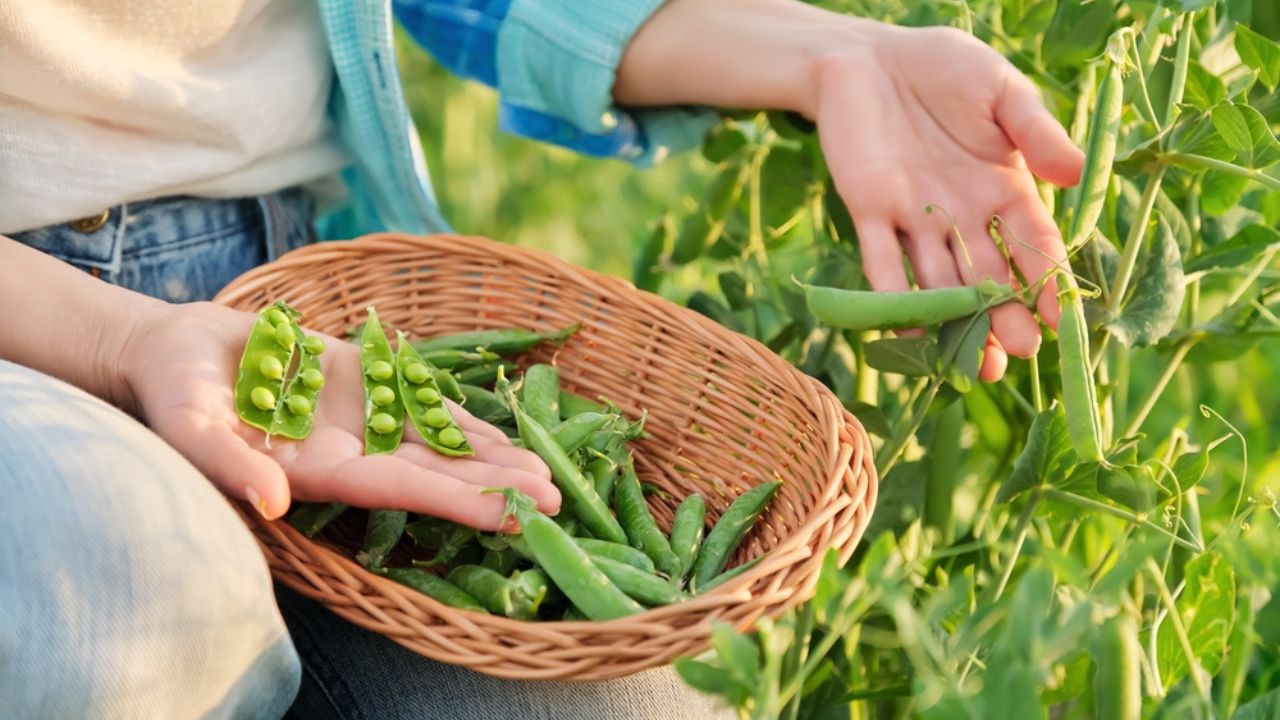
Peas produce delicate tendrils designed specifically to latch onto thin wires and twine. Elevating the plants keeps the sweet pods away from hungry rodents and ground-dwelling insects.
Secure chicken wire or a lightweight mesh net between two wooden posts for an easy climbing structure. Guide the young sprouts toward the mesh so they can establish a strong grip early in the season.
Harvest the pods carefully with two hands to avoid accidentally pulling the fragile vines down. Leaving the roots in the soil after the harvest ends will naturally add nitrogen back into your garden bed.
5. Squash
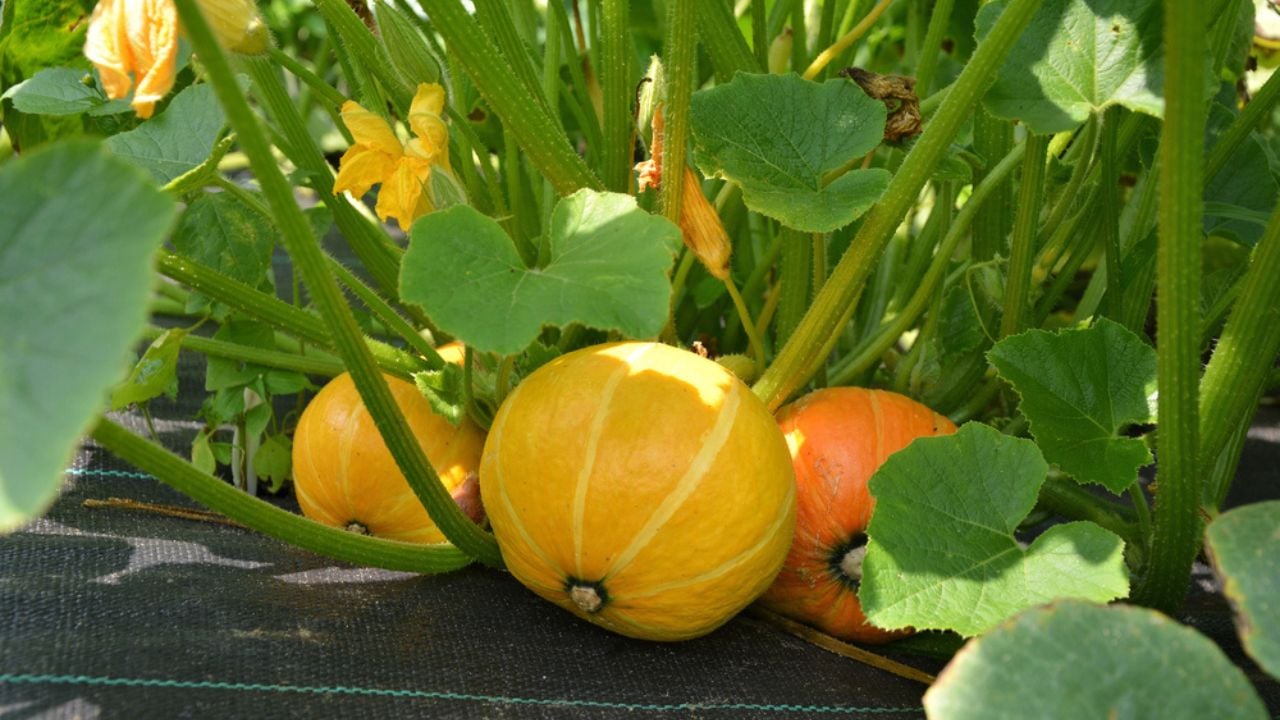
Growing winter and summer squash upright saves a massive amount of square footage in a small yard. The large leaves act as a natural canopy that shades the roots and retains essential soil moisture.
Use a heavy-duty cattle panel arched over a walkway to support the weight of the growing vines. Gently tie the thick stems to the metal grid using soft cloth strips to avoid damaging the plant tissue.
Support the developing fruits with old pantyhose or mesh slings tied directly to the trellis. This technique prevents the heavy squash from snapping off the vine before reaching full maturity.
6. Pumpkins
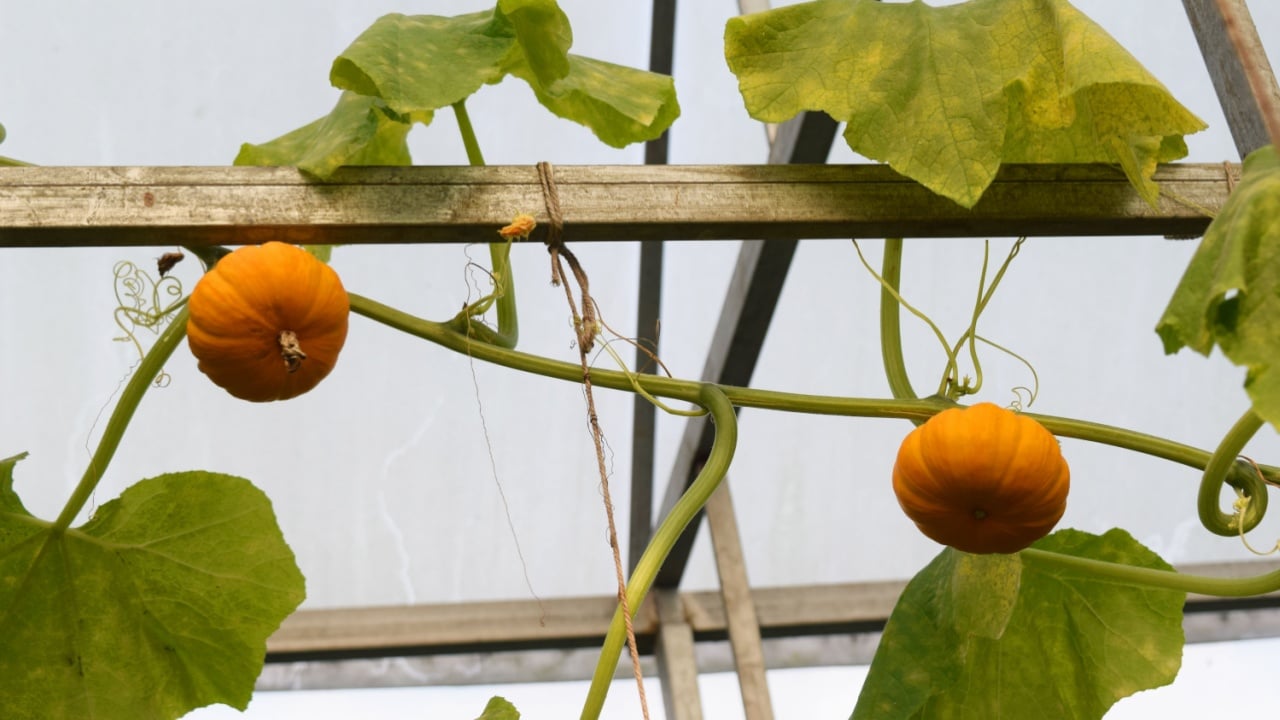
Pumpkins require a surprising amount of room to run but adapt perfectly to vertical setups with adequate support. Elevating the heavy fruits keeps them away from wet dirt and prevents soft spots from forming.
Construct a robust pergola or use a reinforced metal archway to handle the extreme weight of the vines. Select smaller pumpkin varieties to make the vertical growing process much easier to manage.
Create individual hammocks out of breathable fabric for each pumpkin as soon as it reaches the size of a baseball. Tie these hammocks securely to the main frame so the structure bears the weight instead of the fragile stem.
7. Zucchini
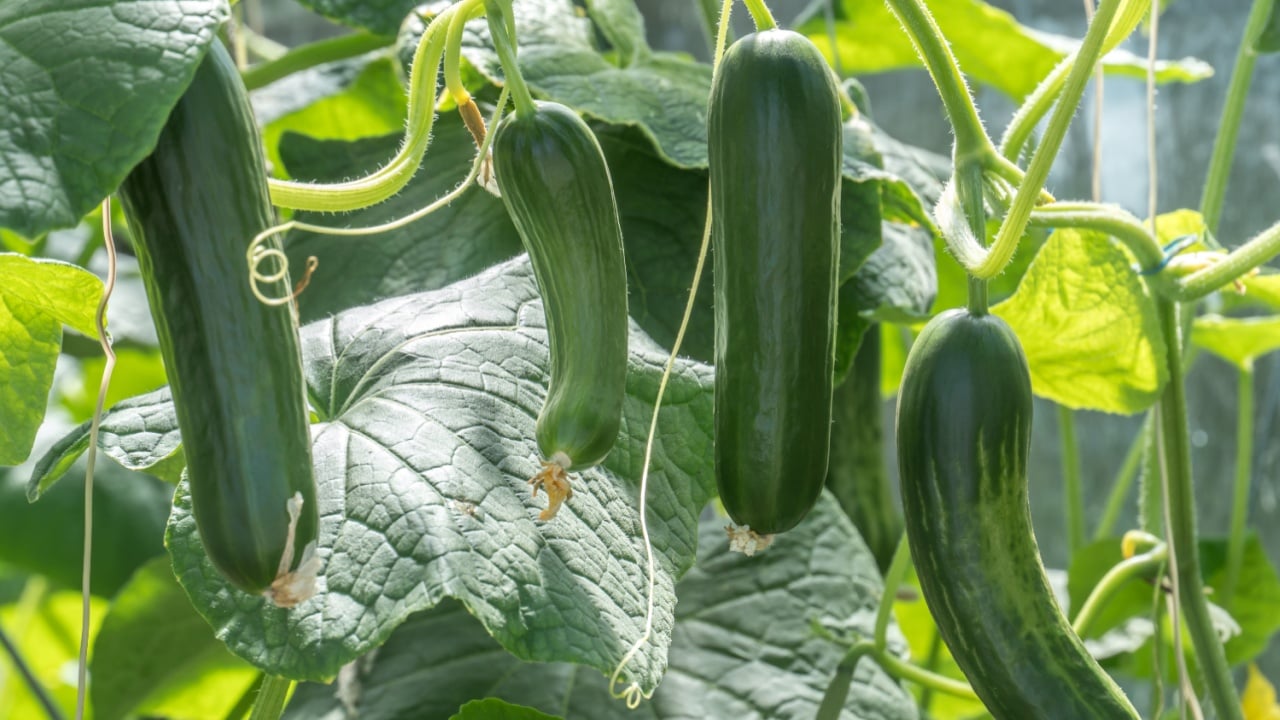
Zucchini plants typically grow outward in a large bush pattern but perform beautifully when trained upward to a single stake. This method promotes massive airflow and drastically cuts down on fungal infections on the lower leaves.
Drive a solid wooden stake deep into the ground right next to the base of the plant. Tie the main stem to the stake every few inches and prune away the lower leaves as the plant climbs higher.
Check the plant daily since zucchini can grow from a tiny blossom into a massive vegetable in just a few days. Frequent harvesting keeps the main stalk from becoming too top-heavy and snapping under the pressure.
8. Melons
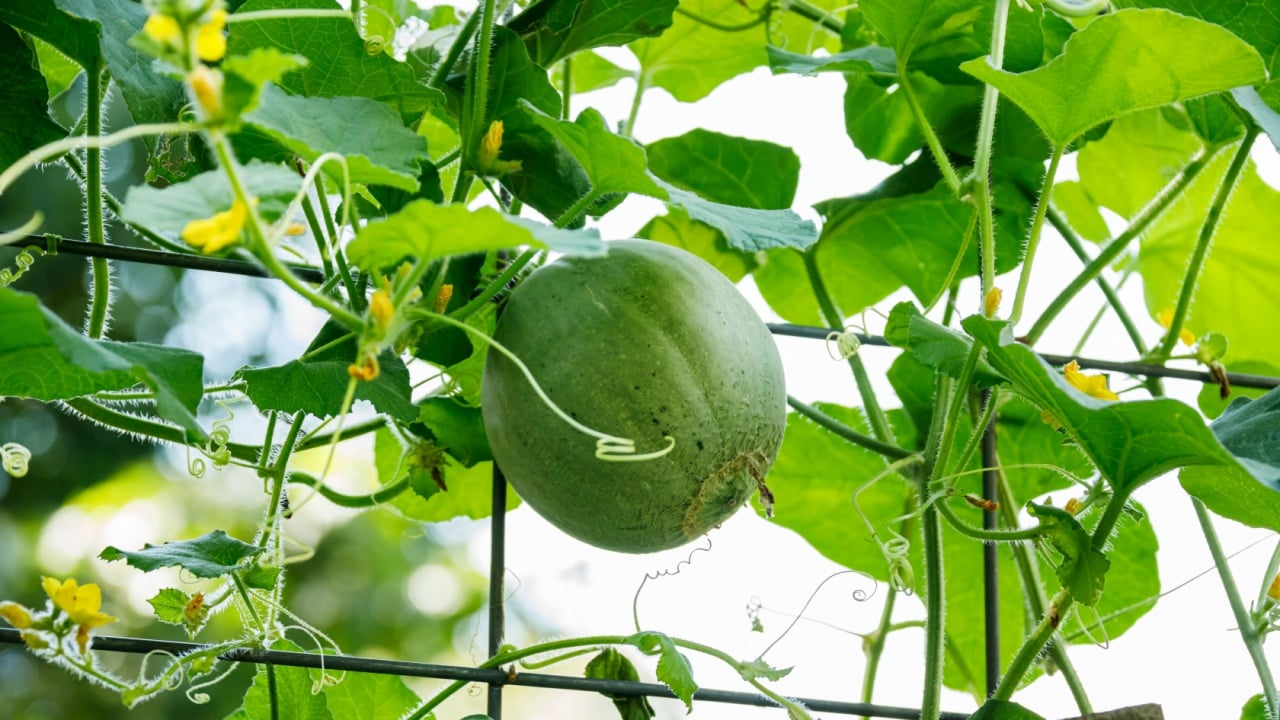
Melons love hot weather and benefit greatly from the increased sun exposure provided by a vertical arrangement. Keeping the delicate fruits elevated stops ground pests from chewing through the sweet rind.
Build a strong trellis using thick wood and heavy wire mesh to support the sprawling vines. Guide the new growth upward and trim away excess side shoots to direct energy into the developing fruit.
Cradle the growing melons in old t-shirts or melon nets tied directly to the sturdy trellis frame. Check the stems regularly for signs of ripeness so you can pick them right before they slip off the vine.
9. Lettuce
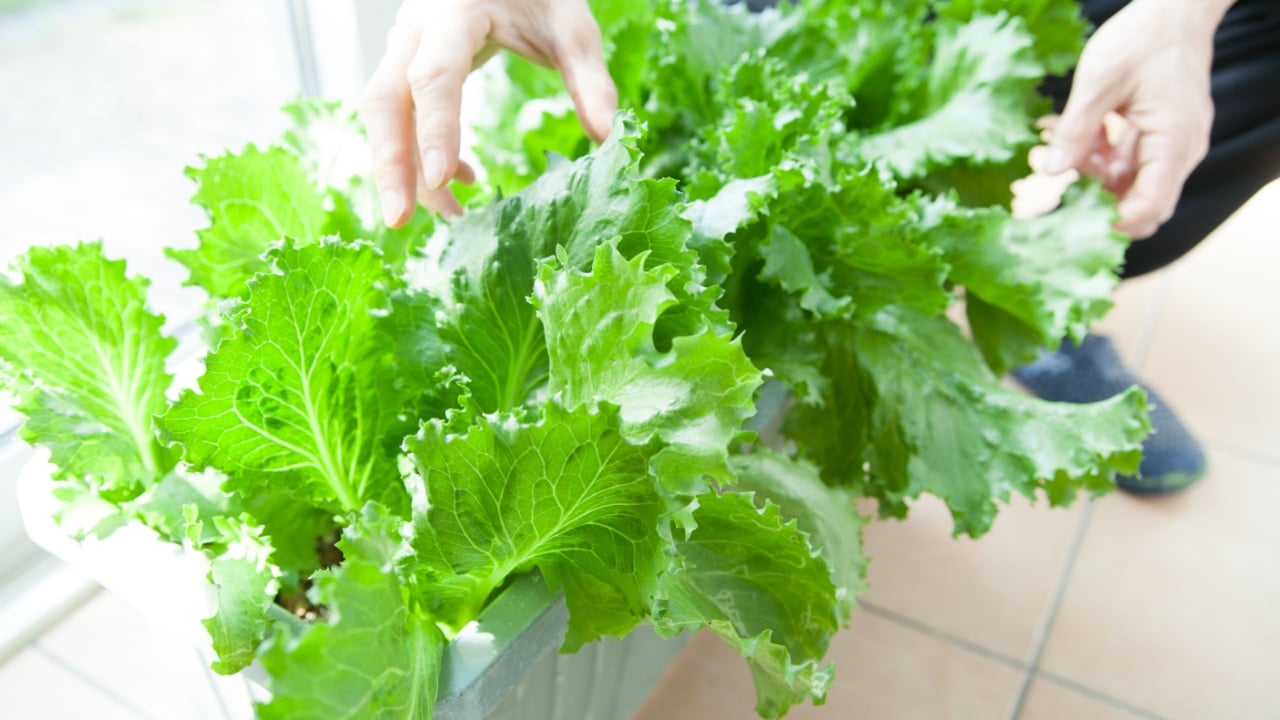
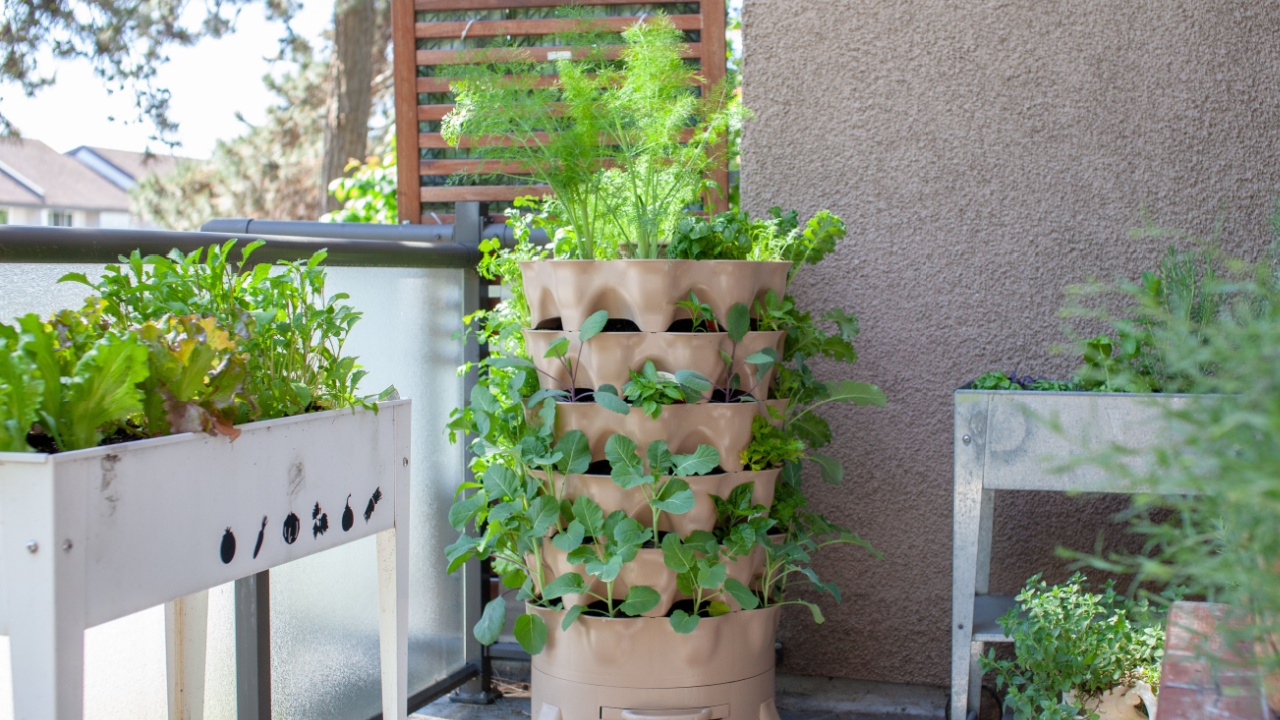
Lettuce varieties feature shallow root systems that adapt perfectly to stacked pots and hanging wall planters. Growing salad greens on a vertical wall provides a constant supply of fresh food right outside your door.
Fill pocket planters or stacked tier systems with a rich potting mix designed for moisture retention. Plant different varieties in each tier to create a visually appealing display of reds and greens.
Harvest the outer leaves continually to allow the inner core of the plant to keep producing new growth. Provide partial shade during the hottest part of the afternoon to prevent the leaves from turning bitter.
10. Strawberries

Strawberries send out long runners that naturally cascade down when planted in hanging baskets or tall towers. This setup protects the delicate berries from slugs and keeps them completely clean and ready to eat.
Use a tiered vertical planter to maximize the number of strawberry plants you can fit into a single corner. Fill the pockets with slightly acidic soil and make sure the containers have adequate drainage holes.
Rotate the tower every few days so all sides receive an equal amount of direct sunlight. Snip off the extra runners to force the plant to focus its energy on producing larger and sweeter berries.
11. Herbs
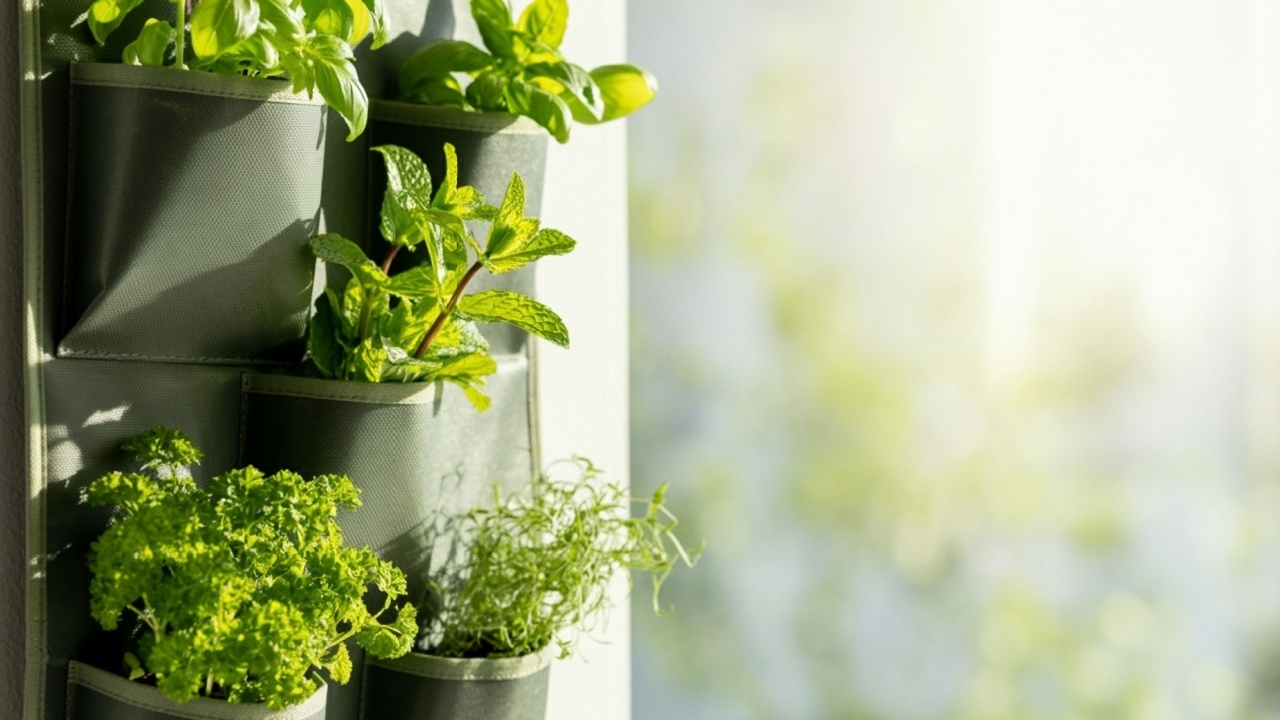
Herbs require very little soil depth and flourish in hanging vertical gardens or stacked window boxes. Keeping culinary plants elevated creates an aromatic display that saves valuable kitchen counter space.
Mount a series of small pots on a wooden pallet or a metal grid attached to a sunny wall. Group herbs with similar watering needs together so you can easily maintain the entire system at once.
Pinch off the top growth regularly to encourage the herbs to grow bushier rather than tall and spindly. Snip the leaves right before cooking to experience the absolute best flavor and aroma.
12. Bell Peppers
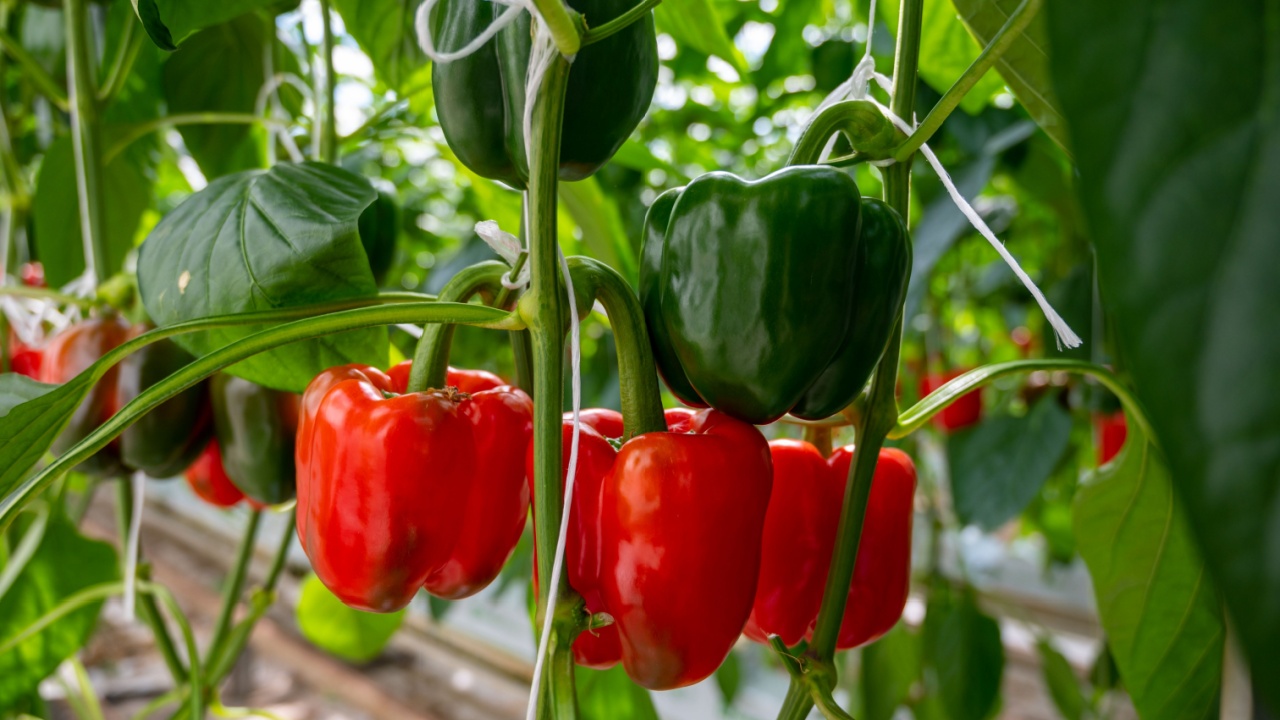
Bell peppers feature a sturdy main stem that benefits from vertical caging to prevent breaking under heavy winds. Upright growth exposes the ripening peppers to maximum sunlight for faster color development.
Place a wire tomato cage over the young pepper plant immediately after transplanting it into the garden. Weave the growing branches through the horizontal wires to provide support as the peppers begin to form.
Feed the plants with a balanced fertilizer every few weeks to encourage robust flower production. Cut the peppers from the stem with sharp scissors to avoid pulling the entire branch down.
13. Grapes
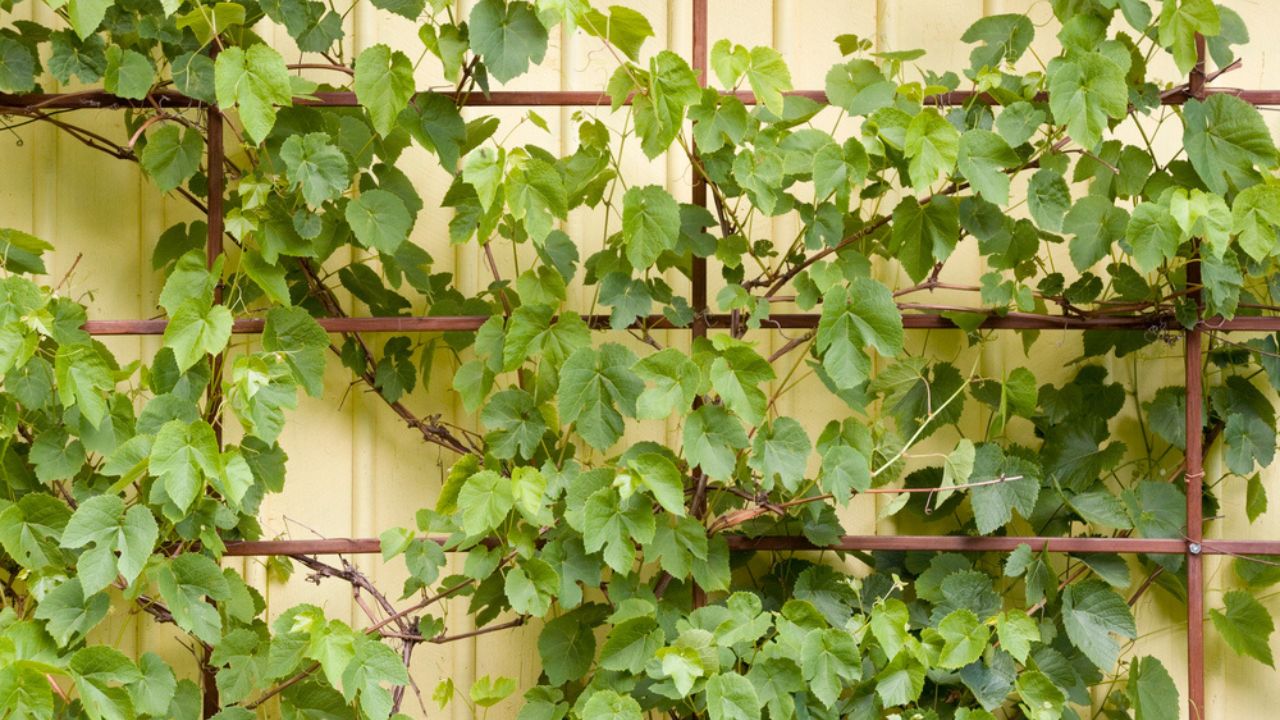
Grapevines naturally seek out high places and require a permanent vertical structure to thrive over many years. Proper elevation provides the necessary sunlight for sugar development inside the fruit clusters.
Install a strong arbor or a heavy wire trellis system designed to last for decades. Train the main trunk straight up and run the lateral branches along the horizontal supports for maximum yield.
Prune the vines aggressively during the dormant winter season to manage their size and promote healthy new growth. Net the ripening clusters in the late summer to protect your harvest from hungry birds.
14. Passionfruit
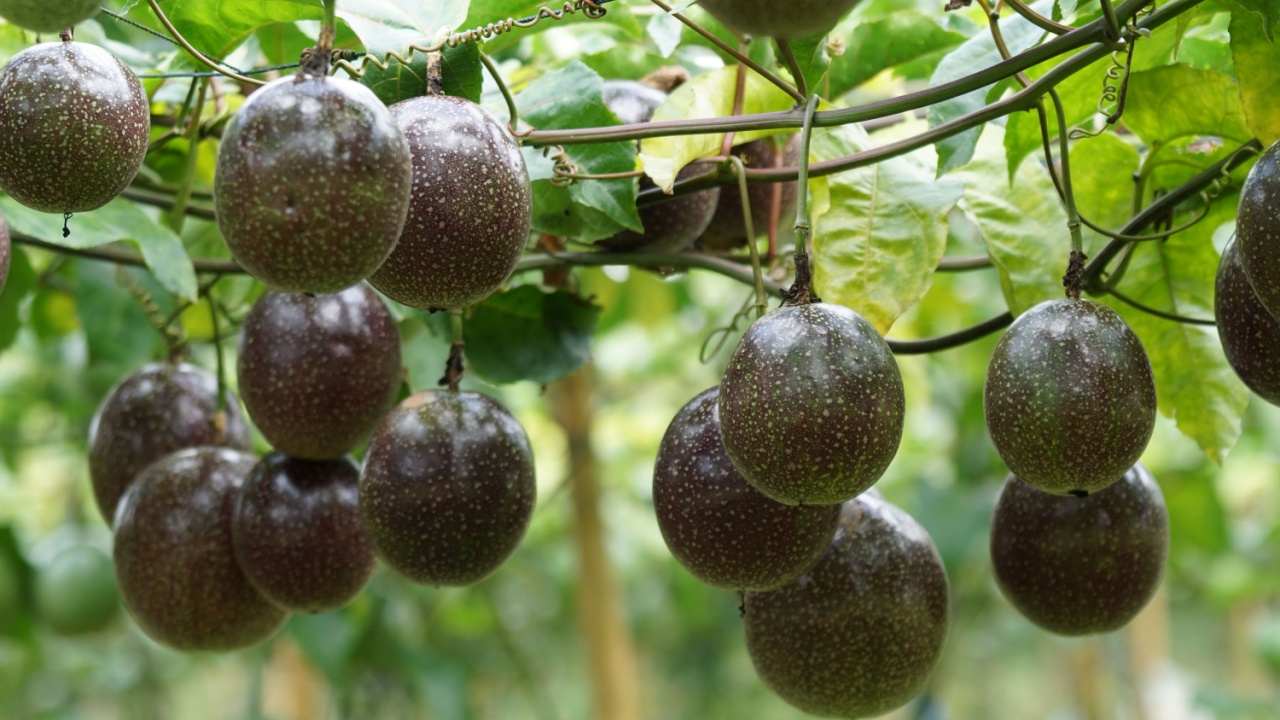
Passionfruit vines grow rapidly and feature beautiful flowers followed by delicious tropical fruits. These aggressive climbers need immediate vertical support to keep them from overtaking surrounding plants.
Attach heavy wire mesh to a solid fence or wall to give the strong tendrils plenty of grabbing points. Water the root zone deeply during dry spells to support the massive amount of foliage the plant produces.
Wait for the wrinkled fruits to drop naturally from the vine or pick them when they turn a deep purple color. Trim back the overgrown vines in early spring to keep the plant manageable and productive for the upcoming season.
From Empty Walls to Abundant Harvests

Maximizing your growing area requires nothing more than a few trellises and a willingness to look up. With a small investment in supports and some patience, you can cultivate an impressive harvest in even the most compact of spaces.
Vertical gardening is an excellent way to increase your yield, add beauty to your landscape, and make the most of every square inch. Grab some seeds or starter plants today and begin transforming your empty walls into an abundant vertical garden.
Read More:
19 Vertical Plants That Do Well in Narrow Spaces
Small Garden? No Problem! Vertical Gardening Ideas That Work