The 15 Ugliest States in America (Based on Data)
Every state has a tourism board working overtime to sell you on its charms. Mountains! Coastlines! Historic downtowns! But for every Hawaii and Alaska, there is a state that’s mostly just flat. Or gray. Or a long corridor of highway flanked by landfills and fast food signs. No offense.
To avoid the trap of pure opinion, this list leans on actual data. Rankings come from World Population Review’s Ugly Score. This is a composite index built from several sources. It uses WalletHub’s Greenest States list, which scores things like air, water, and soil quality. It also looks at the number of state and national parks, the percentage of parkland, Environmental Protection Agency data on trash per person, and total landfill counts. Basically, a high Ugly Score means fewer parks, more waste, and a weaker environmental footprint.
The following 15 states scored the highest. Each one has real redeeming qualities, and this list is not a verdict on the people or the culture. It is simply a look at the landscape and what the numbers say about it.
1. Rhode Island (Ugly Score: 99.07)
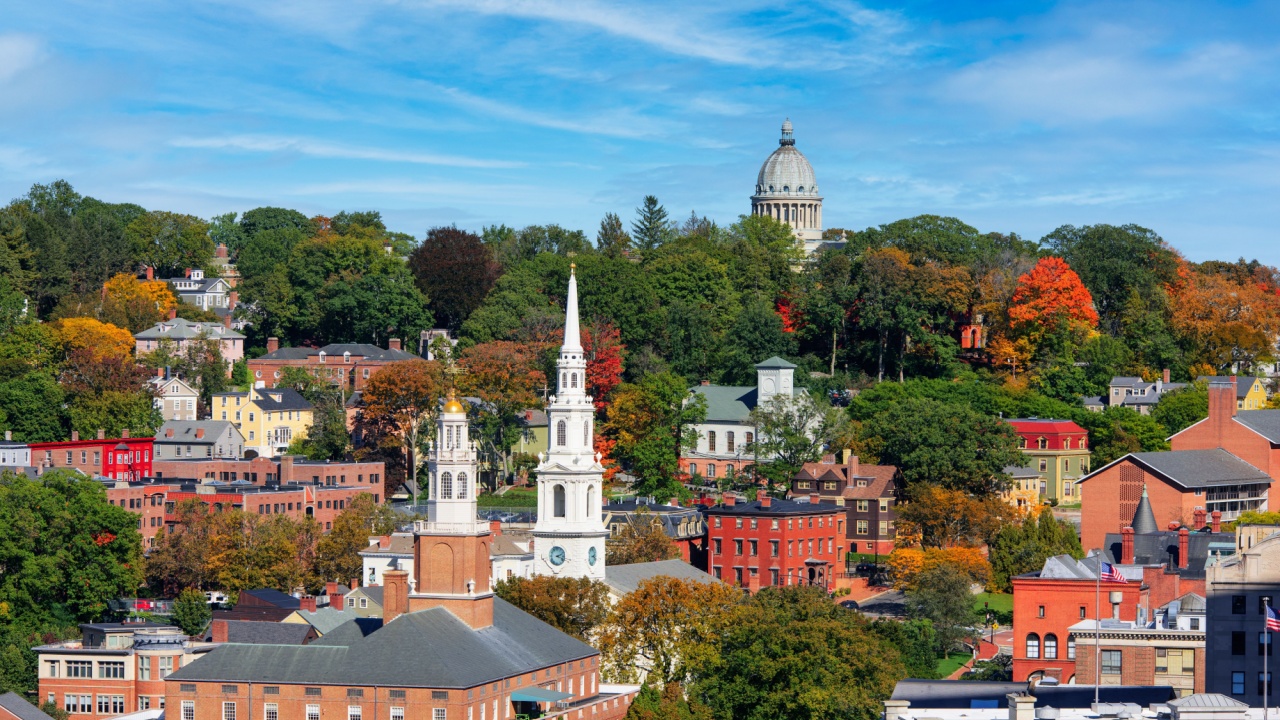
Rhode Island is the smallest state in the country, and unfortunately, it’s also the ugliest one by this ranking. Sandwiched between the urban sprawl of Boston and New York, the state has only 6,000 acres of parkland out of roughly 778,000 total acres, which works out to just 0.84%. Despite its diminutive size, it manages to pack in five landfills and about 37 tons of trash per capita, ranking 17th highest in the country for waste.
The coast is genuinely pleasant, and the Gilded Age mansions in Newport are worth a visit. Narragansett Bay has its fans. But outside of a narrow coastal strip, Rhode Island is largely suburban sprawl connecting Providence to the Massachusetts border, and the data reflects that.
2. Delaware (Ugly Score: 98.61)

Delaware is famously easy to drive through and easy to forget. It holds the distinction of being the second smallest and second ugliest state, with only 1.69% of its land dedicated to parkland. Four landfills and 33 tons of trash per capita round out a profile that’s hard to argue with aesthetically.
The jokes practically write themselves. Delaware is often described as the stretch of highway between Maryland and New Jersey that happens to have its own zip codes. The beaches near Rehoboth are genuinely clean and popular, but they represent a small sliver of a state that’s otherwise defined by corporate office parks and toll plazas.
3. Indiana (Ugly Score: 97.08)
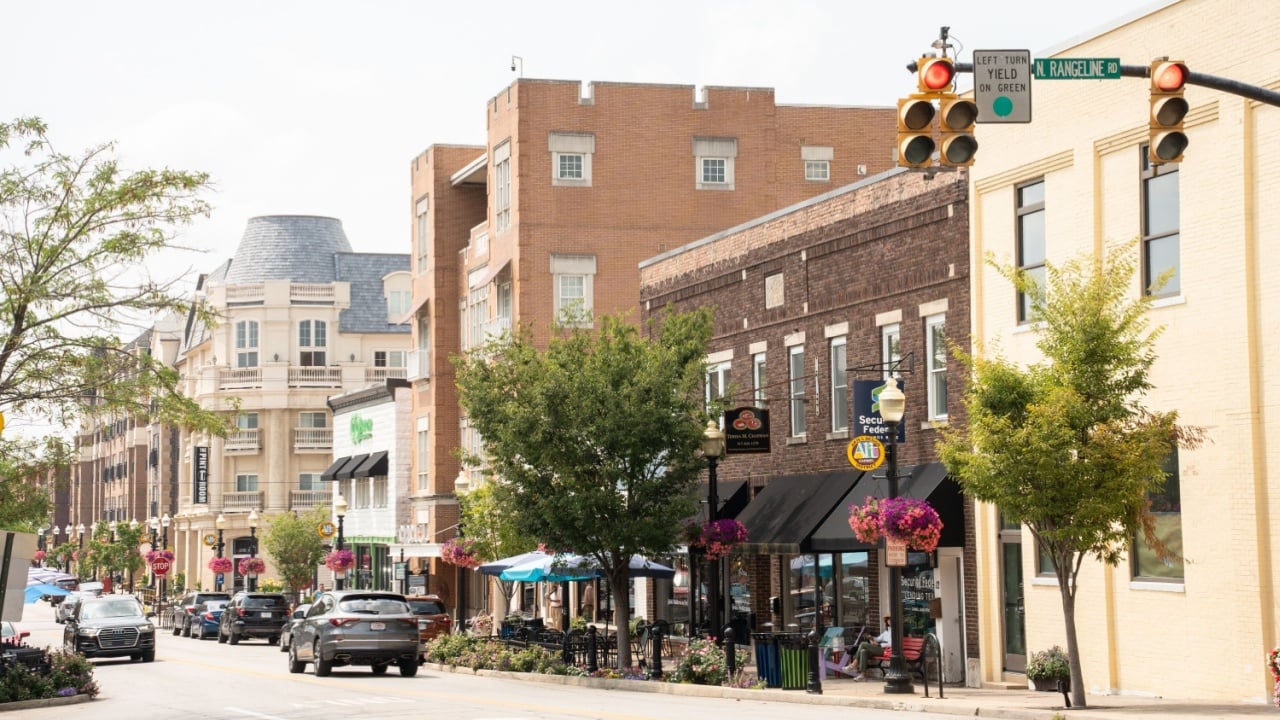
Indiana clocks in with a green ranking of 39 out of 50, less than 1% of its land in parkland, and 89 landfills scattered across the state. The Indianapolis 500 gets the marketing budget. The landscape gets the leftovers.
To be fair, Indiana does have pockets of beauty. The Lake Michigan shoreline in the north offers surprisingly dramatic sand dunes through Indiana Dunes National Park, and the southern hills near Bloomington and Brown County State Park are genuinely scenic. But the vast middle of the state is flat agricultural land broken up by mid-size cities, and it’s hard to make a case for the landscape when the numbers look like this.
4. Maryland (Ugly Score: 95.57)
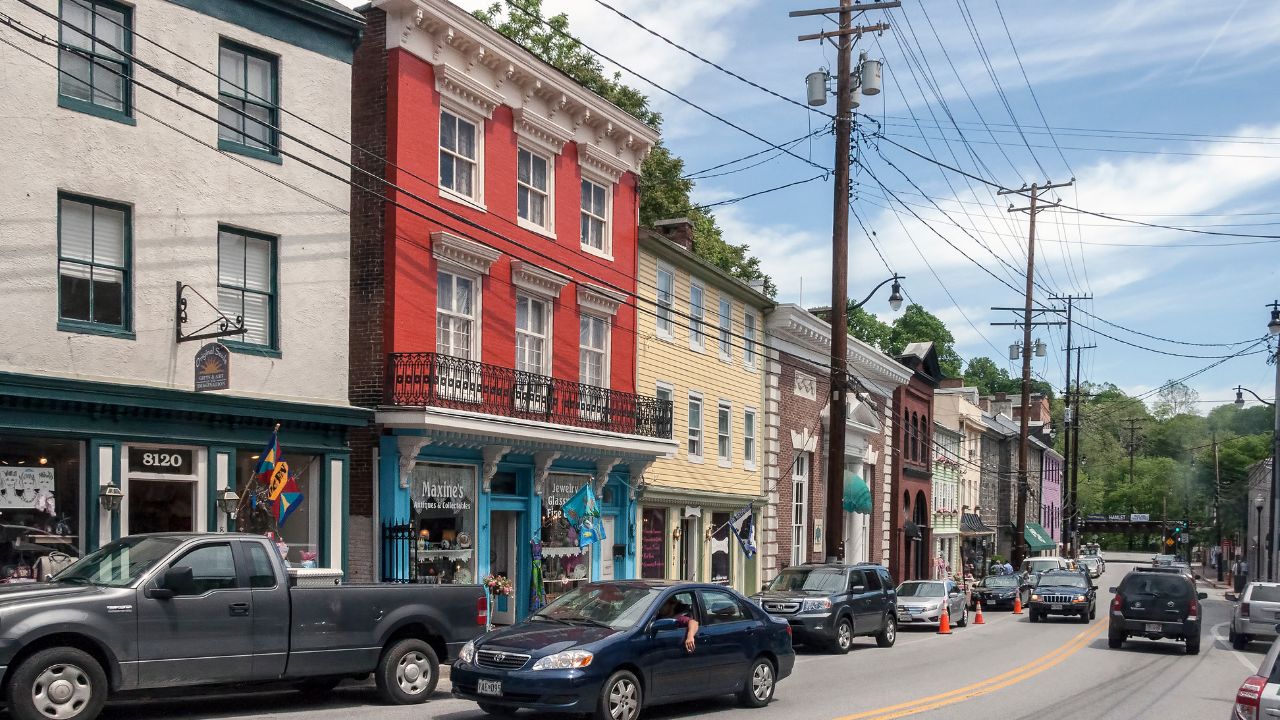
Maryland ranks as the 4th greenest state on WalletHub’s environmental metrics, which actually works in its favor and keeps its Ugly Score from being higher. Still, only about 100,000 of its 7 million acres are dedicated to parkland, and the state has 48 landfills spread across its territory.
The western edge of Maryland, near Deep Creek Lake and the Appalachian Trail corridor, is genuinely beautiful. The Eastern Shore has its charms. But central Maryland, running from Baltimore down to the DC suburbs, is one long corridor of urban and suburban development. Anyone who’s driven I-95 through that stretch knows exactly what the data is describing.
5. Pennsylvania (Ugly Score: 92.05)
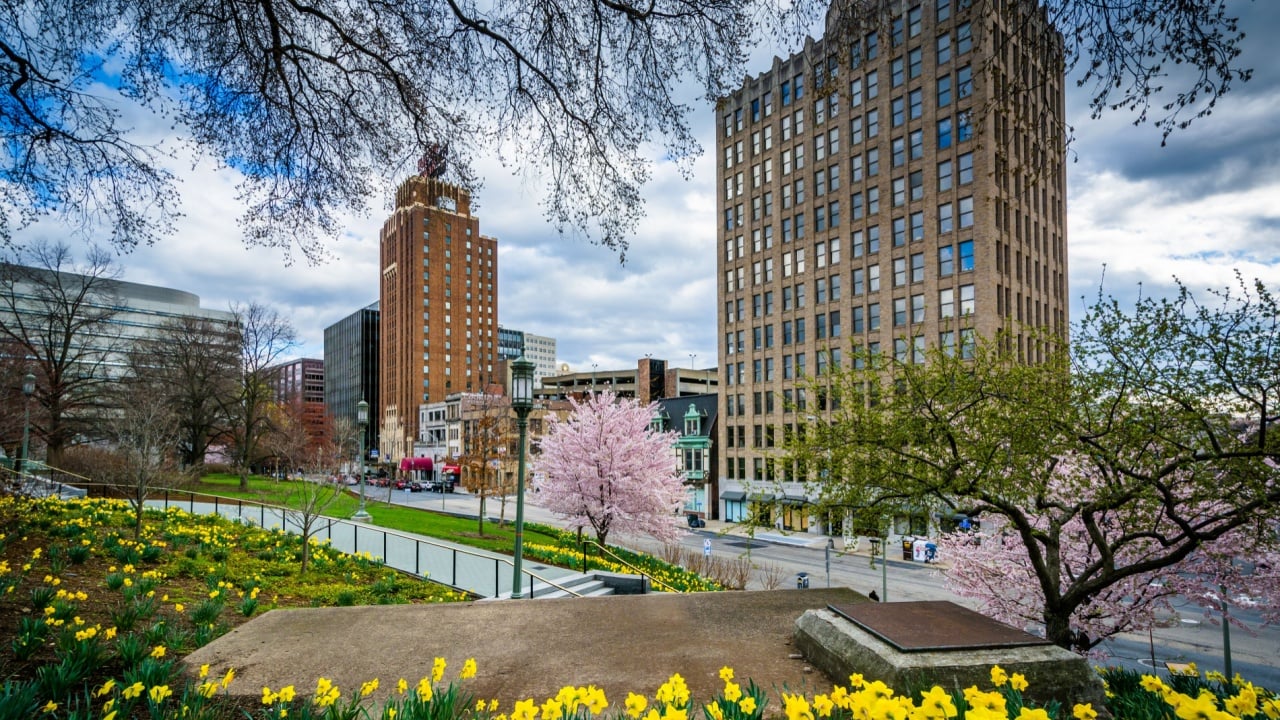
Pennsylvania earns a mediocre green rating of 24, dedicates only 1.02% of its land to parks, and holds 74 landfills. The state is enormous, which makes the relatively small amount of protected parkland stand out more than it might in a smaller state.
Western Pennsylvania’s rolling hills and Allegheny National Forest are genuinely worth the trip. Central Pennsylvania has a quiet, pastoral character that photography enthusiasts love. But eastern Pennsylvania, particularly the industrial corridor running through Allentown, Bethlehem, and the outskirts of Philadelphia, pulls the overall picture in a less flattering direction. It’s a state of dramatic contrasts, and the contrasts show in the data.
6. Ohio (Ugly Score: 91.19)
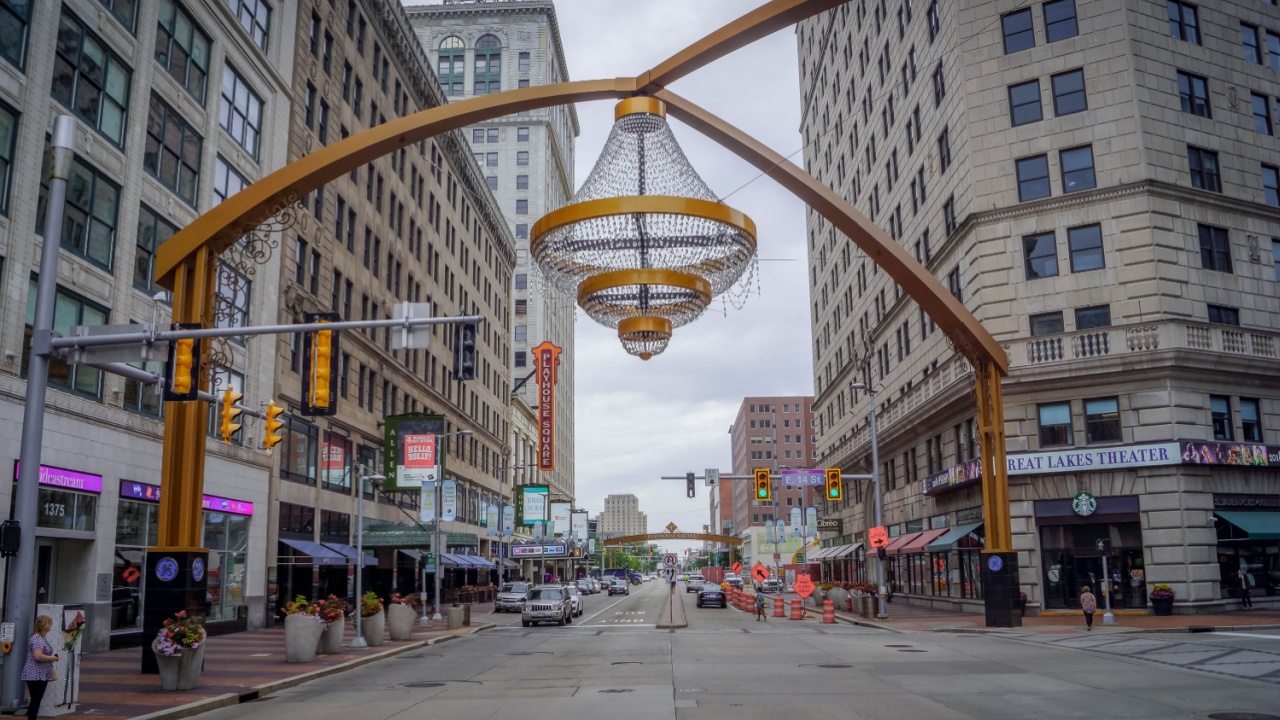
Ohio has nearly 11.8 million residents, making it the 7th most populous state in the country. Population density and natural beauty don’t always conflict, but in Ohio’s case, the footprint is hard to miss. The state has 73 landfills and generates 48.8 tons of trash per capita, one of the highest figures nationally. Only 0.77% of the total acreage is dedicated to parkland.
Ohio is often described as “very American,” which is accurate in the sense that it looks like a lot of America does a mix of mid-size cities, suburban retail corridors, and flat agricultural land. The Hocking Hills region in the south is legitimately stunning, with dramatic gorges and waterfalls, and Lake Erie has its moments. But those spots are the exception.
7. Louisiana (Ugly Score: 85.93)
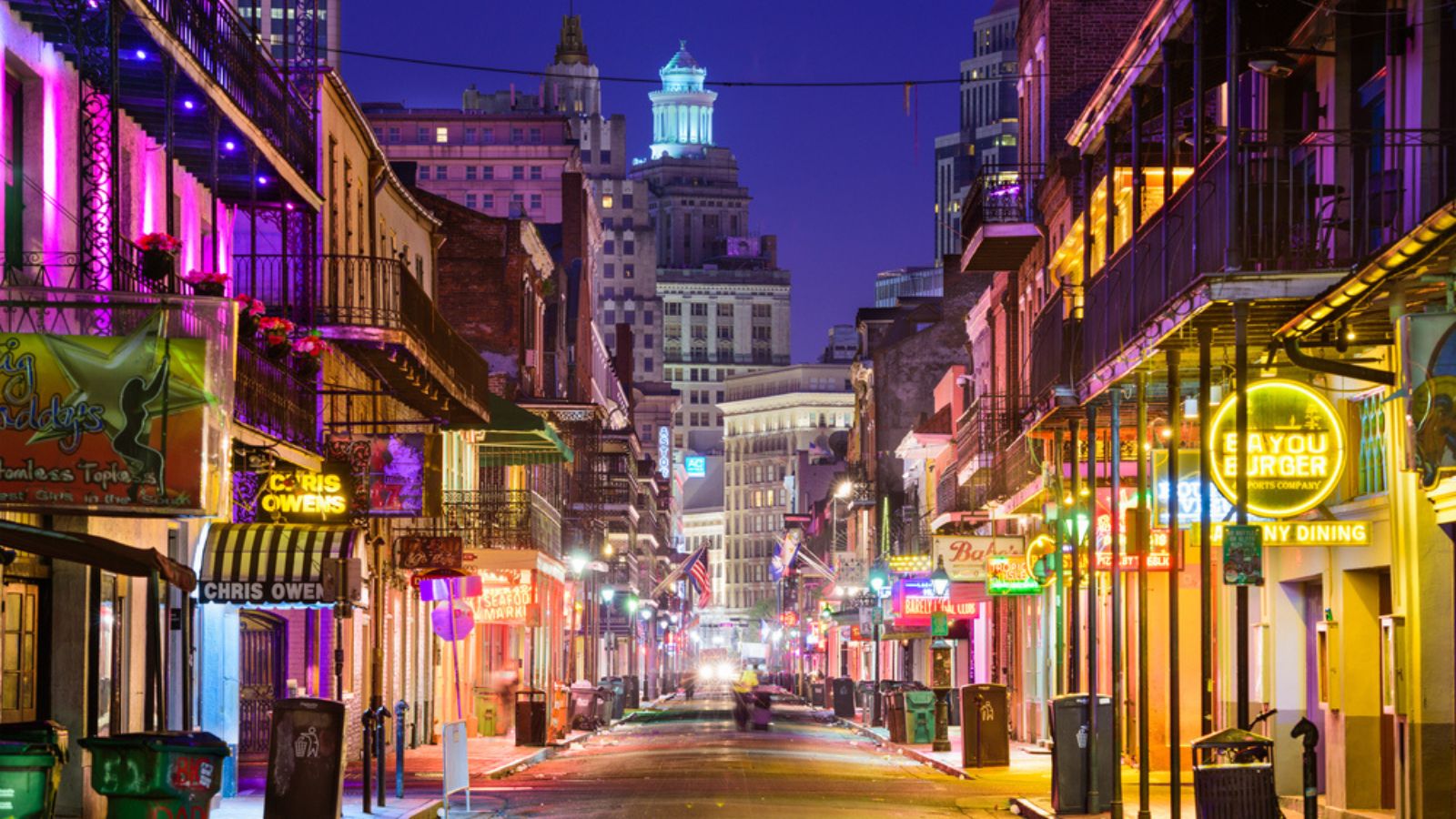
Louisiana holds the 2nd-worst green ranking in the entire country. A tiny 0.10% of its total acreage is dedicated to parkland, it has 37 landfills, and 38.7 tons of trash per capita. The state’s geography is mostly low-lying wetlands, bayous, and swampland, which can be ecologically fascinating but doesn’t score well on traditional “natural beauty” metrics.
Louisiana’s real draws are cultural, not scenic. New Orleans, the food, the music, and the architecture are world-class. The bayou ecosystem is genuinely unlike anything else in the United States. But if the question is whether Louisiana offers sweeping landscapes or dramatic natural vistas, the answer is mostly no, and the data agrees.
8. Georgia (Ugly Score: 78.81)
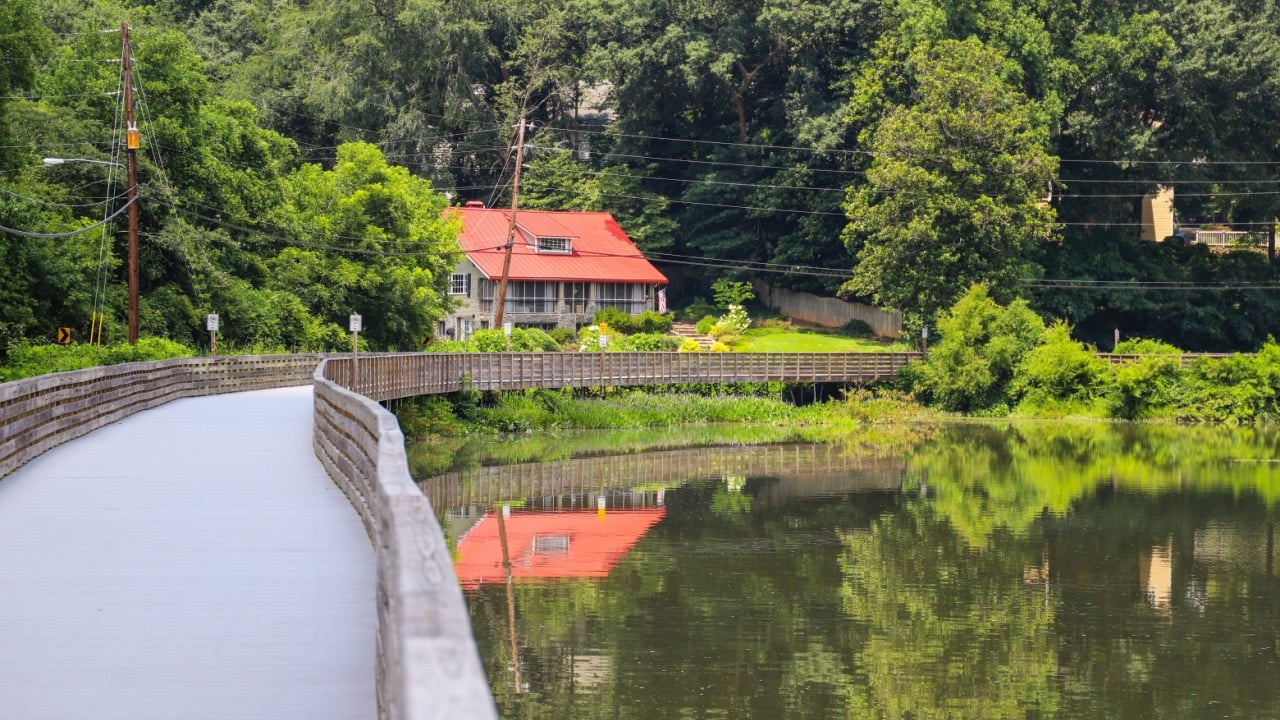
Georgia has a real geographic range. The Blue Ridge Mountains in the north are beautiful by any standard, and the Golden Isles along the coast are legitimately scenic. The problem is that only 0.23% of the state’s total acreage is dedicated to parkland, there are 77 landfills across the state, and trash per capita sits at over 33.7 tons.
Atlanta and its sprawling suburbs occupy a significant portion of the state’s footprint, and much of central Georgia reads as unremarkable flatland punctuated by strip malls and pine forests. The northern and coastal portions are worth visiting, but they don’t represent the full picture.
9. Illinois (Ugly Score: 74.63)
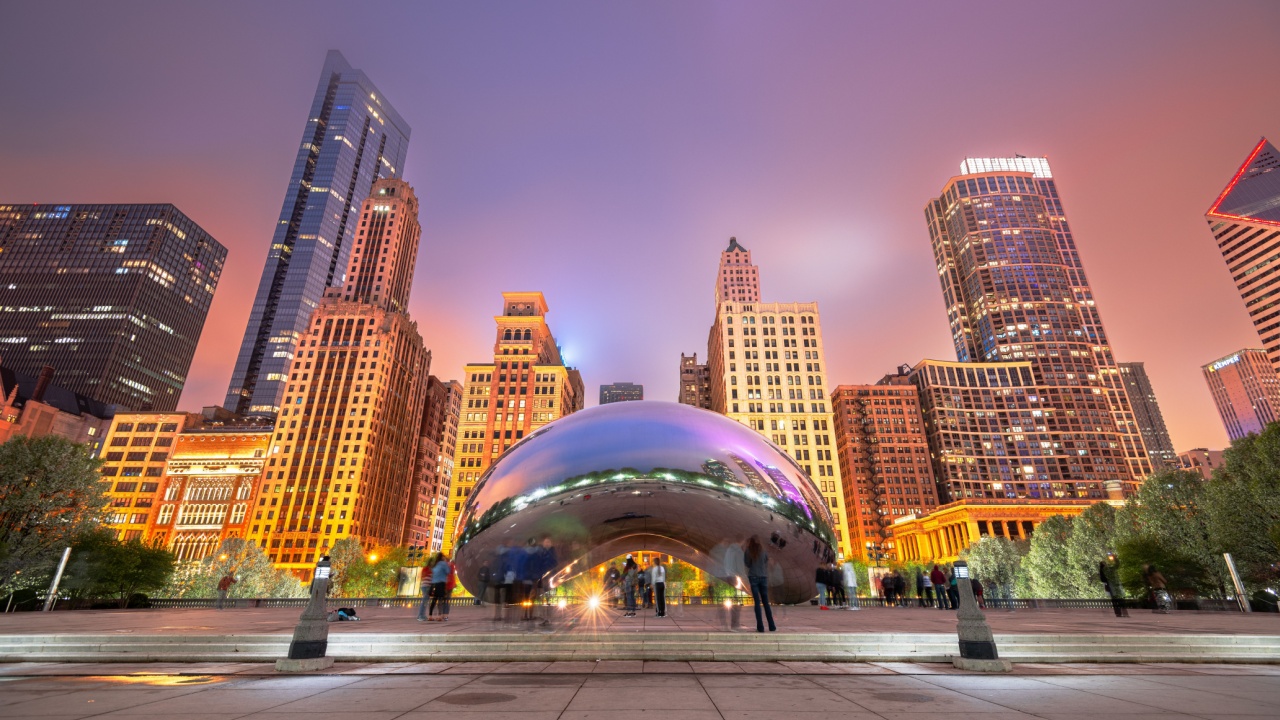
Illinois has 95 landfills, the 14th highest trash per capita rate at 38.7 tons, and dedicates only 1.39% of its 36 million acres to parkland. Outside of Chicago, which draws visitors for architecture and culture rather than natural scenery, the state offers long stretches of flat agricultural land in all directions.
The honest assessment is that Illinois’ geography is not the reason people move there. Chicago itself sits on Lake Michigan and has legitimate visual appeal, and the Shawnee National Forest in the south has interesting rock formations and forest scenery. But for most of the state’s considerable landmass, the landscape is utilitarian at best.
10. Virginia (Ugly Score: 72.29)

Virginia holds a green ranking of 18, dedicates 0.98% of its total acreage to parks, and has 74 landfills, the 12th highest total among all states. The state’s geography splits sharply along an east-west axis. The western half, including Shenandoah National Park and the Blue Ridge Parkway, is objectively beautiful and attracts visitors from across the country.
Eastern Virginia, on the other hand, is largely suburban Washington D.C., spreading outward. Arlington and Alexandria blur into a continuous extension of the capital’s metro footprint, and much of Northern Virginia reads as commercial sprawl. The data captures both halves, and the result places Virginia at number 10.
11. Alabama (Ugly Score: 69.57)
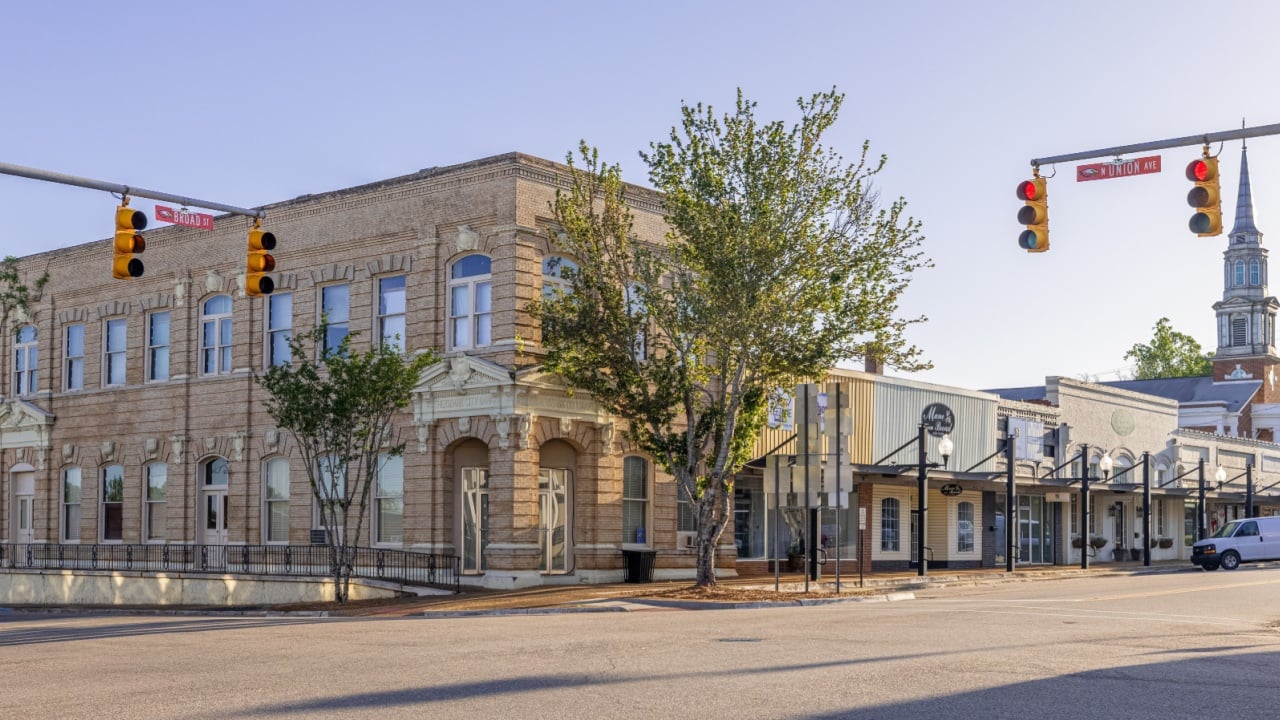
Alabama doesn’t get a lot of credit for its landscapes, and the data backs that up to a degree. The state has a relatively low percentage of protected parkland and carries environmental metrics that rank it near the bottom of national green rankings. The northern part of the state, near the Appalachian foothills and Little River Canyon, has real scenic value, but it represents a small portion of the state’s overall footprint.
Much of Alabama’s landscape is characterized by a mix of pine forests, agricultural land, and small industrial towns. Gulf Shores and Orange Beach offer beachfront scenery, but the state’s overall ranking reflects a landscape that rarely makes national best-of lists.
12. South Carolina (Ugly Score: 65.44)
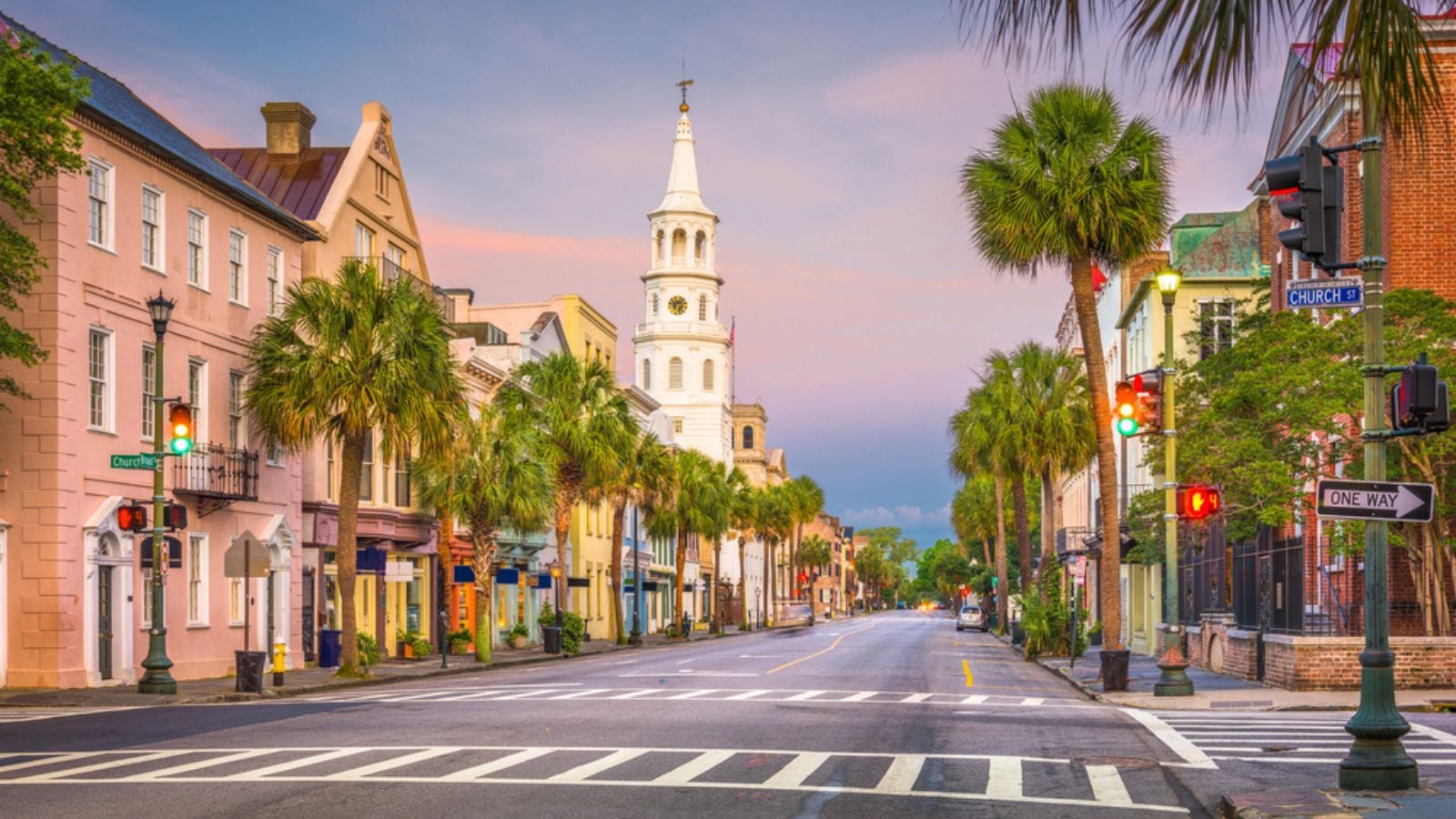
South Carolina has a coastline that draws millions of visitors to Myrtle Beach and Hilton Head every year, and the Upstate region near Greenville has genuine mountain scenery. But much of the Midlands and Lowcountry consists of flat terrain with limited dramatic visual appeal, and the state’s environmental metrics and parkland coverage don’t do it any favors.
The coastal development along the Grand Strand is extensive and heavily commercialized, which contributes to a landscape that can feel more like a resort corridor than a natural destination. South Carolina has beautiful corners, but they require some searching to find.
13. West Virginia (Ugly Score: 63.95)
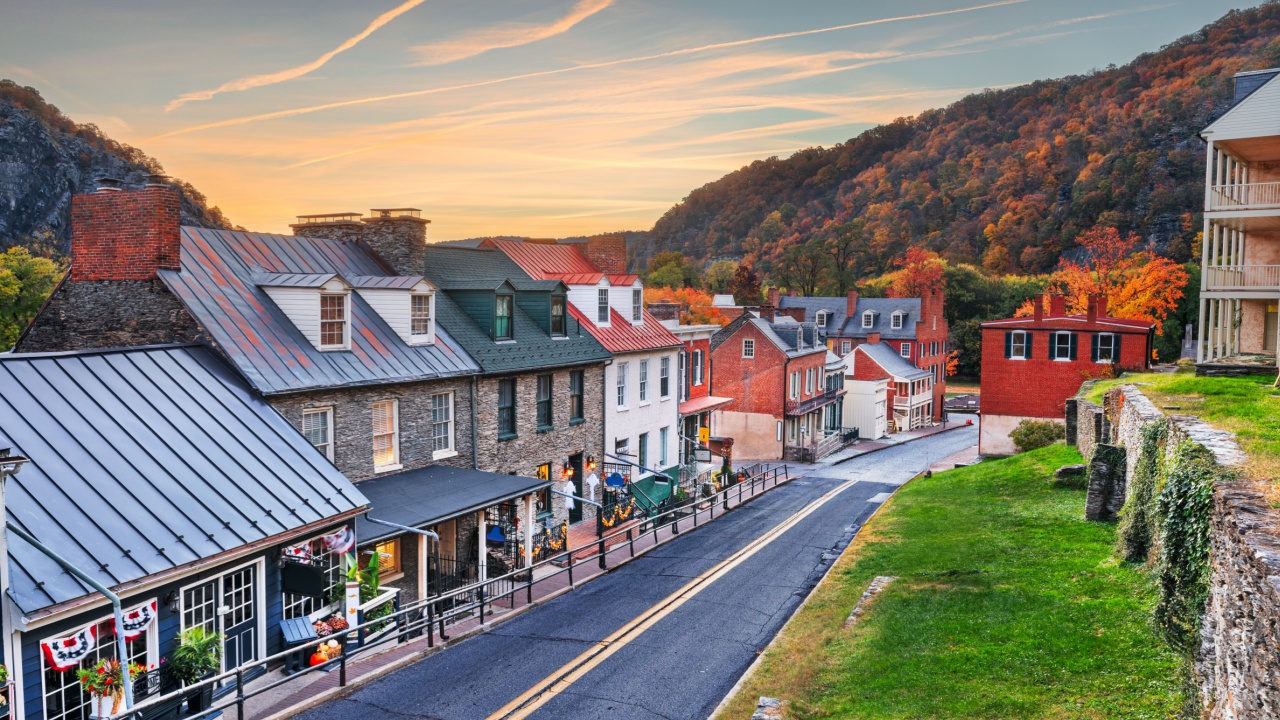
West Virginia is an interesting case. The state has significant natural beauty in the form of the New River Gorge, Seneca Rocks, and the Monongahela National Forest. The New River Gorge was designated a national park in 2020, which is a meaningful recognition of its landscape quality.
The challenge is that decades of industrial and mining activity have left visible marks on parts of the state, and overall environmental metrics reflect that history. Limited economic development in protected natural areas means infrastructure around those scenic spots can feel sparse. The raw landscape has real appeal, but the surrounding context brings the overall score down.
14. Mississippi (Ugly Score: 60.47)

Mississippi is largely flat, with low-lying terrain running from the Delta in the northwest down to the Gulf Coast. The state’s green rankings are poor, parkland coverage is minimal, and environmental data place it consistently near the bottom of national rankings.
The Mississippi Delta has a cultural and agricultural significance that’s hard to overstate, and the Gulf Coast has been rebuilt and developed significantly since Hurricane Katrina. But as a landscape destination, Mississippi doesn’t offer much that competes with neighboring states. The scenery is modest, and the data reflects that.
15. Kentucky (Ugly Score: 59.81)
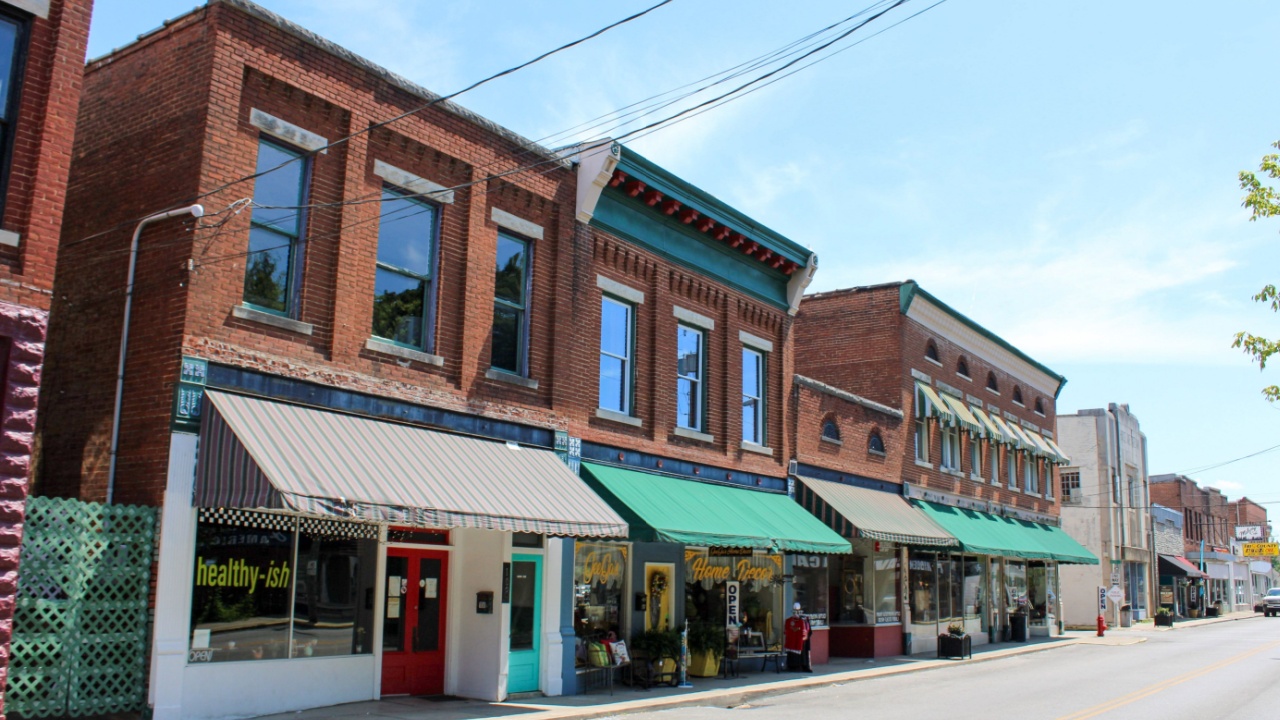
Kentucky rounds out this list with a landscape that has genuine highlights Mammoth Cave National Park is the longest known cave system in the world, the Red River Gorge is a legitimate natural spectacle, and the horse farm country around Lexington is distinctively beautiful. The problem is that these areas represent a fraction of the state’s overall footprint.
Large portions of eastern Kentucky carry the environmental legacy of coal mining, and the state’s overall green ranking and parkland coverage metrics drag the average down. The contrast between Kentucky’s scenic pockets and its industrial areas is sharp, and the composite score reflects the full picture.
Beauty is More Than a Ranking: Explore for Yourself
Beauty rankings like this one are always going to spark debate, and that’s the point. The scores here aren’t meant to be the final word on any state; they’re a snapshot of environmental data at a specific moment in time. States invest in conservation, clean up industrial sites, and expand parkland, and rankings shift when they do.
If any of the states on this list surprise you, the best response is to look up what’s actually there. Some of the most underrated hiking, paddling, and scenic driving in the country exist in places that don’t make the highlight reels. Explore the World Population Review’s full dataset to see where every state lands, and decide for yourself what the numbers mean.
Read More: