12 Details Thieves Use to Decide Which Homes to Target
Most people think theft happens because of “bad neighborhoods” or random chance, but often it’s everyday habits that quietly make a home look like an easy opportunity. It’s rarely dramatic; it’s subtle.
Research reports that most burglaries are not carefully planned for months; they often happen because a property looks accessible and unprotected. Similarly, visible cues like lighting, maintenance, and activity levels strongly influence whether criminals target a home. Thieves are often looking for the simplest, lowest-risk option.
The good news? Small changes make a big difference. Below are 12 lthe ways homes unintentionally attract thieves, plus practical next steps to reduce risk and feel more secure.
1. Leaving Packages Sitting Outside
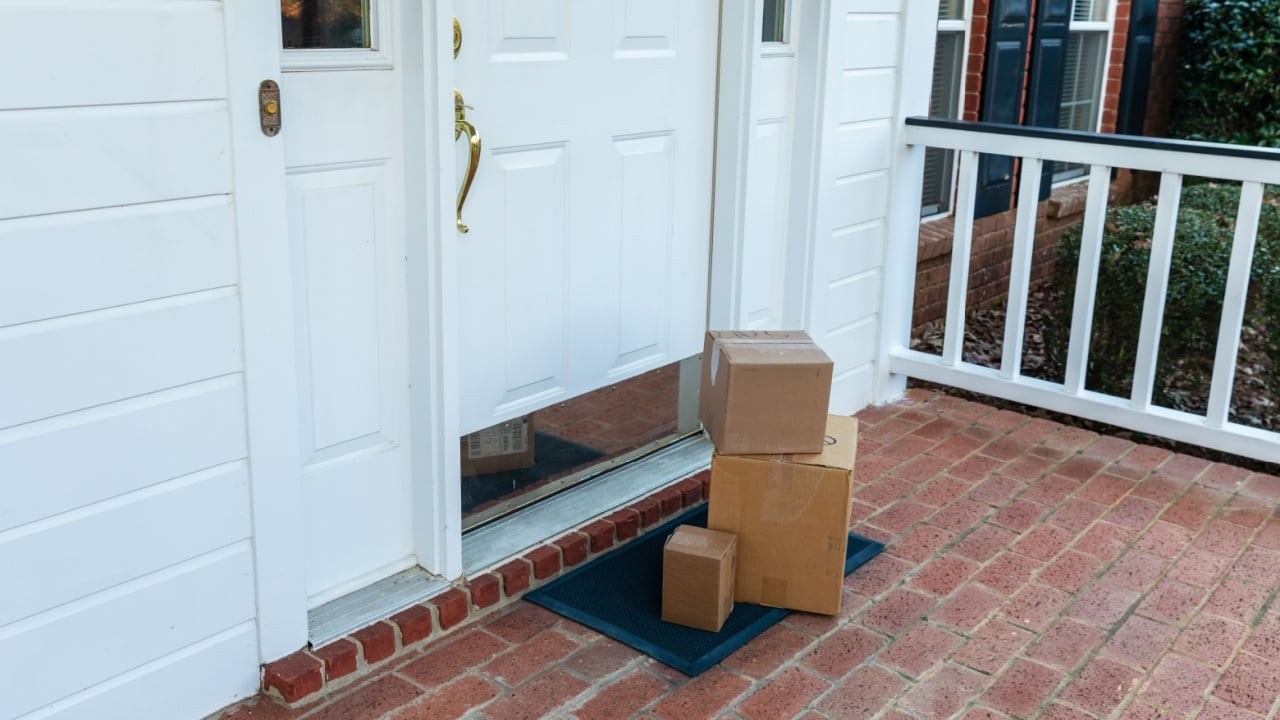
Porch piracy has surged in recent years, especially with the rise of online shopping. It is reported as a $37 billion problem, affecting roughly 1 in 4 American households annually. A visible box on a porch signals two things: there may be valuable items inside, and no one is currently home to collect them. It becomes an easy, low-risk opportunity.
Scheduling deliveries for times when someone is home or using secure delivery lockers can reduce that risk. Installing a doorbell camera also adds a visible deterrent. Even asking a neighbor to grab deliveries during work hours helps. The goal is simple: remove the signal that a package is unattended.
2. Poor Outdoor Lighting
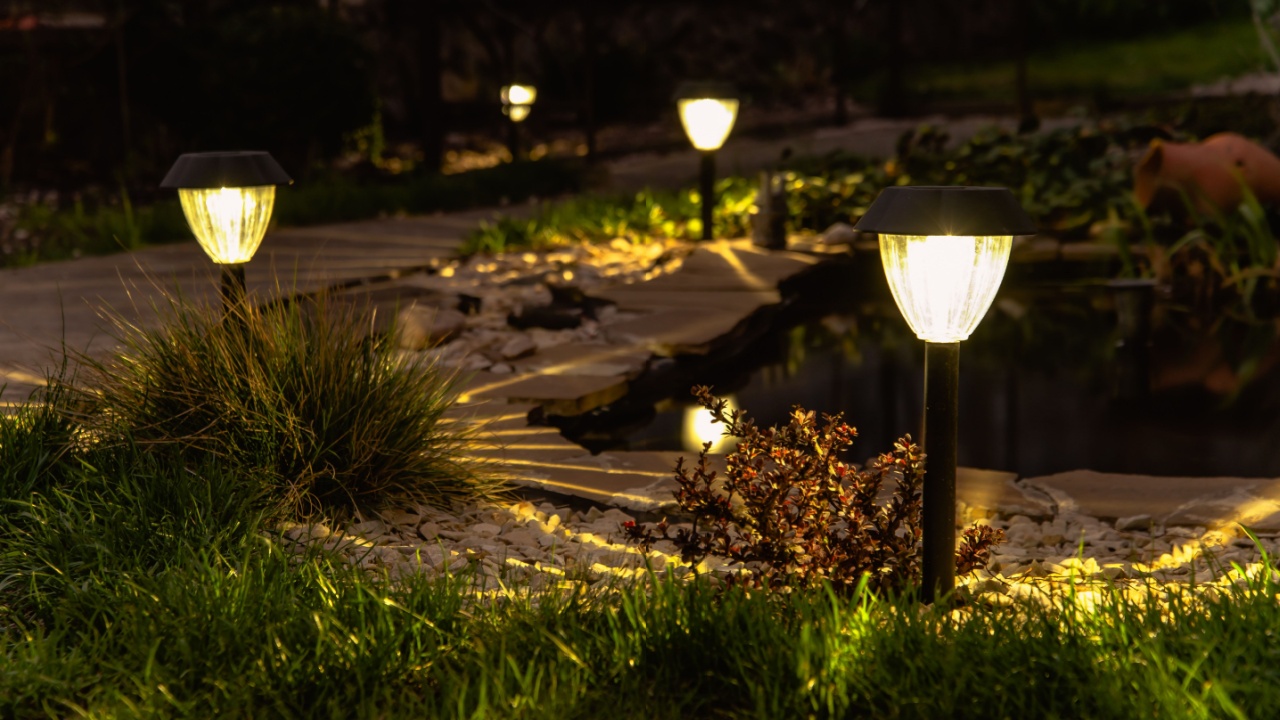
Darkness provides cover. Research found that improved street lighting is associated with reductions in crime. Poorly lit driveways, backyards, and entryways make it easier for someone to approach unnoticed.
Motion-sensor lights are affordable and highly effective. Trimming trees that block light and replacing burned-out bulbs can make a home look occupied and monitored. Light increases visibility, and visibility reduces risk for a potential thief.
3. Overgrown Landscaping
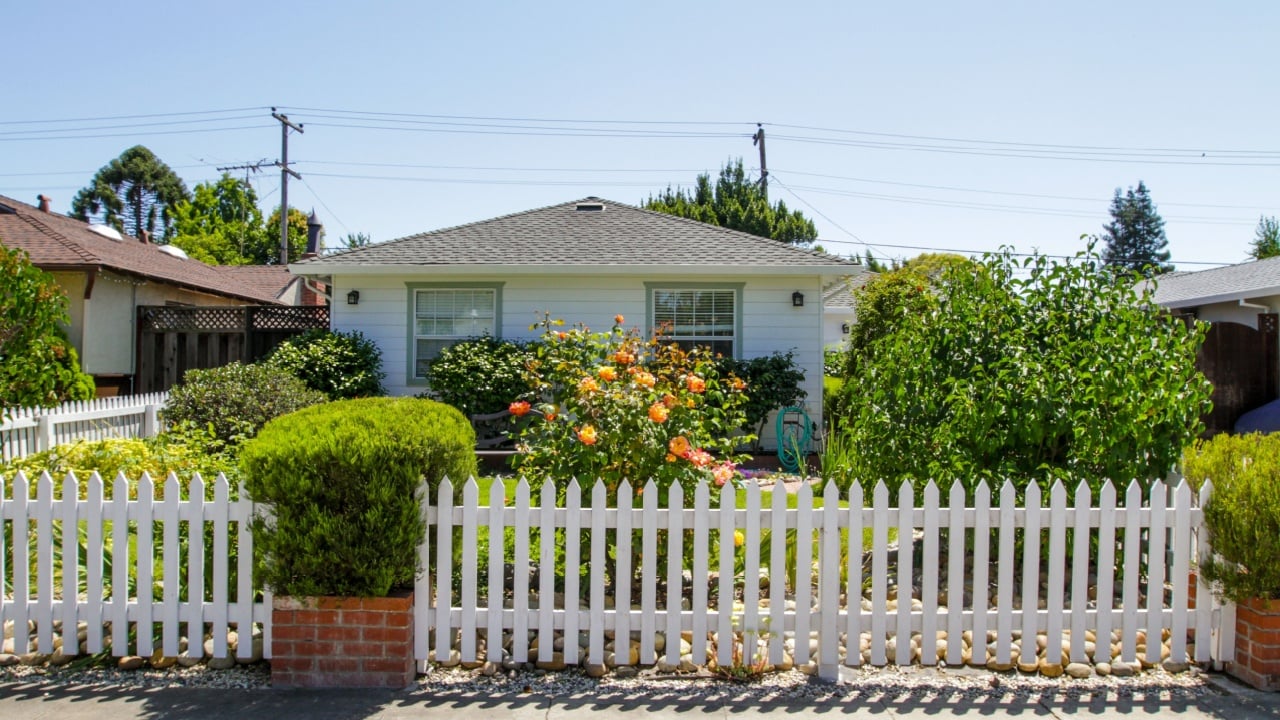
Tall hedges and thick bushes can offer privacy, but not just for residents. Landscaping experts echo this concern, noting that shrubs should be kept below window level and tree canopies raised to maintain clear sightlines. This balance of greenery and visibility ensures privacy without sacrificing safety.
Beyond plant height, thoughtful design choices can further discourage intruders. Using open fencing or decorative gates maintains boundaries without blocking views, while strategic outdoor lighting highlights entry points and deters unwanted activity after dark.
4. Posting Vacation Plans on Social Media

Excited vacation photos can unintentionally advertise an empty house. A survey by Allstate found that many people post travel updates while still away from home. Public posts can signal that no one is around, essentially inviting opportunistic burglars.
Waiting until returning home to post photos is a safer habit (or just don’t do it at all). Adjusting privacy settings and asking a trusted neighbor to collect mail and park occasionally in the driveway can create the appearance of activity. Digital oversharing can translate into physical risk.
5. Leaving Spare Keys in Obvious Spots
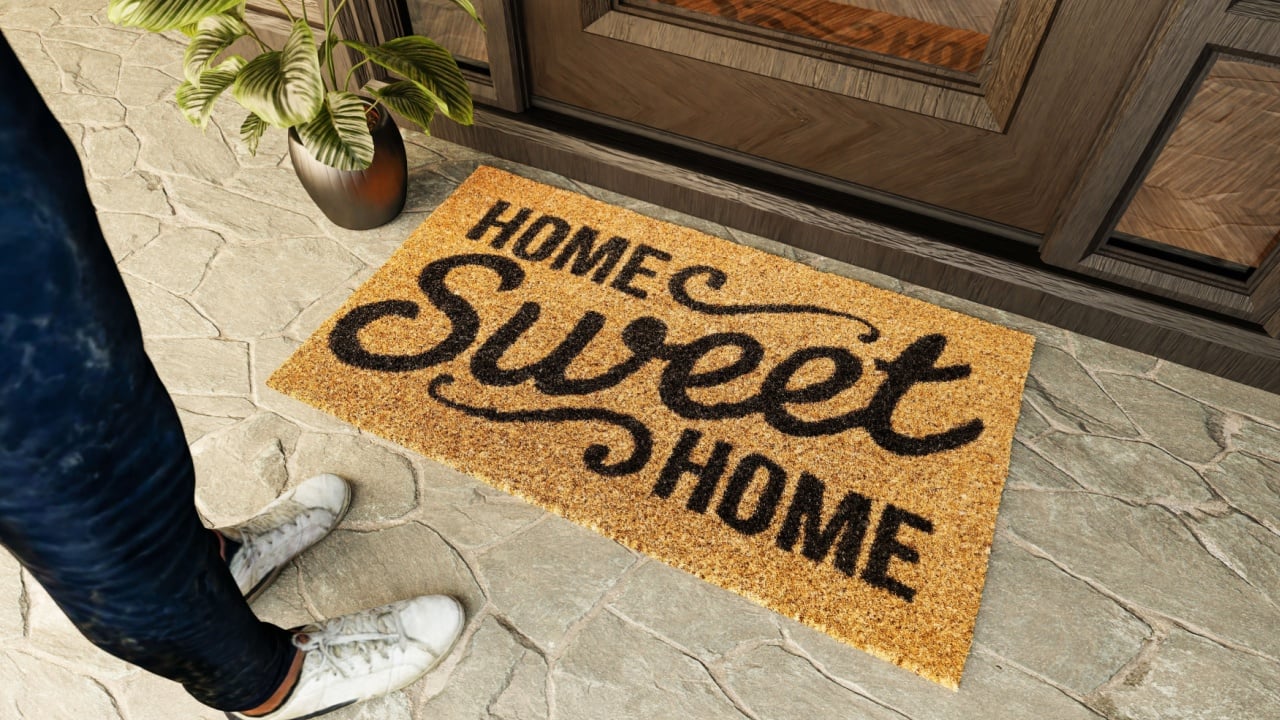
Under the doormat. Inside a fake rock. Above the door frame. If you’ve thought of it, chances are a burglar has too. These hiding places are well known, and burglars know them too. These “classic” spots are the first places intruders check, making them more risky than reassuring.
A better solution is giving a spare key directly to a trusted person or installing a smart lock with a temporary code. Eliminating predictable hiding spots removes one of the easiest entry methods available.
6. No Visible Security System

Homes without alarm systems are significantly more likely to be targeted. A study from the University of North Carolina at Charlotte found that 60% of convicted burglars would avoid a home if they detected a security system.
Even small signals of protection can make a difference. Security signage, visible cameras, or motion‑activated lights suggest that a property is monitored, raising the perceived risk for intruders. Criminals tend to choose the easiest targets, so clear signs of surveillance and deterrence shift attention elsewhere.
7. Leaving the Garage Door Open
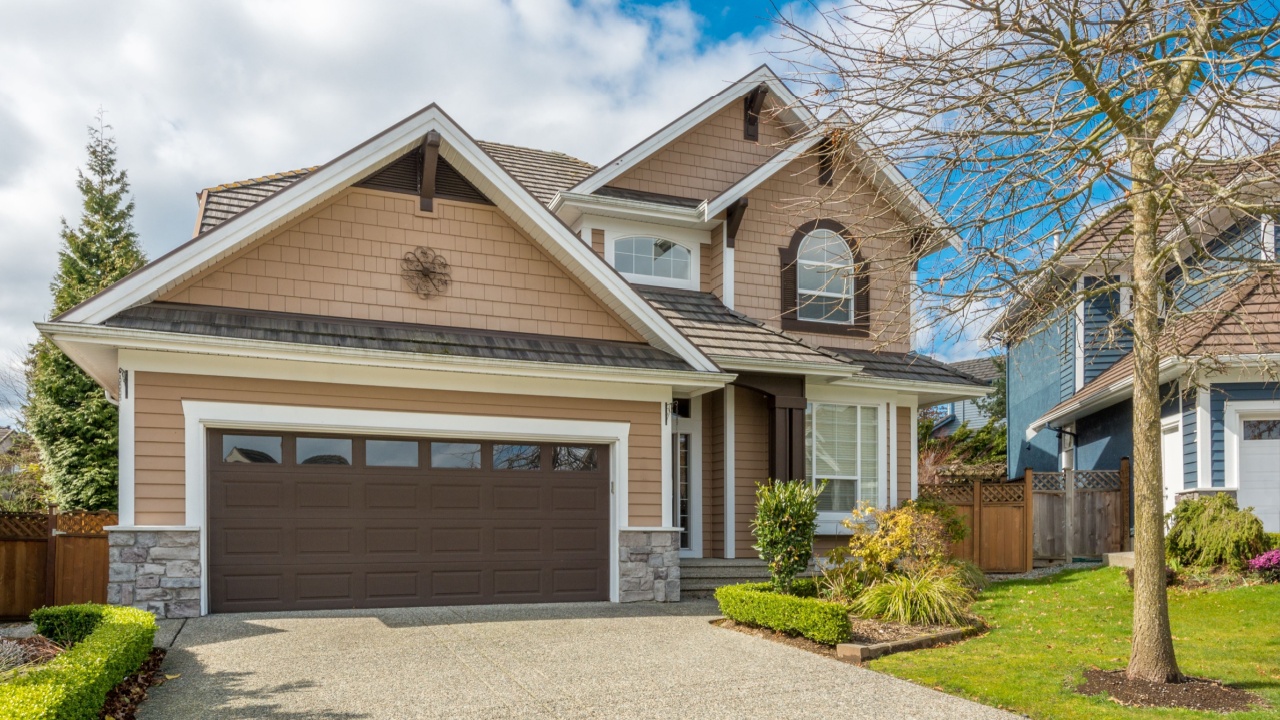
Garages often contain tools, bikes, and sometimes access to the main house. Leaving the garage door open even briefly offers visibility into valuable items. In fact, about 9% of burglars gain entrance through the garage, making it a common point of vulnerability.
Automatic garage door closers or reminder apps can help. Keeping interior garage doors locked adds another barrier. A closed garage removes a clear view of what’s inside and reduces the chance of opportunistic entry.
8. Unlocked Windows
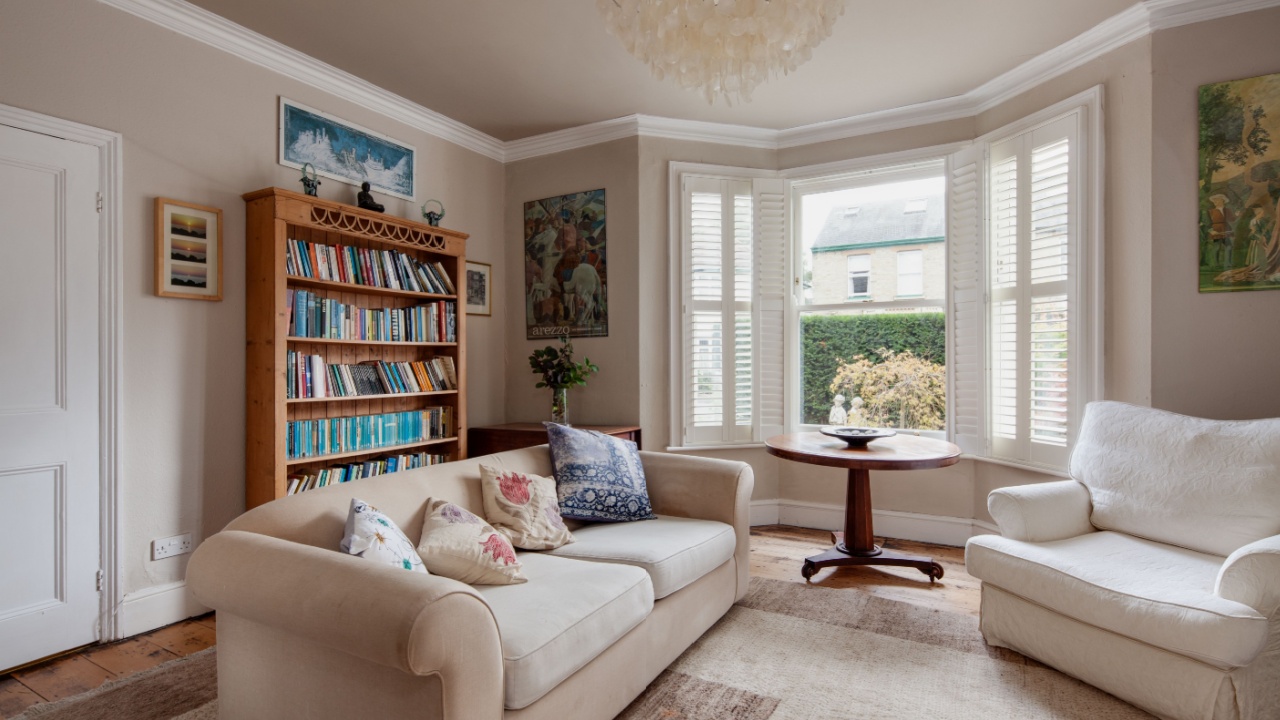
Many burglaries involve entry through unlocked windows, especially on ground floors. Window access represents the second most common entry point, accounting for 23% of incidents. Windows left open, even for ventilation, can quickly become an easy access point. Opportunistic intruders often look for the simplest entry, and an unsecured window provides exactly that.
Simple upgrades can make windows and doors less inviting targets. Reinforcing sliding doors with security bars, adding shatter‑resistant film, or installing motion‑sensor lights near entry points all increase effort and risk for intruders.
9. Weak or Old Door Locks
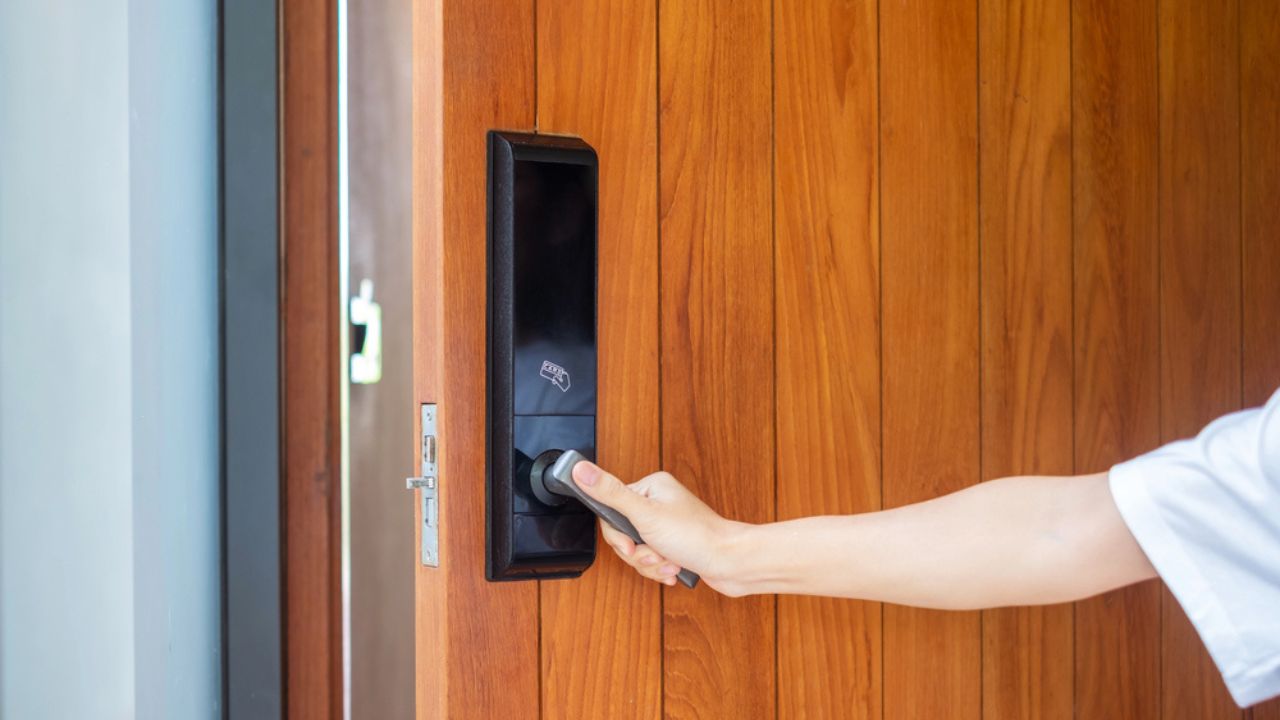
Standard locks can be picked or forced. Think of locks as speed bumps for burglars; the tougher the lock, the more hassle it creates. Locks provide a physical barrier that deters burglars and intruders, helping to protect our homes, businesses, and valuables
Upgrading to deadbolts and reinforced strike plates adds meaningful resistance, while smart locks or keyless entry systems provide additional layers of control. A stronger lock doesn’t make a home invincible, but it raises the effort and risk for a thief often enough to send them looking for an easier target.
10. Advertising New Purchases
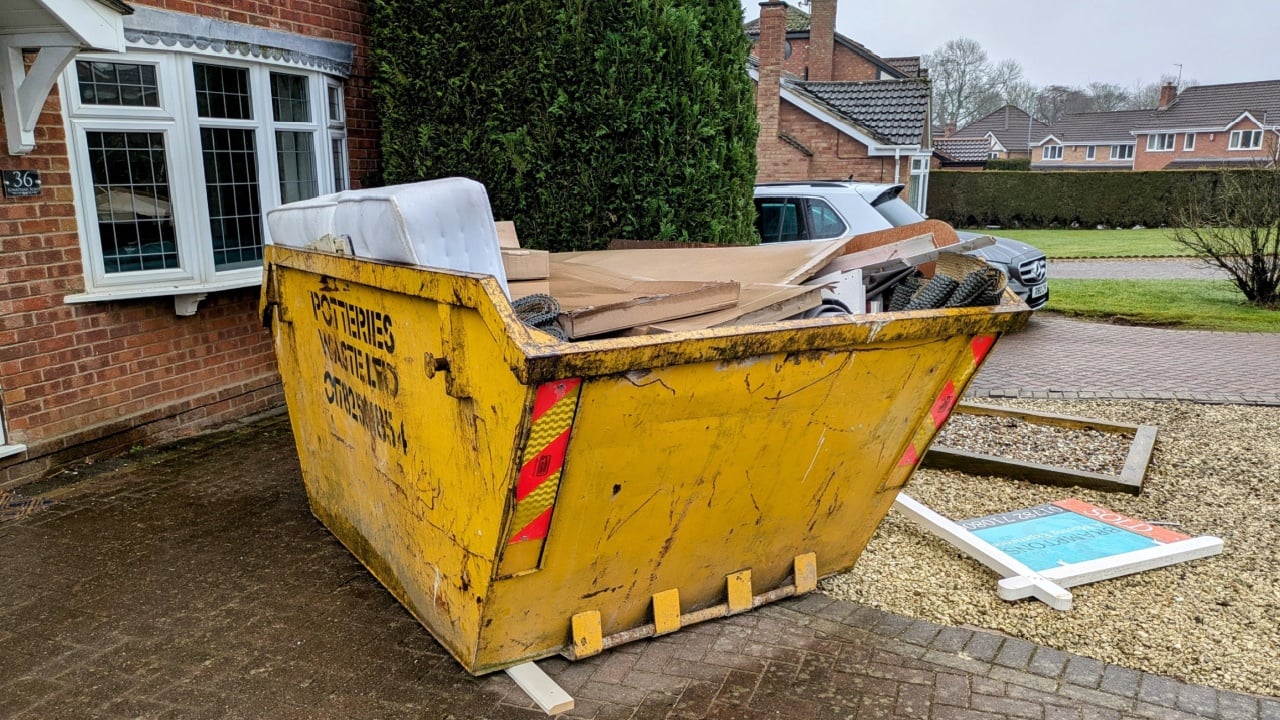
Leaving packaging from a new TV or gaming console out with the trash is like putting up a sign that says, “Look what I just bought.” Burglars notice these clues, and high‑value items such as televisions and computers are especially tempting because of their resale value.
A better approach is to keep things discreet. Break down boxes and slip them into trash bags or recycling bins so they’re out of sight. This small step keeps your curb from advertising pricey new additions and helps your home look less like a target.
11. Leaving Cars Unlocked in the Driveway

Unlocked cars don’t just offer up valuables like wallets, laptops, or tools; they can also provide burglars with garage door openers or spare keys. A significant portion of vehicle‑related thefts involves cars that were left unlocked, making them easy targets for opportunistic criminals. Because garages are a common entry point for home break‑ins, leaving a vehicle unsecured can indirectly expose your house to risk as well.
Locking vehicles consistently and removing valuables is a simple but effective deterrent. Storing garage openers inside the home rather than in the car, parking in well‑lit areas, and using steering wheel locks or alarm systems add extra layers of protection.
12. No Neighborhood Engagement
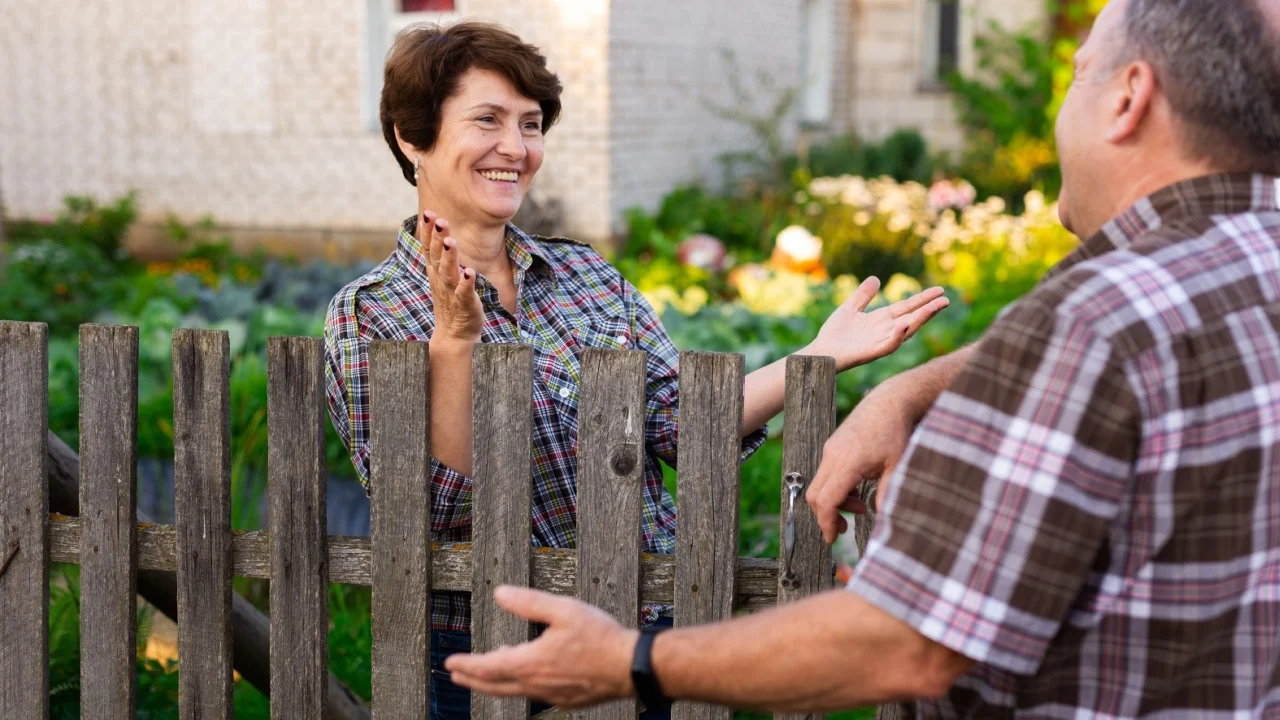
A disconnected neighborhood can unintentionally make homes more vulnerable. When residents don’t know each other or rarely interact, suspicious activity is less likely to be noticed or reported. Engaged neighborhoods where people look out for one another experience fewer break‑ins because potential intruders face a higher risk of being observed.
Building simple habits like greeting neighbors, exchanging contact information, or joining a local watch group strengthens community awareness. Even small gestures, such as keeping an eye on each other’s homes during vacations, create a visible layer of protection that discourages opportunistic crime.
The Small Habits That Shape Big Safety

Most theft isn’t about dramatic break-ins, it’s about opportunity. Research consistently shows that criminals choose the easiest target with the lowest perceived risk. Simple adjustments like better lighting, trimming hedges, limiting oversharing, and strengthening locks can dramatically shift that calculation.
The next step is not panic, it’s awareness. Walk around the home with fresh eyes. Notice what a stranger would see. Identify one or two areas to improve. Small changes today can prevent major losses tomorrow, and peace of mind is worth the effort.
Read More: