5 Worst States to Raise a Family in the U.S.
Picking a place to plant your family roots is probably one of the biggest decisions you will ever make. It is right up there with choosing a spouse or deciding if bangs are a good idea. While we often daydream about the perfect white picket fence scenario, data sometimes points us toward places where that fence might need a little more maintenance than we bargained for.
We dug into the numbers on education, safety, affordability, and general family welfare to find the spots that struggle the most. This article breaks down five states that consistently rank at the bottom for family friendliness, explaining exactly why they might present extra challenges for parents.
1. New Mexico
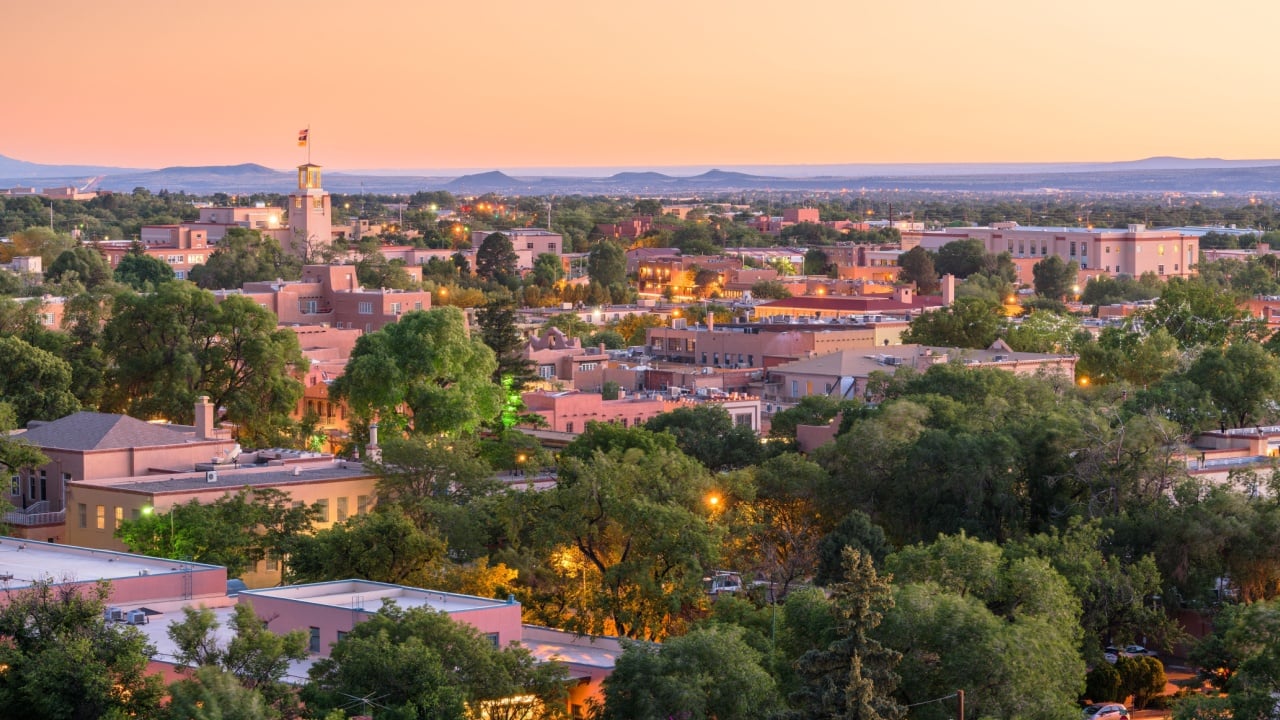
New Mexico offers stunning desert landscapes and incredible food, but raising kids here comes with significant hurdles. According to recent data analyzing family suitability, the Land of Enchantment ranks at the very bottom of the list. The primary culprit is a struggle with education and child care, ranking dead last in the nation. When schools lack funding and child care is scarce or low quality, parents face an uphill battle from day one.
The economic picture adds another layer of difficulty. High poverty rates and weak socio-economic scores mean many families work harder for less stability. While the culture is rich and the sunsets are unbeatable, the structural support systems families rely on, like strong schools and economic opportunity, are unfortunately lagging behind the rest of the country.
2. Mississippi

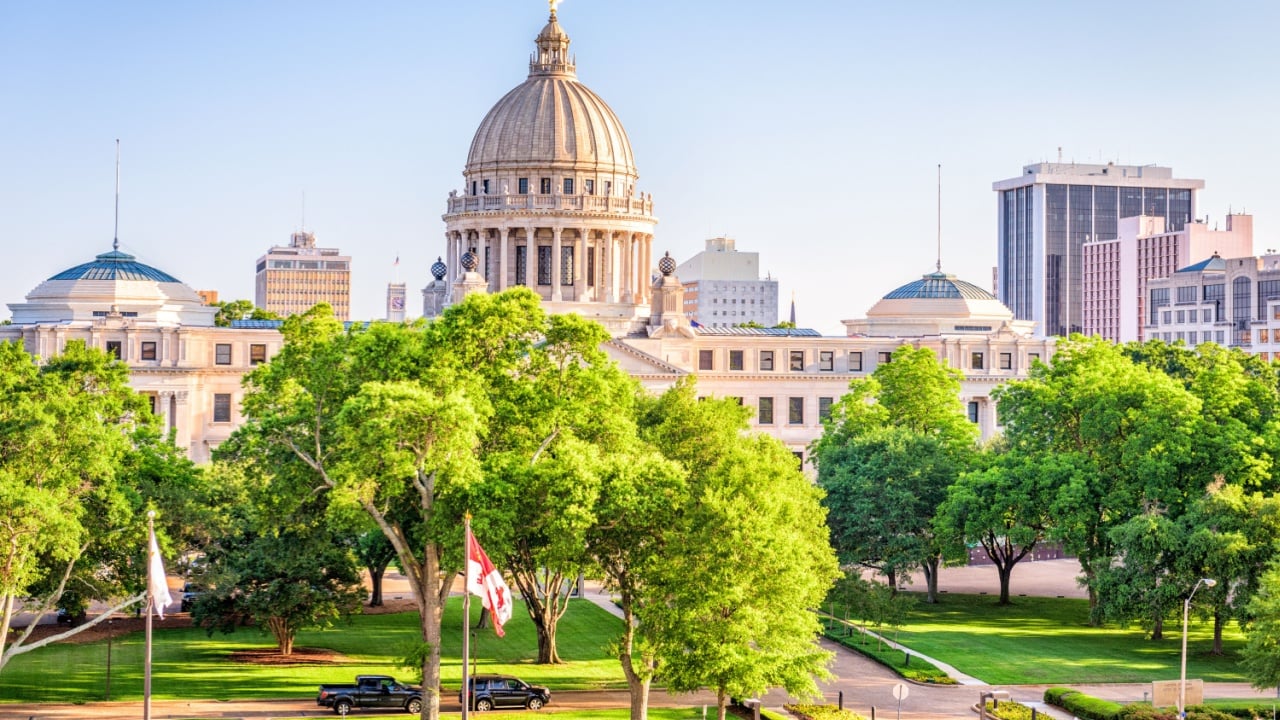
Mississippi has a reputation for southern hospitality, but the statistics paint a worrying picture for family health and safety. The state faces serious challenges with infant mortality rates, which are among the highest in the country. This metric alone is a stark indicator of the struggles within the local healthcare system and maternal support networks.
Beyond health concerns, poverty remains a persistent issue. Financial stress often ripples out into other areas of family life, limiting access to enrichment activities, healthy food, and safe neighborhoods. While the cost of living might look attractive on paper, the trade-off often involves navigating a landscape with fewer safety nets and health resources than you might find elsewhere.
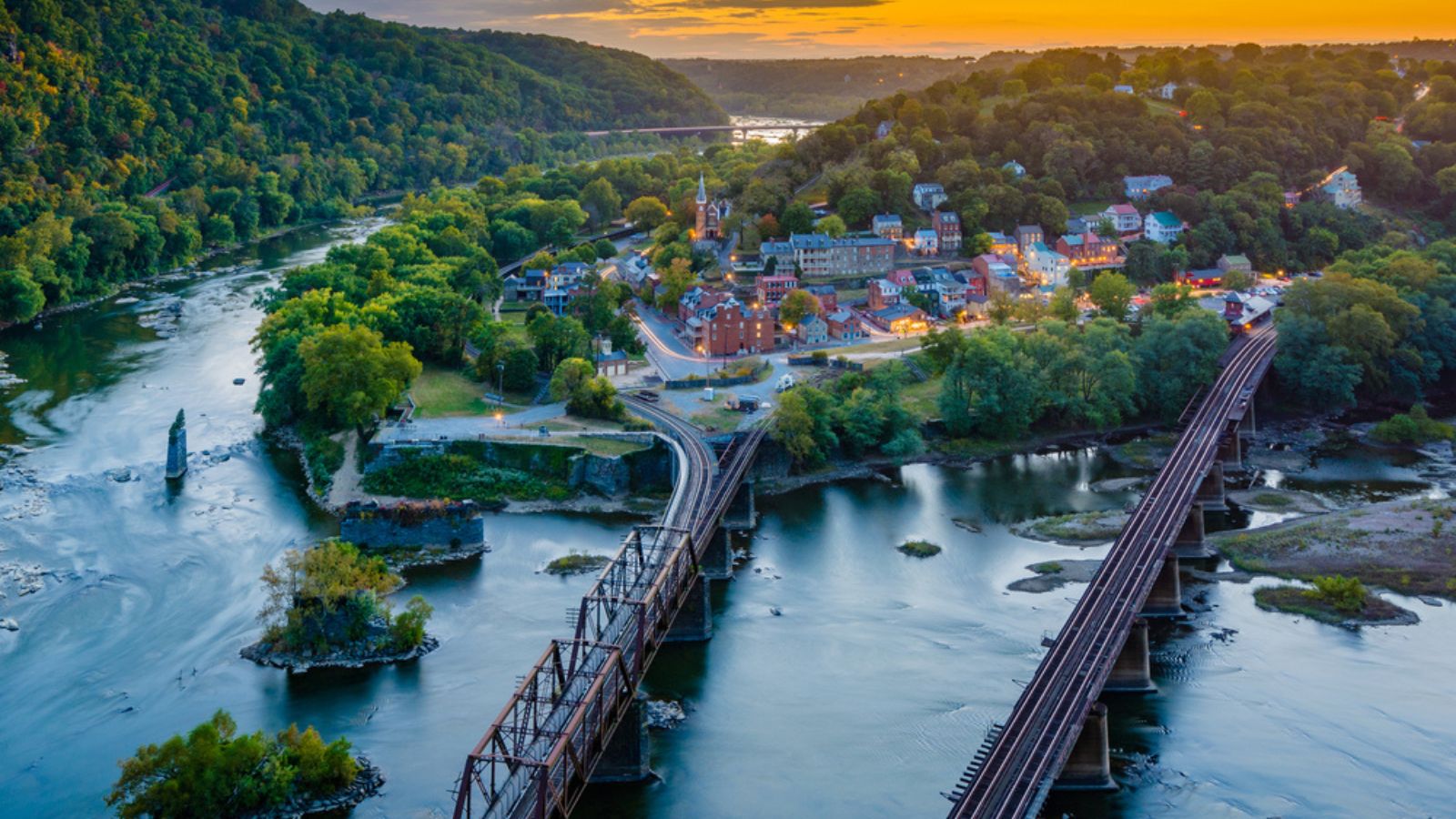
3. West Virginia
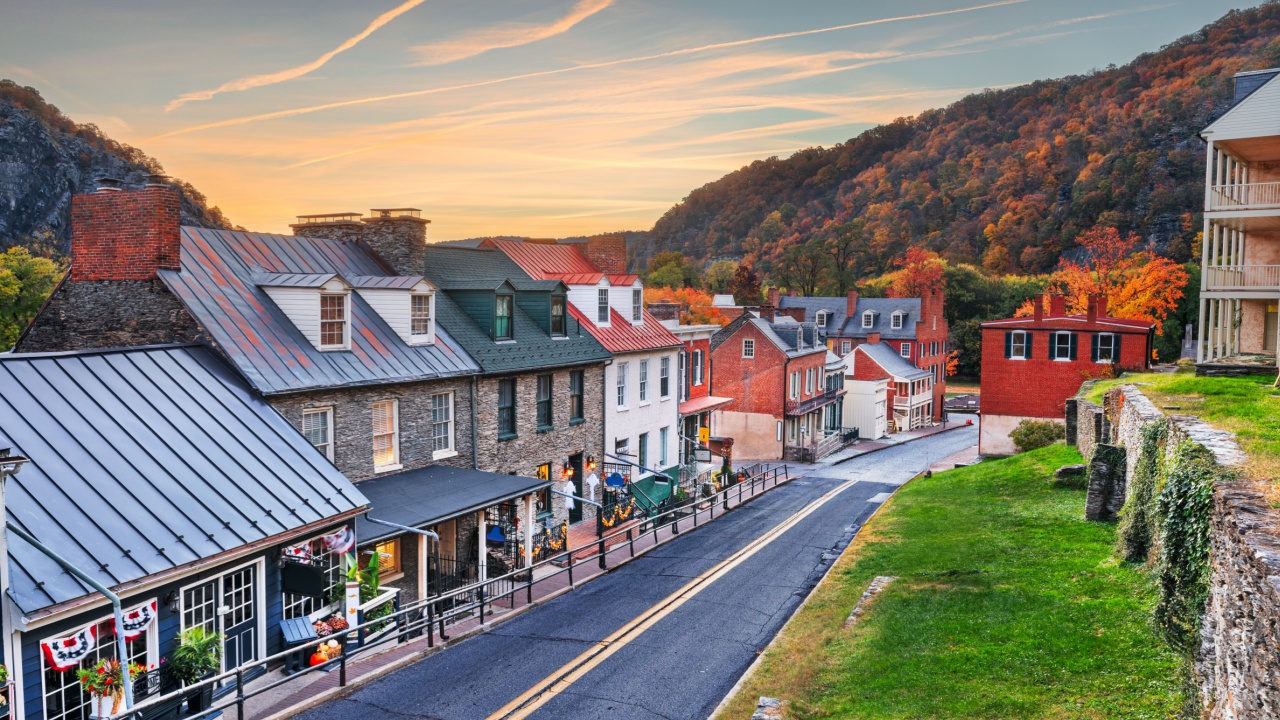
West Virginia is famous for its wild, wonderful mountains, but navigating family life here can feel like a steep climb. The state ranks poorly for affordability, which might seem counterintuitive given the low housing prices. However, affordability is about the balance between income and expenses. When wages are low and economic opportunities are scarce, even “cheap” living becomes expensive relative to what you earn.
Family support metrics and health outcomes are also areas of concern. High rates of poor health combined with economic stagnation create a cycle that is hard to break. For families looking for robust community infrastructure and a thriving job market to support their children’s future, West Virginia presents significant obstacles despite its natural beauty.
4. Nevada

You might associate Nevada with bright lights and entertainment, but the reality for families living off the Strip is quite different. The Silver State struggles immensely with affordability, ranking near the bottom nationally. The cost of living has surged, yet resources for families have not kept pace.
Social stability is another factor dragging Nevada down in the rankings. The state has remarkably high divorce and separation rates, which can impact the stability of community networks and peer groups for children. Combined with a weak education system and insufficient child care options, Nevada presents a chaotic environment for raising children who need consistency and strong academic foundations.
5. Oklahoma
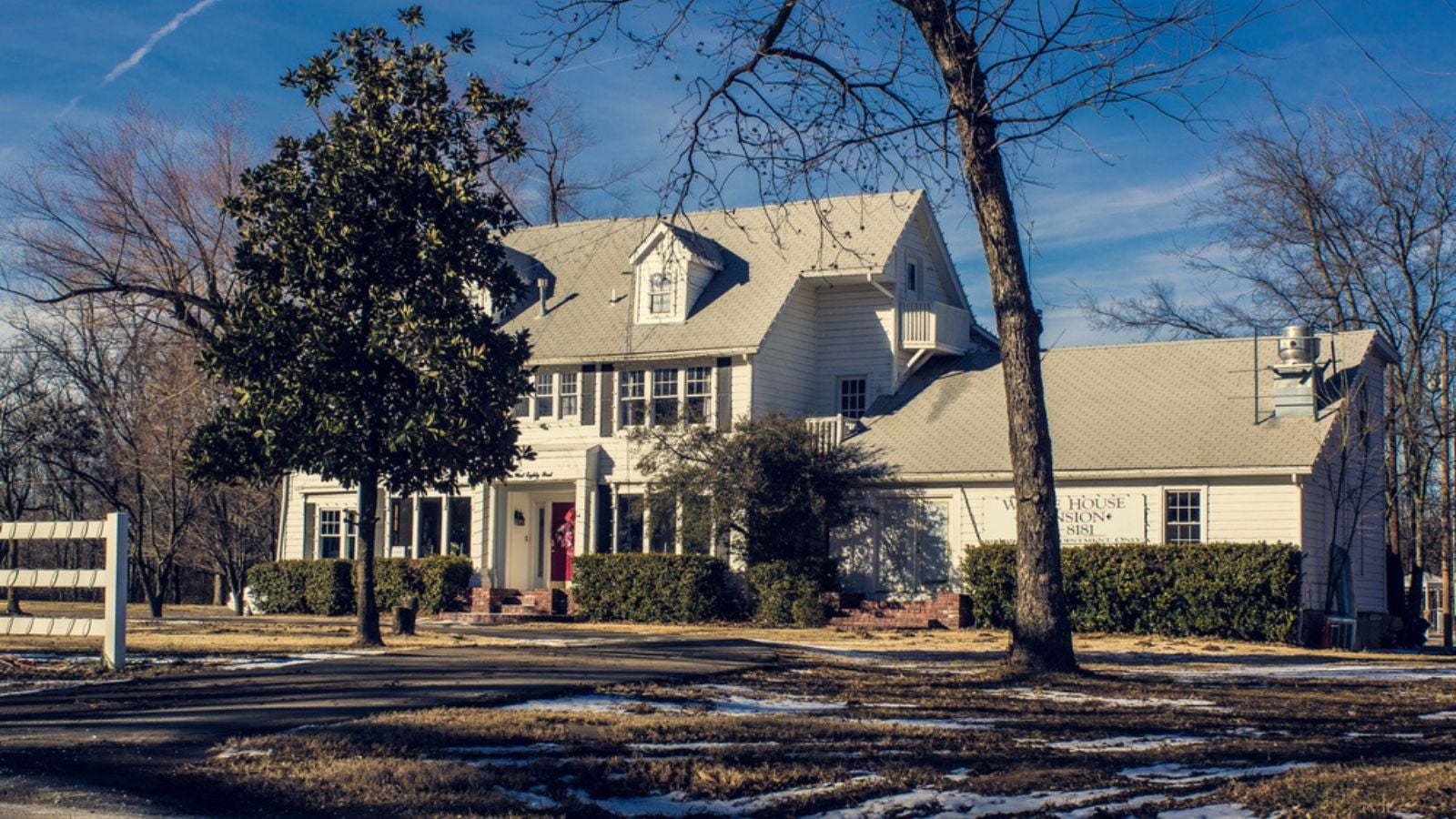
Oklahoma completes our list, struggling primarily with health and safety issues. Ranking 46th in this critical category means families here face higher risks regarding crime and access to quality medical care. Safety is usually priority number one for parents, and falling short in this area is a major red flag.
Education does not fare much better. With schools and child care ranking 45th, parents often find themselves scrambling for quality learning environments. The socio-economic climate also presents challenges, meaning families have to work harder to find the resources and security that come more easily in higher-ranking states. It is a tough mix of factors that requires parents to be extra vigilant and resourceful.
Looking Forward
Knowing which states people don’t want to move to is only half the battle. If you currently live in one of these areas or are compelled to move there for work or family, do not panic. Statistics are generalizations, not individual destinies. Your specific neighborhood, school district, and home environment play a massive role in your child’s upbringing, regardless of state lines.
If you are stuck in a tough spot, focus on what you can control. Get involved in your local school board to advocate for better funding. Build a tight-knit community with other parents to share child care duties and support. Sometimes, being aware of the systemic deficits allows you to be more proactive in filling those gaps yourself. You create the most important environment for your family within the four walls of your home, no matter where that home happens to be.