Why Plants Don’t Actually Purify Air — and 7 That Still Make Your Home Feel Amazing
You have probably seen the list: peace lilies remove formaldehyde, snake plants filter benzene, spider plants clean carbon monoxide (admittedly, this site has a version that needs to be updated!). It has been shared millions of times, pinned to countless boards, and repeated in nearly every houseplant article written in the last three decades. There is just one problem. It is not really true.
The famous 1989 NASA Clean Air Study, which launched the entire “air-purifying houseplant” movement, was conducted inside sealed laboratory chambers that bear almost no resemblance to a living room. When researchers at Drexel University reanalyzed the data in 2019, they calculated that you would need between 10 and 1,000 plants per square meter of floor space to match the air-cleaning capacity of simply opening a window. For a typical house, that works out to roughly 680 plants.
So should you throw out your pothos and cancel your plant subscriptions? Not even close. The real reason houseplants make your home feel cleaner, calmer, and fresher has almost nothing to do with filtering volatile organic compounds and everything to do with something far more interesting.
What the NASA Study Actually Proved (and What It Didn’t)

The original NASA experiment, led by researcher B.C. Wolverton placed individual plants in small, sealed chambers and measured their ability to remove specific chemicals, such as formaldehyde and benzene, over 24 hours. The plants did remove those chemicals, and the results were genuine. But as the American Lung Association explains, the study conditions do not accurately reflect those of most indoor environments. A sealed glass chamber is not a living room with doors, windows, HVAC systems, and constant air exchange.
The study also relied heavily on activated carbon filters placed in the plant pots, which did much of the actual air cleaning. The popular press stripped out every caveat and qualifier from the study, and thus the myth of the air-purifying houseplant was born.
None of this means the plants are useless. It means we have been crediting them for the wrong thing. The actual benefits of houseplants are well documented; they are just different from what most people expect.
The Real Science Behind Why Houseplants Make a Room Feel Fresher
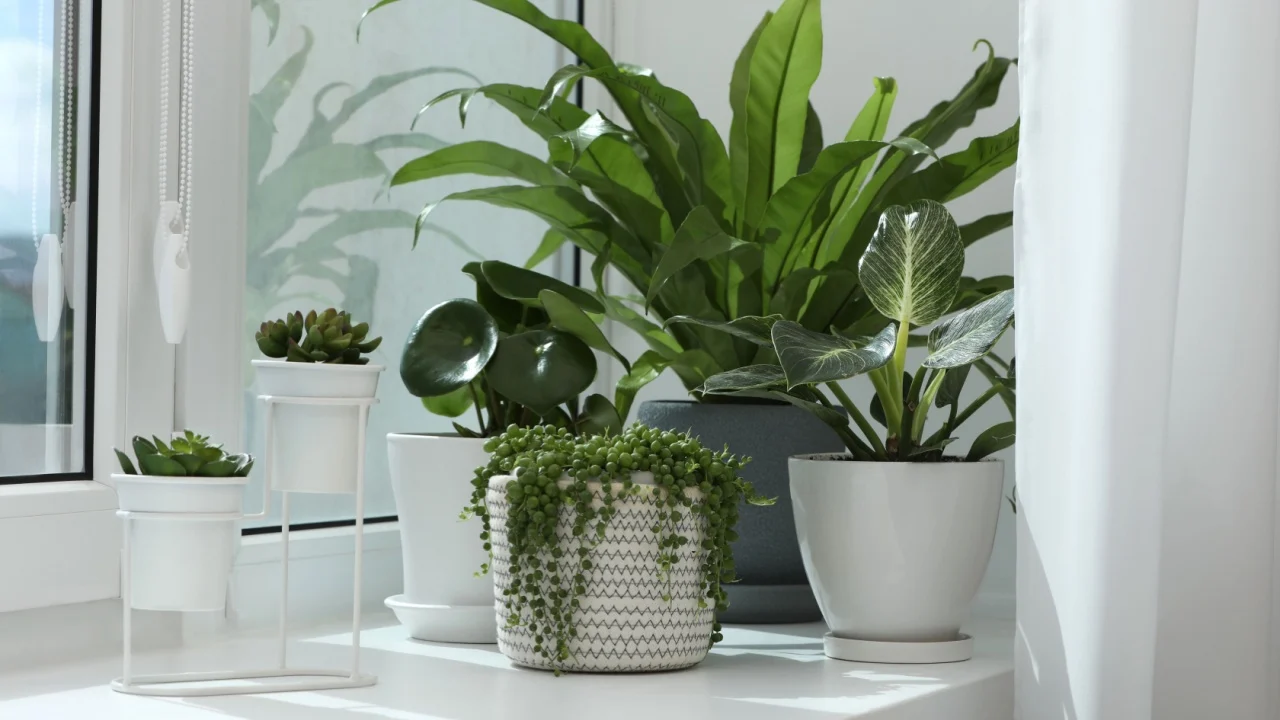
Plants raise indoor humidity through a process called transpiration, releasing water vapor through their leaves. In winter, when heating systems dry out indoor air to uncomfortable levels, a cluster of houseplants can measurably increase the surrounding humidity. This makes the air feel softer and less stale, and can reduce symptoms like dry skin, a scratchy throat, and static electricity.
There is also growing evidence that the presence of plants reduces psychological stress. A widely cited 2015 study published in the Journal of Physiological Anthropology found that interacting with indoor plants lowered blood pressure levels compared to performing a computer-based task. Participants described feeling more comfortable, soothed, and natural in the presence of greenery.
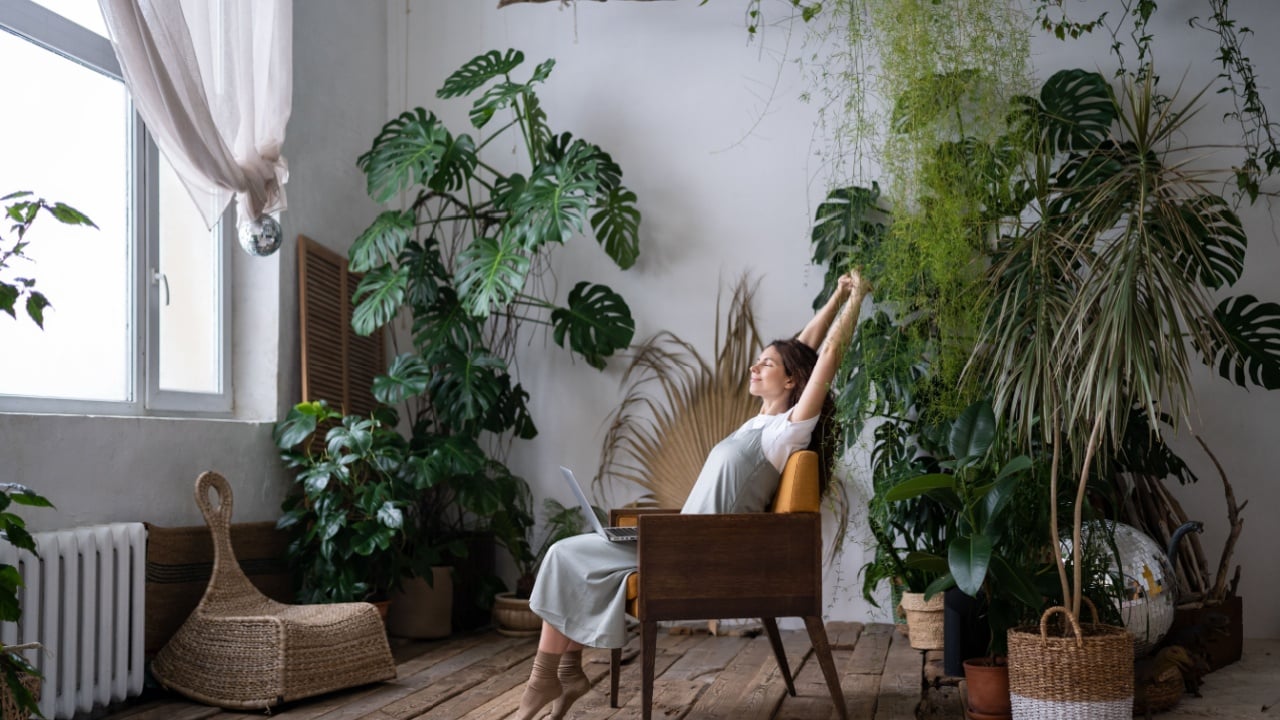
The visual impact matters more than most people realize. A room full of green, living things simply reads as “fresh” to the human brain. Evolutionary psychologists suggest this response is hardwired; our ancestors associated green, growing environments with water, food, and safety. That deep association has not gone away just because we moved indoors. When you walk into a room with thriving plants, your nervous system registers it as a healthier environment, whether or not the formaldehyde levels have changed.
Plants also absorb sound. Large-leafed varieties like rubber plants and fiddle-leaf figs reduce ambient noise, particularly higher-frequency sounds, which contribute to that distinctive sense of calm you feel in a well-planted room. It is not just visual; it is acoustic.
Seven Houseplants That Actually Make Your Home Feel Cleaner
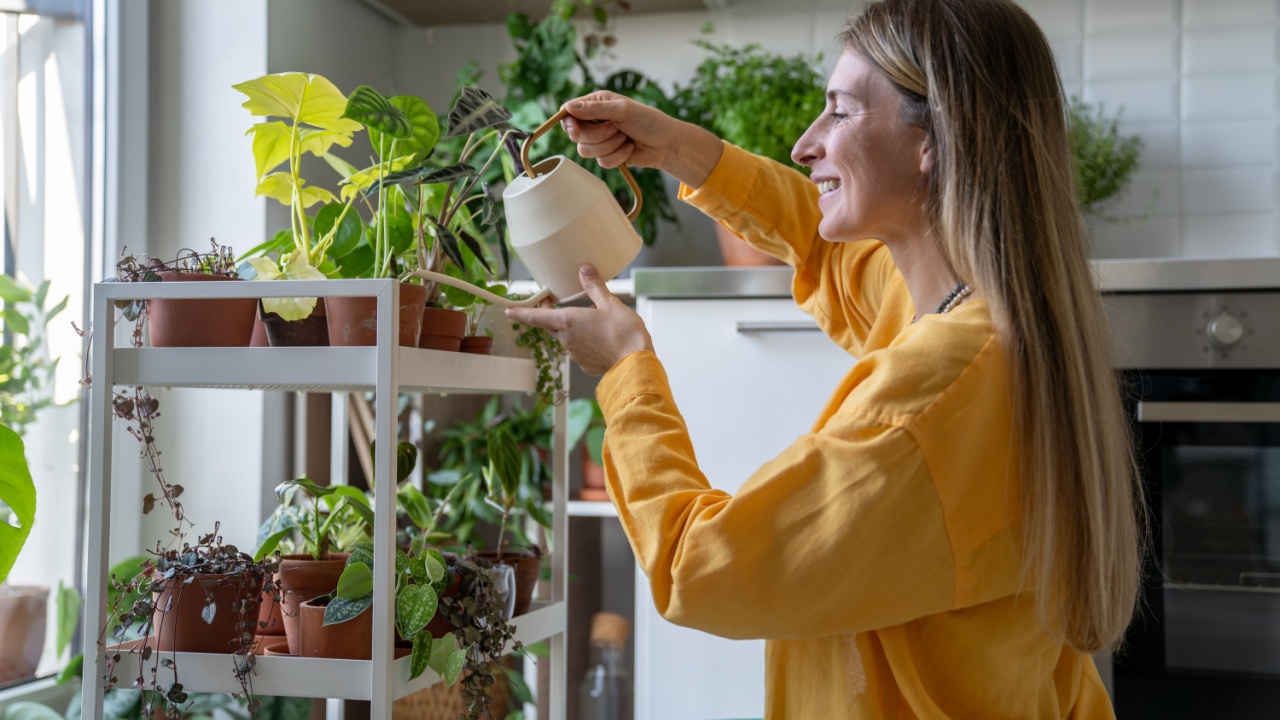
If you are choosing houseplants for the way they make your home feel, rather than chasing debunked air-purification claims, these seven varieties deliver the most noticeable impact.
1. Peace Lily
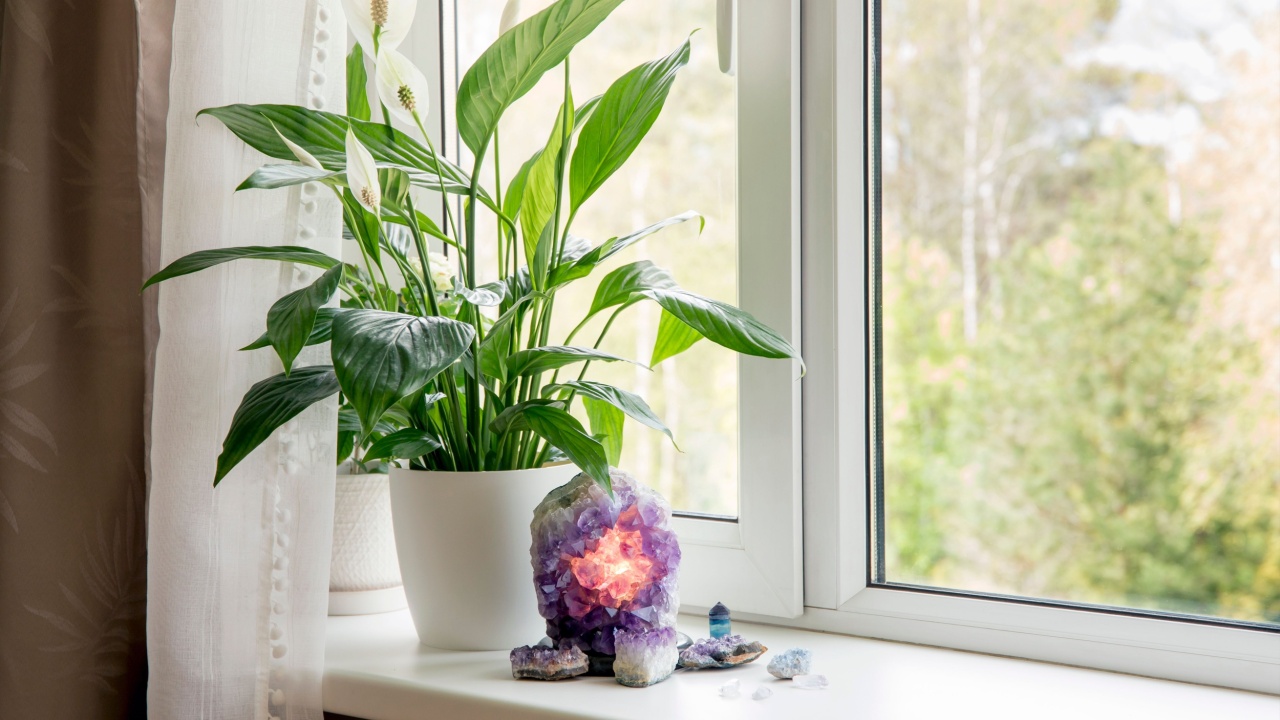
The peace lily remains an excellent choice, not because of NASA but because it thrives in low light, blooms reliably, and its broad leaves add a noticeable humidity boost to any room. It is also one of the few flowering houseplants that tolerates neglect gracefully.
2. Boston Fern
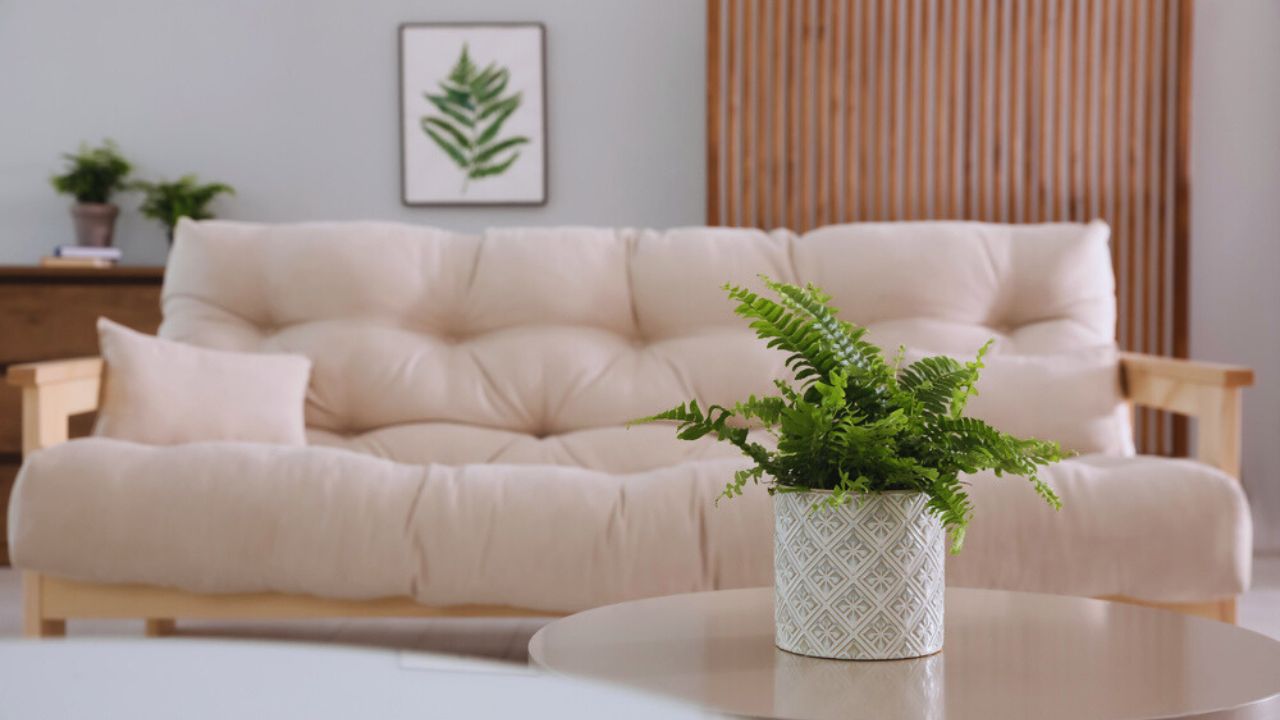
Boston ferns are humidity champions. Their dense, arching fronds release a significant amount of moisture through transpiration, making them ideal for bathrooms, kitchens, or any room where dry air is a problem. They prefer bright, indirect light and consistent moisture.
3. Snake Plants
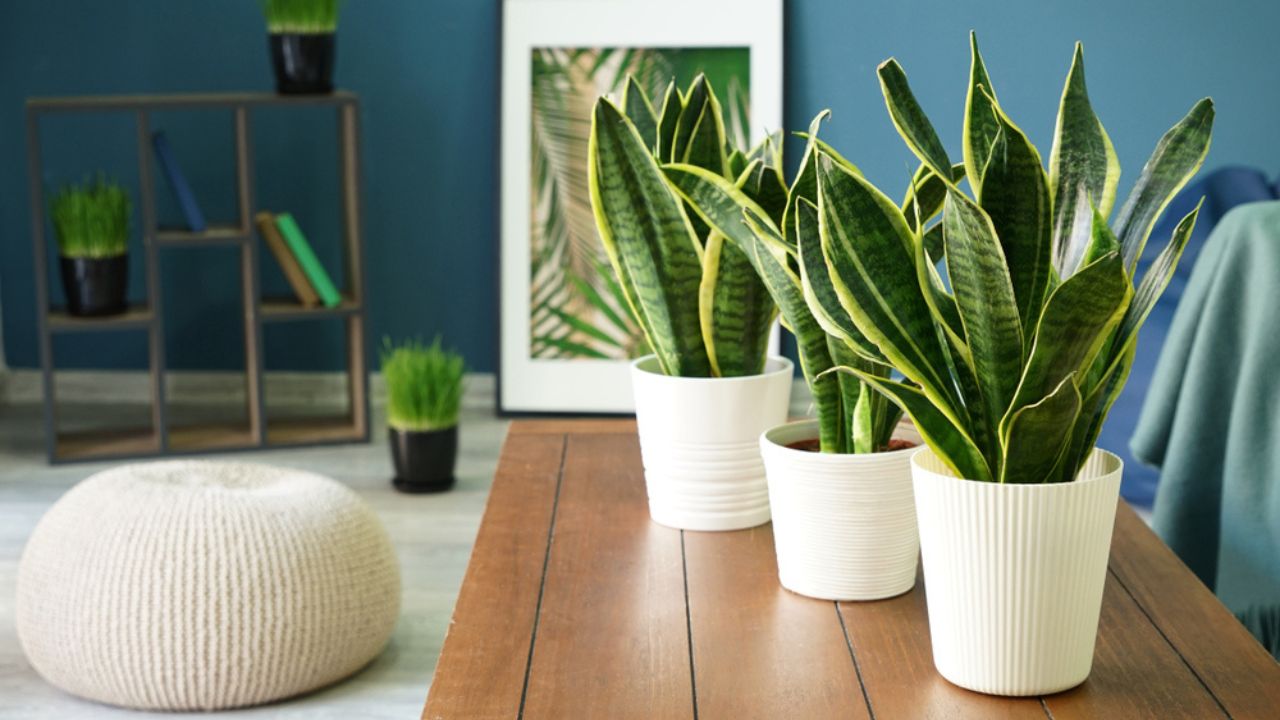
Snake plants earn their reputation for a different reason: they are virtually indestructible. They tolerate low light, infrequent watering, and temperature swings that would kill most houseplants. Their tall, architectural leaves add a sculptural quality that makes any room feel more intentional and curated.
4. Pothos and Philodendrons

Pothos and philodendrons are the workhorses of indoor gardening. They grow quickly, drape beautifully, and fill empty corners with lush green vines that soften hard edges and make rooms feel lived-in. Their rapid growth means they are actively transpiring and adding moisture to the air around them.
5. Rubber Plants
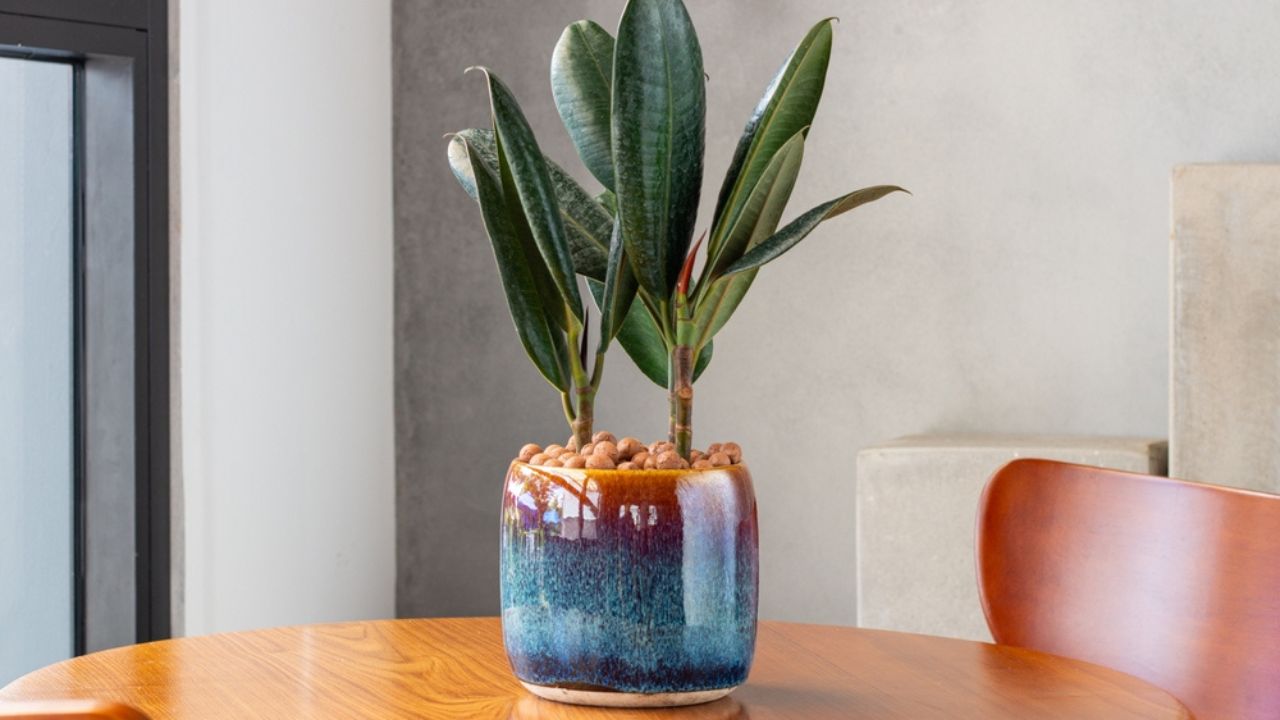
Rubber plants bring drama. Their large, glossy leaves are visually striking and effective at absorbing sound. A mature rubber plant in a living room or home office adds a sense of substance and life that no piece of furniture can replicate.
6. English Ivy
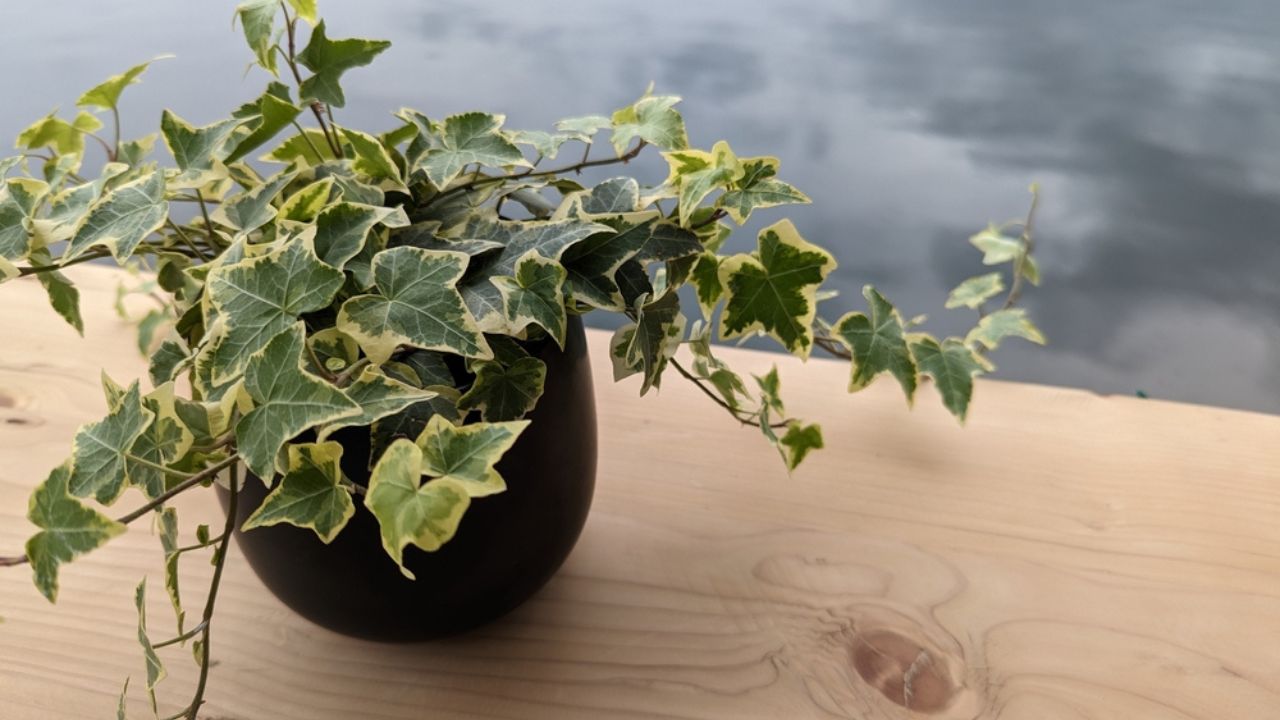
English ivy is a trailing plant that works well in hanging planters or on shelves where its cascading vines can spill over edges. It is particularly effective in bedrooms, where its dense foliage creates a cocooning, restful atmosphere.
7. Aloe Vera
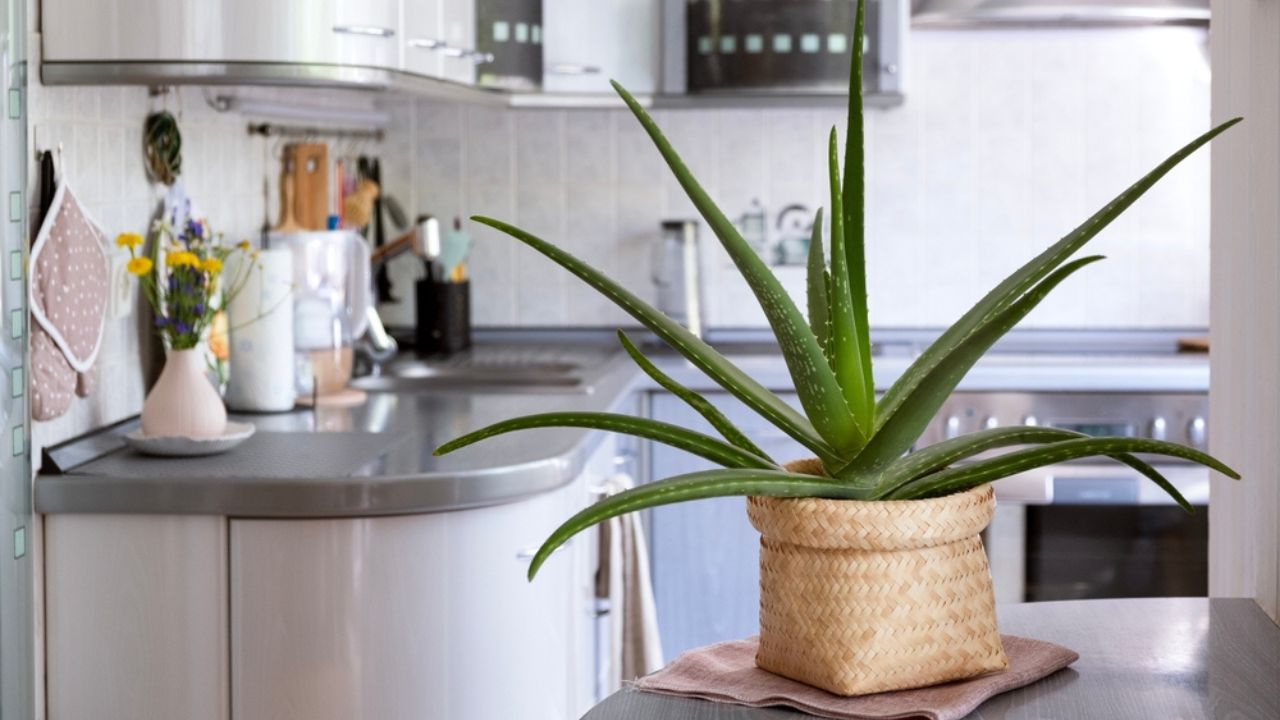
Aloe vera rounds out the list as a compact, low-maintenance plant that thrives on bright windowsills and doubles as a handy remedy for minor burns and skin irritations.
How to Arrange Houseplants for Maximum Freshness
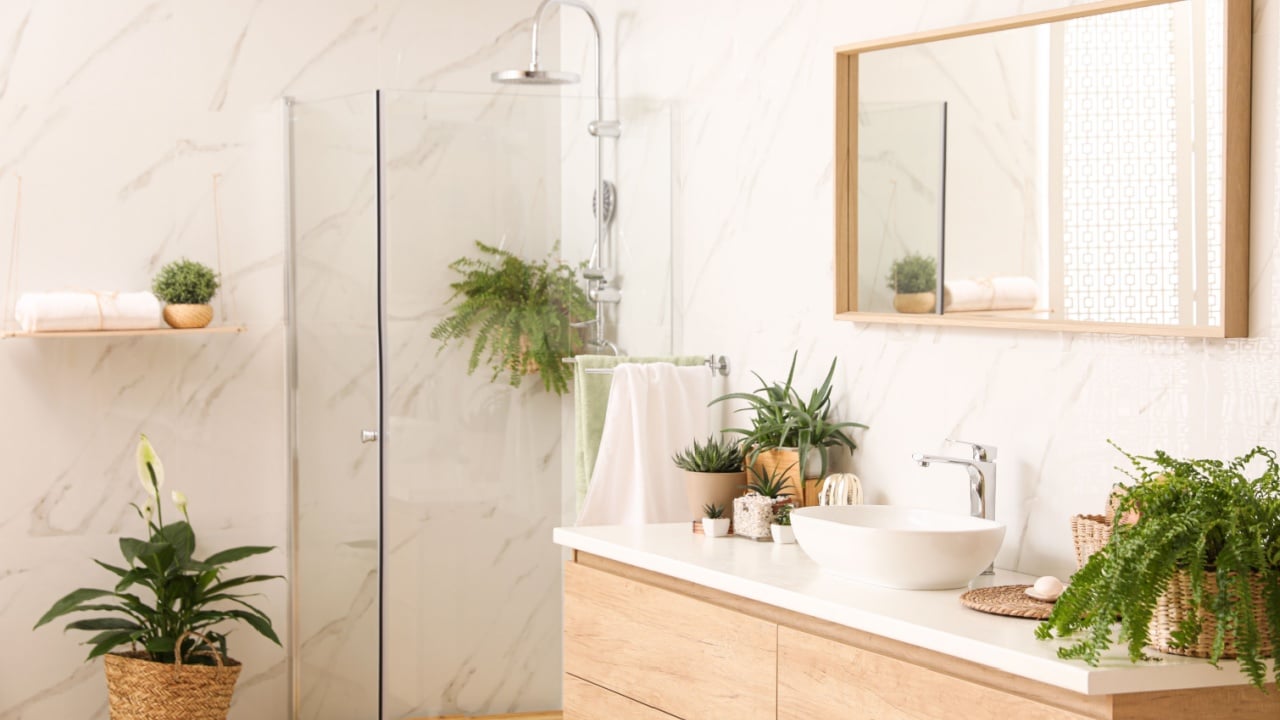
Placement matters as much as plant selection. Group three to five plants together rather than scattering singles around a room. Clustering creates a microclimate of higher humidity and makes the visual impact of greenery far more noticeable. A single spider plant on a shelf does very little; a group of four or five plants on and around a side table transforms the energy of that corner entirely.
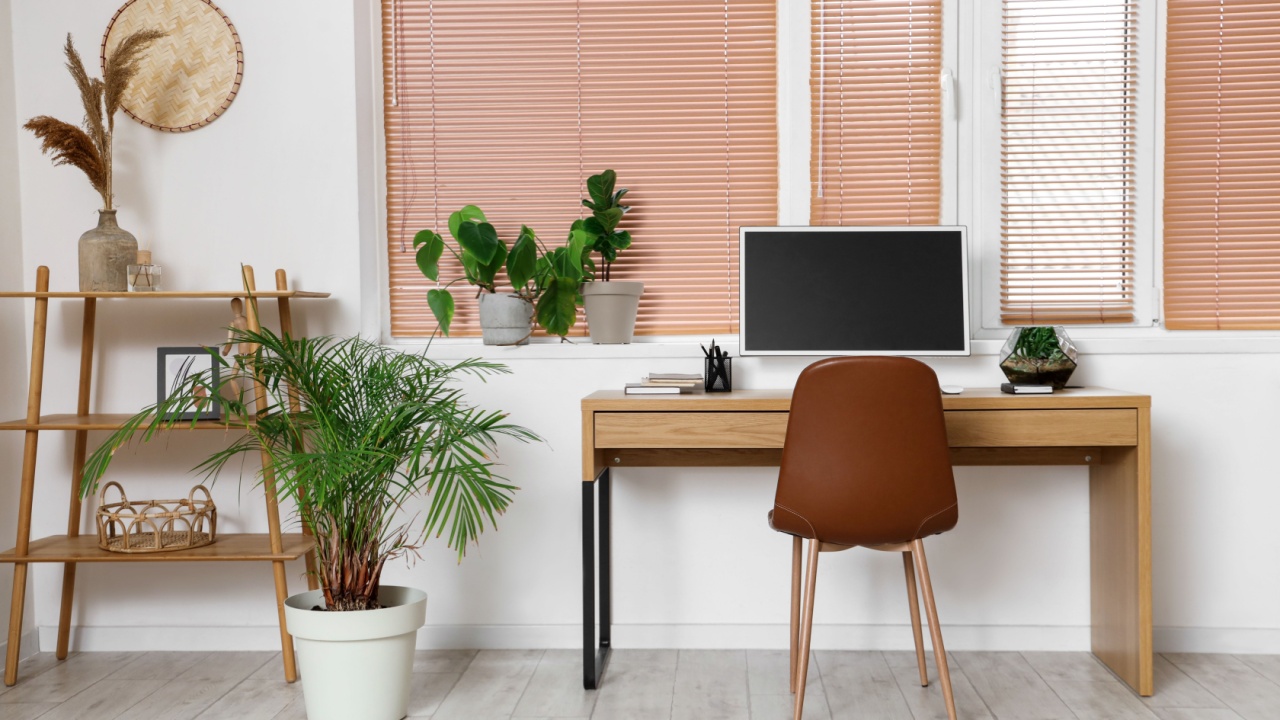
Put plants where you spend the most time. A cluster near your desk, a fern on the bathroom counter, a trailing pothos above the kitchen sink. These placements put you in proximity to the humidity, visual calm, and psychological benefits that plants genuinely provide.
Use plants of varying heights and textures. A tall snake plant, a medium peace lily, and a trailing pothos at different levels create visual interest that mimics the layered structure of a natural environment. This layered approach triggers a stronger biophilic response than a row of identical pots on a windowsill.
A Fresher Home
The takeaway is simple. Houseplants may not scrub your air clean the way a laboratory experiment once hinted. But they humidify, they calm, they beautify, and they make every room in your home feel more alive. That is not a myth. That is just what living things do when you invite them inside.