Stop Shutting Down Your Garden Early; It’s Costing You Hundreds
Most gardeners put their tools away in August, convinced the growing season is winding down. That single assumption may be costing you hundreds of dollars every year. The vegetables you plant right now, in the final days of summer, will produce some of the best food your garden has ever grown.
Fall gardens are actually easier than spring gardens. The pest populations that devoured your tomatoes in June are fading. The soil is warm and ready. The cooler temperatures ahead are exactly what dozens of fast-growing crops need to develop concentrated sweetness and deep flavor. Your grandmother never stopped gardening in August, and there was a very good reason for that.
With grocery prices continuing to climb in 2026, a fall garden is one of the smartest financial moves a homeowner can make. Gardening experts estimate that a well-maintained raised bed can produce $300 to $600 worth of produce in a single season, and the seed investment to get there is often less than $15. But the window is closing; every week you wait in August costs you growing time you cannot get back.
These eight vegetables can go in the ground right now, and reward you with fresh harvests well into fall. Most of them cost pennies to grow and take less than 60 days to produce. All you need is your frost date, a few packets of seeds, and a free weekend.
1. Lettuce: The $100 Salad Garden for $2
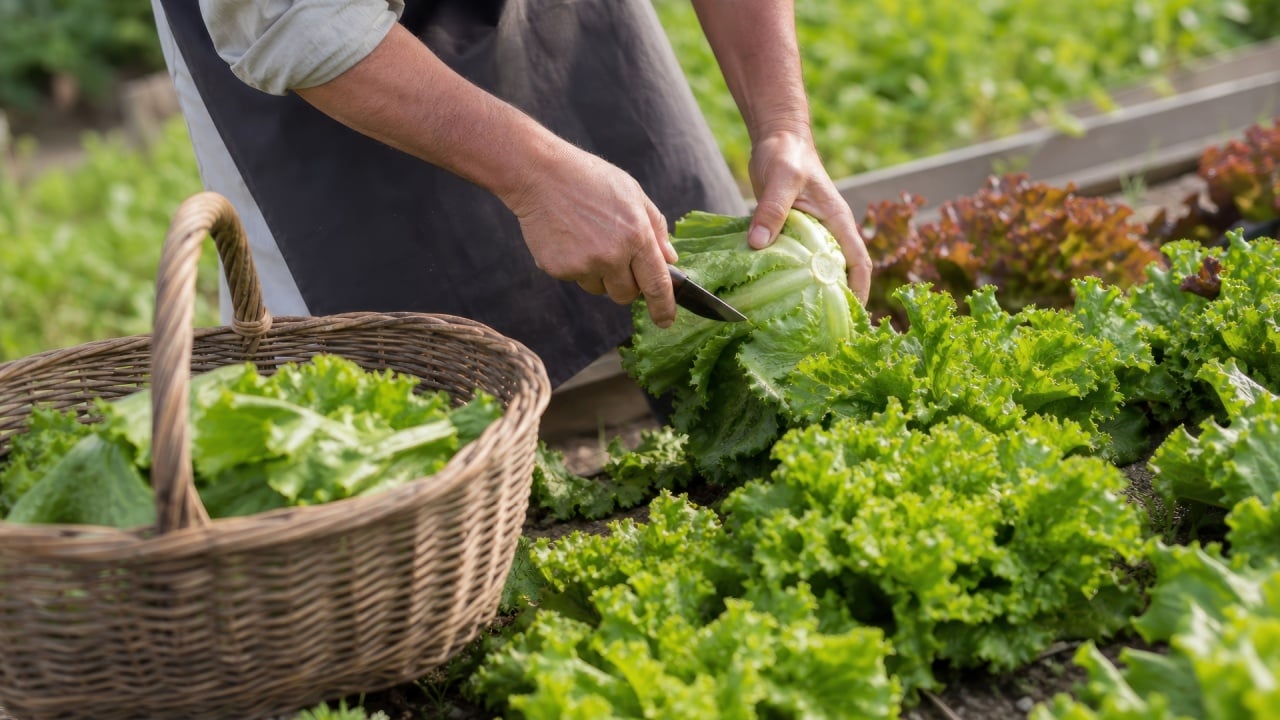
A single $2 packet of lettuce seeds can yield enough greens to replace weeks of $5 grocery store clamshells. Lettuce matures in just 30 to 45 days, and you can succession sow every two weeks for a continuous harvest that stretches into November.
“Homegrown lettuce tastes completely different from lettuce you get in the grocery store, and growing it yourself will save you a fortune,” writes Jessica Sowards of Roots and Refuge. Fall is ideal because lettuce bolts and turns bitter in summer heat; the cooler days of September and October are precisely what it needs.
Choose loose-leaf or butterhead varieties for the fastest returns. If a light frost threatens, a simple bedsheet draped over the bed is all the protection you need.
2. Radishes: Ready in 30 Days Flat
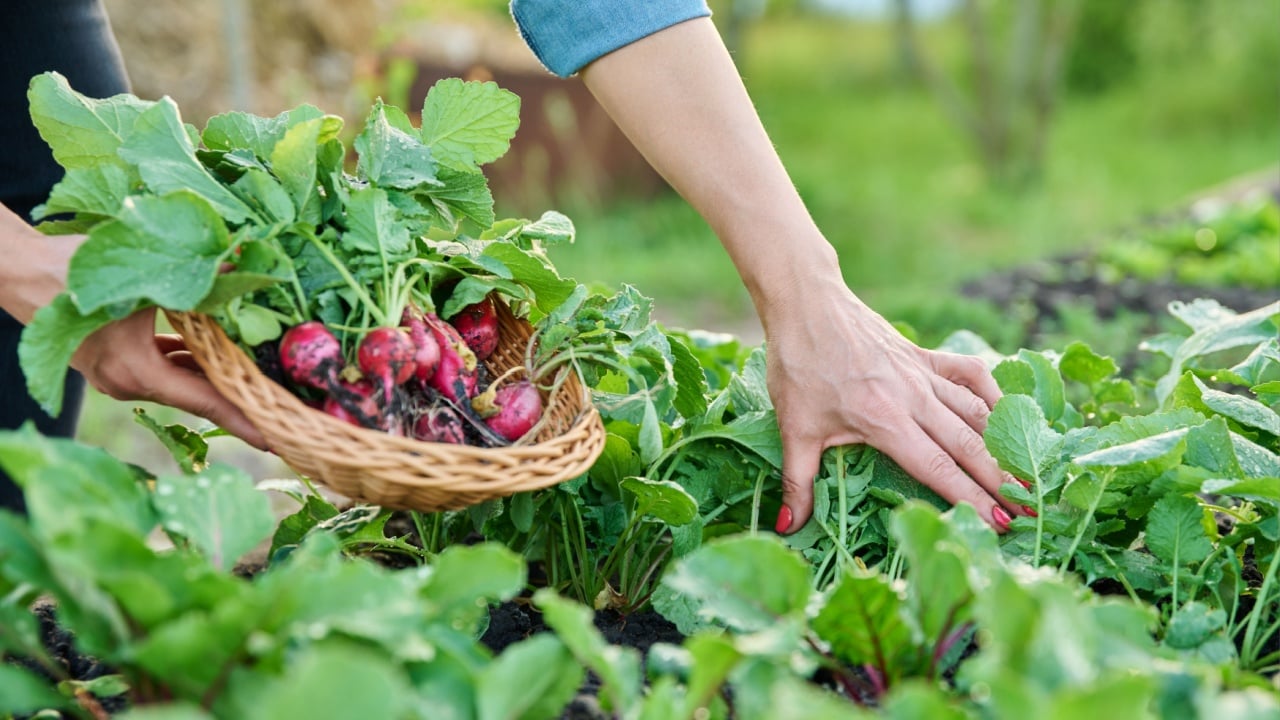
If you have never planted a fall garden, start with radishes. They are the fastest crop in the vegetable kingdom, producing crisp, peppery roots in as few as 30 days. That means seeds you plant this weekend could be on your dinner plate by Labor Day.
What most people do not realize is that fall radishes taste dramatically better than spring ones. The cooler soil temperatures slow their growth just enough to develop sweetness instead of the harsh, woody bite that plagues summer-grown radishes. According to Rural Sprout, you may be able to get two or three successive plantings in before the ground freezes.
Try watermelon radishes or daikon varieties for something that feels restaurant-worthy without costing a dime.
3. Kale: The Crop That Gets Better After Frost
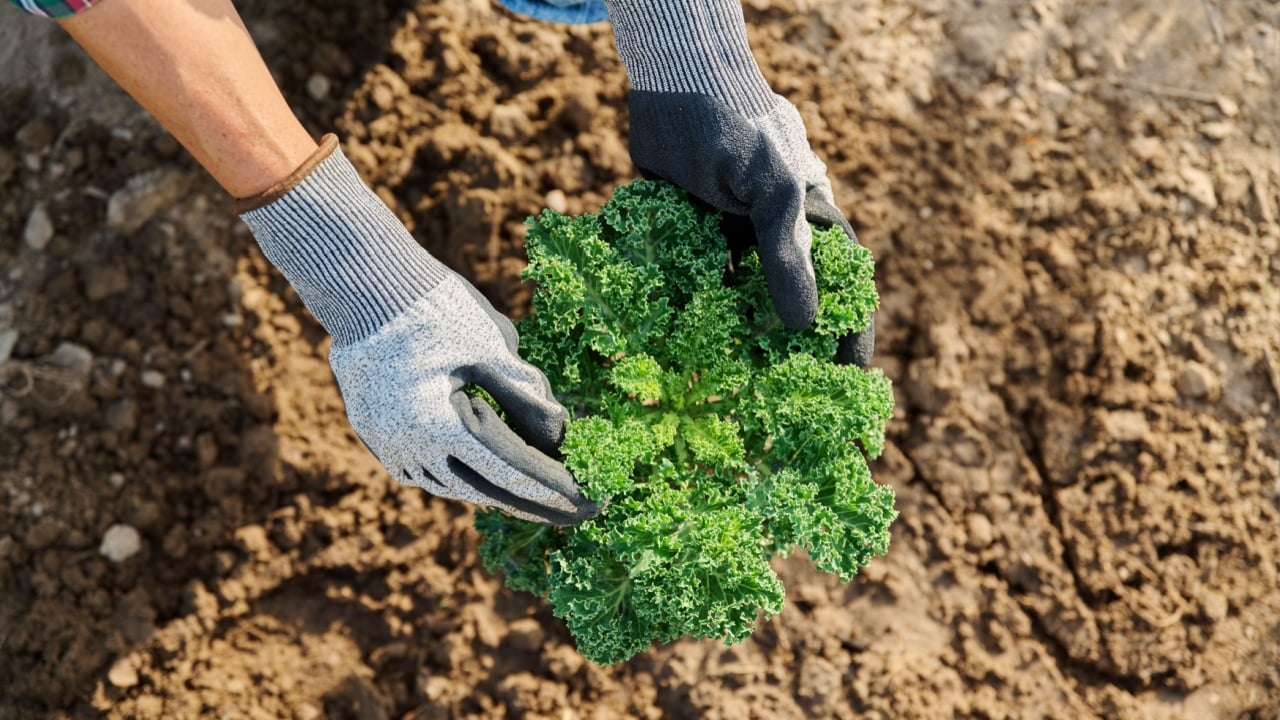
Kale is practically engineered for fall gardening. It matures in 50 to 60 days, tolerates heavy frost, and here is the surprising part: freezing temperatures actually make it sweeter. The cold converts the plant’s starches into sugars, producing leaves that taste nothing like the tough, bitter bunches at the grocery store.
The Old Farmer’s Almanac has recommended fall kale planting for decades, and experienced gardeners know that a single plant can keep producing well past Christmas. Kale is also packed with vitamins C and K, iron, and antioxidants, making it one of the highest-value crops you can grow per square foot.
Plant it now in August, and you will be harvesting long after your neighbors have given up on their gardens entirely.
4. Carrots: The Vegetable That Actually Hates Summer
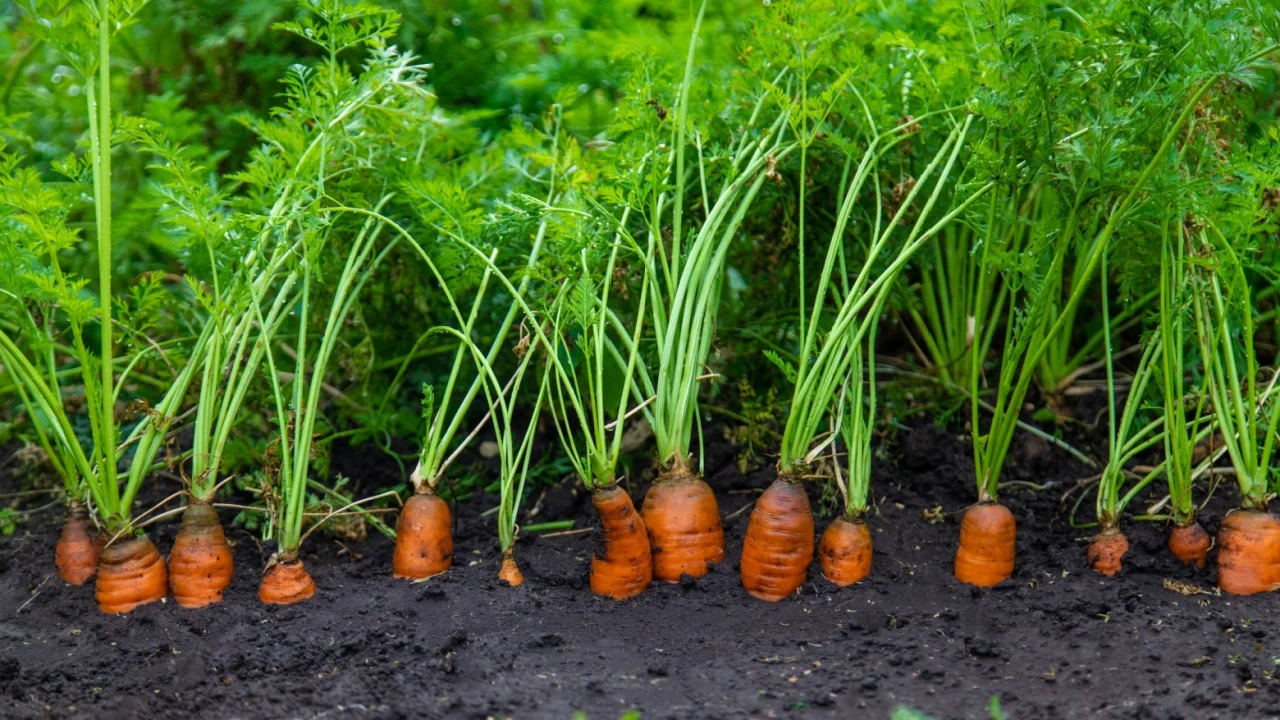
Here is a fact that surprises even experienced gardeners: carrots do not germinate well in temperatures above 85°F. All those spring-planted carrots that came up spotty and thin? The heat was working against you. August and September are actually the ideal planting window for carrots because the soil is cooling to the range they prefer.
According to Gardenary founder Nicole Burke, carrots are especially cold-hardy and can be planted in fall and harvested months later in many climates. A frost improves their flavor considerably, concentrating natural sugars in the roots.
Shade your seedbed with taller plants or shade cloth, keep the soil consistently moist during germination, and you will grow carrots that taste like candy compared to their store-bought counterparts.
5. Bush Beans: The Last-Minute Producer
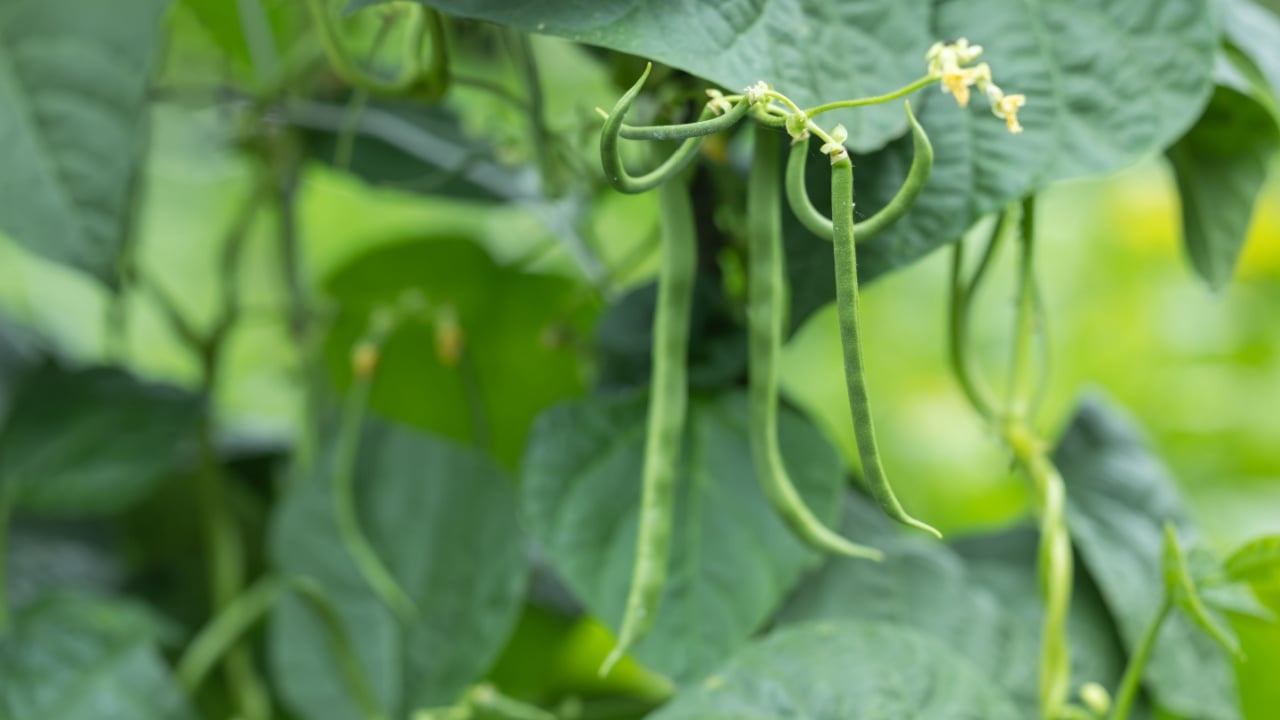
Bush beans are the perfect plant for every empty spot in your August garden. Most varieties mature in 50 to 55 days and keep producing right up to the first frost. They require no trellis, minimal fuss, and reward even the most inattentive gardener with handfuls of fresh beans.
As Tracey Besemer of Rural Sprout notes, bush beans are “another quick win” for August because the soil and air are already warm, giving seeds an instant advantage.
A single 10-foot row of bush beans can produce 5 to 8 pounds of fresh green beans, worth $15 to $25 at the grocery store. Plant two rows and you have paid for your entire seed order several times over.
6. Beets: Two Crops in One
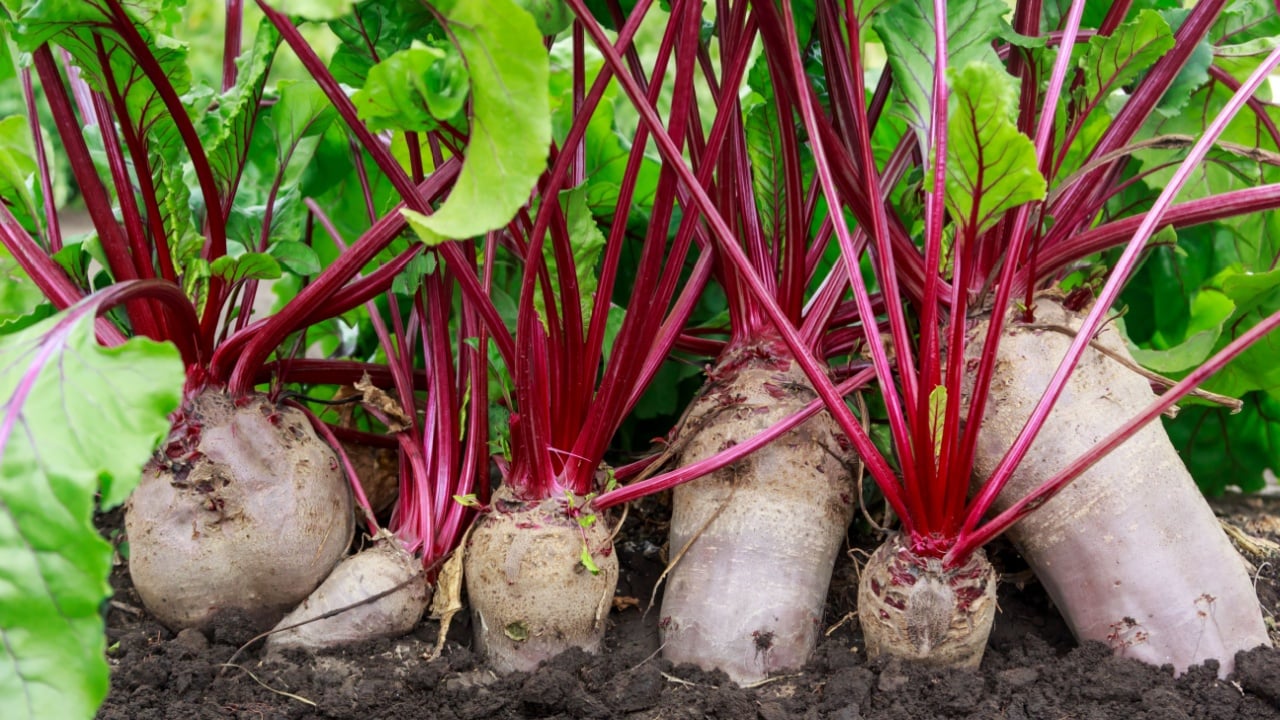
Beets are the quiet overachiever of the fall garden. You harvest the roots, of course, but the greens are equally delicious sautéed with garlic and olive oil, giving you two crops from one planting. Direct sow beet seeds 8 to 12 weeks before your first expected frost.
According to Roots and Refuge, beets planted in fall have “a more vibrant color and a sweeter flavor” than spring-planted beets. A light freeze improves the taste even further.
For gardeners who are looking for low-maintenance crops that deliver maximum return, beets are hard to beat. They tolerate partial shade, require minimal space, and store well in a cool garage for months after harvest.
7. Spinach: It Sweetens When Everything Else Dies
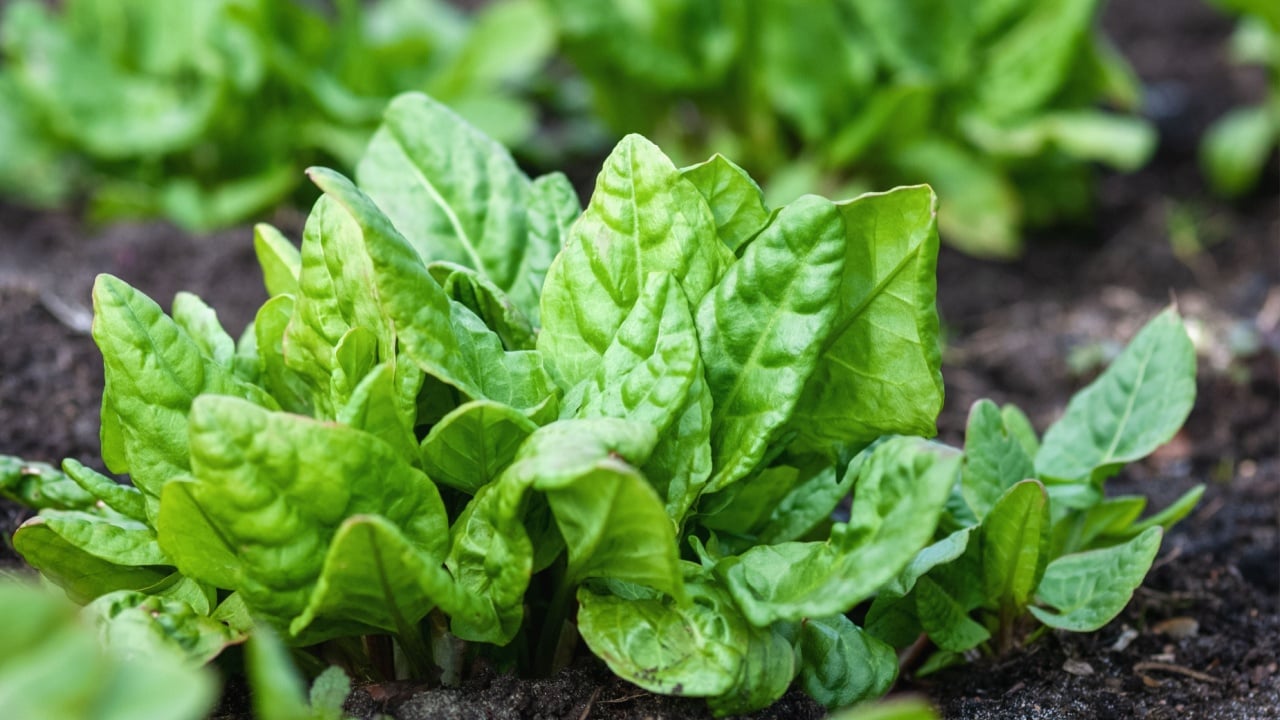
Spinach is finicky in summer heat but comes alive in fall. Plant seeds toward the end of August and you will be harvesting sweet, tender baby leaves all through October and November. Spinach leaves actually taste sweeter after a light freeze, a phenomenon that makes fall the only season worth growing it.
This is the crop to grow if you are tired of paying $6 for a bag of organic baby spinach that wilts in three days. A single planting in a 4-by-4-foot bed can produce enough spinach to replace store-bought greens for weeks, saving you $50 or more before winter arrives.
Keep the seedbed moist during germination; once established, spinach practically takes care of itself in cool weather.
8. Cilantro: The Herb Everyone Plants at the Wrong Time
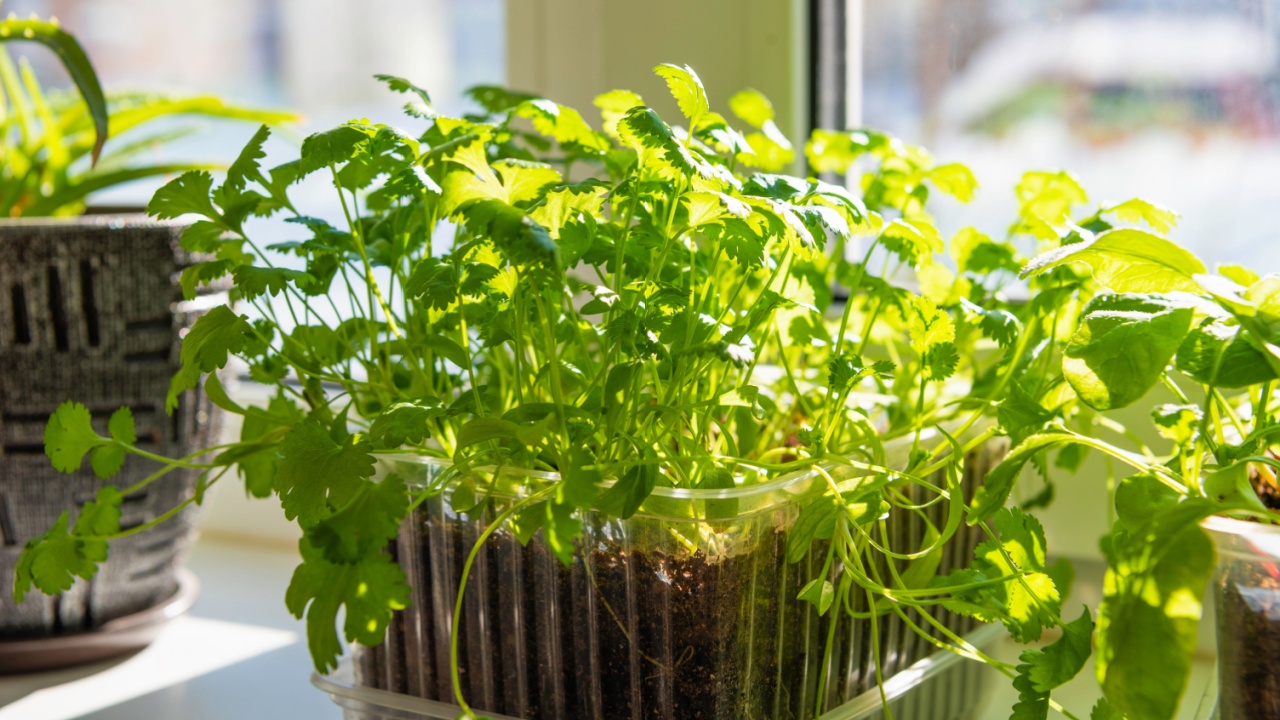
Most gardeners try to grow cilantro in summer, then watch it bolt to seed within two weeks. That is because cilantro is a cool-season herb; summer heat triggers it to flower and die. August planting is the real secret to growing cilantro successfully.
“This is your opportunity to grow cilantro under its optimal growing conditions,” advises the Gardenary. Sow seeds directly in the garden now, and you will be harvesting fresh leaves for fall cooking well before October arrives.
Nursery professionals know this, but it rarely makes the label on the seed packet. If you have failed with cilantro before, you were not doing it wrong; you were just planting it at the wrong time of year.
The Best Gardening Season Is the One Most People Skip
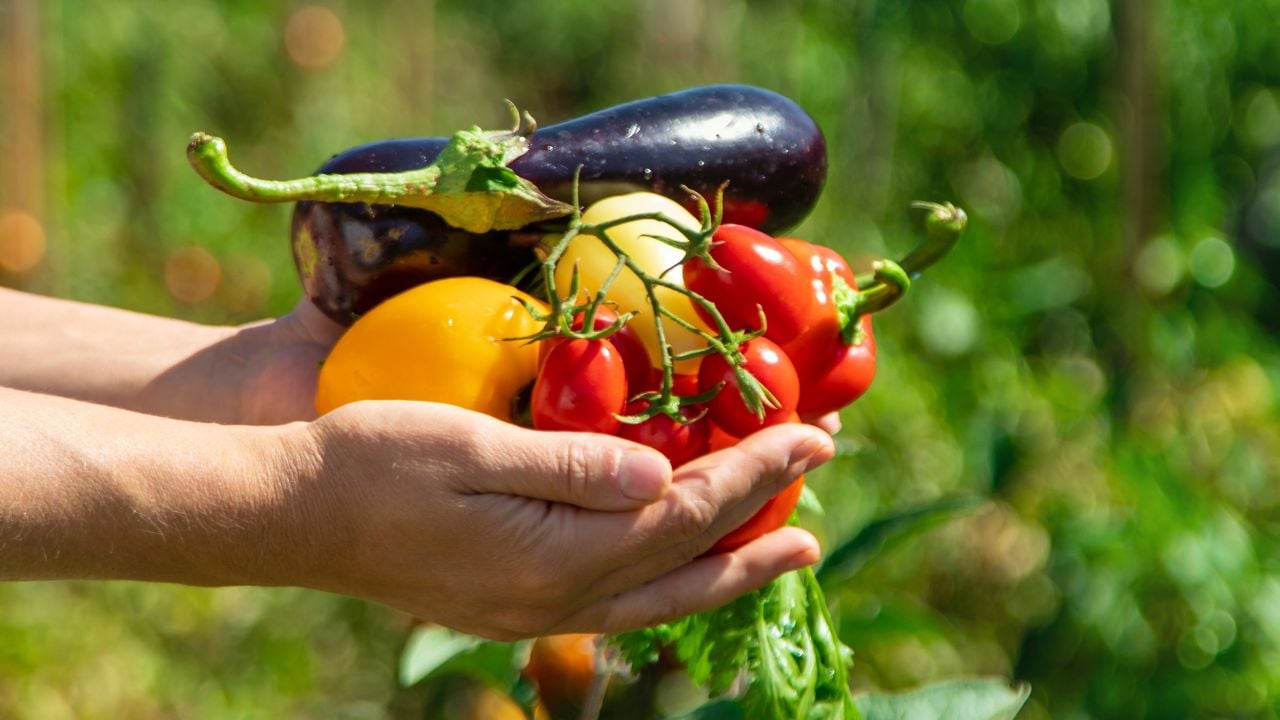
Check your first frost date before anything else. The Farmer’s Almanac and your local cooperative extension can tell you exactly how many growing days remain. Then count backward from that date using the maturity times on your seed packets and add seven extra days as a buffer, since fall daylight hours slow growth slightly.
Amend your beds with compost before replanting. Many big-box stores discount soil amendments and compost by 50 to 70 percent in late July and August as they make room for fall merchandise. That is free money for your garden.
August planting is not a desperate last effort. It is the smartest move in a gardener’s entire year. The pest pressure is lower, the soil is cooperative, and the flavors are unmatched. A fall garden started this month for under $15 in seeds can return hundreds of dollars in fresh produce, and most of it requires less work than what you put into your spring garden.
Read more:
7 perennial planting mistakes to stop making right now
How to Grow Zucchini Vertically: 7 Steps That Save Space and Double Your Harvest