19 Essential Garden Tasks to Complete in April (And 3 You Should Never Do This Month)
Most gardeners do not lose their spring garden on the last frost date – they lose it on the first warm Saturday in April, when enthusiasm outpaces timing and a season of careful preparation gets undone in a single afternoon. The first buds appear, the sun stays out for three days in a row, and suddenly everyone is digging, planting, pruning, and fertilizing at once. That eagerness is not the problem; the order is.
April is simultaneously the most exciting and the most unforgiving month in the garden. It is also National Garden Month, celebrated precisely because so much depends on what happens right now. The plants that will feed you through summer and reward you with color from June through October are being decided in the decisions you make before the soil has even fully warmed. Get the sequence right, and your garden rewards you for months. Get it wrong, and the consequences show up just late enough that you may not know where things went sideways.
The 19 tasks below are ranked in the order they matter most. Whether you are gardening for the first time at 60 or have been at it for decades, this month moves fast. Here is how to stay ahead of it.
1. Test Your Soil Before You Spend Another Dollar on Amendments
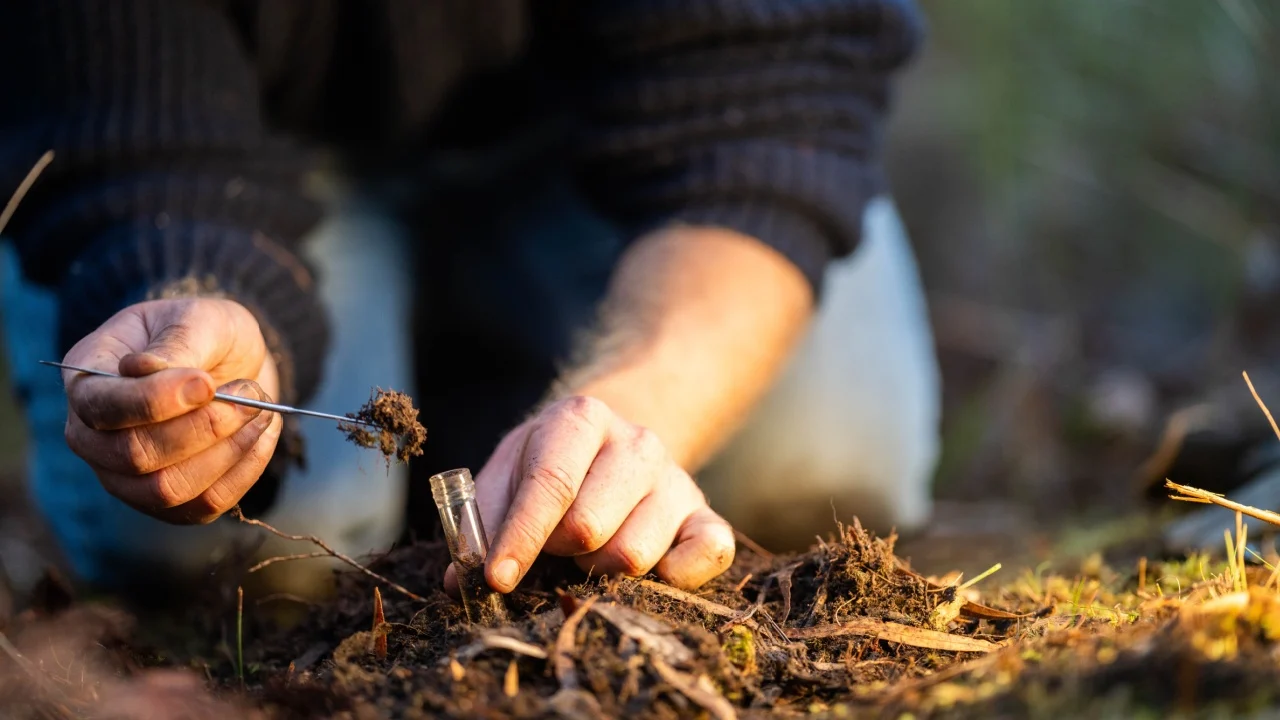
A basic soil test through your local Cooperative Extension Service costs $15 to $30 and tells you pH, phosphorus, potassium, and organic matter levels in your soil.
Proven Winners notes that experts recommend testing every 3 to 5 years; without it, gardeners routinely apply the wrong products for years without realizing it. If your soil is alkaline, for instance, the iron your blueberries need is locked out from absorption, no matter how much you feed them.
One test can easily save $200 or more in misdirected products over a single season.
2. Topdress Your Beds with Compost
Apply 1 to 2 inches of finished compost across all garden beds before spring bulbs fully emerge. This single step improves drainage, feeds soil organisms, and suppresses early weeds. The New York Botanical Garden Spring Gardening Guide recommends completing this before active growth begins, when earthworms and soil organisms will work it down naturally without any digging required.
3. Put Peony Supports In Right Now
This task has a narrow window. Once peony foliage has unfurled, wrestling blooming stems into wire rings without snapping them is genuinely difficult.
The New York Botanical Garden recommends placing peony supports early in the growing season, before growth is extensive. Set them now, while the emerging shoots are still a few inches tall, and they will grow up through the support naturally and invisibly.
4. Cut Back Ornamental Grasses
Trim dead ornamental grass foliage to within a few inches of the ground before new growth emerges from the crown. Wait too long, and you risk cutting off the fresh green shoots already pushing up from inside the plant.
Oregon State University Extension recommends cutting ornamental grasses to a few inches above the ground in April for the cleanest results and strongest regrowth.
5. Feed Spring Bulbs as They Finish Blooming
Remove spent daffodil and tulip flowers, but leave every bit of green foliage in place. The leaves are manufacturing the sugars that will fuel next year’s bloom.
The Royal Horticultural Society is clear on this point: bulb foliage must be left to yellow and die back naturally. Cutting it early, even if it looks untidy, starves the bulb and results in weak or absent flowers the following spring.
6. Harden Off Seedlings for at Least One Week
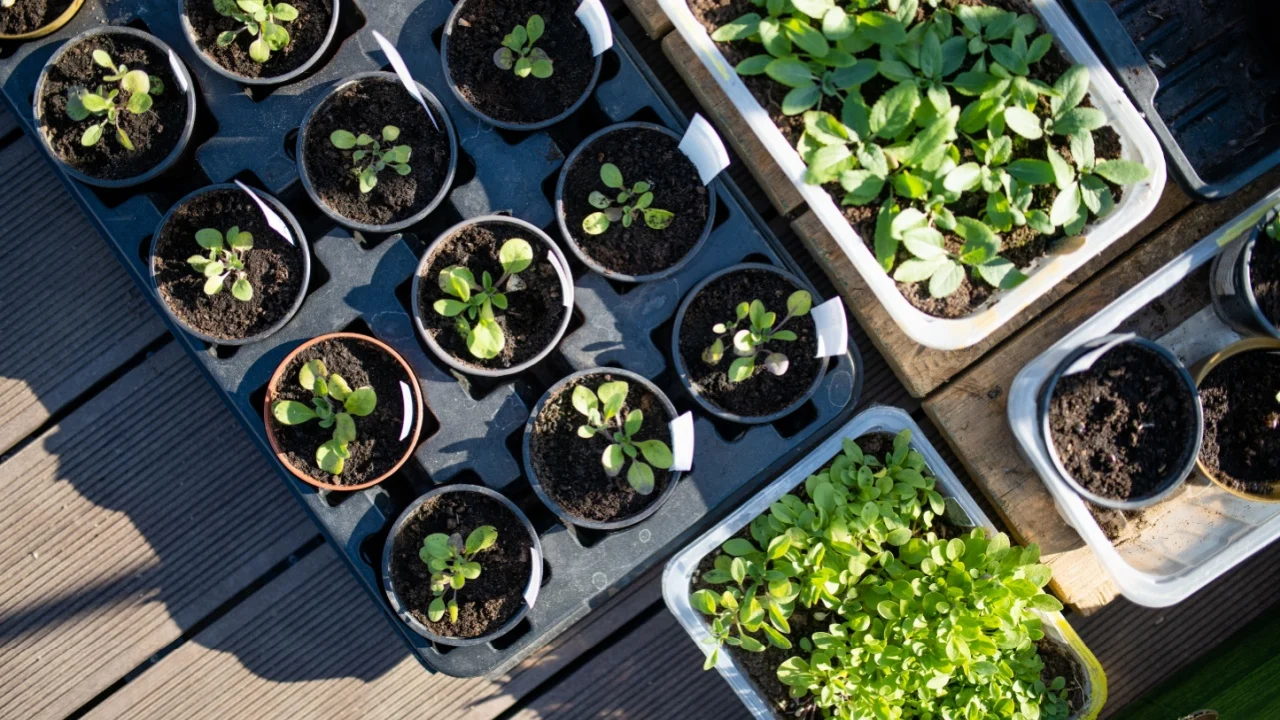
Seedlings raised indoors under grow lights have no tolerance for direct sun, wind, or temperature swings. The University of Maryland Extension recommends moving them outdoors during the day to a partial-sun location for at least a week before transplanting, bringing them in at night if temperatures drop below 45 degrees Fahrenheit.
One week outdoors under graduated exposure prevents transplant shock and can be the difference between a thriving plant and a collapsed one.
7. Sow Cool-Season Crops Directly Outdoors
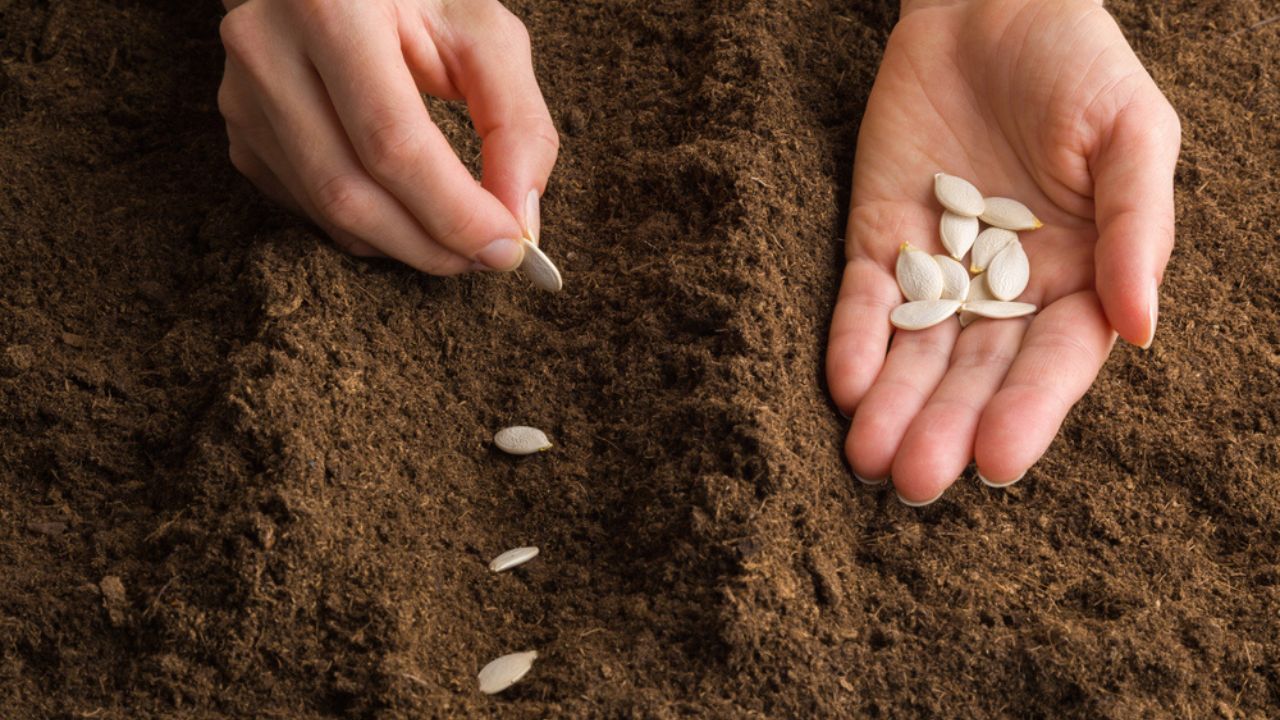
April is the prime window for direct sowing of peas, carrots, beets, radishes, spinach, lettuce, Swiss chard, and kale across most growing zones. Sow True Seed recommends staggered succession sowing every two to three weeks, starting now, to ensure a continuous harvest through early summer rather than a single overwhelming glut.
Your grandmother’s kitchen garden ran on succession planting; it remains the most practical advice in gardening.
8. Start Warm-Season Crops Indoors
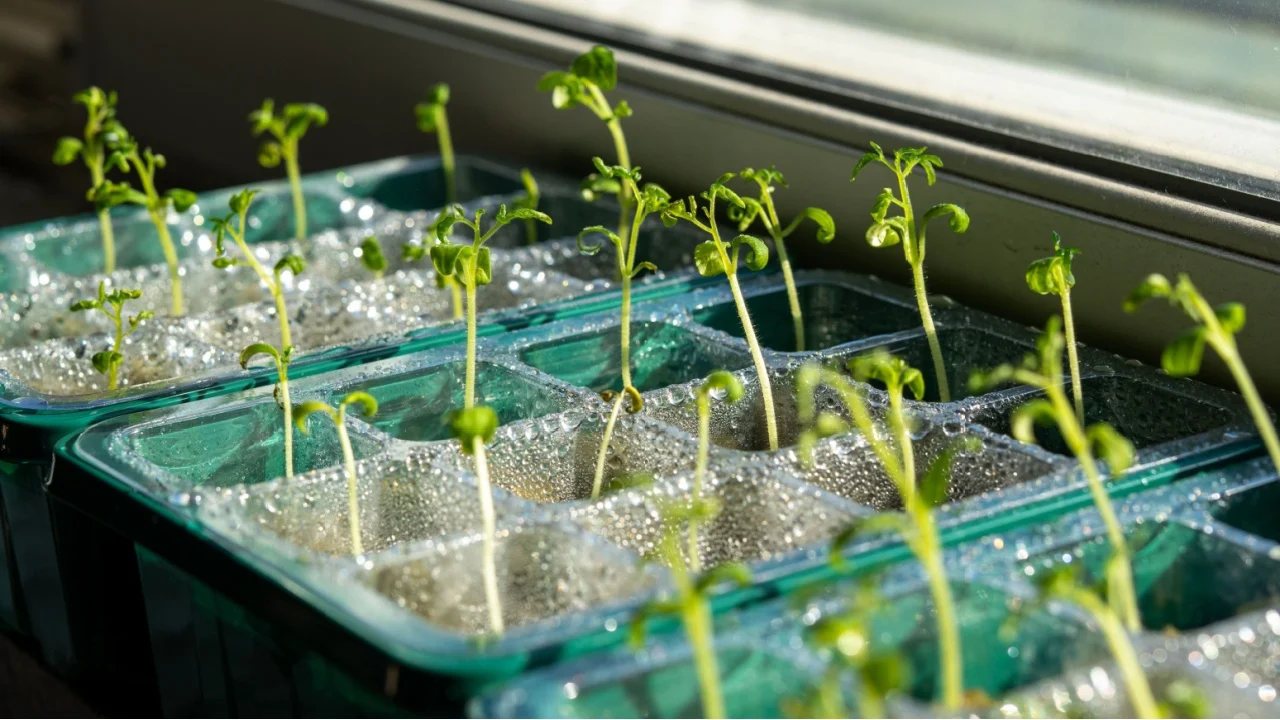
Tomatoes, peppers, and eggplant need six to eight weeks indoors before their outdoor transplant date.
Epic Gardening recommends sowing these in April for planting out after your last frost date. Count backward from your zone’s last frost date to confirm timing; your local Cooperative Extension Service website lists this date precisely.
9. Divide Summer and Fall-Blooming Perennials
Spring is the right time to divide perennials that bloom later in the season. Hostas, daylilies, ornamental grasses, and coneflowers that have grown crowded or are no longer blooming as vigorously need dividing now.
Proven Winners recommends dividing summer and fall bloomers in spring and spring bloomers in fall to avoid disrupting the bloom cycle. Divisions can be replanted elsewhere or passed on to neighbors.
10. Prune Roses and Summer-Blooming Shrubs
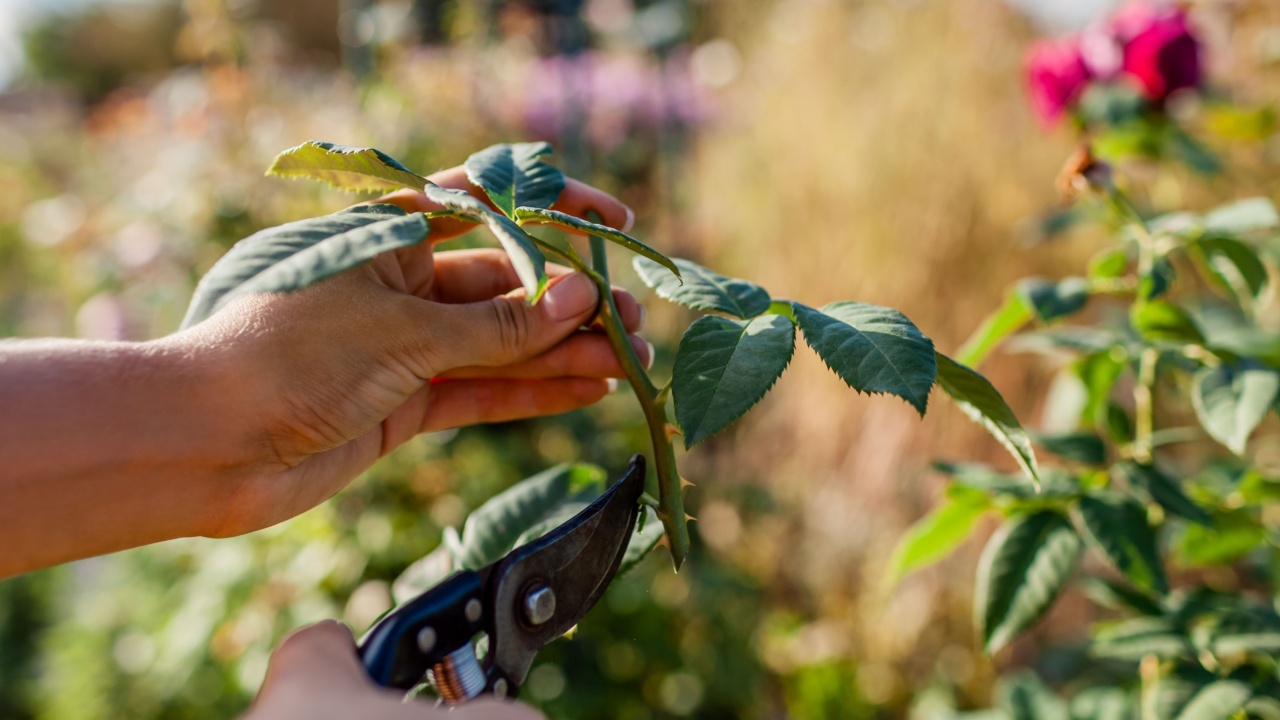
Roses and summer-blooming shrubs such as butterfly bush, rose of Sharon, and smooth hydrangea bloom on new wood, meaning they set buds on growth that has not yet appeared. Pruning them now, just as buds begin to push, encourages the flush of new growth that will carry this year’s flowers. Remove dead, damaged, and weak canes first.
The New York Botanical Garden recommends pruning repeat-blooming roses in late March or early April, when forsythia is in bloom, as a reliable timing cue.
11. Plant Strawberries and Bare-Root Fruits
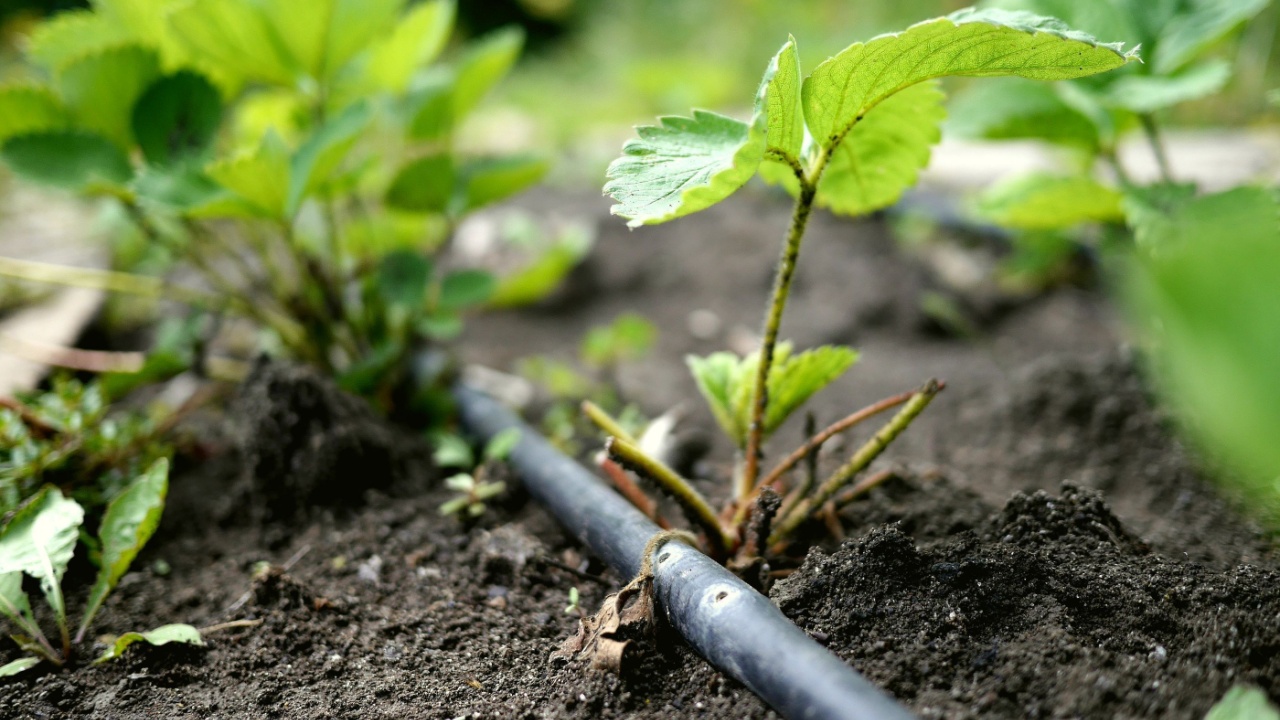
Bare-root strawberry plants, raspberry canes, blueberry bushes, and fruit trees go in the ground as soon as the soil is workable. A Way To Garden recommends incorporating well-rotted compost into the planting area and setting up a wire support framework for raspberries before planting. Raspberry canes that bore fruit last year should be cut to the ground now; remaining young canes should be shortened by at least a quarter before growth resumes.
12. Plant Summer-Blooming Bulbs After Your Last Frost Date
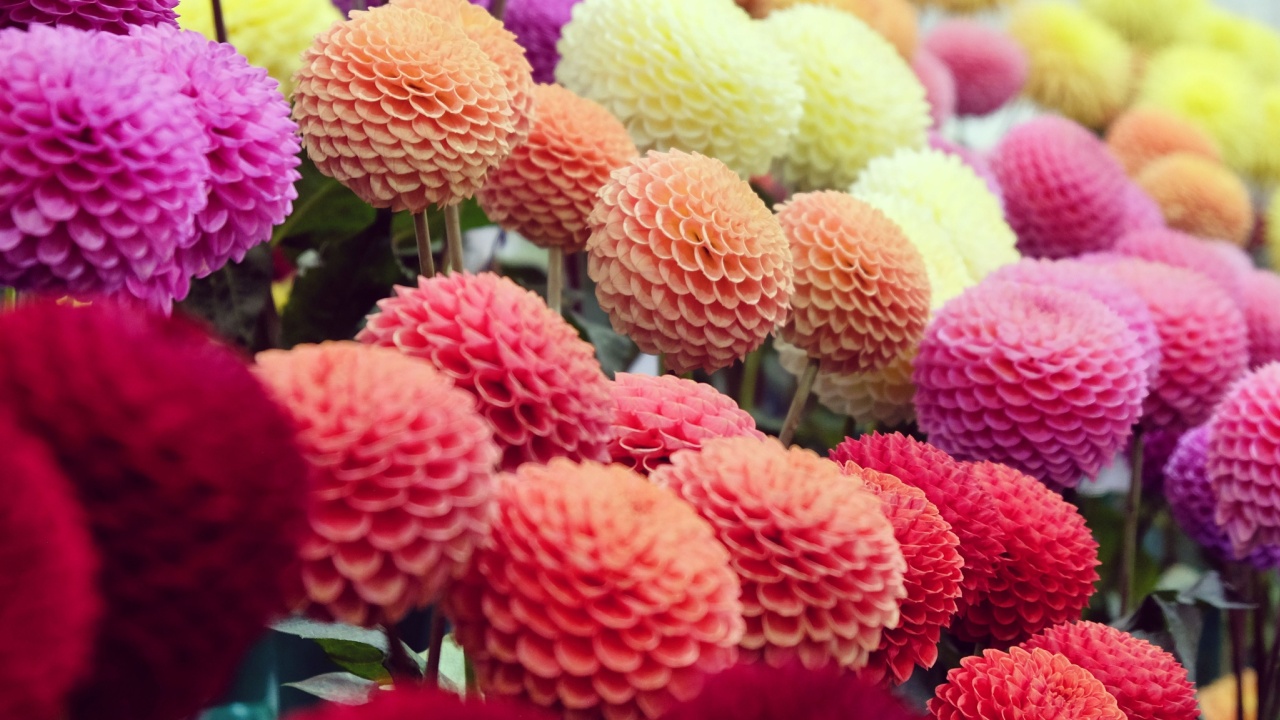
Dahlias, gladioli, and tuberous begonias can be planted once the threat of frost has passed.
Epic Gardening notes that these bulbs benefit from an early spring planting that gives them time to establish before the heat arrives. In colder zones, start dahlia tubers in pots indoors now and move them outside in May as established plants are less vulnerable to slugs.
13. Fertilize Fruit Trees
Fruit trees in active growth benefit from blood, fish, and bone or a balanced slow-release fertilizer applied now. Oregon State University Extension recommends applying organic fertilizer to cane, bush, and trailing berries, as well as fruit trees, before growth resumes in April.
14. Mulch Beds After the Soil Has Warmed
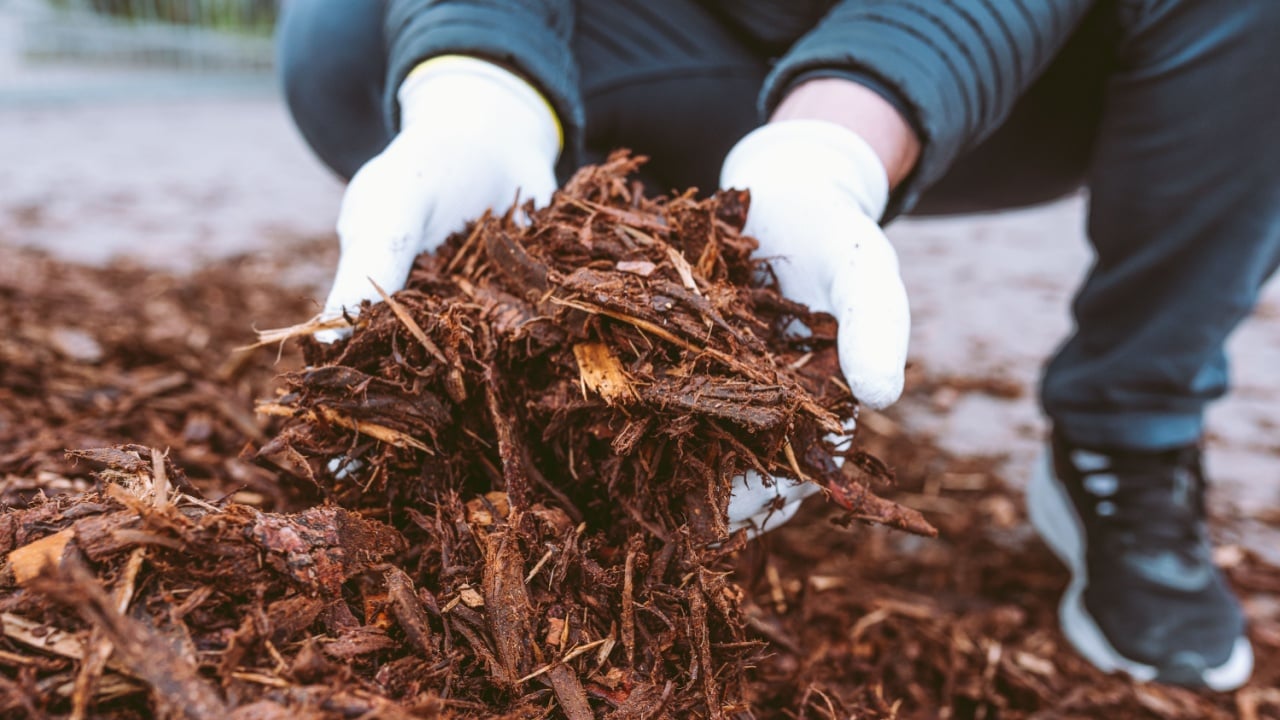
Apply a 2 to 3 inch layer of mulch around trees, shrubs, and perennial beds to suppress weeds and retain moisture.
The keyword is after: mulching too early traps cold soil temperature and slows plant emergence. A Way To Garden recommends waiting until the soil has warmed thoroughly before mulching, particularly in regions where spring comes late. Wood chips, shredded leaves, and straw are all effective organic options.
15. Control Slugs Before They Multiply
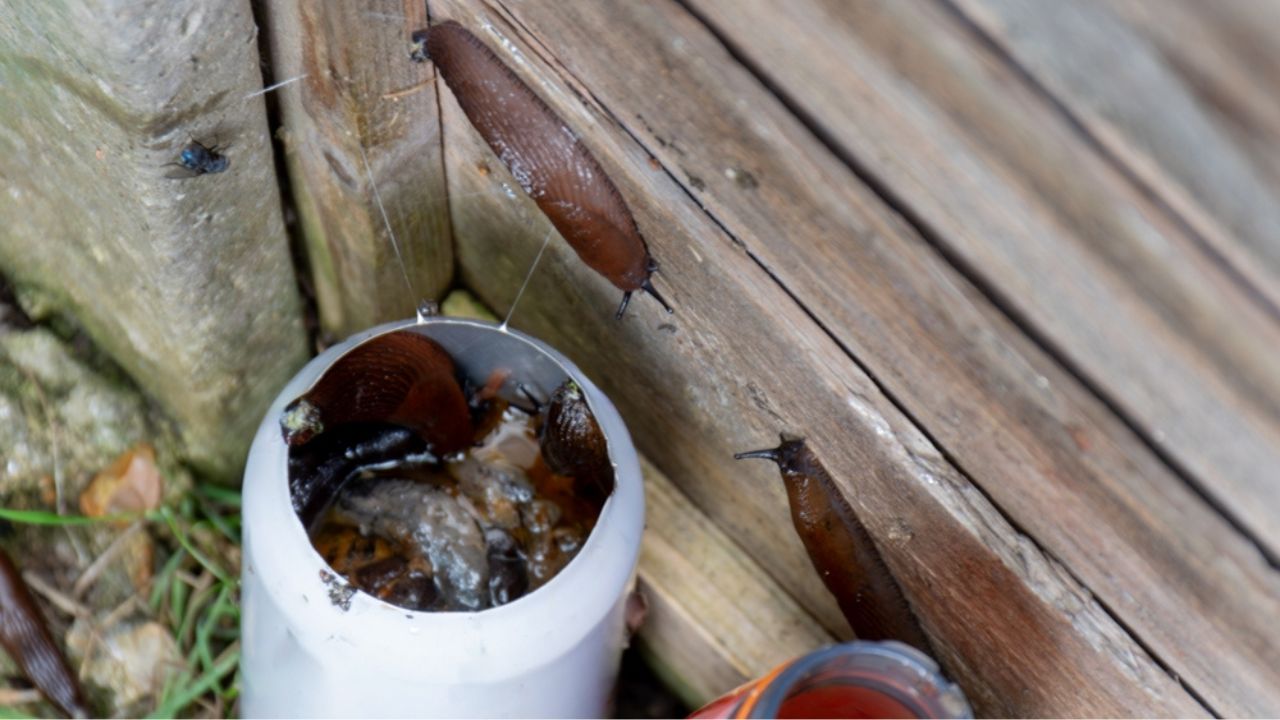
Slug pressure peaks in April’s cool, moist conditions.
Epic Gardening recommends beer traps or bread-dough slurry traps (a mixture of yeast, flour, and water set in a shallow container sunk into the soil) as effective organic controls that do not harm beneficial insects. Check and empty traps every few days.
16. Inspect and Repair Hardscaping
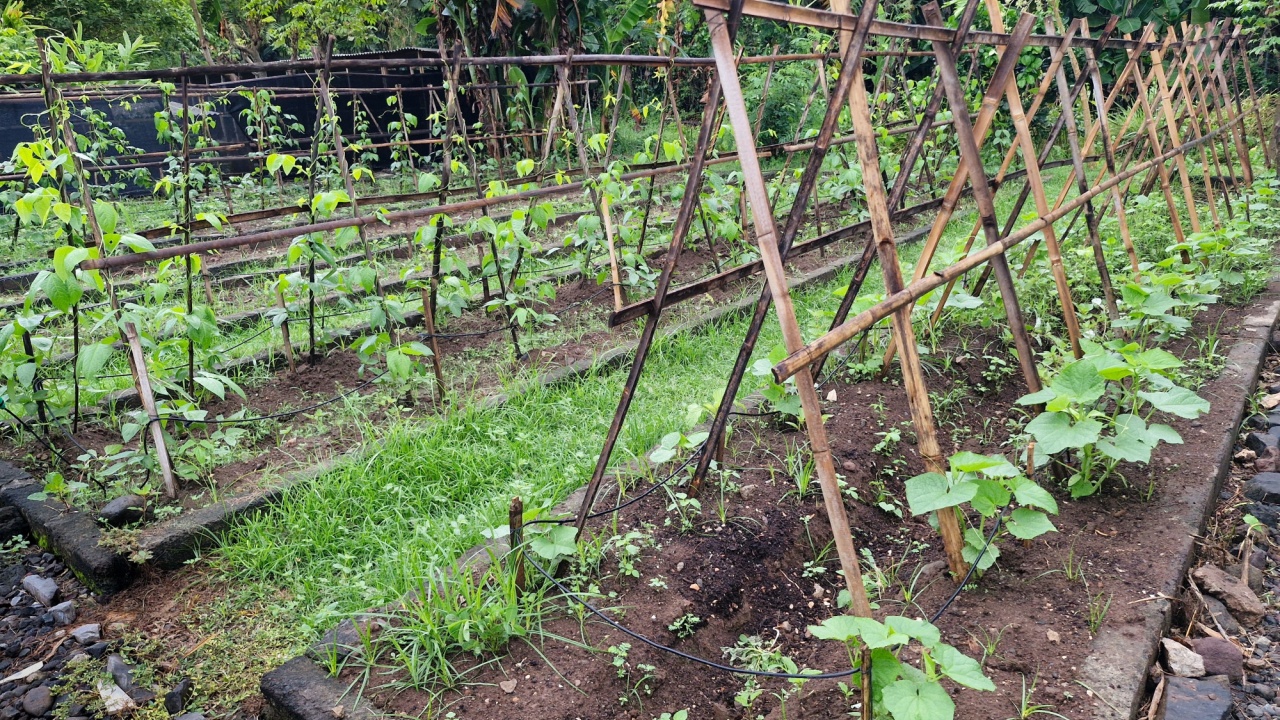
Walk your property and note any trellises that have shifted, raised bed lumber that has warped, fencing that has bowed, or stepping stones that have heaved.
Proven Winners recommends addressing hardscaping before plants get large enough to make the work awkward. This is also the time to clean and sanitize birdbaths and bird feeders with a diluted bleach solution before spring visitors return.
17. Weed Thoroughly While Roots Are Shallow
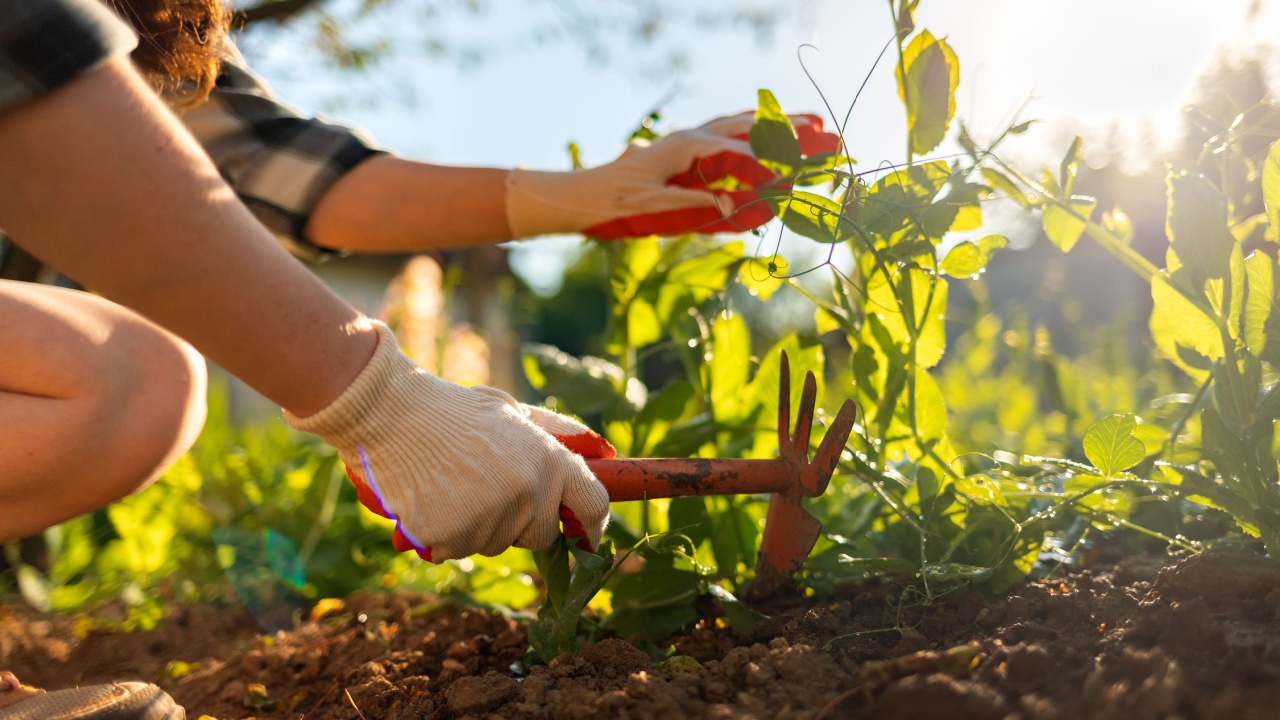
April weeds have shallow root systems and come out of moist soil with minimal effort. Dandelions, henbit, chickweed, and bittercress are easy to remove now; left to seed, a single plant can distribute hundreds of seeds across your beds before May.
The New York Botanical Garden advises weeding often for short periods rather than waiting for a lost Saturday; a half hour every few evenings beats a marathon session that never comes.
18. Set Up Supports for Dahlias and Tall Perennials
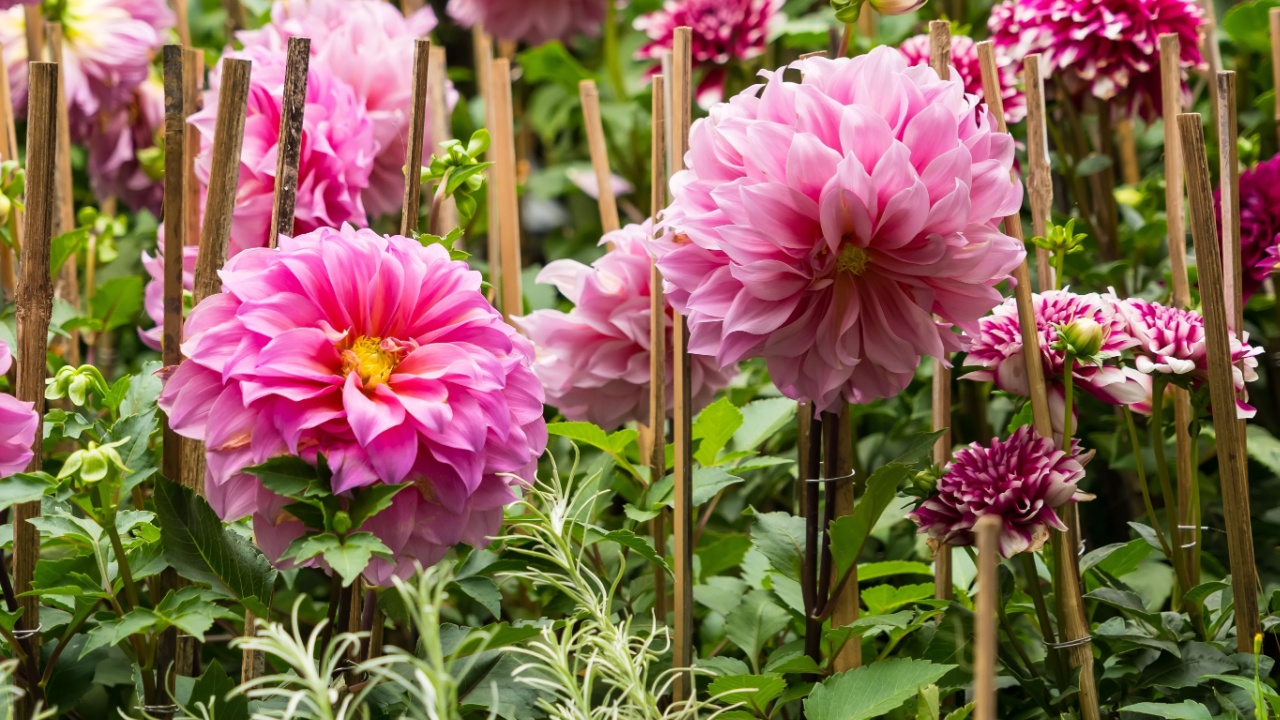
Delphiniums, tall dahlias, and any perennial over three feet benefit from support set now. Proven Winners notes that trying to wrangle stakes around plants that have already leafed out is considerably harder and risks damaging the stems you are trying to protect. The same applies to clematis and climbing roses: secure new growth to trellises before stems harden.
19. Install a Water Collection System or Check Your Existing One

Rainwater captured in April reduces your irrigation bill by a meaningful amount across the growing season. The University of Maryland Extension recommends directing downspouts and gutters toward a rain garden or water butt where water soaks into the soil rather than running off. If you already have a water butt, clean out any algae buildup and check connections before the first dry stretch arrives.
The 3 Things You Should Never Do in April
Never prune spring-blooming shrubs before they flower. Lilacs, forsythia, azaleas, and rhododendrons set their flower buds during the previous summer and fall. Pruning them now removes the buds that are days from opening. Gardening Know How notes that April is one of the easiest times of year to make this well-intentioned mistake, one that quietly costs you flowers without showing up immediately. The fix: wait until the blooms fade, then prune within a few weeks of that point to allow the entire growing season for new bud development.
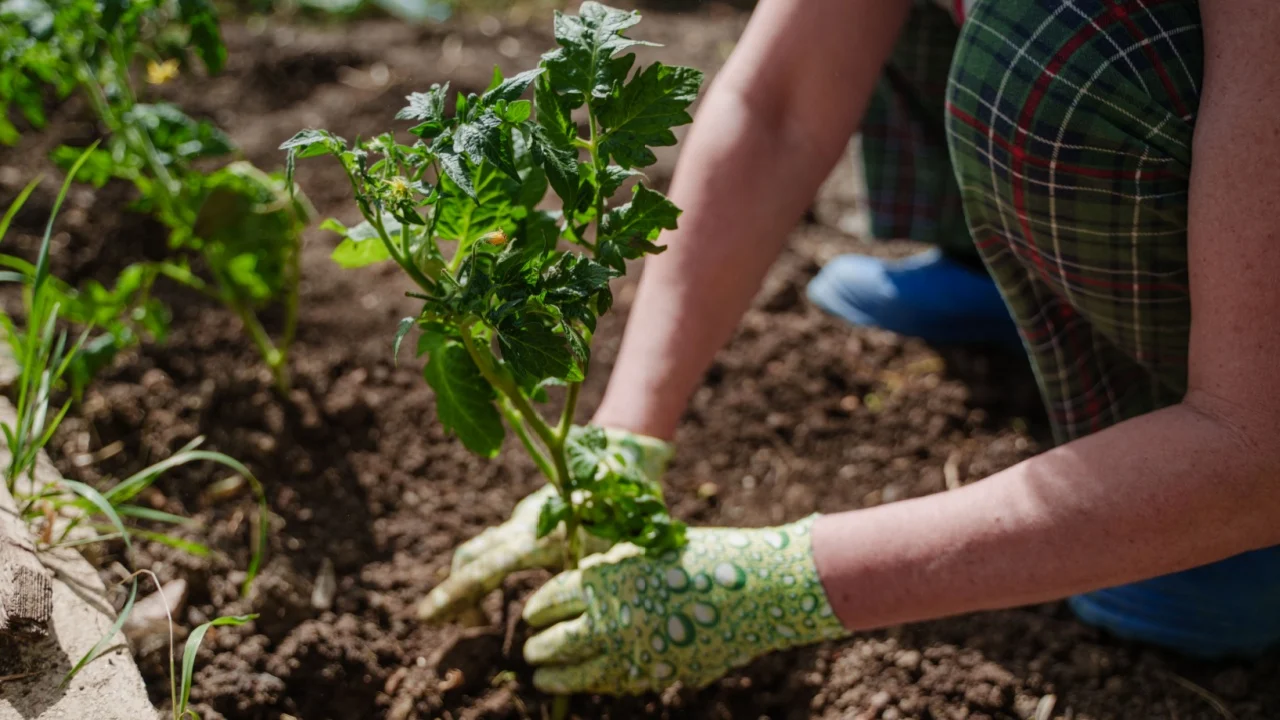
Never plant warm-season crops before your soil reaches 60°F. Tomatoes, peppers, cucumbers, and basil stall in cold soil and become vulnerable to fungal disease. A single late frost can destroy weeks of careful indoor seedling work overnight. Use a soil thermometer, available at any garden center, before transplanting.
Never fertilize perennials before you see 2 to 3 inches of new growth. Nitrogen applied before plants are actively growing leaches out with spring rain, wasting money and potentially running off into waterways. Wait for visible growth, then feed.
Keep a Garden Journal Starting Today

Experienced gardeners consistently name year-on-year note-taking as their single most valuable tool. What you plant, when you plant it, what the soil temperature was, which frost caught you off guard last year: these notes, written this April and reviewed next March, are worth more than any book. Oregon State University Extension recommends writing in your garden journal throughout the entire growing season. Even three sentences a week compound into an invaluable personal record.
The gardeners who finish April strong are not the ones who worked the hardest on the first warm weekend. They are the ones who worked in the right order. Test before you amend. Harden before you transplant. Let the forsythia bloom before you reach for the pruners. The month rewards patience almost every time.
Read more:
Plant these 10 companion plants with your tomatoes — and stop planting these 4
12 set it and forget it perennials that thrive on neglect