Should a 4-Year-Old Girl and 16-Year-Old Half-Brother Share a Room? A Blended Family’s Housing Dilemma
Moving into a new home should be a joyful milestone, but for blended families, the question of sleeping arrangements can quickly become a source of stress. One mother recently shared on Mumsnet her difficult situation: she and her husband have a four‑year‑old daughter together, while he has an 18‑year‑old daughter and a 16‑year‑old son from a previous relationship.
The teenagers stay with them five nights out of fifteen, sometimes less, depending on their plans. With limited space and no spare bedroom beyond a sofa bed in the living room, the family is trying to decide who should share a room and who should have their own. They recently bought a new home and have 3 bedrooms: one for the couple, and two to share between the 3 kids.
This scenario highlights the challenges of balancing privacy, fairness, and practicality. The father feels strongly that his eldest daughter should have her own room, while the mother is unsure where their young child should sleep (since this would mean that the 4-year-old girl and 16-year-old boy share a room).
This situation raises questions about how to respect older children’s independence while giving younger ones stability and making limited space work for everyone. This article examines the options for room sharing in blended families, weighing teenagers’ needs against those of younger children.
Option 1: Giving the Eldest Her Own Room
At 18, privacy is a significant concern. Many parents feel strongly that older children should have a dedicated space, especially as they transition into adulthood.
For their 18-year-old daughter, a room of her own can help her feel respected and valued during her visits, even if she is not living there full‑time. This arrangement also avoids the awkwardness of asking her to share with much younger siblings (aka the 4-year-old).
The challenge is that dedicating a room to someone who visits part‑time may feel unfair to the child who lives there permanently. Families in this situation often weigh the importance of respecting teenage independence against the need to provide stability for younger children. Open conversations with all family members can help clarify expectations and reduce resentment.
Option 2: Considering the Youngest Child’s Needs
A four‑year‑old requires routine, consistency, and a sense of belonging. Having her own room can help her feel secure and grounded in her (only) home. Sharing with much older siblings may not be practical, as bedtimes, routines, and privacy needs differ significantly.
Giving the youngest child her own space can also prevent conflicts and make daily life smoother.
On the other hand, space constraints may mean she has to share temporarily. Families often find creative solutions, such as flexible furniture or rotating arrangements, to balance the needs of all children. The decision should take into account how often the teenagers stay and how disruptive sharing might be for the youngest child.
Option 3: Sharing Between Teenagers
The 16‑year‑old son and 18‑year‑old daughter are close in age, which makes sharing more feasible than pairing either of them with a much younger sibling. While teenagers often prefer privacy, sharing occasionally during visits may be a reasonable compromise.
This arrangement allows the youngest child to have her own room while still giving the older children a space together.
Families considering this option should discuss it openly with their teenagers, especially since they are of different genders in this case. Their willingness to share will determine how successful the arrangement is. If they are comfortable with the idea, it can reduce tension and make the home feel more balanced.
Option 4: Using Flexible Spaces
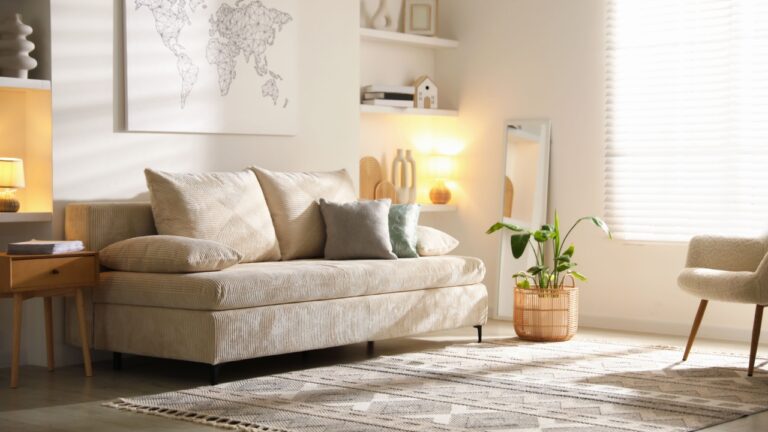
When bedroom space is limited, flexible solutions can help. A sofa bed in the living room or fold‑away furniture can provide extra sleeping space without requiring permanent changes. This option may not be ideal for long stays, but it can work for occasional visits. It also prevents the youngest child from losing her room when the teenagers come over.
Families who choose this path often invest in high‑quality furniture to make temporary sleeping arrangements more comfortable. While it may not feel like a perfect solution, it can reduce conflict and make the most of limited space. Sleeping arrangements may change as children grow older.
The four‑year‑old will eventually need more privacy, while the teenagers may spend less time at the house as they move toward independence. Families should consider how their needs will evolve and plan accordingly. This forward‑looking approach can help avoid repeated conflicts.
Balancing Fairness and Belonging
The most difficult part of blended family room sharing is balancing fairness. Teenagers may feel excluded if they are asked to share or sleep in common areas, while younger children may feel displaced if their space is temporary. Parents must weigh these feelings carefully to avoid resentment.
One way to set up your blended family for success is to involve all children in the discussion. Allowing them to express their preferences can make them feel heard and respected. Even if compromises are necessary, involving everyone can reduce tension and build understanding.