10 Amazing Benefits of Sharing Regular Family Meals
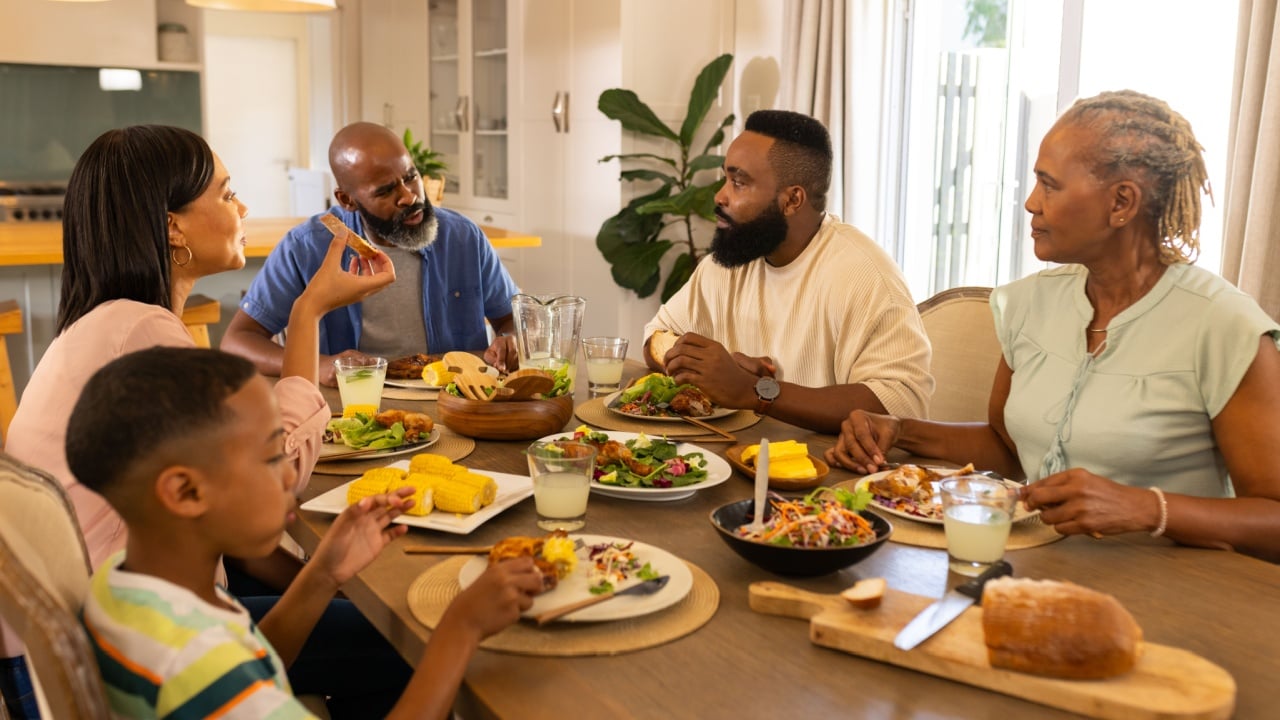
Gathering around the dinner table might feel like a simple act, but it’s one of the most powerful traditions a family can build. In our busy lives, sharing a meal is more than just about satisfying hunger; it’s a chance to nourish our relationships, support our children’s growth, and create a sanctuary of connection. These shared moments are where we refuel emotionally, strengthen our bonds, and cultivate a sense of belonging that lasts a lifetime. Making family meals a regular part of your routine can profoundly impact your family’s physical, mental, and social well-being.
This post will explore ten compelling reasons why sharing meals together is so important. You will discover the proven benefits of this simple practice and find practical tips to make it a joyful and consistent part of your family’s life.
1. Creates a Space for Connection and Conversation

Simply being together around the table provides a dedicated time to catch up and enjoy each other’s company. It’s a daily opportunity to pause, put away distractions, and focus on one another. These moments of shared conversation build a foundation of communication and help everyone in the family feel seen, heard, and valued.
Why is this so important? Consistent communication strengthens family bonds and keeps you connected to what’s happening in each other’s lives. It turns the simple act of eating into a meaningful ritual of togetherness.
Quick Tips:
- No-Phone Zone: Make the dinner table a screen-free zone. Turn off the television and put phones away to encourage genuine conversation.
- Open-Ended Questions: Instead of asking “How was your day?” which often gets a one-word answer, try questions like, “What was the most interesting thing that happened to you today?” or “What made you laugh today?”
- Take Turns: Ensure everyone gets a chance to speak without interruption. This teaches children valuable listening skills and shows them that their voice matters.
2. Boosts Academic Performance
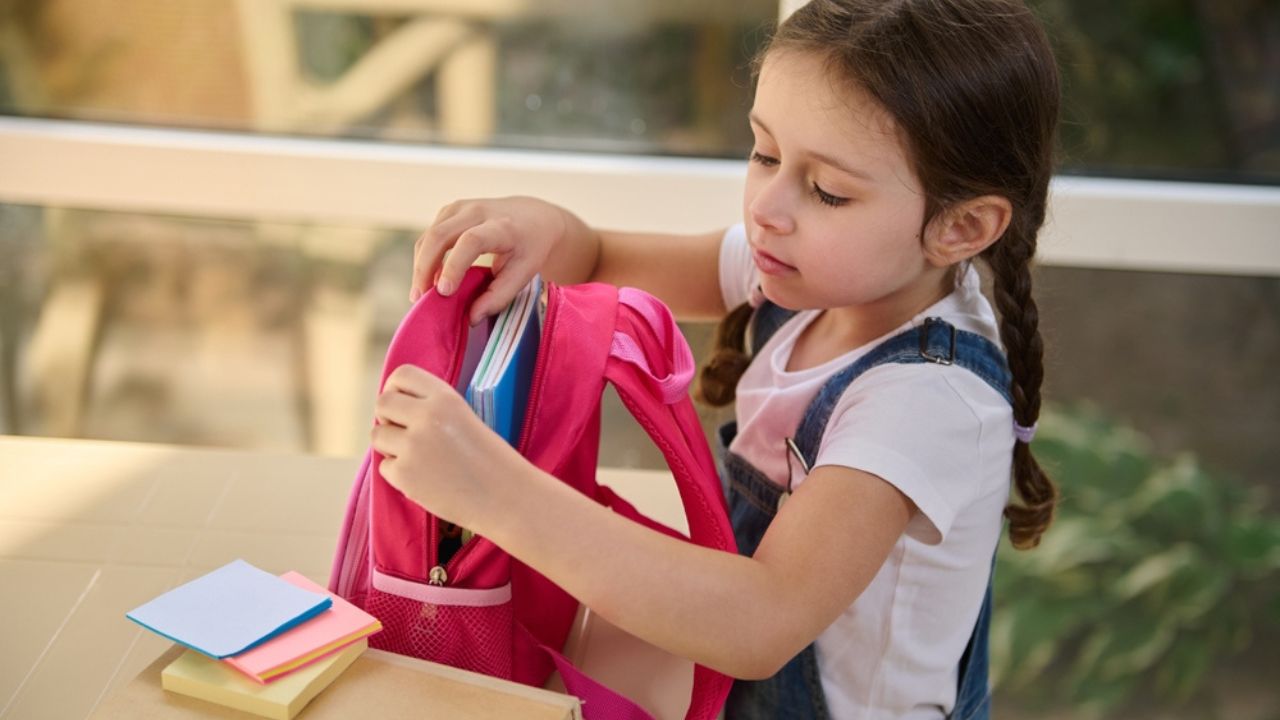
Believe it or not, what happens at the dinner table can impact what happens in the classroom. Studies consistently show that children who regularly share meals with their families tend to perform better academically. This connection stems from the rich learning environment that family conversations create.
When children listen to and participate in discussions with adults and older siblings, their vocabulary expands, and their communication skills improve. This regular exposure to a wider range of words and more complex sentence structures gives them a significant advantage in school. It’s a clear sign that engaged parents are a key ingredient in a child’s educational success.
Quick Tips:
- Discuss the Day’s Learnings: Ask your kids to share one new thing they learned in school.
- Word of the Day: Introduce a new word at dinner and challenge everyone to use it in a sentence.
- Connect School to Life: Talk about how subjects like math, science, or history apply to everyday activities, like cooking or gardening.
3. Improves Emotional Well-Being and Reduces Stress

The dinner table can serve as an emotional anchor in a child’s life. Knowing there is a consistent, safe space to connect with family each day can significantly relieve stress and anxiety. Research has shown that teens who eat regular family meals have lower rates of depression, anxiety, and other mental health challenges.
When communication is open and daily, children feel more comfortable and loved. This makes them more likely to share their problems and come to you with sensitive issues, knowing they will be met with support instead of judgment. This daily check-in fosters a sense of security that is crucial for healthy emotional development.
Quick Tips:
- Keep it Positive: While it’s a place to share struggles, try to keep the overall atmosphere light and pleasant. Focus on solutions and support rather than criticism.
- Celebrate Small Wins: Acknowledge and celebrate each other’s accomplishments, no matter how small.
- Practice Empathy: Model empathetic listening when a family member shares something difficult.
4. Encourages Healthier Eating Habits
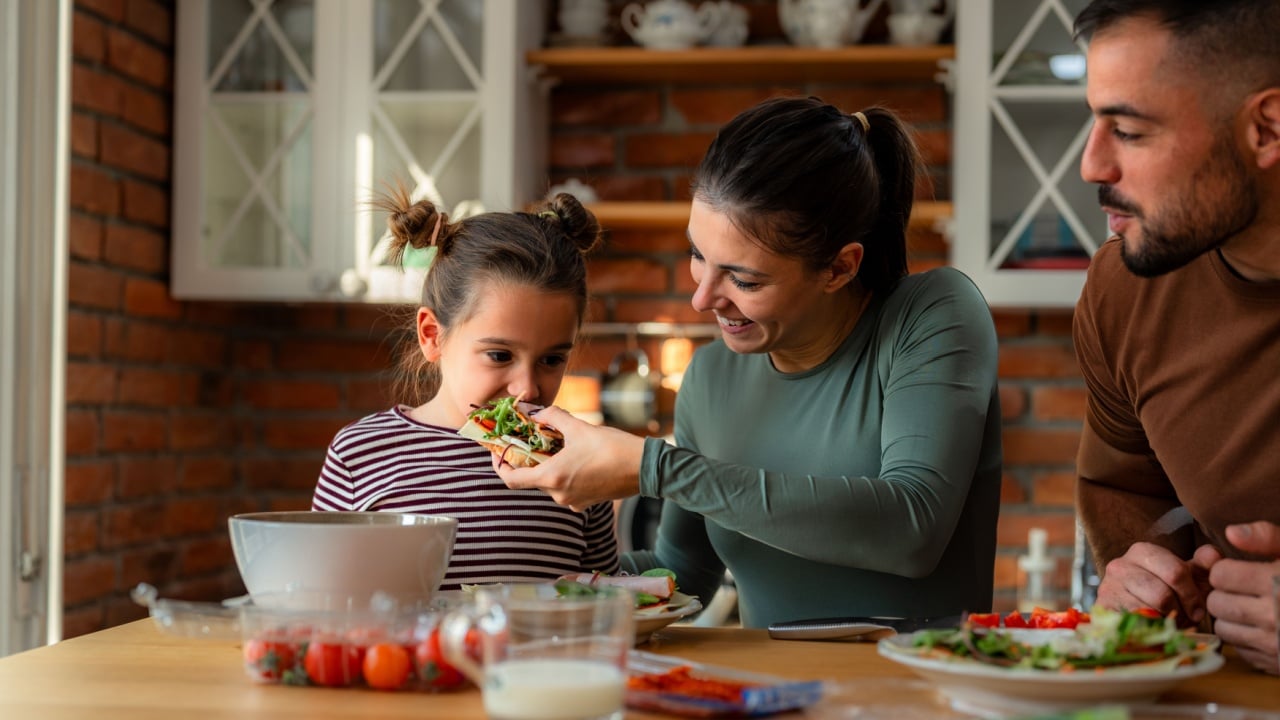
Sharing meals gives you a wonderful opportunity to model and influence your children’s eating habits for the better. When you prepare and eat balanced meals together, you can talk about the importance of nutrition in a natural and positive way.
Use this time to discuss why you serve certain foods, like colorful vegetables or lean proteins, and how they help our bodies grow strong and stay healthy. By serving a variety of whole foods and enjoying them yourself, you set a powerful example that teaches kids to appreciate and choose healthy options on their own.
Quick Tips:
- Balanced Plates: Aim to fill plates with plenty of vegetables, fruits, whole grains, and lean proteins.
- Talk About Food: Discuss where food comes from. If you have a garden, talk about what you’re growing and how it nourishes your family.
- Limit Unhealthy Options: Keep sugary drinks and highly processed foods off the dinner table to reinforce healthy choices.
5. Teaches Essential Life Skills

The process of planning, preparing, and cleaning up after a meal is full of learning opportunities. Involving the whole family teaches teamwork, responsibility, and practical skills that will serve them for the rest of their lives.
When everyone has a role, from setting the table to chopping vegetables, it fosters a sense of shared responsibility. Kids learn how to follow instructions, manage time, and work together toward a common goal. These aren’t just chores; they are lessons in contributing to the family unit and being a capable, independent person.
Quick Tips:
- Assign Age-Appropriate Tasks: Younger kids can set the table or stir ingredients, while older children can help with chopping, cooking, and cleanup.
- Cook Together: Plan one meal a week where everyone helps prepare the food. This can be a fun and collaborative activity.
- Menu Planning: Let kids have a say in the weekly menu. This teaches them about compromise and planning ahead.
6. Provides Routine and Structure
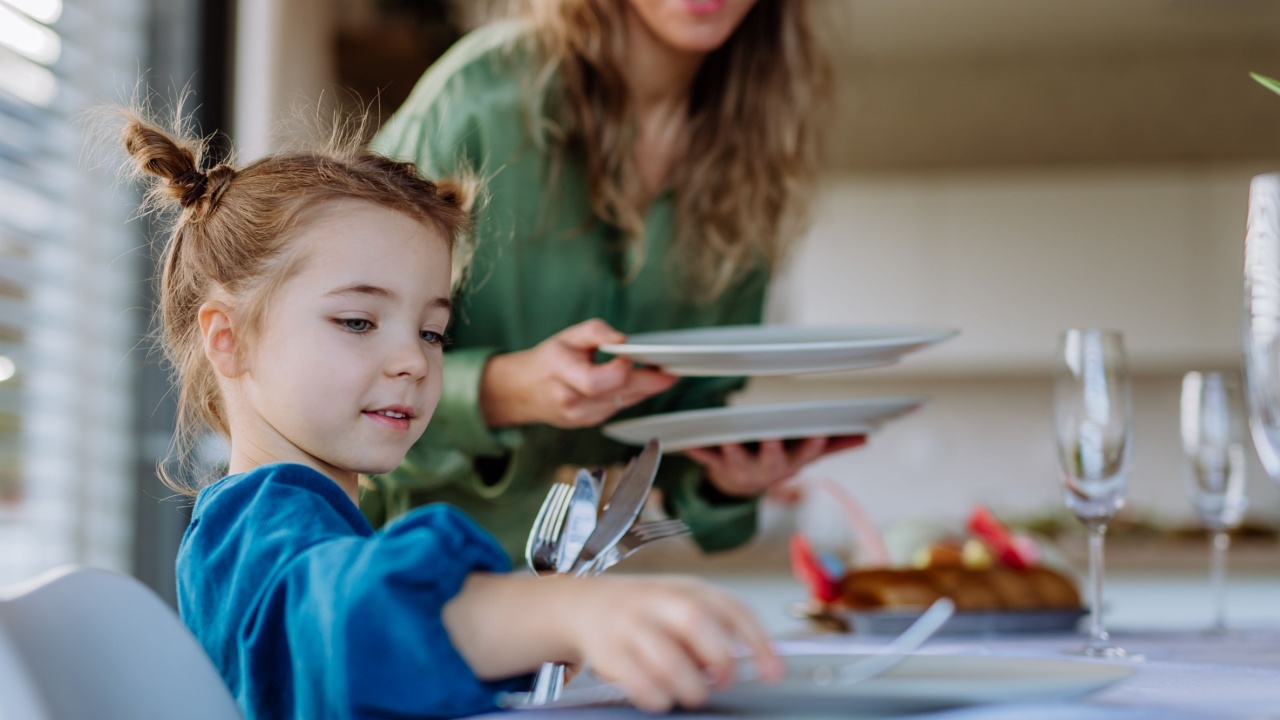
In a world that can often feel chaotic, a predictable routine provides a sense of stability and security for children. Having meals around the same time each day creates a comforting rhythm for the family. Everyone knows when it’s time to come together, which helps organize the day and manage expectations.
This structure also helps regulate eating patterns. When children know a satisfying dinner is coming at a set time, they are less likely to fill up on unhealthy snacks throughout the afternoon. This predictable schedule promotes better appetite regulation and healthier overall habits.
Quick Tips:
- Set a Consistent Time: Try to have dinner around the same time each night, even if it’s a 30-minute window.
- Create a Pre-Dinner Routine: Establish a simple routine like “wash hands and set the table” to signal that mealtime is approaching.
- Be Flexible but Firm: Life happens, but aim for consistency. If you have to miss a family dinner, try for a family breakfast the next day.
7. Lowers the Risk of High-Risk Behaviors
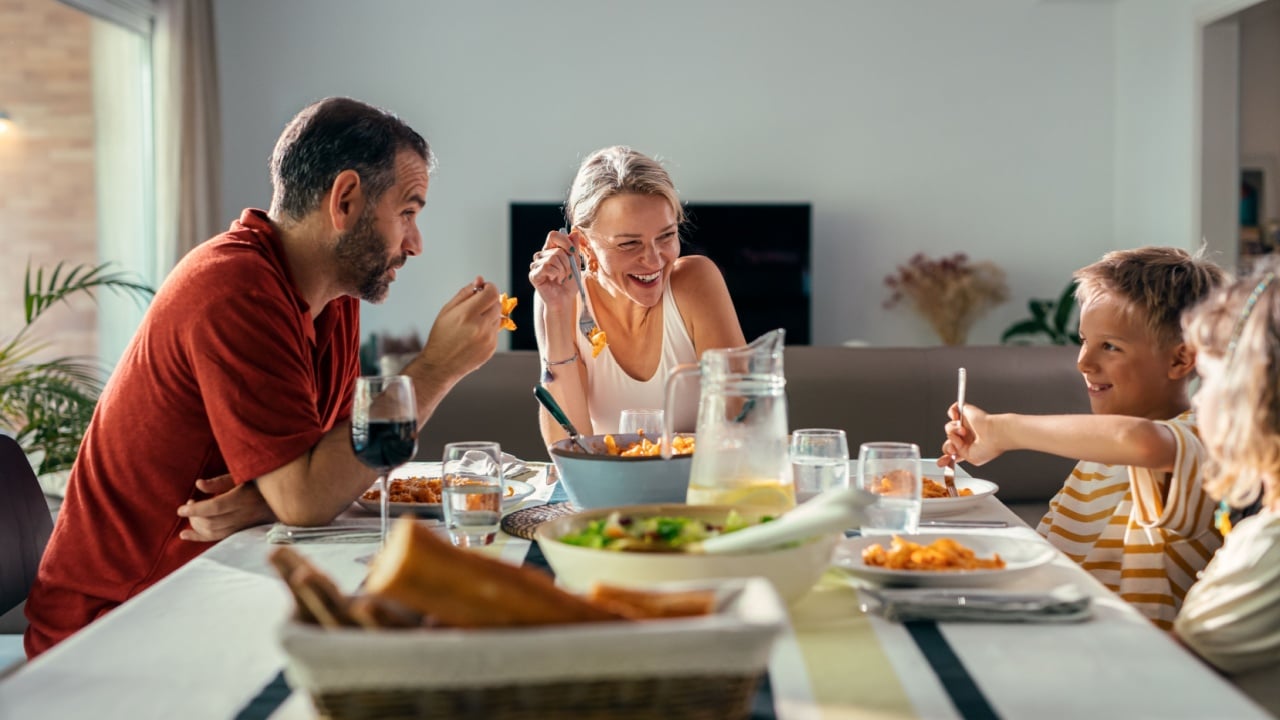
The connection fostered during family meals is a powerful protective factor for teens. Research has consistently found that teenagers who regularly eat with their families have significantly lower risks for substance abuse, eating disorders, and early sexual activity.
Why? The simple act of checking in every day makes a huge difference. When teens feel connected to their families and have a safe outlet to talk about their lives, they are less likely to turn to risky behaviors as an outlet for stress or a cry for attention. This consistent parental involvement and open communication are key to helping them navigate the challenging teenage years.
Quick Tips:
- Listen Without Judgment: Create an environment where your teen feels safe sharing their thoughts and experiences without fear of being immediately corrected.
- Stay Calm: When sensitive topics arise, stay calm and focus on understanding their perspective.
- Be Present: Show that you are genuinely interested in their world, their friends, and their pressures.
8. Expands Cultural and Worldly Knowledge
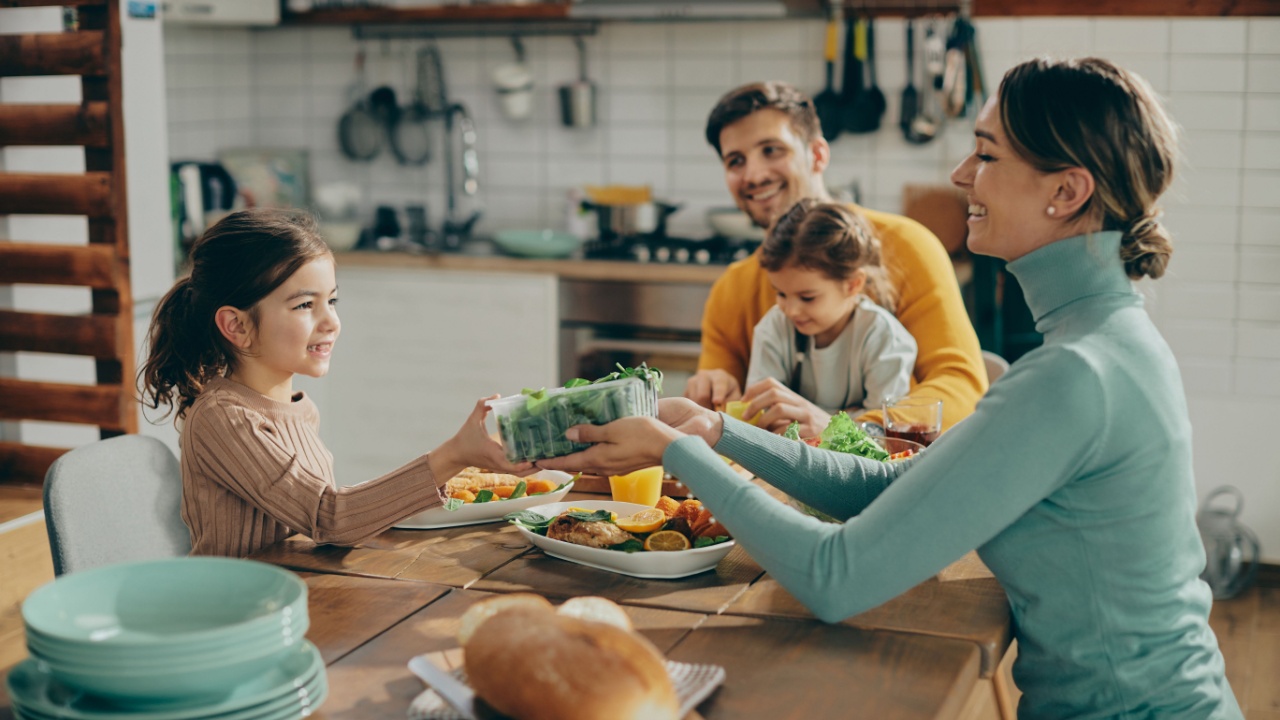
The dinner table is the perfect place to broaden your family’s horizons. Use this time to explore different cultures through food or to discuss what’s happening in your community and around the world. It’s an opportunity to learn from each other and expand everyone’s worldview.
Cooking dishes from different countries can spark conversations about geography, history, and different ways of life. Discussing current events helps children develop critical thinking skills and form their own opinions in a supportive environment. It teaches them to be curious, informed, and engaged global citizens.
Quick Tips:
- Theme Nights: Have a “Taco Tuesday” or try making a dish from a country you’re all learning about.
- Discuss the News: Talk about a current event in an age-appropriate way. Ask questions like, “What do you think about that?” or “How do you think that affects people?”
- Share Family History: Use mealtime to tell stories about your own family’s heritage and traditions.
9. Fosters Resilience and Adaptability
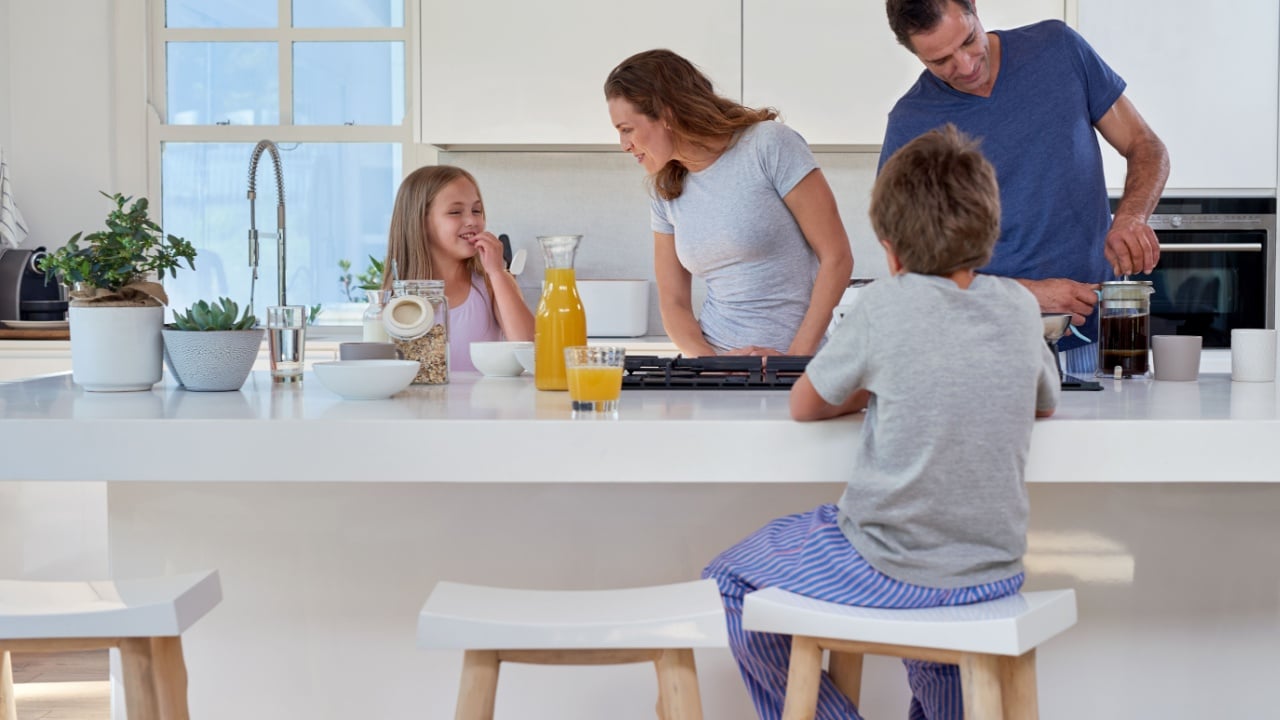
Family meals are not always perfect. Sometimes the food burns, a child is grumpy, or a conversation gets tense. Navigating these real-life moments together at the dinner table teaches children resilience and adaptability. They learn that things don’t always go as planned and that’s okay.
Working through minor conflicts, learning to compromise on what’s for dinner, or simply sharing the highs and lows of a day builds emotional strength. It shows kids how a family unit supports each other through small challenges, preparing them to handle bigger ones later in life.
Quick Tips:
- Model Patience: If a meal is delayed or a dish doesn’t turn out, model a patient and flexible attitude.
- Problem-Solve Together: If someone is unhappy, use it as a chance to talk through feelings and find a compromise.
- Embrace Imperfection: Laugh about kitchen mishaps. It shows that it’s okay to make mistakes.
10. Saves Money and Reduces Food Waste

While the emotional benefits are immense, there’s a very practical advantage to family meals: they are often more economical. Planning and cooking meals at home is almost always cheaper than eating out or relying on takeout. It gives you control over your food budget and allows you to make healthier choices for less.
Additionally, regular family meals encourage better management of your pantry and fridge. When you plan meals, you buy what you need and are more likely to use leftovers creatively. This reduces food waste, which is good for both your wallet and the environment.
Quick Tips:
- Plan Weekly Meals: Sit down on Sunday and plan dinners for the week. This streamlines grocery shopping and prevents last-minute, expensive decisions.
- Cook in Batches: Make larger portions of staples like rice, beans, or roasted vegetables to use in different meals throughout the week.
- “Use It Up” Night: Designate one night a week to create a meal from leftovers or ingredients that need to be used soon.
Cultivating Your Dining Sanctuary
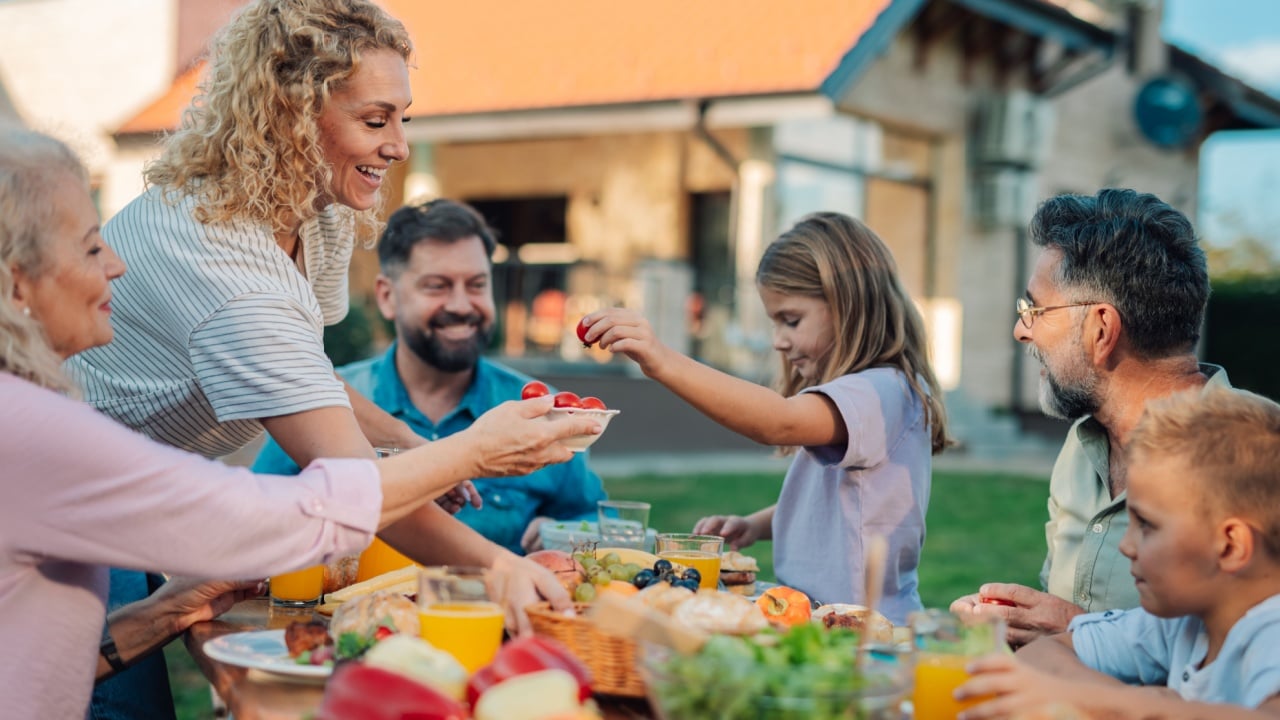
The simple act of sharing a meal can transform your family life. As you embrace this tradition, think about how you can make the experience even more special. This is where your home and garden can play a beautiful role.
Consider creating a welcoming dining environment. A fresh bouquet from your garden on the table or a few potted herbs on the windowsill can make the space feel alive and cared for. If you eat outdoors, string up some lights or plant a container garden nearby to enhance the atmosphere.
Better yet, take the next step and involve your family in growing some of your own food. Even a small pot of basil on the porch or a single tomato plant in the backyard can become a source of pride and excitement. Tending to a garden together, and then enjoying the harvest at your family meal brings the entire experience full circle. It connects you not only to each other but also to the food you eat and the earth that provides it.
Read more:
5 Simple Ways to Make Last Memories at Home as a Family
18 Ideas for Screen-Free Time with the Family This Weekend