
Setting Up for Success: 12 Home Strategies to Blend a Family
Blending families resembles attempting to merge two different puzzle sets into a single picture. The pieces might not fit perfectly at first. The edges look rough. You might stare at the pile on the table and wonder if it will ever form a coherent image. Bringing two separate family units under one roof introduces significant changes to the home environment. Walls that once held quiet echoes now bounce with new voices. Routines collide. Personal space shrinks.
This article provides twelve specific strategies to manage the physical and emotional landscape of a blended home. How do you adjust household mechanics to support everyone involved? From juggling chaotic schedules to negotiating who gets the TV remote, these steps offer a realistic blueprint for keeping the peace.
1. Create New Traditions Together

Repeating old rituals from a previous life can sometimes alienate new family members. It sends a signal that they are visitors in someone else’s history. Establishing fresh traditions for the current household builds a shared identity. Don’t discard everything from the past; add something unique to this specific group of people.
Consider a weekly event like “Taco Tuesday” or a monthly Saturday morning hike. These activities belong to the new family unit. They provide a predictable rhythm to the home life. Over time, these shared experiences become the glue that holds the group together. Participation helps every member feel they own a stake in the family culture.
2. Protect Couple Time

The relationship between the adults forms the foundation of the entire household structure. If that foundation cracks, the rest of the house feels unstable. In the chaos of moving boxes and managing multiple schedules, the partnership often falls to the bottom of the priority list. Neglecting the relationship puts the entire blending process at risk.
Prioritize regular dates or quiet evenings alone. Lock the bedroom door for a private conversation. Show the children that the adults are a united front who enjoy each other’s company. A strong partnership provides security for the children. They need to see that the leaders of the house are solid, happy, and committed to making this arrangement work.
3. Don’t Rush Sibling Relationships

Children did not ask for new siblings. Suddenly sharing a bathroom or a playroom with a stranger can breed resentment. Forcing them to “play nice” or act like best friends immediately often backfires. It creates pressure and artificiality. Allow relationships to develop at their own pace.
Observe how they interact naturally. Step in only to prevent cruelty or disrespect. Let them ignore each other if they need space. Friendship might grow eventually, or they might simply reach a respectful détente. Both outcomes are acceptable. The home should be a safe space where they can adjust to these new personalities without the burden of forced affection.
4. Stay United With Co‑Parents

The home environment does not exist in a vacuum. Other biological parents likely exist outside these walls. Conflict with an ex-partner leaks into the current home like a draft through a cracked window. Hearing parents argue on the phone or sensing tension creates anxiety for the children. They feel torn between two worlds.
Keep conflict out of earshot. Speak respectfully regarding the other parent. Coordinate schedules and rules where possible to minimize confusion. When the adults across both households communicate effectively, the children feel safer. They can relax knowing they do not have to pick sides or carry messages between warring camps.
5. Honor the Past

Your child may not be stoked about the new living arrangement; erasing the past implies that a child’s previous life was a mistake. Photos of a biological parent or memories from before the blend deserve space in the home. Removing these items can make a child feel like they must leave part of themselves at the door.
Display photos that include the other biological parent in the child’s personal space if they wish. Speak openly regarding happy memories from before the families merged. Acknowledging the past validates the child’s history. It confirms that loving the new family does not require rejecting the old one.
6. Schedule Individual Time With Each Child

In a busy blended house, children often compete for attention. They might fear losing their biological parent to the new spouse or step-siblings. This insecurity manifests as acting out or withdrawing. Combat this by guaranteeing one-on-one time with each child.
A fifteen-minute drive to the store or a solo walk around the block makes a difference. This time reassures the child that they are still seen and valued individually. It reinforces the bond that existed before the blend. When their cup is full, they are often more willing to engage positively with the rest of the family.
7. Trade Fairy‑Tale Expectations for Realistic Ones

Television shows often depict blended families resolving deep conflicts in thirty minutes. Real life involves more friction and less scripted resolution. Expecting instant love and harmony sets everyone up for failure. Disappointment arrives quickly when reality fails to match the fantasy.
Accept that some days will be difficult. There will be arguments over laundry and dinner choices. Some family members might never share a deep bond. Success means functioning respectfully and peacefully, not necessarily loving every moment. Lowering the bar relieves pressure and allows for genuine, imperfect progress.
8. Be Very Patient

Blending a family is the ultimate test of staying calm under pressure. It doesn’t come together overnight, and it definitely takes more than a weekend. Experts say it could take anywhere from four to seven years before everything starts to feel comfortable and familiar. Hoping to see a picture-perfect household in the first few months only sets everyone up for disappointment.
When a stepchild pushes your buttons or your color-coded calendar turns into chaos, pause before reacting. Raising your voice usually makes the situation worse and leaves everyone feeling stuck. Remember, each person is still navigating a brand-new world. Approaching missteps with patience gives everyone a little space to breathe, reset, and approach tomorrow with a fresh start. The payoff is a calmer home and a group of people who know they’re allowed to be imperfect as they settle in together.
9. Co‑Create Household Rules
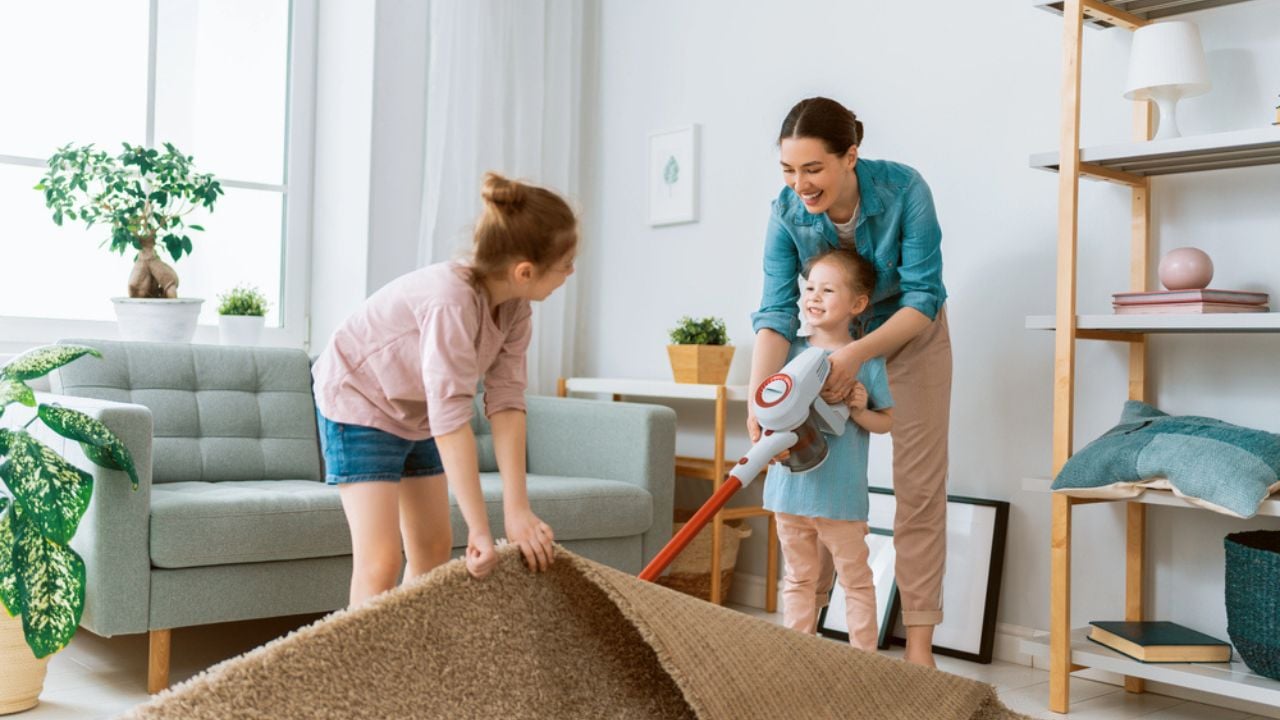
Imposing a new set of rules on teenagers or children used to a different system sparks rebellion. They feel controlled and unheard. Involve the children in creating the rules for the new home. Hold a family meeting to discuss chores, curfews, and screen time.
Ask for their input. Negotiate where possible. When children help build the framework, they are more likely to follow it. This process also establishes a standard that applies to everyone, preventing accusations of favoritism. Consistency in enforcing these mutually agreed-upon rules is vital for maintaining order.
10. Keep Communication Open

Silence breeds resentment. Misunderstandings fester when family members do not speak up. Create a culture where expressing feelings is safe. Regular family meetings can provide a forum for airing grievances and celebrating wins.
Encourage children to speak their minds respectfully. Listen without interrupting or defending. Validate their feelings, even if those feelings are negative. “I hear that you are frustrated regarding the bathroom schedule” diffuses tension better than “Stop complaining.” Open channels of dialogue prevent small annoyances from exploding into major fights.
11. Designate Personal Space

Privacy becomes a rare commodity in a full house. Every family member needs a physical location to retreat to when the noise becomes overwhelming. This is especially true for introverts or teenagers who need time to decompress.
If individual bedrooms are not possible, create specific zones. A reading nook, a desk in a quiet corner, or even a specific chair can serve this purpose. Establish a rule that when someone is in their “quiet zone,” they are not to be disturbed. Respecting physical boundaries reduces stress and gives everyone a chance to recharge.
12. Clarify Financial and Material Boundaries

Arguments over resources often plague blended households. Who pays for the pizza? Whose console is in the living room? Why did that child get new shoes? Ambiguity around money and possessions creates jealousy and confusion.
Discuss financial expectations with your partner away from the kids. Decide how to handle shared expenses versus individual child costs. Communicate clearly with the children regarding borrowing items. If a step-sibling cannot use a specific toy or gadget, state that rule plainly. Clear boundaries regarding material goods prevent theft accusations and resentment.
Moving Forward

Almost all families have challenges, but blending a family requires deliberate action and a thick skin. The process involves stumbling, adjusting, and trying again. These twelve strategies provide a framework, but the daily execution relies on persistence.
Start by implementing one or two of these strategies this week. Perhaps schedule that family meeting or carve out fifteen minutes for a biological child. Observe the results. Adjust as necessary. A harmonious home is built brick by brick, day by day. Keep showing up, keep listening, and give the process the time it deserves.