7 Ways to Make Your Kitchen Scraps Work for You
It’s an all-too-common story. You prepare a lovely meal, and at the end, a pile of peels, ends, and grounds sits on your counter. Most of this ends up in the trash without a second thought. But what if those scraps had a second life?
Instead of tossing those leftovers without a second thought, it helps to remember that many kitchen scraps still have plenty of life left in them. A lot of what we throw away is actually packed with nutrients, flavor, or natural cleaning power—resources that can save you money and reduce waste with almost no extra effort.
Once you start looking at scraps as ingredients rather than garbage, a whole world of simple, useful tricks opens up. From boosting your garden soil to stretching your groceries a little further, these small habits can make your home run more efficiently while cutting down on what ends up in the trash.
This guide will walk you through seven clever methods to transform your kitchen cast-offs into valuable resources for your home and garden. You will learn how to make your own broth, give your plants a boost, and even grow more food from the scraps you already have.
1. Grow an Endless Supply of Green Onions
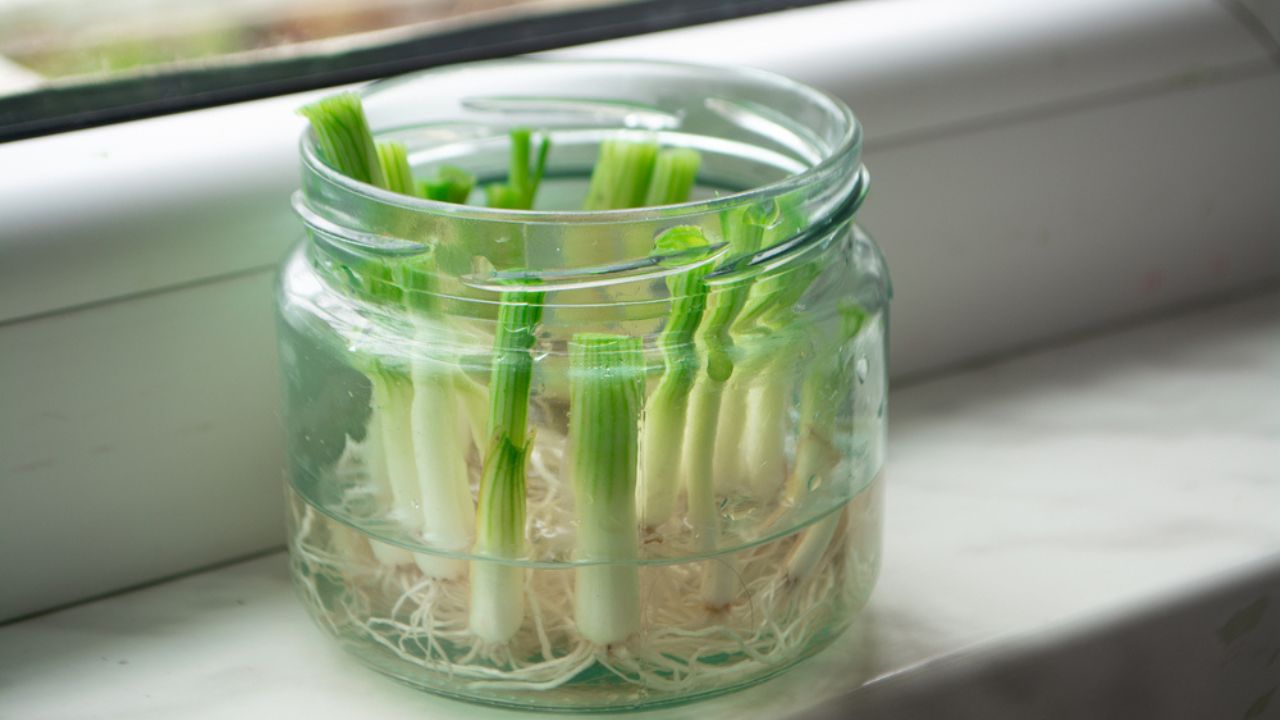
Those little white roots at the end of your green onions are ready for a new beginning. Instead of tossing them, you can easily regrow them right on your windowsill for a continuous supply. This method saves money and reduces waste, giving you fresh garnishes whenever you need them.
Simply place the root ends in a small jar with about an inch of water, making sure the roots are submerged, but the tops stay dry. Set the jar in a sunny spot. Within a few days, you’ll see new green shoots begin to emerge. Change the water every couple of days to keep it fresh, and you’ll be able to snip off fresh onions as they grow.
2. Brew a Natural Cleaner from Citrus Peels

Before you throw out those lemon, orange, or grapefruit peels, consider their hidden power. The peels from citrus fruits contain oils that are fantastic for cleaning and deodorizing. Creating your own all-purpose cleaner is a simple project that fills your home with a fresh scent without any harsh chemicals.
To make it, pack your citrus peels into a glass jar and pour white vinegar over them until they are completely covered. Seal the jar and let it sit in a dark place for about two weeks. The vinegar will draw out the cleaning oils from the peels. After two weeks, strain the liquid into a spray bottle, dilute it with an equal amount of water, and you have a homemade cleaner ready for countertops, floors, and windows.
3. Fortify Your Garden with Coffee Grounds
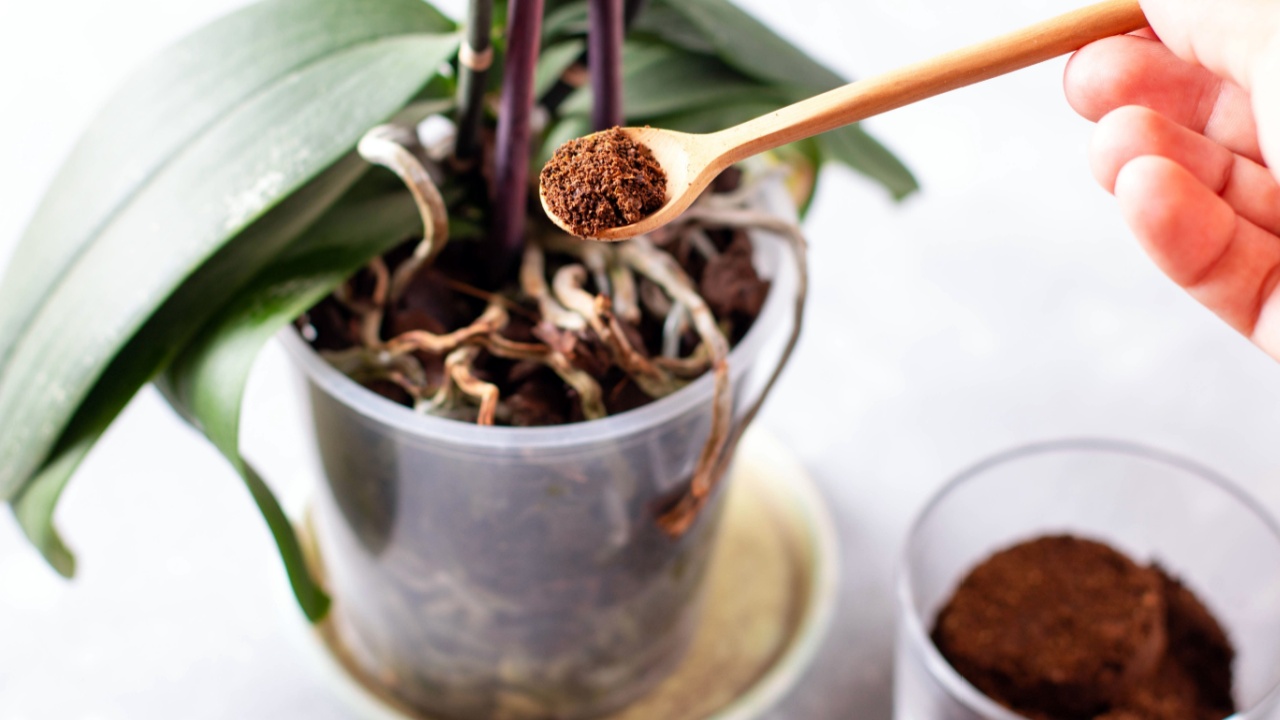
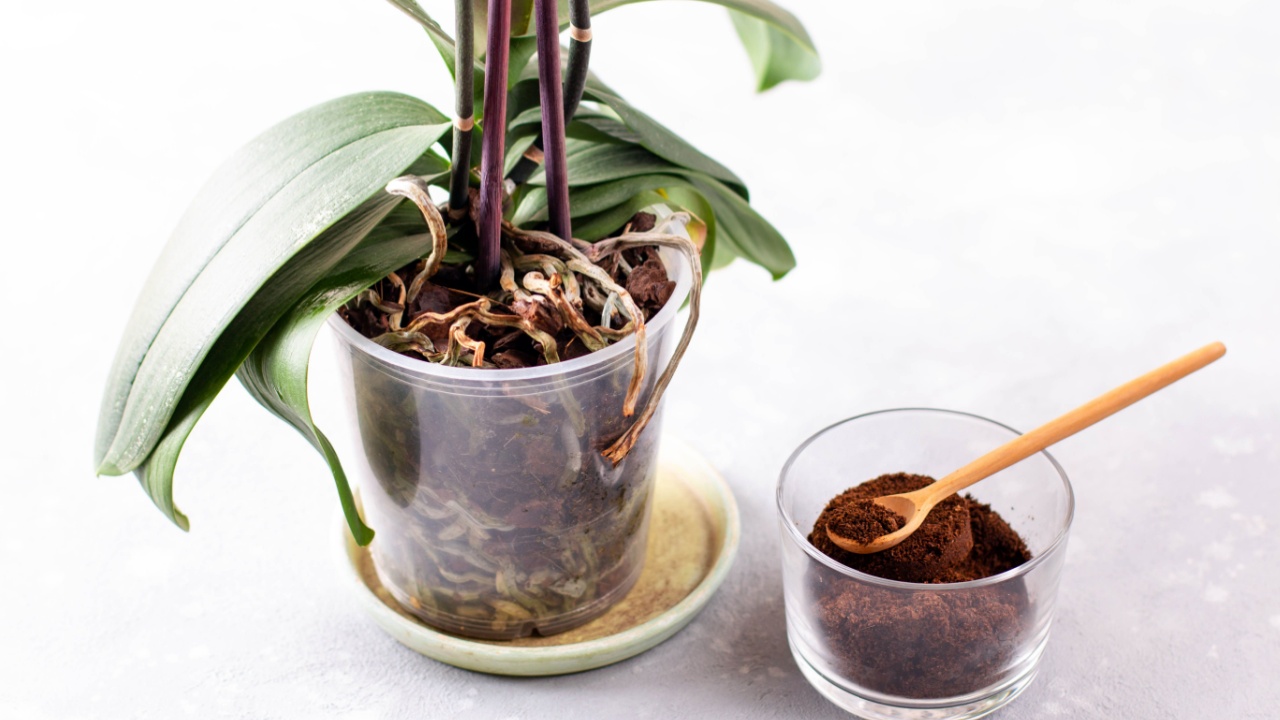
Your morning coffee habit can do wonders for your garden. Used coffee grounds are rich in nitrogen, a vital nutrient for plant growth. Sprinkling them into your soil can improve its structure, drainage, and nutrient content, making your garden beds a healthier place for plants to thrive.
Acid-loving plants like blueberries, hydrangeas, and rhododendrons particularly benefit from a light application of coffee grounds. You can work them directly into the top layer of soil or add them to your compost pile. The grounds act as a “green” material in compost, balancing out the carbon-rich “browns” like dry leaves and twigs.
4. Create Delicious Apple Scrap Juice

When you make an apple pie or applesauce, you’re often left with a pile of peels and cores. Don’t let them go to waste. These scraps are full of flavor and can be simmered down into a light and refreshing apple juice. It’s a wonderful way to extract every last bit of goodness from your apples.
Gather your apple peels and cores in a large pot and add enough water to cover them. You can toss in a cinnamon stick or a few whole cloves for extra spice. Bring the pot to a boil, then reduce the heat and let it simmer for about an hour. Strain the liquid through a fine-mesh sieve, pressing on the solids to release all the juice. You can enjoy it warm or chilled.
5. Season Cast-Iron with Bacon Grease

A well-seasoned cast-iron skillet is a treasure in any kitchen. Seasoning is the process of creating a natural, non-stick surface through baked-on oil. While many oils work, bacon grease is a traditional and effective choice. It creates a durable, slick coating that helps your skillet last for generations.
After cooking bacon, let the grease cool slightly before pouring it through a strainer to remove any solid bits. To season your skillet, apply a very thin layer of the strained grease to the entire surface, inside and out. Use a paper towel to wipe away any excess; you want a barely-there coating. Bake the skillet upside down in the oven at 375°F (190°C) for an hour, then let it cool completely in the oven.
6. Make Rich, Flavorful Bone Broth

The leftover bones from a roast chicken or beef ribs are packed with collagen, minerals, and flavor. Simmering them down into a broth is a time-honored practice that yields a nutrient-dense liquid perfect for soups, stews, or sipping on its own. It’s a foundational ingredient that costs next to nothing to make.
Place your leftover bones in a large stockpot or slow cooker. You can also add vegetable scraps like onion ends, carrot peels, and celery tops for more flavor. Cover everything with water, bring it to a gentle simmer, and let it cook for several hours. The longer it simmers, the richer the broth will be. Once done, strain the liquid and store it in the refrigerator or freezer.
7. Give Your Plants a Banana Peel Boost

Banana peels contain potassium, a key nutrient that helps plants move water and nutrients between their cells. Instead of tossing the peels, you can use them to give your garden and houseplants a gentle nutritional lift. This is a simple, organic way to support strong root development and overall plant health.
There are a few ways to do this. You can chop the peels into small pieces and bury them in the soil near the base of your plants. Another option is to create a “banana peel tea.” Just soak a few peels in a jar of water for a couple of days, then use the water to feed your plants. The nutrients will leach into the water, creating a mild liquid fertilizer.
One Last Peel of Wisdom
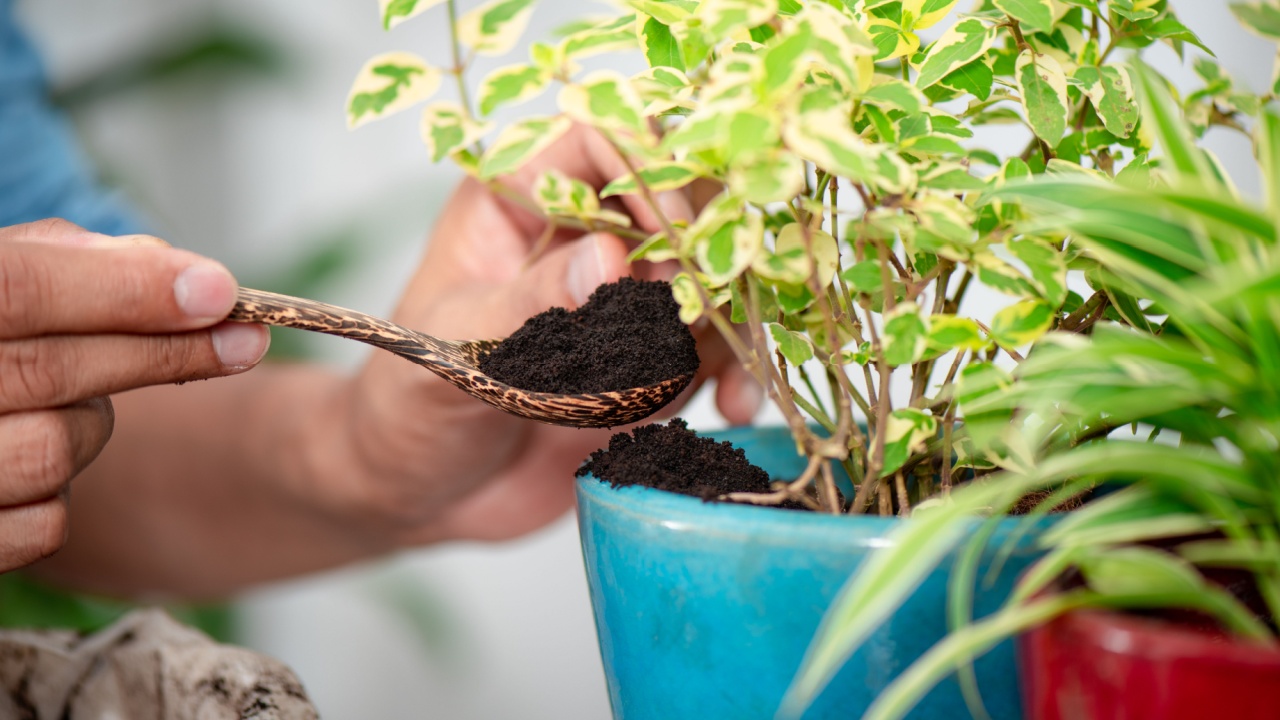
Kitchen scraps might look like yesterday’s leftovers, but handled right, they become tomorrow’s secret ingredient, fuel for gardens, flavor for broths, and cleaning power right under your nose. Every banana peel and onion root you repurpose chips away at food waste and adds something extra to your home routine. Treat scraps as resources with a little untapped potential, and you’ll soon catch yourself eyeing the compost bin with newfound ambition.
Read more
15 Genius Tricks to Turn Kitchen Scraps into Plants
A 5-Step Guide to Composting at Home to Stop Throwing These Kitchen Scraps Away