She Moved In and Accidentally Broke a Strange Neighborhood Gnome Rule
Moving into a new neighborhood often comes with unexpected traditions. Some are charming, others puzzling, and occasionally they can spark tension. For one new homeowner, the surprise wasn’t a noisy street or strict rules; it was a garden gnome.
What began as a friendly gesture from a long‑time resident quickly revealed itself to be part of a decades‑old custom. Every house on the street displayed a gnome in the front yard, a symbol of welcome and continuity.
But when the newest neighbor chose not to follow suit, the situation took a sharp turn. Apparently, it didn’t matter that she was not a fan (at all) of garden gnomes.
This article shares the story of how a simple gift became a source of conflict, why traditions matter to communities, and how homeowners can balance individuality with neighborhood expectations. You’ll see how one decision reshaped relationships and what lessons can be drawn from it.
The Welcome Gift That Came With Strings Attached
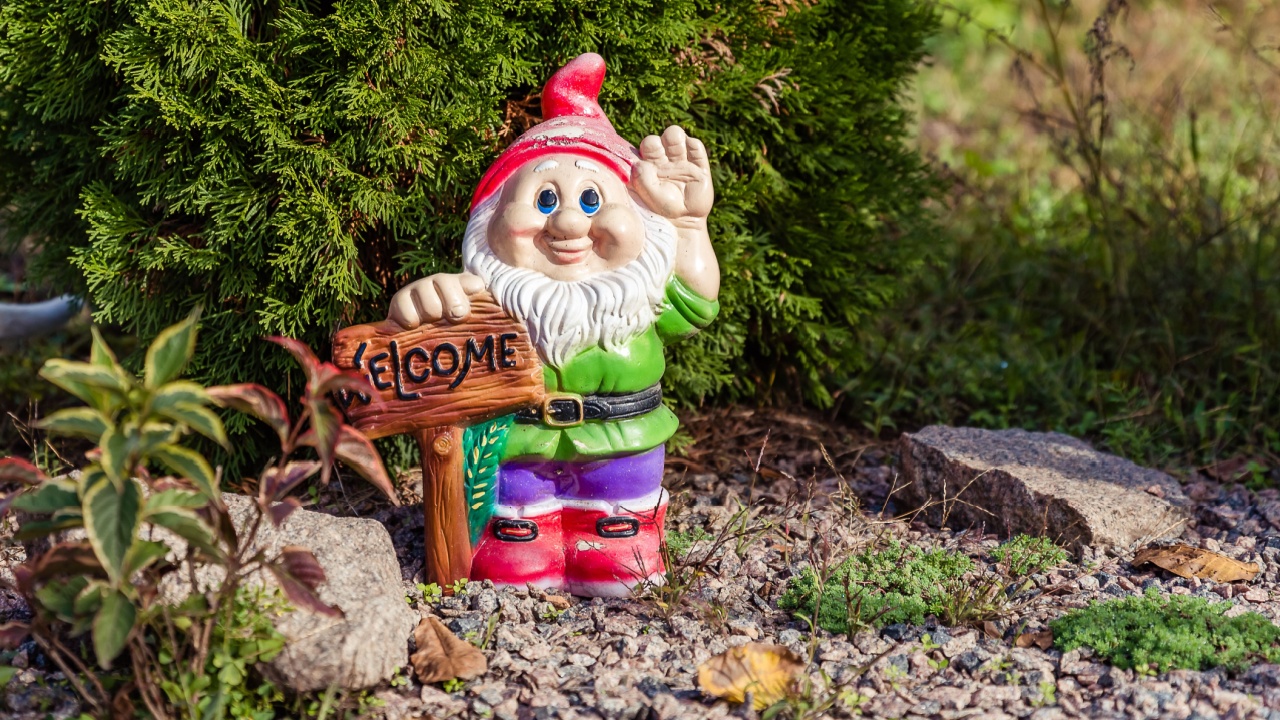
A young homeowner recently bought a house on a quiet street with no homeowner association rules. The neighbor across the street, an older gentleman, kept his property completely covered in lawn ornaments. Shortly after move-in day, Thomas, the gnome-loving neighbor, handed the new resident a painted garden gnome. The new homeowner disliked the figure but accepted it politely, giving the neighbors some homemade cookies in return. The gnome went straight into the backyard shed for storage.
What does one do when they receive an unwanted gift? You want to show gratitude, yet you should not feel forced to display an item you dislike. Accepting a gift graciously remains the best approach. You can put the item away and focus on building positive relationships through your own kind gestures, such as baking treats for nearby residents. Handling the situation smoothly prevents immediate conflict while allowing you to maintain control over your own property.
Tradition, Personal Choice, and Community Conflict
Neighborhood traditions often carry meaning for long‑time residents. For Mr. Thomas, the gnomes represented continuity and community spirit. To him, refusing to display the gift felt like rejecting the bond that tied the street together. For the new homeowner, however, the gnome clashed with her personal taste and vision for her garden.
This clash highlights a common challenge of balancing respect for local customs with the right to personal expression. While traditions can strengthen community ties, they can also feel restrictive when imposed. The situation shows how easily misunderstandings arise when expectations aren’t openly discussed. Nevertheless, research shows that neighborhood conflict, when well managed, can create a strong community.
The Ripple Effect Of Setting Boundaries
The homeowner offered to return the figure, but Mr. Thomas refused and walked away angry. In the following weeks, the older man continued to glare at the new resident and complained to others. However, an interesting shift occurred across the street. Other neighbors noticed the refusal and began removing their own statues. It turned out that many people only displayed them to avoid conflict.
Setting boundaries can have a ripple effect; breaking an unwanted tradition often gives others the courage to do the same. People frequently go along with neighborhood demands simply to maintain peace. When one person politely refuses to participate, it breaks the cycle of peer pressure. You do not need to please everyone to live happily in your community. A single act of polite defiance can improve the environment for multiple households.
A Lesson In Neighborhood Harmony
The homeowner eventually donated the gnome to a second‑hand shop, closing the chapter on the disagreement. While Mr. Thomas remained upset, other neighbors stayed friendly, and even his wife offered a smile. The situation didn’t isolate her from the community; it simply revealed that not every tradition needs to be followed to belong.
For anyone settling into a new neighborhood, this story is a reminder to balance kindness with authenticity. Traditions can enrich a community, but individuality keeps it dynamic. Sometimes, the healthiest choice is to politely decline and let your garden reflect your own story.
Read More:
13 Tools to Gauge Neighborhood Safety Before Moving
18 Backyard Additions That Can Get You Sued (And Make the Neighbors Mad)