18 Backyard Additions That Can Get You Sued (And Make the Neighbors Mad)
A new fence goes up on a Saturday. By Sunday, there’s a certified letter from the HOA in the mailbox. Sound dramatic? According to the American Bar Association, neighbor disputes are one of the most common sources of civil litigation in the U.S., and a surprising number of them start with backyard projects that seemed perfectly reasonable at the time.
The data behind this list comes from a mix of municipal zoning codes, HOA regulations, homeowner liability case law, and insurance industry guidance. They’re the kinds of situations property attorneys and insurance adjusters deal with every single week.
Here’s what to expect: a straightforward rundown of backyard additions that carry real legal, financial, or neighbor-relations risk, along with what to do instead (or at minimum, how to do it right). No scare tactics. Just useful information before the concrete gets poured.
1. Tall Fences
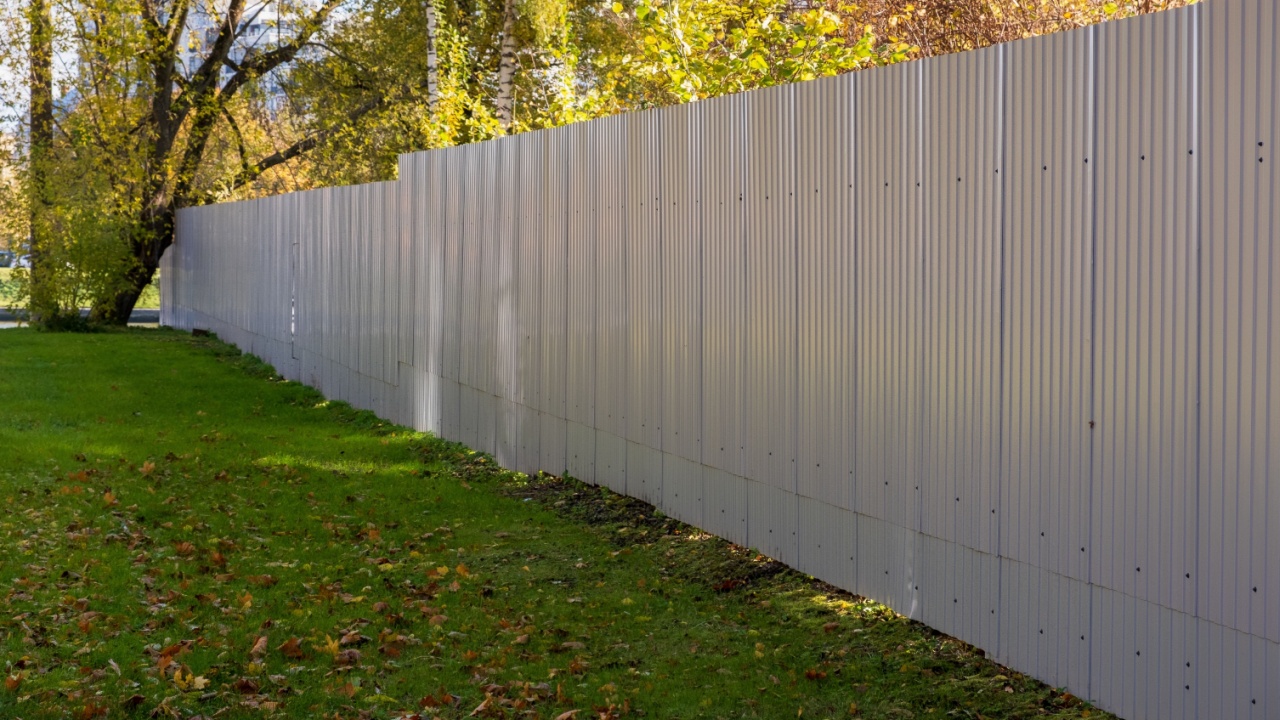
Most towns have rules that say your fence can only be 6-8 feet tall in the backyard and 3 or 4 feet tall in the front. If you build a taller fence without asking for permission, a neighbor can complain. You might have to take the fence down and pay for it yourself. Some neighborhoods have even stricter rules than the town.
Besides the rules, a super-tall fence can block your neighbor’s sunlight or view. This can lead to legal problems. Before you build, check the town’s rules, see what your neighborhood rules are, and talk to your neighbors. Sometimes, planting tall bushes or using a fence with a lattice top can give you privacy without breaking any rules.
2. Swimming Pools
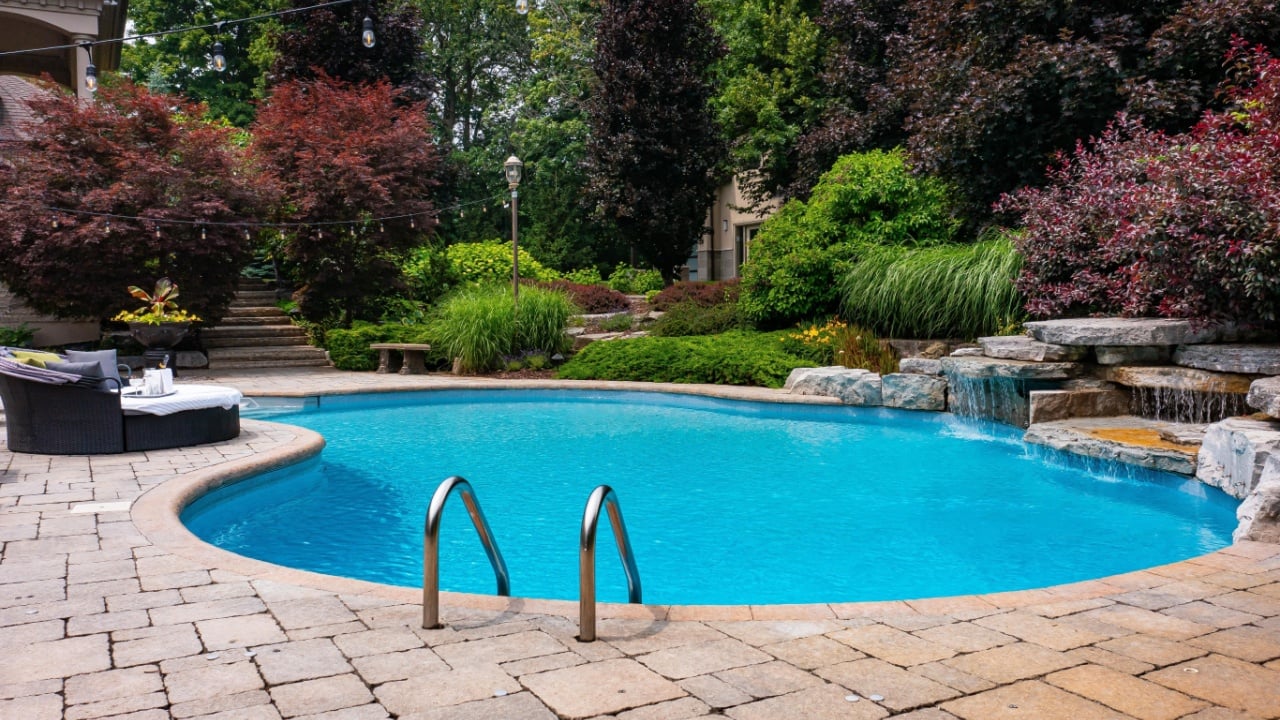
Lawyers have a special name for pools: “attractive nuisances.” This means kids might see the pool, wander into your yard to get a closer look, and get hurt. Sadly, drowning is a major cause of death for very young children. That’s why most places have strict rules about pool fences.
The rule is usually that the fence must be at least 4 feet high, and the gate has to close and lock by itself. The gate should also open away from the pool. You also need to tell your insurance company you’re getting a pool. If you don’t, and something happens, they might not cover the costs. Building a pool without permission is a big mistake, as it can cause huge problems if you ever try to sell your house.
3. Fire Pits

The rules for fire pits change depending on where you live. But usually, you have to keep them at least 10 to 25 feet away from your house, your fence, or your neighbor’s property. In some places with air quality concerns, like California or Colorado, you might need a special permit to have a fire, or you might not be allowed to have one at certain times of the year.
If smoke from your fire pit often blows into your neighbor’s yard, they could make a legal complaint. Using a smokeless fire pit that runs on propane can solve this problem. It’s also just nice to give your neighbors a heads-up before you start a fire.
4. Trampolines
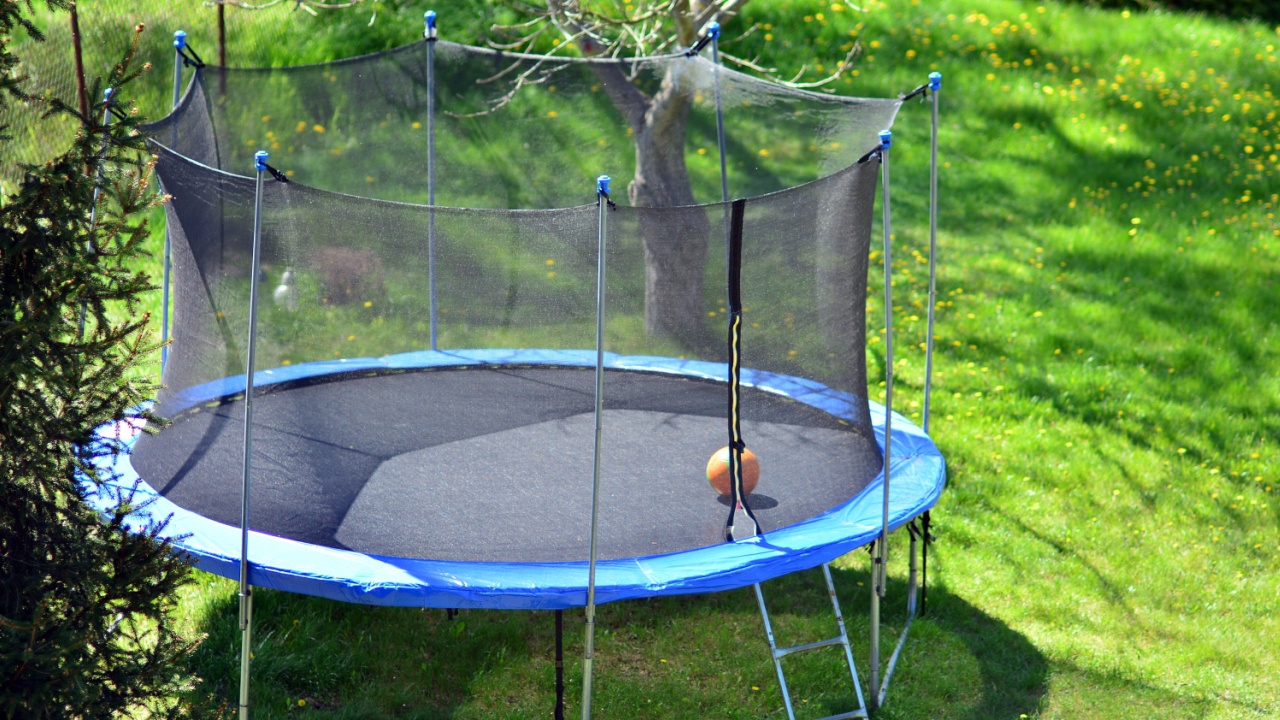
Insurance companies also call trampolines “attractive nuisances,” just like pools. This means they are seen as a big liability risk. A lot of kids get hurt on trampolines every year. Because of this, many homeowner’s insurance plans won’t cover trampoline injuries unless you pay extra.
Before you buy a trampoline, don’t wait until after someone gets hurt. Safety nets and pads help, but they don’t get rid of the risk. Some insurance plans require the trampoline to be in an enclosure and tied down. Putting it where it’s not easily seen from the street can also help reduce the risk of kids wandering over.
5. Bright Outdoor Lighting
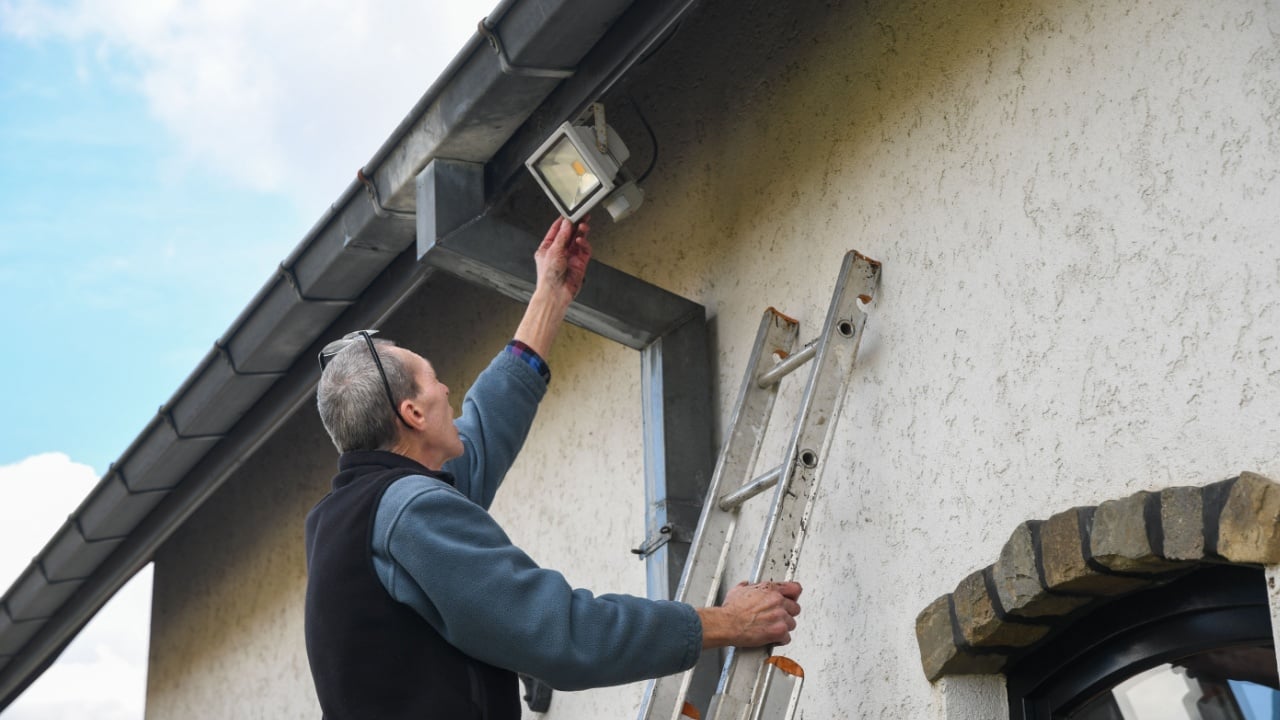
“Light trespass” is when your outdoor lights shine into your neighbor’s yard or windows. In many places, this is against the rules. If your floodlights are pointing at your neighbor’s bedroom, they can complain, and you might be forced to move them.
Experts suggest using lights that point downward and have a shield on top. Motion-activated lights are also a good idea because they only turn on when needed. Using warm-colored light bulbs is less annoying for neighbors than bright white ones. The goal is to light up your own property, not the whole street.
6. Treehouses
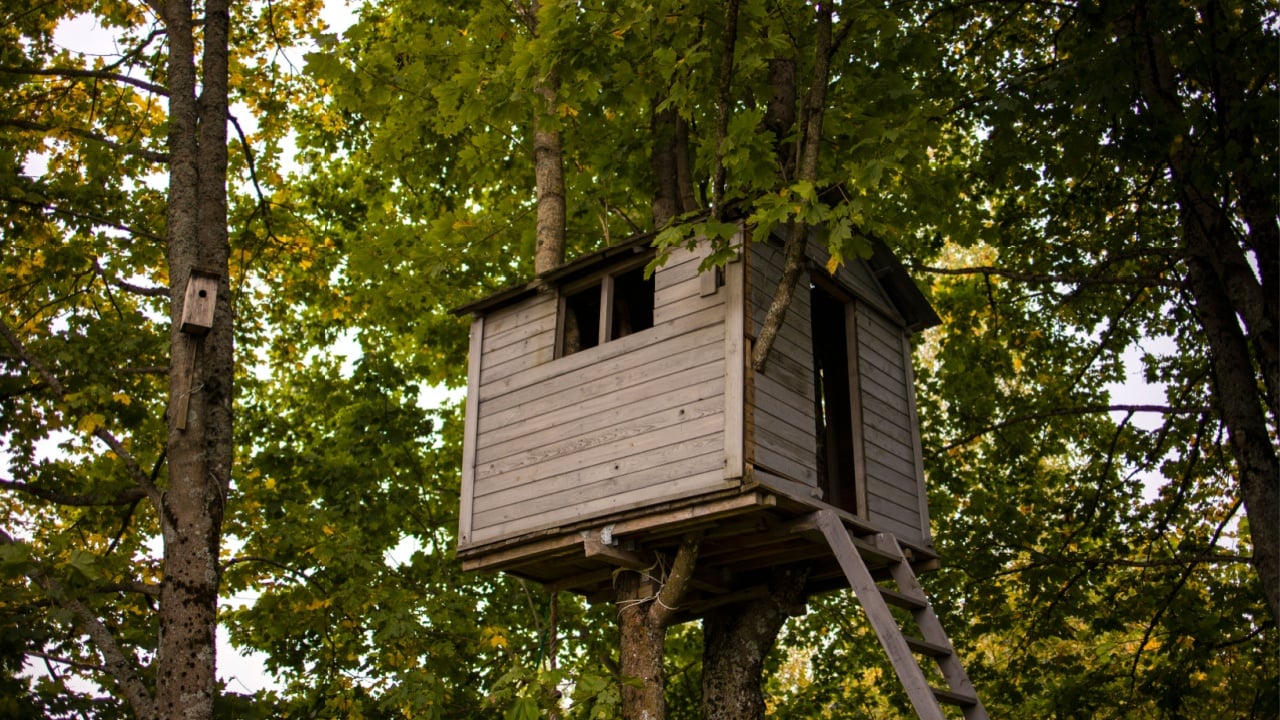
A treehouse seems like a fun, simple project, but many towns see it as a real structure, like a shed. This means you might need a permit to build one, especially if it’s bigger than a certain size. Rules about its height and how close it is to your neighbor’s yard also apply.
There’s also a safety concern. If a neighbor’s kid gets hurt in your treehouse, you could be in big trouble, especially if you didn’t get a permit. It’s safer to hire a professional and get the right permits. Also, try to build it so the windows don’t look directly into your neighbor’s yard.
7. Water Features

A backyard pond or fountain can be lovely, but if it’s not built correctly, water can leak underground and seep into your neighbor’s yard. This can cause major damage to their lawn or even their house’s foundation. Fights over water damage are very common and expensive.
The pumps and waterfalls also make noise. A good idea is to put the water feature on a timer so it turns off at night. Having it installed by a professional who uses a strong liner and proper drainage will stop water from leaking where it shouldn’t.
8. DIY Sheds and Workshops
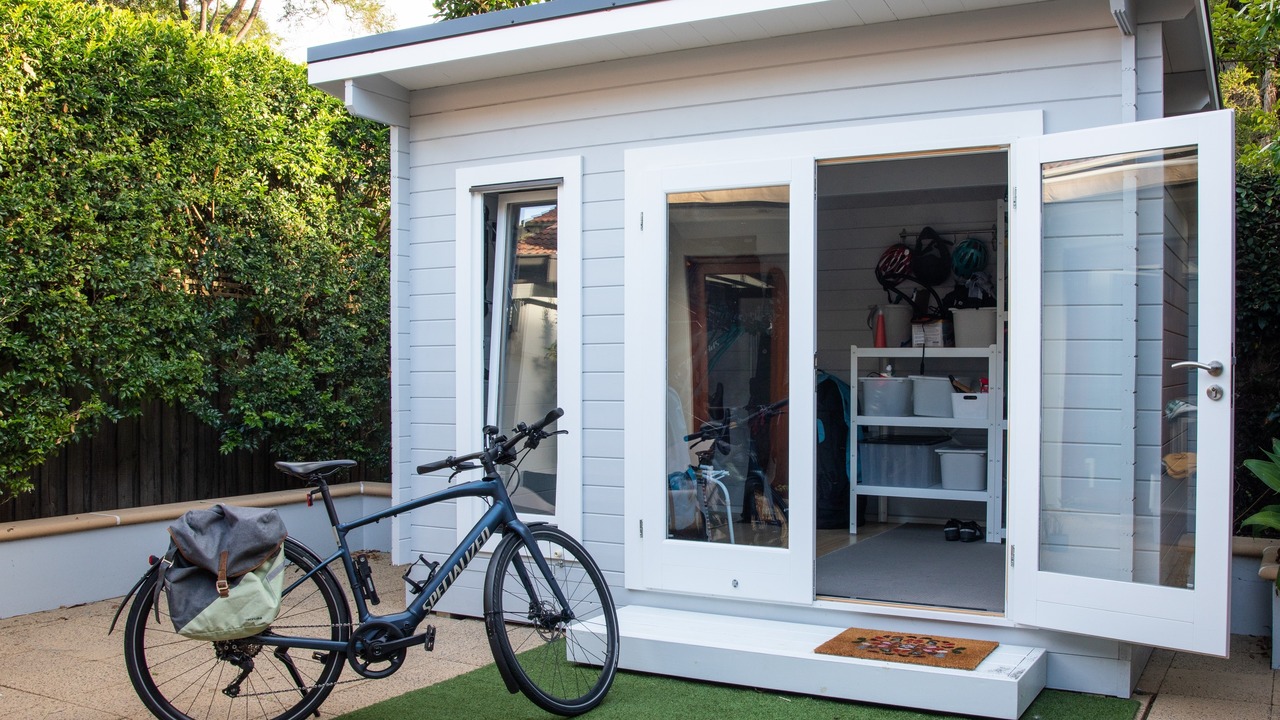
Even if you buy a shed kit from a store, you usually need a permit to put it up. Most towns have rules about how far any structure has to be from your property line, usually between 5 and 15 feet. If you build something without a permit, you could be forced to tear it down and pay fines.
Besides the permit, if your shed blocks your neighbor’s view, they could complain. It’s much cheaper and easier to check the rules before you start building. Getting a permit is usually not as hard or expensive as people think.
9. Overhanging Trees
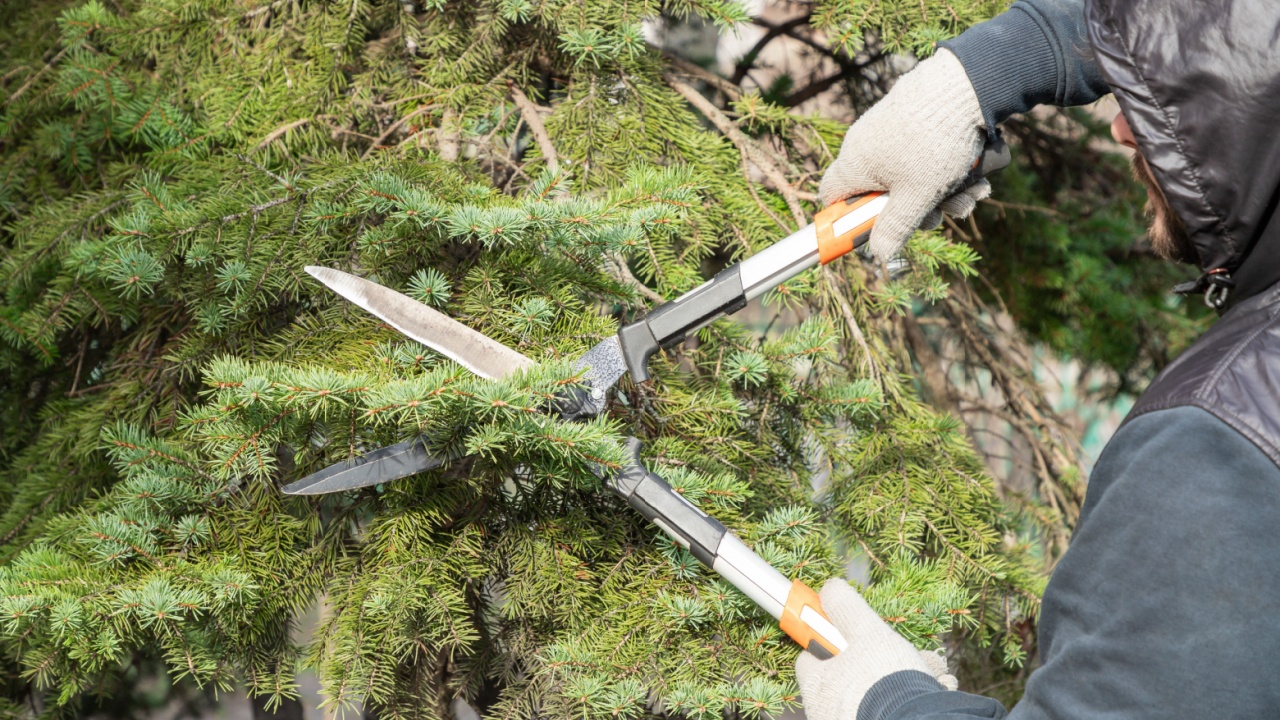
In most states, your neighbor has the right to trim tree branches that hang over their property. They can only trim up to the property line, and they have to pay for it. But if a branch from your tree falls and damages their car or fence, you could be held responsible, especially if you knew the branch was weak.
Trimming your trees regularly, especially near the property line, is a good way to avoid problems. For big trees, it’s wise to have a professional arborist check them for weak spots. Keeping records of when you had your trees maintained can be helpful if there’s ever a problem.
10. Compost Piles
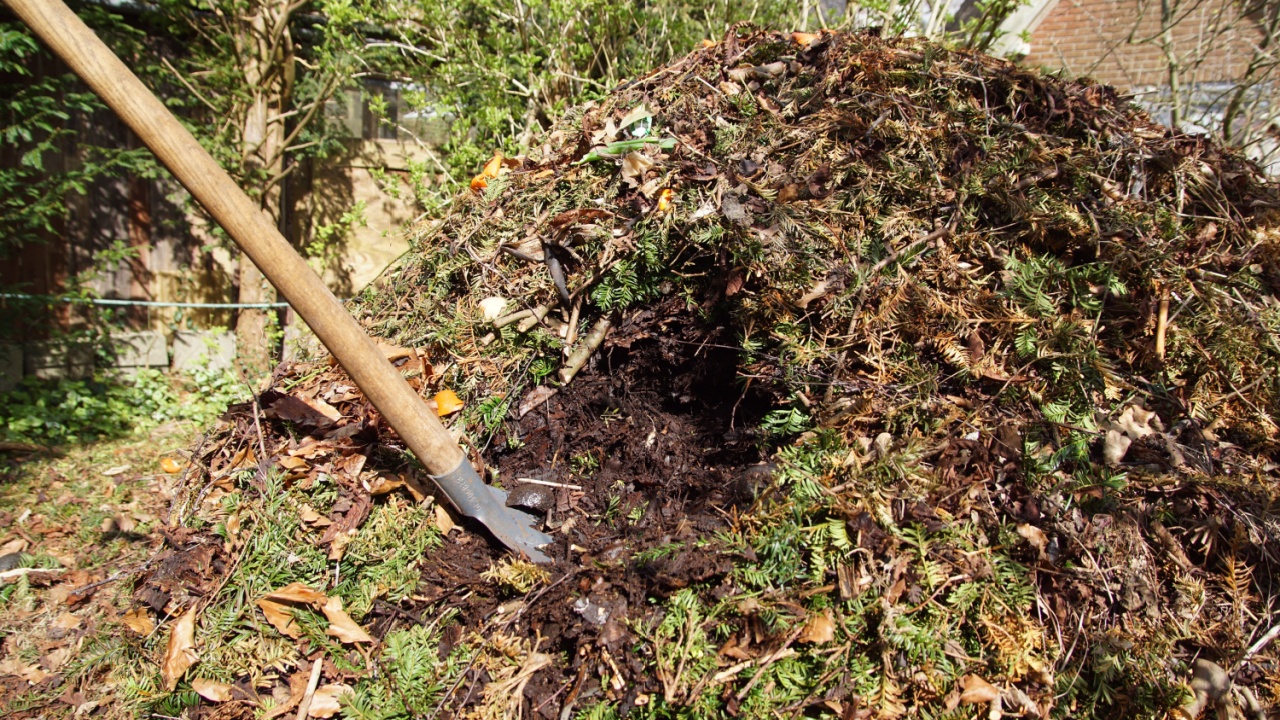
A compost pile that isn’t taken care of properly can really stink and attract pests like rats and raccoons. If these pests start going into your neighbor’s yard, they have a good reason to file a complaint with the town.
The fix is easy: use a compost bin with a lid instead of an open pile. Keep it away from your property line, and don’t put meat, dairy, or oily foods in it, as those are what cause bad smells and attract animals. Turning the compost regularly also helps it break down without stinking.
11. Basketball Courts
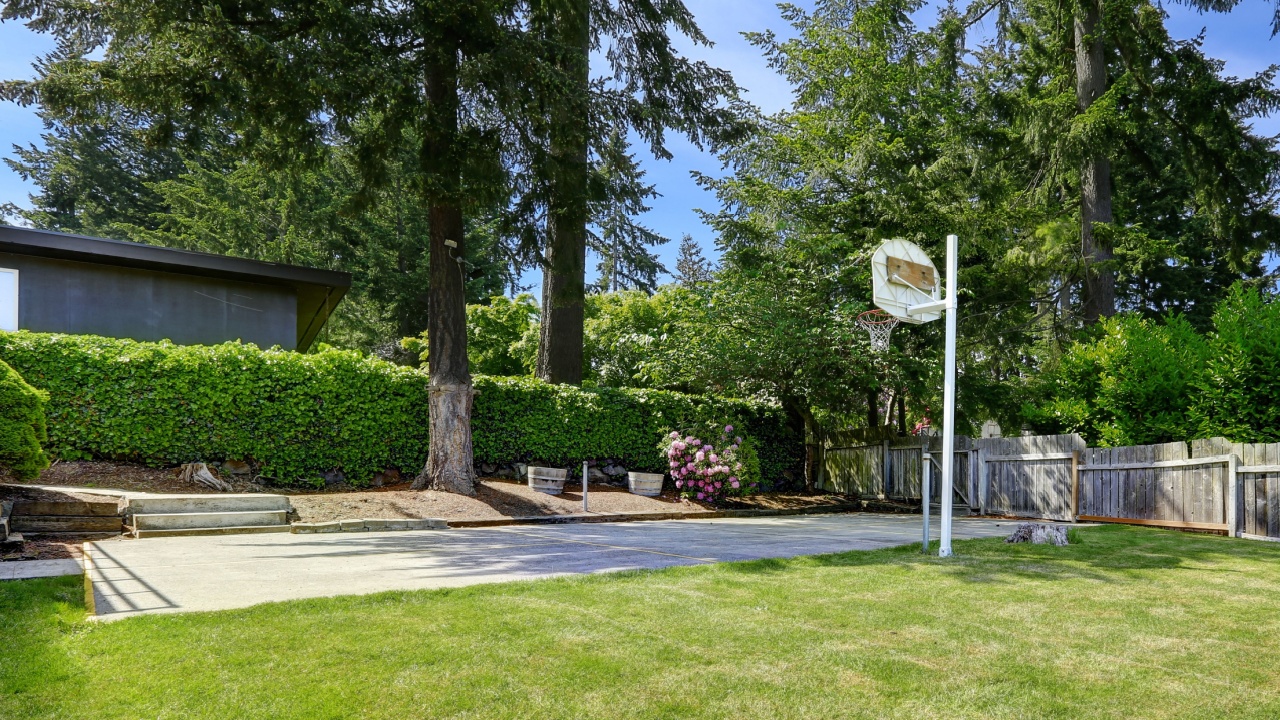
Placing a basketball hoop near your property line can lead to complaints about noise and its appearance. The repetitive sound of a bouncing ball can be a nuisance, and many municipalities have noise ordinances that could apply.
To avoid issues, position the hoop so that games are played further away from your neighbor’s home. You might also consider installing sound-dampening fences. Agreeing on specific times for play, such as avoiding early mornings or late evenings, is also a considerate way to prevent disputes.
12. Chicken Coops

Keeping chickens in the city has become popular, but many towns still don’t allow it. For towns that do, there are usually rules about how many chickens you can have (no roosters!), and how far the coop needs to be from your neighbor’s property.
If your chickens escape and dig up your neighbor’s garden, you could be responsible for the damage. Make sure your coop is secure and has a fence that goes into the ground so they can’t dig their way out. Keeping the coop clean will also prevent bad smells and keep your neighbors happy.
13. Hot Tubs
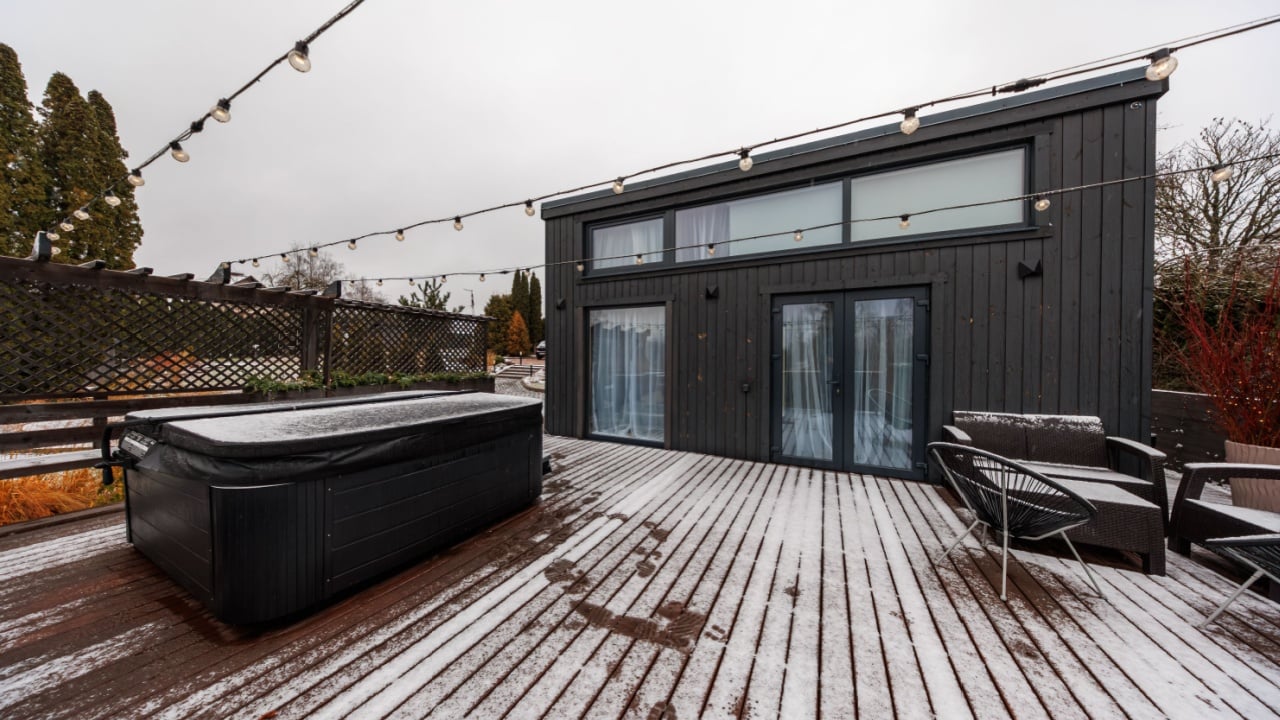
A hot tub can create issues with privacy and noise from the jets. If not kept clean, it can also spread bacteria. Many towns require a permit for a hot tub and might have safety rules similar to those for pools. The motor can also be loud and break noise rules.
Placing the noisy parts of the hot tub away from your neighbor’s yard can help. A privacy screen can solve the issue of being seen. Most importantly, keep the water clean and balanced. This prevents germs that could make people sick.
14. Changing Your Yard’s Drainage
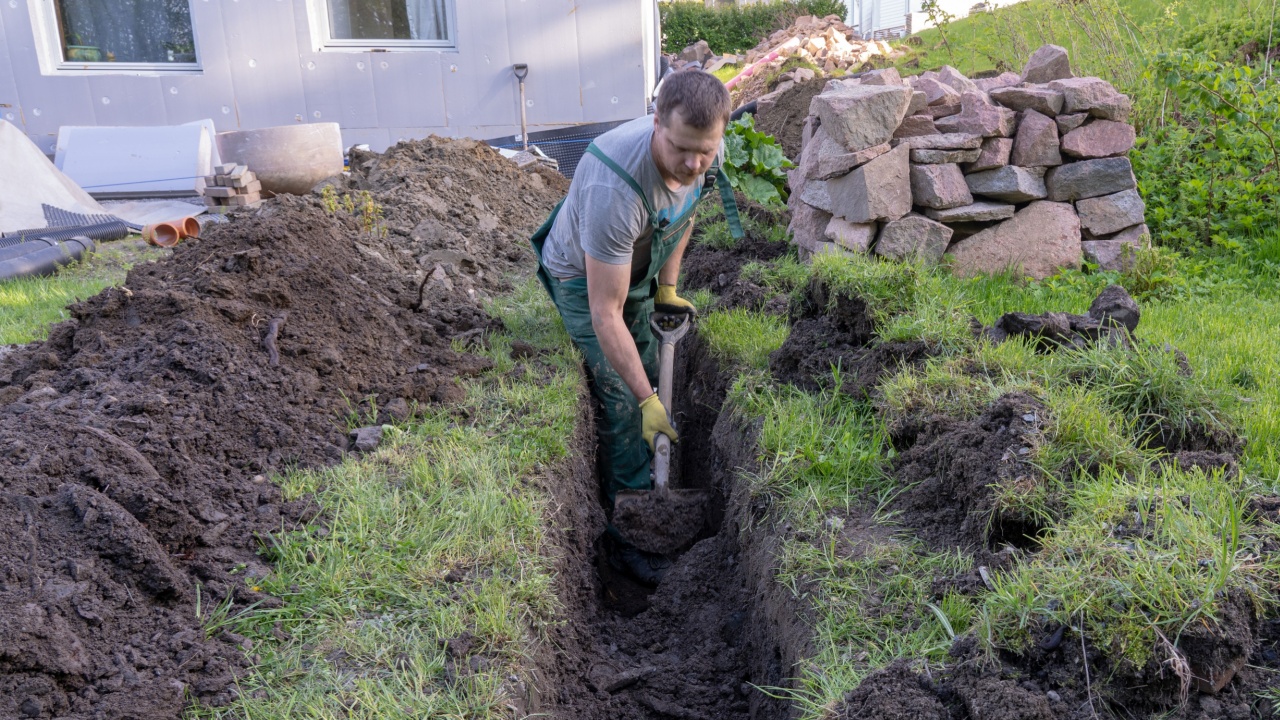
If you change the slope of your yard or add things like garden beds or a patio, you can change where rainwater flows. It’s against the rules to send all your extra water into your neighbor’s yard, as it can cause flooding and damage. Fights over water are messy and expensive.
Before you start a big project, it’s smart to talk to a landscape expert. They can help you design things like a rain garden to manage water on your own property. Taking pictures before and after you make changes can be useful if a problem comes up later.
15. Outdoor Speakers
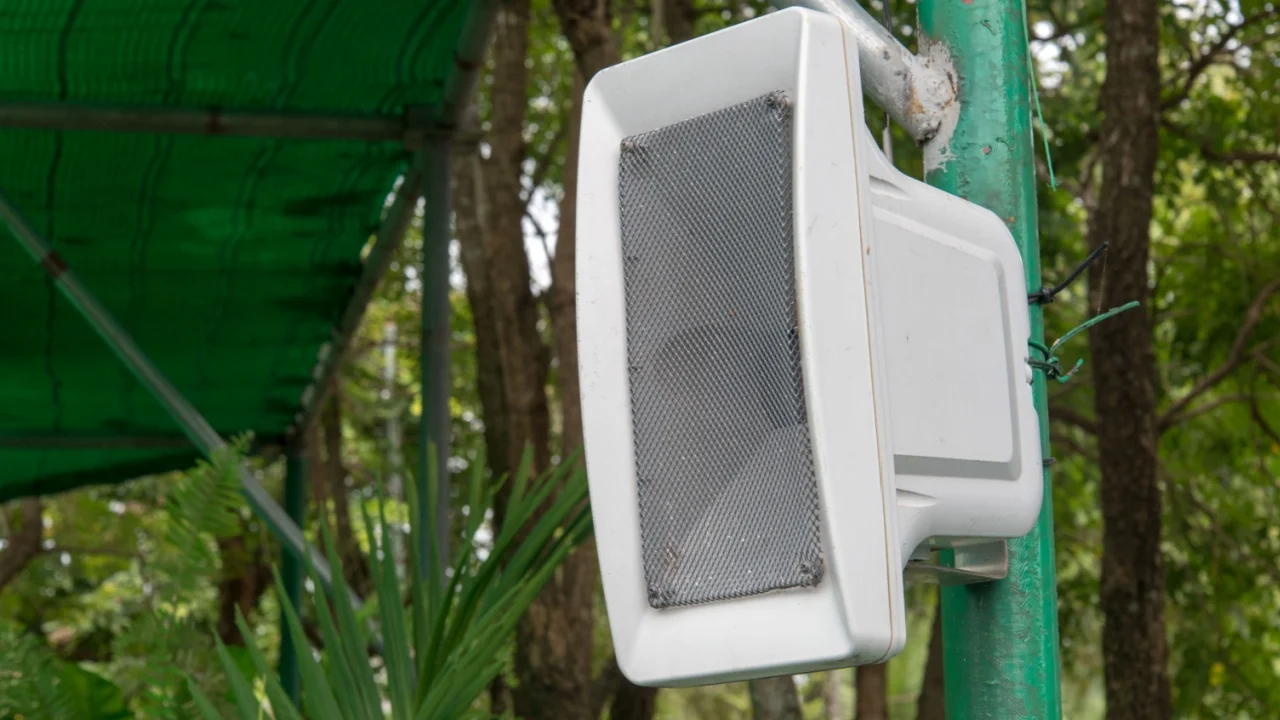
Almost every town has noise rules that apply to outdoor music. Usually, the sound can’t be over a certain level at your property line, with stricter rules in the evening. The bass from music is especially hard to contain and can easily annoy neighbors.
Use speakers that point the sound toward where you’re sitting instead of all over the yard. Keep the volume low enough that it’s like a normal conversation at your property line. Good quality speakers can provide clear sound at lower volumes, which is better for everyone.
16. Invasive Plants
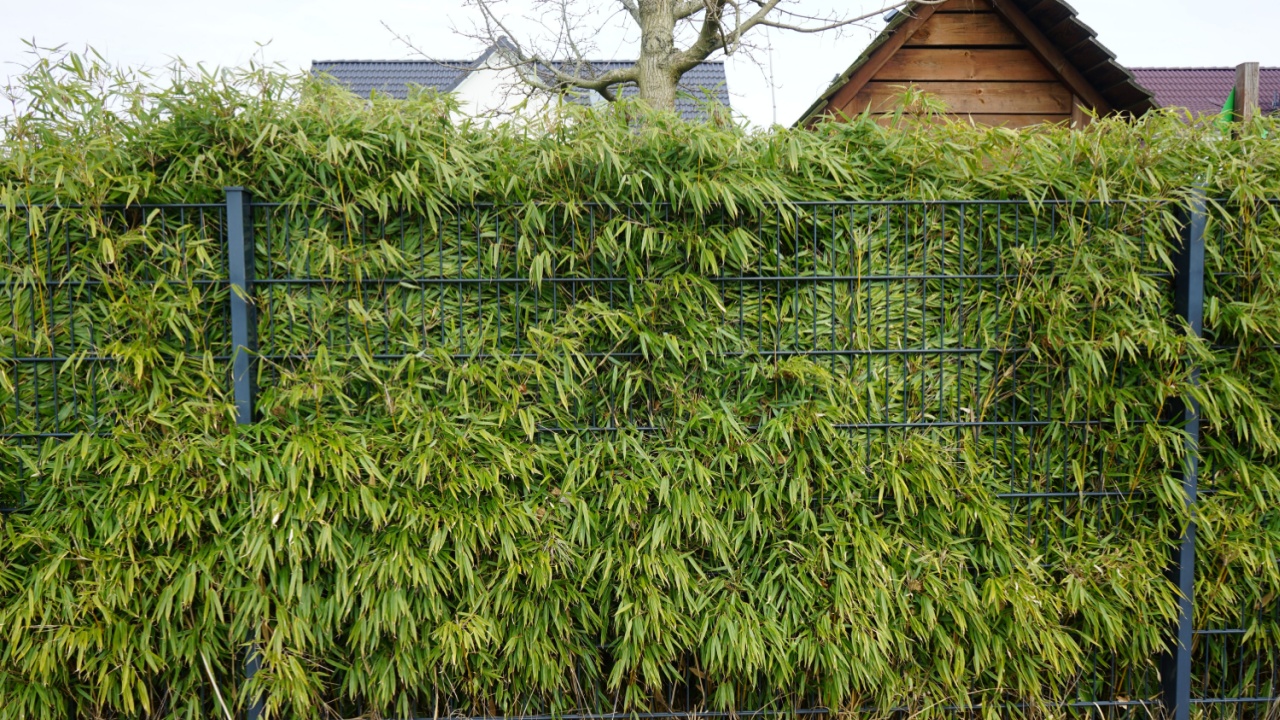
Some plants, like running bamboo, are so aggressive that they are illegal to plant in certain states. These plants can spread into your neighbor’s yard and cause major damage, leading to big legal problems.
If you plant something known to spread, you need to install a strong barrier deep into the ground to keep its roots contained. Before you plant anything near your property line, check your state’s list of invasive plants online. It only takes a few minutes and can save you a lot of trouble.
17. RVs and Boats
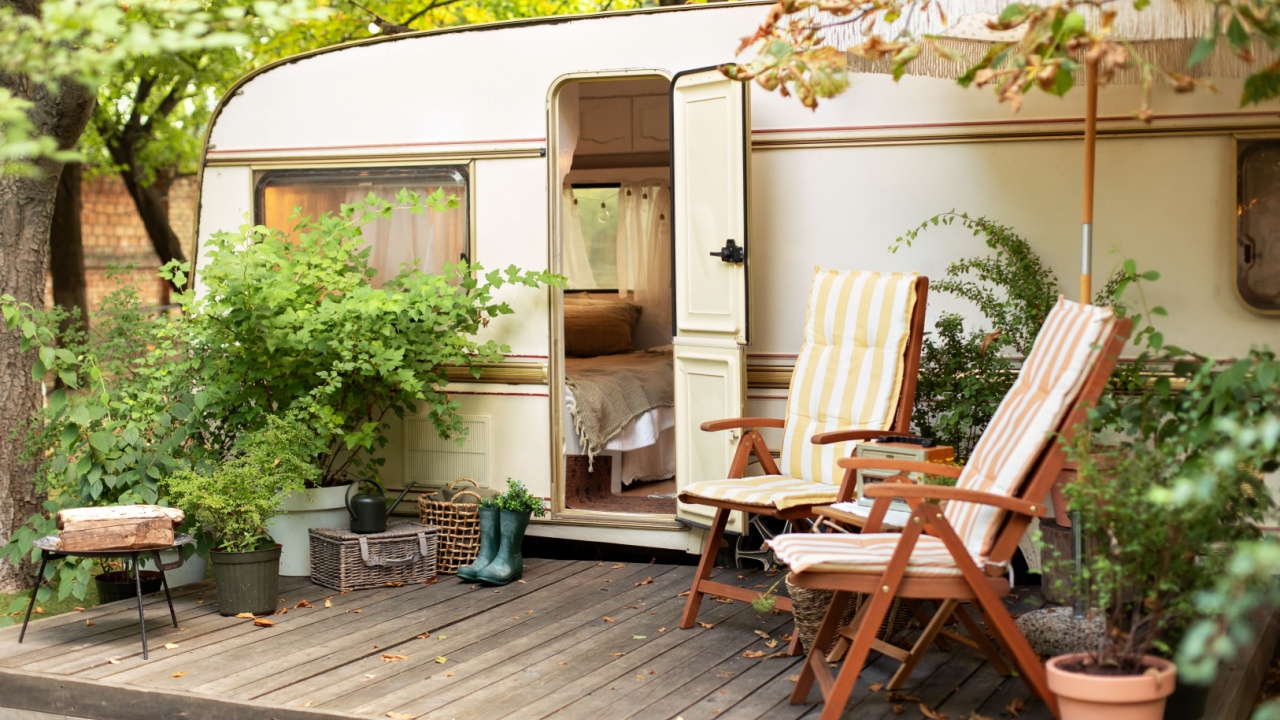
Many towns and neighborhoods have rules against parking RVs, boats, or trailers in your yard, or at least where they can be seen from the street. If you break these rules, you could get fined every day. Big vehicles can also block your neighbor’s view or even lower their property value.
Check the local rules before you bring an RV home. If you are allowed to park it, you might need to hide it behind a fence or some tall bushes. Renting a spot at a storage facility is another option that avoids any problems with rules.
18. Artificial Turf
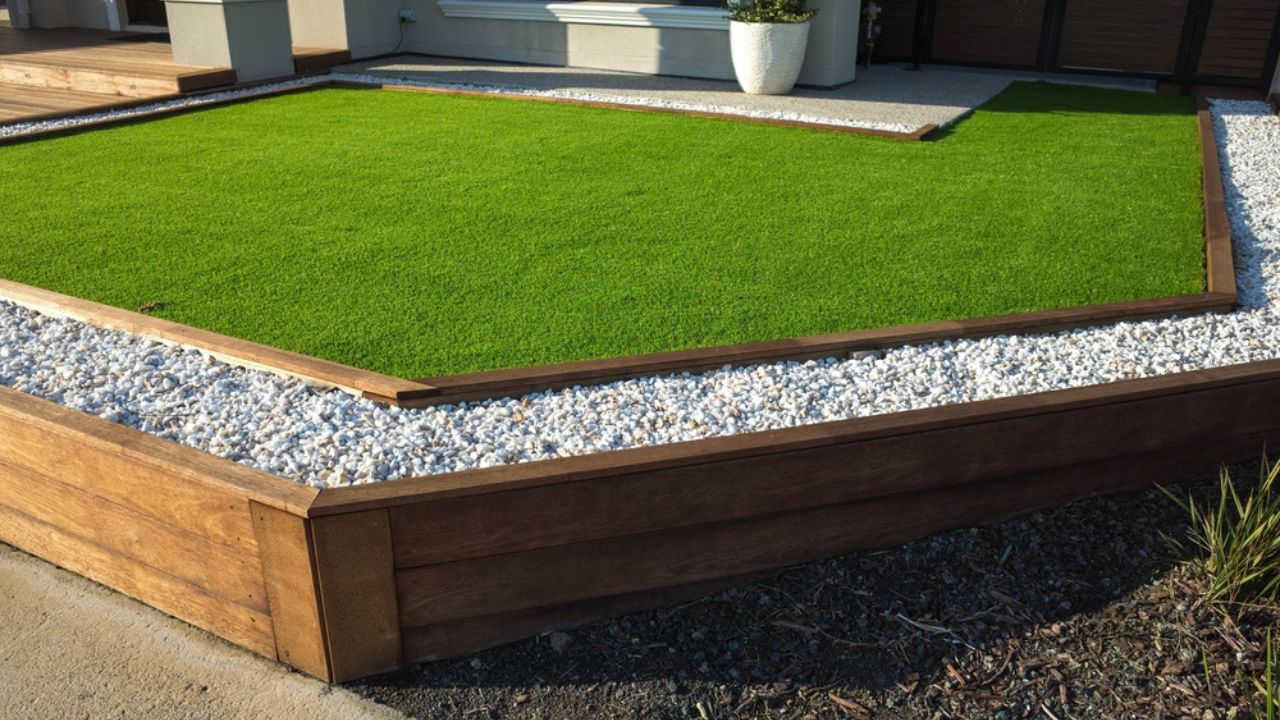
Fake grass can save water, but it has its own problems. Some neighborhoods don’t allow it at all. It can also get very hot in the sun, much hotter than real grass. This heat can be a problem for your yard and your neighbor’s yard, especially if it’s right next to a shared fence.
Newer types of turf don’t get as hot, but they still warm up. Always check your neighborhood and town rules before you have it installed. You don’t want to pay to put it in just to be told you have to take it out.
A Little Planning Prevents Big Problems
Backyard projects go sideways when planning skips the legal homework. Most of the situations on this list are entirely avoidable with a permit application, a conversation with a neighbor, or a quick call to the local zoning office before the first shovel hits the ground.
The cost of getting it right upfront is almost always lower than the cost of a code enforcement action, a forced removal, or a lawsuit. Pull the records, read the HOA documents, and when something seems like it might be in a gray area, it usually is.
Read More: