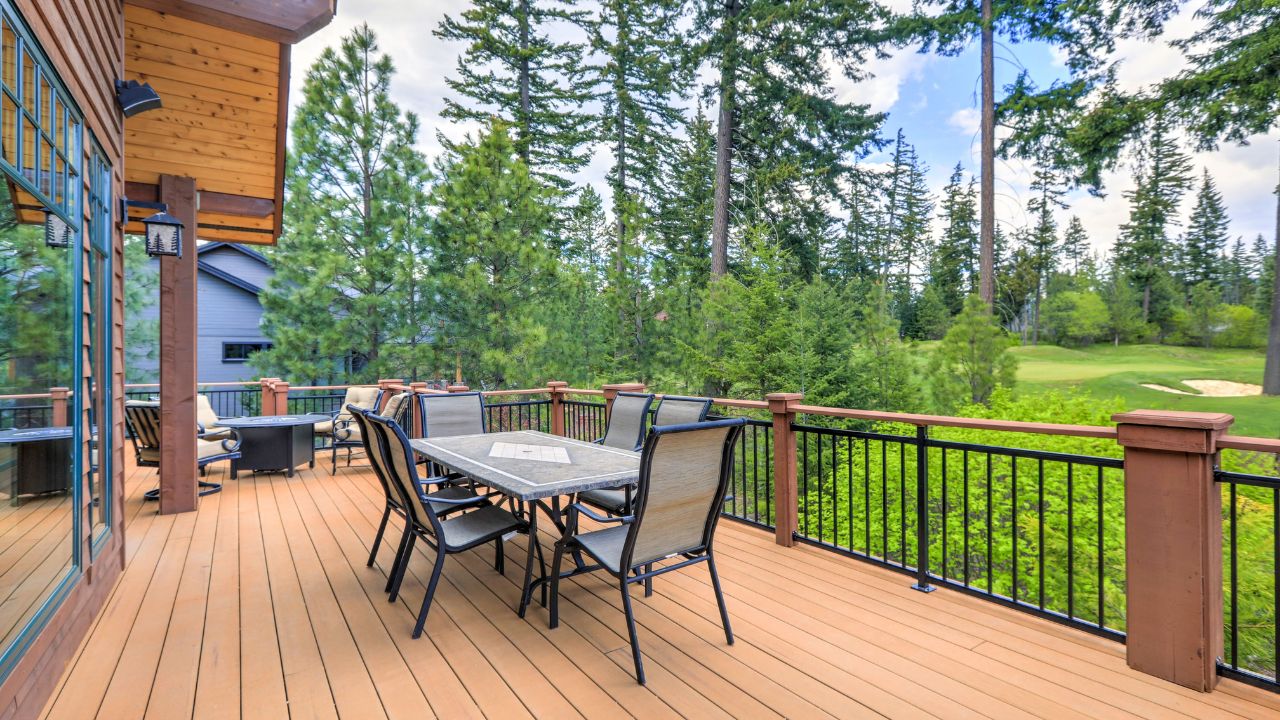
15 Things You Can’t Legally Keep in Your Yard Without a Permit
Your yard feels like your own private space. It is where you relax, plan upgrades, and make things your own. But the line between personal freedom and local rules is often thinner than it looks. Many homeowners assume that once they own the land, they can do anything they want with it.
Local laws and zoning rules quietly shape what you can and cannot build. These rules are not always obvious, and they usually come into play only when something goes wrong. That is when people find out a project needed approval long before the first shovel hit the ground.
Most of these restrictions come from city codes, environmental guidelines, and homeowner’s associations. They are designed to protect safety, control drainage, and maintain neighborhood consistency.
Taking a little time to check the rules beforehand can save you from fines, delays, or even tearing something down later. Below are fifteen common yard projects that often require permits.
1. Large Retaining Walls
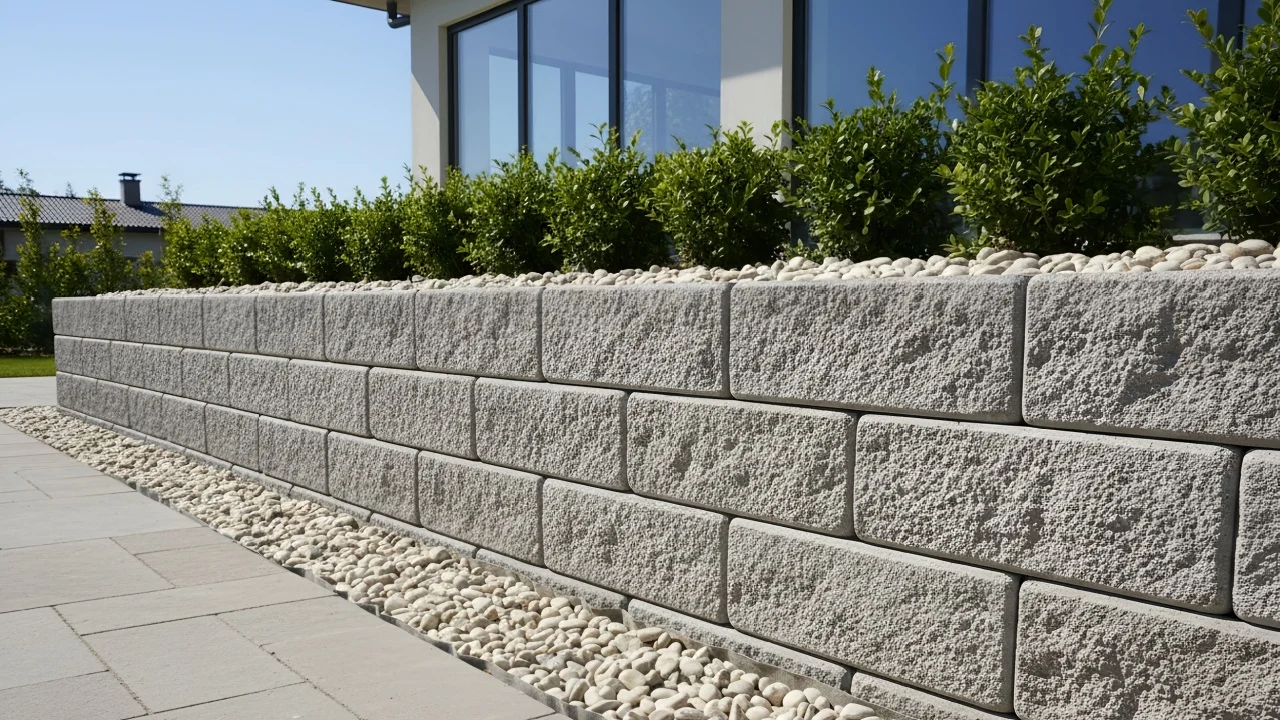
Retaining walls may look simple at first, but once they cross a certain height, they turn into serious structural features. In many areas, anything over four feet requires a permit because the pressure from the soil behind it can become dangerous if not handled properly. A poorly built wall can crack, lean, or collapse, which may damage nearby property or even pose a safety risk.
It is a good idea to consult a structural expert before starting the project. Proper drainage plays a major role in keeping the wall stable, so adding gravel backfill and drainage pipes is essential. Taking these precautions early helps the wall last longer and prevents costly repairs later.
2. Accessory Dwelling Units (ADUs)

Building a guest house or “granny flat” is a big job that involves plumbing, electricity, and strict building codes. Cities require permits for these because they need to make sure the local sewer and power lines can handle the extra people living on your lot.
Before you buy materials, check how far the building needs to be from your property line. Once you’re cleared to build, adding separate utility meters and good insulation is a smart move. It makes the space much more comfortable and adds a lot of value to your home.
3. Large Backyard Sheds
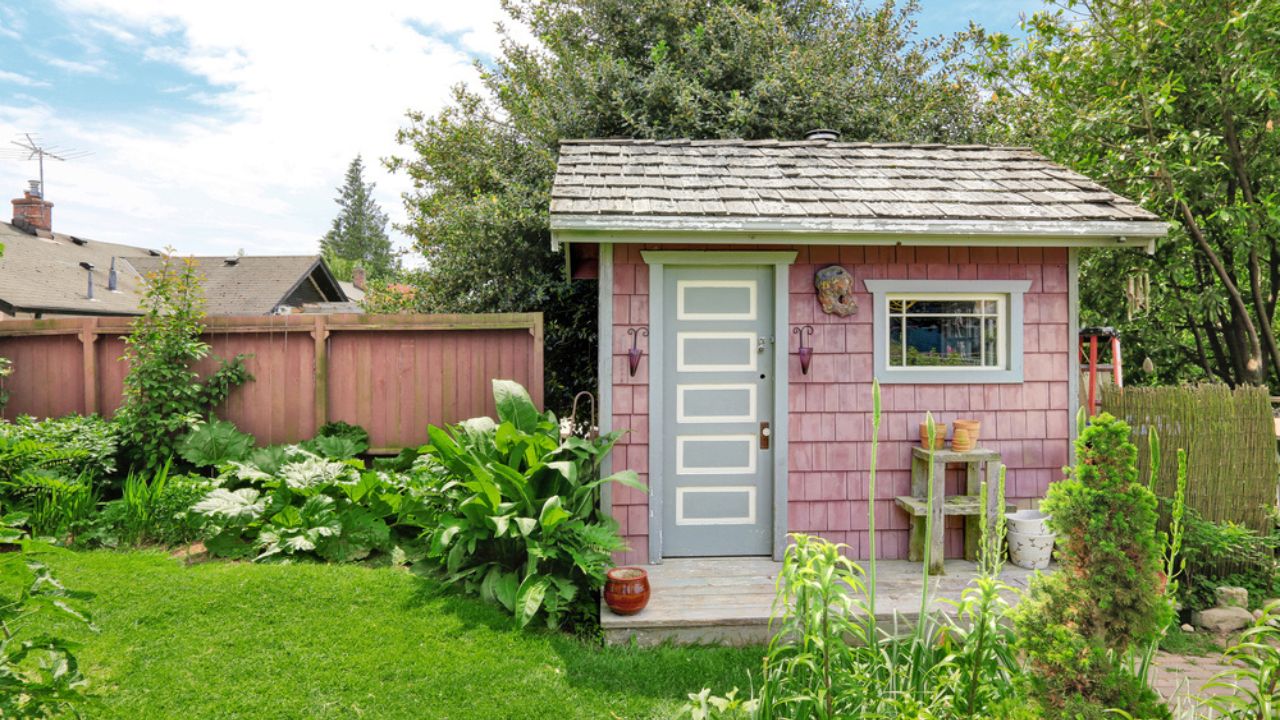
Small bins for your lawnmower are usually fine, but once a shed gets big, the city considers it a real building. You’ll need a permit to make sure you aren’t covering too much of your yard with roofing, which can cause big drainage problems when it rains.
When you set it up, put your shed on a solid base like concrete or crushed stone so the floor doesn’t rot. Adding a window or a skylight is a cheap way to make the inside feel way better. Just make sure it’s not so tall that it blocks your neighbor’s view.
4. In-Ground Swimming Pools

A pool is a huge project that changes your whole yard, so a permit is a must. The city wants to make sure you don’t dig into any power lines and that you install a proper fence with a locking gate to keep kids safe.
To save money later, invest in a good filter and a heavy-duty cover to keep the heat in. Putting an alarm on the gate is another easy way to add safety. These steps keep you legal and give you one less thing to worry about while you’re swimming.
5. Privacy Fencing

Putting up a fence seems simple, but most towns have strict rules on how high they can go. Usually, you can’t go over four feet in the front yard or six feet in the back. A permit ensures your fence is the right height and sits exactly on your property line.
It’s always a nice gesture to talk to your neighbors before you start the work, so there are no surprises. Choosing materials like vinyl or cedar will save you from having to paint or fix them every year. Proper height and placement keep the whole street looking good.
6. Permanent Outdoor Fireplaces

A small, movable fire pit is easy, but a built-in stone fireplace needs a permit for fire safety. The city checks to make sure it’s far enough away from your house and trees so you don’t accidentally start a fire. They also require a “spark arrestor” on top.
Try to place the fireplace where the wind won’t blow smoke right into your windows. Using special fire-rated bricks for the middle part will stop the stone from cracking when it gets hot. A quick cleaning once a year is all you need to keep it running safely.
7. Major Tree Removal
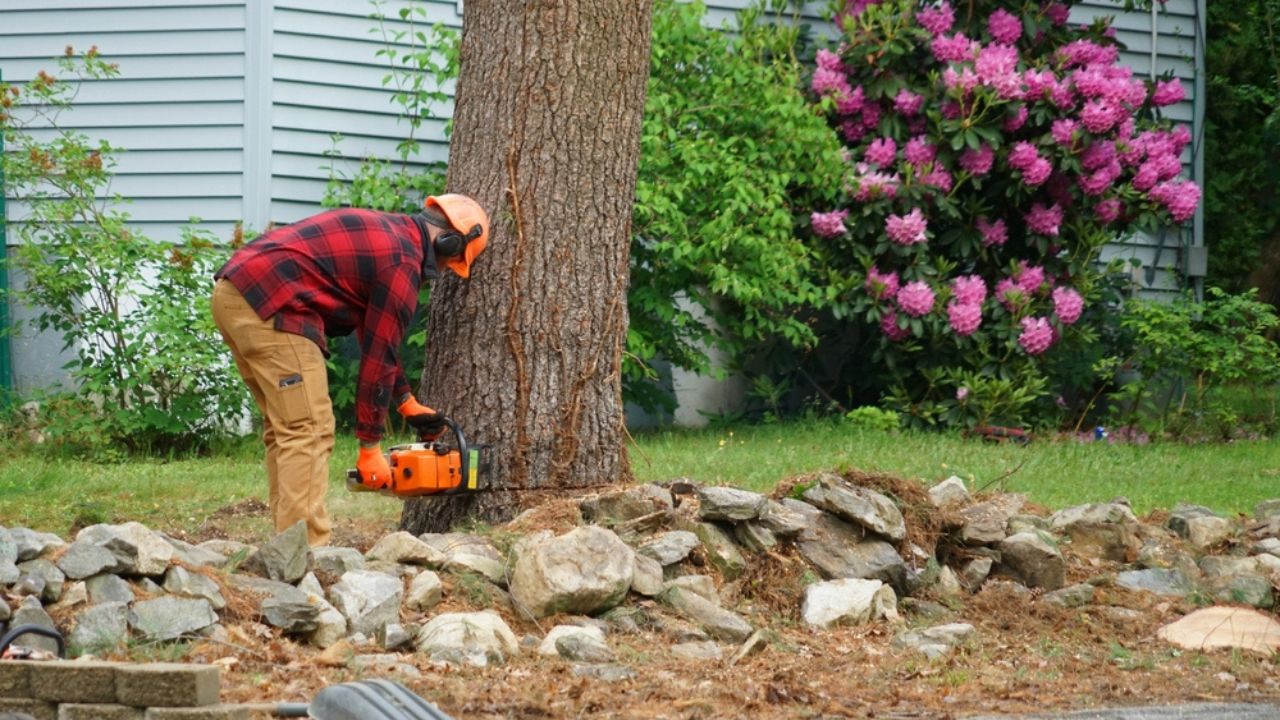
You might own the land, but many cities have rules about cutting down large or “heritage” trees. You often need a permit to prove a tree is dead or dangerous before you can take it down. This helps protect local birds and prevents soil from washing away.
Getting a tree expert (an arborist) to check the tree first makes the permit process much smoother. If you do have to cut one down, planting a new tree in its place usually keeps the city happy. It keeps your yard looking green and provides great shade for the future.
8. Hot Tubs and Spas
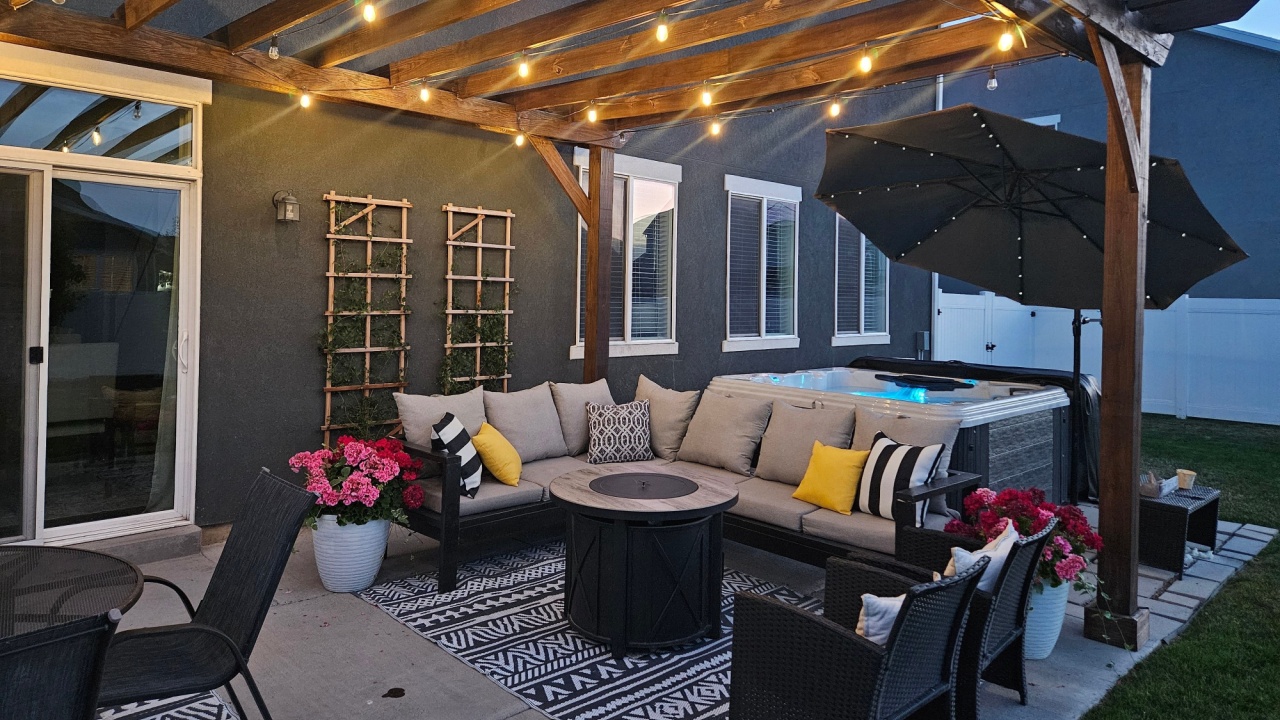
Hot tubs are incredibly heavy and need special electrical wiring, which is why you’ll likely need a permit. The building department wants to be sure your deck can hold the weight, and that the wiring is safe around water, so nobody gets a shock.
The best foundation for a tub is a thick concrete pad that won’t sink over time. Buying a tub with good insulation will keep your power bill from spiking. Once it’s in, just keep the water balanced and the cover locked when you aren’t using it.
9. Decks Over a Certain Height
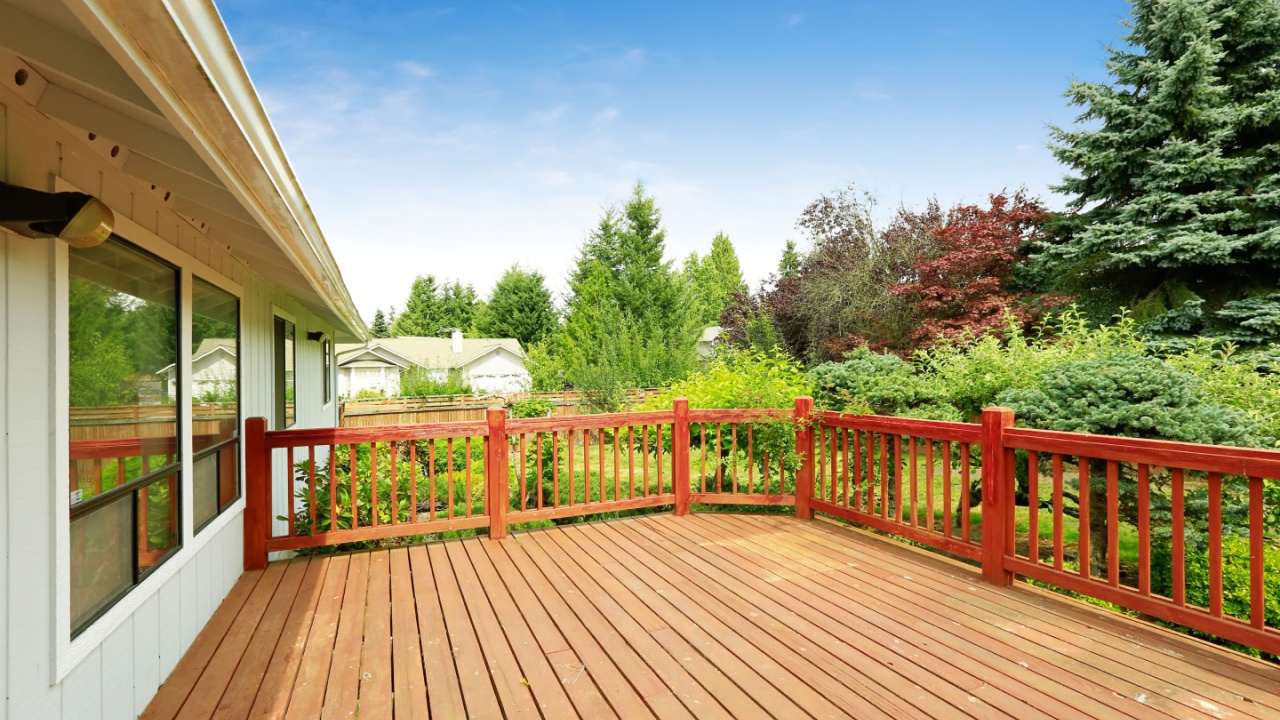
A low deck is usually fine, but if it’s higher than 30 inches off the ground, you need a permit. This is for safety. Inspectors need to check that the railings are strong and that the deck is bolted tightly to your house so it doesn’t pull away.
Using composite wood or pressure-treated lumber will keep your deck from rotting in the rain. Adding some small lights to the steps is a great touch for hanging out at night. Once it passes inspection, you can load it up with heavy furniture and a big grill.
10. Grading and Leveling Soil
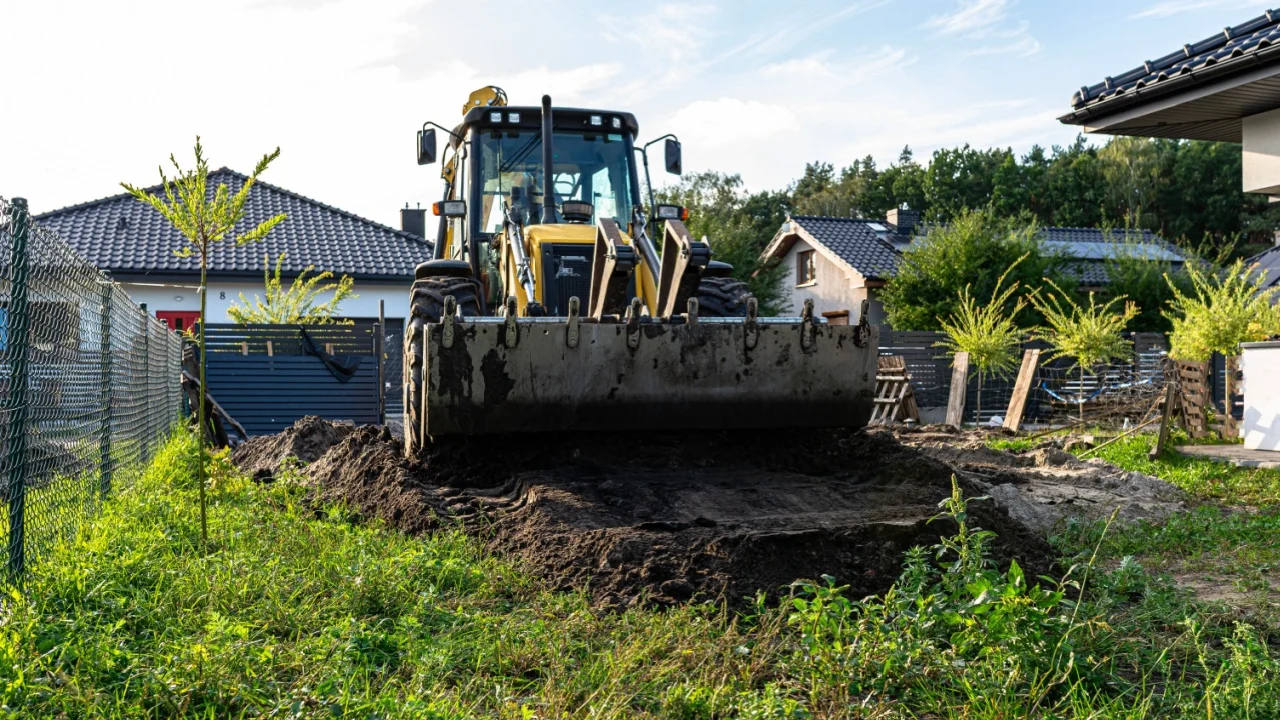
If you move a lot of dirt to level your yard, you could accidentally cause a flood in your neighbor’s basement. A permit ensures your new slope handles rainwater correctly. Moving too much earth without a plan can lead to big legal messes if your neighbors get flooded.
A pro can help you design a plan that uses drains or “rain gardens” to soak up extra water. This keeps your yard dry and looking sharp. Make sure the ground is packed down tight after the work is done so it doesn’t turn into a muddy mess later.
11. New Driveways or Curb Cuts

Since a driveway connects to the street, the city needs to approve any changes. They want to make sure the new pavement doesn’t block the sidewalk or stop water from reaching the street drains. There are also rules about how wide you can go.
Using pavers that let water soak through them can often make the permit process easier. It’s also a good idea to use a solid edge, like metal or plastic, to keep the driveway material from spilling into your grass. This keeps everything looking neat and clean.
12. Beekeeping Hives

Raising bees is rewarding, but many cities limit how many hives you can have on a small lot. You might need a permit that says the hives have to be a certain distance from the sidewalk. This keeps the bees away from neighbors who might be scared or allergic.
Joining a local beekeeping group is a huge help for navigating the registration process and finding a mentor. Make sure you provide a water source in your own yard so your bees don’t go “pool hopping” at the neighbor’s house. Regular inspections will keep your colony healthy and the honey flowing.
13. Raising Chickens or Poultry

Backyard chickens are great for eggs, but most towns have rules about how many you can keep. A permit makes sure your coop is clean and doesn’t smell or attract rats. Roosters are usually banned because they’re just too loud for a quiet neighborhood.
Build a coop that keeps out predators like raccoons and has plenty of fresh air for the birds. You can use the chicken waste as great fertilizer for your vegetable garden. Just make sure the coop isn’t sitting right against your neighbor’s fence line.
14. Large Greenhouse Structures
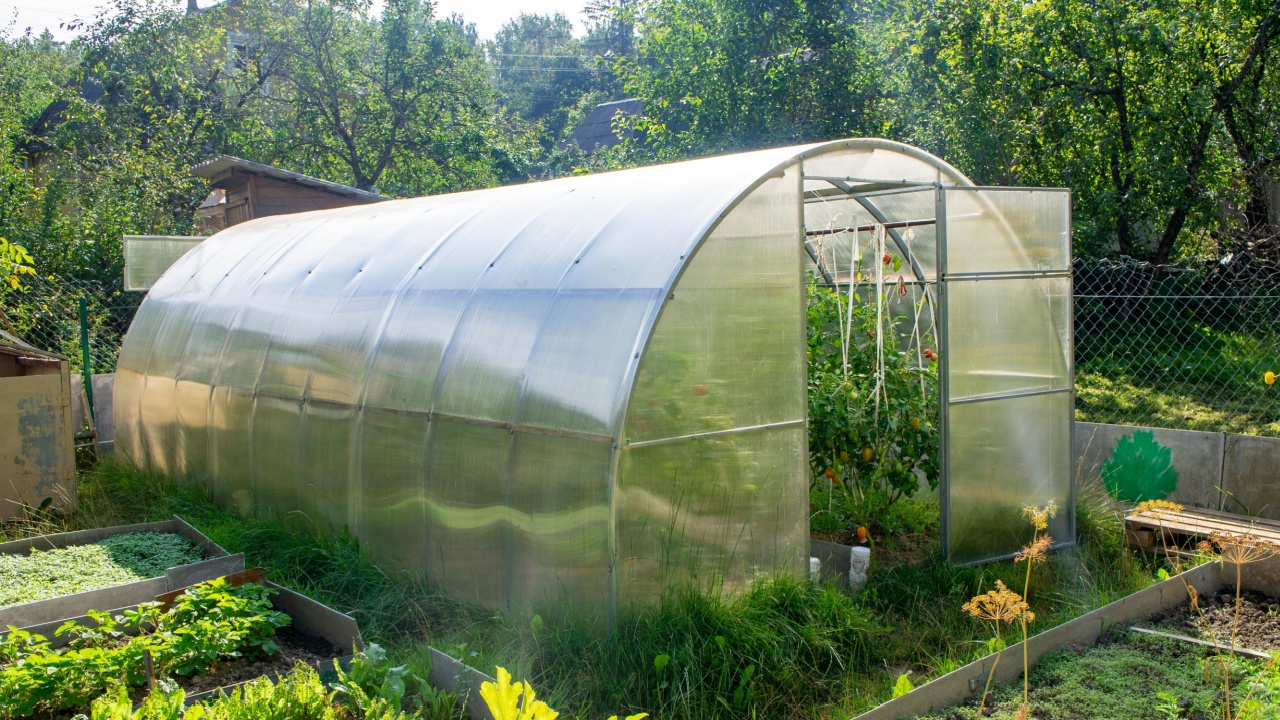
A small plastic starter kit is usually fine, but a permanent glass or polycarbonate greenhouse often needs a permit. These structures have to meet wind and snow load requirements so they don’t shatter in a storm. Zoning laws also check for “glare” to make sure you aren’t accidentally blinding the neighbors.
Installing an automatic venting system is a lifesaver for regulating heat on sunny afternoons. Use benches and shelving to maximize your growing space for seeds or tropical plants. Anchoring the whole thing to a solid foundation will keep it from becoming a giant kite during high winds.
15. Underground Sprinkler Systems

Installing irrigation involves tapping into the main water line, which means you need a permit to prevent “backflow.” A backflow preventer is a legal requirement that stops dirty lawn water from getting sucked back into the city’s clean drinking supply. Inspectors also check that your trenches are deep enough to avoid freezing.
Setting your system for the early morning is the best way to save water and money. If you divide the yard into different “zones,” you can give your thirsty flowers more water than your hardy grass. Don’t forget to blow out the pipes every winter to prevent expensive cracks.
Stay Smart Before You Start

Understanding these rules early saves you from headaches later. A quick visit to your local building office or website can point you in the right direction and show you exactly what paperwork is needed.
If anything feels unclear, it helps to ask a clerk before you begin. Getting things approved the right way means your project stays safe, legal, and something you can enjoy without worry.