14 Wildflowers That Will Fill Out Your Yard Beautifully
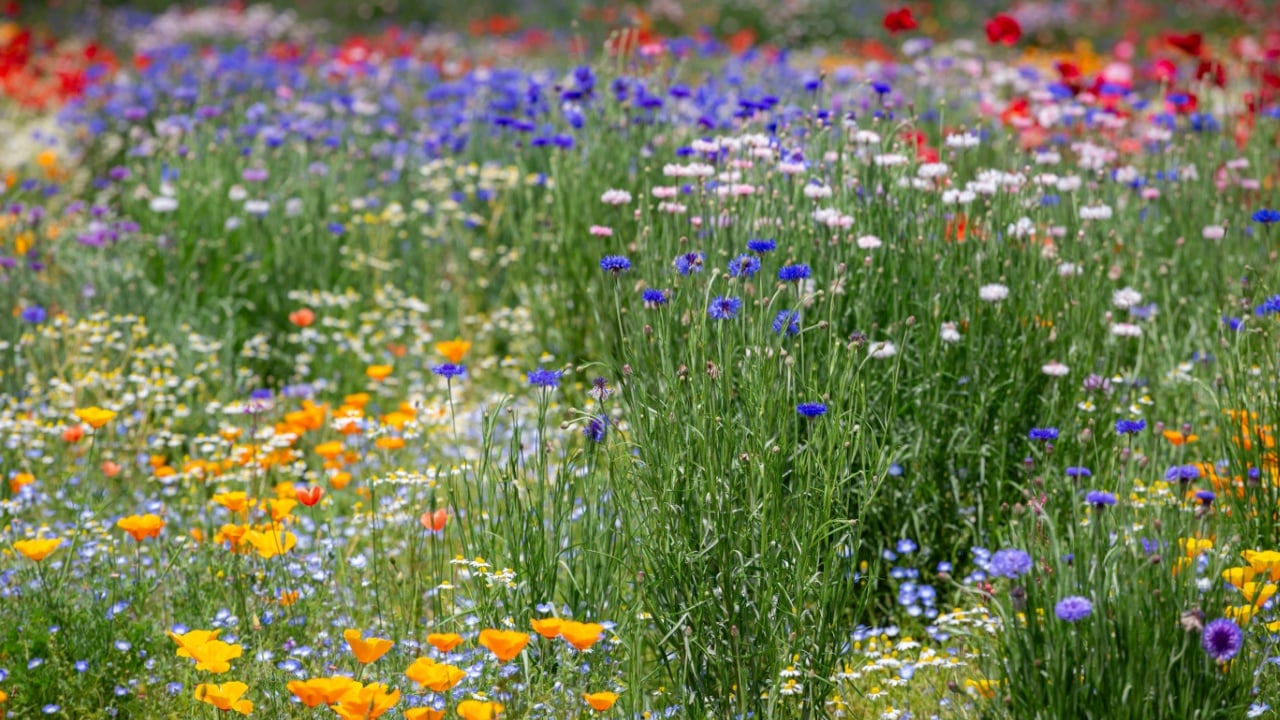
Turning a simple patch of grass into a wildflower meadow is one of the best ways to bring life back to your yard. These flowers are adapted to your local ecosystem and bring all the awesome benefits that come with it.
Unlike traditional lawns that require constant mowing and chemicals, wildflowers are tough survivors that thrive with very little help. By swapping out manicured grass for these native plants, you create a colorful, “untamed” look that feels both natural and elegant.
The secret to a successful wildflower garden is choosing a mix of plants that naturally grow in your region. Using native species ensures that your garden can handle the local weather while providing a much-needed feast for bees, butterflies, and birds. Experts recommend picking flowers of different heights and blooming schedules so that your yard stays vibrant and supportive of local wildlife from early spring through the first frost.
This guide features fourteen reliable plants chosen for their beauty and hardiness. You will learn exactly why each flower is beneficial and get simple, practical tips on how to plant and maintain them.
1. Purple Coneflower
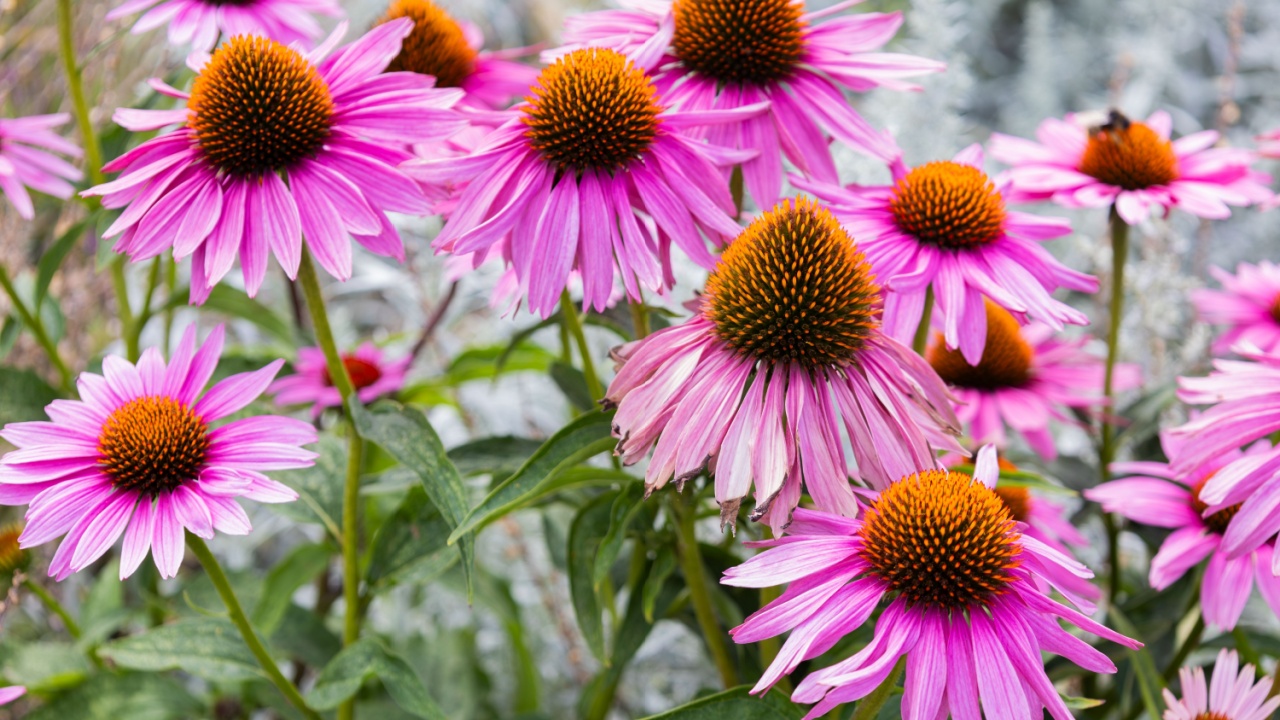
These iconic blooms are famous for their raised centers and drooping purple petals. They stand tall against summer heat and provide a sturdy landing pad for butterflies. Planting them in clusters helps the heavy stems support each other during summer storms.
Success with coneflowers involves placing them in a spot with maximum sun exposure. They are drought-tolerant once the root system takes hold in the soil. Leave the dried seed heads standing in winter to provide food for goldfinches and other small birds.
2. Black Eyed Susan
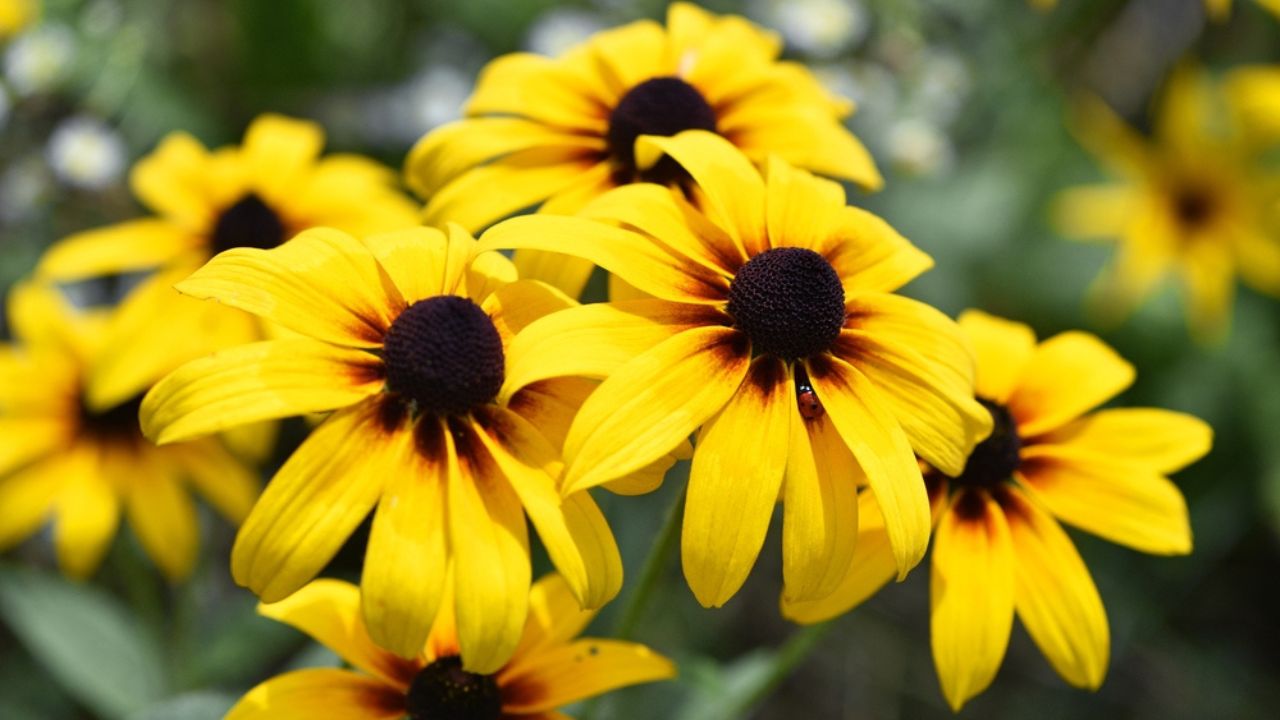
This plant features bright yellow petals surrounding a dark chocolate center. It spreads easily through seeds and underground runners, making it ideal for filling large gaps in a landscape quickly. The cheerful flowers persist from midsummer through the first frost of autumn.
Deadheading the spent blooms encourages the plant to produce a second wave of flowers. These plants prefer well-drained soil but can handle a bit of clay if necessary. They work well as a natural border against fences or walkways.
3. Wild Bergamot
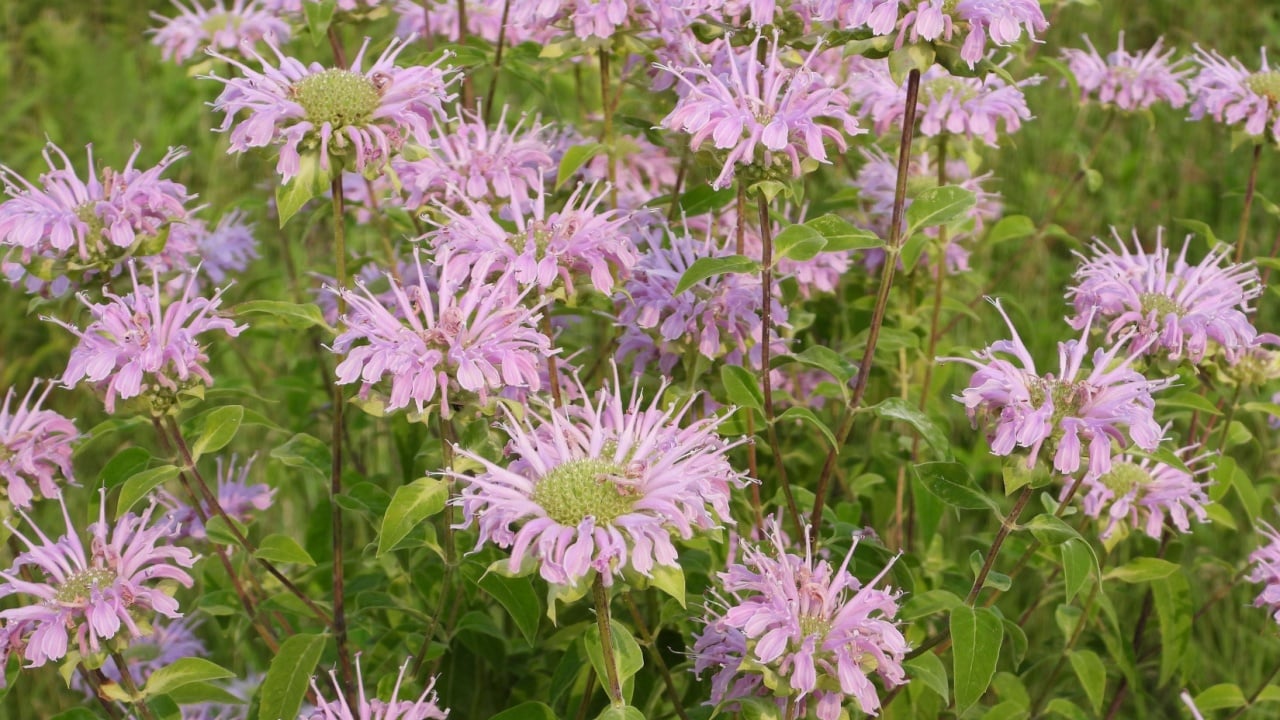
Also known as Bee Balm, this wildflower produces shaggy lavender blossoms that look like miniature fireworks. The foliage carries a distinct citrus scent that discourages many common garden pests. It attracts hummingbirds and specialized bees that ignore more common garden flowers.
Good air circulation is necessary to prevent powdery mildew on the leaves. Thinning out the stems every few years helps maintain a healthy patch. Plant this in a location where its height can provide a backdrop for shorter species.
4. Blanket Flower
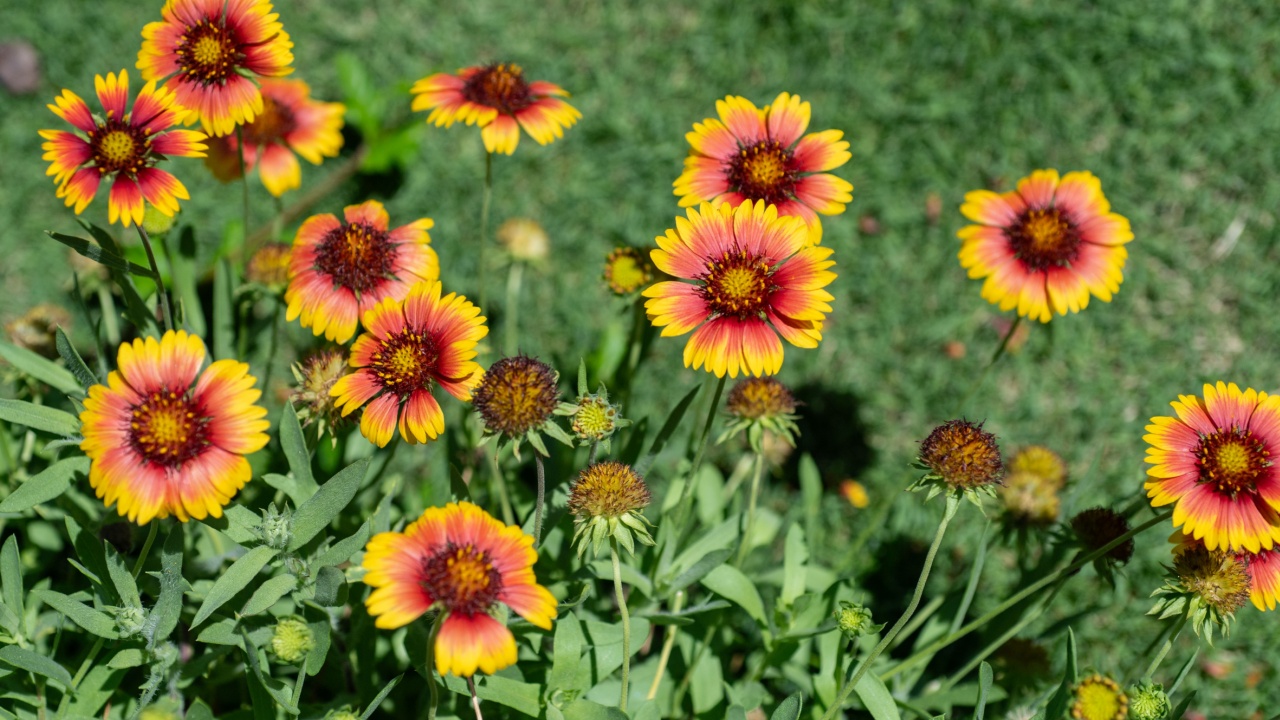
These short-lived perennials offer a striking combination of red and yellow bands on each petal. They thrive in poor, sandy soil where other plants struggle to survive. The blooms have a high nectar content that keeps pollinators visiting throughout the warmest months.
Avoid overwatering these plants as they prefer a dry environment. They often reseed themselves, so the patch will naturally renew itself every season. Use them in rock gardens or along the edges of gravel driveways for a pop of color.
5. Lanceleaf Coreopsis
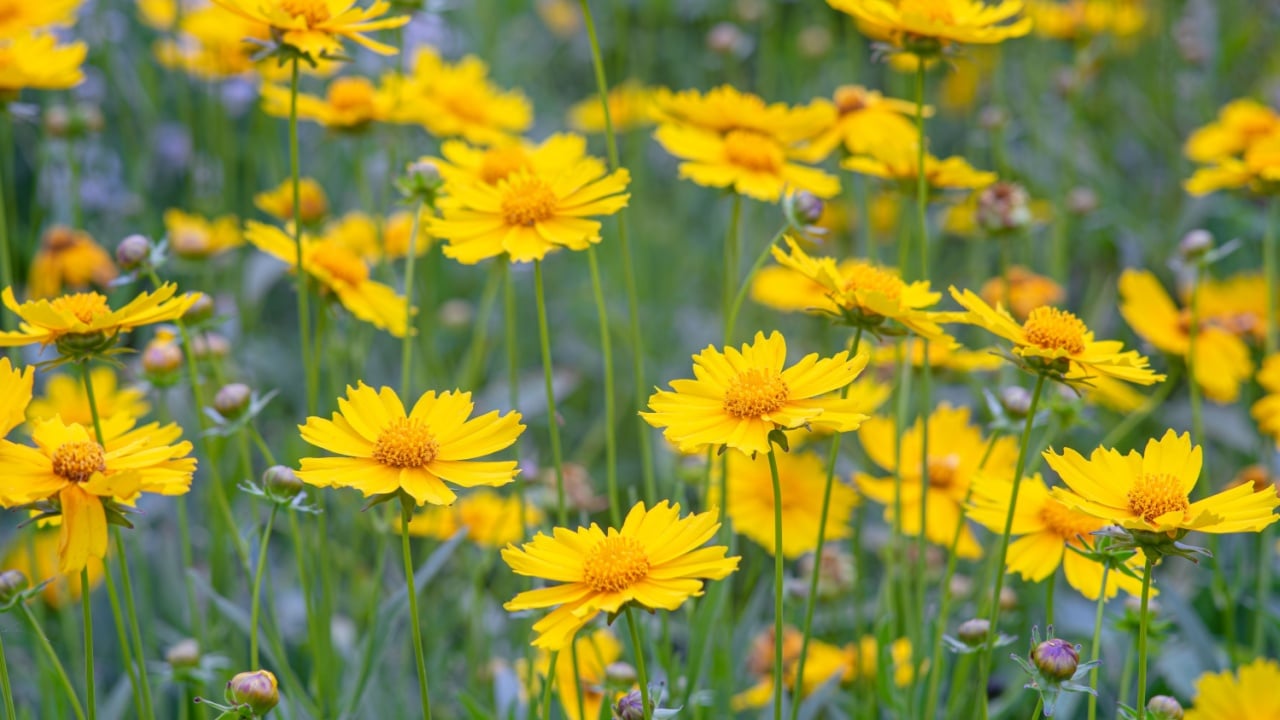
This plant produces masses of sunny yellow flowers on slender stems. It is one of the first wildflowers to bloom in the spring, providing an early food source for emerging insects. The foliage remains a tidy green mound even when the plant is not in flower.
Removing faded flowers extends the blooming period significantly. These plants are tough enough to handle foot traffic and occasional mowing if the blade is set high. They serve as an effective groundcover when planted in large groups.
6. Mexican Hat
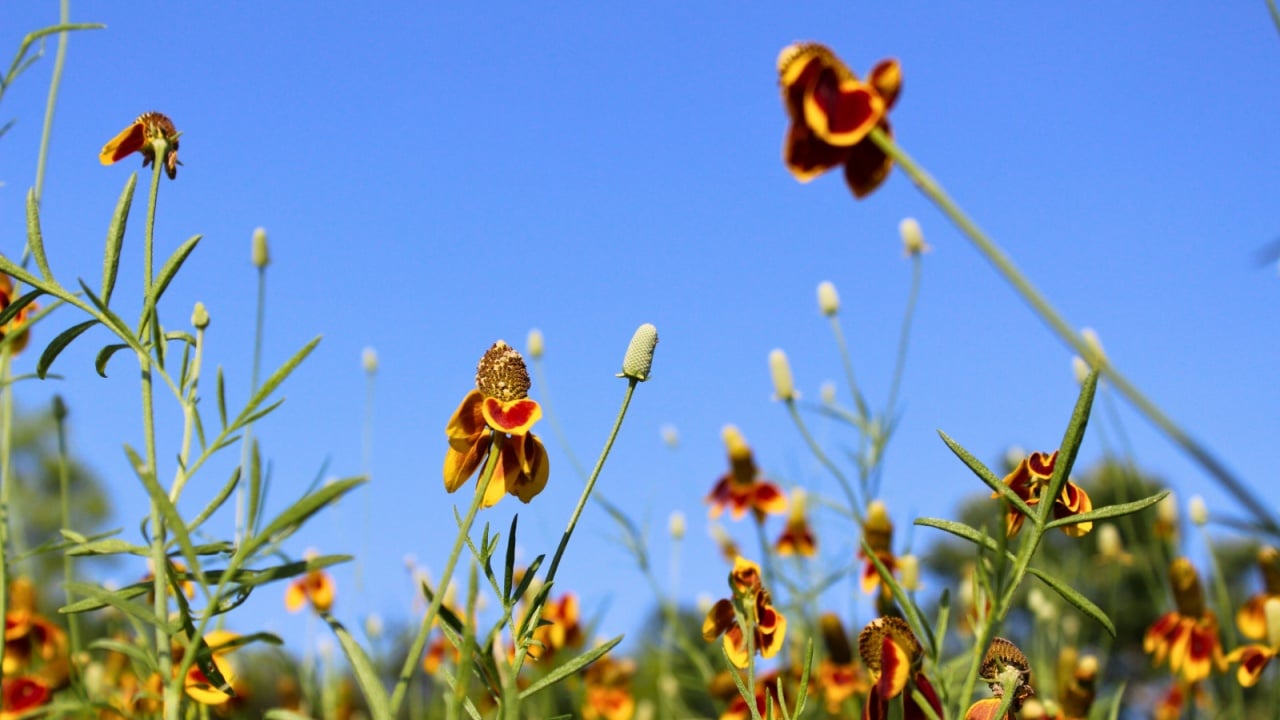
The unique shape of this flower resembles a high-crowned sombrero with drooping red and yellow petals. It adds a vertical element to the garden with its tall, leafless stalks. This species is exceptionally hardy and survives intense heat with very little water.
Plant these in the middle of a flower bed to add architectural interest. They grow best when seeds are scattered directly on the soil surface in the fall. The deep taproots make them difficult to move, so choose a permanent location from the start.
7. Butterfly Milkweed
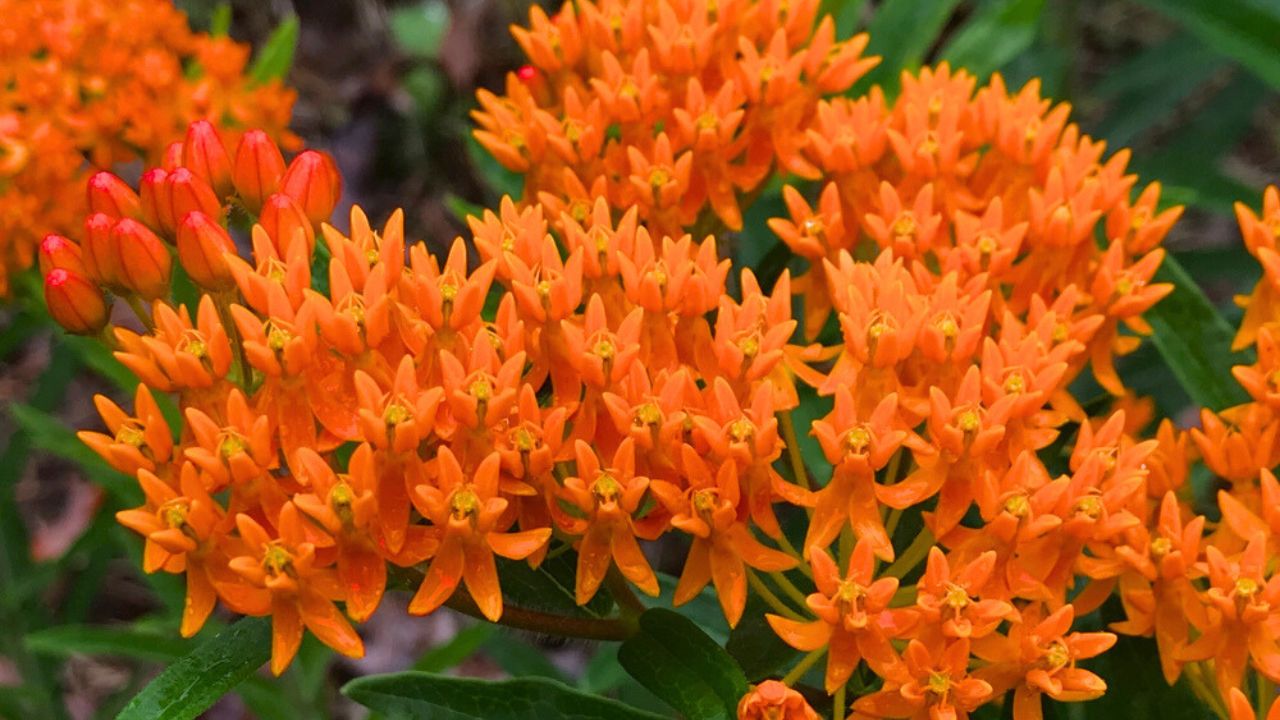
This species is famous for its clusters of vibrant orange flowers and its role as a host for monarch larvae. Unlike other milkweeds, this variety stays in a neat clump and does not spread aggressively. It provides a nectar-rich stopover for many migratory insect species.
Be patient with this plant because it is often the last to emerge from the ground in spring. Marking the spot with a stake prevents accidental digging during early garden chores. It requires full sun and very little supplemental fertilizer.
8. Common Yarrow
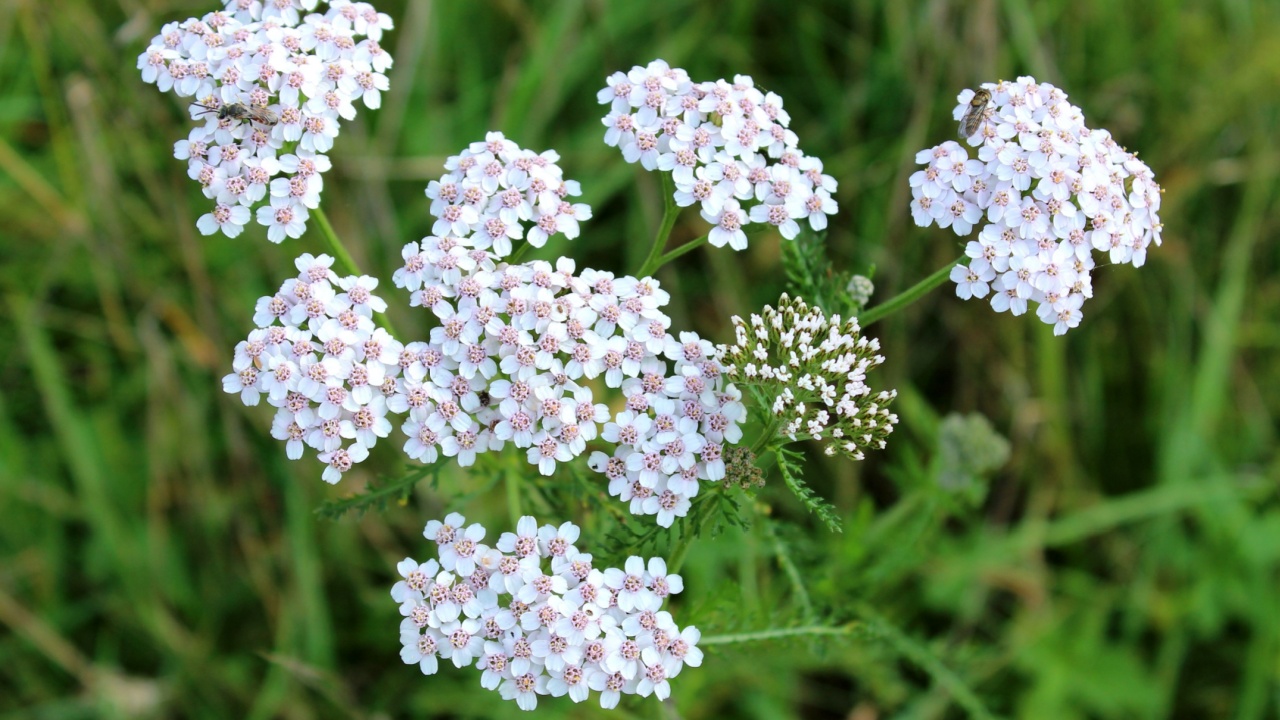
Yarrow features flat-topped clusters of tiny white or pink flowers above fern-like foliage. It is a rugged plant that can survive in compacted soil and high-wind areas. The leaves have historically been used for medicinal purposes and provide a soft texture to the garden.
Cut the stems back after the first bloom to encourage a second flush of flowers. This plant can spread rapidly, so it works best in areas where it has plenty of room to wander. It is an excellent choice for stabilizing slopes or preventing soil erosion.
9. Blue Flax
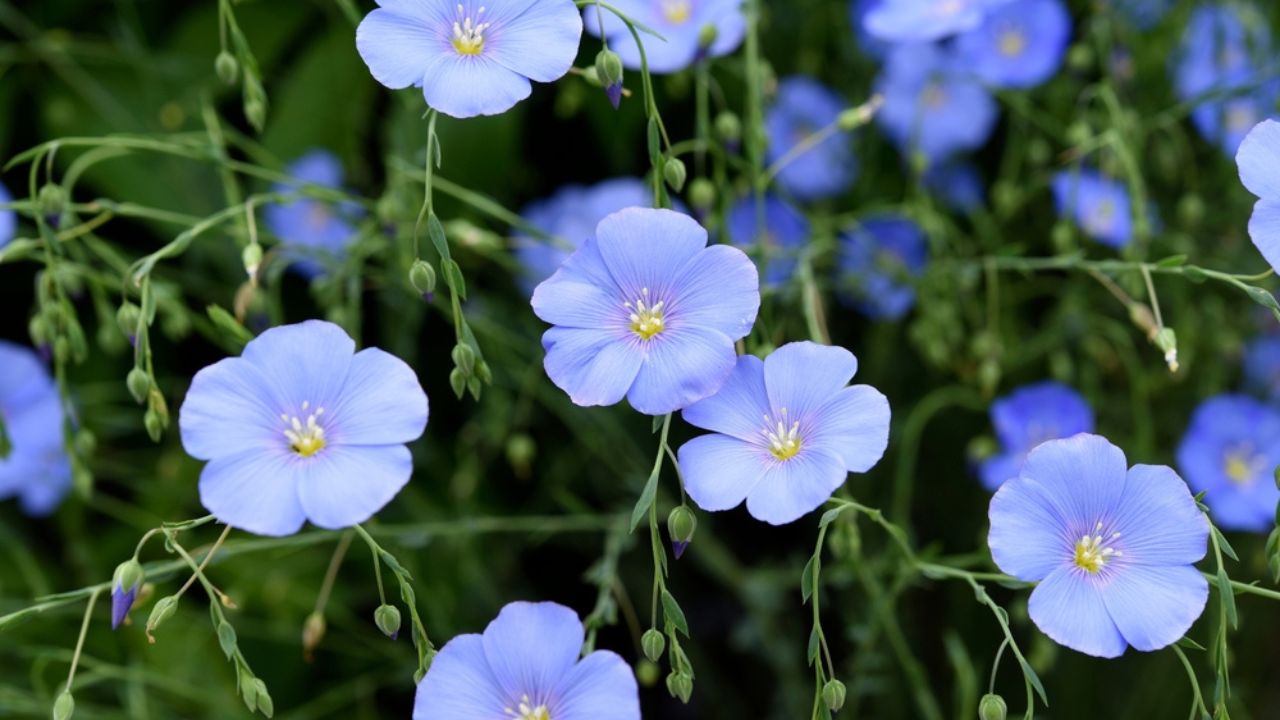
The delicate sky-blue flowers of this plant open in the morning and often drop by the afternoon. New blooms appear every day, creating a constant display of color for several weeks. The slender stems move gracefully with the slightest breeze.
This plant prefers cool summers and well-drained soil. It is a short-lived perennial that relies on self-seeding to maintain its presence in the yard. Scatter seeds in a sunny patch and let nature handle the rest of the work.
10. Rocky Mountain Penstemon
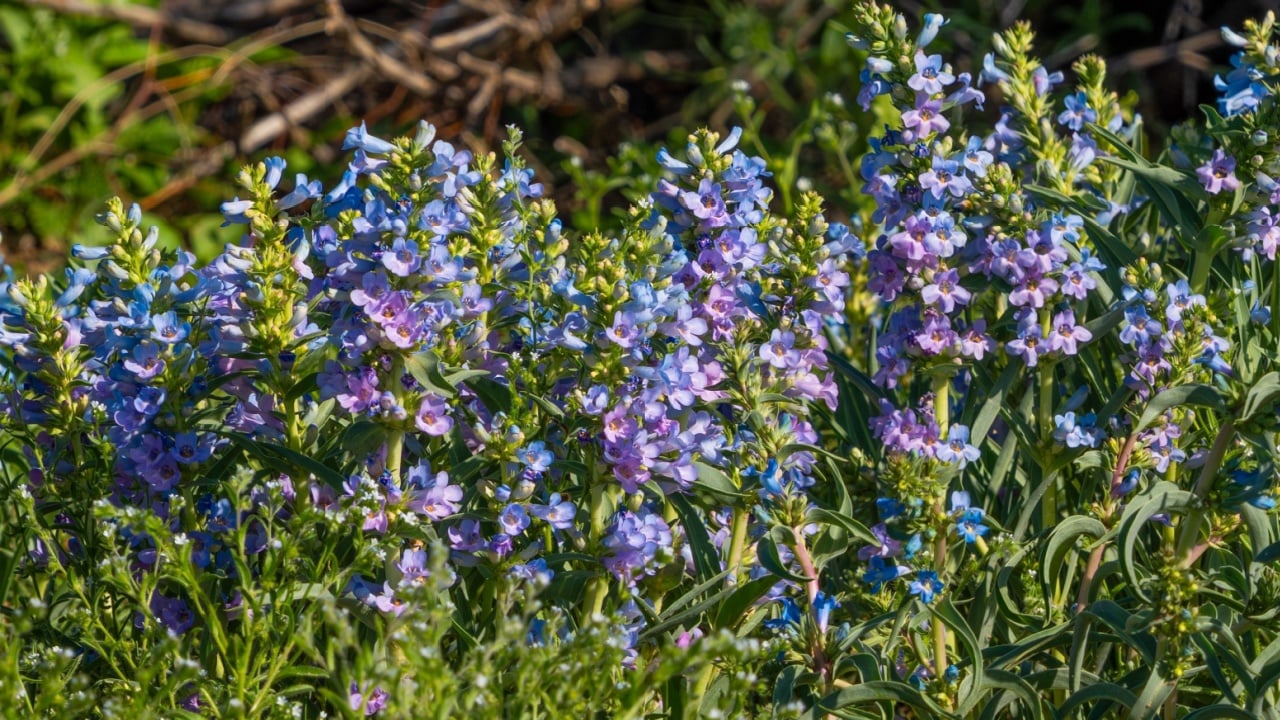
This wildflower produces tall spikes of deep blue or purple tubular flowers. It is a favorite of bumblebees, who crawl deep inside the blossoms to reach the nectar. The evergreen foliage provides interest even during the dormant winter months.
It needs very little water once established and can rot if the soil stays too wet. Plant it in a raised bed or a sloped area to ensure proper drainage. These spikes make a dramatic statement when planted in groups of five or more.
11. New England Aster
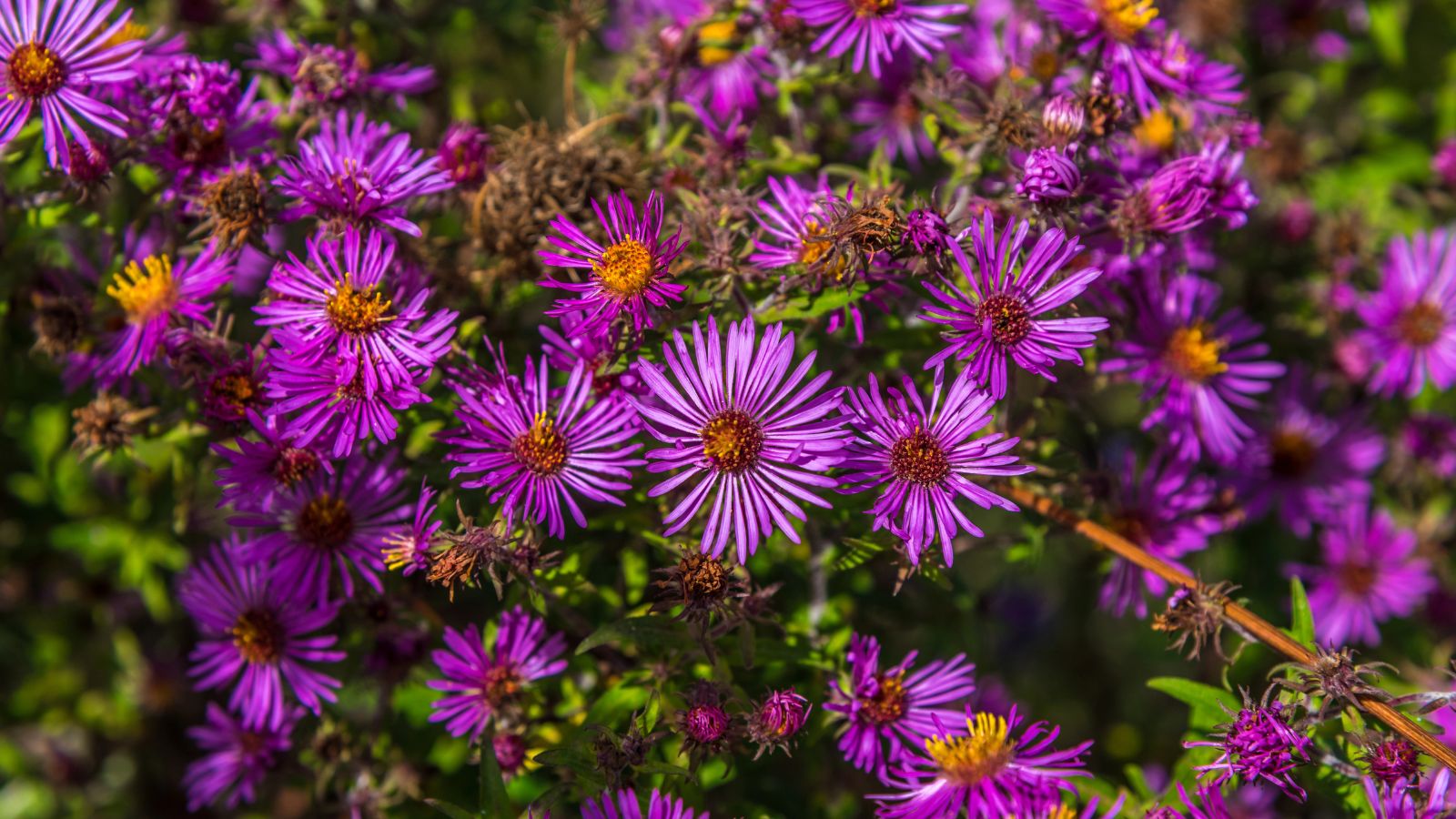
Asters provide a final burst of purple and pink late in the season when most other flowers have faded. They are a vital food source for bees preparing for winter hibernation. The plants can grow quite tall, reaching up to four feet in ideal conditions.
Pinch the tops of the stems in early summer to create a bushier plant with more flowers. This prevents the tall stalks from flopping over later in the year. They prefer moist soil and can handle a bit of afternoon shade.
12. Indian Blanket
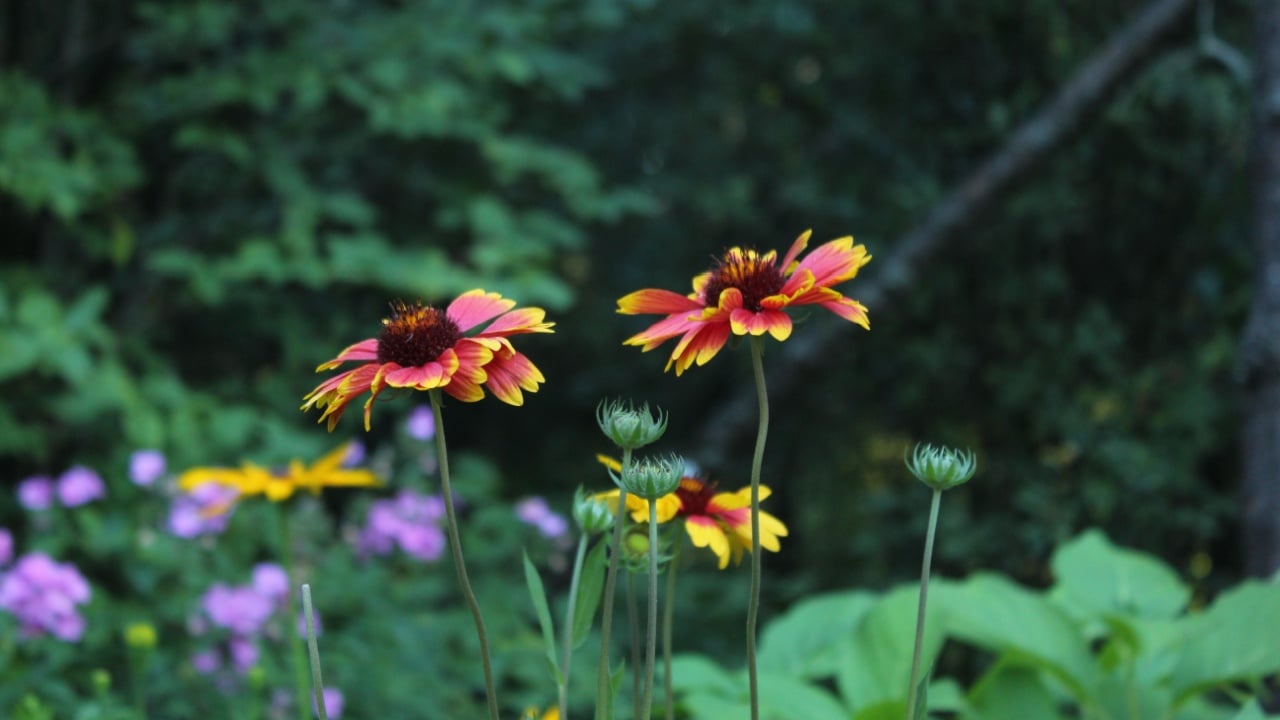
This annual wildflower creates a carpet of red petals tipped with bright yellow. It is incredibly easy to grow from seed and often appears in wildflower mixes designed for roadside restoration. The blooms are prolific and last for several months.
Allow the flowers to go to seed at the end of the year to ensure they return the following spring. They handle heat and humidity better than many other wildflower species. Use them to fill in temporary gaps while slower perennials are getting established.
13. Joe Pye Weed
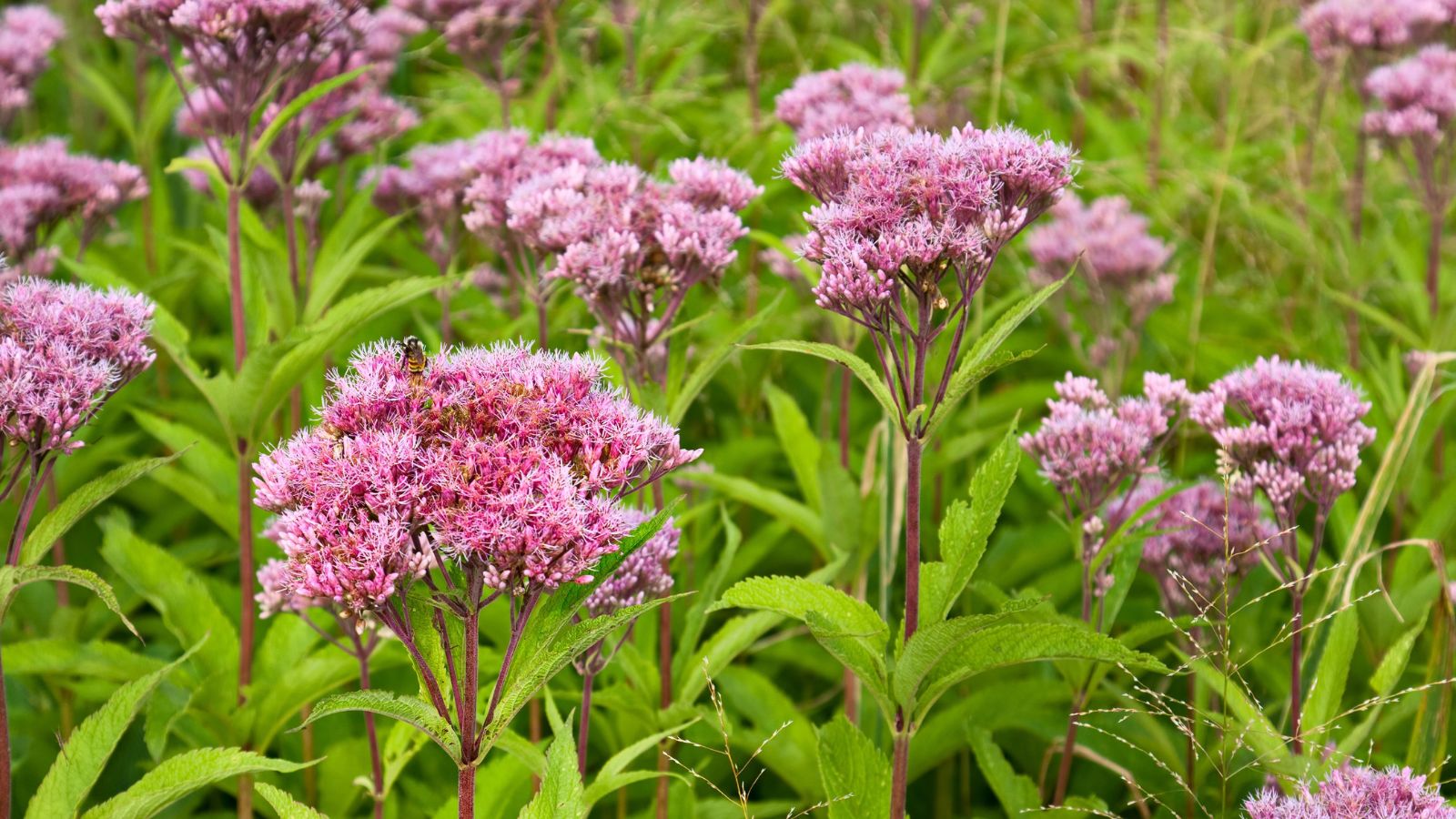
This towering plant produces massive vanilla-scented flower heads that are a magnet for every butterfly in the neighborhood. It thrives in damp areas where other wildflowers might suffer from root rot. The stems are sturdy and rarely need staking despite their impressive height.
Give this plant plenty of space, as it can become the focal point of the garden. It prefers full sun but will tolerate partial shade if the soil remains consistently moist. It is a great choice for a rain garden or a low spot in the yard.
14. Cardinal Flower
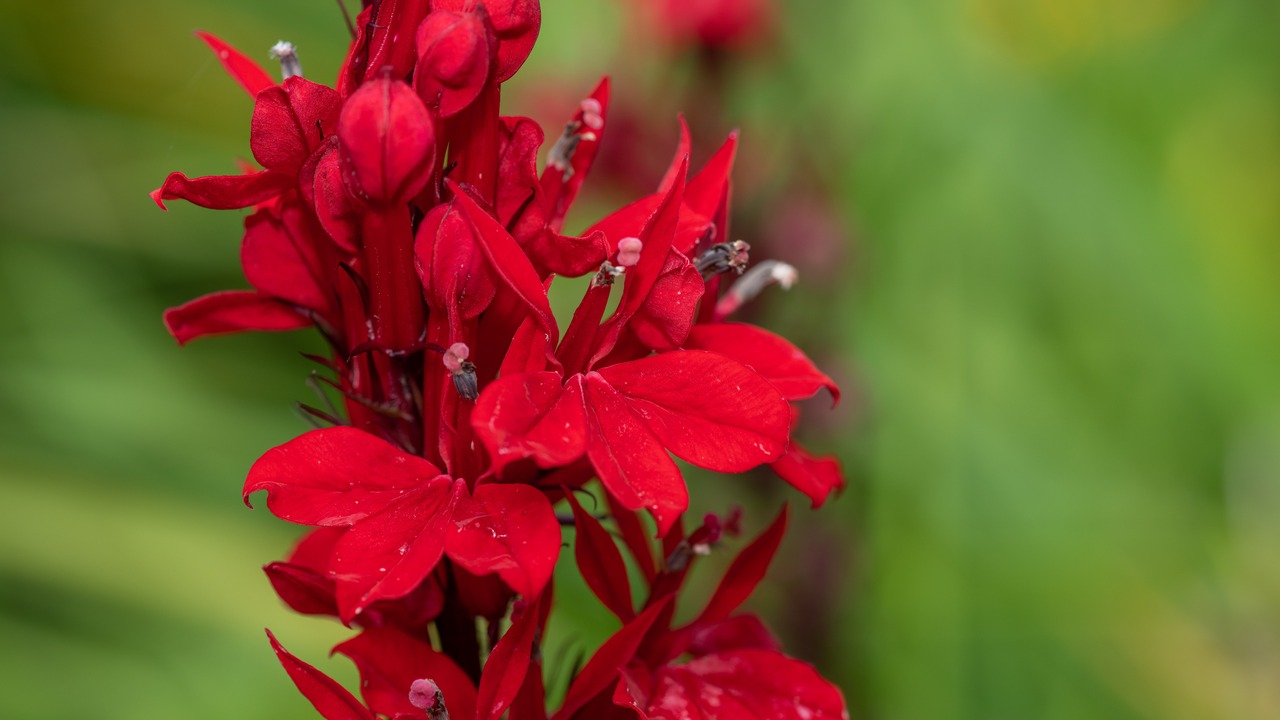
The intense red spikes of the cardinal flower are specifically designed to attract hummingbirds. It is one of the few wildflowers that thrives in shady, wet conditions. The brilliant color stands out against the dark greens of a woodland garden.
Keep the soil moist at all times for this plant to reach its full potential. It is a short-lived perennial that produces many offsets to keep the colony going. Planting it near a water feature or a downspout provides the hydration it craves.
Let Your Wildflower Patch Settle In Naturally
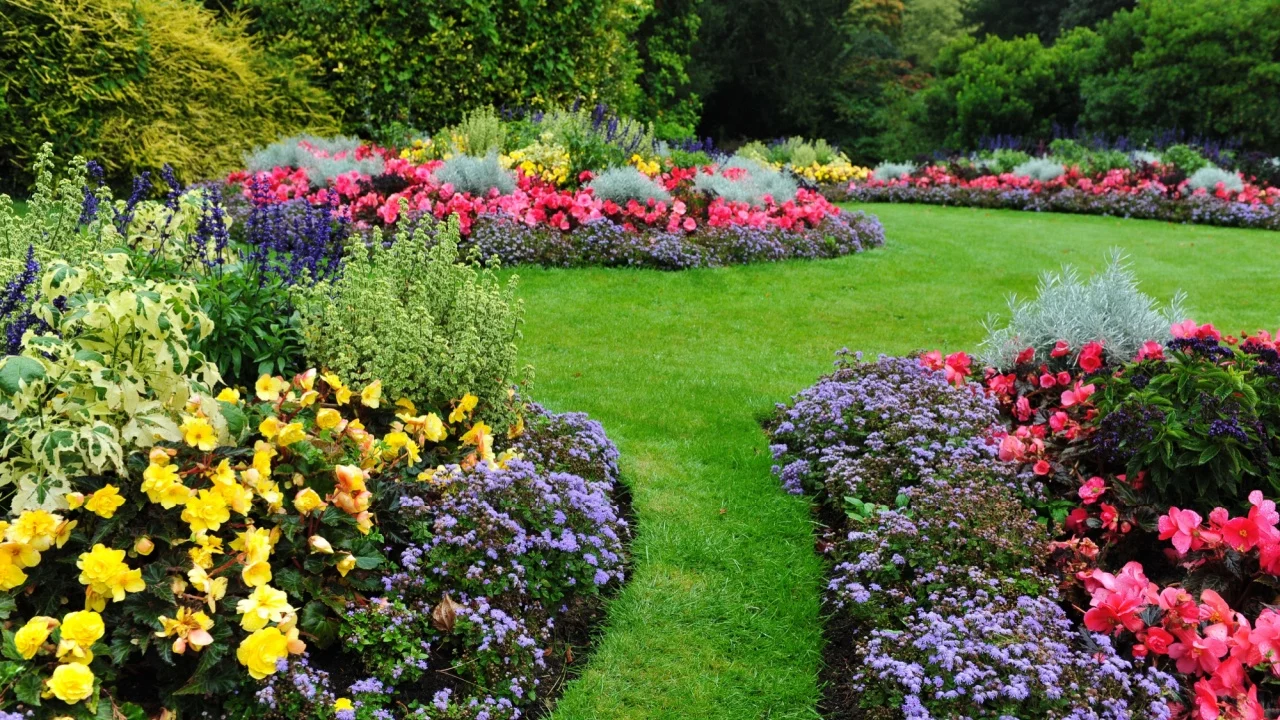
Wildflowers reward a light touch. Scatter seeds in prepared soil, keep them watered until they settle in, and then let nature handle the rest. A mix of heights and bloom times keeps the yard looking full from spring through fall.
A quick walk through the space every week helps spot what needs trimming or thinning. With a little patience, the patch fills in and starts to manage itself.
Read More:
12 Beautiful Native Wildflowers for an Easy Garden Blueprint
17 Native Wildflowers to Plant This Spring for a Full Beautiful Garden