17 Perennials that Aren’t Worth Planting Anymore
Garden planning often feels like a mix of hopeful ambition and a quiet prayer to the weather gods. We pore over catalogs, dreaming of lush landscapes, only to sometimes find our efforts rewarded with plants that either take over the yard like an invading army or sulk in a corner and refuse to perform.
Some perennials, once the darlings of the garden world, have revealed themselves to be more trouble than they’re worth. It might be due to their aggressive spreading, high maintenance needs, or the simple fact that better, more well-behaved alternatives now exist.
Here are some popular plants that might deserve a second thought.
1. Hollyhock (Alcea rosea)
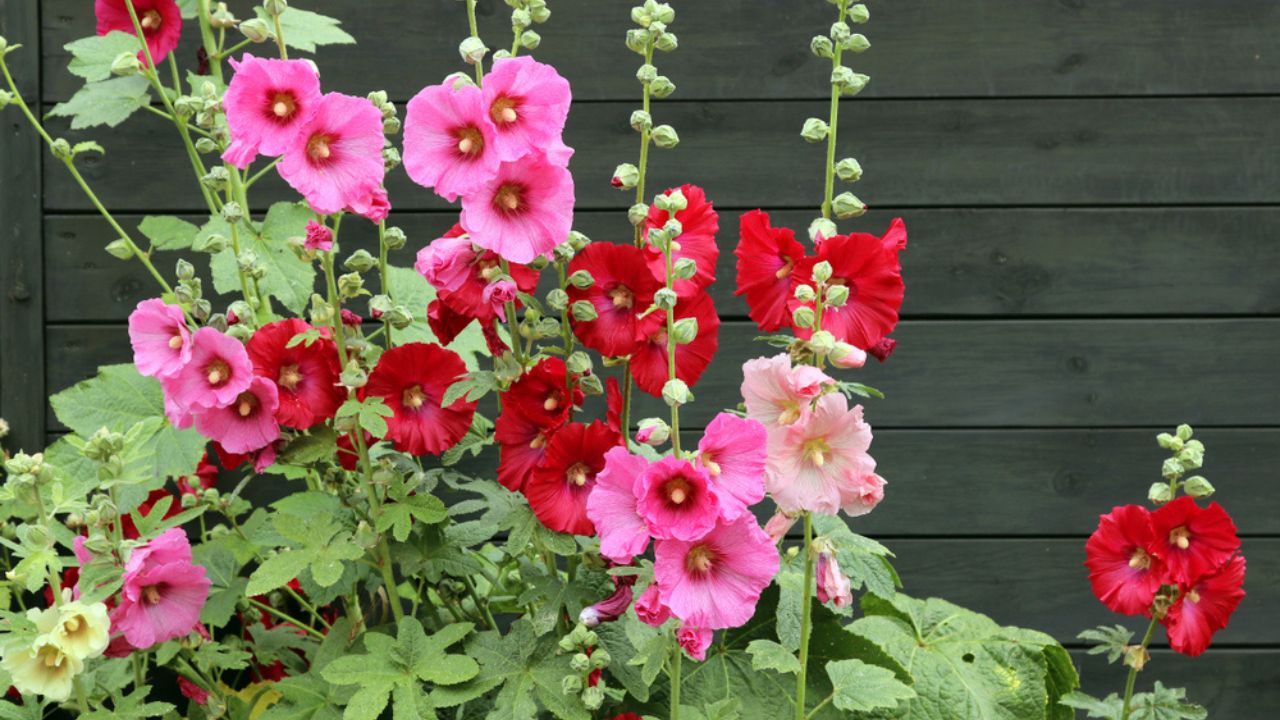
Hollyhocks are the poster children for the quaint cottage garden, with their tall, stately spires of flowers. The fantasy is beautiful; the reality is often a battle against rust, a fungal disease that can leave the foliage looking less than glorious. Treating it is a constant chore, and even then, these biennials or short-lived perennials may not return as hoped.
For a similar vertical effect without the disease drama, try planting Delphinium. They offer the same majestic height and come in a stunning range of blues, purples, and whites. If you want something even more reliable, foxglove (Digitalis purpurea) provides beautiful bell-shaped flowers on tall spikes and often self-seeds politely, creating a natural, woodland look.
Quick Look:
- The Problem: Highly susceptible to rust, which is unsightly and difficult to manage.
- Better Options: Delphinium, Foxglove.
- Next Steps: If you must have hollyhocks, choose a rust-resistant variety and provide excellent air circulation.
2. Red Hot Poker (Kniphofia)
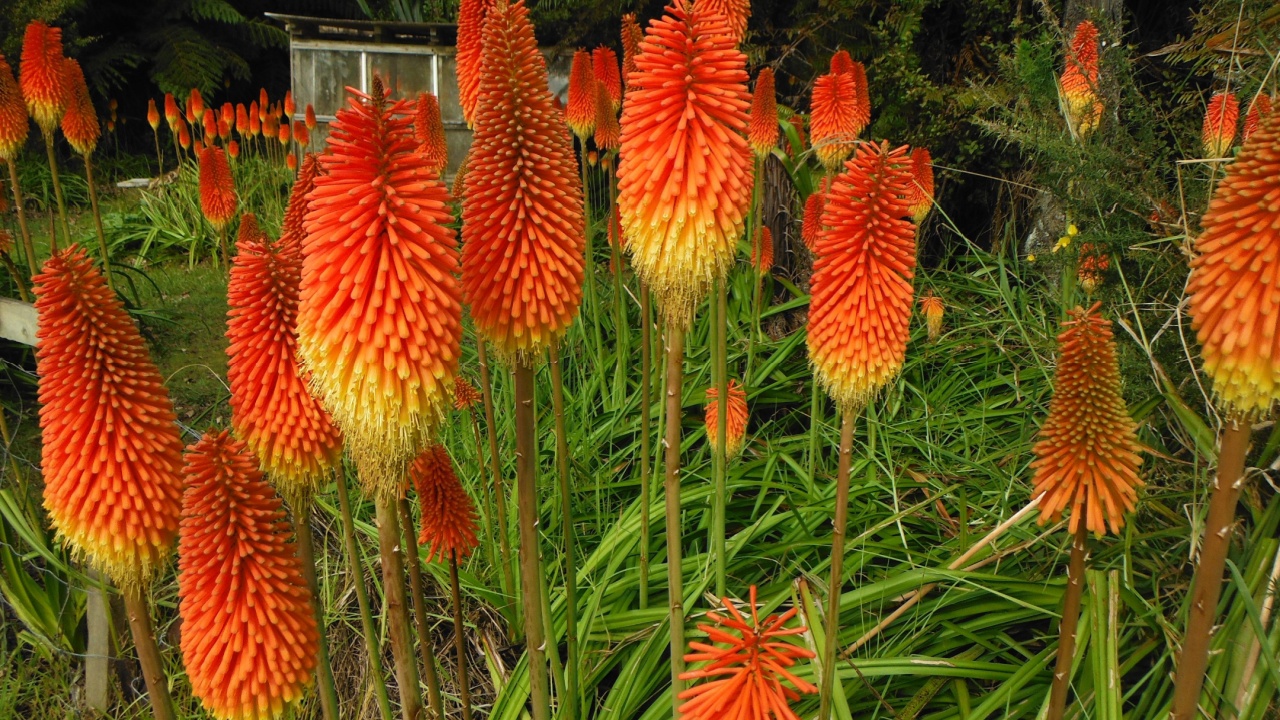
The exotic, torch-like blooms of Red Hot Poker are undeniably striking. However, they come with challenges. While Kniphofia is hardy in USDA zones 5–9, plants are highly sensitive to soil drainage and prone to crown rot in heavy, wet clay. In colder parts of zone 5, winter losses can occur unless crowns are mulched or protected. Out of bloom, the foliage is grass-like and can appear untidy compared to more ornamental perennials.
Quick Look:
- The Problem: Requires excellent drainage; winter survival is inconsistent in colder zones.
- Better Option: For upright, pollinator-friendly spikes, Blazing Star (Liatris spicata) thrives in a wide range of soils and is exceptionally hardy.
- Next Steps: If planting Red Hot Poker, amend the soil with sand or grit to improve drainage and mulch the crowns in winter.
3. Perennial Sunflowers (Helianthus)
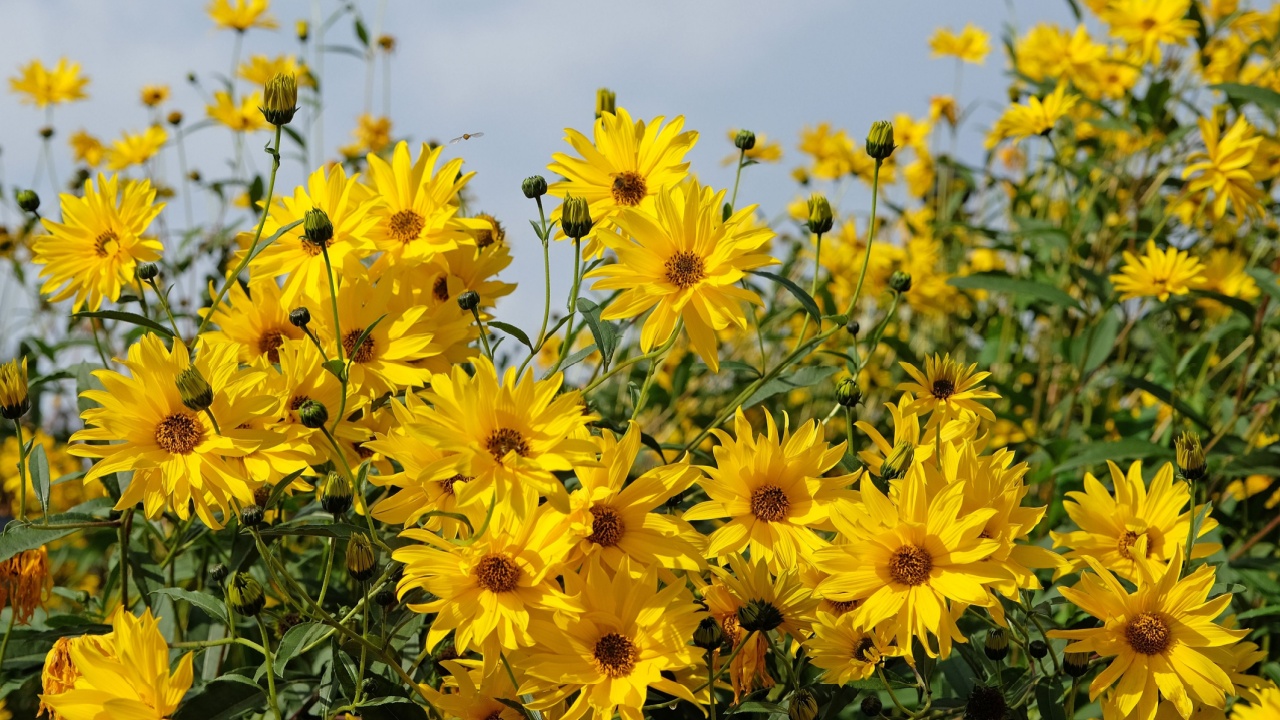
The idea of a sunflower that comes back every year sounds like a dream, but many perennial sunflower varieties, like Helianthus maximiliani, can be aggressive spreaders. They send out underground rhizomes that can quickly colonize a garden bed, choking out less vigorous neighbors. They can also grow incredibly tall and floppy, requiring staking to look their best.
Quick Look:
- The Problem: Can be invasive spreaders and often require staking.
- Better Option: For that classic sunflower look, Rudbeckia ‘Herbstsonne’ (Autumn Sun Coneflower) grows tall with cheerful yellow, drooping petals, but doesn’t spread aggressively.
- Next Steps: Plant aggressive sunflowers in a contained area or a large pot to control their spread.
4. Milkweed (Asclepias)
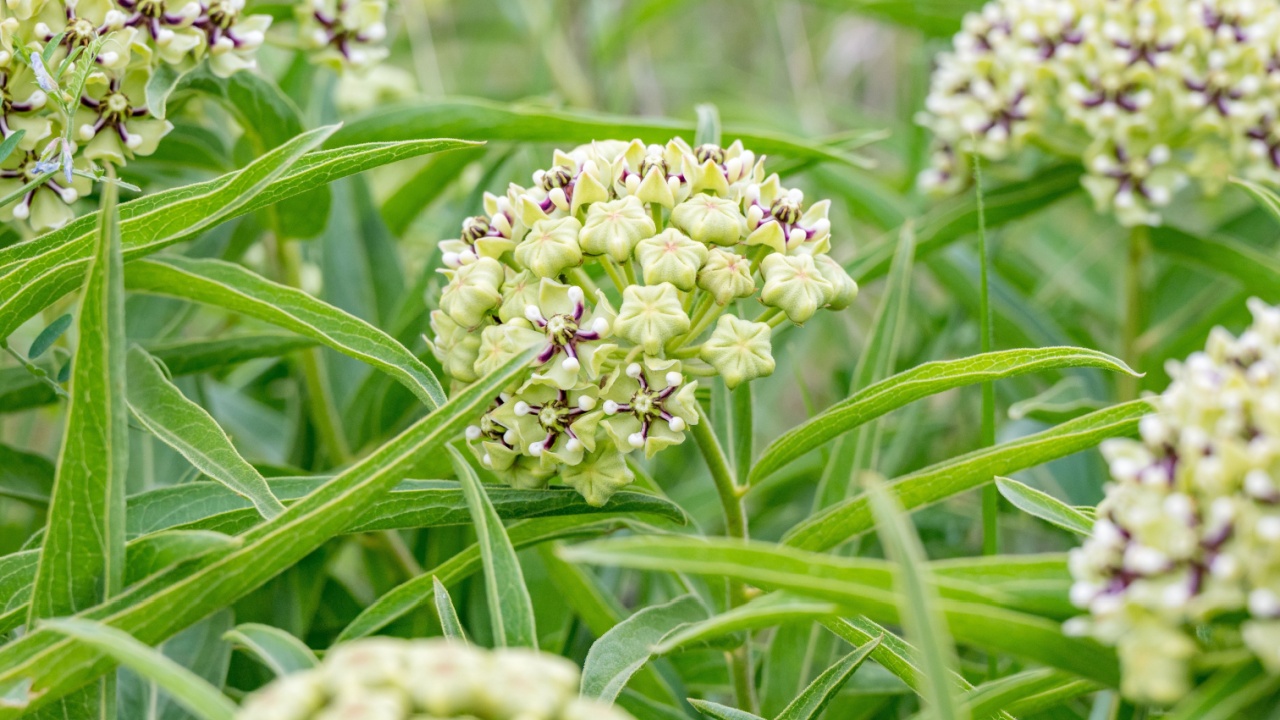
Milkweed is essential for monarch butterflies, but Common Milkweed (Asclepias syriaca) can overwhelm a garden. According to the USDA NRCS Plant Guide, it spreads aggressively through deep rhizomes and creeping roots, forming dense colonies that are difficult to control. While its ecological role is important, it’s not suited to tidy perennial borders.
Quick Look:
- The Problem: Common Milkweed is extremely invasive in a garden setting.
- Better Option: You can support monarchs without sacrificing your garden design. Butterfly Weed (Asclepias tuberosa) has brilliant orange flowers, is a monarch favorite, and grows in a well-behaved clump.
- Next Steps: Plant Common Milkweed in a wild, naturalized area where it has room to roam, far from your formal beds.
5. Dianthus (Pinks)
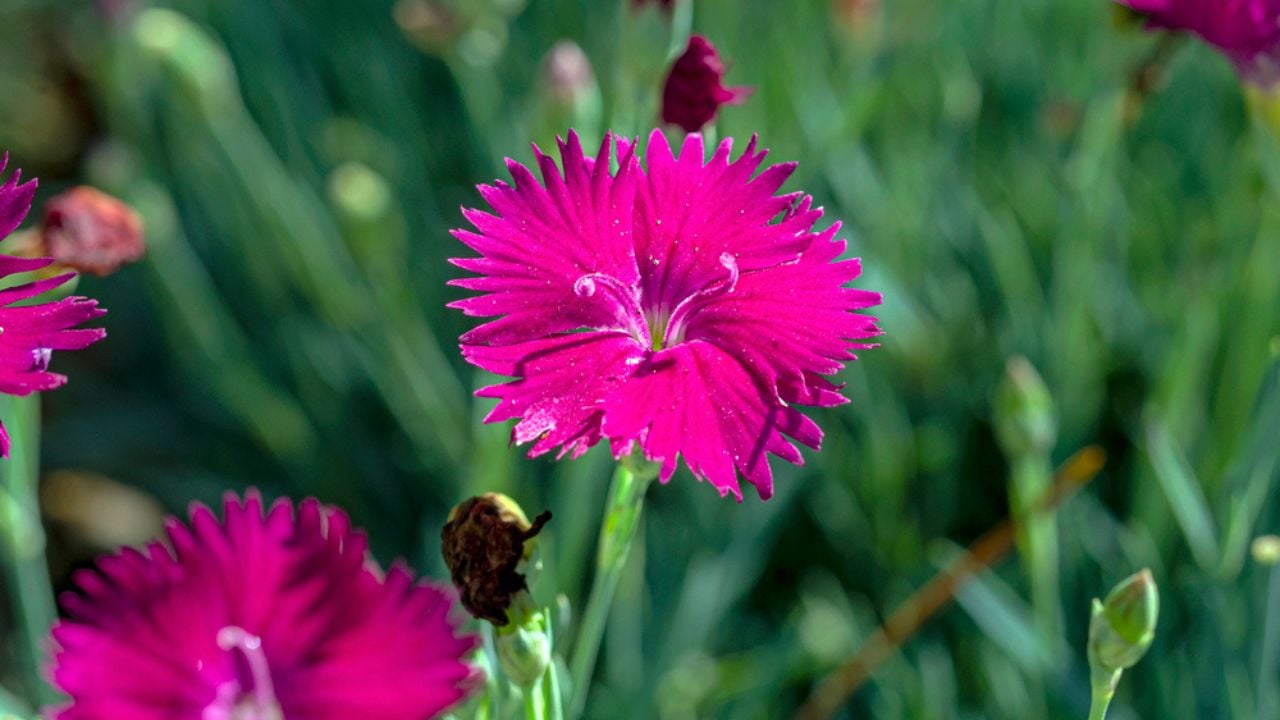
Dianthus varieties are beloved for their spicy, clove-like fragrance and fringed blooms. However, many mat-forming types are short-lived perennials that can suffer from “melting out” in the center, leaving unattractive bare patches. According to the North Carolina State Extension, Dianthus requires excellent drainage and often struggles in hot, humid summers, where crown rot and decline are common.
Quick Look:
- The Problem: Short-lived; prone to crown rot and decline in humid climates.
- Better Option: Ice Plant (Delosperma cooperi): The Missouri Botanical Garden notes this succulent groundcover thrives in heat and dry conditions, forming mats of dazzling, daisy-like flowers in summer. It’s exceptionally durable in poor soils and resists rot.
- Next Steps: If planting Dianthus, amend the soil with gravel for sharp drainage and shear plants after bloom to extend life.
6. Barrenwort (Epimedium)

Barrenwort is often praised as a reliable groundcover for dry shade, but it can be slow to establish. NC State Extension notes that Epimedium tolerates deep shade and drought once mature, yet its shallow rhizomes spread gradually, meaning gardeners may wait years before it fills in. While the foliage is tough, it can obscure the delicate spring flowers, and the plant offers limited multi-season interest compared to more ornamental shade choices.
Quick Look:
- The Problem: Slow to establish; foliage can hide flowers; limited seasonal interest.
- Better Alternative: Japanese Forest Grass (Hakonechloa macra): The Old Farmer’s Almanac highlights this grass as one of the best ornamental grasses for shade, prized for its cascading foliage in gold or variegated green. It brightens dark corners and provides long-lasting texture and movement.
- Next Steps: Use Barrenwort in naturalized woodland areas where patience is acceptable; choose Japanese Forest Grass or Lenten Rose for more immediate ornamental impact.
7. Columbine (Aquilegia)
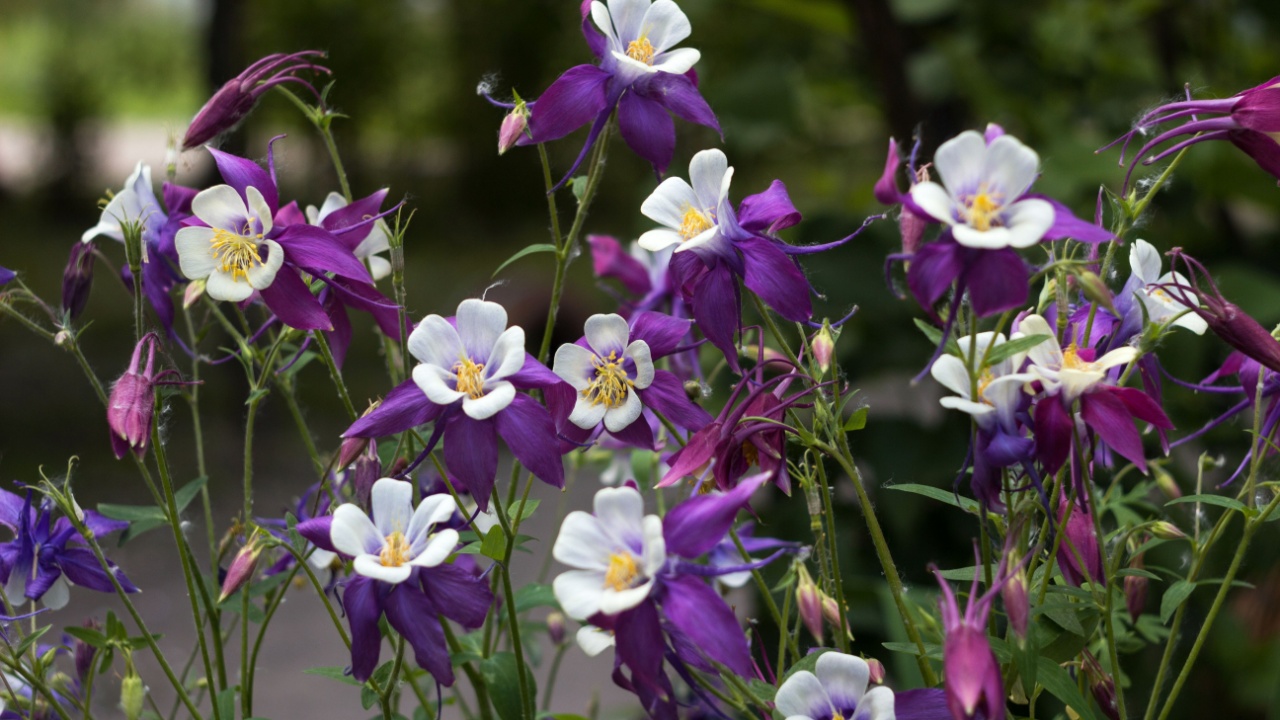
Columbine’s intricate, spurred flowers are undeniably charming, but the plants are highly susceptible to leaf miner damage. Wisconsin Horticulture Extension confirms that leaf miners create white, winding tunnels in foliage, leaving plants looking ragged and unattractive. Columbine is also a short-lived perennial, often persisting only a few seasons. While it self-seeds, seedlings rarely resemble the parent plant, frequently reverting to less vibrant colors.
Quick Look:
- The Problem: Prone to leaf miner damage; short-lived, and seedlings often revert to muddy colors.
- Better Option: Coral Bells (Heuchera): The NC State Extension highlights modern cultivars with stunning foliage in a wide range of colors, as well as delicate flower wands that attract hummingbirds. They are durable, clump-forming perennials well-suited to shade gardens.
- Next Steps: Cut back damaged foliage to the ground to encourage regrowth, though this requires extra effort.
8. Delphinium
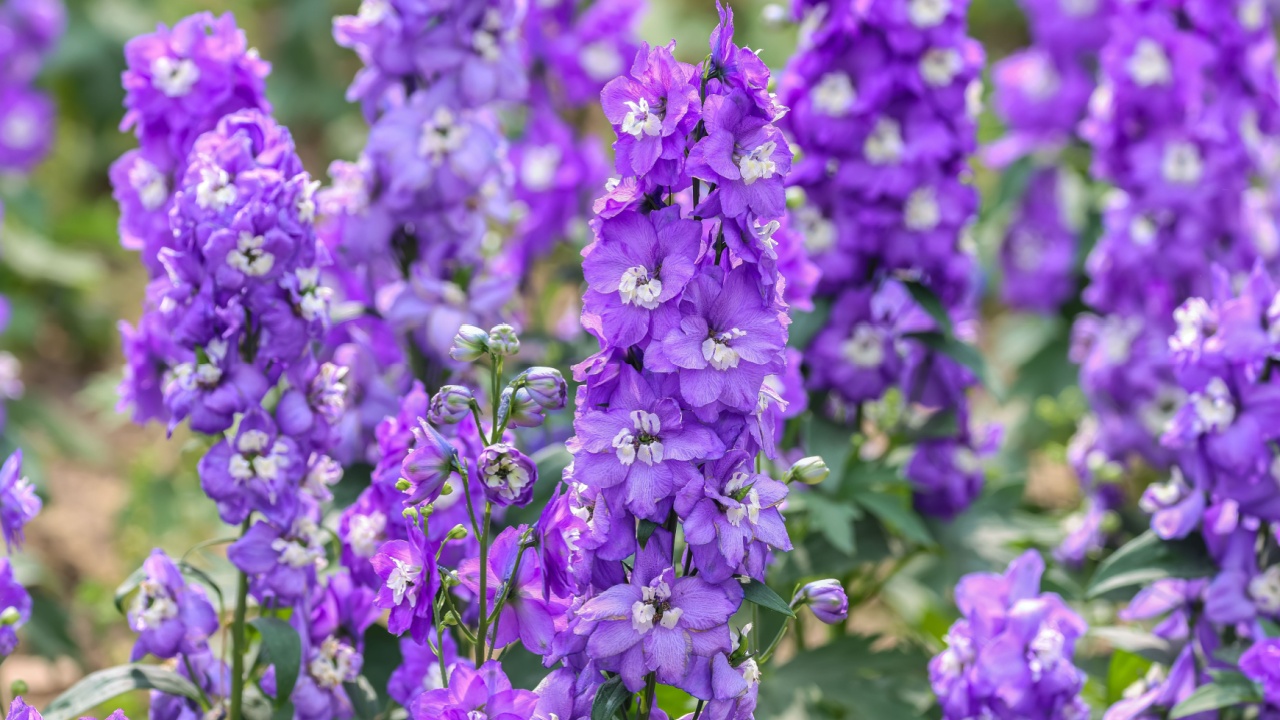
Few plants rival the sky-blue spires of Delphinium, but they are notoriously high-maintenance. The Old Farmer’s Almanac notes that Delphiniums are heavy feeders, requiring rich, moist soil and regular fertilization. They are prone to powdery mildew and crown rot, and their hollow stems snap easily in wind or rain, making staking essential.
Quick Look:
- The Problem: High-maintenance, disease-prone, and require staking.
- Better Options: Russian Sage (Perovskia atriplicifolia) – The Missouri Botanical Garden describes this perennial as drought-tolerant, disease-resistant, and long-blooming, producing airy, lavender-blue flowers for months with minimal care.
- Next Steps: If you accept the challenge, plant them in rich, amended soil, provide regular fertilizer, and put stakes in at the time of planting.
9. Anise Hyssop (Agastache)
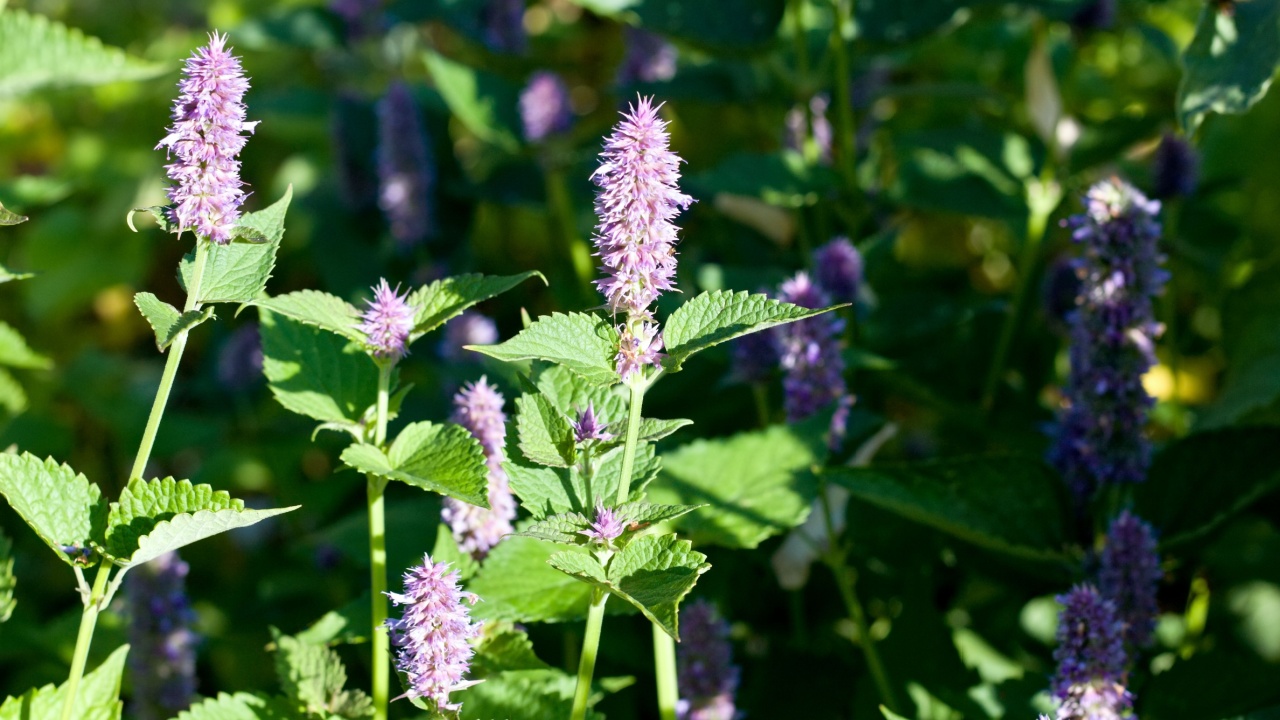
Anise Hyssop is a pollinator darling, beloved by bees. Extension sources note that it is a short-lived perennial that self-seeds readily, often popping up far beyond its original planting location. While ecologically valuable, it can look weedy when not in bloom and overwhelm a tidy border. They are also often short-lived, acting more like biennials, and can look weedy when not in full bloom.
Quick Look:
- The Problem: Can self-seed aggressively and become weedy.
- Better Option: If you want to attract pollinators without the invasion, try Catmint (Nepeta). Varieties like ‘Walker’s Low‘ bloom for months, are drought-tolerant, deer-resistant, and form a tidy mound. They offer a similar purple-blue color palette and are much longer-lived and better behaved.
- Next Steps: Deadhead the flowers before they go to seed to prevent them from taking over your garden.
10. Largeflower Tickseed (Coreopsis grandiflora)
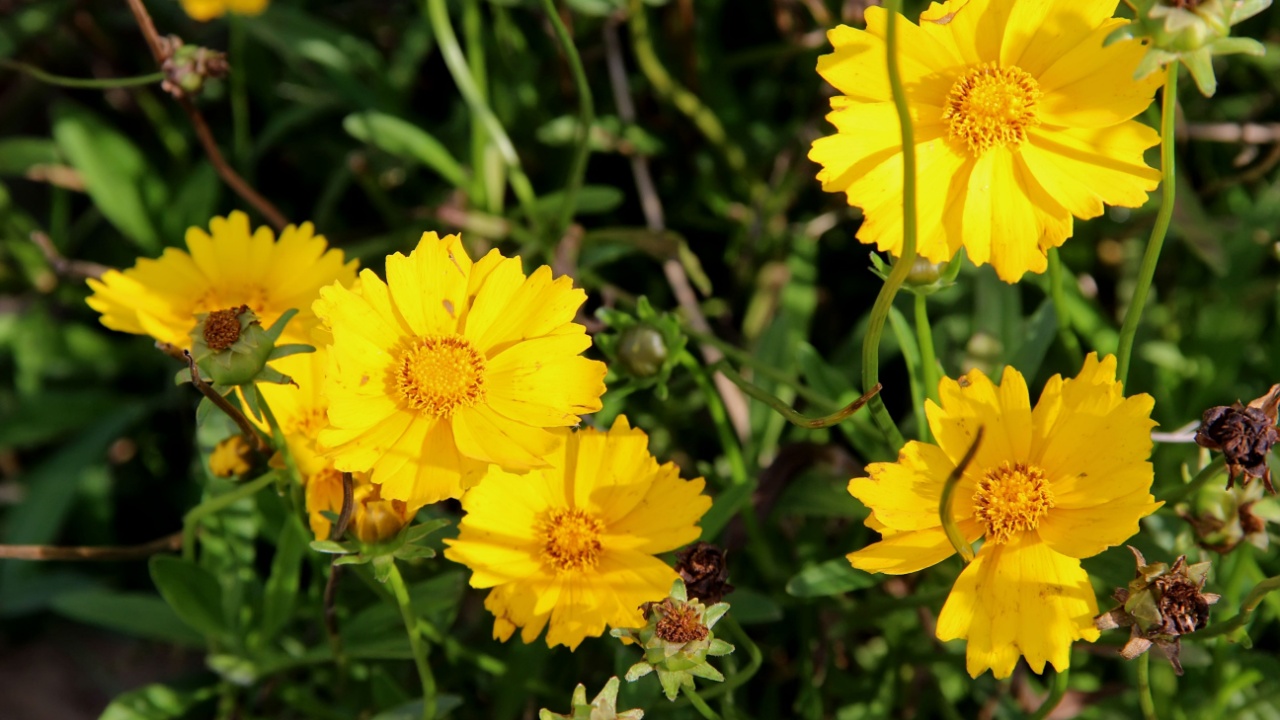
Early Coreopsis varieties such as ‘Early Sunrise’ were once popular for their cheerful yellow blooms, but they often proved short-lived and messy. Botanists note that Coreopsis grandiflora cultivars are easy to grow but tend to sprawl, self-seed aggressively, and decline after a few seasons, leaving gardeners with leggy plants by mid-summer. While they provide quick color, their untidy habit makes them less appealing for structured borders.
Quick Look:
- The Problem: Older varieties are often messy, leggy, and weedy self-seeders.
- Better Alternative: Modern Coreopsis hybrids are far superior. Coreopsis ‘Zagreb’ is a threadleaf variety that forms a neat, tidy mound and blooms for months without becoming a floppy mess. Coreopsis ‘Moonbeam’ is another classic, well-behaved choice with pale yellow flowers.
- Next Steps: Shear the plants back by half in mid-summer to encourage a fresh flush of growth and more blooms.
11. Geraniums (True Geraniums)
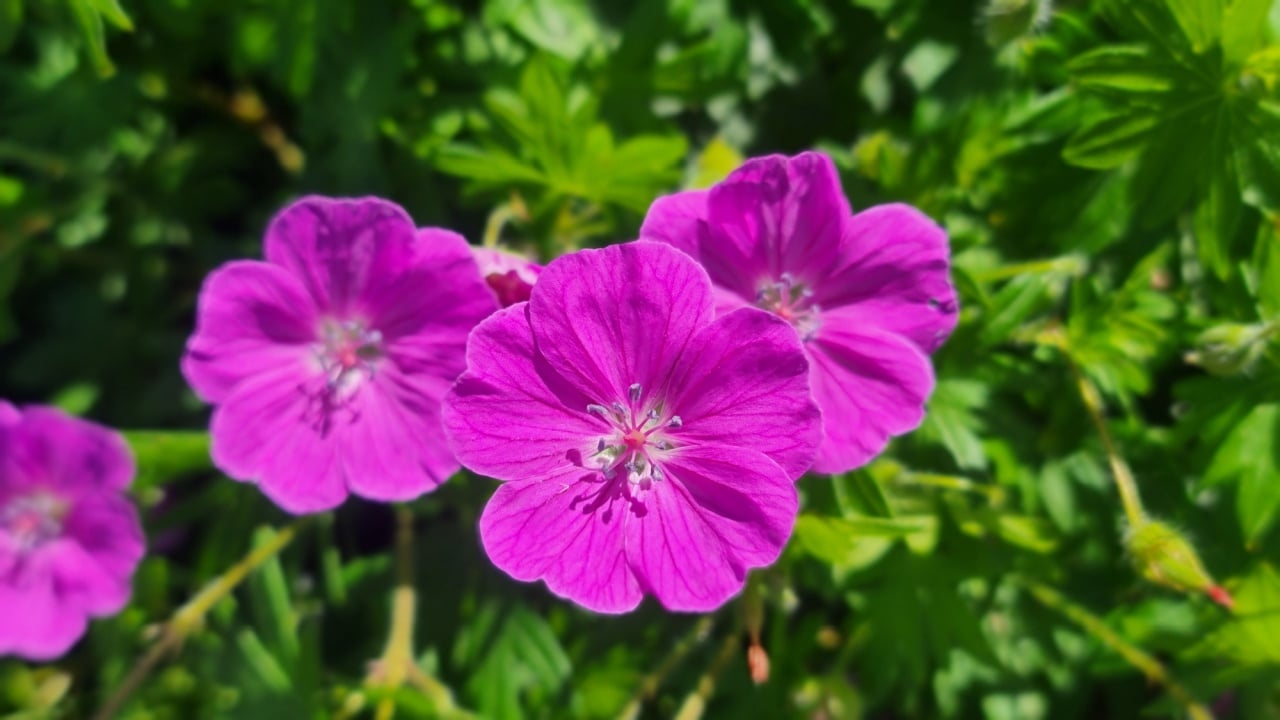
Not to be confused with the annuals (Pelargoniums), true Geraniums, or Cranesbills, can be wonderful. But some, like Geranium sanguineum, can spread with surprising vigor. Others, like the popular ‘Rozanne,’ are so vigorous they can swallow smaller, more delicate plants whole. They can also look a bit ragged after their main flush of blooms.
Quick Look:
- The Problem: Vigorous varieties can overwhelm other plants.
- Better Options: Lady’s Mantle (Alchemilla mollis).
- Next Steps: Give vigorous geraniums plenty of space or use them in areas where their spreading habit is a benefit, like on a large bank.
12. Gaillardia (Blanket Flower)
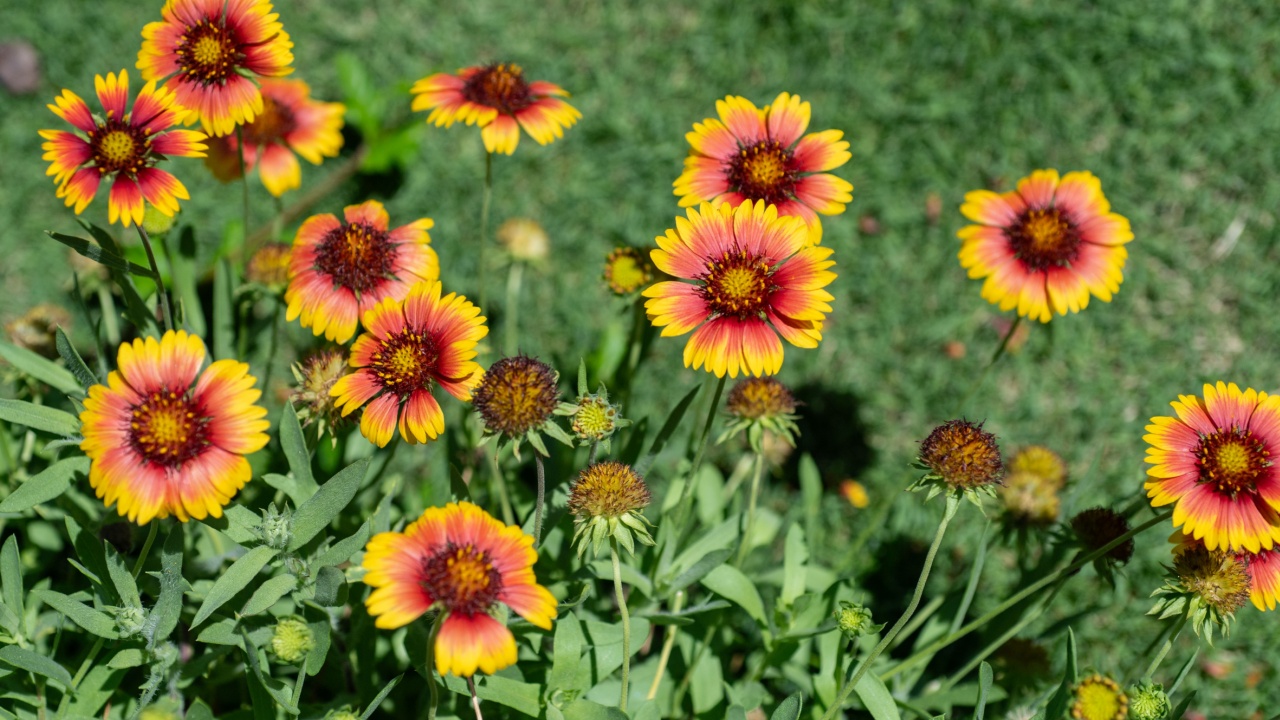
Gaillardia is celebrated for its heat and drought tolerance, but it’s another perennial that tends to be frustratingly short-lived, often disappearing after a season or two. It can also self-seed with abandon, but the new plants may not have the same vibrant colors as the original hybrid.
For long-blooming, drought-tolerant color, you can’t beat Coneflower (Echinacea). Available in a vast range of colors beyond the traditional purple, they are sturdy and reliable, and provide food for birds in winter if you leave the seed heads standing. Yarrow (Achillea) is another tough-as-nails perennial with flat-topped flowers that butterflies love.
Quick Look:
- The Problem: Often short-lived and can self-seed unpredictably.
- Better Option: Coneflower (Echinacea), Yarrow (Achillea).
- Next Steps: To prolong its life, ensure it has very sharp drainage, as it hates wet winter soil.
13. Shasta Daisies (Leucanthemum x superbum)
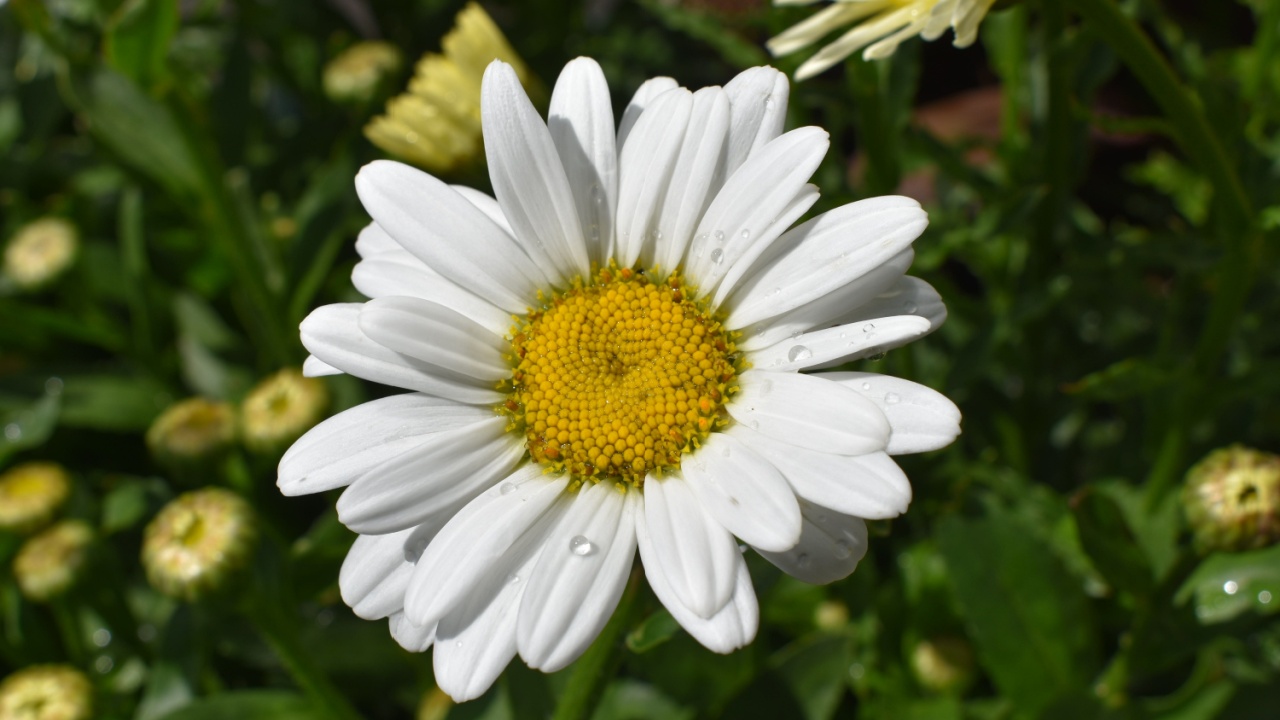
The classic, cheerful Shasta Daisy is a garden staple, but many older varieties can be floppy and require staking. They also have a habit of developing a dead center as they age, requiring division every couple of years to keep them looking good—a chore not everyone enjoys.
For a similar white, daisy-like flower that is much more self-sufficient, try Boltonia ‘Snowbank’. It grows into a shrub-like mound that is covered in small white asters in late summer and fall, and it never needs staking. It’s a low-maintenance showstopper.
Quick Look:
- The Problem: Can be floppy and requires frequent division.
- Better Options: Boltonia ‘Snowbank’.
- Next Steps: If you grow Shasta Daisies, choose modern, compact varieties like ‘Becky’ which are sturdier.
14. Lavender (Lavandula angustifolia)
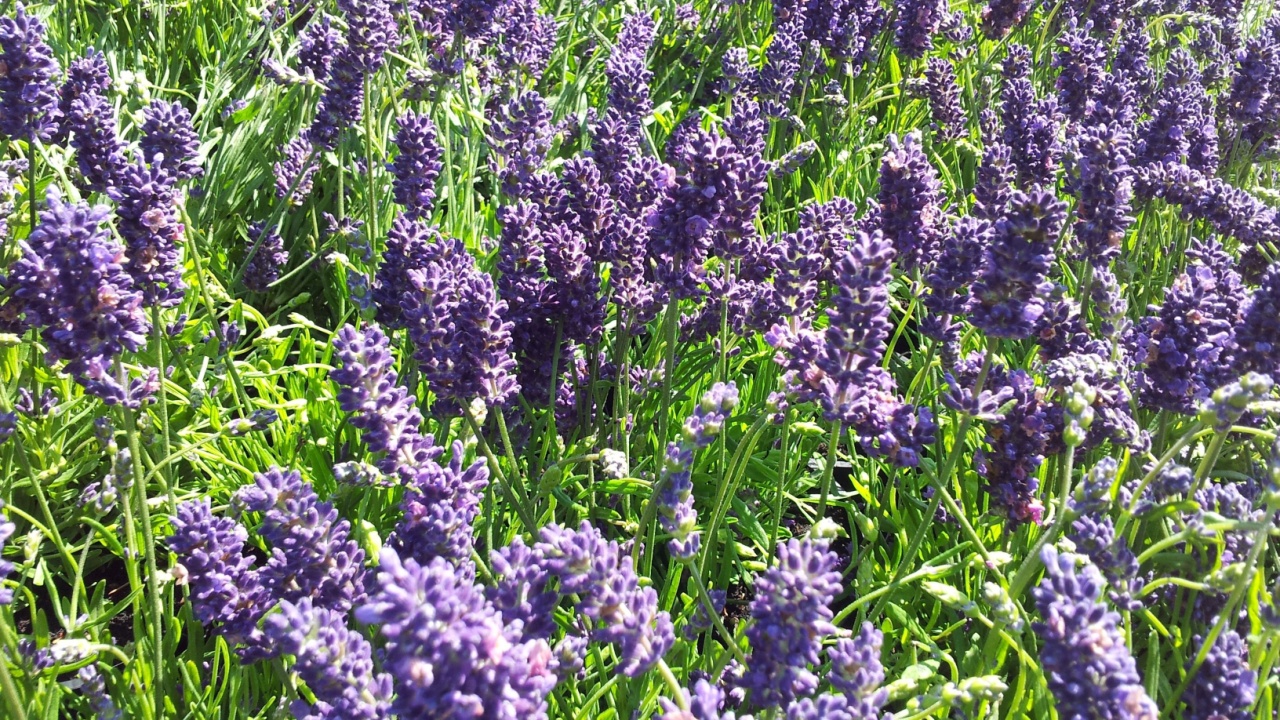
Everyone loves the idea of a fragrant lavender hedge. The reality is that lavender is very particular. It despises heavy clay soil and wet winters, which can cause it to rot. It also requires an annual pruning to prevent it from becoming woody and sparse. In zones with high humidity, it can struggle and look scraggly.
For a more adaptable purple-flowered perennial, look again to Russian Sage (Perovskia atriplicifolia). It has a similar airy texture and silvery foliage but tolerates a much wider range of soil types and climate conditions. Catmint (Nepeta) also gives a similar lavender-blue haze with a fraction of the fuss.
Quick Look:
- The Problem: Demands perfect drainage and can fail in clay soil or humid climates.
- Better Option: Russian Sage, Catmint (Nepeta).
- Next Steps: Plant lavender in a raised bed or on a slope with sandy, gravelly soil to give it the drainage it needs to survive.
15. Hibiscus (Hardy Hibiscus)
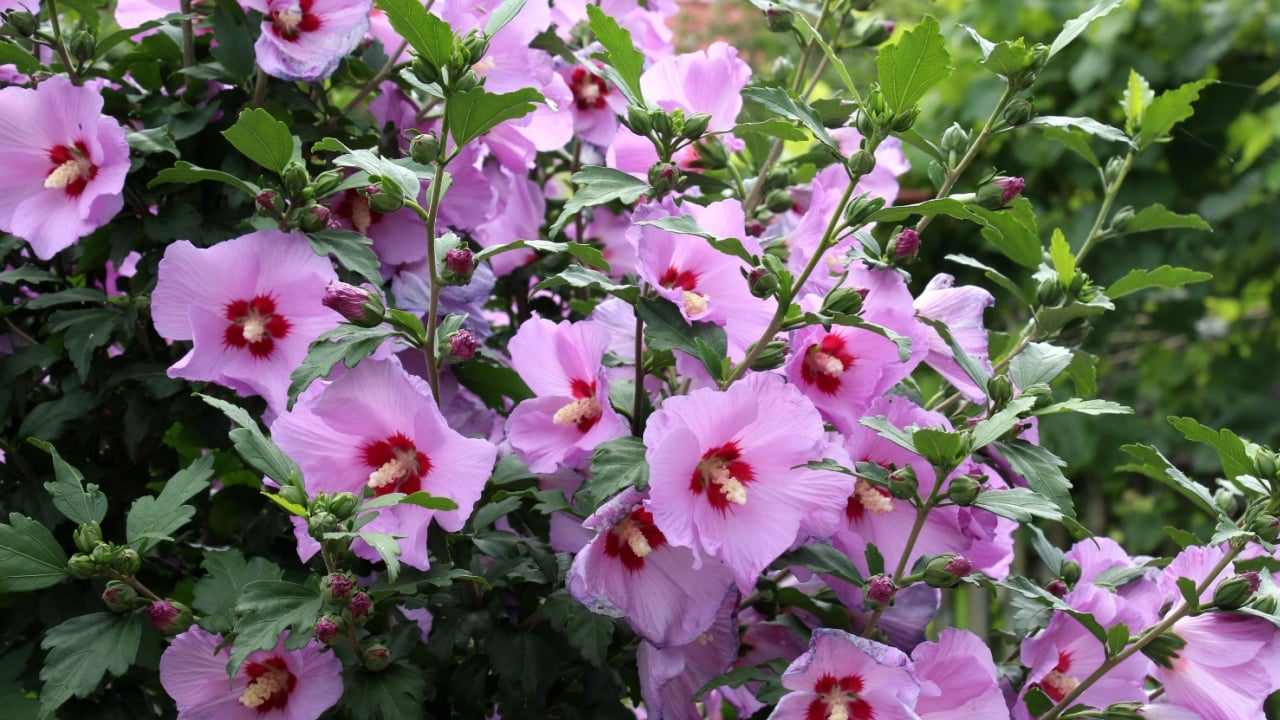
Hardy Hibiscus, also known as Rose Mallow, produces dinner-plate-sized flowers that are absolutely spectacular. The downside? The plants are very late to emerge in the spring, so late that many gardeners assume they are dead and accidentally dig them up. They also require consistently moist soil and can be a target for Japanese beetles.
For a big, bold, shrubby perennial with better timing, consider Joe Pye Weed (Eutrochium purpureum). This native giant produces huge domes of dusty-pink flowers in late summer that are a magnet for butterflies. It’s tough, reliable, and its foliage emerges at a reasonable time in spring.
Quick Look:
- The Problem: Emerges very late in spring, making placement tricky.
- Better Option: Joe Pye Weed.
- Next Steps: Mark the spot where your hibiscus is planted with a tall stake so you don’t forget it’s there in the spring.
16. Beardtongue (Penstemon)
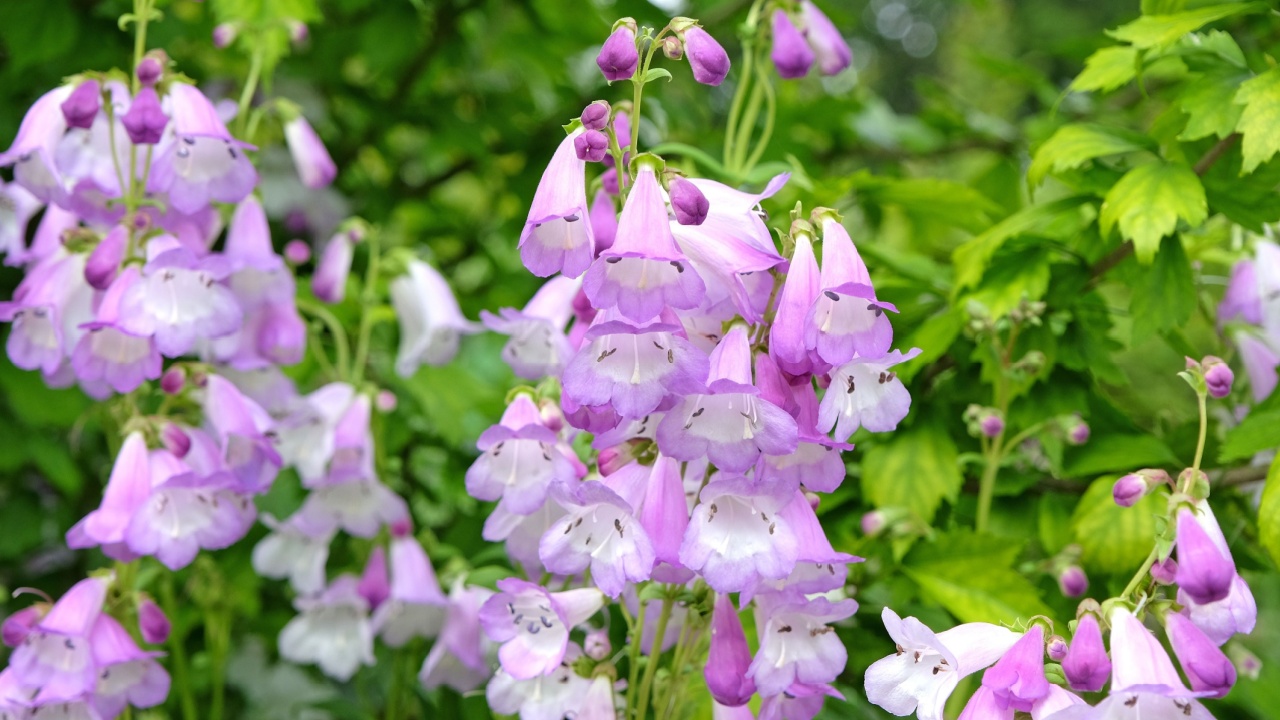
Beardtongue brings tall spikes to the spring and early summer border, with tubular blooms that hummingbirds absolutely lose their minds over. But for all that flair, it asks for more than its share of pampering. Many Penstemon species can be short-lived, especially the showiest varieties. Their need for ultra-sharp drainage means even mildly soggy soil can spell disaster, and they’re notorious for vanishing in winter wet.
If you’d like vertical flower spires that stick around longer, Salvia nemorosa (‘May Night’ and friends) brings repeat blooms, is unbothered by poor soil, and laughs at drought. Or plant Blazing Star (Liatris spicata), another North American native, which gives a sturdy, long-lasting floral display and is loved by pollinators.
Quick Look:
- The Problem: Short-lived, prone to winter rot, and picky about drainage.
- Better Option: Salvia nemorosa, Blazing Star (Liatris spicata).
- Next Steps: If you want to give Beardtongue a go, work in extra grit to your soil and plant on a slope or raised area; replace every few years, or treat it as a “here for a good time, not a long time” garden guest.
17. Catmint (Nepeta)
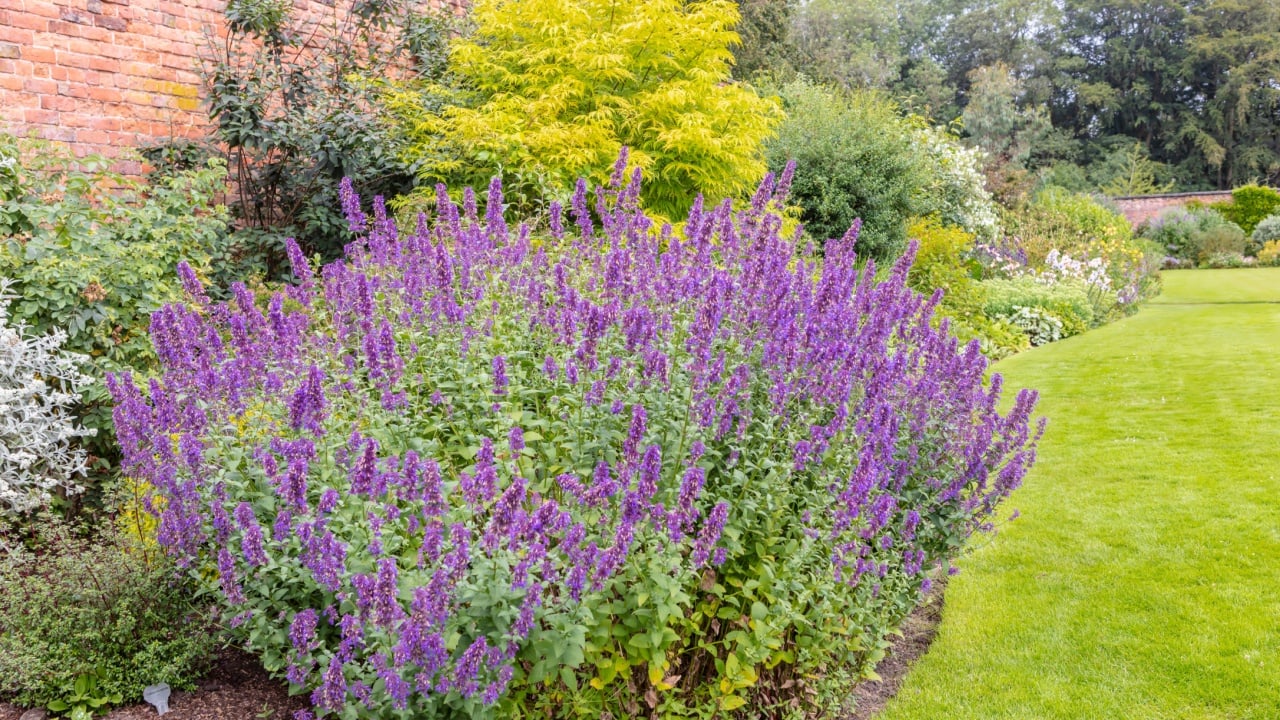
It may seem like it made both lists, but while varieties like ‘Walker’s Low’ are fantastic, the original Catmint (or Catnip, Nepeta cataria) can be somewhat of a pest. It self-seeds prolifically and can look weedy and unkempt. They may be among the low-maintenance, hardy perennials, but if you have neighborhood cats, they will roll in it, flattening it and anything nearby.
If you want the look without the feline fan club or the weediness, switch to a sterile hybrid. Nepeta x faassenii varieties, such as the more compact ‘Cat’s Pajamas’, offer the beauty of long-blooming purple spikes without the rampant self-seeding or the intense attraction to every cat on the block.
Quick Look:
- The Problem: The species type can be weedy and attracts cats who may damage plants.
- Better Option: Sterile hybrids like Nepeta ‘Walker’s Low’ or ‘Cat’s Pajamas’.
- Next Steps: If you want to grow it for your own cat, keep it in a pot on a patio.
Final Thoughts

Choosing plants for your garden should be a joy, not a sentence to years of hard labor. The next time you’re designing a bed or filling a gap, take a moment to consider not just a plant’s beauty, but its behavior. Are you looking for a plant that stays where you put it? Do you have time for staking and frequent division? Answering these questions honestly will guide you toward creating a garden that is both beautiful and manageable.