9 Hardy Perennials to Plant This Fall for Stunning Spring Blooms
As the warm days of summer give way to the crisp air of autumn, the gardening season might feel like it’s coming to a close. But for the savvy gardener, this is a golden opportunity. Fall is the perfect time to get a head start on next year’s garden by planting hardy perennials. Planting in the cooler soil of autumn allows these plants to focus all their energy on developing strong, deep root systems before winter. This head start means they’ll burst with more vigorous growth and spectacular blooms come springtime.
By planting now, you’re not just saving yourself time in the busy spring season; you’re setting the stage for a healthier, more resilient garden. The combination of warm soil and cool air reduces transplant shock and encourages robust root development. Let’s explore nine fantastic perennials that you can plant this fall for a truly stunning display of color and life next spring.
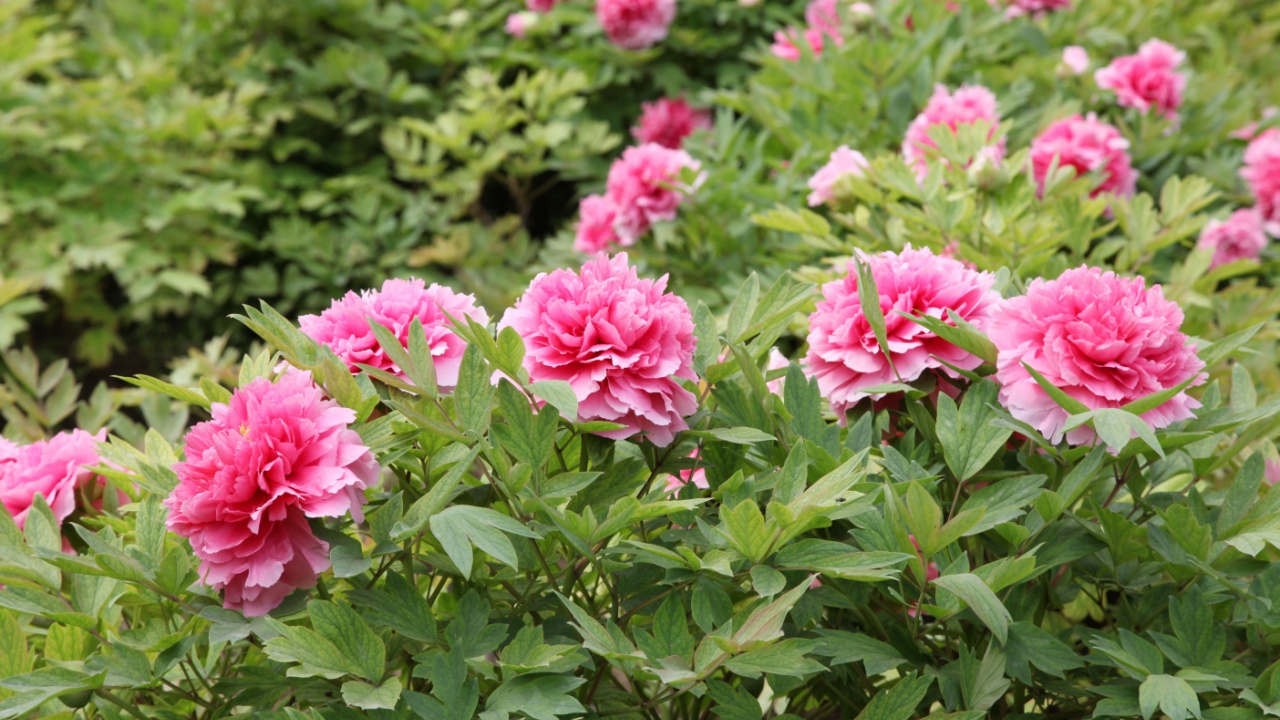
1. Peony (Paeonia)
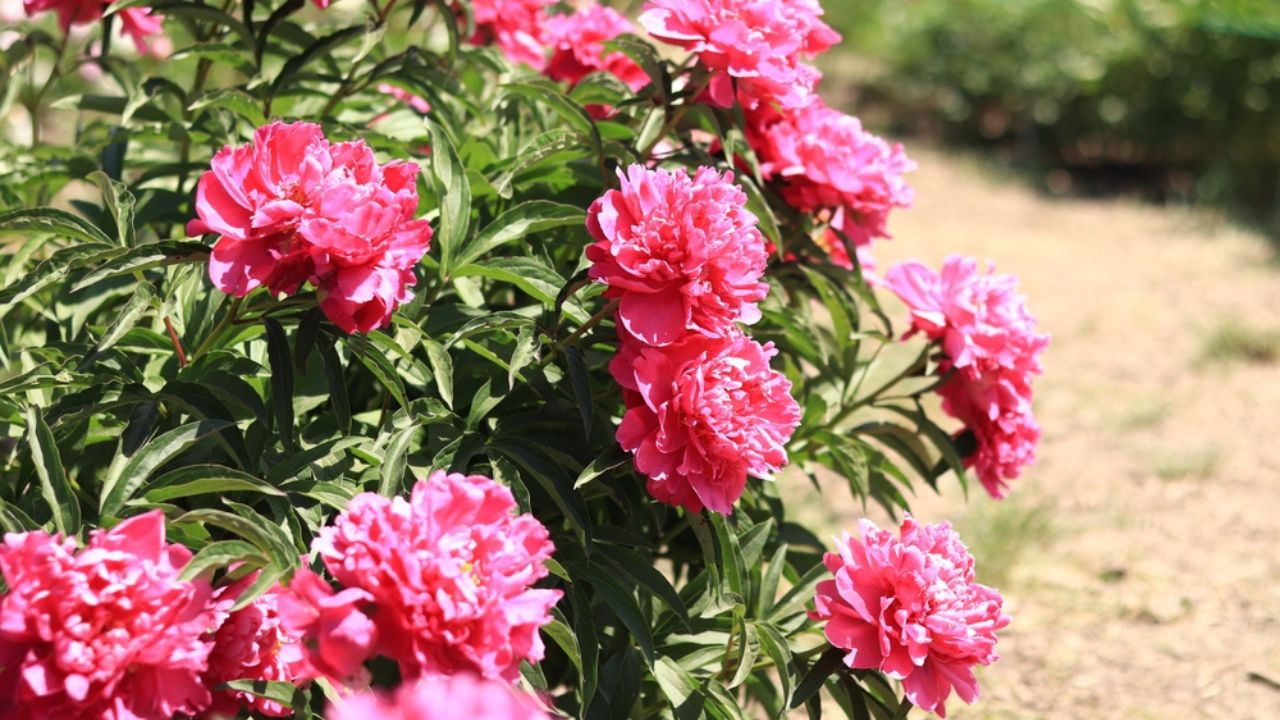
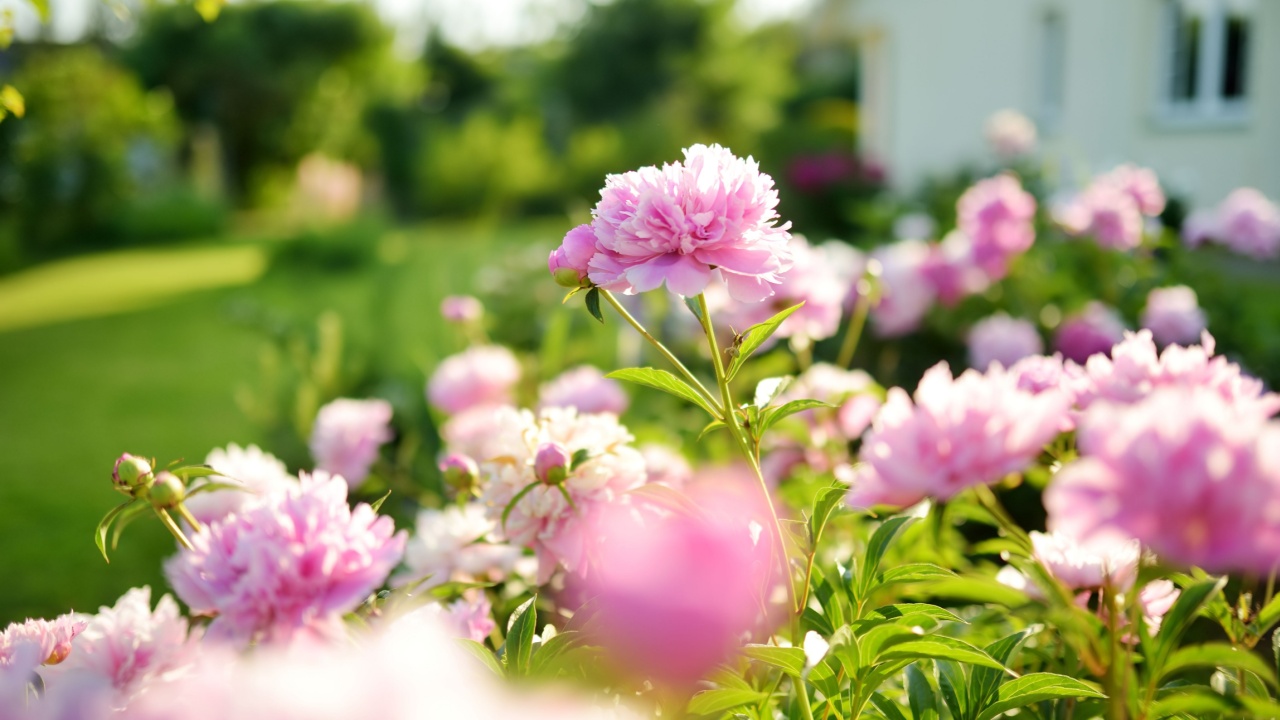
Peonies are the queens of the late spring garden, producing large, fragrant, and incredibly showy blossoms that are perfect for bouquets. Their lush, glossy foliage remains attractive all season long, making them a foundational plant for any perennial border. Planting them in the fall is the best way to ensure they establish well and reward you with their iconic blooms.
Why It’s a Great Choice: Peonies are exceptionally long-lived plants, often thriving for decades—or even a century—in the same spot with minimal care. Their resilience and breathtaking beauty make them a worthwhile investment for any garden. Fall planting gives their tuberous roots ample time to settle in and store energy for a spectacular spring debut.
Planting and Care Tips: Choose a sunny location that receives at least six hours of direct sunlight each day. Peonies need well-draining soil, so amend heavy clay with compost to improve its texture. When planting bare-root peonies, position the “eyes” (small reddish buds on the root) no more than 1-2 inches below the soil surface. Planting them too deep is a common reason for a lack of flowers. Water them well after planting and provide a layer of mulch to protect them through their first winter.
Quick Guide
- Sunlight: Full sun (6+ hours)
- Soil: Well-draining, enriched with compost
- Planting Depth: 1-2 inches for bare roots
- Water: Keep moist after planting, then average needs
- Tip: Provide support with a peony ring as they grow to prevent heavy blooms from flopping over.
2. Columbine (Aquilegia)
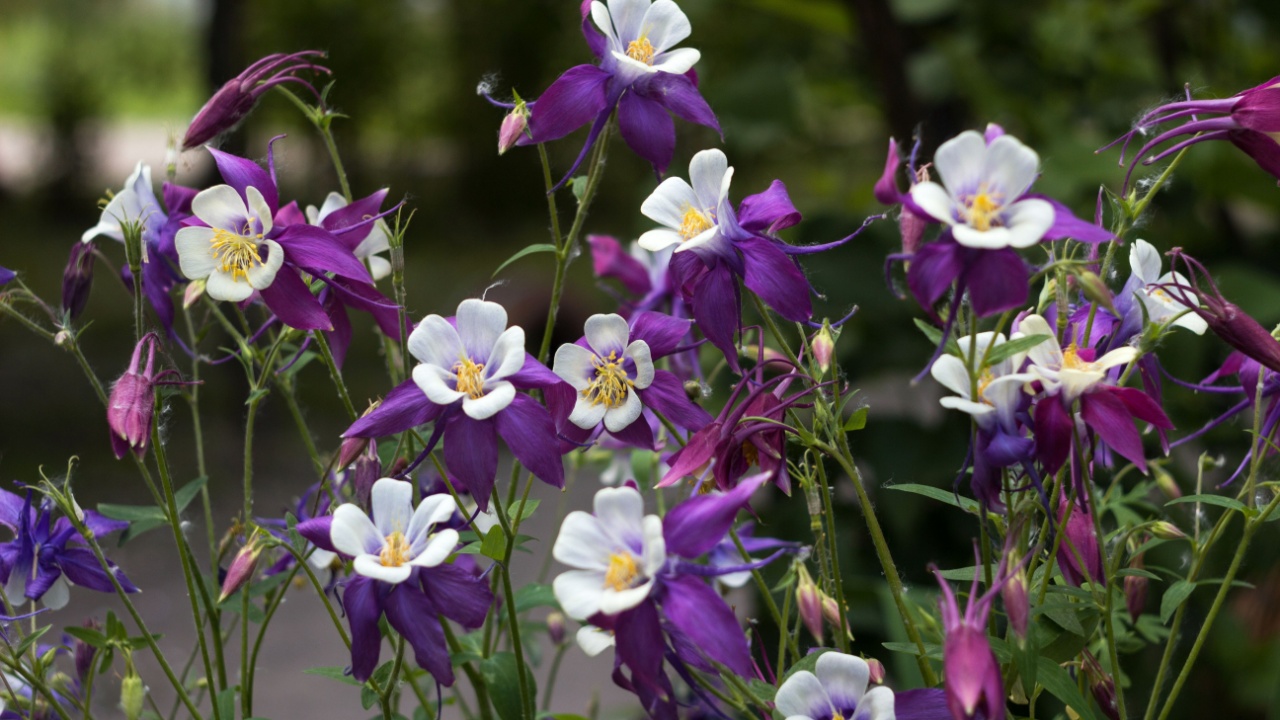
With their intricate, bell-shaped flowers that look like tiny, folded origami, Columbines bring a unique and delicate charm to the garden. These perennials come in a wide range of colors, from soft pastels to vibrant bi-color combinations, and are a favorite of hummingbirds.
Why It’s a Great Choice: Columbine is a tough plant that readily self-seeds, creating a beautiful, naturalized cottage garden effect over time. It thrives in conditions that might be challenging for other flowers, including partial shade and average soil. Planting in the fall allows them to establish their taproots, leading to stronger, more floriferous plants in the spring.
Planting and Care Tips: Columbines are not fussy. They prefer a spot with morning sun and afternoon shade, especially in warmer climates. Plant them in well-draining soil, setting the crown at soil level. Water them regularly after planting until the ground freezes. While they are relatively short-lived perennials (3-4 years), their self-seeding nature ensures they will continue to grace your garden for years to come.
Quick Guide
- Sunlight: Part shade to full sun
- Soil: Well-draining, average soil
- Water: Moderate, especially during dry spells
- Tip: To prevent excessive self-seeding, you can deadhead the spent flowers. However, leaving a few will ensure you have new plants next year.
3. Bleeding Heart (Dicentra spectabilis)
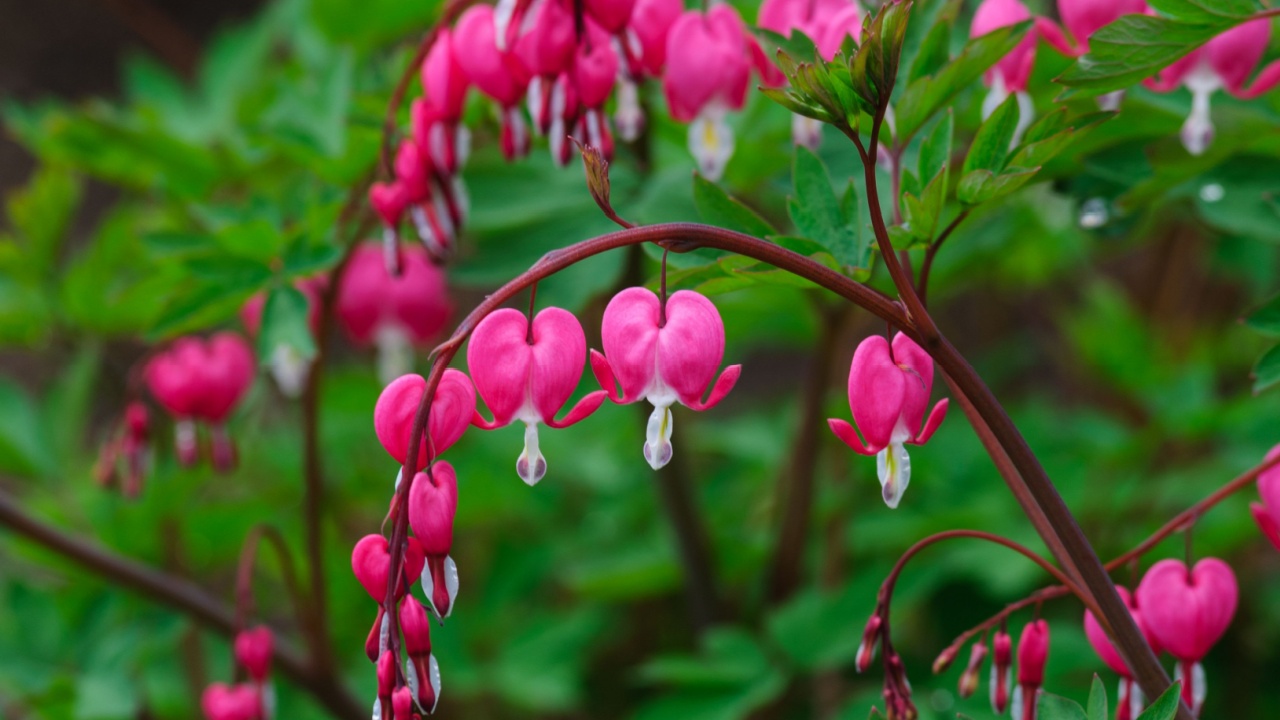
The Bleeding Heart is a classic shade garden favorite, celebrated for its arching stems adorned with unmistakable heart-shaped, pink-and-white flowers. It’s one of the earliest perennials to bloom, offering a romantic and graceful presence when much of the garden is just waking up.
Why It’s a Great Choice: This perennial thrives in the cool, moist conditions of spring and provides a stunning floral display before many other plants have even begun to grow. Planting in the fall gives its fragile roots a chance to establish without the stress of summer heat. Once established, it is a reliable and low-maintenance performer.
Planting and Care Tips: Find a location in part to full shade with rich, moist, and well-draining soil. Bleeding Hearts do not like “wet feet,” so avoid boggy areas. Plant the root crowns about an inch below the soil surface and water thoroughly. The foliage will naturally die back and go dormant in the heat of mid-summer, so don’t be alarmed when it disappears. This is a normal part of its life cycle.
Quick Guide
- Sunlight: Part to full shade
- Soil: Rich, moist, well-draining
- Water: Keep consistently moist
- Tip: Plant it among later-emerging perennials like Hostas or Ferns, which will fill in the gap left when the Bleeding Heart goes dormant.
4. Bearded Iris (Iris germanica)
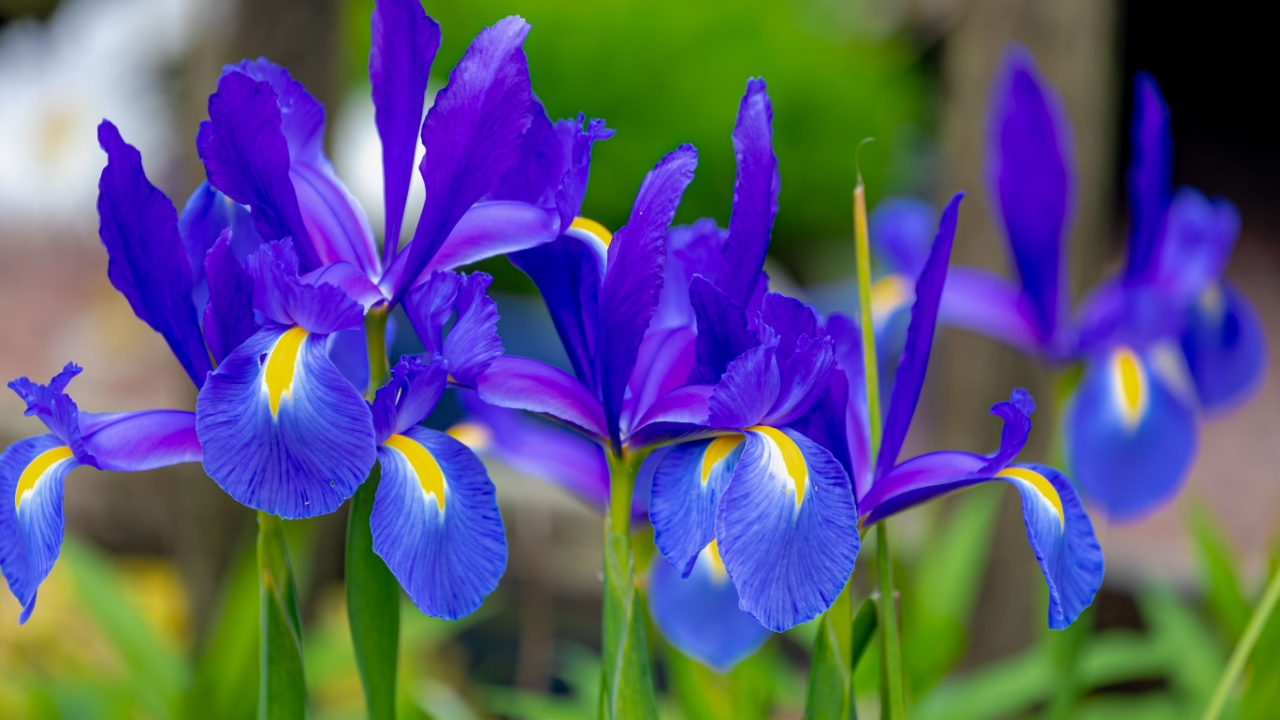
Bearded Irises offer incredible diversity in color, form, and size, with ruffled petals that create a dramatic effect in the late spring garden. Their sword-like foliage provides strong vertical interest even when the plants are not in bloom.
Why It’s a Great Choice: These are tough, drought-tolerant perennials once established. Late summer and early fall are the ideal times to plant or divide iris rhizomes. This timing allows the roots to anchor themselves firmly before winter, leading to robust growth and a profusion of flowers the following year.
Planting and Care Tips: Irises demand full sun and excellent drainage. They are prone to rot in soggy soil. When planting the rhizomes (the thick, fleshy roots), position them so the top surface is slightly exposed to the sun. Planting them too deeply will inhibit flowering. Space them about 12-18 inches apart to ensure good air circulation, which helps prevent disease. Water them after planting, but once established, they have low water needs.
Quick Guide
- Sunlight: Full sun (at least 6 hours)
- Soil: Excellent drainage is critical
- Planting Depth: The top of the rhizome should be visible at the soil line
- Water: Low once established
- Tip: Divide your iris clumps every 3-4 years in late summer to reinvigorate them and promote better blooming.
5. Phlox (Phlox paniculata)
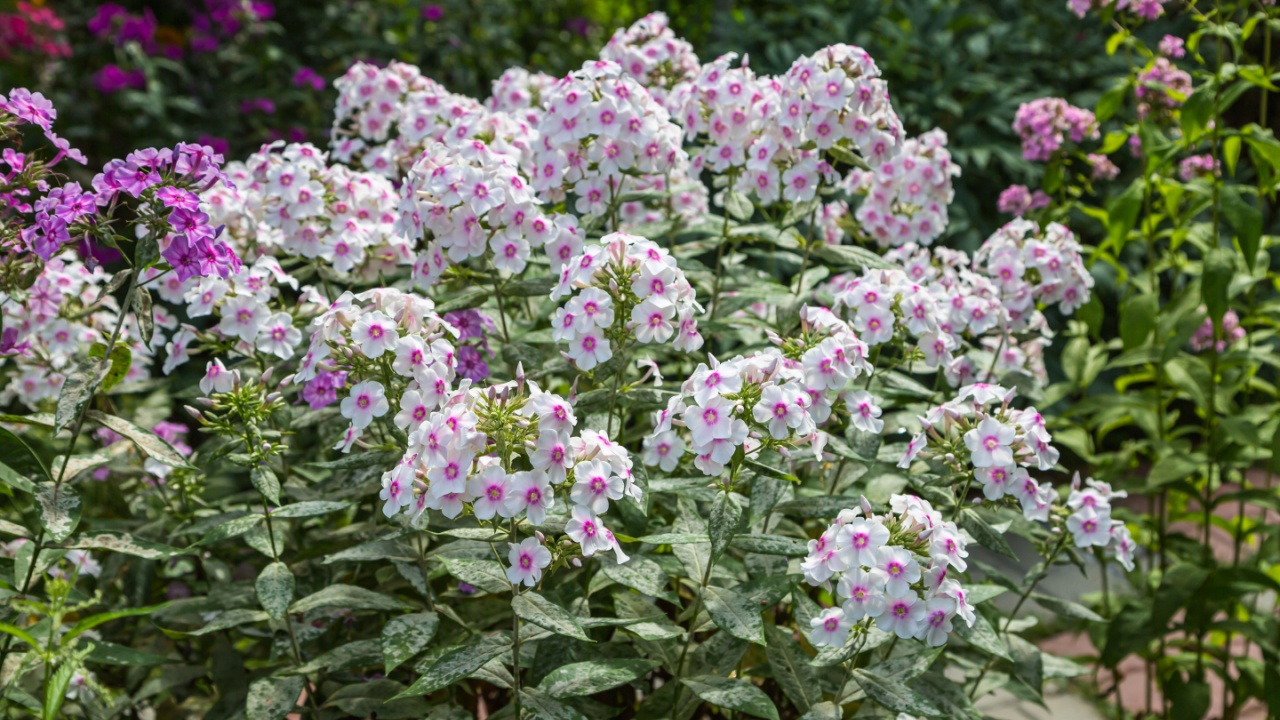
Garden Phlox produces large, fragrant clusters of flowers from mid-summer into fall, but planting it in autumn gives it a strong start. These classic cottage garden plants are butterfly magnets and come in a spectrum of colors, including white, pink, magenta, and lavender.
Why It’s a Great Choice: Phlox provides a long season of color when many spring bloomers have faded. A fall planting allows the root system to develop fully, resulting in a sturdier, healthier plant that is better equipped to handle summer heat and resist common issues like powdery mildew.
Planting and Care Tips: Plant Phlox in a spot with full sun and fertile, moist, well-draining soil. Good air circulation is key to preventing powdery mildew, so give them plenty of space. Water deeply during dry periods and apply a layer of mulch to help retain soil moisture and keep the roots cool. Deadheading the spent flower clusters can encourage a second, smaller flush of blooms.
Quick Guide
- Sunlight: Full sun
- Soil: Fertile and moist, with good drainage
- Water: Moderate to high
- Tip: Look for mildew-resistant varieties if this is a common problem in your area. Thinning stems in spring can also improve air circulation.
6. Daylily (Hemerocallis)
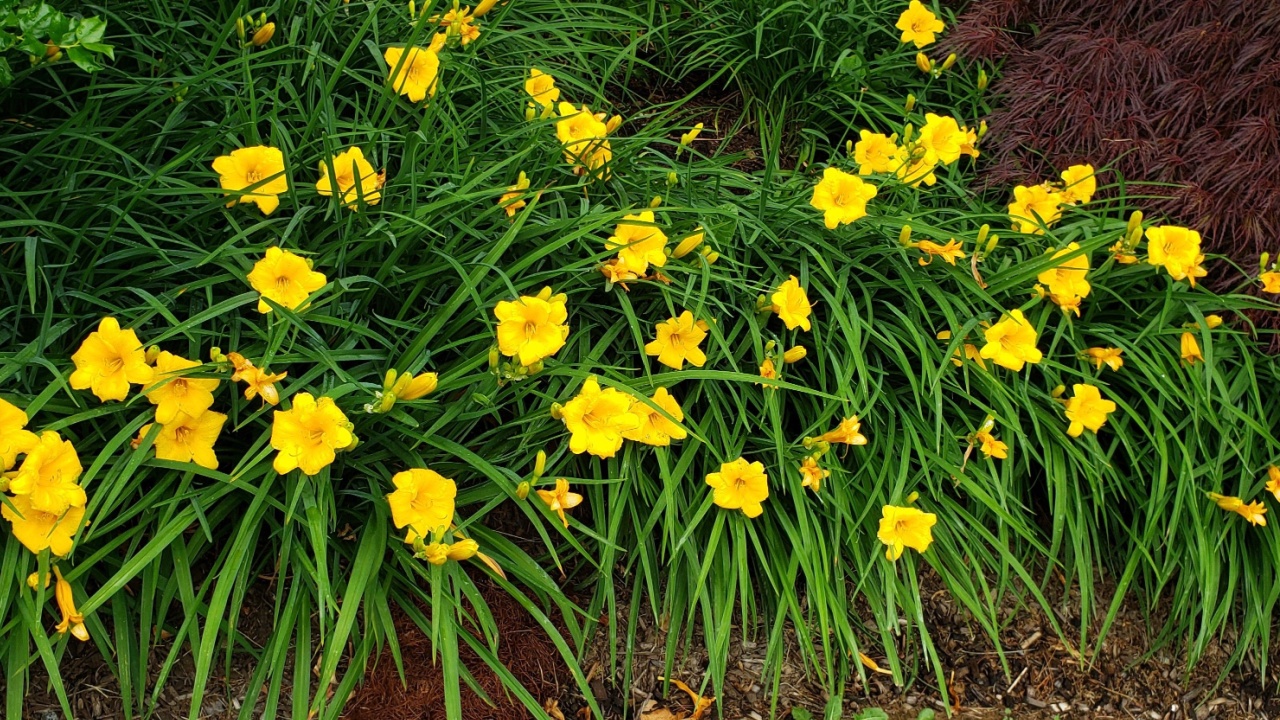
Daylilies are perhaps one of the most foolproof perennials you can grow. They are known for their beautiful, trumpet-shaped flowers that come in nearly every color imaginable. While each flower lasts only for a day, a mature plant produces a succession of blooms for several weeks.
Why It’s a Great Choice: Daylilies are incredibly adaptable and resilient. They tolerate a wide range of soil types, are drought-resistant once established, and are largely untroubled by pests or diseases. Planting them in the fall is a great way to establish new beds or divide overgrown clumps, giving them plenty of time to root before winter.
Planting and Care Tips: Daylilies perform best in full sun but will tolerate part shade (though with fewer flowers). They are not particular about soil, as long as it isn’t completely waterlogged. Plant the crown no more than an inch below the soil surface. Water them well after planting and during their first growing season to encourage a deep root system.
Quick Guide
- Sunlight: Full sun to part shade
- Soil: Adaptable to most soil types
- Water: Low to moderate once established
- Tip: You can find reblooming varieties that flower in early summer and then again in late summer or fall, extending the color in your garden.
7. Oriental Poppy (Papaver orientale)
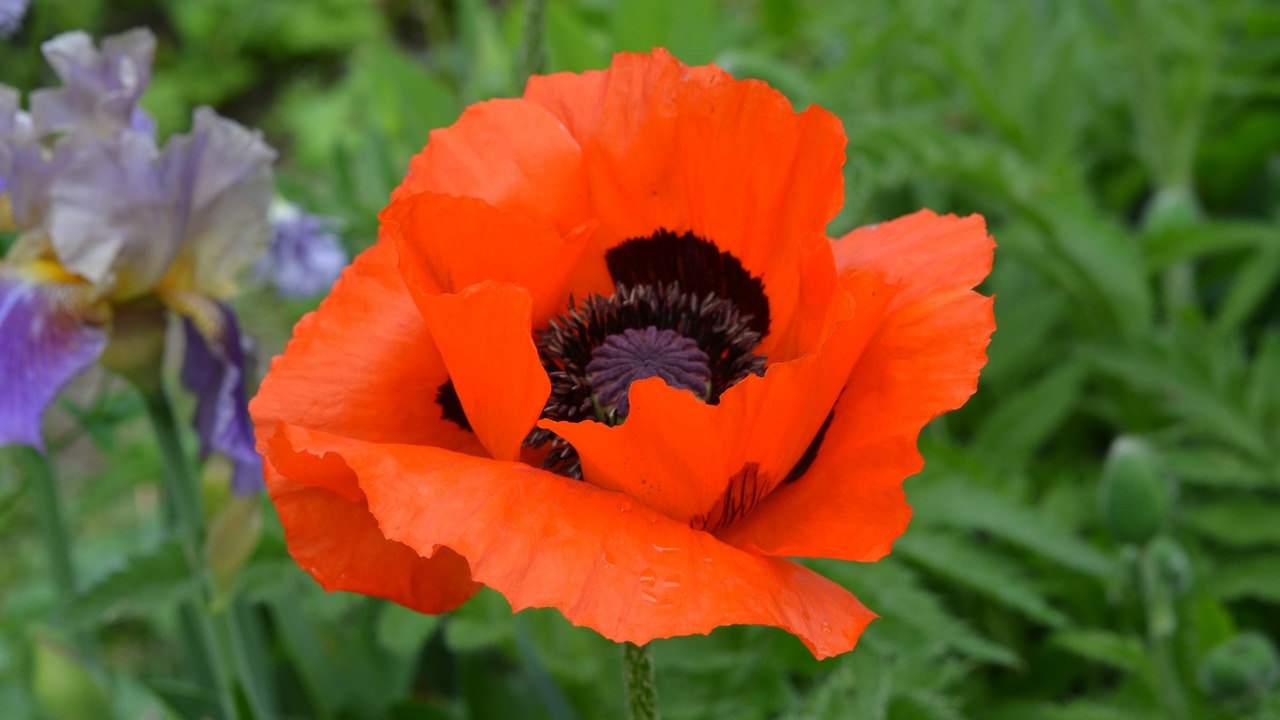
For a splash of show-stopping color in late spring, nothing beats the Oriental Poppy. Their huge, crepe-paper-like blossoms in shades of fiery orange, red, pink, and white sit atop tall, bristly stems, creating a bold statement in the garden.
Why It’s a Great Choice: Poppies have a unique life cycle. They emerge and flower in the cool weather of spring, then go dormant during the summer heat before putting out a new flush of foliage in the fall. This makes autumn the perfect time to plant their bare roots, as they are actively growing roots at this time.
Planting and Care Tips: Choose a site with full sun and well-draining soil, as their taproots are susceptible to rot. Plant the crowns about 2-3 inches deep. Water them after planting, but be careful not to overwater. Like Bleeding Hearts, their foliage will disappear in summer, so mark their location and plant them near other perennials that will fill the empty space.
Quick Guide
- Sunlight: Full sun
- Soil: Excellent drainage is a must
- Water: Low to moderate
- Tip: Oriental poppies resent being moved once established due to their long taproot, so choose their permanent home carefully.
8. Hellebore (Helleborus)
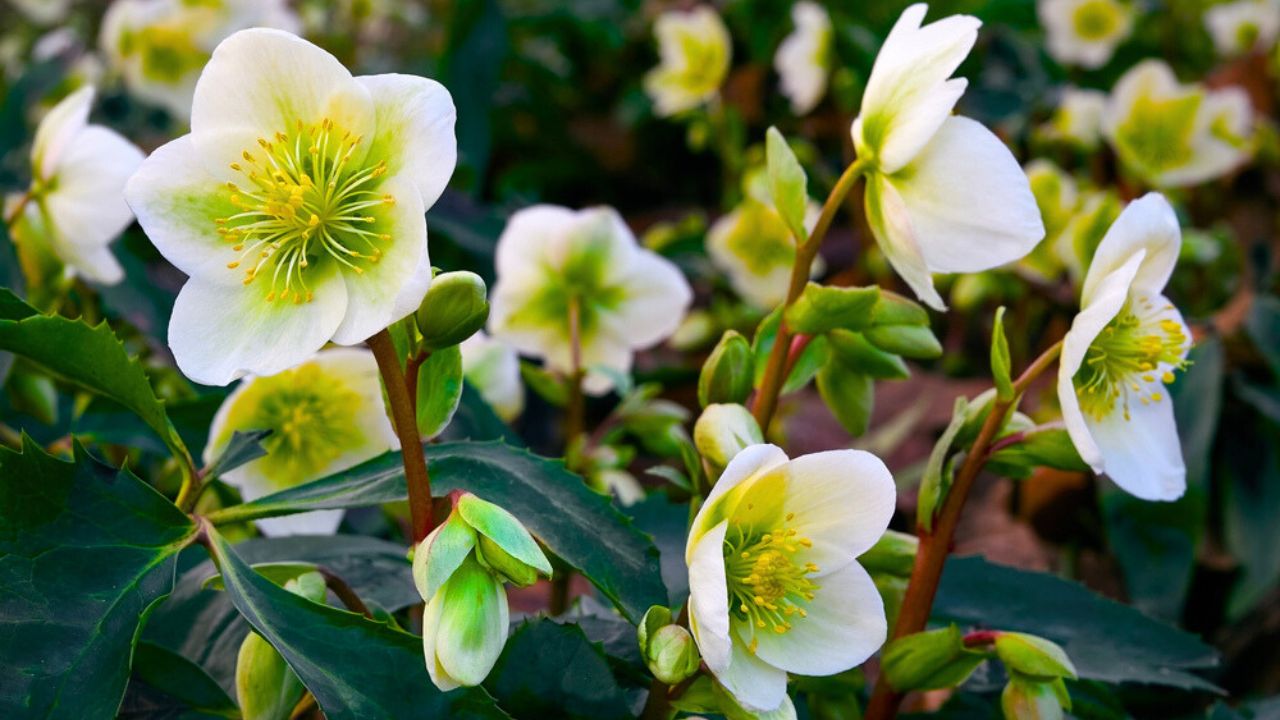
Often called Lenten Rose or Christmas Rose, Hellebores are the true heroes of the late winter and early spring garden. They produce beautiful, cup-shaped, downward-facing flowers in shades of white, pink, green, and deep purple, often when snow is still on the ground.
Why It’s a Great Choice: Hellebores are tough, evergreen, and deer-resistant shade lovers. Their ability to bloom in the coldest months provides color and interest when nothing else is happening in the garden. Planting in the fall gives them a long, cool season to establish their roots before they put their energy into flowering.
Planting and Care Tips: Plant Hellebores in a shaded or partially shaded location with rich, well-draining soil. They appreciate consistent moisture but are surprisingly drought-tolerant once established. In late winter, you can trim away the old, tattered foliage to better display the emerging flowers and prevent disease.
Quick Guide
- Sunlight: Part to full shade
- Soil: Rich, well-draining soil
- Water: Moderate, drought-tolerant when mature
- Tip: The flowers last for a very long time, gradually fading to green but remaining attractive on the plant for months.
9. Catmint (Nepeta)
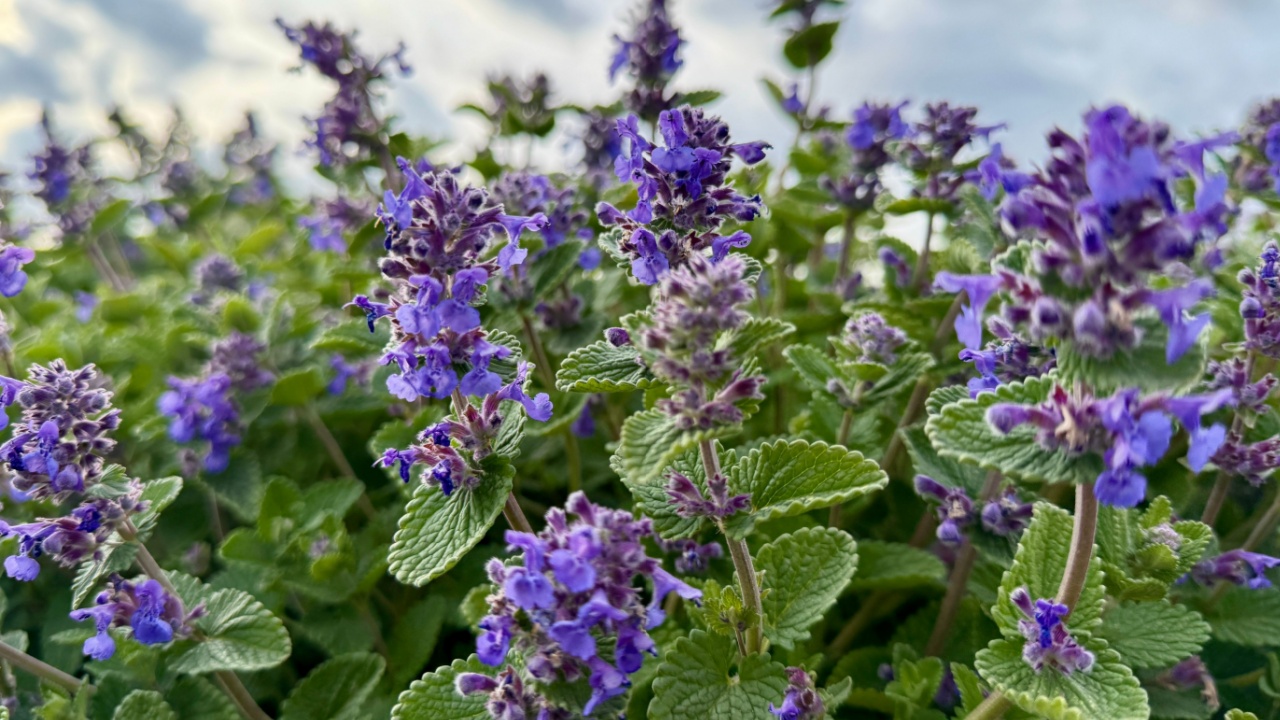
Catmint is a workhorse perennial, prized for its long bloom time, drought tolerance, and aromatic, gray-green foliage. From late spring through fall, it produces clouds of lavender-blue flowers that are irresistible to bees and butterflies (and yes, cats too!).
Why It’s a Great Choice: If you need a low-maintenance plant that offers months of color, Catmint is an excellent choice. It’s tough, deer-resistant, and thrives in conditions where other plants might struggle, including hot, dry spots. Fall planting helps it establish a deep root system, making it even more resilient to summer drought.
Planting and Care Tips: Give Catmint a spot in full sun with average, well-draining soil. It actually performs best in soil that isn’t overly rich. After the first major flush of flowers in early summer, shear the plant back by about half. This will encourage a fresh flush of foliage and a second wave of blooms that can last until frost.
Quick Guide
- Sunlight: Full sun
- Soil: Average, well-draining soil
- Water: Low; very drought-tolerant
- Tip: Choose sterile varieties like ‘Walker’s Low’ if you don’t want it to self-seed throughout your garden.
Get a Head Start on a Beautiful Spring Garden
Now that you have some ideas, it’s time to take action. Start by assessing your garden space. Take note of sunny spots and shady corners, and check your soil drainage. A simple weekend project could be amending your garden beds with compost to prepare a rich, welcoming home for your new plants. Visit your local nursery or browse online retailers to purchase your chosen perennials.
Many garden centers have sales on perennials in the fall. Once you have your plants, get them in the ground a few weeks before the first hard frost to give them time to settle in. A good layer of mulch is like a cozy blanket that will protect their roots through the winter. By taking these steps now, you’re making a wonderful investment in the future of your garden. When spring arrives, you’ll be rewarded with a vibrant, flourishing landscape that will bring you joy all season long.