8 Tricks to Lower the Cost of Owning a Home
Owning a home is often painted as the ultimate dream. What the brochure leaves out is the part where your wallet feels like it’s constantly being drained by a thousand tiny, house-shaped straws. From surprise repairs to bills that seem to have a mind of their own, the costs can add up quickly. How then can you lower the cost of owning a home?
You shouldn’t feel like you are under financial siege every time you walk into your home. With a few clever adjustments and a little forward thinking, you can significantly reduce your expenses and make homeownership feel less like a burden and more like the rewarding experience it’s meant to be. Here are eight ways you can do that.
1. Make Your Home Energy-Efficient

An inefficient home is like having a hole in your pocket; money keeps slipping out. Energy-efficient upgrades are a fantastic way to plug that hole. By using appliances and materials that consume less power, you directly lower your monthly utility bills. Simple changes like switching to LED light bulbs or adding insulation can make a noticeable difference in your energy consumption and, consequently, your bank account.
Quick Scan:
- What to do: Install smart thermostats, switch to LED lighting, and add extra insulation to your attic and walls.
- Why it helps: These upgrades reduce your home’s energy use, leading to lower monthly electricity and heating bills.
- Next step: Conduct a home energy audit to identify the biggest areas of energy loss. Many utility companies offer these for free or at a reduced cost.
2. Embrace Proactive Maintenance
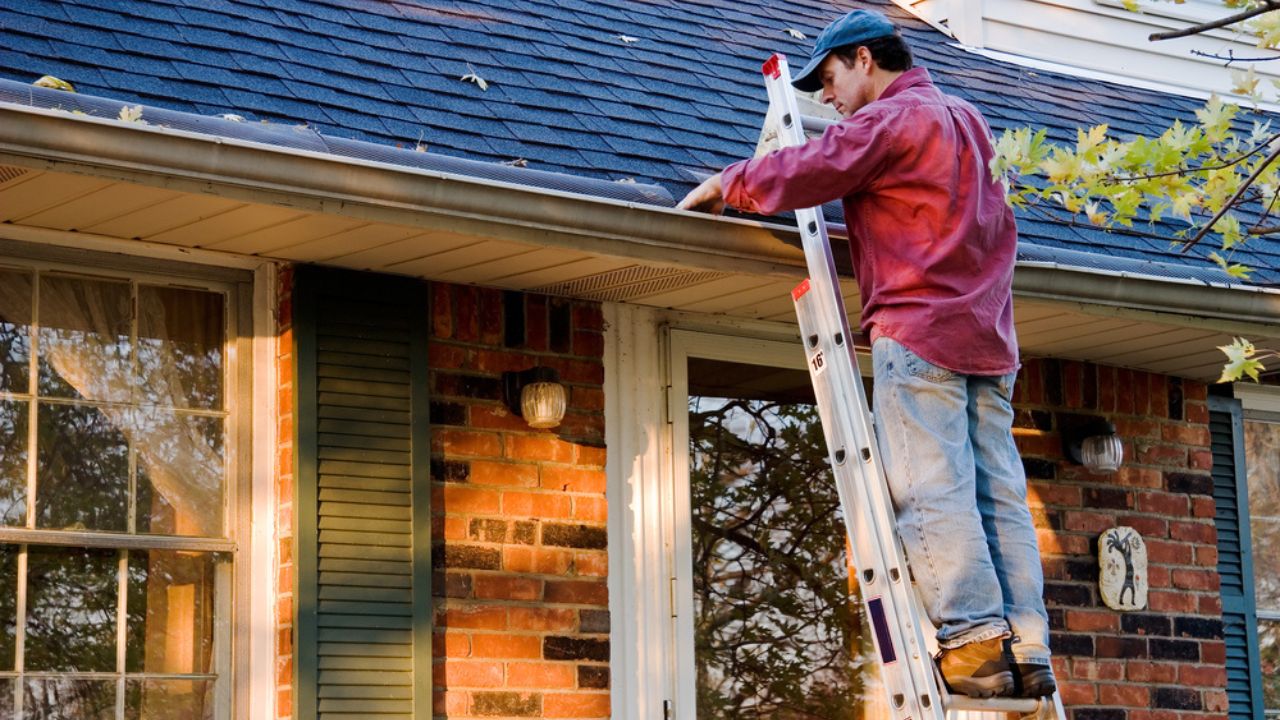
Small problems have a habit of growing into big, expensive headaches if ignored. A dripping faucet might seem harmless, but it can waste hundreds of gallons of water a month. Likewise, clogged gutters can lead to water damage in your roof and foundation. Proactive maintenance means you plan to catch these minor issues before they escalate. By dedicating a little time to upkeep throughout the year, you prevent catastrophic failures that require costly emergency repairs.
Quick Scan:
- What to do: Regularly inspect for and fix small issues like leaky faucets, running toilets, and drafty windows. Clean gutters each season.
- Why it helps: Prevents minor issues from turning into major, budget-breaking repairs.
- Next step: Create a seasonal home maintenance checklist. Break tasks down by month to make them more manageable and less overwhelming.
3. Shop Around for Essential Services

Loyalty is a fine quality, but it shouldn’t cost you money. Many homeowners stick with the first service provider they find for things like insurance, internet, and utilities. This can be a costly mistake. Companies often have introductory offers and competitive rates to attract new customers. Taking the time to compare providers annually can reveal significant savings. Even a small reduction in a recurring monthly bill adds up to a substantial amount over the course of a year.
Quick Scan:
- What to do: Annually compare rates for your homeowner’s insurance, internet, and other recurring services.
- Why it helps: You can find better deals and lower your fixed monthly expenses.
- Next step: Set a calendar reminder once a year to gather quotes from at least three different providers for each service.
4. Challenge Your Property Tax Assessment

Your property tax bill is one of the largest costs of homeownership, but it isn’t set in stone. Tax assessments determine the value of your home for tax purposes, and they can sometimes be inaccurate or inflated. You have the right to appeal an assessment you believe is too high. A successful appeal can lower your property taxes for years to come. This requires a bit of homework, but the potential savings make it a worthwhile effort.
Quick Scan:
- What to do: Review your property tax assessment for accuracy. If it seems high, file an appeal.
- Why it helps: A lower assessed value means a lower property tax bill.
- Next step: Research recent sale prices of comparable homes in your neighborhood. This data will be your strongest evidence in an appeal.
5. Install Safety Features for Insurance Discounts

Insurance companies love homeowners who reduce risk. By installing certain safety and security features, you make your home less of a liability in their eyes, and they may reward you with lower premiums. Items like smoke detectors, deadbolts, and security systems demonstrate that you are a responsible homeowner. Newer technology, such as smart water leak detectors that shut off the main water line, can offer even deeper discounts because they prevent costly water damage claims.
Quick Scan:
- What to do: Install a home alarm system, smart smoke detectors, and water leak detectors.
- Why it helps: These features can qualify you for significant discounts on your homeowner’s insurance premiums.
- Next step: Contact your insurance agent and ask for a specific list of safety features that qualify for discounts.
6. Focus on Improvements with Good ROI

Some renovations are necessary, but there are home improvements that no one needs. Some updates add more value to your home than they cost to complete. Focusing on projects with a high return on investment (ROI) is a smart financial move. Kitchen and bathroom remodels are classic examples, but less glamorous upgrades like new insulation or updated windows often provide an even better financial return. These improvements make your home more enjoyable now and more valuable later.
Quick Scan:
- What to do: Prioritize home improvement projects that offer a high return on investment.
- Why it helps: It increases your home’s value and can also lower utility costs.
- Next step: Before starting a project, research the average ROI for that improvement in your local real estate market to make an informed decision.
7. Build an Automated Repair Fund

Even with perfect maintenance, unexpected repairs will happen. A water heater can fail, or an appliance can give up without warning. These surprises can strain a budget if you’re unprepared. Creating a dedicated home repair fund removes the stress from these situations. By setting up a small, automatic transfer to a separate savings account each month, you build a financial cushion specifically for home-related emergencies.
Quick Scan:
- What to do: Set up an automatic monthly transfer of a small amount ($25-$50) into a dedicated savings account for home repairs.
- Why it helps: Creates a buffer for unexpected maintenance costs without impacting your primary budget.
- Next step: Open a high-yield savings account for this fund to let your money grow a little while it waits.
8. Monitor Your Water Usage Intelligently
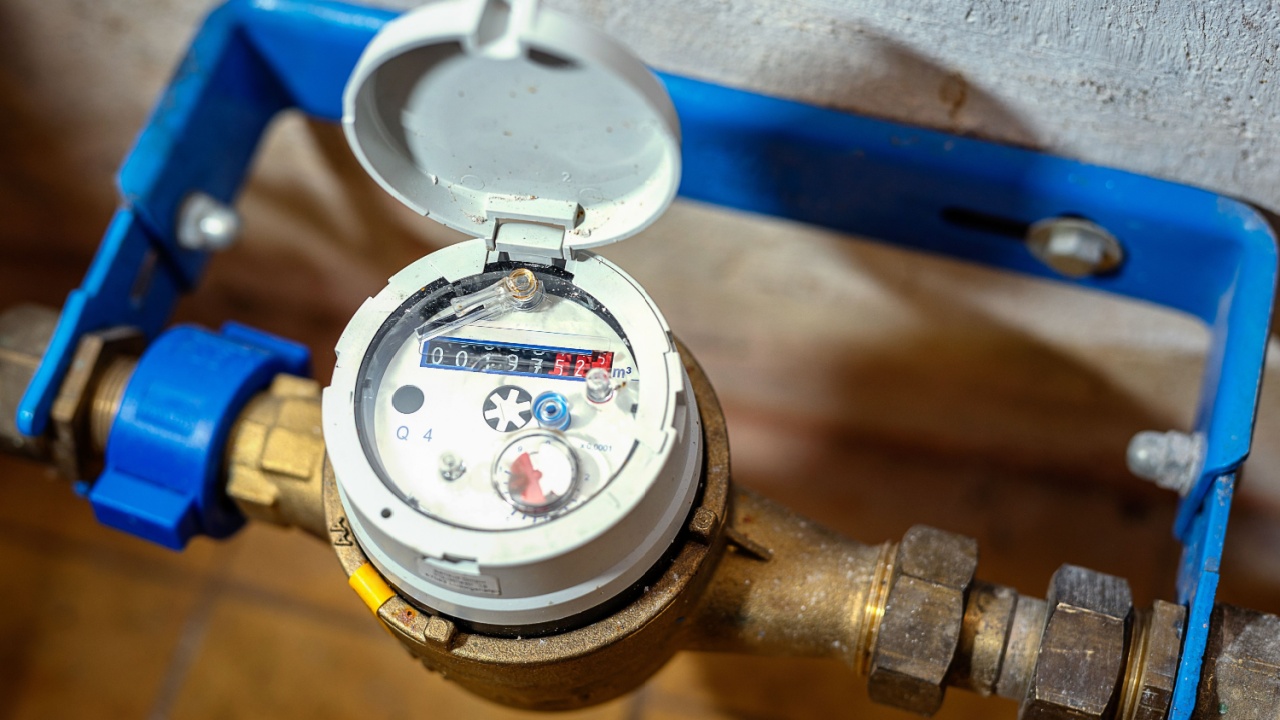
Water is one of the largest recurring expenses in many households. Even outdoor use can account for a significant portion of that total. Experts highlight that almost 30% of water is used in the yard. By keeping an eye on overall household consumption and making thoughtful adjustments, such as using efficient irrigation or grouping plants with similar water needs, homeowners can lower bills without sacrificing a thriving garden.
Quick Scan:
- What to do: Install a smart water meter on your main water line.
- Why it helps: Monitors water usage, detects leaks instantly, and helps you reduce consumption.
- Next step: Check with your local water utility. Some offer rebates or discounts on the purchase of smart water meters.
Which Way to Go

Bringing down the costs of homeownership is an ongoing process, never a one-time fix. The best approach is to build these habits into your routine. Implement one strategy this month. Perhaps you start by shopping for a better insurance rate or setting up that automated repair fund.
Once those are in place, move on to the next. By slowly integrating these tricks, you will steadily gain more control over your finances and transform your relationship with your home. You’ll move from reacting to expenses to proactively managing them, leaving you with more peace of mind and more money for that new fridge.