17 Perennials That Spread Fast and Fill Space for a Beautiful Garden
Got empty garden beds that feel more like barren patches than backyard paradise? It happens ot the best of us. Every gardener hits that point where something feels like it’s missing. Whether you’re dealing with freshly dug borders, thinning flower beds, or just craving lush, full coverage, fast-spreading perennials might be part of the secret sauce.
These garden powerhouses don’t just sit pretty, they multiply, carpet your garden with color, and invite pollinators like butterflies, hummingbirds, and bees to move in. Once established, most of them require little effort to maintain and reward you with beauty year after year.
Here are some of our favorite perennials that spread quickly (but politely), adding life, texture, and color to even the emptiest garden spaces.
1. Agastache (Hummingbird Mint)

Agastache, known as hummingbird mint, spreads by clumping and self-seeding with vertical, colorful flower spikes that attract bees, butterflies, and hummingbirds. It fills spaces quickly, making it ideal for gaps and borders.
Hummingbird mint thrives in full sun, is heat- and drought-tolerant, and deer-resistant. Once established, simply deadhead spent blooms to encourage reblooms mid-summer through early fall. Water sparingly, and divide clumps every 3–4 years to rejuvenate plants.
2. Coreopsis (Tickseed)
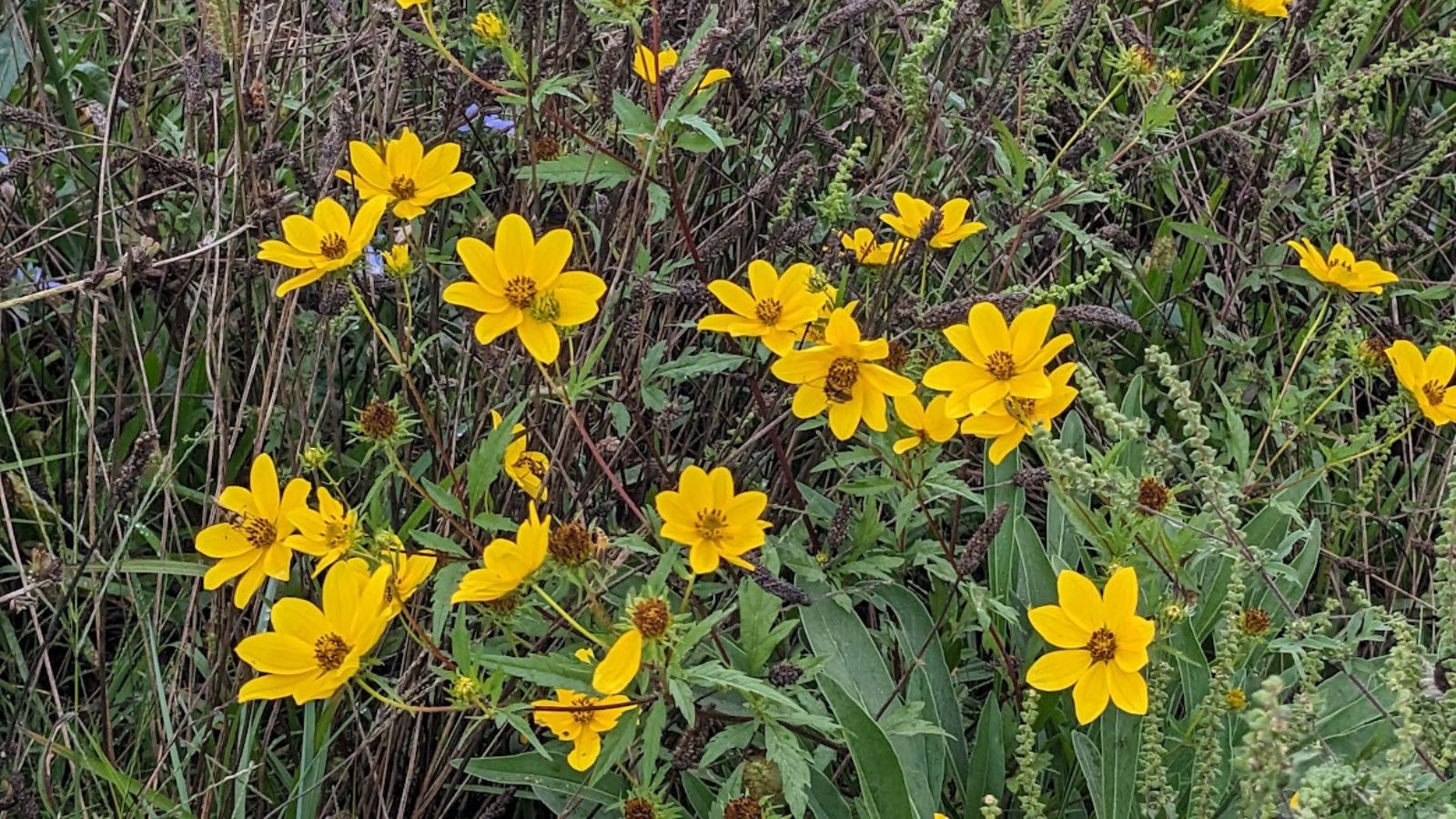
Coreopsis produces a bright, golden carpet of daisy-like flowers, easily spreading via self-seeding and rhizomes—perfect for sunny borders.
Tolerant of drought and poor soils, coreopsis requires minimal upkeep. Deadheading keeps blooms fresh, and cutting back mid-summer promotes a second wave of blooms. Deer-resistant and hardy in zones 4–9.
3. Catmint (Nepeta)

Catmint forms mounded clumps that expand over time with silvery-green foliage and lavender-blue blooms, attracting pollinators. It resists deer and rabbit browsing.
Grow in full sun with well-drained soil; trim by half after the first flush to encourage another round of blooms. Plant every 12–18 inches and divide every few years for revitalized growth.
4. Salvia (Sage)
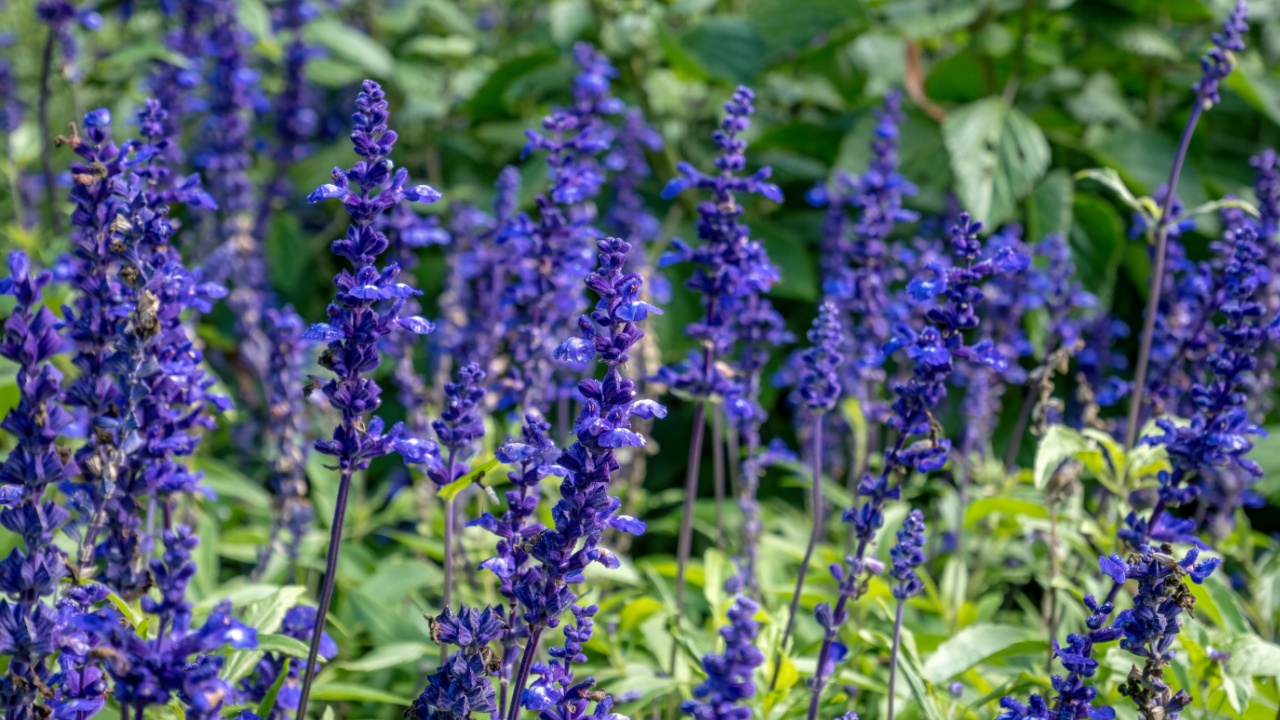
Salvia offers upright flower spikes in shades of purple, pink, or white, loved by bees and hummingbirds. It spreads gently but reliably, filling garden gaps.
Thriving in full sun and well-drained soil, salvia benefits from deadheading to prolong blooming. Some varieties reseed naturally—cut back spent stems and add compost for enhanced flowering.
5. Daylily (Hemerocallis)
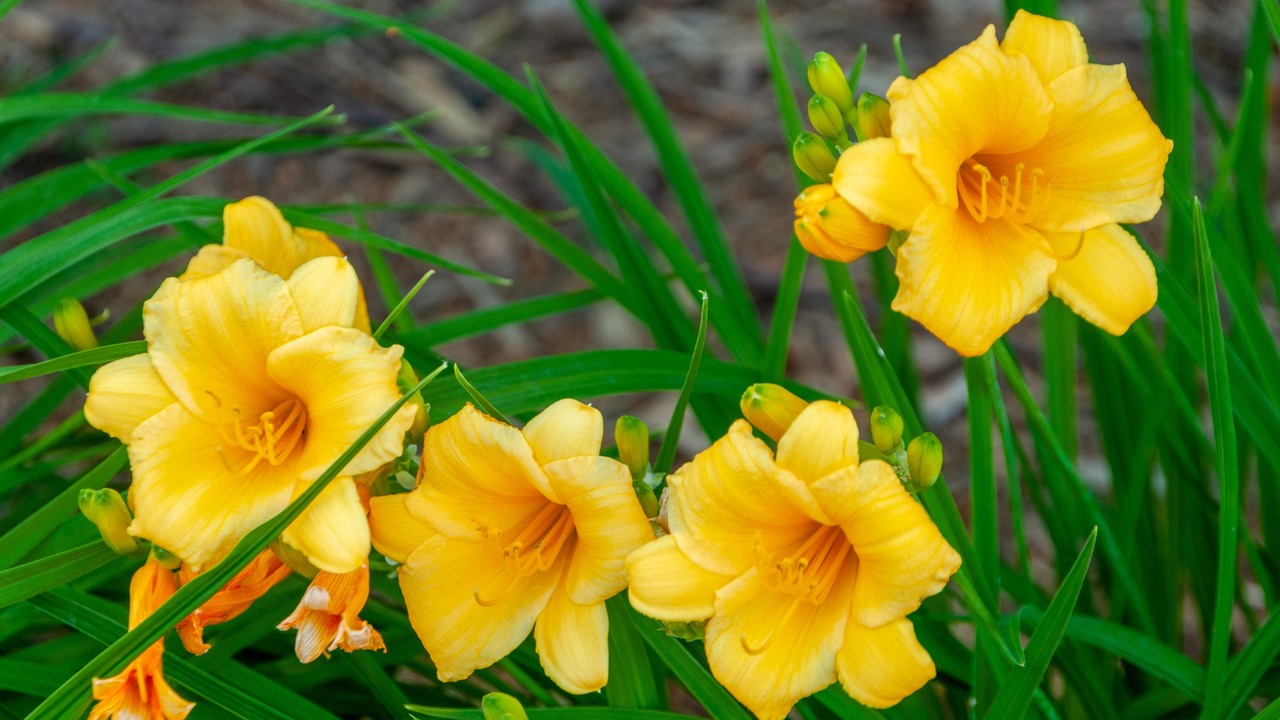
Daylilies are hardy perennials that multiply via fans, filling beds quickly and showcasing vibrant blooms that open daily.
Best in full sun to part shade, plant in rich, well-drained soil. Divide every 3–4 years to prevent overcrowding and improve blooming. Mulch to conserve moisture and reduce weeds.
6. Bee Balm (Monarda)

Bee balm spreads through rhizomes, creating lush clumps with bright blooms that draw bees, butterflies, and hummingbirds. It spreads fairly aggressively but is not considered invasive (just keep it managed where you want it!).
Grows best in moist, well-drained soil and full sun to part shade. Choose mildew-resistant cultivars and divide every 2–3 years to maintain vigor.
7. Blanket Flower (Gaillardia)
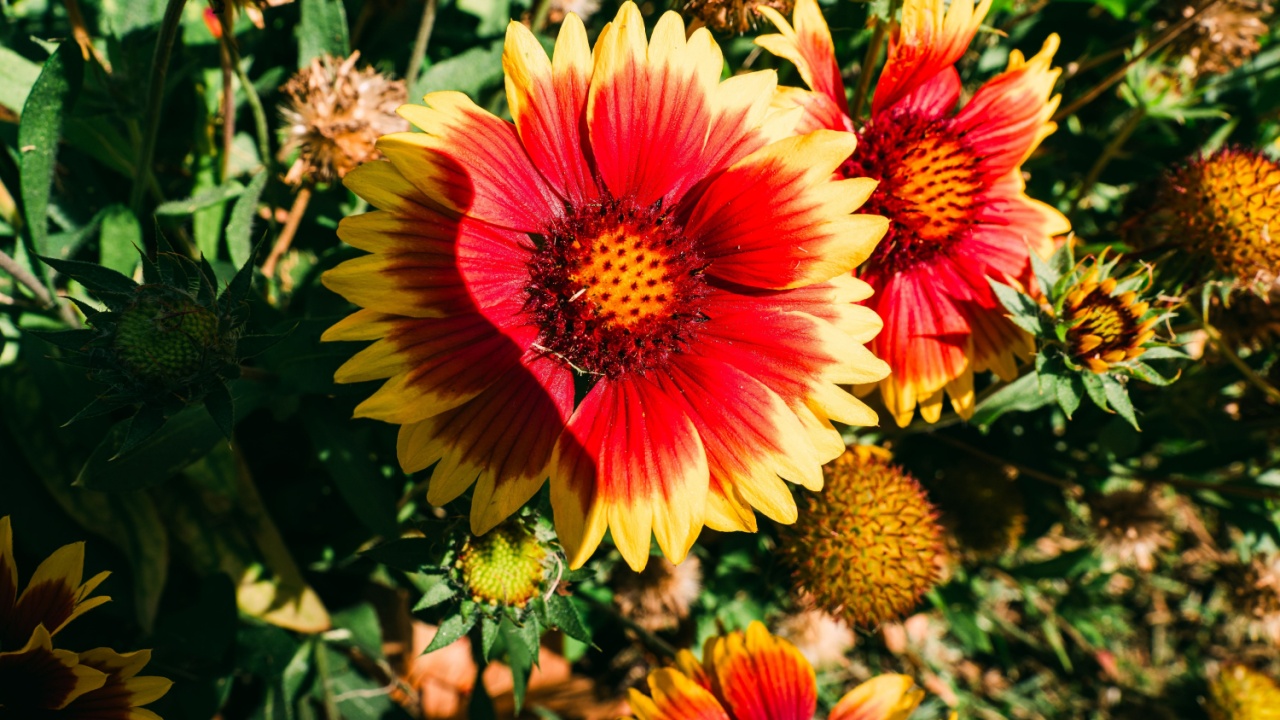
Gaillardia spreads fast into a colorful tapestry of red, orange, and yellow daisy-like blooms that thrive in sunny, well-drained spaces.
Cut back spent flowers (deadhead) to encourage continuous blooming. Tolerant of heat and drought, blanket flower benefits from dividing and replanting clumps every few years.
8. Russian Sage (Salvia yangii)
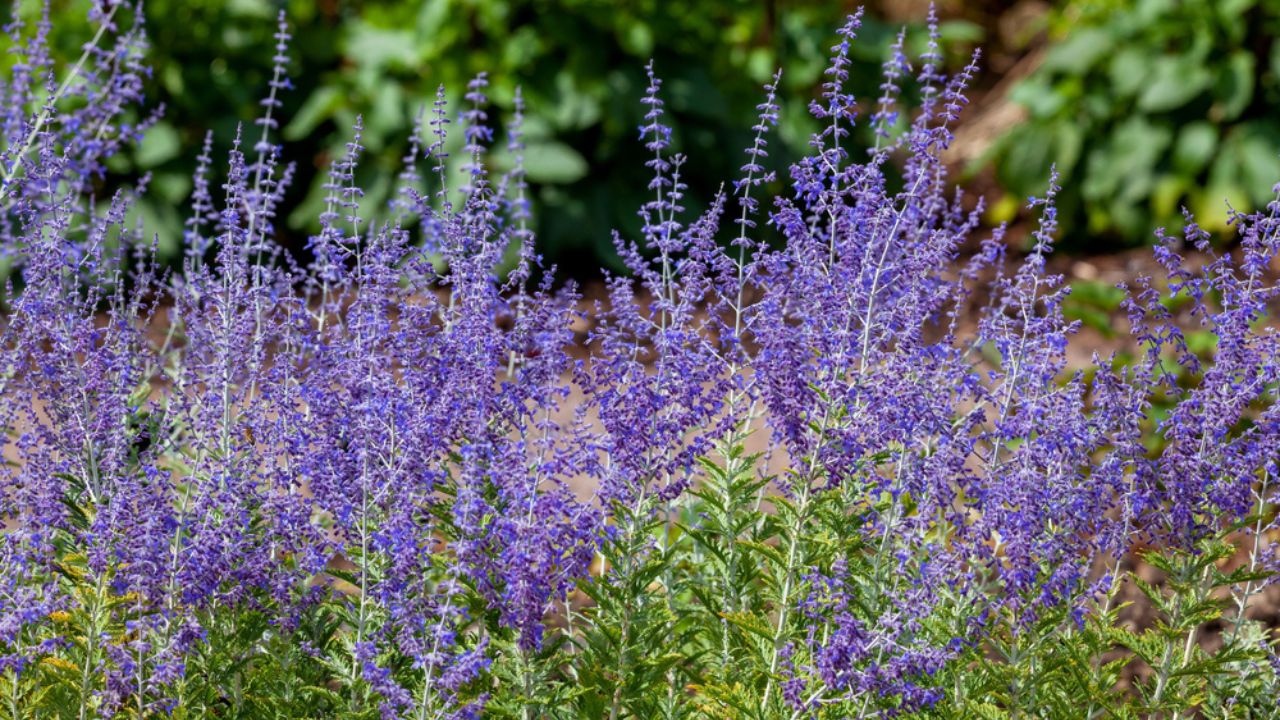
Russian sage sends out airy, silvery stems crowned with blue-violet spikes from summer through autumn. It spreads subtly, forming airy mounds.
This deer-resistant subshrub prefers full sun and dry, well-drained soil (zones 3–9). Cut back in spring to about 15 cm to promote bushier growth and abundant blooms. Attractive to pollinators, resilient, and drought-hardy.
9. Creeping Phlox (Phlox subulata)
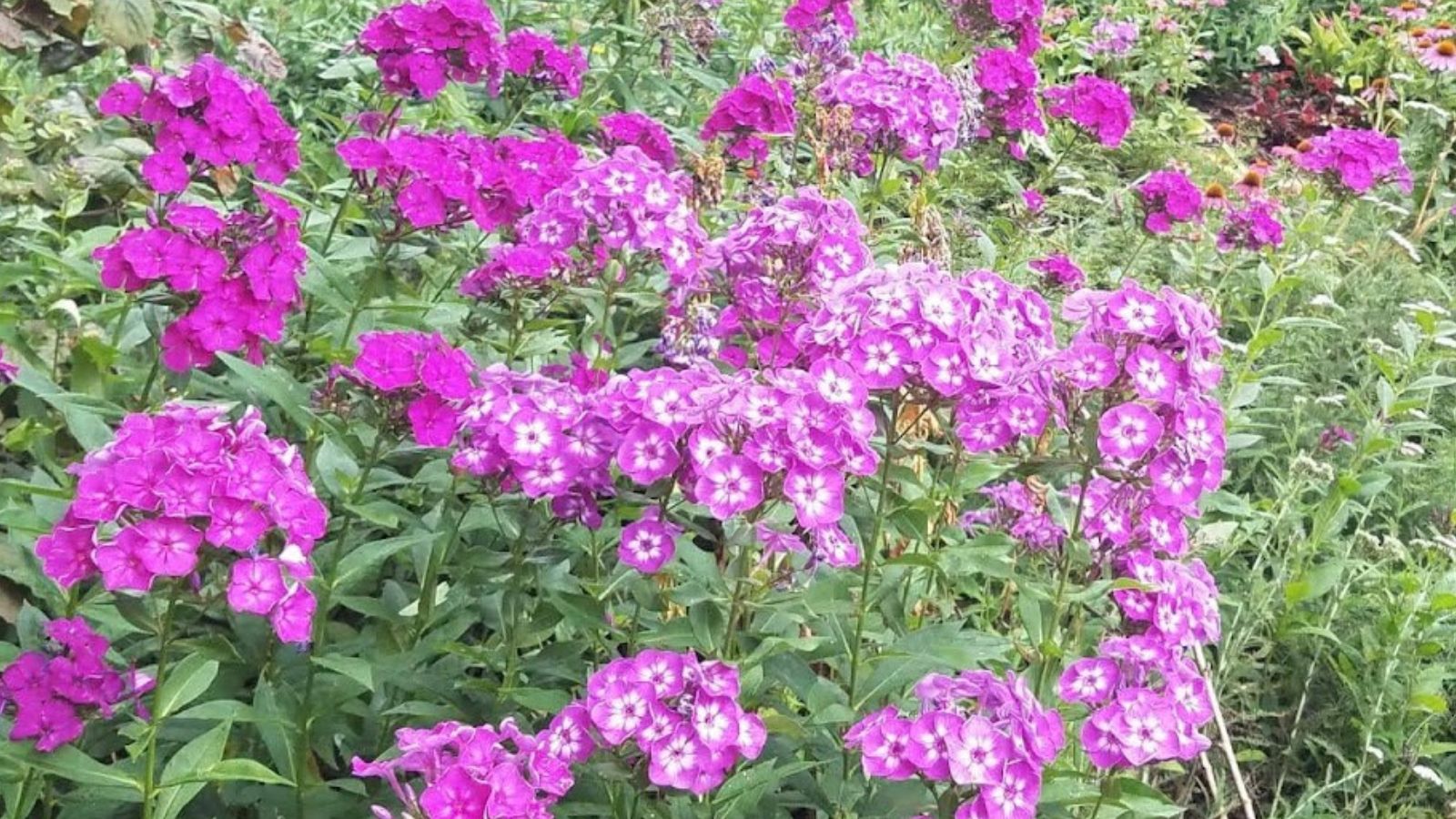
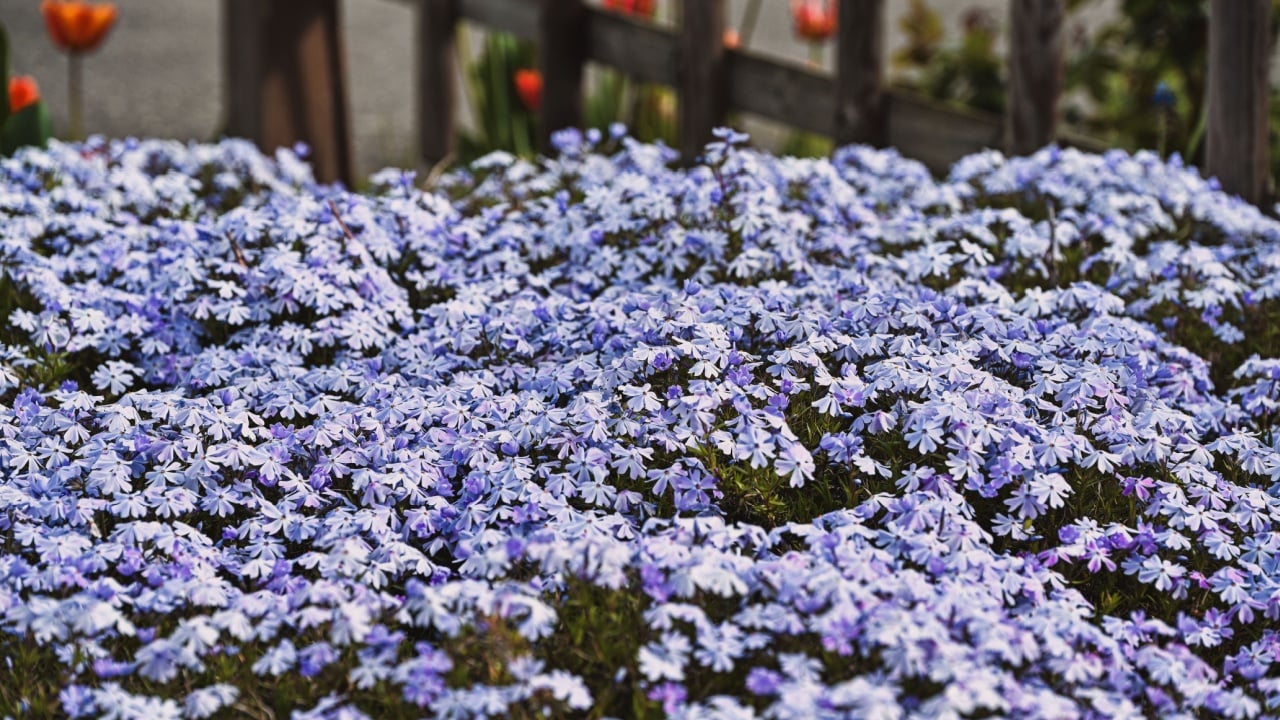
Creeping phlox is a spring groundcover with a dense mat of needle-like foliage and a carpet of pastel blooms, perfect for slopes or path edges.
Thrives in full sun to part shade with well-drained soil. Plant 12–18” apart, prune lightly after bloom, and divide every few years. Pollinators love the flowers, and erosion control is a bonus.
10. Sedum (Stonecrop)
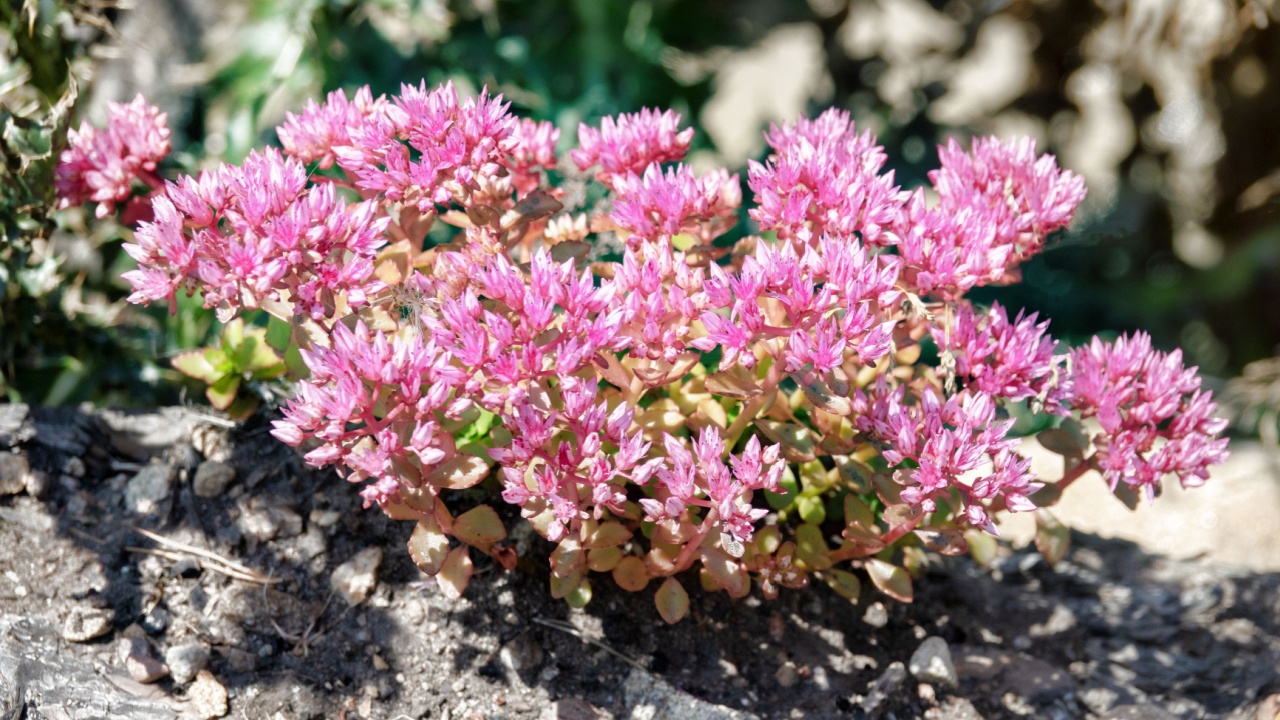
These succulent perennials form spreading mats of fleshy foliage and star-shaped blooms that bloom in late summer and fall.
Ideal for poor, dry soil, sedums need excellent drainage and thrive in full sun. Leave old stems through winter for habitat benefit, then trim in spring. Divide clumps for propagation and space maintenance.
11. Coral Bells (Heuchera)

Heuchera spreads modestly into clumps of colorful foliage and airy flower spikes, attracting hummingbirds while subtly filling shaded borders.
Prefers part to full shade and well-drained, consistently moist soil. Divide every 3–4 years to refresh growth and prevent overcrowding; leaves come in many hues for vibrant combinations.
12. Hellebore (Lenten Rose)
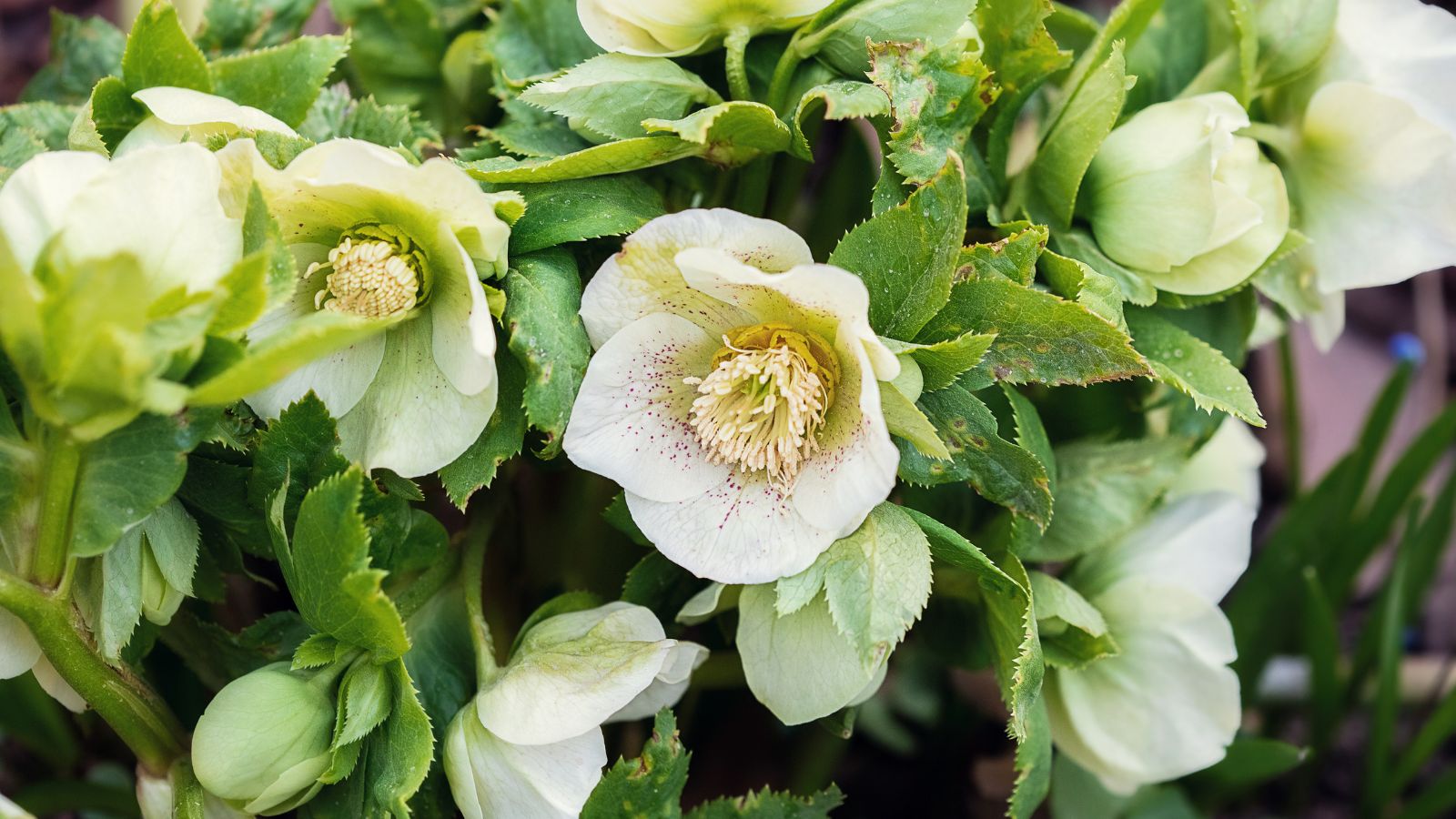
Hellebores expand via clumping roots, offering winter and early spring blooms that delight gardeners and pollinators alike.
Grows in shaded or woodland areas with rich, well-drained soil. Leave old foliage through winter, cutting back in early spring. Divide every few years to sustain blooming vigor.
13. Yarrow (Achillea)
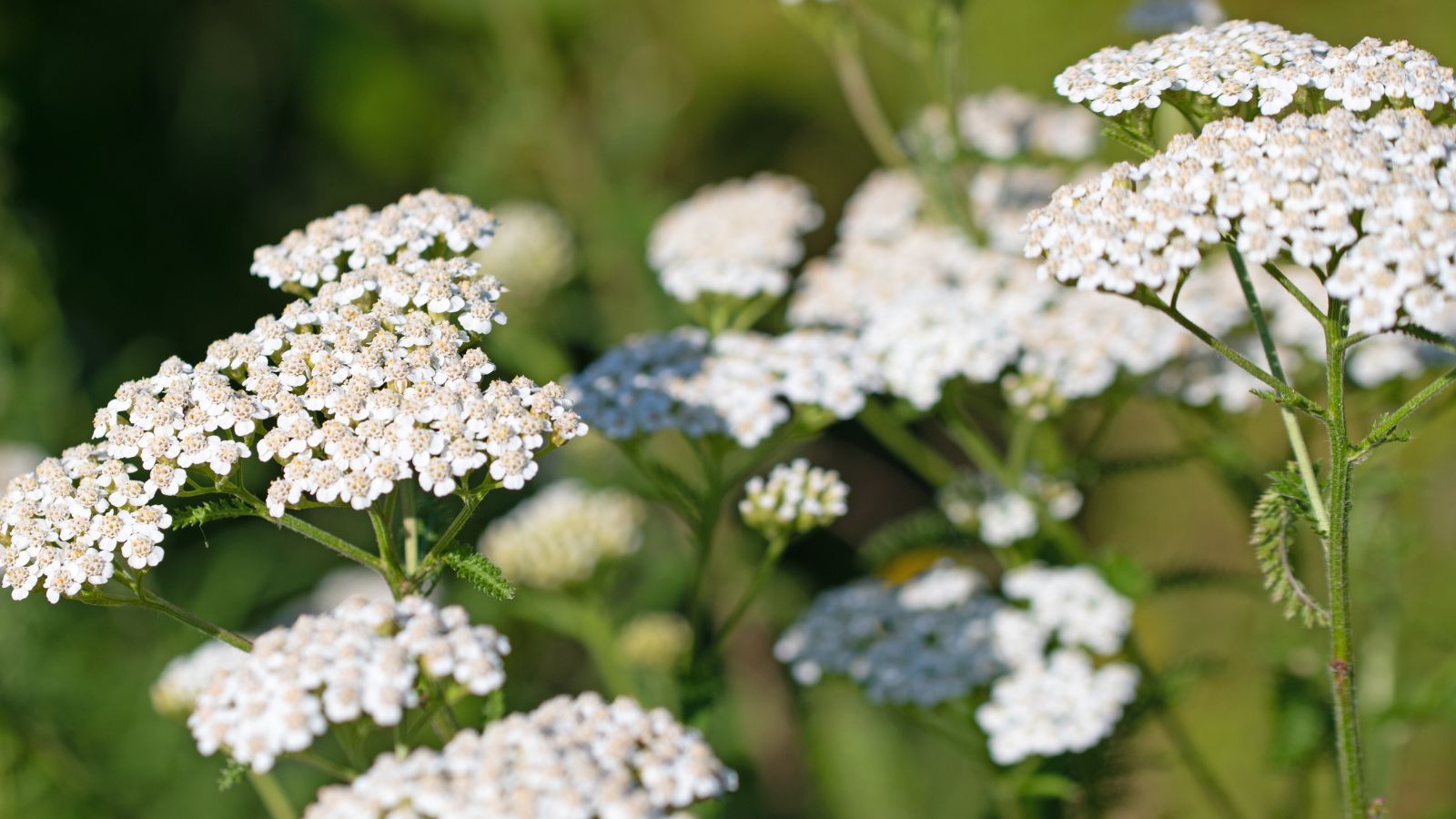
Yarrow produces colorful, flat-topped flower clusters and spreads via rhizomes into dense clumps, ideal for sunny, low-maintenance areas. They do tend to take over small spaces but are generally welcome (and not invasive).
Prefers full sun and well-drained soil. Deadheading prolongs bloom; divides vigorously, so control spread by lifting and dividing every 2–3 years. Drought-tolerant and deer-resistant with long-lasting blooms.
14. Geum (Avens)

Geums form lush mounds topped with fiery blooms in spring and early summer, gently spreading through crowns to fill garden gaps.
Grow in full sun to part shade with moist, well-drained soil. After flowering, cut back spent blooms to encourage rebloom in late summer. Divide clumps every few years to maintain a neat appearance.
15. Nepeta ‘Walker’s Low’ (Catmint Cultivar)
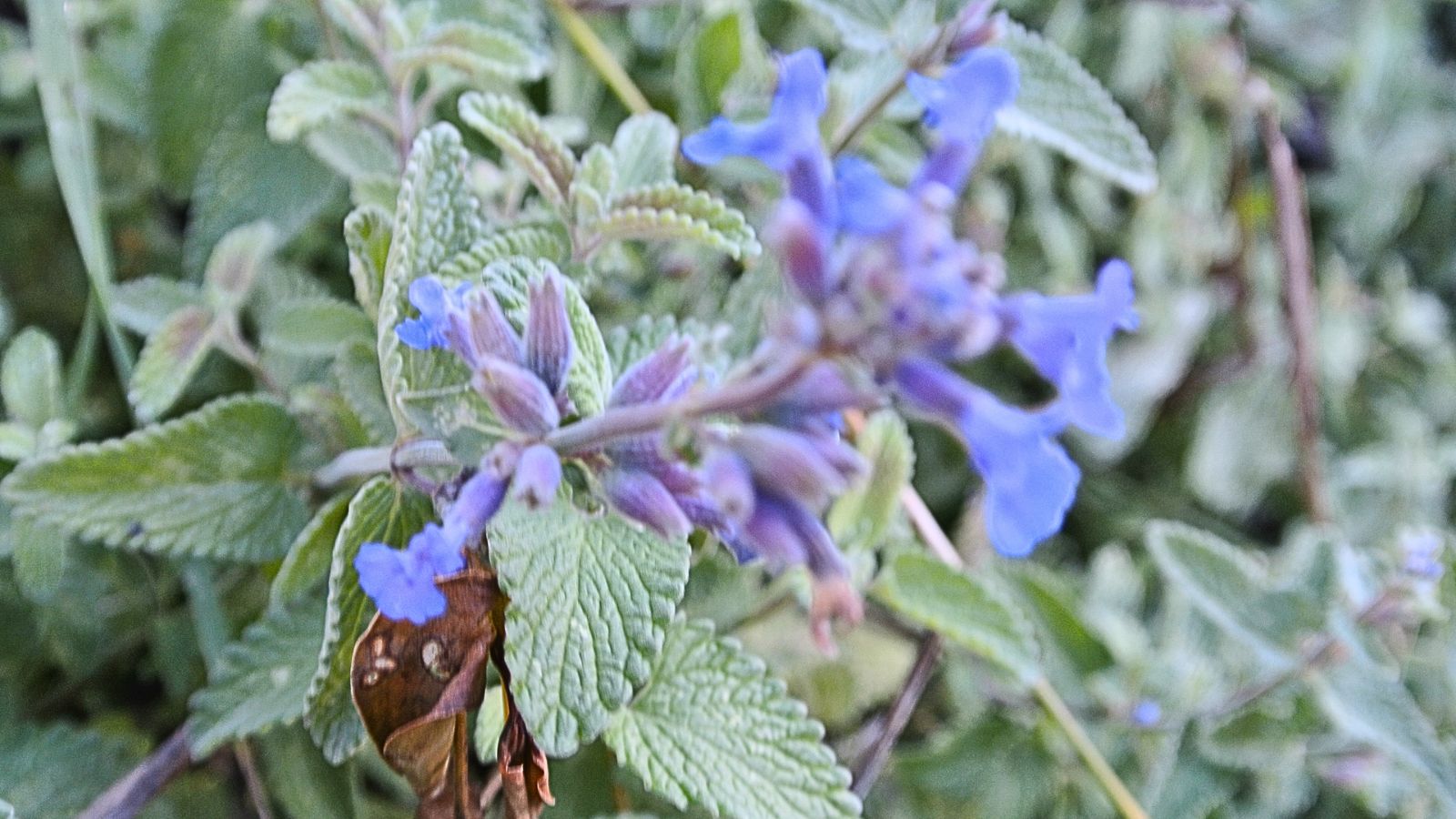
Nepeta ‘Walker’s Low’ forms tidy, aromatic mounds with floriferous lavender flowers, excellent for filling low borders while attracting bees.
Drought-tolerant in zones 4–8, requires full sun and well-drained soil. Cut back by half after the first bloom to encourage a second flush, and divide every 4–5 years for rejuvenation.
16. Geranium ‘Rozanne’ (Cranesbill)
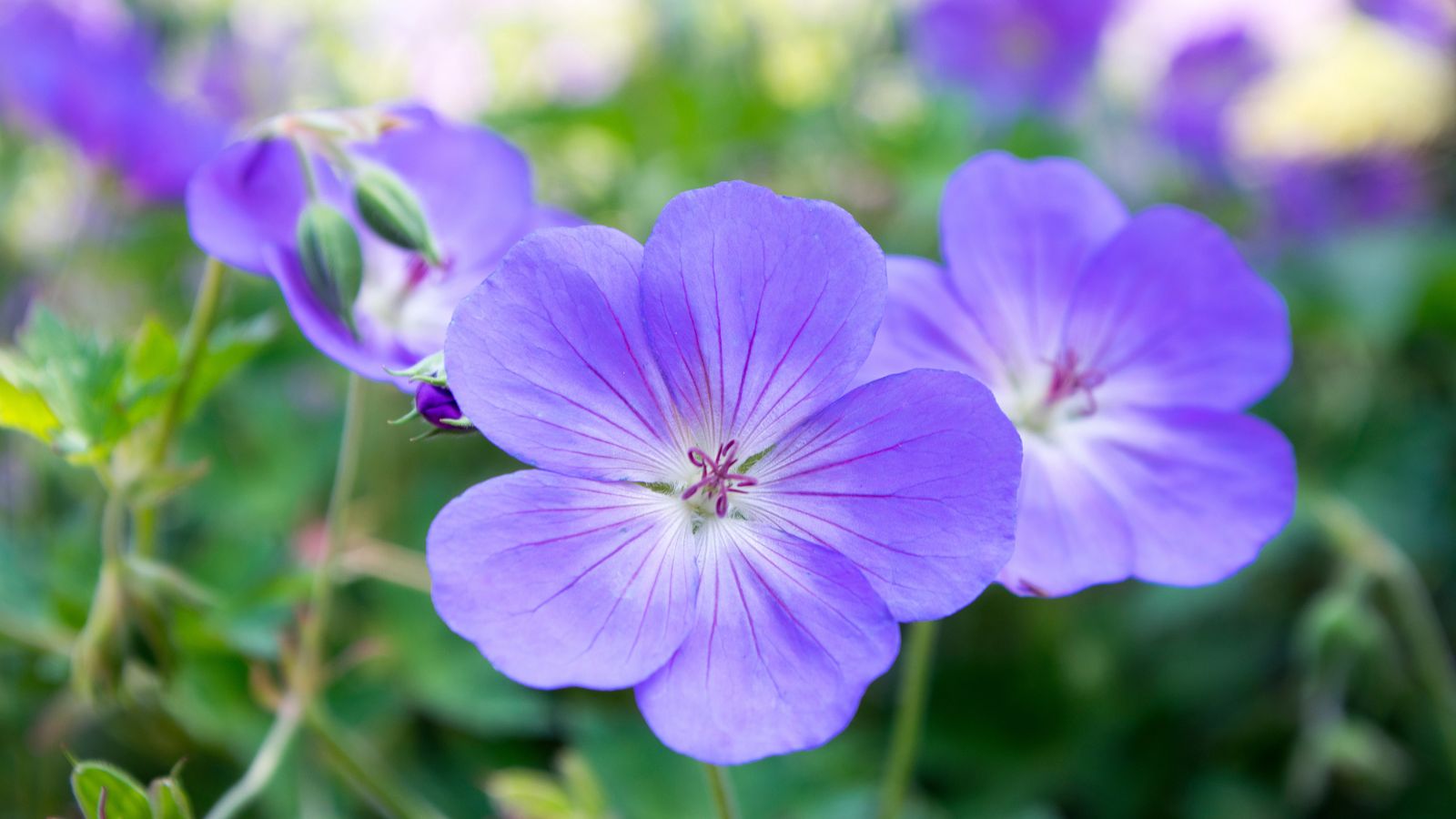
Geranium ‘Rozanne’ spreads vigorously with blue-violet blooms from late spring to fall, providing long-lasting groundcover and pollinator support.
Thrives in sun to part shade (zones 5–8), prefers average garden soil. Trim plants back about 50% mid-summer to encourage another blooming round, and divide if overcrowded.
17. Astilbe
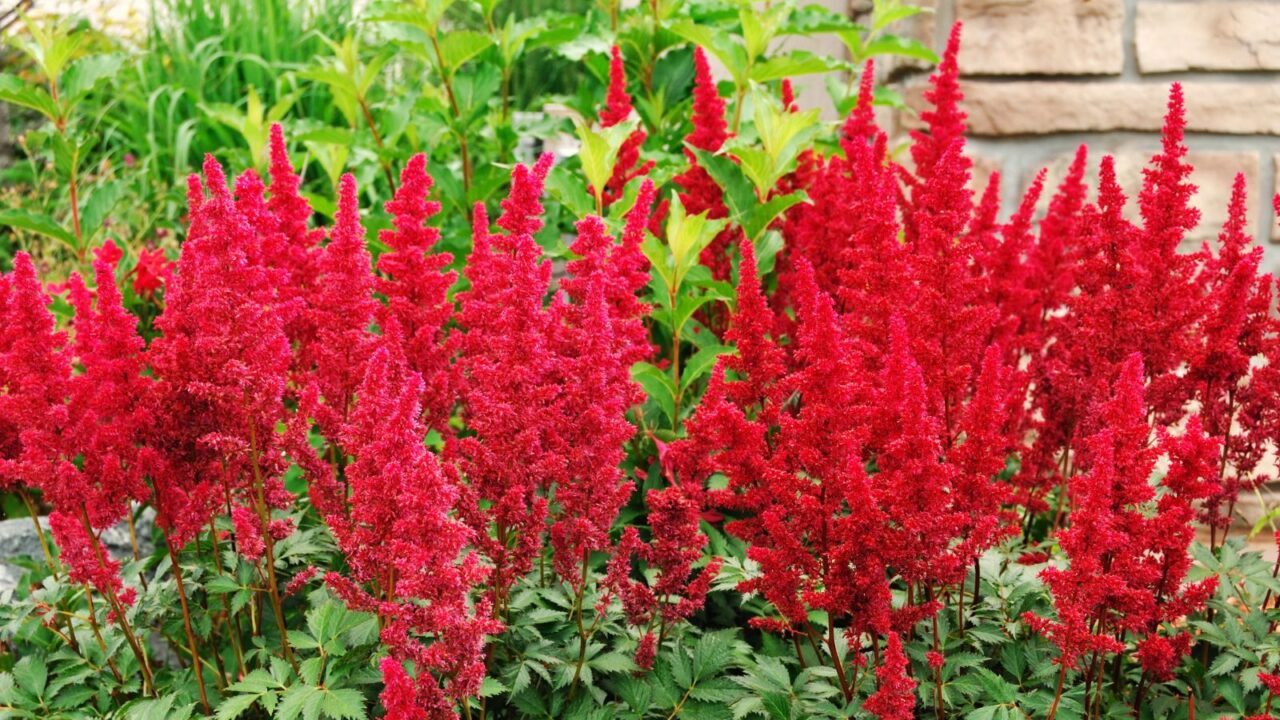
Astilbe creates feather-like plumes of flowers in shade gardens, humbly expanding into dense, attractive clumps.
Grows best in part to full shade with moist soil. Mulch for consistent moisture, divide every 3–4 years after flowering to prevent overcrowding, and leave foliage for winter interest.
Final Notes for a Full Garden Fill
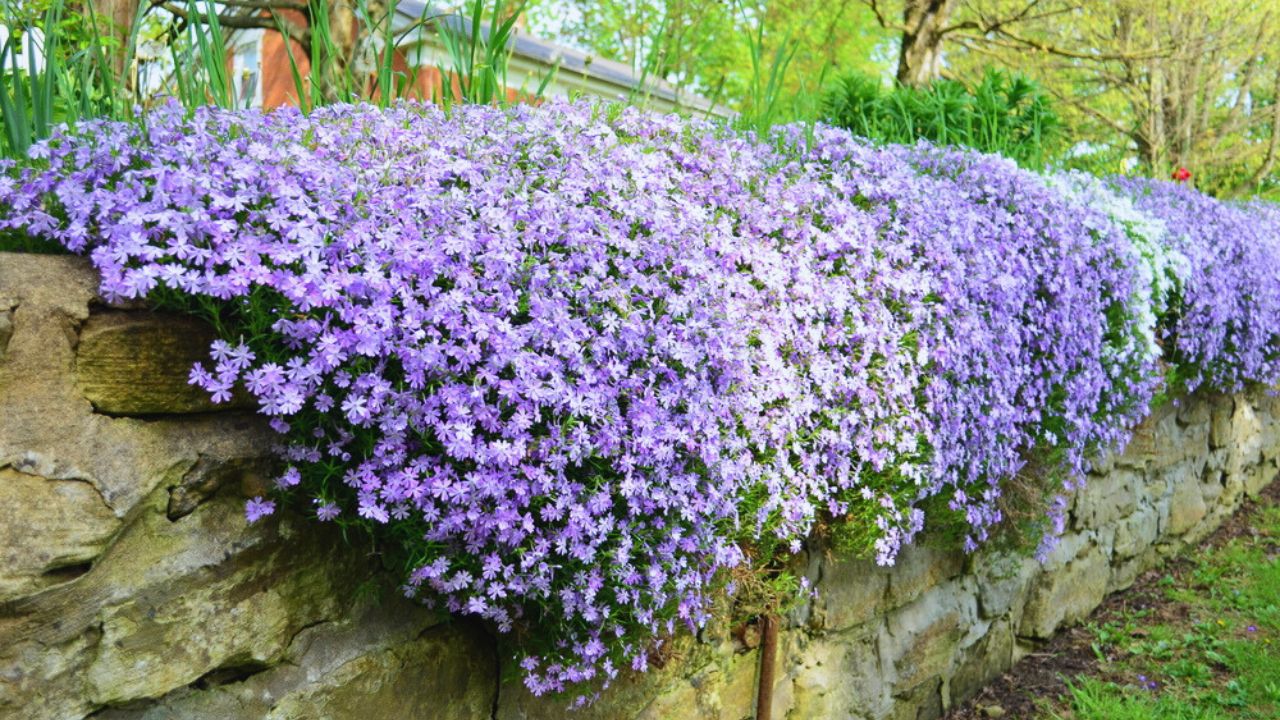
To create a lush, pollinator-friendly garden that fills itself in:
- Mix mounded and groundcover types to layer height, color, and texture.
- Plant in gallon-size containers for faster establishment; keep soil evenly moist in the first year.
- Divide and rejuvenate every few seasons to maintain vitality and prevent overcrowding.
These 18 carefully selected perennials offer fast coverage without invasive takeover, support wildlife, and enhance your landscape with minimal upkeep—true garden heroes! Let me know if you’d like planting calendars or zone-specific guides per plant.