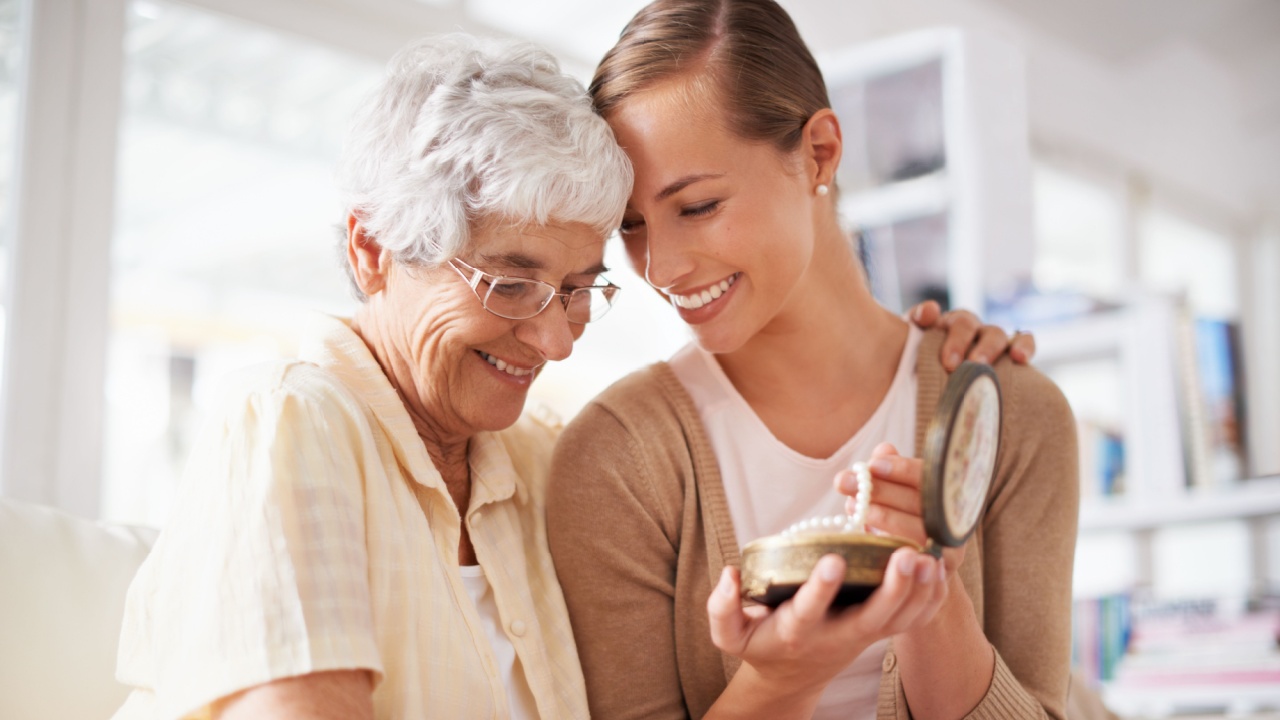
12 Family Heirlooms to Never Donate or Sell (and What to Do With Them Instead)
Cleaning out a family home often uncovers boxes filled with forgotten items gathering dust in the attic. Going through these possessions brings up memories of loved ones. Deciding what to keep and what to discard poses a real challenge during an emotional time.
Generations pass down specific items that hold immense historical and emotional value for your lineage. These objects represent your family history, serving as physical connections to ancestors you may never have met. Throwing them away erases a tangible link to your heritage that future generations might cherish deeply.
This guide covers twelve specific types of family heirlooms you should always keep in your possession. We will look at why these particular items matter so much to your family legacy. You will also learn practical ways to store, display, and repurpose these treasures in your own home.
1. Handwritten Letters and Journals
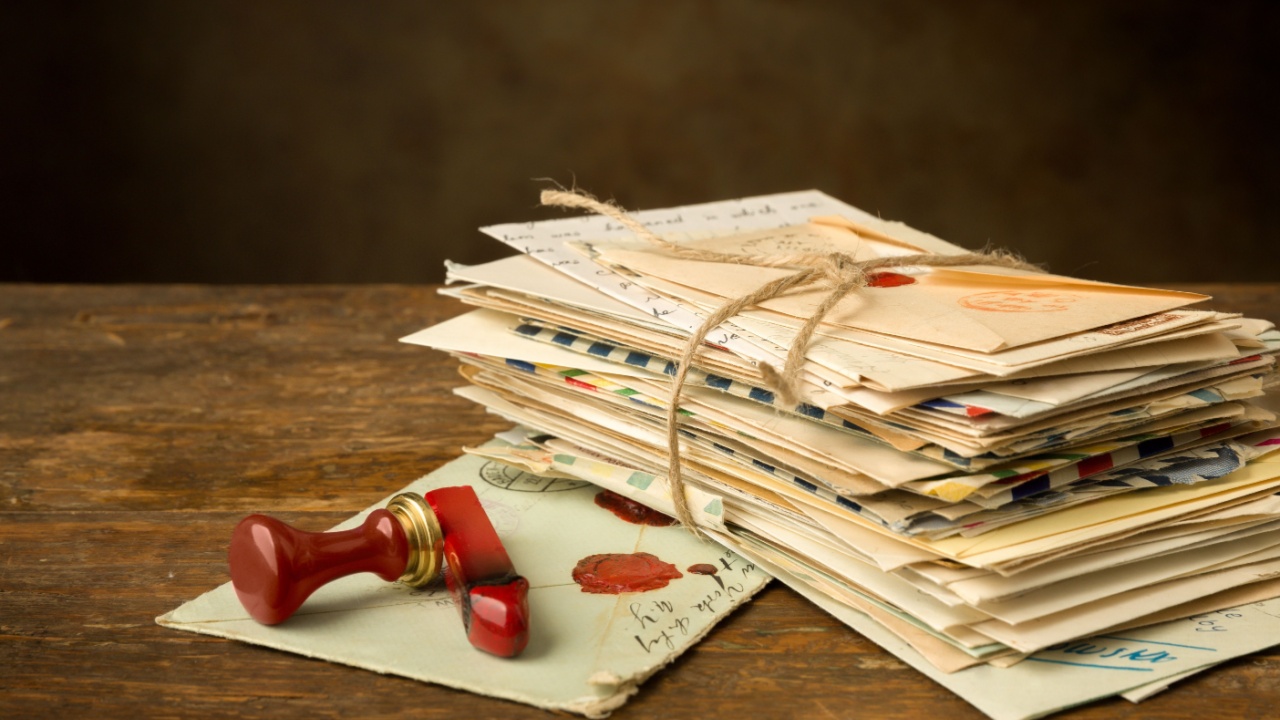
Handwritten correspondence provides a deeply personal glimpse into the daily lives of your ancestors. Letters and journals capture their exact thoughts, struggles, and triumphs in their own handwriting. Reading these documents allows you to understand their personalities and experiences much better than any official record could provide.
Preserve these delicate paper items in acid-free archival boxes to prevent deterioration. You can carefully frame particularly meaningful letters using UV-protective glass to prevent fading from sunlight. Scanning the documents creates digital backups you can easily share with other relatives without risking damage to the originals.
2. Vintage Cast Iron Skillets
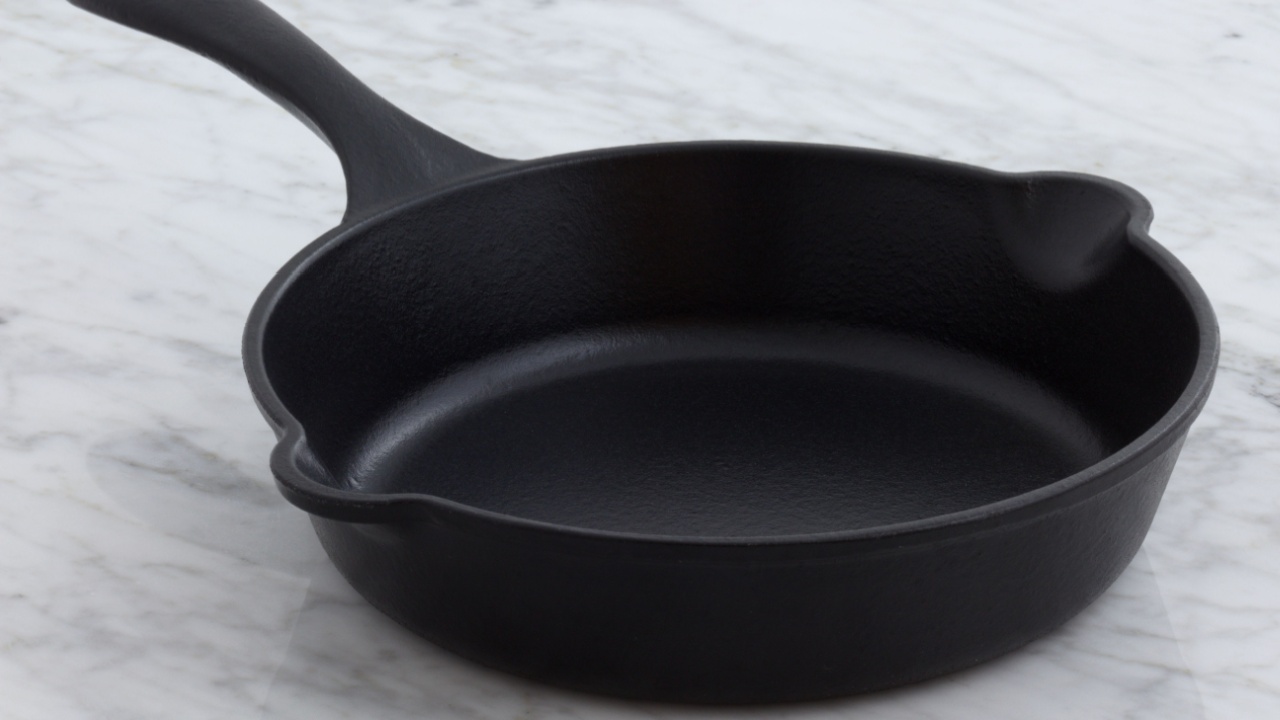
Grandma’s old cast-iron skillet carries decades of family meals cooked into its seasoned surface. Older cast-iron pieces often feature smoother cooking surfaces and lighter weights compared to modern manufacturing standards. These durable kitchen tools represent countless holiday dinners and Sunday morning breakfasts shared around the family table.
Instead of hiding these pans in a cabinet, keep them active in your daily cooking routine. A well-seasoned cast-iron skillet remains one of the most reliable tools for searing meats and baking cornbread. You can easily strip and re-season a rusted pan to restore it to perfect working condition for your own kitchen.
3. Family Recipe Boxes
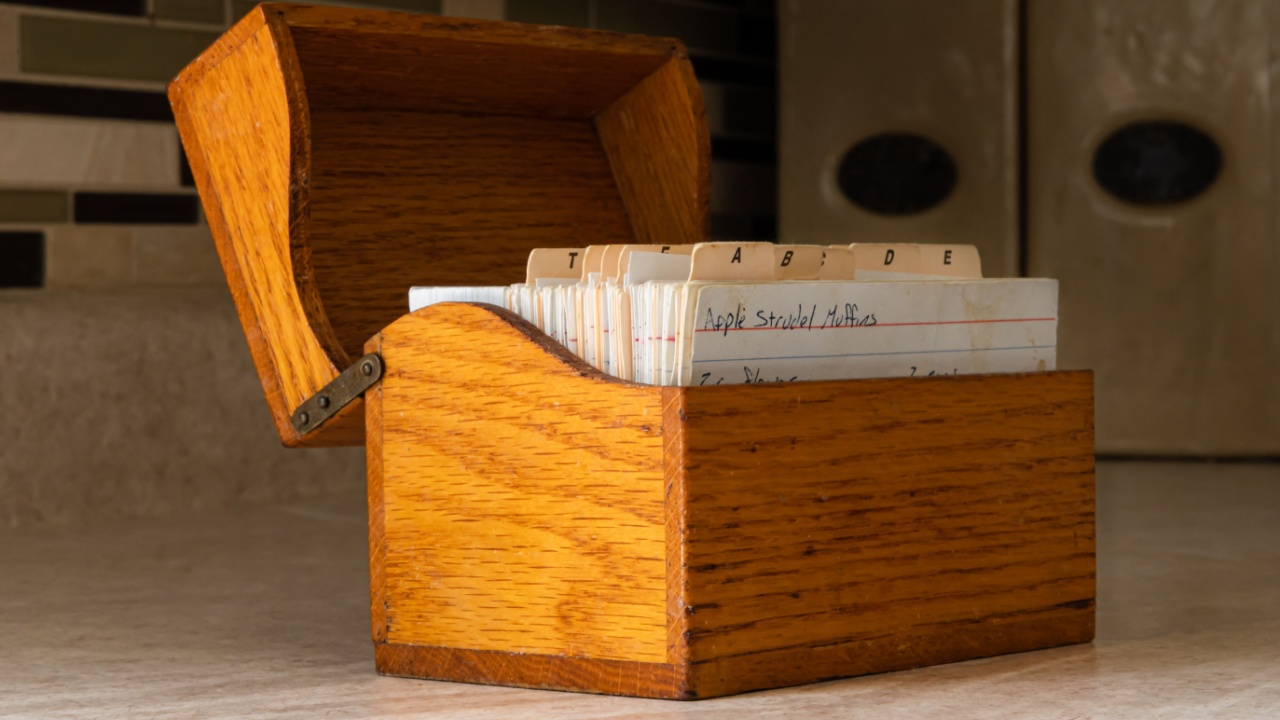
A stained, battered recipe box holds the culinary secrets of your family history. The handwritten note cards often contain adjustments and special ingredients that make a dish uniquely yours. These recipes connect you to past holidays and special occasions through the powerful senses of taste and smell.
Keep the original box safely displayed on a kitchen shelf away from direct heat and moisture. You might consider typing out the recipes to create a printed cookbook for younger family members. Cooking these meals on special occasions keeps your family traditions alive for the next generation to enjoy.
4. Fine Jewelry and Watches

Quality jewelry and mechanical watches represent significant investments made by your ancestors during important life events. Pieces like engagement rings, graduation watches, and anniversary pendants carry deep emotional weight alongside their material value. These items serve as beautiful reminders of the love and celebrations that built your family tree.
Take fine jewelry to a professional jeweler for cleaning and appraisal before wearing it. You can have outdated rings or necklaces reset into modern designs that fit your personal style while retaining the original stones. Display pocket watches in glass domes on your mantle to appreciate their craftsmanship every day.
5. Old Photographs and Albums
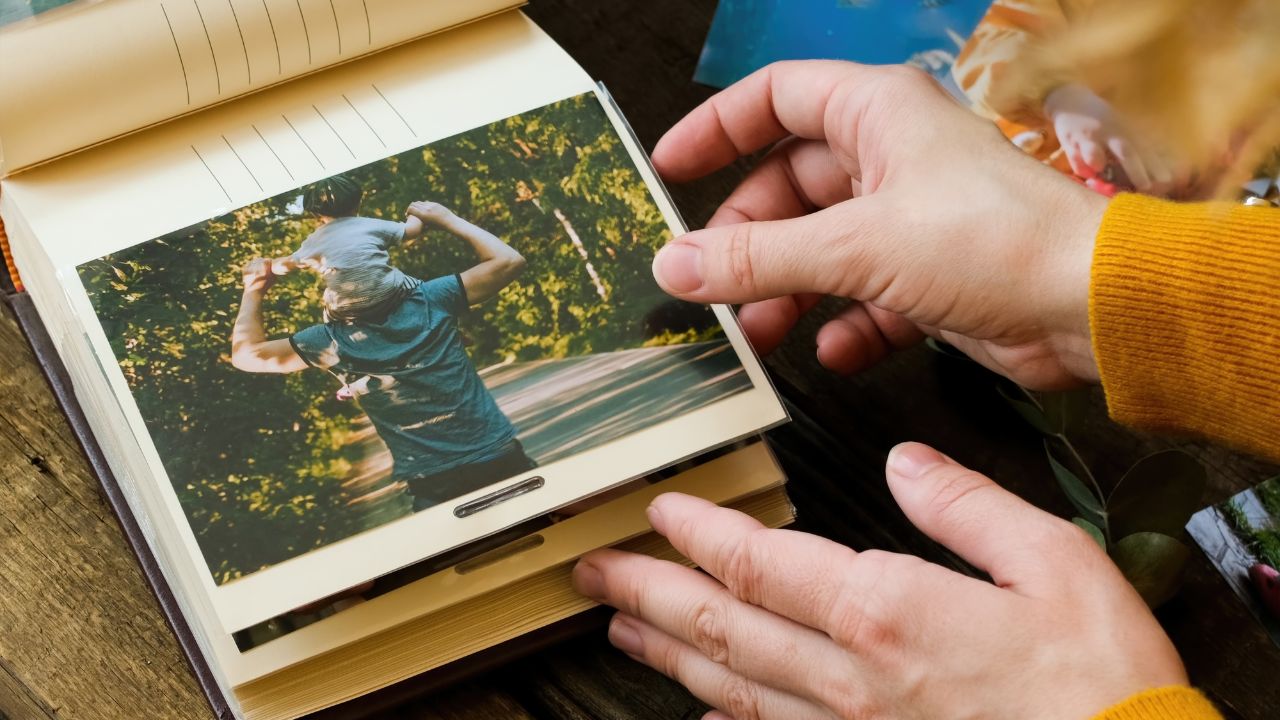
Physical photo albums document the visual evolution of your family lineage across decades. These images capture forgotten faces, old family homes, and celebrations from a pre-digital era. Discarding these photos permanently deletes the only visual records of your great-grandparents and distant relatives.
Sort through loose photographs and organize them into archival-quality albums with acid-free pages. Write any known names and dates lightly on the back using a soft pencil to preserve the information. Scanning these images creates a digital family archive you can securely store on multiple hard drives.
6. Handmade Quilts and Blankets
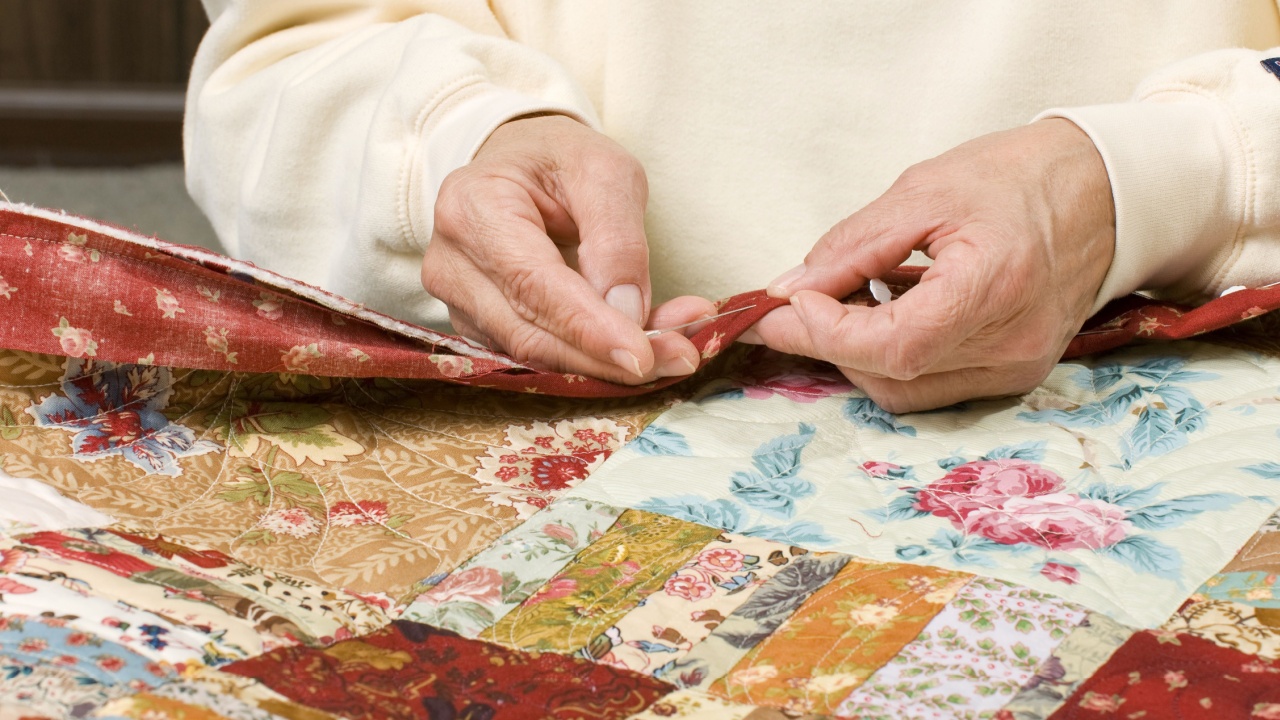
A handmade quilt represents hundreds of hours of careful labor and artistic expression by a family member. These textiles often incorporate fabrics from old clothing, telling a story through the materials used in their creation. The detailed stitching patterns showcase regional traditions and personal skills passed down through generations.
Avoid washing fragile vintage quilts in a machine; instead, opt for careful hand washing or professional cleaning. You can drape a sturdy quilt over a guest bed or fold it neatly at the end of a sofa for display. If a quilt sustains severe damage, you can frame the intact sections as wall art.
7. Military Memorabilia
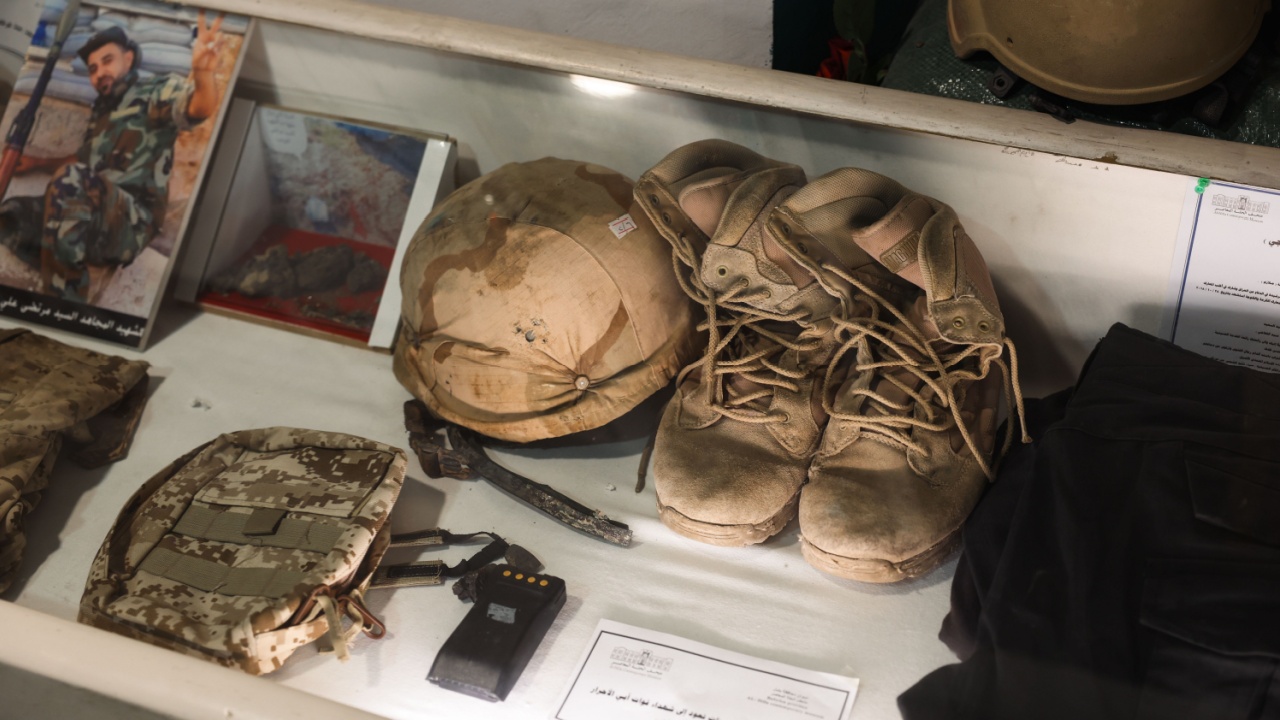
Medals, uniforms, and service records document the sacrifices your relatives made for their country. These artifacts provide concrete evidence of historical events your family participated in directly. Preserving military items honors the bravery and dedication of those who served in past conflicts.
Store uniforms in breathable garment bags away from direct light to prevent moth damage and fabric degradation. Securely mount medals and patches in a shadow box to create a respectful tribute on your wall. You can contact historical societies to learn more about the specific campaigns your relatives fought in.
8. Antique Clocks
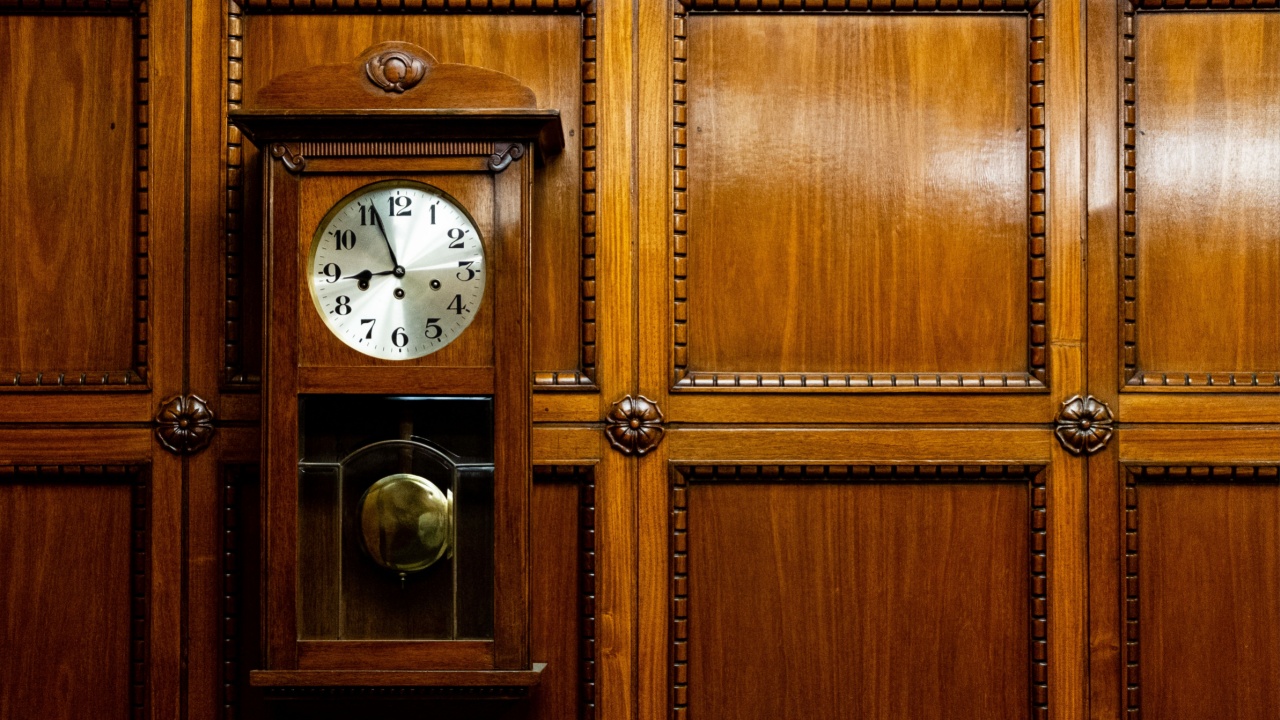
A grandfather clock or mantle clock often served as the heartbeat of an ancestor’s home. The mechanical ticking and rhythmic chiming offer a soothing presence that modern digital devices completely lack. These pieces demonstrate incredible mechanical engineering and beautiful woodworking that remains rare today.
Hire a professional horologist to clean and oil the internal mechanisms to keep the clock running accurately. Keep large wooden clocks away from direct sunlight and heating vents to prevent the wood from splitting. Winding the clock each week creates a mindful ritual connecting you to the relative who did the exact same thing decades ago. You can also repurpose the old wall clocks into photo frames or even an end table.
9. Musical Instruments
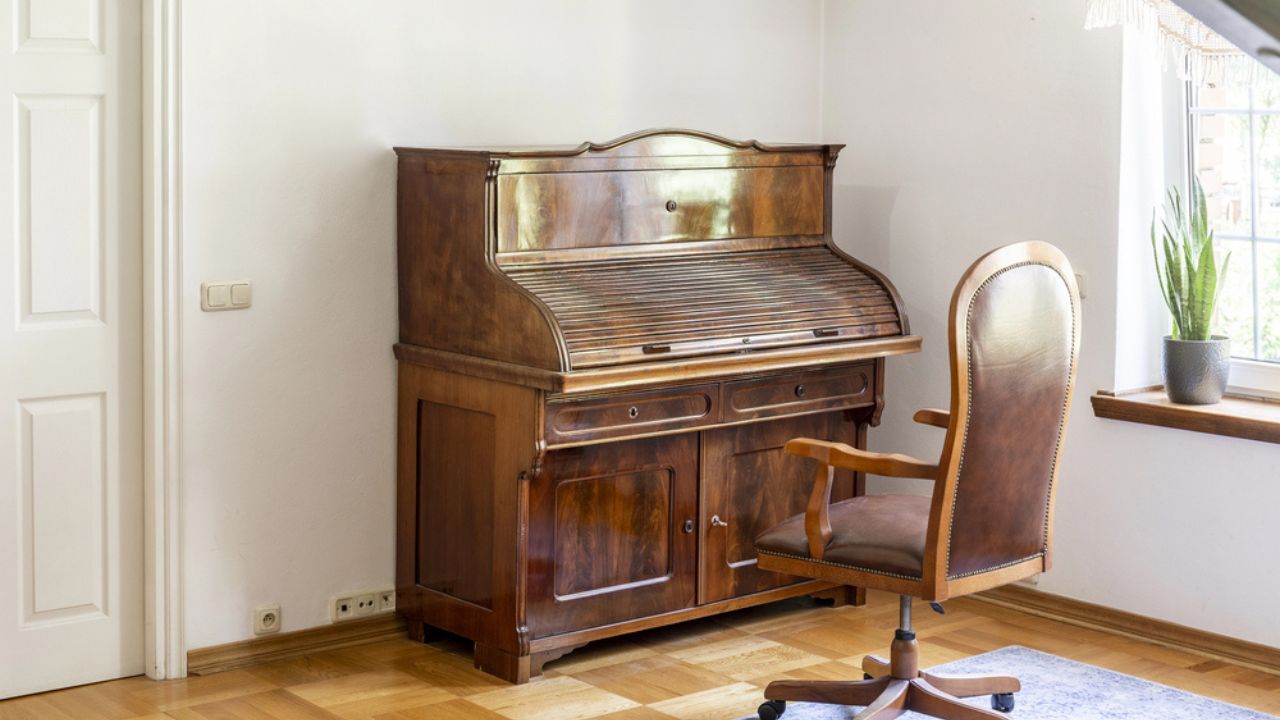
An old violin, guitar, or piano carries the musical soul of the relative who played it. Instruments build character and unique tonal qualities as they age and receive regular use. These wooden objects hold memories of family sing-alongs and holiday entertainment from a time before television.
Upcycle heirloom musical instruments; you can turn the innards of a piano into a feature wall or turn a clarinet into a lamp. Keep stringed instruments in hard cases with proper humidification to prevent the wood from cracking. Display a beautiful acoustic guitar on a wall hanger in your living room to encourage impromptu playing. Paying a luthier to restore an unplayable instrument brings its beautiful voice back to life.
10. Custom Woodworking and Furniture
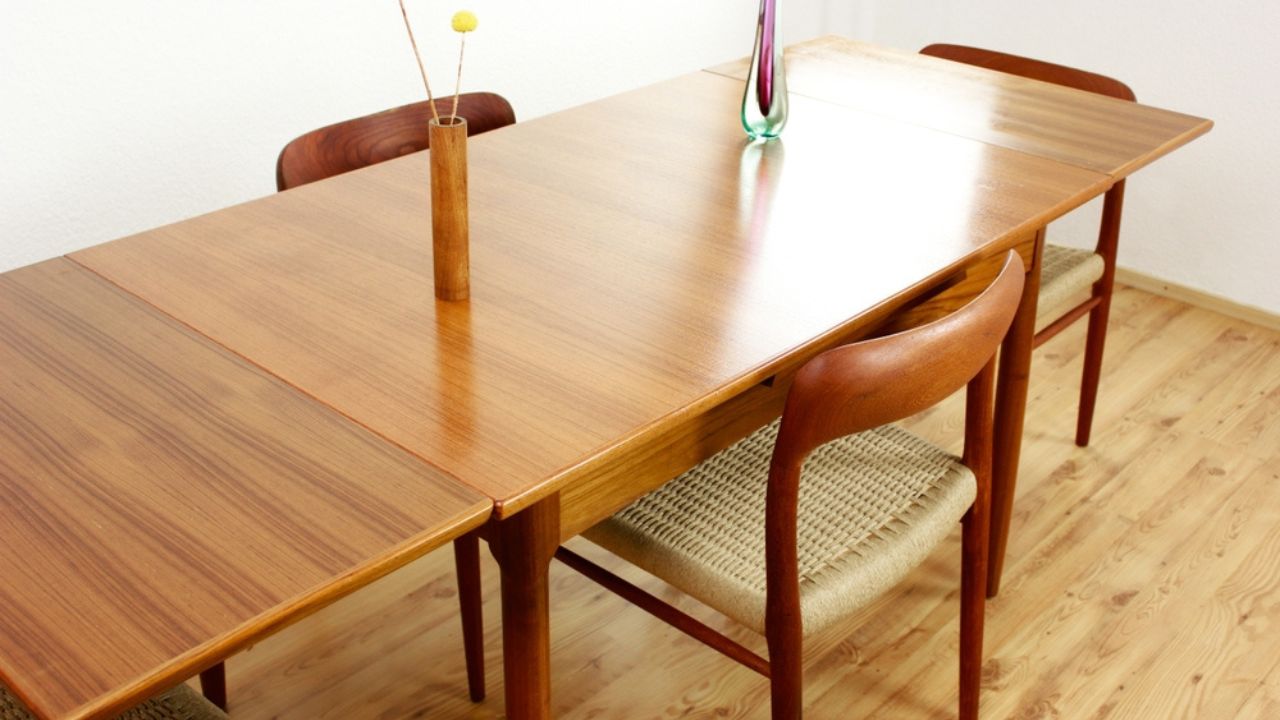
Hand-carved cedar chests and solid wood dining tables show a level of craftsmanship rarely seen in modern flat-pack furniture. Family members often built these pieces by hand or purchased them to last for multiple generations. The scratches and watermarks on a dining table tell stories of family dinners and late-night conversations.
Clean antique wood using gentle oil soaps and apply paste wax to protect the finish from drying out. You can reupholster dining chairs with modern fabrics to integrate them into your current dining room decor. Using a handmade cedar chest to store extra blankets at the foot of your bed keeps the piece functional and visible.
11. Vintage Clothing and Wedding Dresses
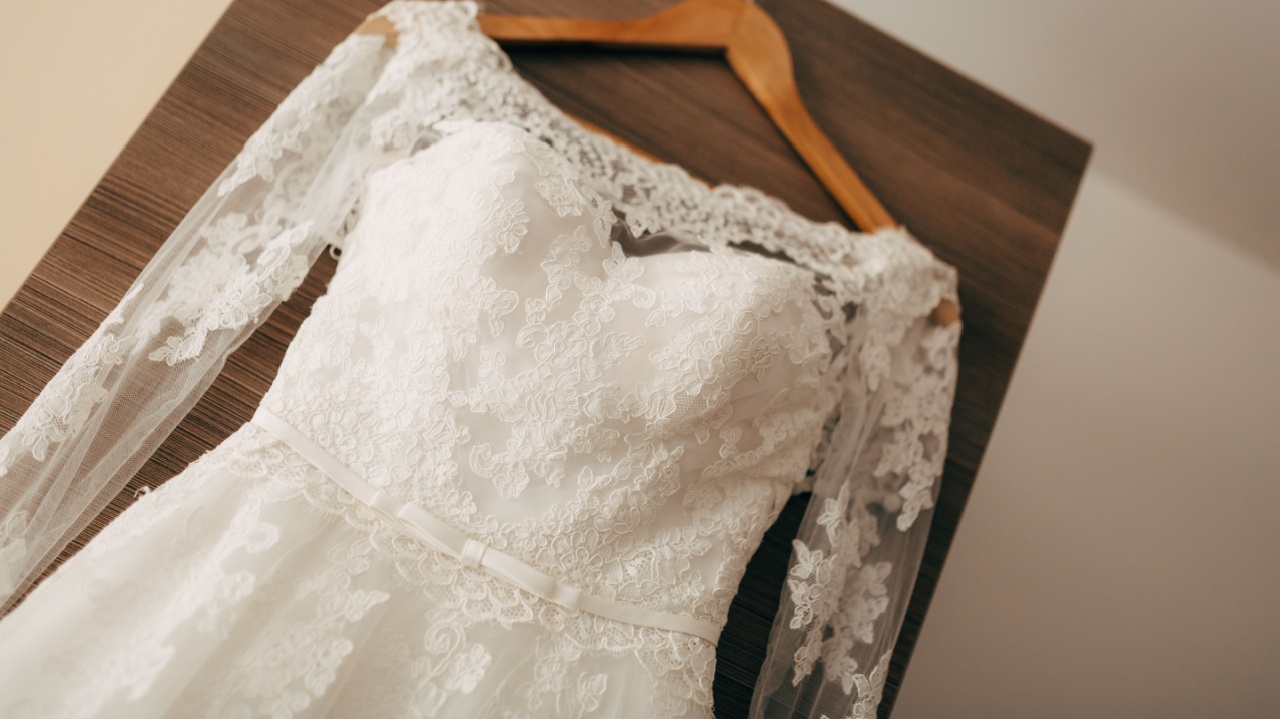
A grandmother’s wedding dress or a grandfather’s tailored suit reflects the fashion and culture of their specific era. The fabric quality and tailoring techniques found in vintage clothing often surpass modern manufacturing standards. These garments allow you to see exactly how your relatives presented themselves during significant life milestones.
Store delicate vintage garments flat in acid-free boxes lined with unbleached muslin tissue paper. You can incorporate small pieces of damaged garments into a modern memory quilt or decorative pillow. Some brides choose to alter an ancestor’s wedding gown to wear on their own special day.
12. Original Artwork and Paintings
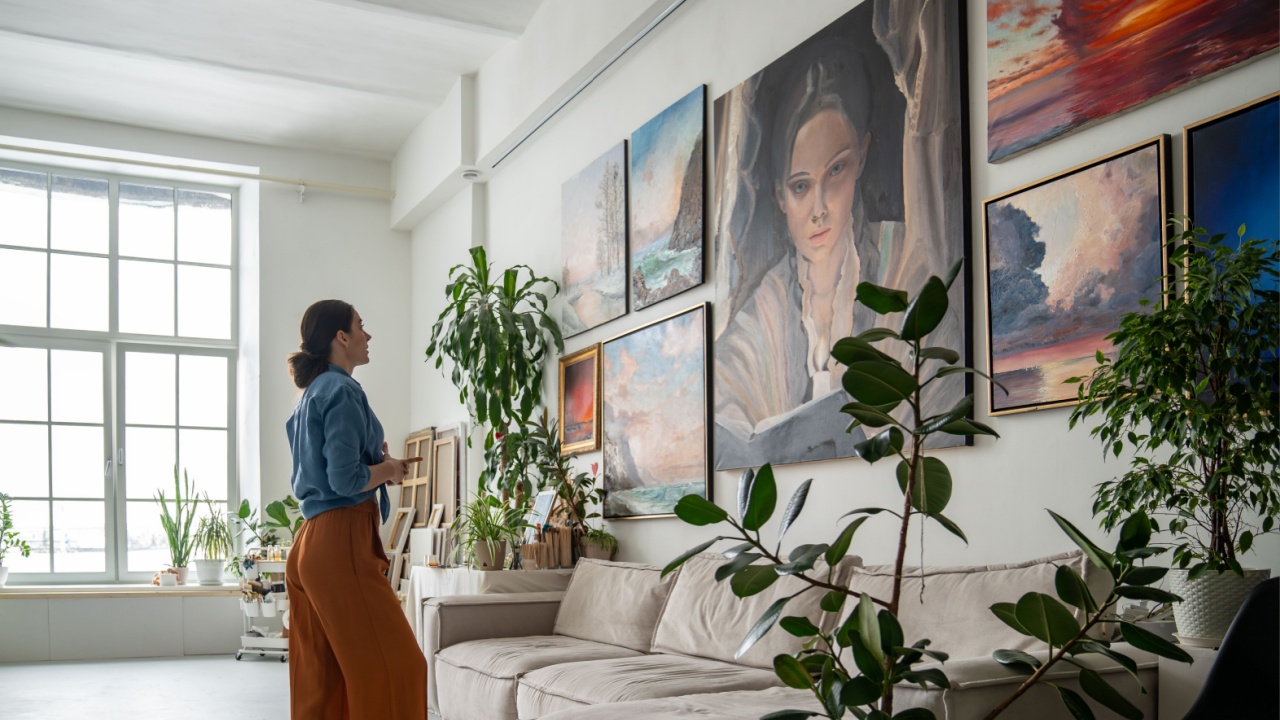
Paintings created by relatives or collected during their travels offer a window into their artistic tastes. Original artwork provides a unique aesthetic to your home that mass-produced prints simply cannot match. The brushstrokes and color choices express emotions and perspectives unique to the artist who created the piece.
Hang valuable paintings away from direct sunlight and areas with high humidity, like bathrooms or kitchens. Take older canvases to a professional conservator if the paint begins cracking or the varnish turns yellow. Framing a relative’s amateur watercolor adds a highly personal touch to your hallway gallery wall.
Preserving Your Family Legacy

Some heirlooms can be more trouble than they are worth, but others are invaluable. Holding onto family heirlooms preserves the physical evidence of your family history for generations to come. These artifacts tell the stories of your ancestors through the items they touched, used, and loved every single day. Taking the time to care for these possessions honors the memory of the people who came before you.
Look through your inherited items and identify the pieces that hold the most significant meaning for your family. Choose a few objects to clean, restore, and display proudly in your living space today. By bringing these treasures out of storage, you keep your family legacy alive and visible in your daily life.
Read More: