6 Home Improvement Disasters That Seemed Like a Good Idea in the Moment, According to Real People
Home renovation shows make major updates look incredibly fast and easy. You watch a host tear down walls and install massive islands in forty minutes, making you eager to swing a sledgehammer in your own living room. The reality of altering a house involves weeks of dust, unexpected expenses, and decisions you must live with every single day.
Many homeowners dive into massive projects based on current trends or a sudden desire for change. They see beautiful pictures on social media and assume those layouts translate perfectly to their specific lifestyle.
Unfortunately, aesthetics often clash with practicality, leaving families stuck with expensive modifications that make daily routines harder rather than easier. What started as a dream often turns into a nightmare that costs way too much time and money to make, leaving people feeling stuck with their less-than-ideal decisions.
The text below outlines six distinct renovation choices that real people deeply regret. We examine why these popular updates often fail in practice and offer better alternatives for your upcoming remodeling projects.
1. Recarpeting Before Selling
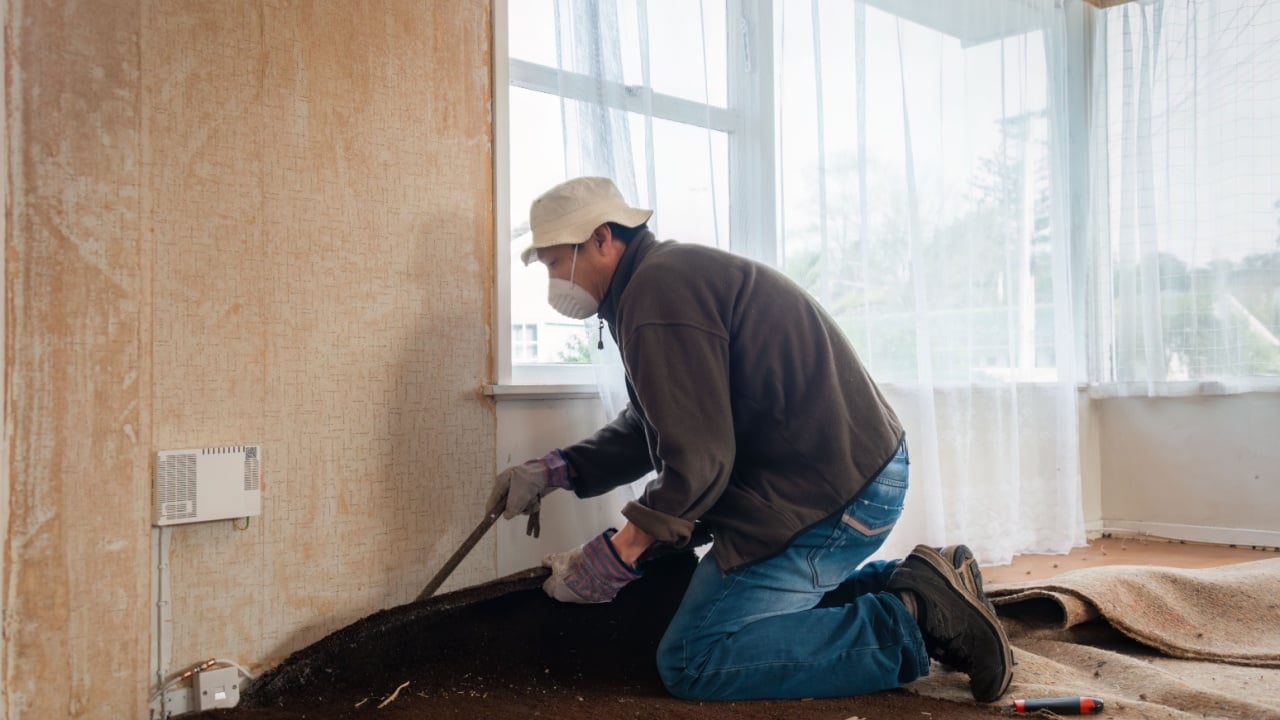
The jury is still out on whether to replace the carpet or not before selling. Some sellers spend thousands of dollars on fresh carpet to attract potential buyers during open houses. They assume a plush floor will make the property seem pristine and well-maintained. In reality, the new owners frequently tear up those exact floors on move-in day to install modern luxury vinyl plank or hardwood.
Buyers possess highly specific preferences regarding interior finishes. Instead of wasting capital on materials another family might hate, offer a credit allowance at closing. This strategy keeps cash in your pocket while allowing the purchaser to select the exact materials they desire for their future home.
2. Overbuilding for the Neighborhood
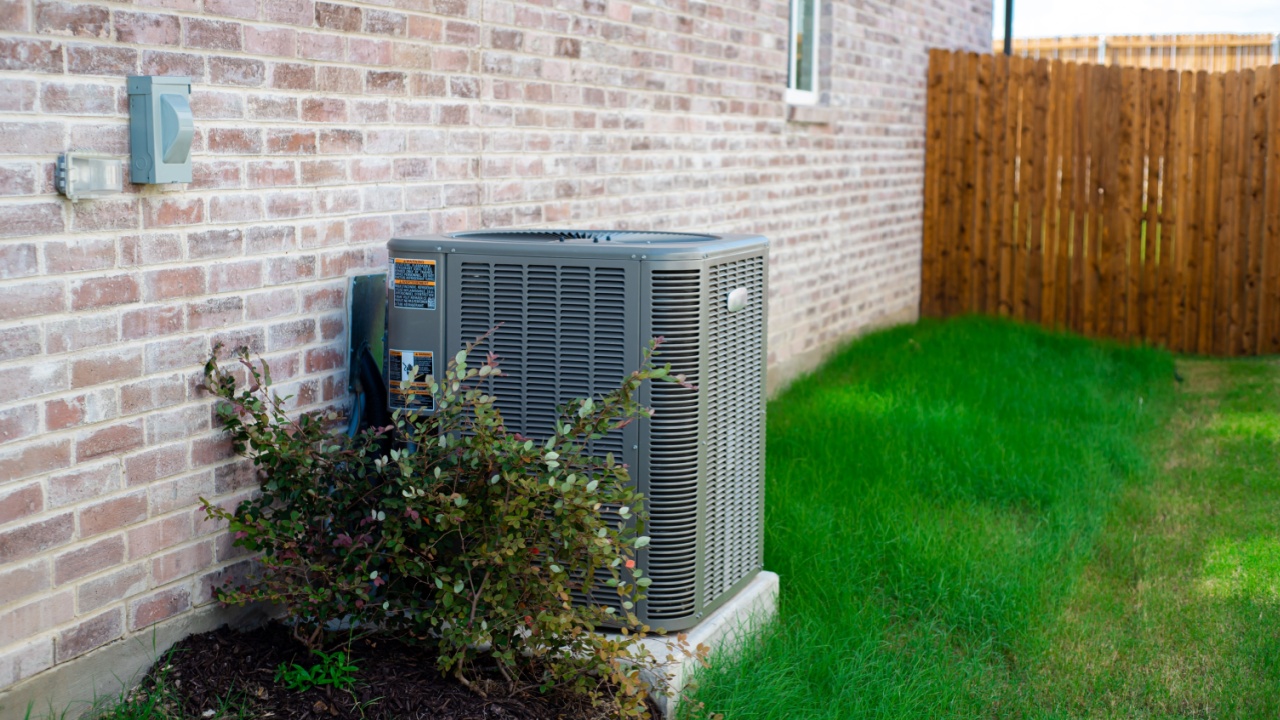
Installing high-end HVAC systems, solid oak floors, or luxury fixtures in a modest subdivision often results in significant financial disappointment. Homeowners invest huge sums into premium upgrades, expecting huge returns when they eventually sell. However, local market values dictate property prices far more heavily than individual house features.
Appraisers base their evaluations heavily on comparable sales within a one-mile radius. If surrounding properties feature basic laminate and standard appliances, your imported marble countertops will never yield a full return. Match your improvements to the prevailing standards of your specific street to protect your financial resources.
3. Barn Doors for Bathrooms
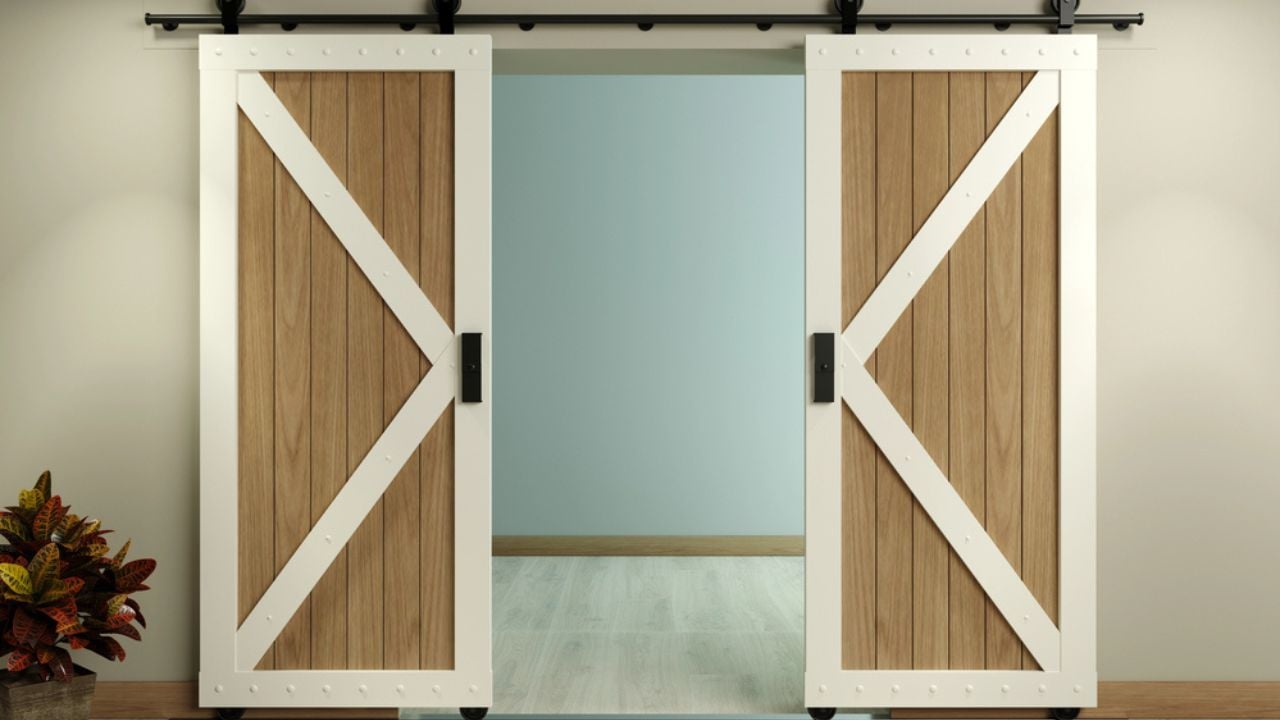
The rustic farmhouse trend brought sliding wooden panels into thousands of modern homes over the past decade. People loved the visual appeal and the space-saving layout of a door sliding flush against the wall. However, installing these fixtures for primary bathrooms creates an incredibly uncomfortable experience for household members and guests alike.
Sliding barn styles leave noticeable gaps along the sides and bottom of the frame. This design offers zero soundproofing and completely fails to block light or odors from reaching adjoining bedrooms. Stick to traditional hinged options or properly sealed pocket mechanisms for spaces requiring total privacy.
4. Black Fixtures and Sinks
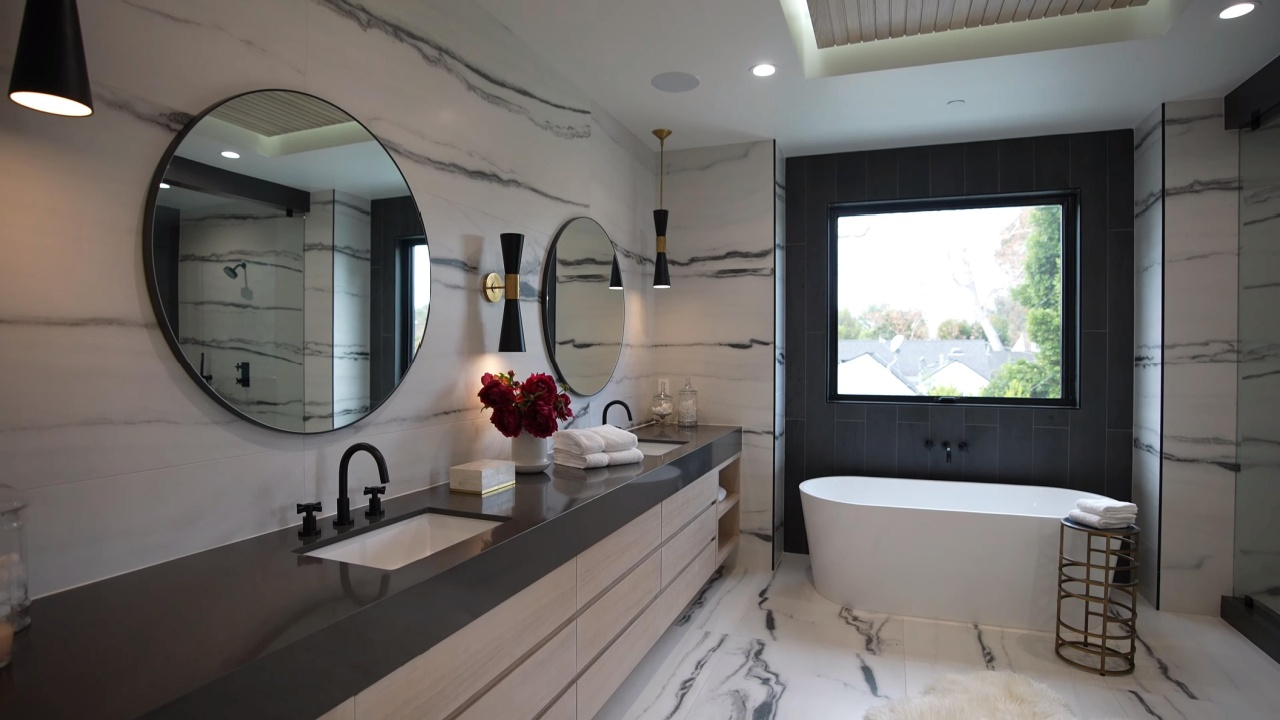
Matte black hardware swept through interior design magazines as a sleek, modern alternative to brushed nickel and chrome. The dark finish looks striking against white tile and provides a beautiful contrast in newly remodeled bathrooms. Unfortunately, upkeep for that pristine appearance requires an exhausting amount of daily effort.
Hard water deposits, toothpaste splatters, and soap scum show up immediately on dark surfaces. A simple hand-washing session leaves highly visible white spots all over the metal, forcing homeowners to wipe everything down constantly. Brushed finishes hide daily grime much better and reduce the frequency of intense cleaning sessions.
5. Wood Countertops

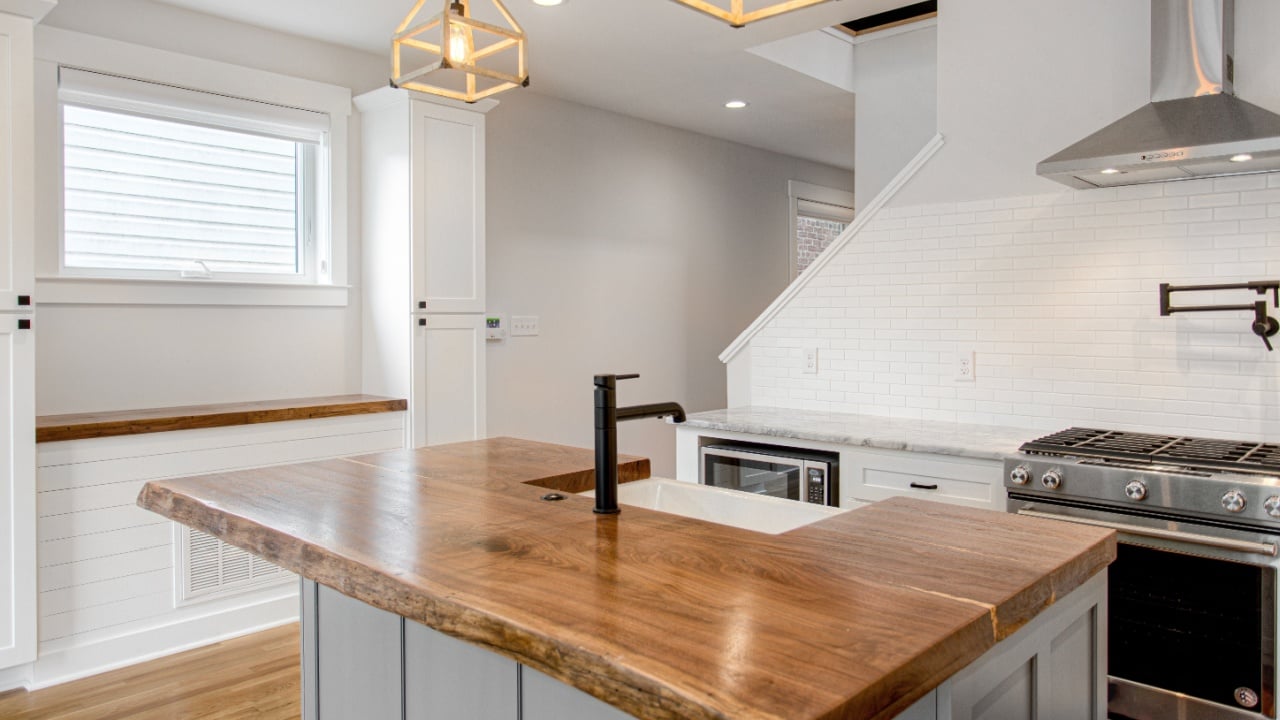
Butcher block surfaces introduce warmth and natural texture to otherwise sterile kitchen environments. Many individuals select this material, hoping to get a rustic look at a lower price point than granite or quartz. The reality of food preparation quickly exposes the fragile nature of unsealed timber in high-moisture areas.
Water from the sink easily seeps into the grain, causing rot, dark stains, and structural warping. Maintaining these surfaces requires heavy oiling, frequent sanding, and extreme vigilance against settling liquids. For a stress-free cooking environment, engineered stone offers exceptional durability while eliminating the risk of water damage.
6. Square Kitchen Sinks
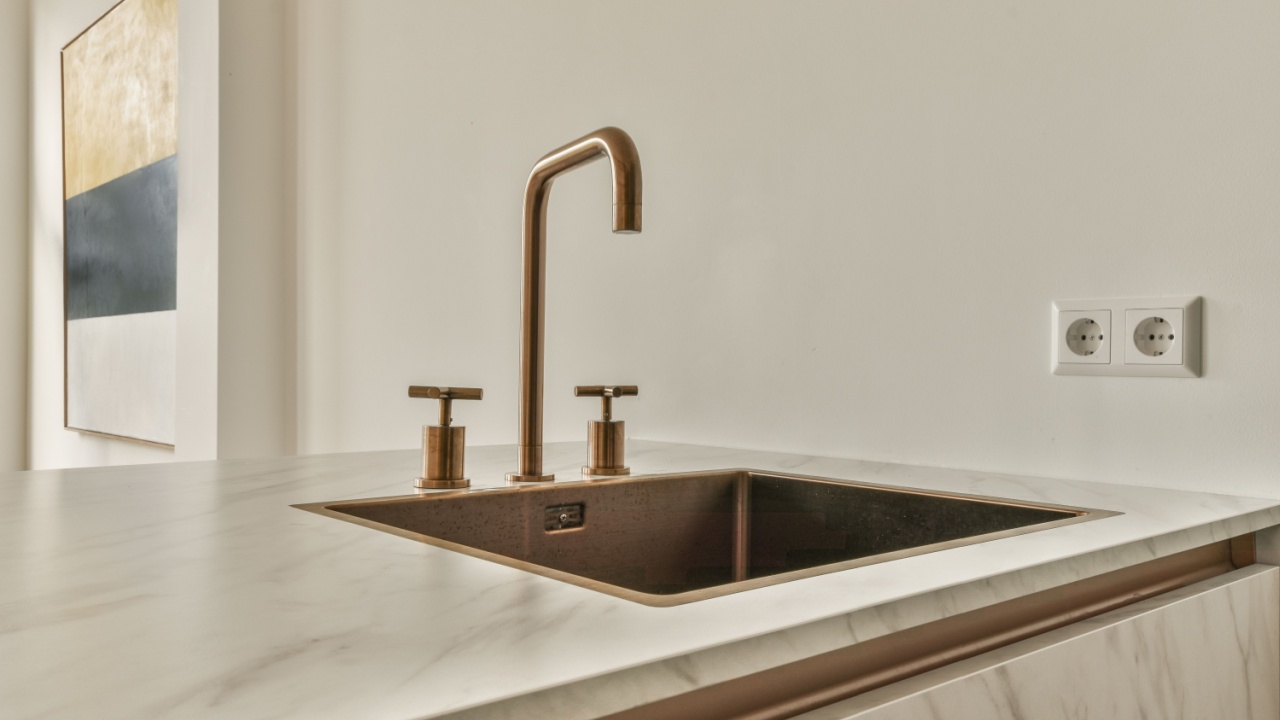
Zero-radius basins feature sharp ninety-degree angles that look incredibly industrial and contemporary. People select these geometric designs to complement modern appliances and minimalist cabinetry. While the aesthetic appeal is undeniably strong, the daily functionality is endlessly frustrating during dishwashing sessions.
Food particles, grease, and soap residue inevitably become trapped in the sharp corners. Sponges cannot easily reach deep into the crevices, forcing individuals to use toothbrushes or specialized tools to maintain basic hygiene. Basins with gently rounded edges channel debris smoothly toward the drain, eliminating unnecessary scrubbing tasks.
Smart Choices for Lasting Results
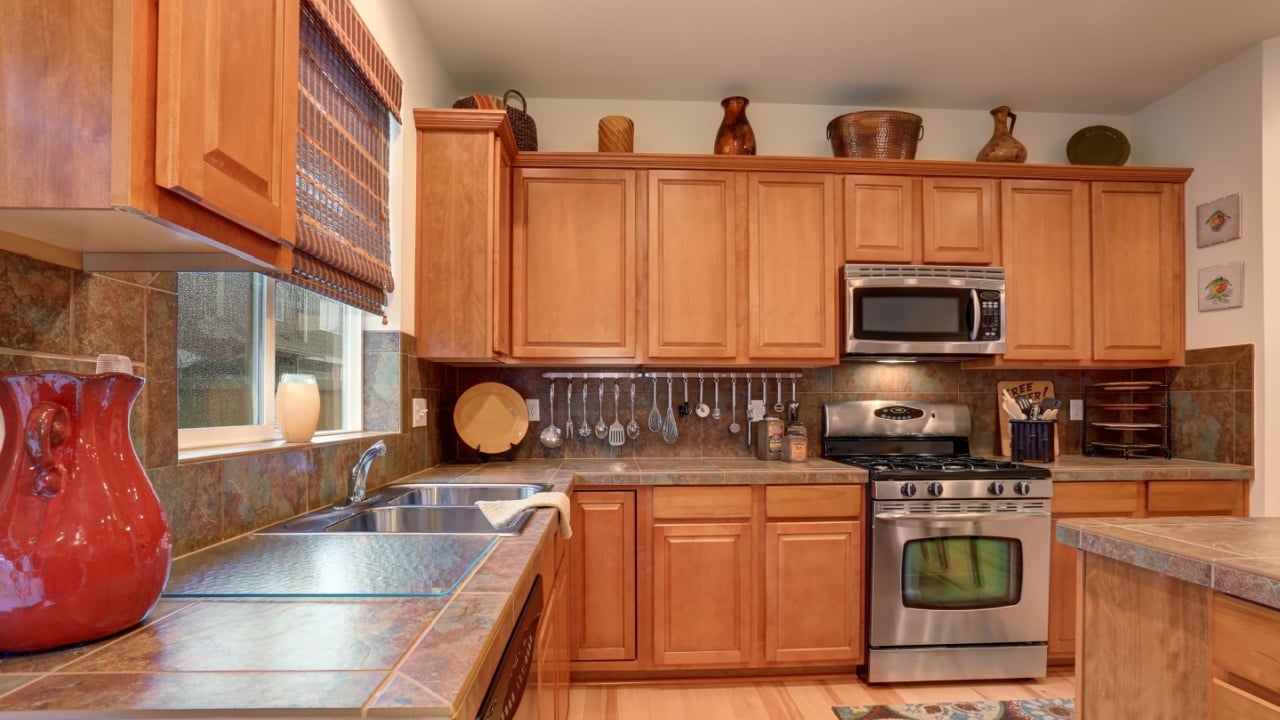
Renovations require careful consideration of daily habits rather than just visual appeal. Trends fade rapidly, but the physical reality of cleaning sharp sink corners or wiping down spotted faucets remains a daily chore. Prioritizing functional materials saves immense frustration and protects your long-term financial investment.
Make thoughtful choices based on durability to create a home that looks beautiful and operates smoothly for years to come.