
No Clutter in Space— 12 Items Astronauts Cannot Bring to Orbit
Packing for a trip requires careful planning, but preparing for a journey to the International Space Station (ISS) takes things to a completely different level. Astronauts cannot simply toss items into a suitcase and head to the launchpad. Every single gram undergoes intense scrutiny before it ever leaves the atmosphere.
A SpaceX Falcon 9 mission costs roughly $23,300 per kilogram of payload sent to the ISS. ScienceInsights notes that during the Space Shuttle era, costs soared to $93,400 per kilogram. This economic reality means space agencies scrutinize every item for weight, safety, and functionality.
Exploring the prohibited packing list reveals a fascinating look at the physics of microgravity. Here is a breakdown of everyday items astronauts must leave firmly planted on Earth and the scientific reasons behind their banishment.
1. Glass Containers
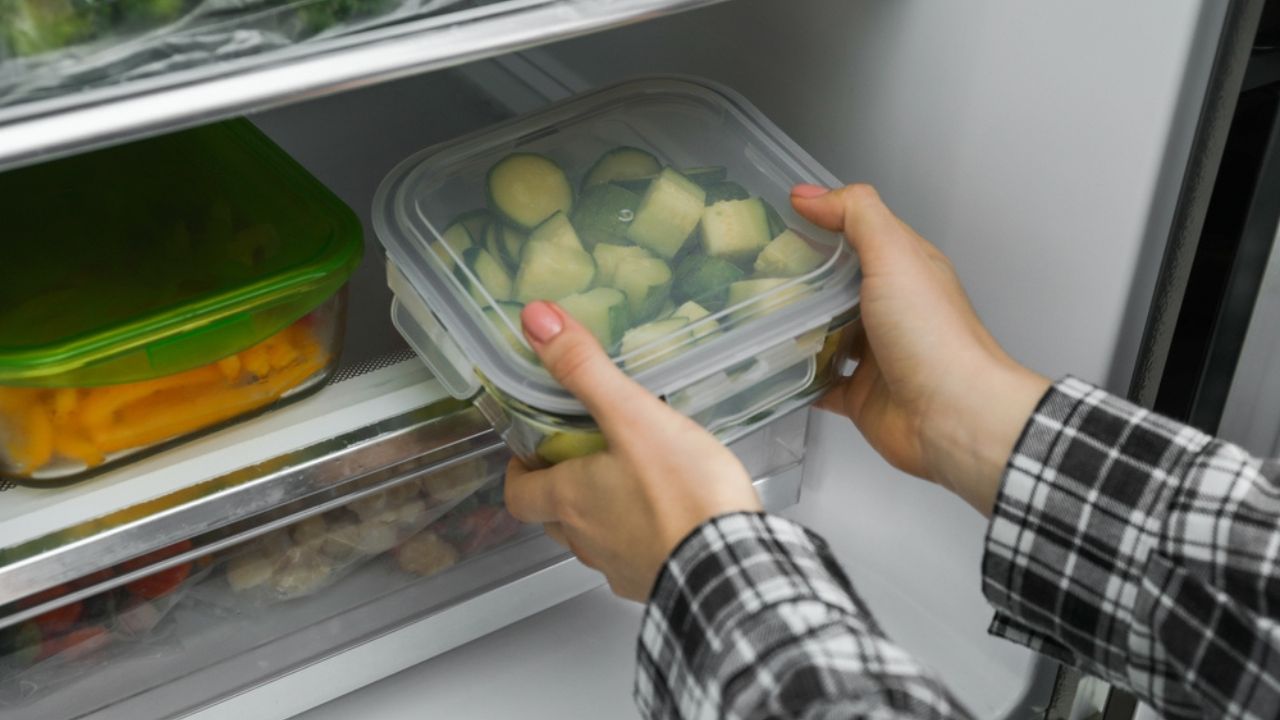
If you’ve ever dropped a glass, you know how easily it shatters. Now, imagine that in space. Broken glass in microgravity becomes a serious hazard, as tiny shards would float freely through the cabin. These fragments could get into an astronaut’s eyes or lungs, causing significant injuries.
That’s why space agencies use flexible pouches and durable plastics for storage instead. You can even adopt this safety-first mindset on your own travels by using shatterproof silicone bottles for liquids to prevent messy or dangerous spills.
2. Bread and Crumbly Baked Goods

A simple sandwich poses a massive threat to delicate spacecraft life support systems. Bread produces crumbs, and in zero gravity, those tiny particles do not fall to the floor. They float into ventilation grates and electrical panels, potentially causing catastrophic system failures or inhalation hazards.
Astronauts switched to flour tortillas in 1985 to solve this problem entirely. Tortillas leave no residue and hold fillings perfectly. Campers and hikers can borrow this space-tested strategy to keep tents clean and reduce food waste on the trail.
3. Granular Salt

If you were to shake salt onto your food in space, you’d end up with a cloud of sodium chloride drifting through the galley. The grains wouldn’t land on your food, but would instead irritate your eyes and clog important air filters. Granular seasonings just don’t work in a weightless environment.
The solution? Dissolve the salt in water and store it in small dropper bottles. This liquid seasoning keeps the flavor on the food where it belongs. Home cooks can also use saline solutions to distribute flavor more evenly in marinades.
4. Granular Pepper
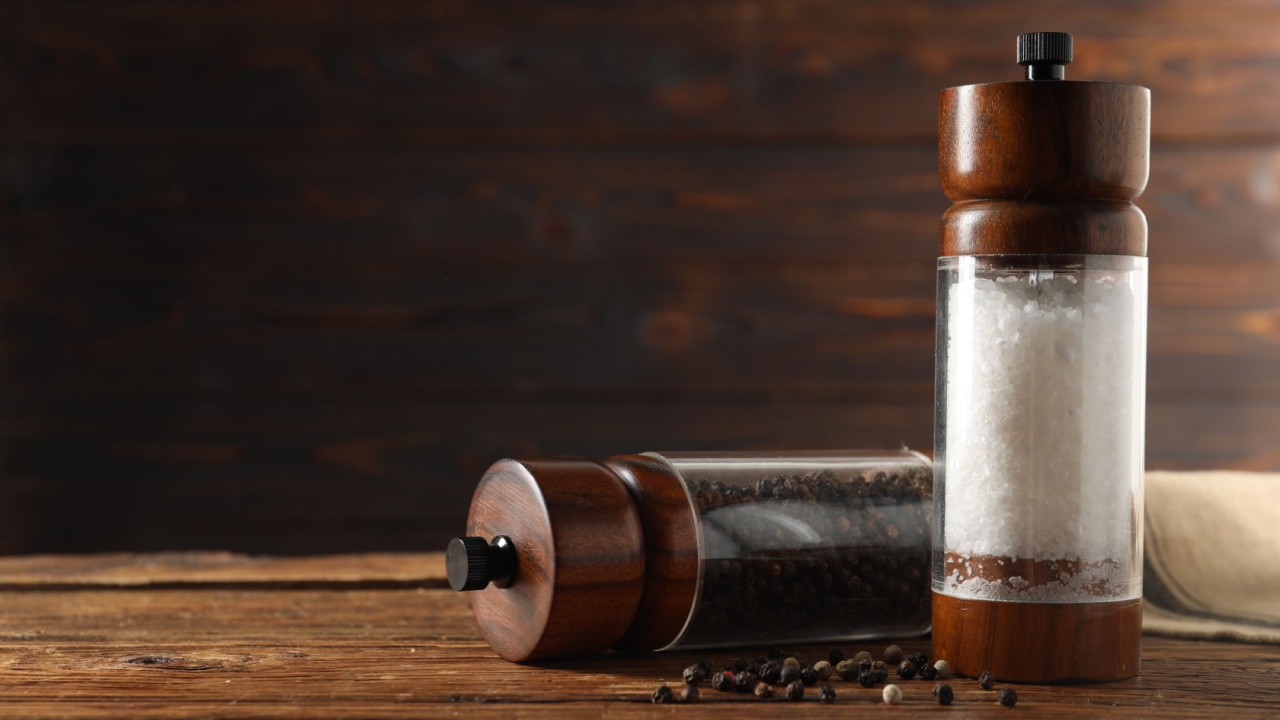
Just like salt, pepper flakes would create a hazardous cloud if you tried to shake them in space. Sneezing in a confined, sealed oxygen environment is not a good idea, and any loose particles are a safety violation on the station.
To get around this, food scientists suspend pepper extract in oil. The oil sticks to the food and stops any particles from floating away. This is a great tip for travelers, too. Using infused oils can save you from carrying a bunch of different spice jars.
5. Aerosol Sprays

Ever wondered why you don’t see astronauts using spray deodorant or hairspray? It’s because those cans use compressed gases that are a huge fire risk. In the sealed, oxygen-rich environment of a spacecraft, a flammable mist is basically a potential bomb. And a fire on the ISS? That’s the stuff of nightmares.
So, how do they stay fresh? Personal hygiene in orbit is all about solid deodorants and rinseless soaps. Astronauts keep clean without any pressurized cans. This is also a neat trick for travelers on Earth; switching to solid toiletries helps you get through airport security faster.
6. Flammable Liquids

Materials containing alcohol or other highly combustible chemicals are strictly forbidden from launch manifests. A blaze inside a pressurized cabin would consume the limited oxygen supply rapidly. Fire behaves strangely in microgravity, creating spherical flames that are incredibly difficult to extinguish.
All cleaning supplies and personal care items undergo rigorous testing to verify their non-combustible nature. Only specially approved wet wipes and foams make the final cut. Keeping flammable liquids out of camping gear is a smart way to prevent accidental fires in the wilderness.
7. Standard Laundry Machines
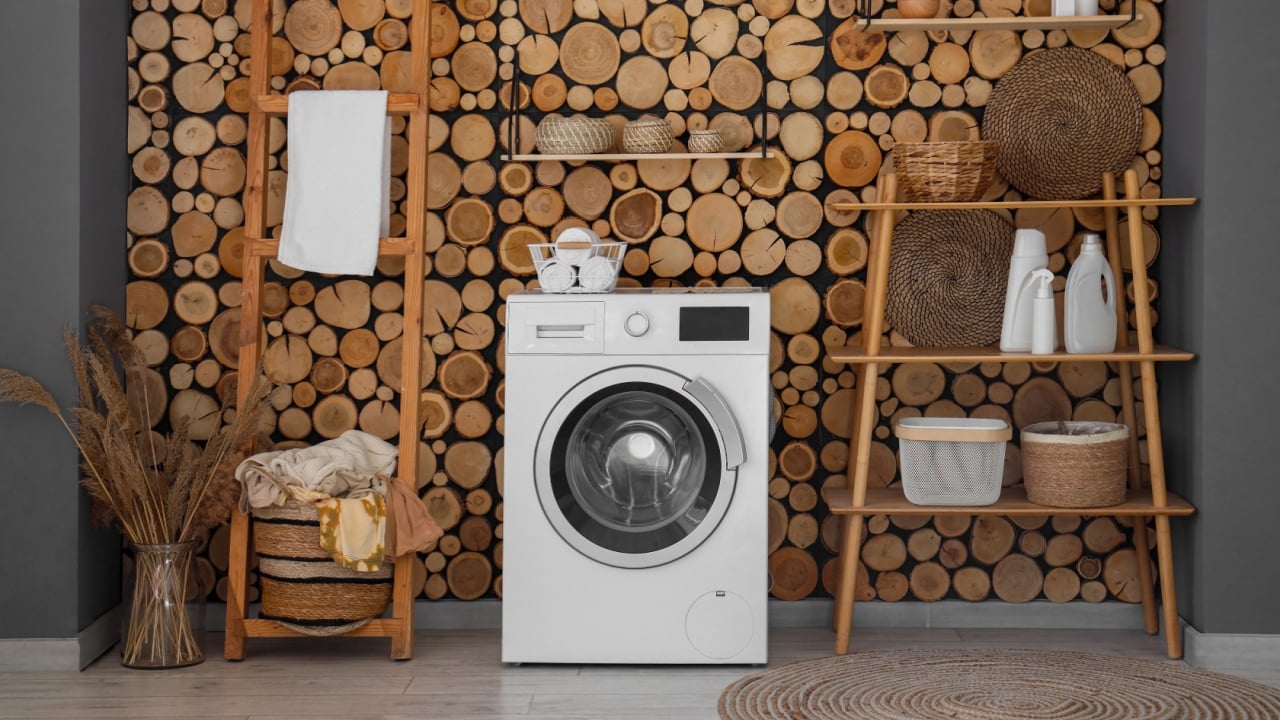
While no one packs an entire washing machine when traveling, they do pack clothes based on how often they can wash them. In space, it gets much more complicated.
Washing clothes isn’t as simple as it is back on Earth. For one, washing machines need a ton of water and gravity to work, neither of which is abundant in space. Water is so precious on the ISS (it’s recycled from sweat and urine!) that wasting it on laundry is a no-go. Plus, a spinning drum full of water just wouldn’t work in zero gravity.
So, what do astronauts do? They wear their clothes for a few days until they’re too dirty, then pack them into a special cargo vehicle that burns up when it re-enters Earth’s atmosphere. If you’re a frequent traveler looking to pack light, take a page out of their book and opt for merino wool or other odor-resistant fabrics.
8. Unapproved Plastics and Adhesives
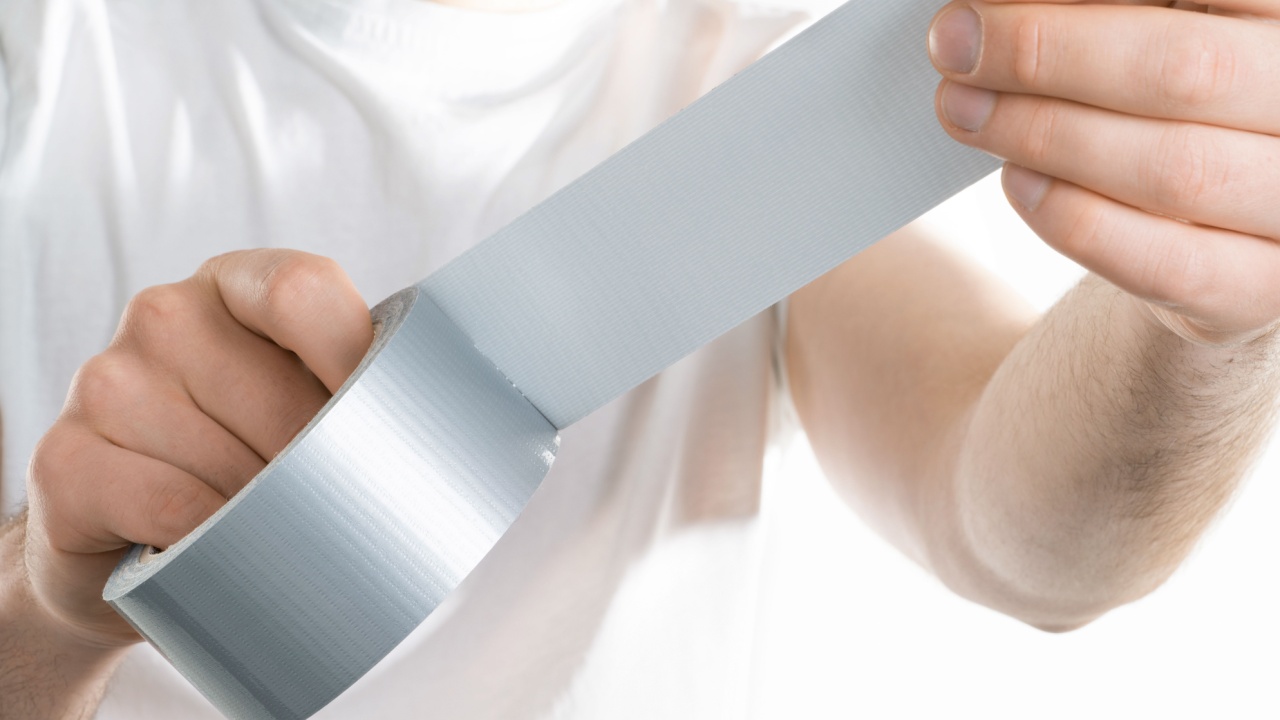
Over time, many synthetic materials slowly release invisible toxic fumes. In a closed-loop air system like the one on the ISS, this “off-gassing” process causes dangerous chemicals to build up fast. Materials that are perfectly safe in a well-ventilated house can become hazardous in a sealed metal tube.
NASA screens every single item in an astronaut’s Personal Preference Kit to make sure they won’t release any toxic fumes. Only materials that pass these strict off-gassing tests get a ticket to space. You can apply the same logic at home to improve your indoor air quality by choosing low-VOC paints and natural furniture materials.
9. Heavy Luggage and Excess Clothing

Rocket fuel is expensive. Like, really expensive. It costs tens of thousands of dollars just to launch a single kilogram of cargo into space. This means astronauts have to be incredibly strict about what they pack, measuring their personal items in grams, not pounds.
Clothing is kept to a bare minimum, with items often serving multiple purposes (like doubling as exercise gear). Everything on board has to be worth its astronomical launch price. Applying this minimalist mindset back on Earth can help you dodge annoying baggage fees and breeze through crowded train stations.
10. Carbonated Beverages
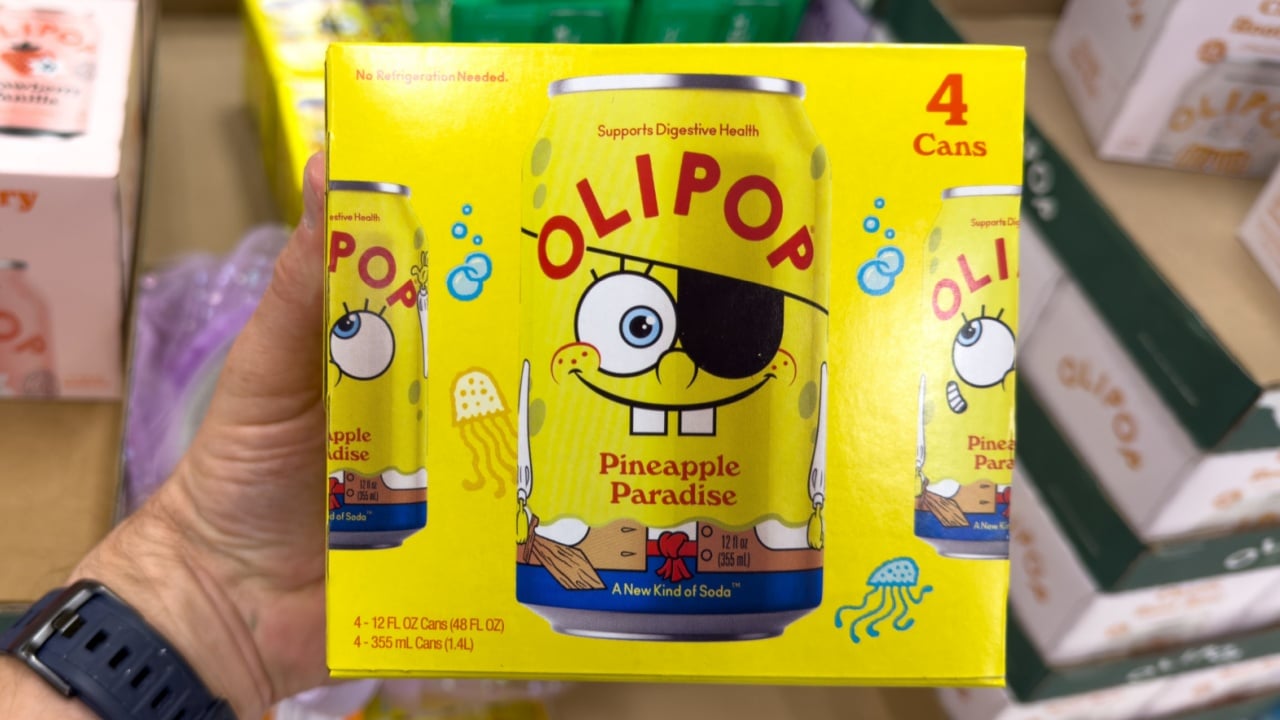
Soda and sparkling water rely on gravity to separate the liquid from the carbon dioxide gas inside the human stomach. Without gravity pulling the liquid down, the gas remains trapped within the fluid. Drinking a soda in space results in painful digestive issues and uncontrollable wet burps.
Astronauts hydrate exclusively with flat water, which is sometimes flavored with powdered drink mixes. Sticking to plain water prevents gastrointestinal discomfort during complex spacewalks. Athletes on Earth also prefer flat water to avoid bloating during intense physical exertion.
11. Pencils and Graphite
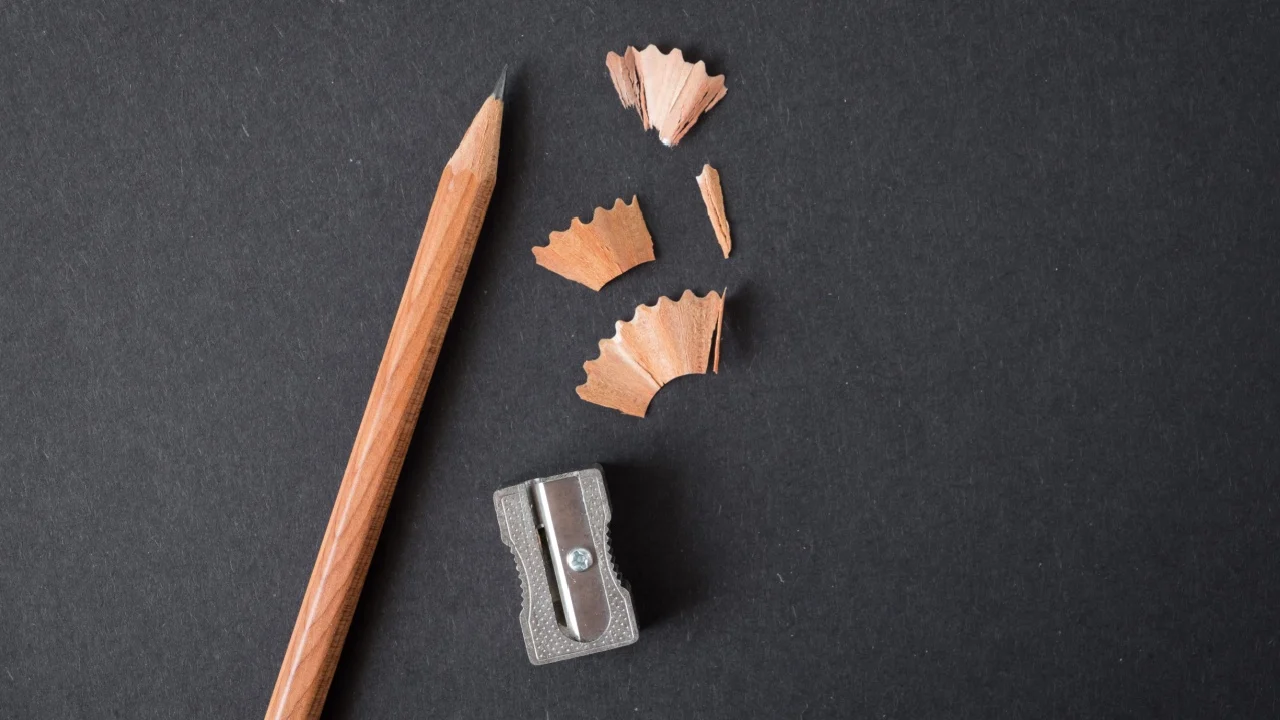
You’ve probably heard the myth that NASA spent millions on a space pen while the Soviets just used pencils. The truth is, pencils are a no-go in space. The graphite tips can snap off and, along with wood shavings, float into electrical equipment. Since graphite is conductive, this could easily cause short circuits and fires.
That’s where pressurized ink pens come in. They’re a safe way to write things down without creating dangerous floating debris. The ink flows smoothly no matter how you’re holding it, so astronauts can jot down important notes even if they’re upside down or in freezing temperatures.
12. Spray Paint
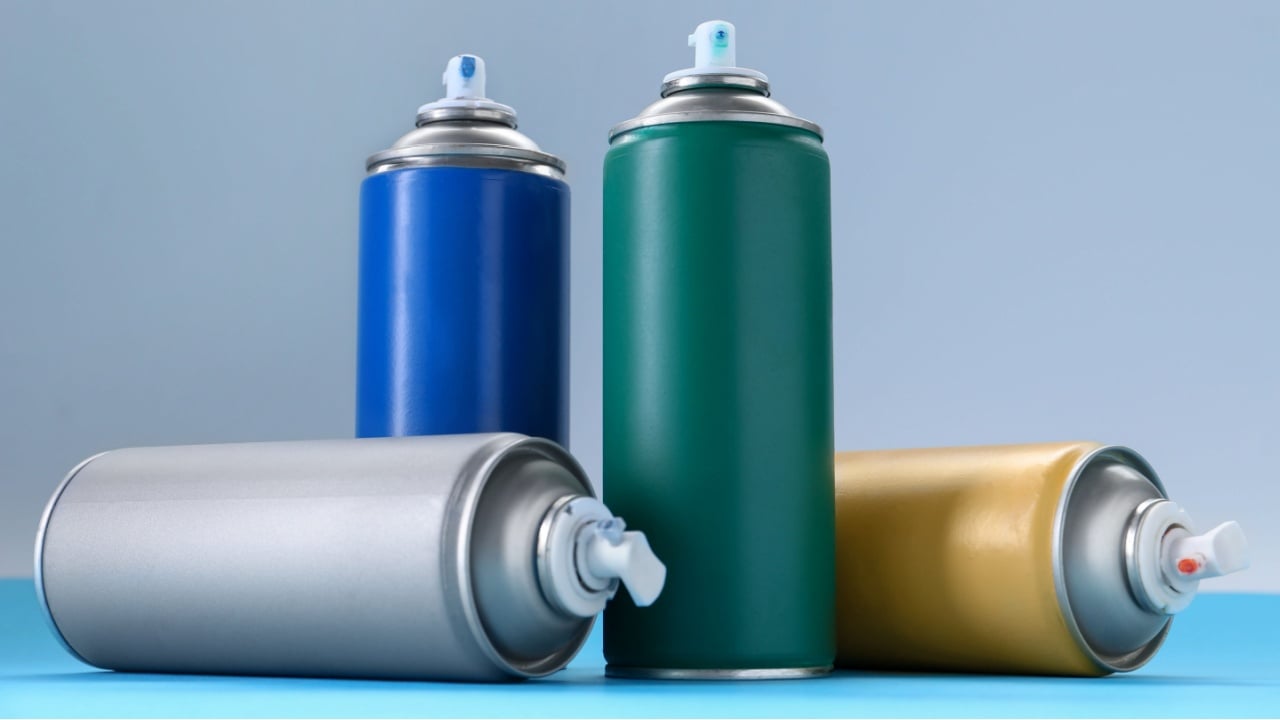
Any maintenance requiring paint must avoid aerosolized applications completely. Spray paint releases volatile organic compounds and fine particulate matter that the life support system cannot filter out fast enough. The fumes would quickly overpower the crew in the confined environment of the station.
Repairs on the station utilize specialized tapes, solid patches, and pre-approved coatings that apply without airborne particles. Keeping the air clean requires absolute control over every substance introduced to the cabin.
Journey Smarter, Not Harder
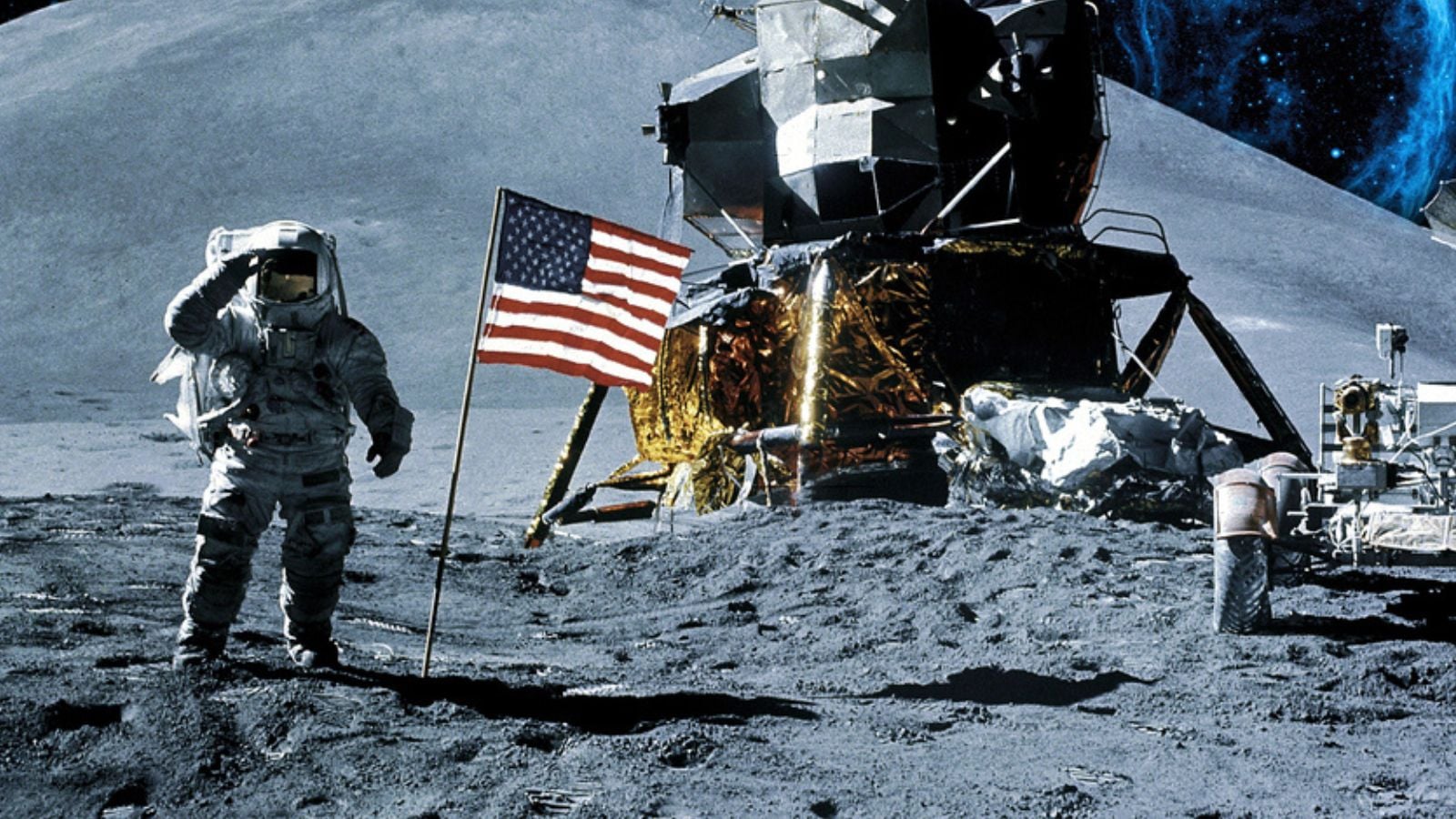
Understanding the constraints of space travel provides a masterclass in efficiency and risk management. Adopting a strict, zero-waste packing strategy will transform any upcoming terrestrial journey into a streamlined adventure. Get inspired by your local astromanuts and take a moment to evaluate the items in that suitcase, remove the unnecessary bulk, and prepare for a smoother departure.
Read More: