16 Most Dangerous Places in the World (And Safer Alternatives to Visit)
Some destinations look incredible on a travel blog and absolutely terrifying in a State Department advisory. The gap between those two realities has cost travelers their safety, their freedom, and in some cases, their lives.
This list draws from three of the most respected sources in global travel safety. The Global Peace Index (GPI) ranks countries using 23 metrics across societal security, ongoing conflict, and militarization. The U.S. Department of State’s Travel Advisory system rates destinations from Level 1 (exercise normal precautions) to Level 4 (do not travel). The International SOS Travel Risk Map adds a medical lens, rating healthcare access and disease risk separately from security threats. Together, these give a clearer picture of what travelers are actually walking into.
Below are 16 destinations that currently carry serious risks, along with safer alternatives that deliver a similar experience without the danger. Read on before booking anything.
1. Russia
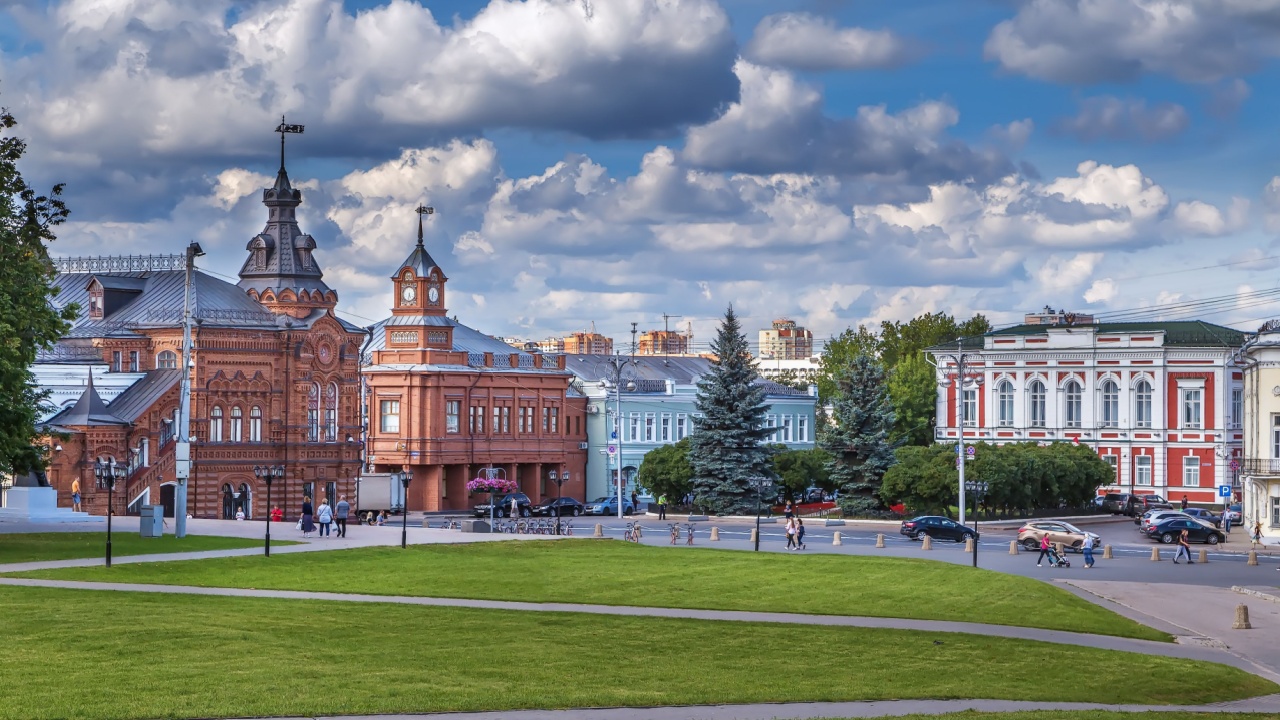
Russia is a firm “Do Not Travel” (Level 4) on the U.S. State Department’s list, and for good reason. The ongoing war with Ukraine has destabilized the country, but the risks go beyond the conflict zone. American travelers face the arbitrary enforcement of local laws, potential harassment, and even wrongful detention. Plus, U.S. credit and debit cards don’t work there, leaving you financially stranded. The embassy’s ability to help is extremely limited, and the official advice for Americans is simple: get out and stay out.
For a similar vibe without the danger, try Bulgaria. It shares Slavic cultural roots with Russia (Stunning Orthodox churches and medieval fortresses), but is a peaceful and safe Level 1 destination. Bulgaria is one of Europe’s most underrated spots, meaning prices are low, the Black Sea coast is beautiful, and its famous rose valleys are a must-see in spring.
2. China
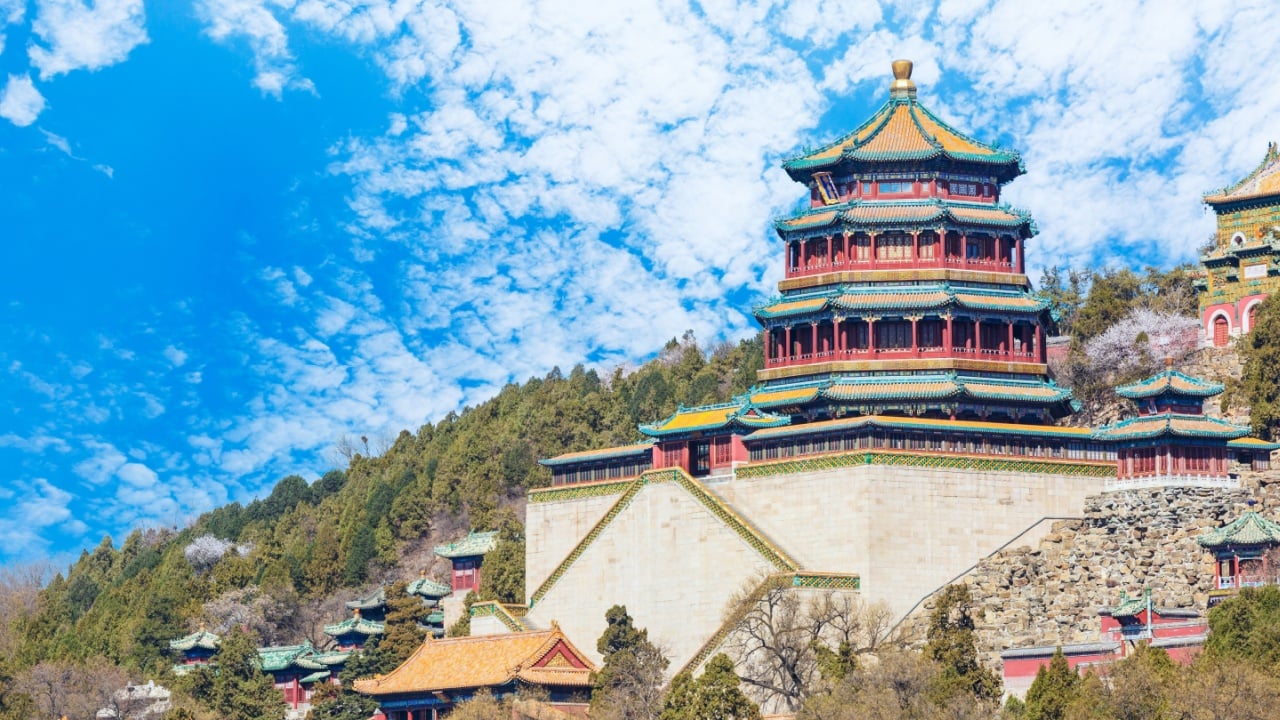
China doesn’t have the same risk of violent crime as many countries on this list. The danger here is legal and political. The Chinese government has increasingly used “exit bans” to prevent foreign nationals, including Chinese-Americans, from leaving the country. With arbitrary detentions, surveillance, and unpredictable enforcement of vague laws, it’s a risky destination, particularly for U.S. citizens.
The State Department currently rates mainland China, Hong Kong, and Macau at Level 2. Ongoing air-quality alerts in cities like Beijing also add a public health concern. While the cultural and culinary appeal is undeniable, the current political climate makes independent travel genuinely unpredictable. For a similar cultural vibe that’s safe, modern, and easy to navigate, try South Korea. Its world-class public transit, ancient temples, and amazing food scene make it a great alternative.
3. Egypt
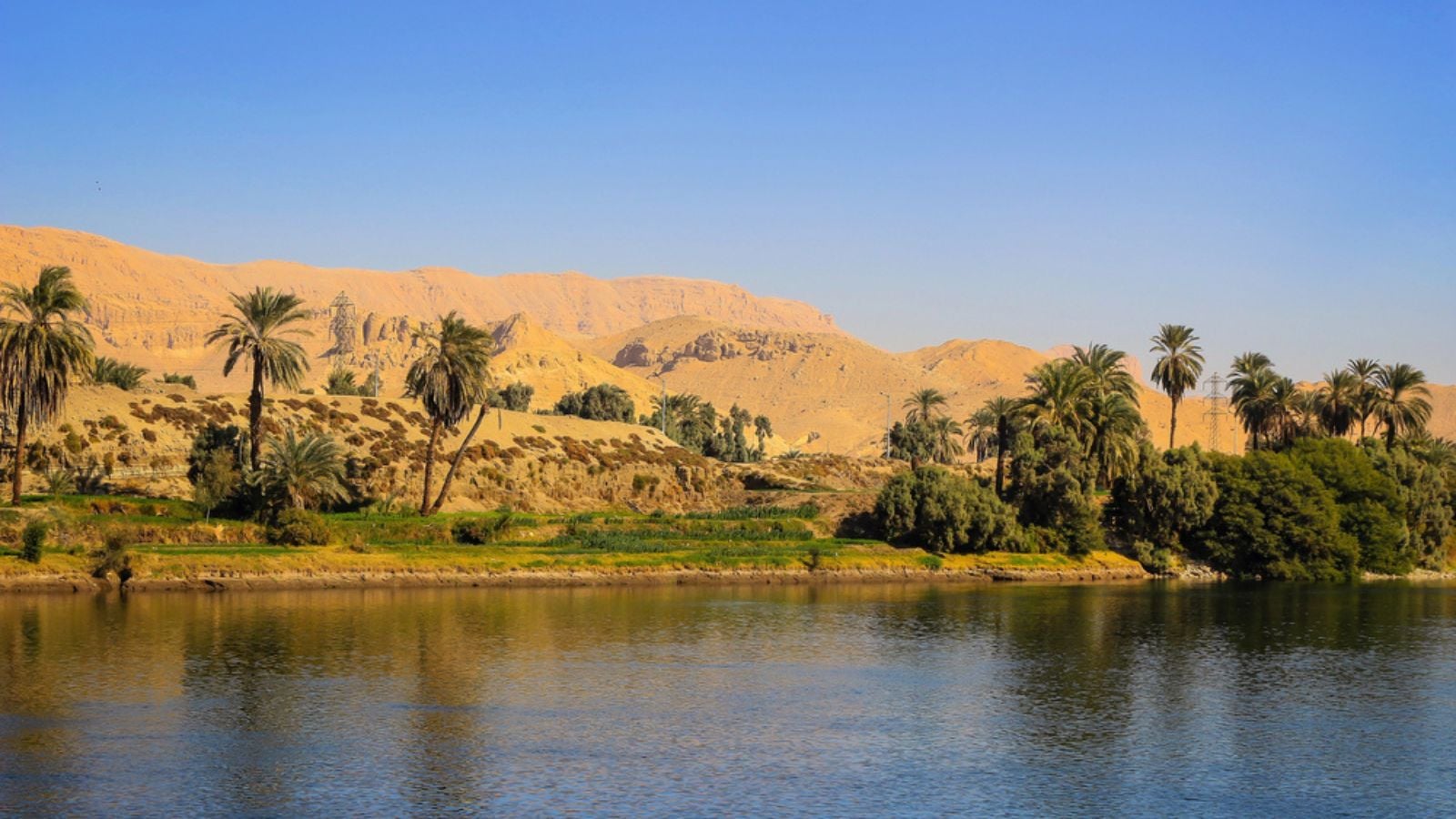
Egypt has a huge draw for history lovers. The pyramids, Luxor, and the Nile offer a staggering density of ancient wonders. But Egypt currently sits at a Level 2 travel advisory – Exercise Increased Caution, with Level 4 “Do Not Travel” warnings in specific regions such as the Sinai Peninsula and Western Desert. Risks include terrorism threats, restrictive political conditions, and elevated concerns for women travelers.
If you do go, use reputable tour operators, know the local emergency number (122), and learn the Arabic words for “stop” and “help.” For the magic of North Africa without the elevated risk, consider Morocco. The markets of Marrakech, the blue streets of Chefchaouen, the Atlas Mountains, and amazing food make it one of the most rewarding destinations anywhere.
4. Mexico (Specifically Acapulco and Guerrero State)

Mexico is a tricky one because large parts of the country are perfectly safe. However, 9 regions have earned a Level 4 “Do Not Travel” rating, putting them in the same category as Iran and Syria. Dozens of gangs operate openly in Acapulco, and its violent crime rate is among the highest in the world.
Other areas like Colima, Michoacán, and Zacatecas also carry Level 4 ratings due to kidnapping and organized crime. The State Department now issues state-by-state advisories, so it’s important to research specific destinations. For a safer option, the Yucatán Peninsula remains at Level 2. Mérida, its cultural capital, is one of the world’s safest cities and offers stunning colonial architecture, proximity to Maya ruins, and cenotes for swimming.
5. Guatemala
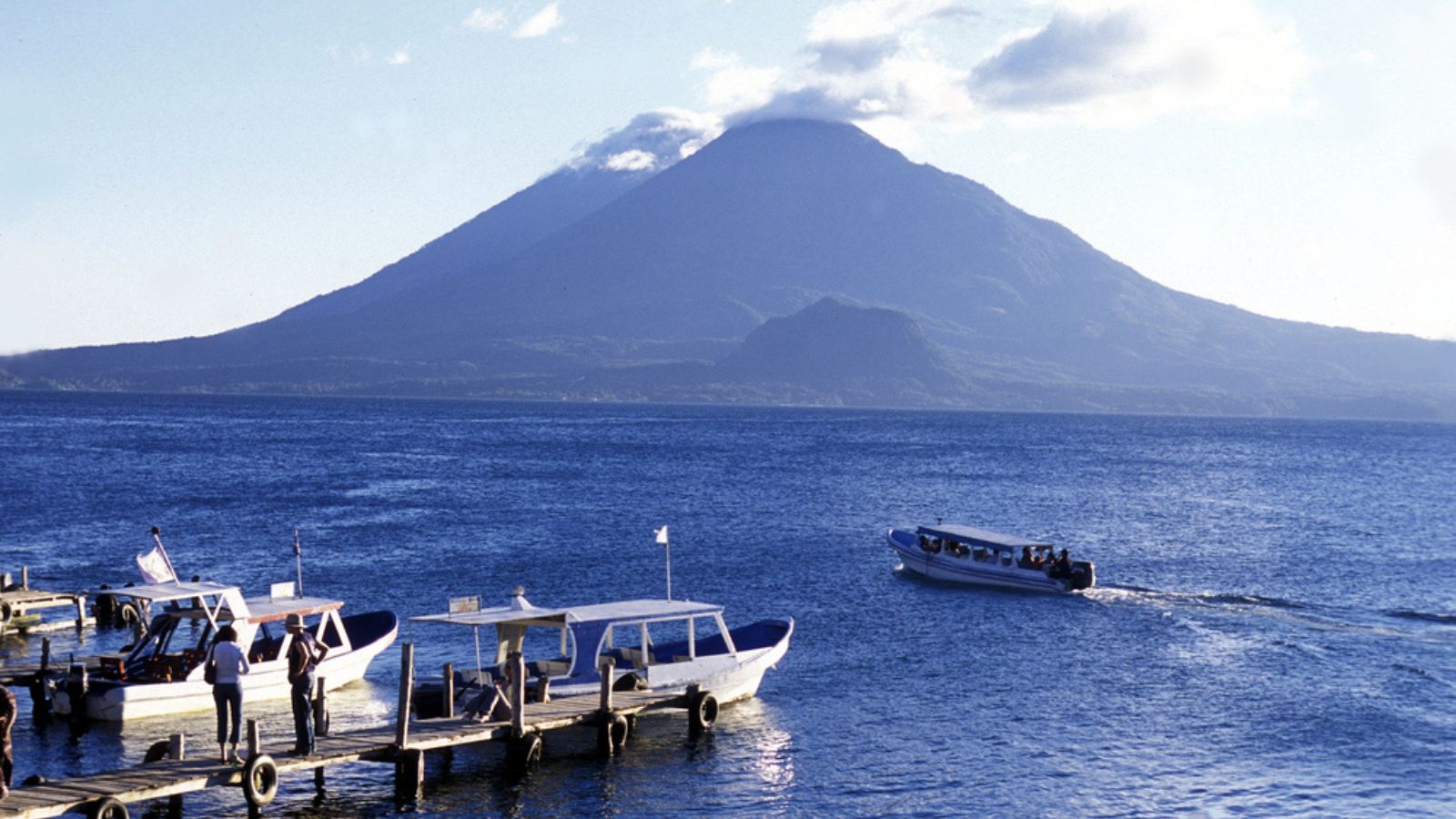
Central America’s most visited country is also one of its most dangerous. Guatemala is currently at a Level 3 advisory, with some areas at Level 4. Drug trafficking, armed robbery, and gang violence are common, particularly along borders and in major cities.
If you must travel to Guatemala, security pros recommend staying in hotels with dedicated security, traveling only during the day, and leaving valuables at home. Instead, check out Costa Rica. It’s the most peaceful country in Central America and offers a similar ecological appeal with its rainforests, volcanoes, and great surfing. Plus, its tourism and medical infrastructure are solid.
6. Brazil

Brazil’s cities carry serious risks for tourists. Armed robbery and assault spike during events like Carnival, and gang activity is a constant concern. One expert is direct about it: “Crime is rampant in the cities, and you need to be especially careful if you travel anywhere outside the main tourist areas.”
Even iconic beaches like Ipanema have had issues with water pollution, though cleanup efforts have helped. If you visit, stay alert in crowded spaces and avoid flashing expensive items. For a South American experience that’s just as deep but safer, try Argentina. It sits at Level 2, and Buenos Aires is one of the world’s great cities for architecture, food, and nightlife, while Patagonia offers some of the most dramatic landscapes on earth.
7. Jamaica
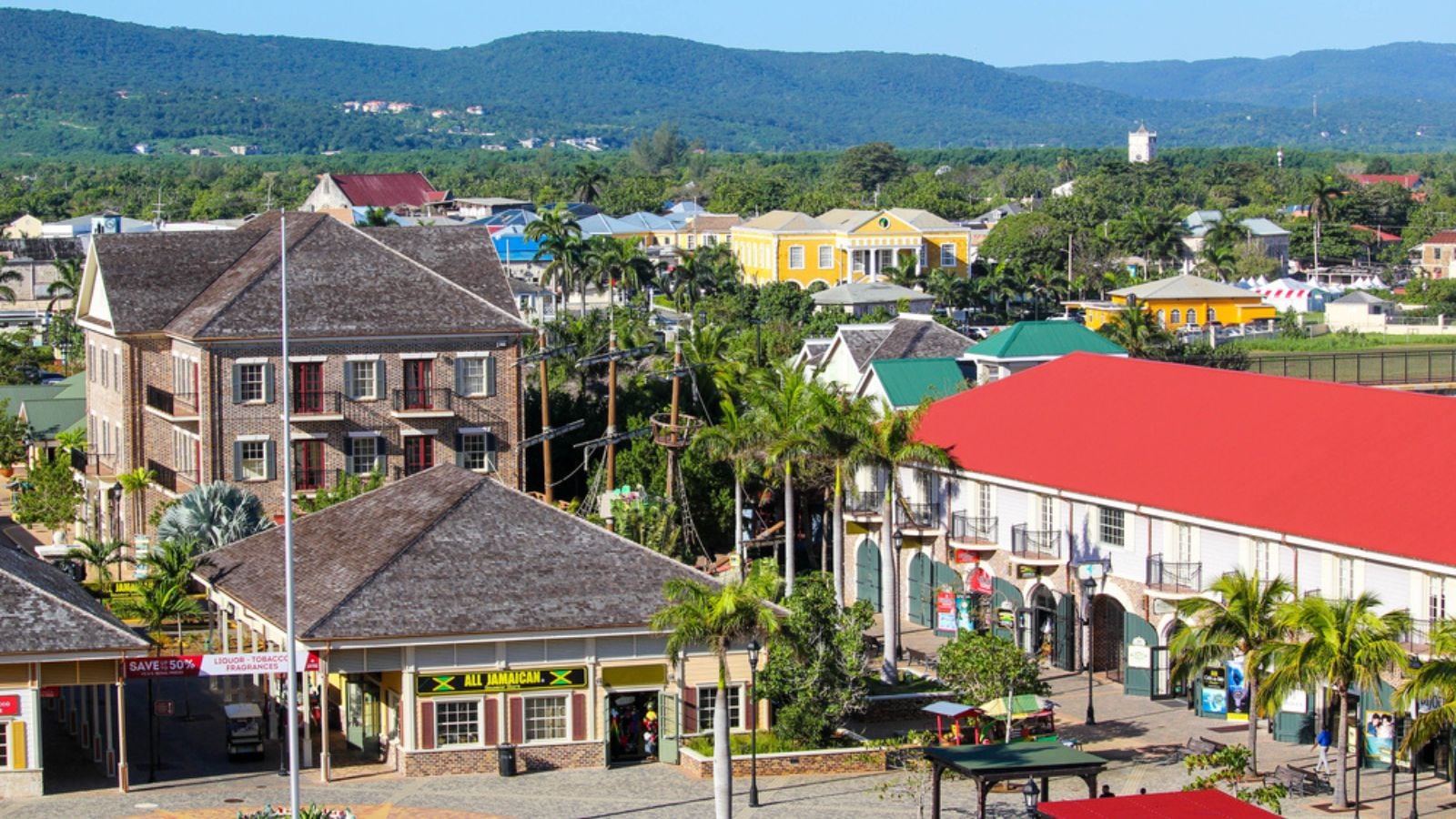
Jamaica’s laid-back vibe often overshadows its Level 2 advisory. Violent crimes, including armed robbery and se***l assault, are documented concerns, and local law enforcement responses are often inadequate. The State Department even notes that assaults have occurred at all-inclusive resorts, challenging the idea that they are completely safe. Medical facilities also fall short of international standards.
For a comparable Caribbean experience with a Level 1 safety rating, St. Lucia is a great choice. It has dramatic volcanic peaks, lush forests, and excellent resorts. The hiking is particularly impressive, and the Pitons are one of the most iconic landmarks in the Caribbean.
8. Kenya

Kenya is a dream safari destination, but it’s also one of the riskier ones. Parts of the country have Level 2 ratings due to violent crime like armed carjacking and kidnapping, which affects even the capital, Nairobi. Beyond security, travelers also face health risks from malaria and yellow fever that require advance planning.
Zambia is one of the only safari destinations currently at Level 1, making it the safest option for a sub-Saharan wildlife experience. Its lower tourism volume means the landscapes feel genuinely unspoiled, and walking safaris are a specialty. Plus, Victoria Falls, one of the largest waterfalls on the planet, is right on its border.
9. The Philippines (Southern Regions)
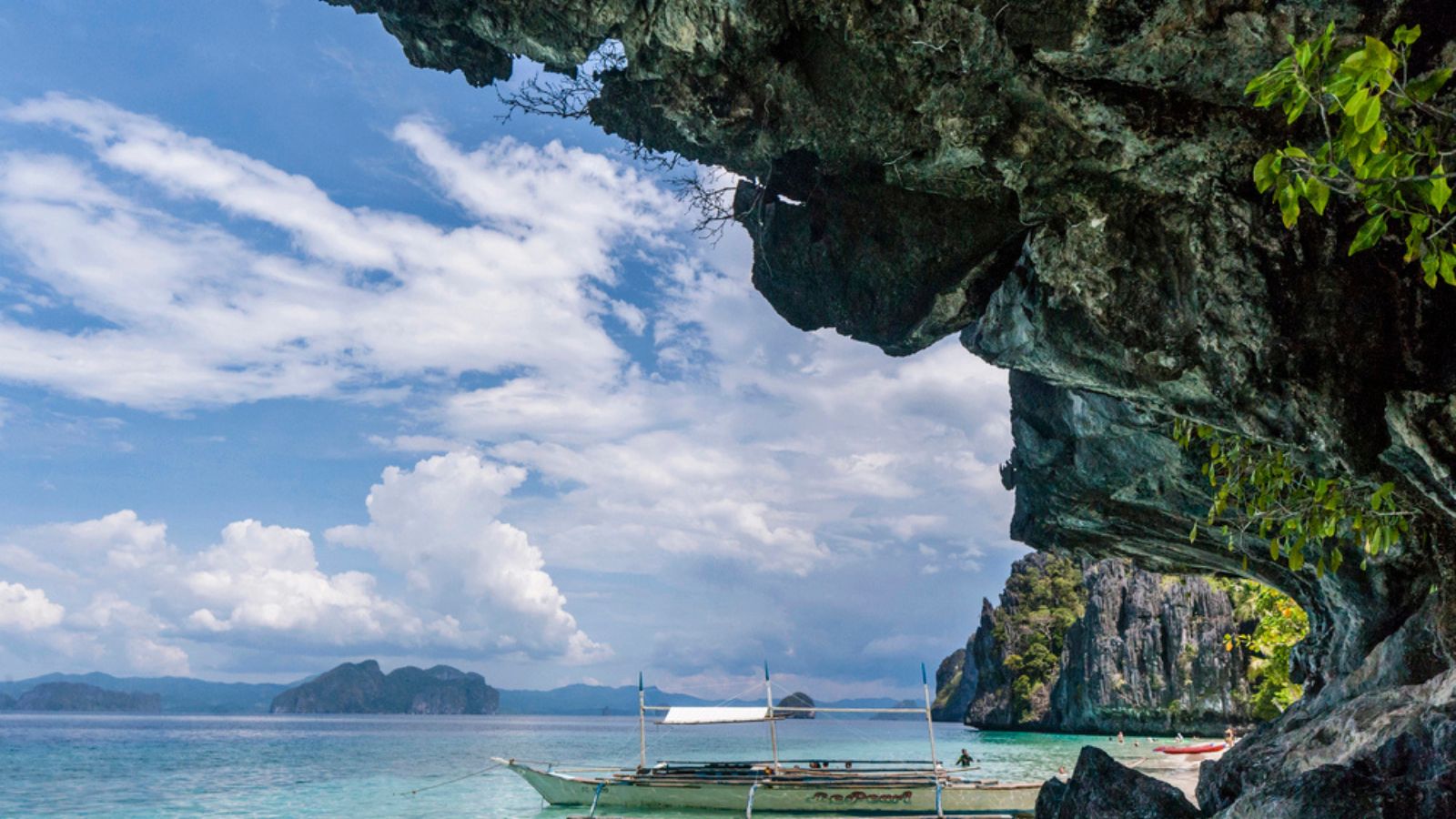
The Philippines is a beautiful archipelago, and most of it is safe. The problem is concentrated in the south. The island of Mindanao and the Sulu Archipelago are home to extremist groups with a history of kidnapping and violent attacks targeting foreigners. Even in Manila, petty and violent crime has been on the rise.
If you’re looking for pristine beaches, ancient rainforests, and a multicultural urban scene, Malaysia is a fantastic Level 1 alternative. The wildlife in Borneo, including orangutans, is remarkable, the food is exceptional, and the country has solid tourism infrastructure.
10. Most of the Middle East

The Middle East is a historically and culturally rich region, but it’s also one of the most complex travel environments right now. Lebanon, Syria, Yemen, Iraq, and Iran all carry Level 4 advisories. The current conflict between Israel and Hamas has destabilized the entire region, and threats of terrorism and targeted violence are elevated across the board.
Jordan is a notable exception. It has maintained relative stability and a welcoming attitude toward tourism. Petra is one of the most incredible archaeological sites in the world, and floating in the Dead Sea is a unique experience. Just stay away from the Syrian and Iraqi border areas.
11. Iceland (Natural Hazards)

By almost every crime-related metric, Iceland is one of the safest countries on earth. It’s on this list for a different reason: volcanoes. Since late 2023, a series of eruptions on the Reykjanes Peninsula have affected the southwest of the country, repeatedly closing the popular Blue Lagoon. Volcanologists believe this could be a new era of recurring eruptions, so “volcano tourism” carries obvious risks.
If you want a similar dramatic Nordic experience without the geological hazards, try Finland. The northern lights over Finnish Lapland, viewable from glass igloos, are true bucket-list material. With low crime rates and a well-organized tourism industry, it’s a deeply memorable and safe trip.
12. Madagascar

Madagascar is unlike anywhere else, with 90% of its wildlife found nowhere else on Earth. But it’s also one of the world’s poorest nations. Robberies and muggings are common in crowded areas, and highway robberies are a growing problem. Political protests can turn violent, and infrastructure is limited.
About 700 miles east in the Indian Ocean, Mauritius sits at Level 1 and has a well-developed tourism industry. With white-sand beaches, world-class diving, mountainous rainforests, and waterfalls, it’s a compelling and much safer destination.
13. Haiti

Haiti has been in crisis for years, but the situation is now so dire that the State Department maintains a firm Level 4 “Do Not Travel” warning. Armed gangs control large parts of the capital and country, leading to mass killings, kidnappings, and displacement. The healthcare system has collapsed, and the U.S. Embassy’s ability to help is severely limited. This is not a tourist destination right now.
Sharing the same island is the Dominican Republic, but the safety contrast is striking. It sits at a Level 2 advisory and hosts millions of tourists every year at established resorts, offering excellent beaches and the historic colonial city of Santo Domingo.
14. Ukraine

Since the full-scale invasion in 2022, Ukraine has been under active military attack. The war continues to affect large parts of the country, with missile strikes reaching even major cities far from the front lines. The State Department’s Level 4 “Do Not Travel” designation remains firmly in place. Landmines and active combat make travel extremely dangerous.
Right next door, Poland has become a remarkable travel destination with a rich history, stunning old towns like Kraków, and a surprising food scene. As a gateway for humanitarian efforts, it’s taken on new significance. It’s at Level 1 and is highly accessible for Western travelers.
15. Venezuela
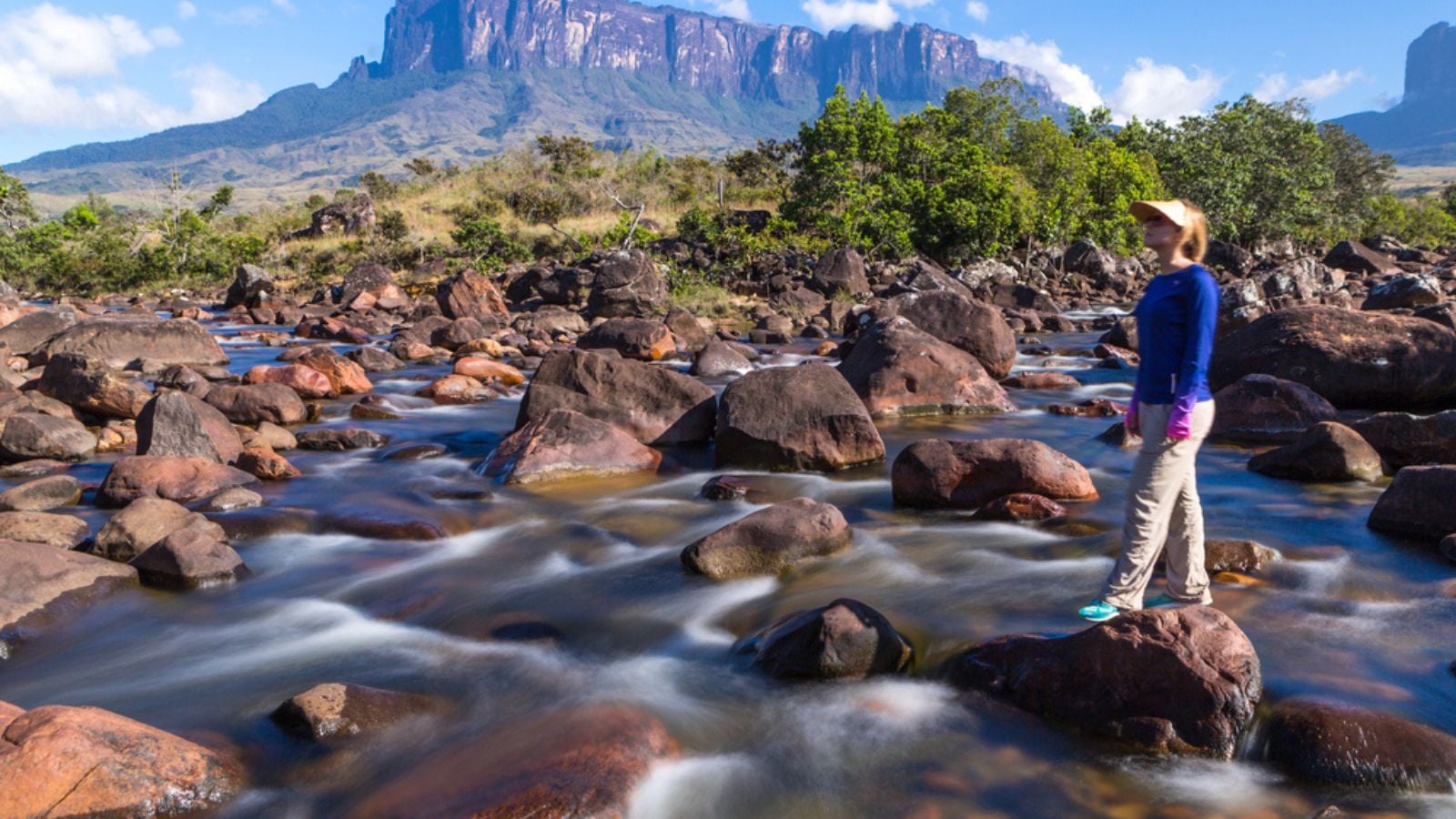
Venezuela’s prolonged political and economic collapse has made it one of the most dangerous countries in South America. Violent crime is pervasive, and the healthcare system is in crisis. The country’s natural beauty, like Angel Falls, remains, but it’s not safely accessible.
Colombia’s transformation, on the other hand, has been one of the most dramatic in travel history. Cities like Cartagena and Medellín are now exciting destinations, and the country offers world-class natural experiences. While it has its complexities, it’s a dramatically safer option with a comparable range of landscapes.
16. Myanmar (Burma)

Myanmar has been under military rule since a 2021 coup, creating a dangerous and unpredictable travel environment. A Level 4 advisory is in place due to armed clashes, arbitrary detention of foreigners, and disrupted communications. The beautiful temples of Bagan aren’t worth the current risks.
For a similar depth of cultural and natural experience, Vietnam is a Level 1 country that offers an extraordinary trip. From the ancient town of Hội An to the energy of Hồ Chí Minh City, the country has invested heavily in tourism, and the food alone makes it one of Asia’s most rewarding destinations.
Hope for the Horizon

Travel is one of the most valuable things a person can do, and none of the destinations above are meant to be written off forever. Political situations change, conflicts end, and infrastructure improves.
Before any international trip, check the current State Department Travel Advisory at travel.state.gov, review the International SOS Travel Risk Map, and register with the Smart Traveler Enrollment Program (STEP) so the nearest U.S. Embassy can reach you if something goes wrong. The world has no shortage of extraordinary places to explore safely right now.
Read More: