The Beginner Mistake That Kills Most Houseplants (And 12 Plants That Can Survive It)
Overwatering has ended more plant collections than neglect ever has, and the sooner a new plant parent knows this, the better their odds.
The guilt is familiar: you brought home a cheerful pothos or a sculptural snake plant, watered it faithfully, and watched it slowly yellow and collapse anyway. The natural conclusion is that you have a black thumb.
The more accurate conclusion is that you loved it a little too hard. According to Costa Farms director Justin Hancock in Living Etc., overwatering ranks among the most common causes of houseplant death, especially for beginners who are genuinely trying to do everything right. The instinct to nurture and the instinct to water are the same, and that’s the trap.
The good news is that once you understand this, keeping houseplants becomes dramatically less stressful. The 12 plants below are forgiving by nature, and a few of them practically beg to be left alone.
Why Most “Easy” Houseplants Still Die (It’s Not What You Think)
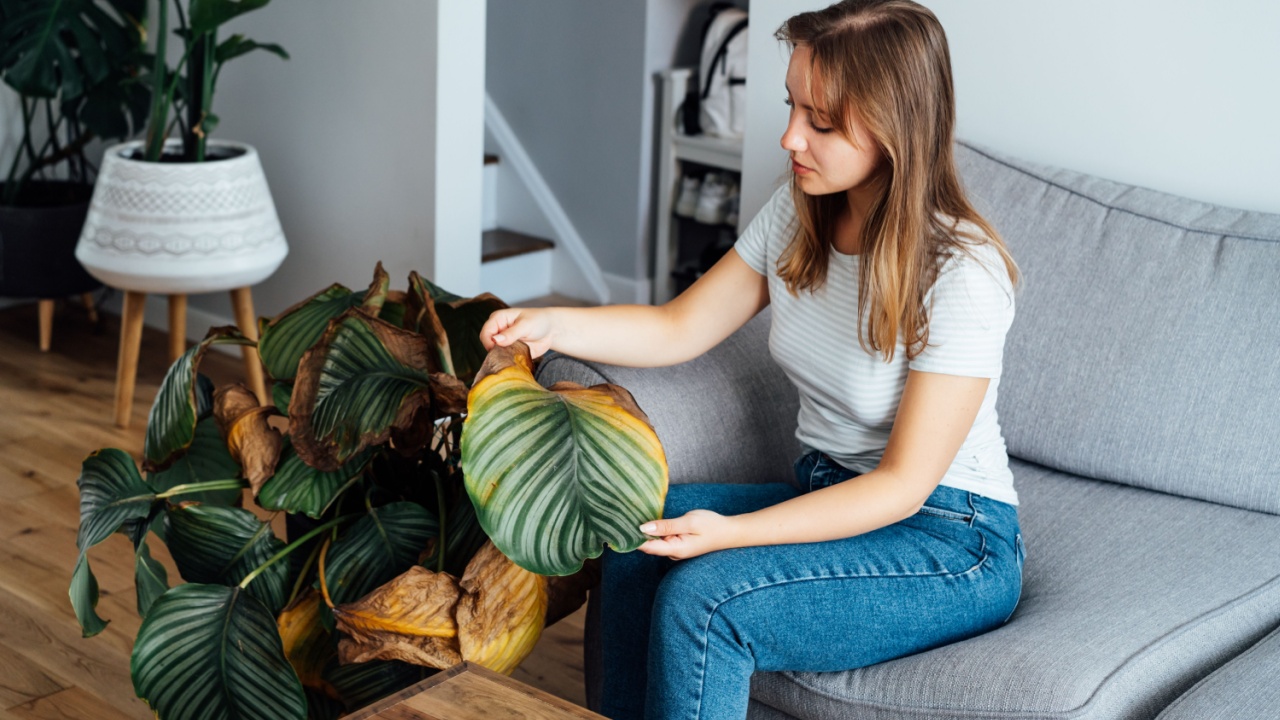
The confusing part about overwatering is that it looks identical to underwatering. Both cause yellowing leaves and drooping. If you’re already anxious about a plant and it starts to look sad, the instinct is to water it, which, if the real problem is waterlogged roots, accelerates the damage.
Here’s the asymmetry that changes everything: an underwatered plant can almost always be rescued within hours of a good drink. An overwatered plant with root rot may already be past saving.
The fix is simple and free. Before you water anything, push your index finger one to two inches into the soil. If it is still moist, set the watering can down and walk away. Water only when the top layer of soil is genuinely dry. This single habit, more than any plant choice you make, is what separates the plant parents who thrive from the ones who give up.
What Actually Makes a Plant Beginner-Friendly

Plant educator Emily Bergman, who leads houseplant workshops in Harrisburg, Illinois, identifies three traits in Apartment Therapy that define a genuinely forgiving plant: resilience (the ability to survive occasional neglect or inconsistent watering), adaptability (the ability to thrive across a range of light and humidity levels), and low-maintenance care that requires no specialized tools or advanced knowledge.
The step most beginner guides skip entirely is assessing your light before you buy. “Low light” does not mean no light. It means indirect light that doesn’t come from a direct window. If a room has no natural light reaching the floor, focus on the ZZ plant, cast iron plant, or Chinese evergreen from the list below.
A simple test to assess light availability is to hold your hand about a foot above the spot where you’d place a plant. A clear, sharp shadow means bright light. A faint shadow means medium light. No shadow at all means low light. That thirty-second test tells you everything you need to make a confident purchase.
12 Easiest Houseplants for Beginners- 1. Pothos (Epipremnum aureum)

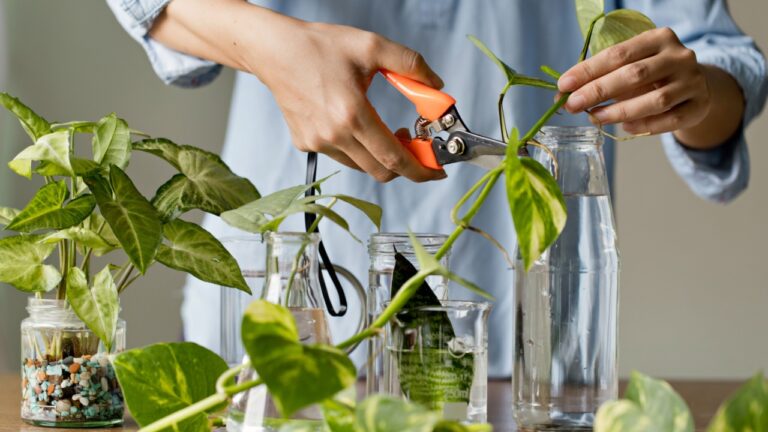
Pothos is the plant that forgives everything: irregular watering, low light, and a forgotten month. Its trailing heart-shaped leaves come in golden, marble, and deep green varieties. If it droops, water it; it should bounce back within hours. It also propagates readily from a cutting in a glass of water, making it a natural gateway to the broader world of plant collecting.
2. Snake Plant (Dracaena trifasciata)

The snake plant thrives on benign neglect and survives in fluorescent office lighting, making it as comfortable on a desk as in a living room corner. Water only when the soil is completely dry, and it will reward you with striking upright foliage for years. One caveat: stick with the standard green varieties for your first one. Variegated forms need more light and are significantly less forgiving.
3. ZZ Plant (Zamioculcas zamiifolia)

Native to drought-prone regions of Africa, the ZZ plant stores water in its underground rhizomes, which serve as a natural reservoir. It tolerates near-windowless rooms with fluorescent lighting and adds a glossy, dark-green elegance to any corner. Water it every couple of weeks and otherwise leave it completely alone.
4. Spider Plant (Chlorophytum comosum)
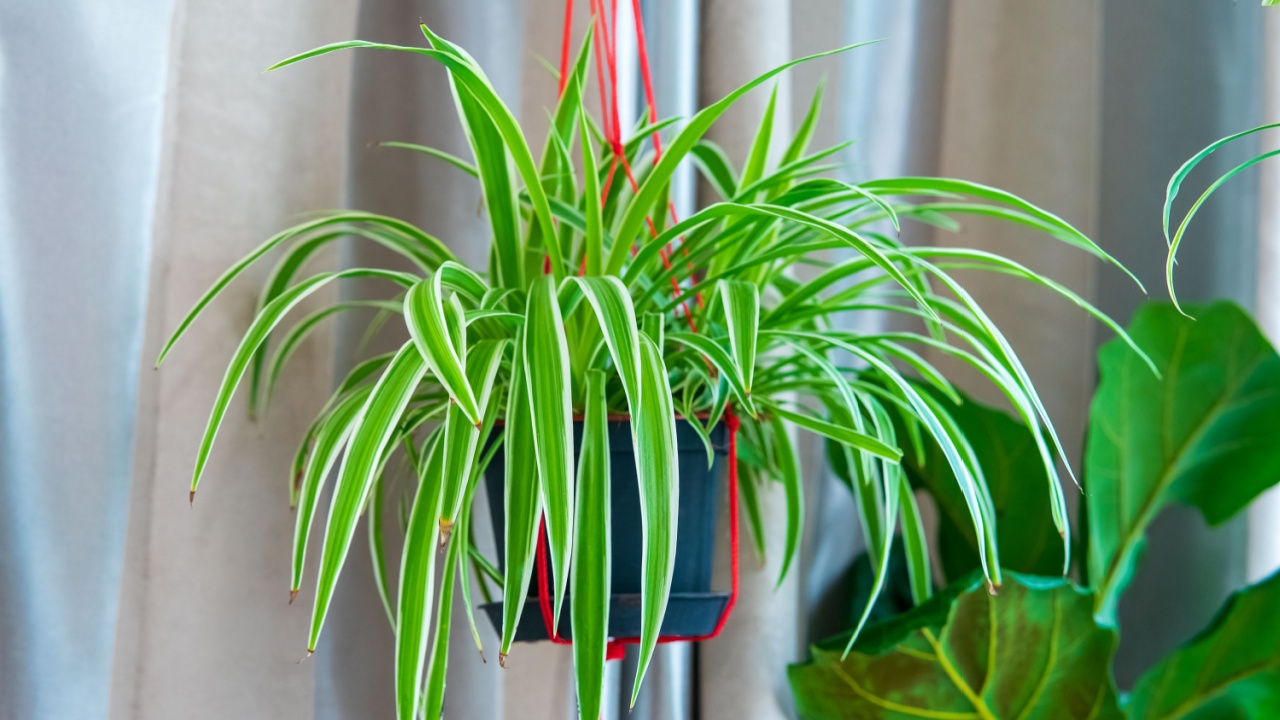
A classic for good reason, the spider plant adapts to different light levels, produces cascading “spiderette” offshoots that can be propagated into new plants, and is one of the few popular houseplants genuinely nontoxic to both cats and dogs. A hanging basket or high shelf lets it trail beautifully.
5. Peace Lily (Spathiphyllum)
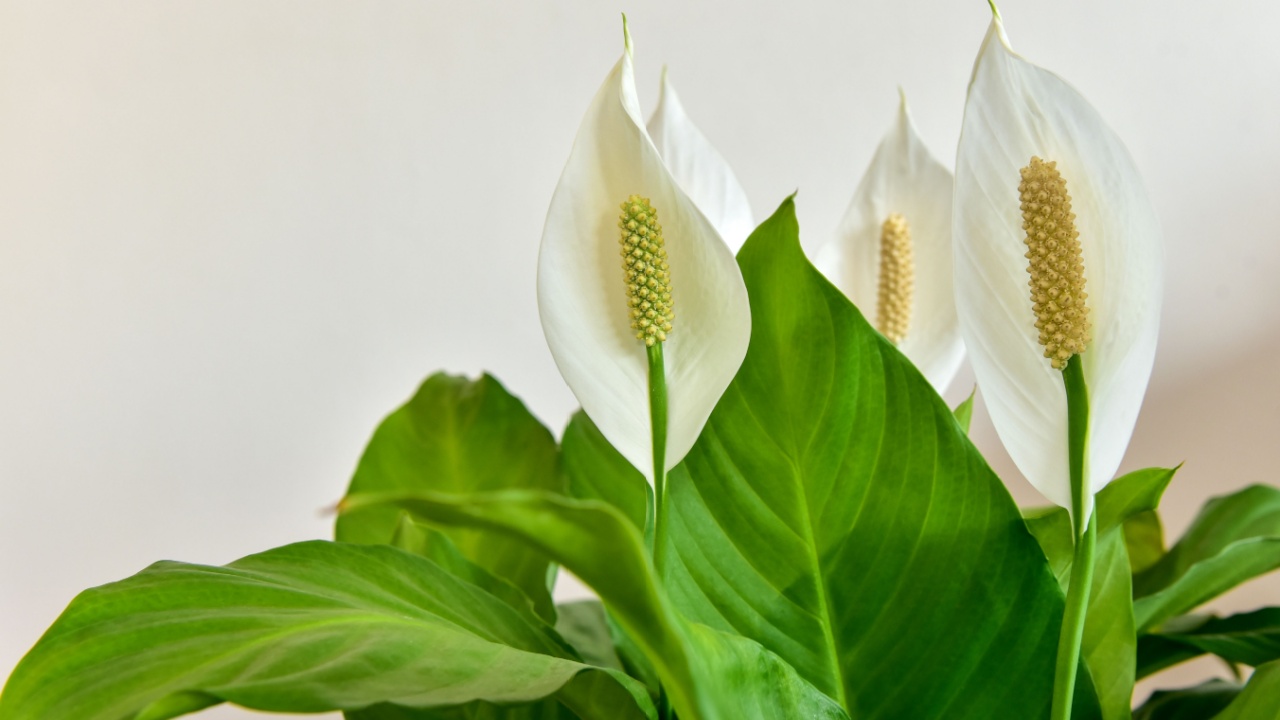
The peace lily tells you when it’s thirsty: it droops slightly, then stands back up within a day of drinking. This visible feedback loop is deeply reassuring for beginners. It tolerates low light, produces elegant white blooms, and asks for very little in return. Keep it out of reach of pets, as it is toxic to cats and dogs.
6. Chinese Evergreen (Aglaonema)

One of the most underrated plants for low-light spaces, Chinese evergreen offers vivid pinks, reds, and greens that brighten dim rooms without requiring a sunny window. Slow-growing and compact, it is suitable for a bookshelf, an end table, or a bathroom counter. Keep it away from cold drafts and let the soil dry slightly between waterings.
7. Rubber Plant (Ficus elastica)
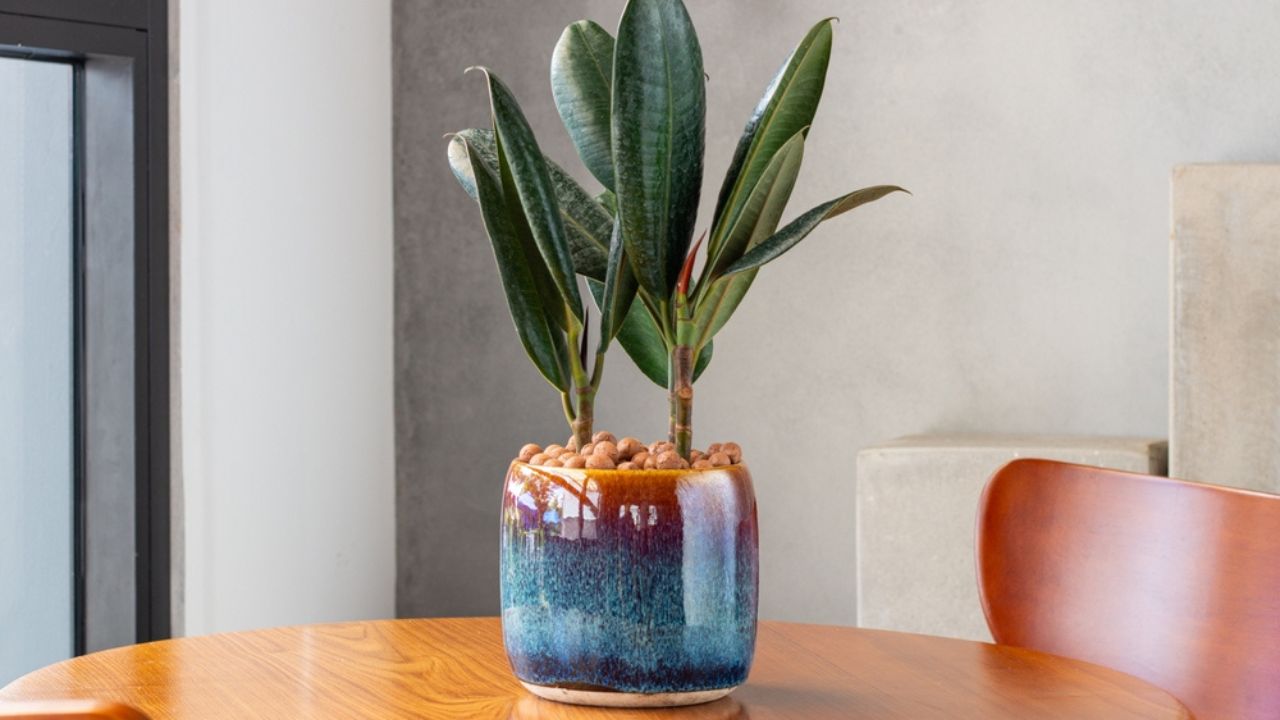
If you want a plant that doubles as a design statement, the rubber tree delivers. Its large, dark-green or burgundy leaves have an architectural quality that suits modern interiors. It prefers bright indirect light and consistently moist, not soggy, soil. Wiping the leaves with a damp cloth every few weeks removes dust that slows growth.
8. Peperomia
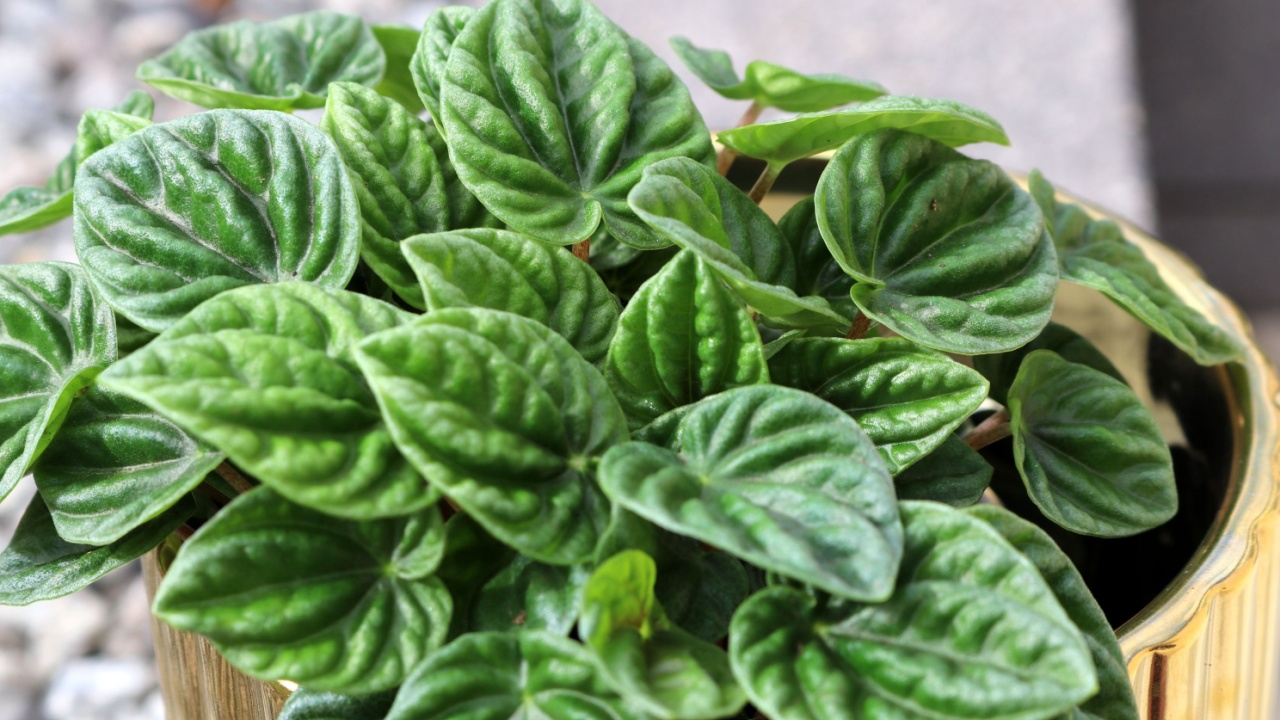
Peperomia is the beginner plant that experienced collectors keep buying. With hundreds of varieties ranging from trailing to upright, it fills every niche without demanding much in return. Medium indirect light, infrequent watering, and almost no fertilizer. An ideal choice for small spaces and anyone who wants variety without complexity.
9. Philodendron
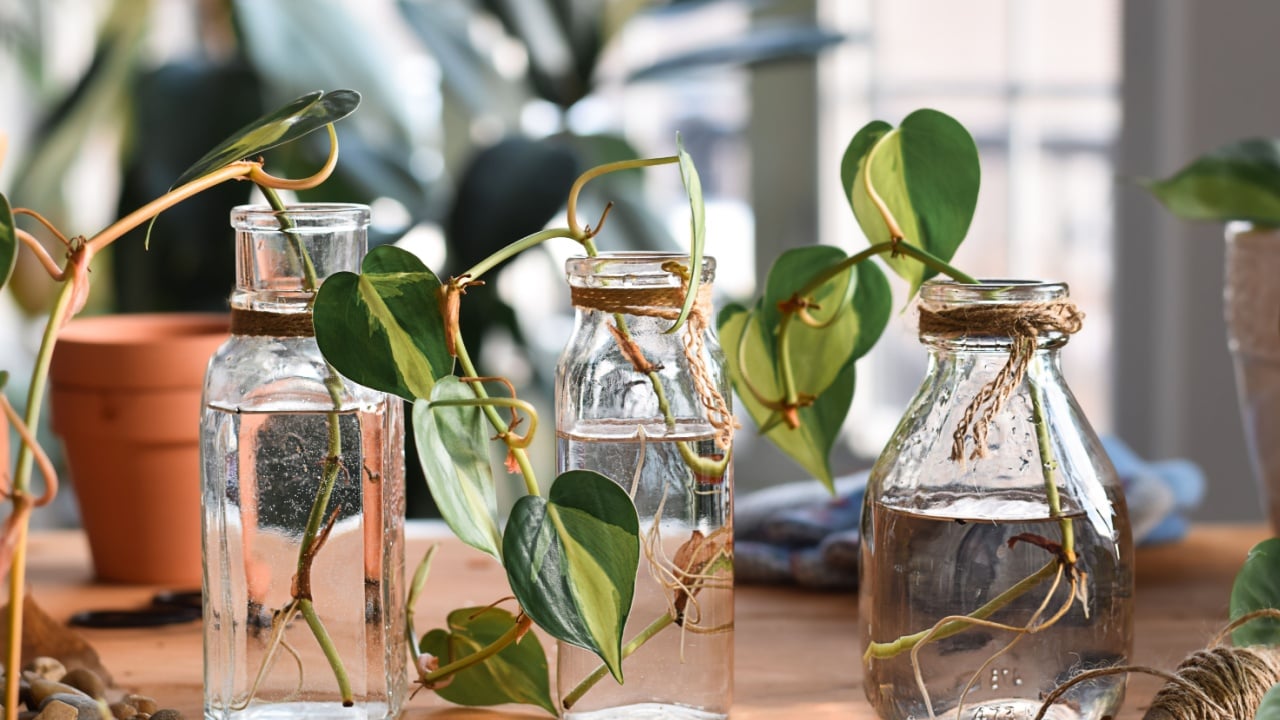
Philodendrons come in two forms: vining varieties that trail from shelves or climb a trellis, and upright varieties that grow in tidy columns. Both tolerate inconsistent watering and adapt well to bright indirect light. Avoid direct sun, which scorches the leaves, and mist occasionally if your home runs dry in winter.
10. Aloe Vera
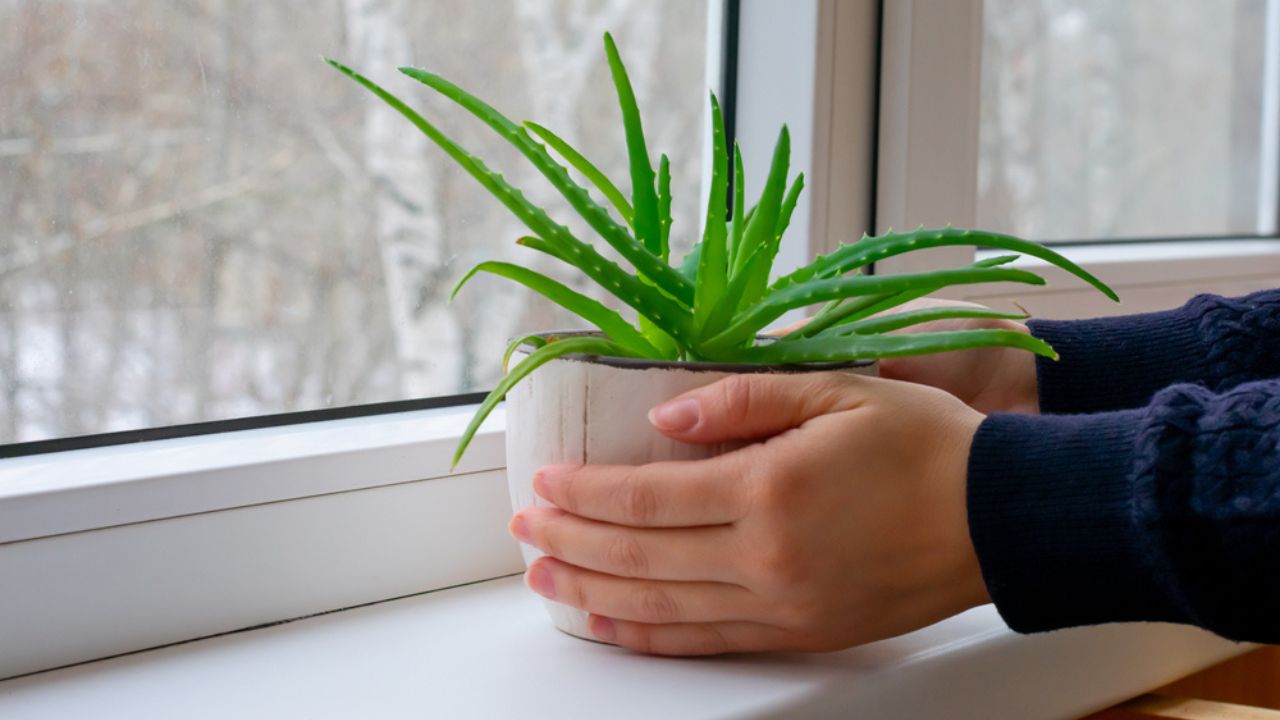
Aloe vera earns its place here by being both decorative and genuinely useful: the clear gel inside its leaves soothes minor burns and skin irritation. Give it a bright, sunny windowsill, use a cactus or succulent potting mix, and water deeply but infrequently. The soil should dry out completely between waterings.
11. Cast Iron Plant (Aspidistra elatior)
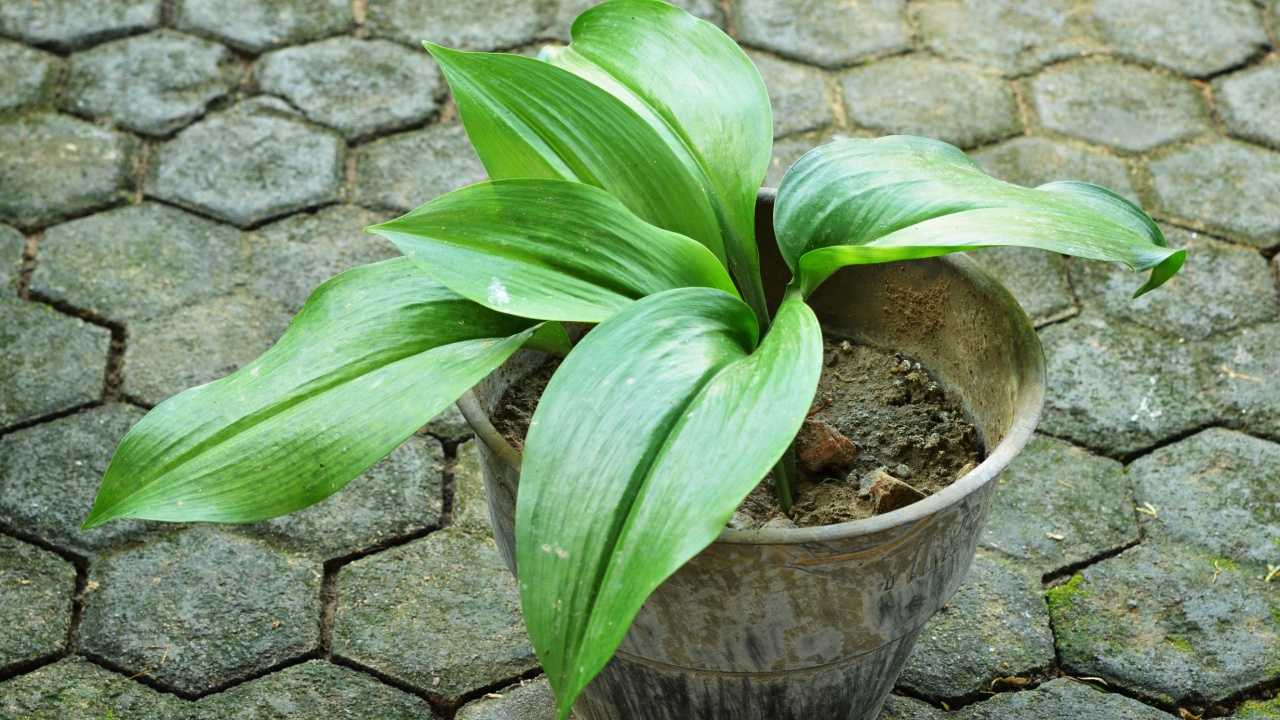
The name says everything. The cast iron plant has survived in dim parlors, neglected office corners, and forgotten rooms for centuries. It grows slowly, tolerates minimal watering, and requires virtually no intervention. It will not reward you with rapid growth or showstopping flowers, but it will endure, calm and composed, for decades.
12. Monstera (Monstera deliciosa)

The monstera’s split leaves have become a design icon, and the plant earns its spot on a beginner list because it is adaptable and communicative. Growing 1 to 2 feet per year indoors, it will stretch its leaves toward the nearest light source when it needs more. Give it a stake as it grows, a pot with good drainage, and water when the top two inches of soil feel dry.
The Setup Mistakes That Doom Even the Toughest Plants
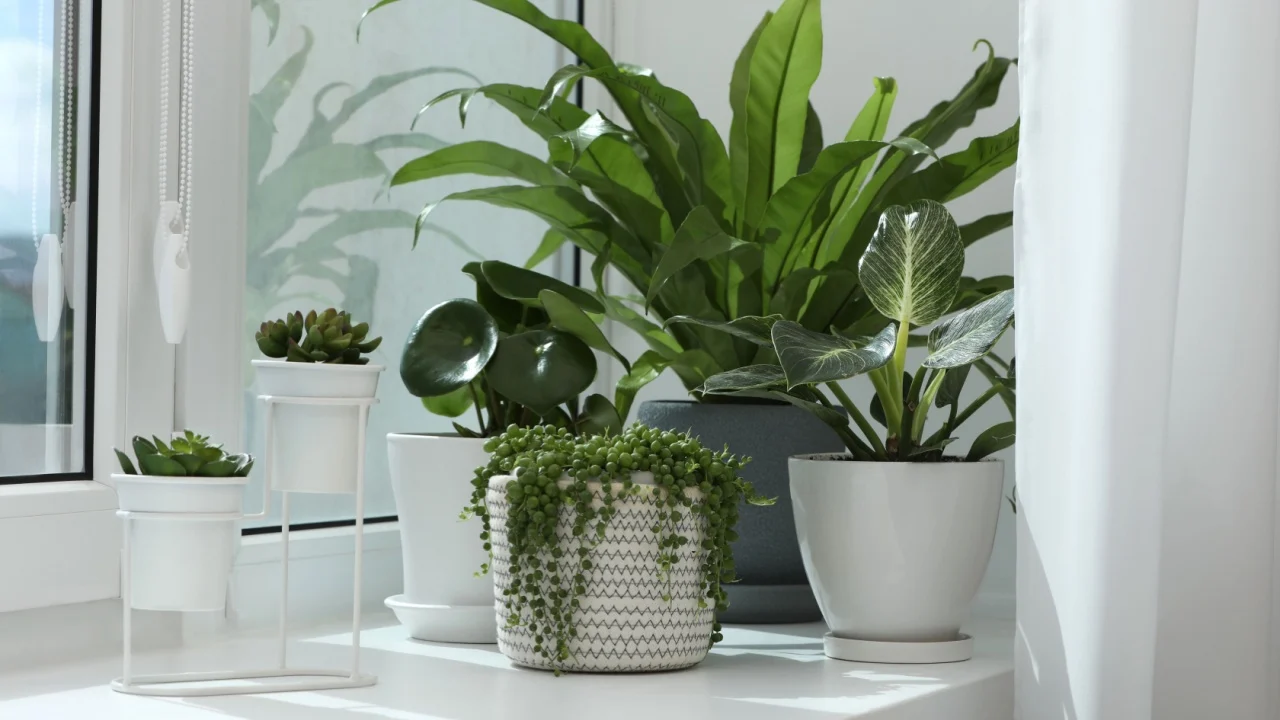
The plants above are forgiving, but a few setup errors can defeat even the hardiest among them.
The most consequential mistake is using pots without drainage holes. When excess water has nowhere to go, roots sit in standing moisture and begin to rot. Every plant on this list performs better in a pot with at least one drainage hole. If you love a decorative pot without drainage, use it as a cachepot and keep the plant in a plain nursery pot inside.
The second mistake is watering on a rigid weekly schedule. Plants use significantly less water in fall and winter, when light levels drop, and growth slows. A schedule that works in June will drown a plant in November. Check the soil before watering, rather than following the calendar.
The third mistake is buying too many plants at once. Start with one or two, build your confidence, and grow your collection from there. The goal is joy, not an overwhelming shelf of declining specimens.
Read More
Is Your Garden Hurting You? 9 Tools Doctors Say Could Save Your Joints
Ten Companion Plants Your Peppers Need For A Successful Growing Season