Keeping the Basement Comfortable: A Practical Moisture Guide
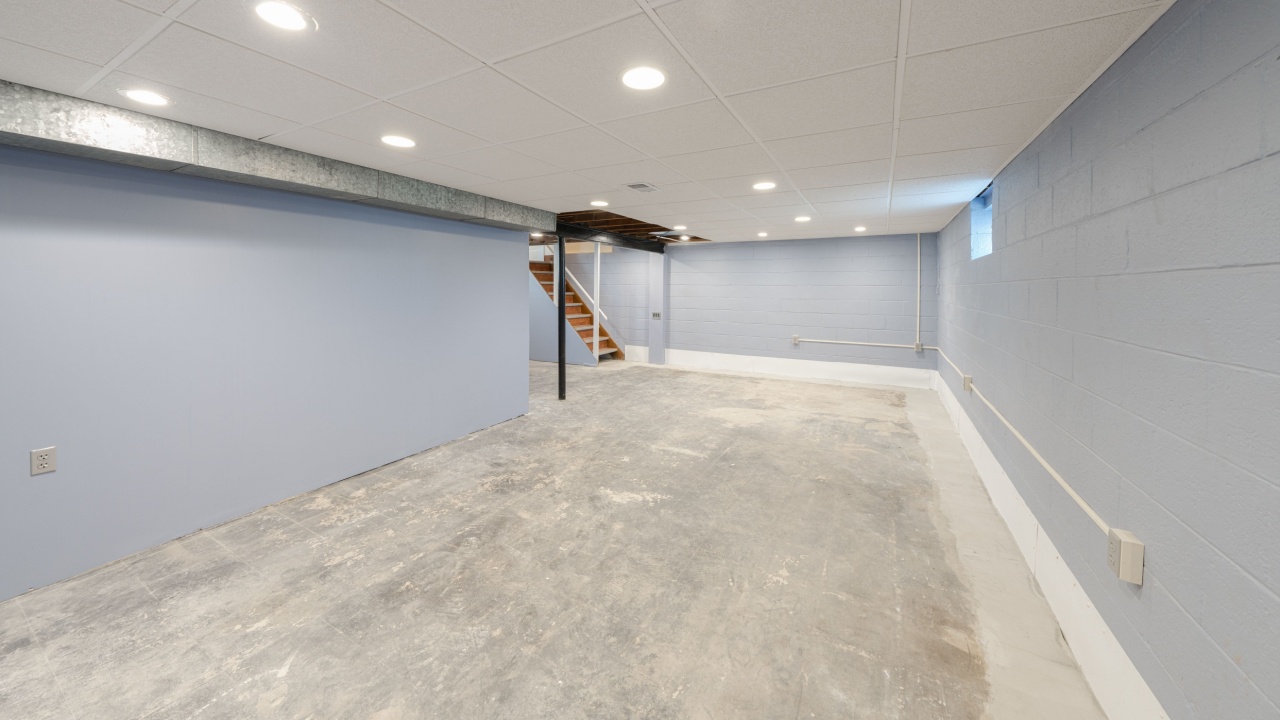
Basements naturally behave differently from rooms above ground. They are surrounded by soil, tend to stay cooler, and can be more vulnerable to moisture. That combination can create musty odors, condensation, damp materials, and uncomfortable living conditions.
Before finishing or furnishing a basement, homeowners should identify where moisture is coming from and address the source rather than simply covering the symptoms.
Find Out Where the Moisture Starts
Basement moisture can enter in several ways. Rainwater may collect near the foundation, groundwater can seep through cracks, plumbing can leak, and humid indoor air can condense against cool basement surfaces.
Timing offers useful clues. Dampness that appears after heavy rain may point to exterior drainage or foundation problems. Moisture near a pipe or fixture may suggest a plumbing leak. Condensation on cold pipes or walls during humid weather can indicate an indoor humidity issue.
Control Water Outside First
Some basement problems actually begin outdoors. Gutters should move roof runoff into downspouts that discharge away from the foundation. Soil around the home should also direct surface water away rather than allowing it to collect against basement walls.
Foundation cracks, window wells, and exterior penetrations deserve inspection if water regularly appears after storms. Interior cleanup will provide only temporary relief if water continues entering from outside.
Manage Indoor Humidity
A basement can feel damp without having a visible leak. Because basement surfaces are often cooler, humid air may produce condensation.
A hygrometer provides an inexpensive way to track relative humidity. Dehumidifiers can help control excess moisture, but they should not be used to disguise an active water intrusion problem.
Air circulation matters as well. Furniture pushed tightly against basement walls can restrict airflow and make damp areas harder to notice.
Choose Materials With Moisture in Mind
Flooring, drywall, insulation, and furnishings should be selected for basement conditions. Installing new finishes before correcting moisture problems can trap water and create expensive repairs later.
Before hiring a flooring company, homeowners should determine whether the basement slab has ongoing moisture issues and whether the proposed flooring system is appropriate for below-grade installation.
A comfortable basement starts with moisture control, not decoration. Watch how the space responds to storms, seasonal humidity, and plumbing use before making major improvements. Once drainage, leaks, humidity, and material choices are addressed, the basement has a much better chance of remaining dry, comfortable, and useful throughout the year. Look over the infographic below for more information.