Is Modern Life Too Convenient? Add Friction Maxxing to Your Home Life to Feel Alive Again
Some parts of modern life are so smooth that they barely leave a mark. A tap orders dinner, a swipe buys a lamp, and a smart device handles chores before you notice them. Comfort is nice, yet too much ease can make home life feel flat and forgettable.
That is where friction maxxing comes in. Friction maxxing means adding small, useful bits of effort back into daily life on purpose. It does not mean making life harder for no reason, but choosing hands-on habits that wake you up, pull you into the moment, and make your home feel more personal.
A little friction can sharpen your attention. When you slow down to make a choice, use your hands, or speak to a real person, you often feel more connected to what you are doing. The task may take longer, yet it often leaves you with a stronger sense of ownership and memory.
Would you like to try it? Here are practical ways to bring friction maxxing into your home.
1. Choose Slower Design Methods

Fast decorating can make a home look finished in a weekend, yet it often ends up feeling generic. Friction maxxing asks you to slow that process down and let your rooms come together piece by piece.
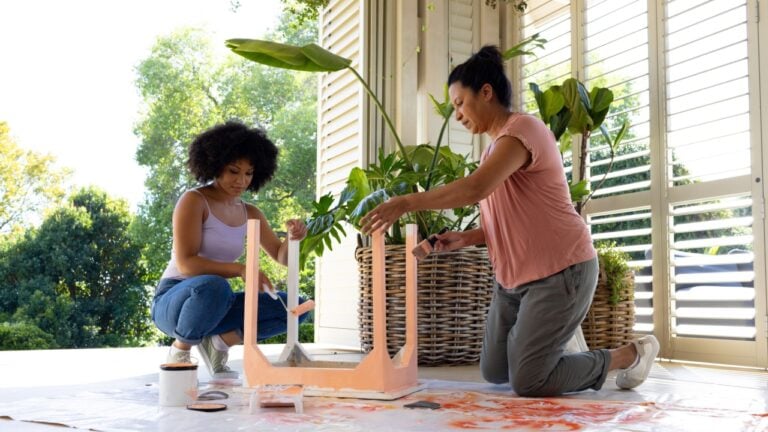
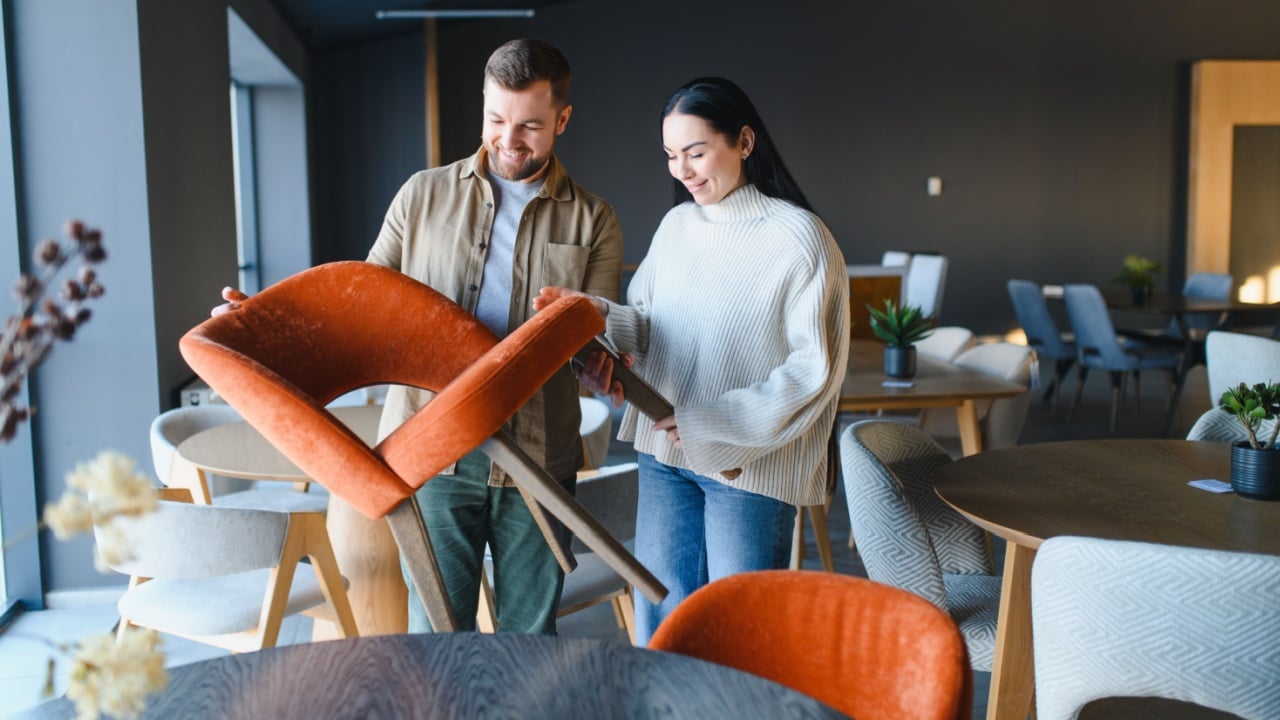
Instead of copying a full online mood board or buying a matching set from one store, you collect items over time that fit your life, taste, and space. That may mean hunting for a secondhand side table, visiting craft shows for pieces that speak to you, waiting to find the right rug, or living with empty walls until you know what belongs there.
This slow design method gives you time to notice what you actually use and what makes a room feel right. Try keeping a running list of what a space needs before you buy anything new, then revisit it after a few weeks.
Visit local shops, estate sales, and flea markets so your home reflects real choices rather than impulse buys. When a room changes slowly, it often ends up with more character and less waste.
2. Cook from Real Cookbooks

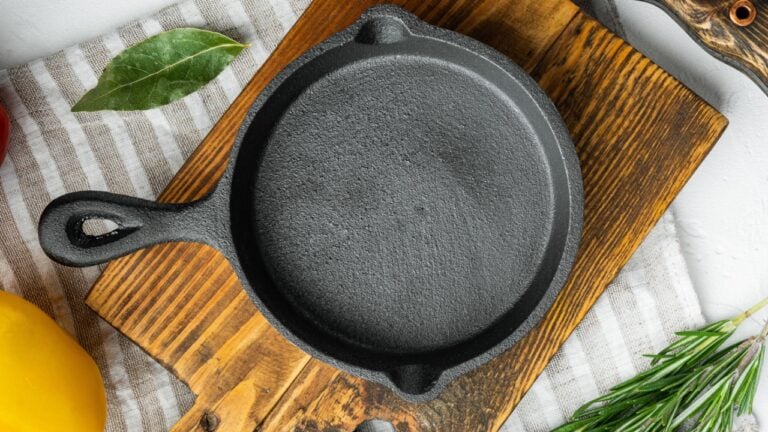
Cooking from a real cookbook adds useful friction to a task that often gets rushed through an app or search bar. You flip pages, mark favorite recipes, and plan meals with more care than you might when scanning a screen.
Writing a grocery list by hand can help you remember what you need and cut down on random purchases. Cooking this way also invites trial and error, from overbrowned onions to a soup that needs another pinch of salt.
A physical cookbook can turn dinner into a shared ritual instead of a task to finish as fast as possible. Leave one open on the counter and let family members help with measuring, chopping, or reading the instructions out loud.
If you live alone, use the process to build a calmer pace at the end of the day and learn a few core dishes well. The extra effort often makes the meal feel more earned, and that simple shift can change your whole evening.
3. Call Instead of Clicking

Ordering food, booking a table, or asking a shop about an item is often done through a screen in seconds. Friction maxxing brings back the phone call and the small human pause that comes with it.
Science shows that phoning is better than clicking and texting if you are looking for a human connection. You have to speak clearly, listen, ask questions, and respond in real time. That tiny bit of effort can make a routine errand feel less mechanical and more grounded in the world around you.
Phone calls can also improve the quality of the outcome. If you order takeout by calling, you can confirm details, ask how long it will take, and avoid app fees or mix-ups.
If you contact a local business directly, you may get better service and a clearer sense of how they treat customers. A simple call can remind you that home life runs through relationships, not just systems and screens.
4. Hire Contractors Carefully

Home projects are full of chances to take the easy route, especially when a quick search brings up dozens of names. Friction maxxing means resisting that first fast choice and putting real care into the hiring process.
Read reviews from several places, ask neighbors for referrals, and get multiple estimates before making a decision. A rushed hire can lead to poor workmanship, unclear costs, and months of stress.
A careful process gives you more than a better price. It helps you compare how people communicate, how detailed they are, and how seriously they take your job.
Ask for photos of recent work, request references, and pay attention to how they answer basic questions. That bit of homework takes time, yet it can save money, protect your home, and leave you with results you actually trust.
5. Embrace Analog Living
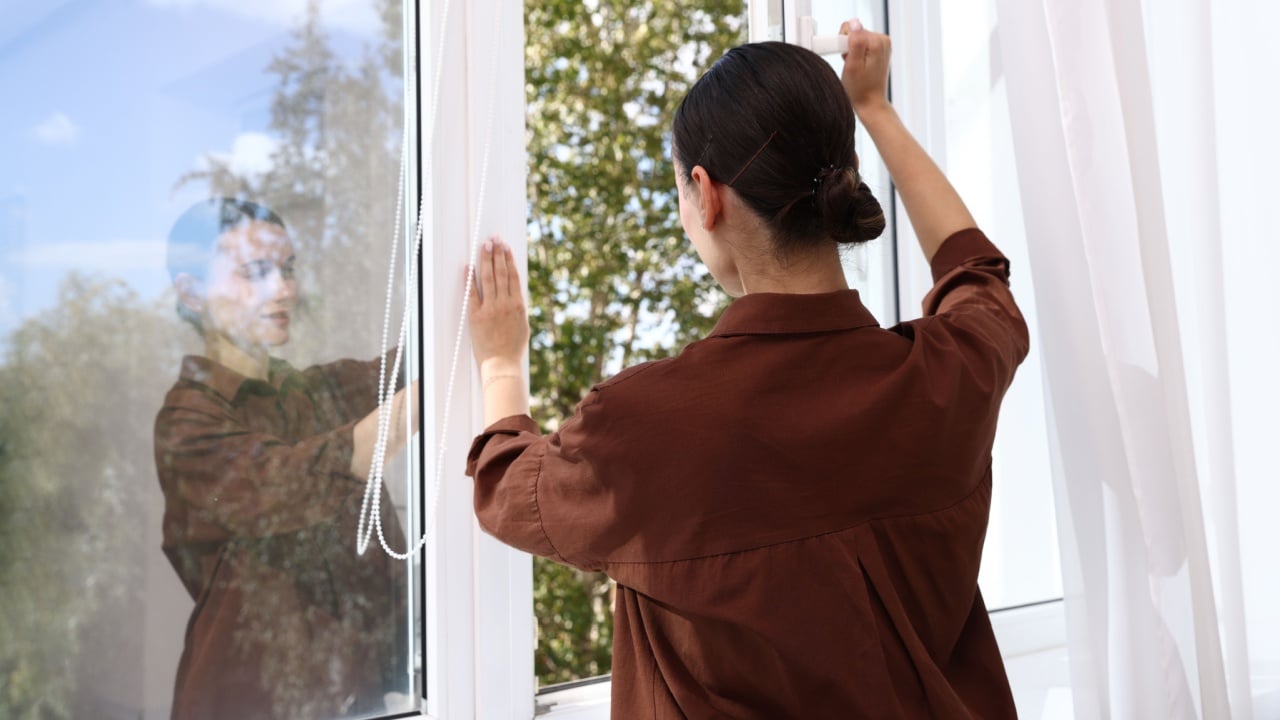
Smart homes promise less effort, yet constant automation can add a different kind of strain. App alerts, voice assistants, robot devices, and connected systems can fill a house with low-level mental clutter.
Friction maxxing invites you to remove some of that digital noise and return to simpler routines. Opening curtains by hand, sweeping the floor yourself, or using a wall clock instead of checking your phone can make your day feel calmer and more physical.
Analog living does not require you to throw out every helpful device. It means choosing where convenience serves you and where it dulls your attention. You might set aside tech-free hours in the evening, use a paper planner, or keep a basket for phones during meals.
These habits create more direct contact with your space, and that contact can make your home feel less automated and more lived in.
6. Add Intentional Effort in Design
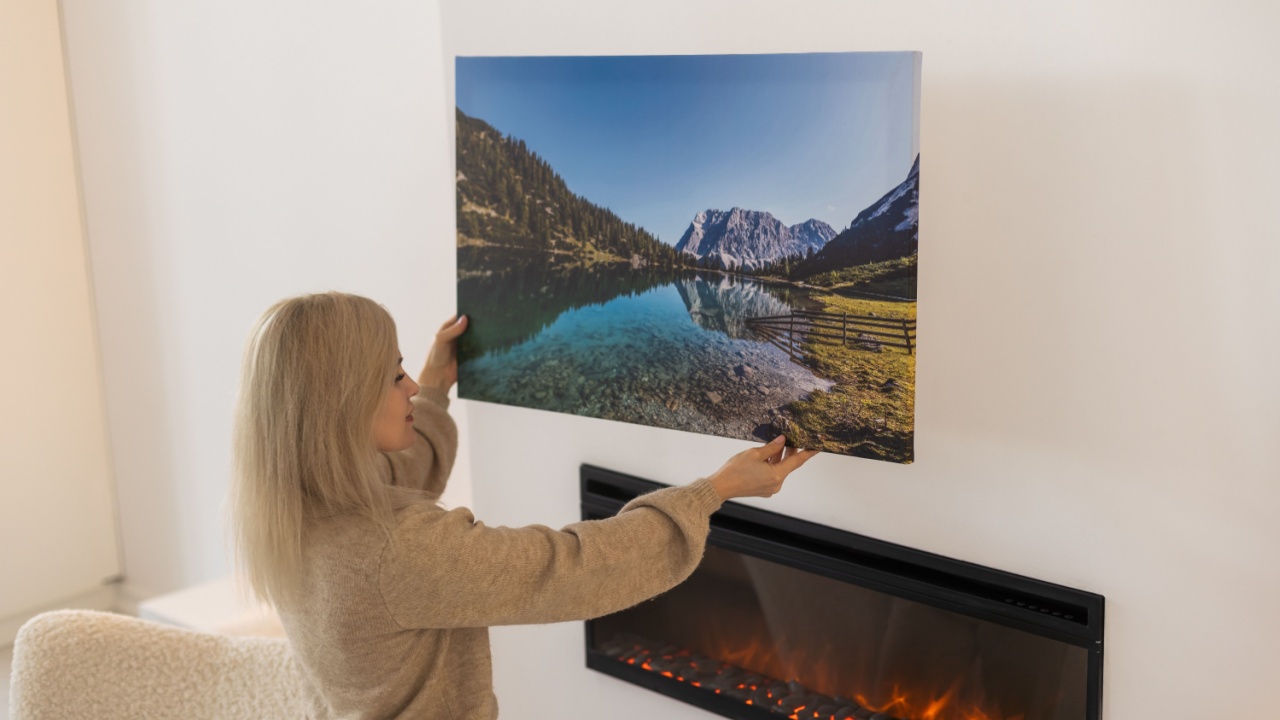
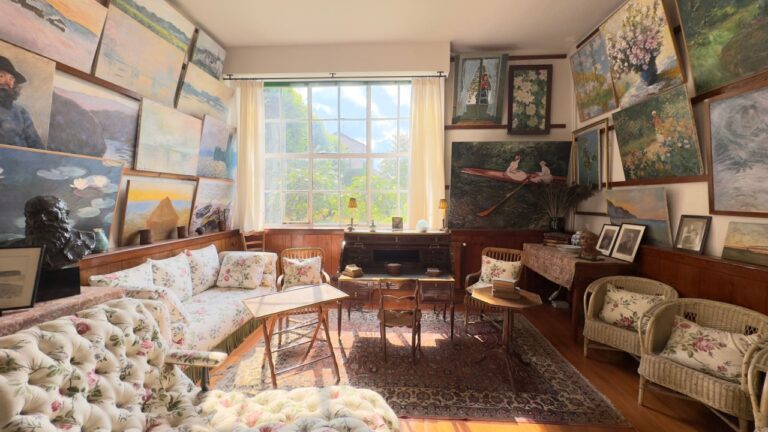
Some of the most inviting rooms come from layers that took time to gather and arrange. Upholstered seating, textured fabrics, framed art, old wood, and handmade objects ask more of you than quick, flat-pack fixes.
You have to search, compare, test, and edit. That effort is part of friction maxxing because it asks you to slow down and shape your surroundings with care.
Intentional design works best when you focus on depth instead of speed. Try mixing new items with older pieces so your home does not look like it arrived in one shipment.
Hang art that means something to you, use fabric with visible texture, and choose furniture that feels good to sit in for a long time. A room like that does more than look nice. It carries your decisions, your patience, and your daily life.
A Better Kind of Effort
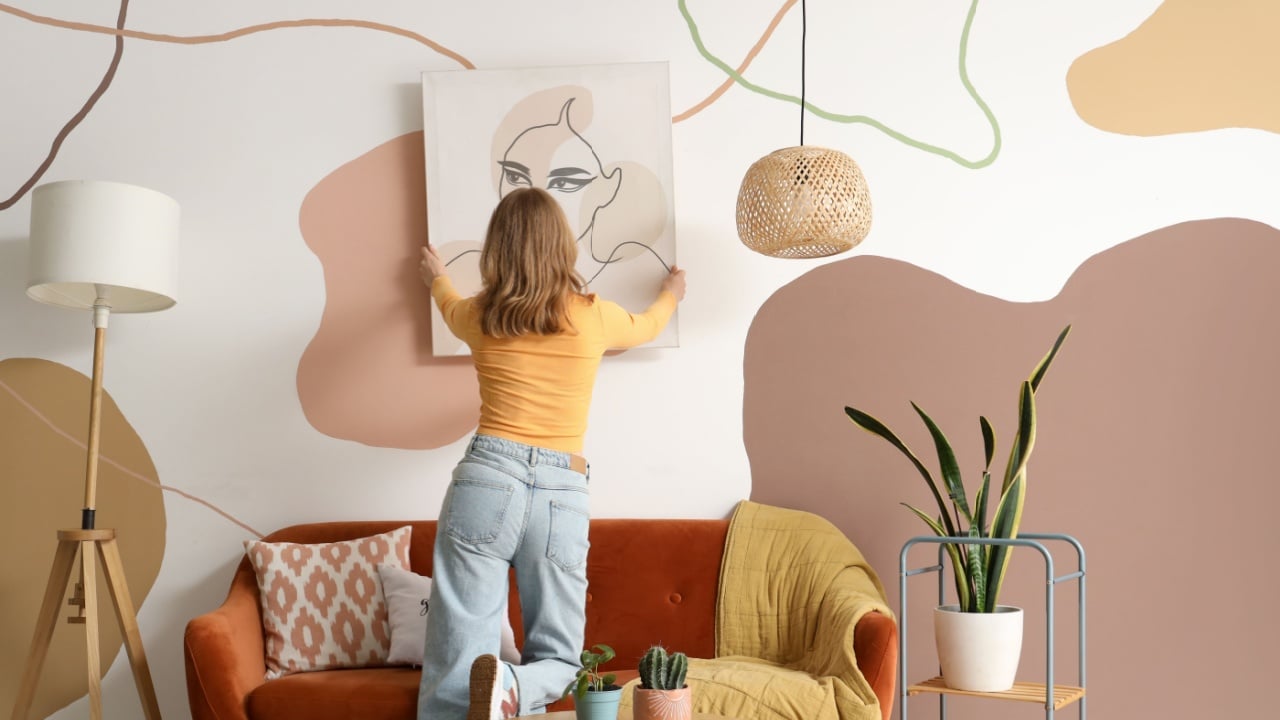
Friction maxxing is a quiet push against a life built to remove every pause, delay, and small task. When you bring back a little effort at home, ordinary routines can feel fuller and more real. You notice what you choose, what you use, and what truly adds value to your day.
You do not need to make your life difficult to feel more alive. You just need a few chances to slow down, use your hands, and pay attention. That small shift can make your home feel less like a machine for convenience and more like a place where real life happens.
Read More:
6 Ways to Embrace and Celebrate Solitude When Living Alone
15 Ways to be The Thoughtful Neighbors Everyone Likes Living Next to