Burning These 12 Woods Poses Serious Risks to Your Home and Health
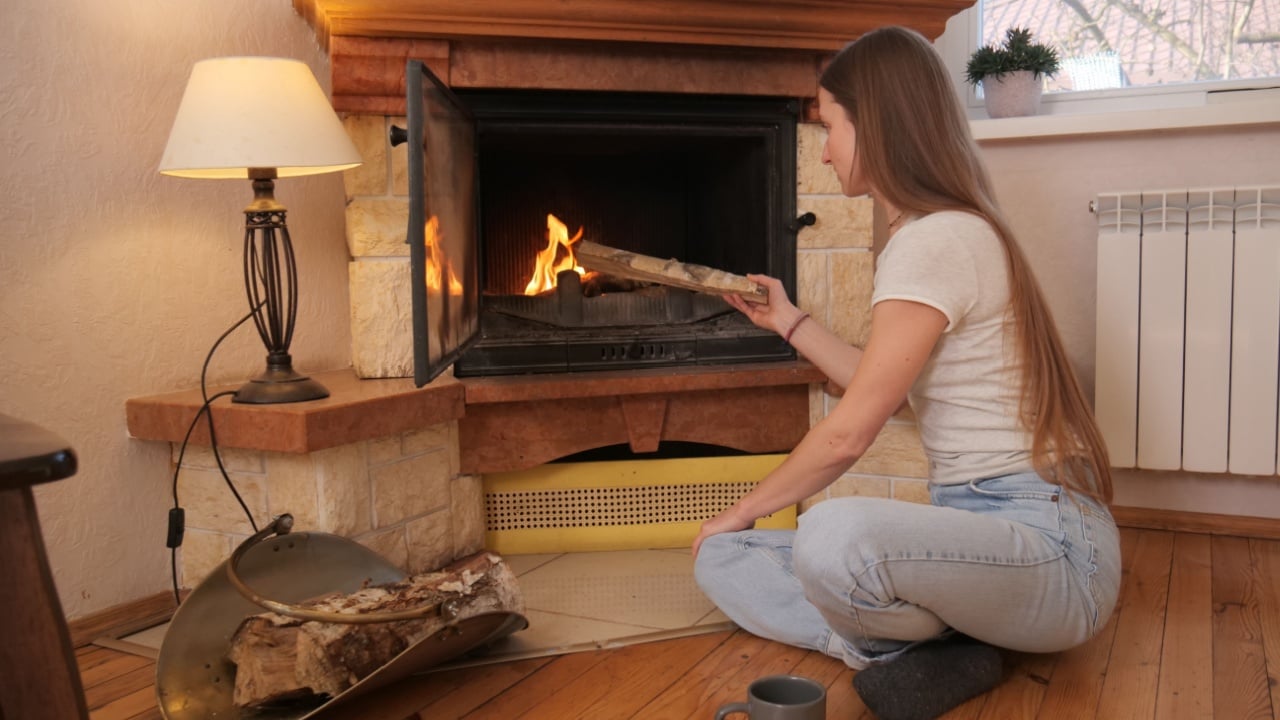
If you have a fire pit (or fireplace), you know it is a gathering spot for stories and warmth. The simple act of adding wood to a flame feels primal and satisfying. Yet, not all wood is created equal. What seems like a harmless piece of timber can introduce unexpected risks to your health, your fireplace, and even your immediate environment.
Understanding what makes certain woods unsuitable for burning is crucial for anyone who enjoys a fire. It goes beyond simple efficiency. Burning inappropriate materials can release a host of harmful chemicals, produce corrosive smoke that damages your chimney, or create dangerous flare-ups. This knowledge protects your family and home, allowing you to enjoy your fires with complete peace of mind.
This article outlines twelve specific types of wood you should always avoid burning in your fireplace or fire pit. For each type, we will detail the specific dangers or inefficiencies it presents, from releasing toxic compounds to creating excessive smoke and chimney buildup.
1. Green or Wet Wood
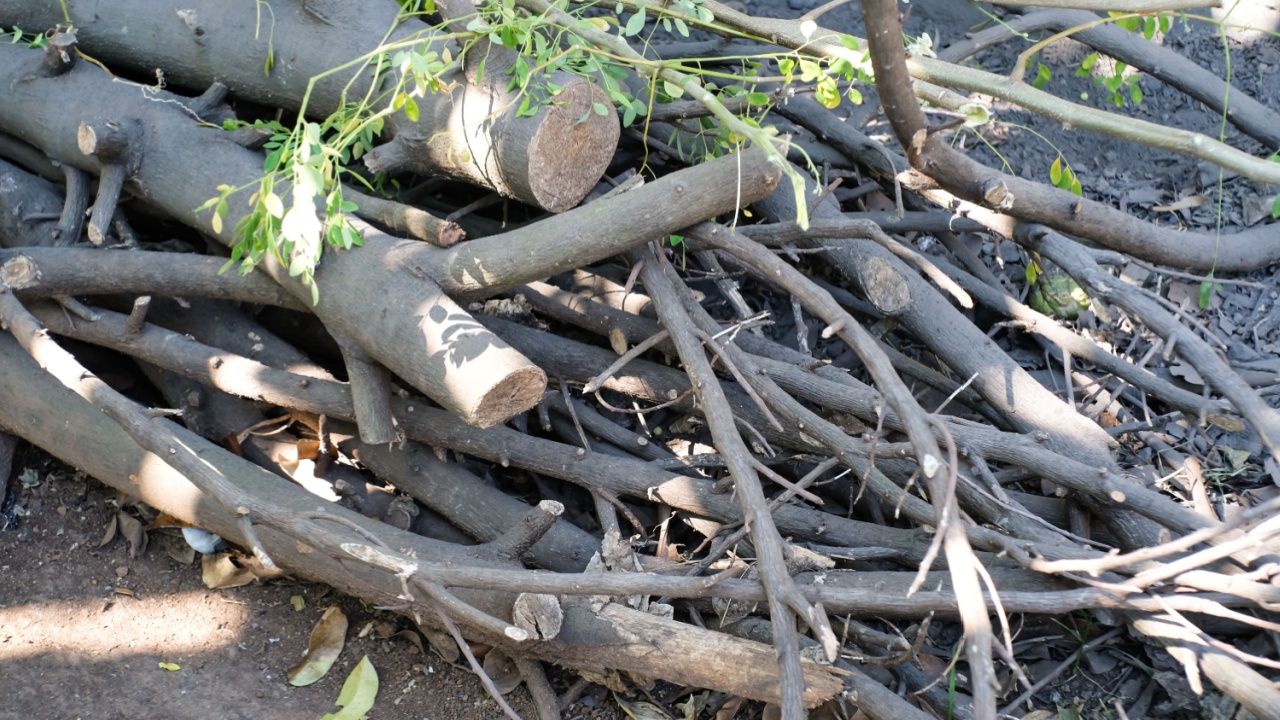
Freshly cut or waterlogged wood, often called green wood, is a poor choice for any fire. Its high moisture content means the fire must first work to boil off the water before the wood can properly combust. This process creates a low-temperature, smoldering fire that generates a large volume of dense, unpleasant smoke and very little heat.
Beyond the inefficiency, burning wet wood is a leading cause of creosote accumulation in chimneys. Creosote is a tar-like substance that is highly flammable. As it builds up, it significantly increases the risk of a chimney fire. Always use properly seasoned firewood that has been dried for at least six to twelve months to get a clean, hot, and safe burn.
2. Treated or Painted Wood
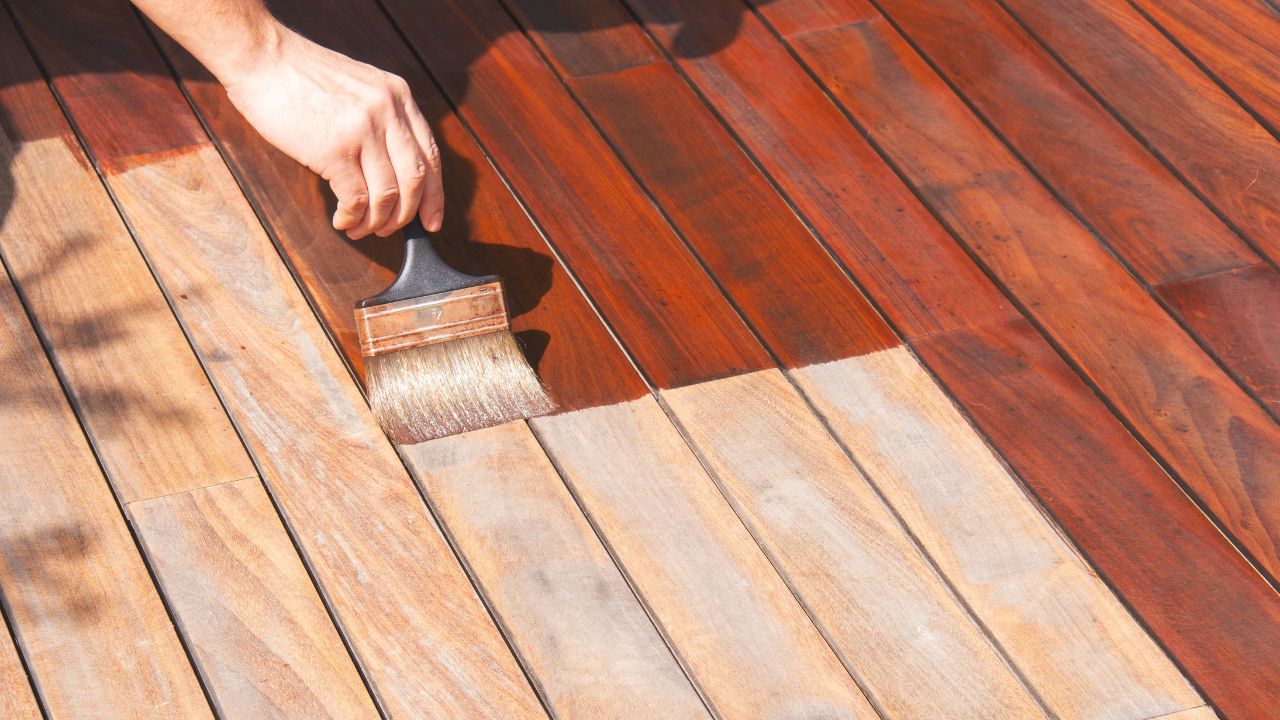
Wood that has been pressure-treated, painted, stained, or finished in any way should never be used as fuel. These materials are infused with chemicals to resist rot, insects, or weathering. Common chemicals include arsenic, chromium, and copper. When this wood burns, it releases these toxic substances into the air as ash and smoke.
Inhaling these fumes can cause serious health problems, and the resulting ash is considered hazardous waste. This rule applies to old furniture, deck boards, fence posts, and construction scraps. Always source clean, untreated wood for your fires. If you need to dispose of treated wood, check with your local waste management facility for proper disposal guidelines.
3. Plywood, Particleboard, and MDF
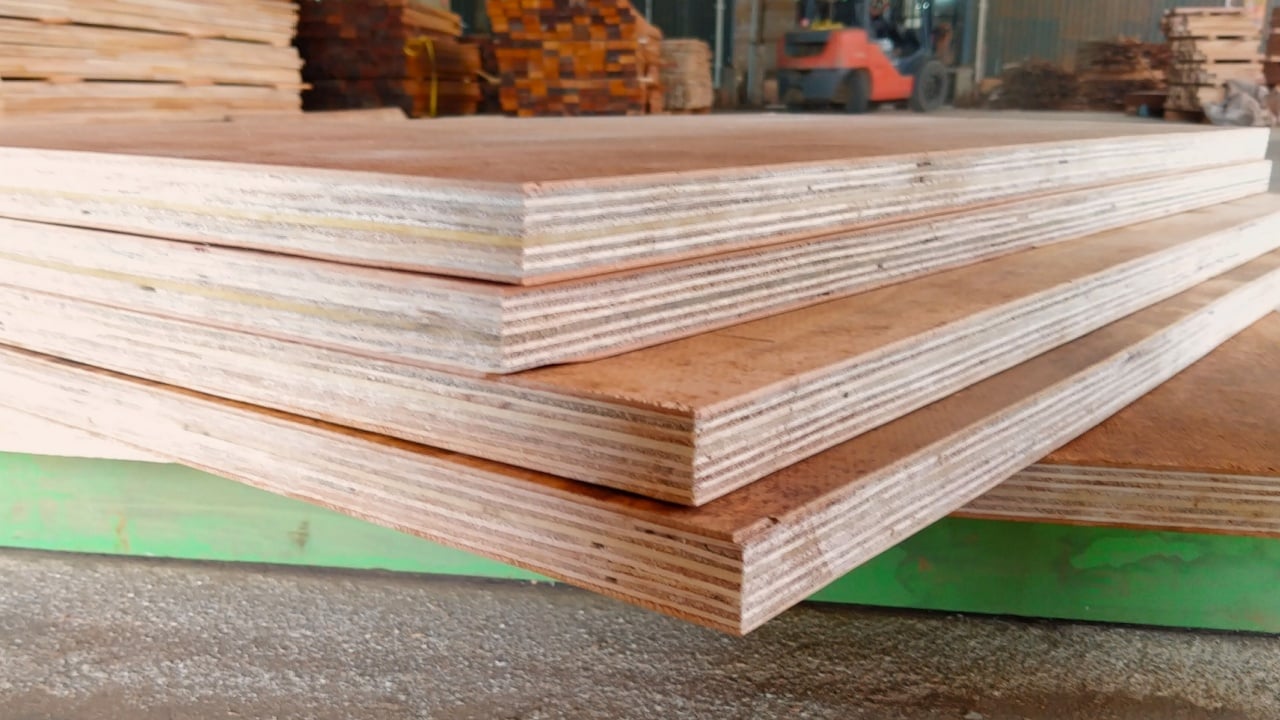
Engineered woods like plywood, particleboard, and medium-density fiberboard (MDF) are made by binding wood chips, sawdust, and veneers with powerful adhesives. These glues often contain formaldehyde and other volatile organic compounds (VOCs). Burning them releases these chemicals, creating toxic smoke that is harmful to breathe.
The fumes can cause respiratory irritation and other health issues. This type of wood also tends to burn unpredictably fast and hot, which can be difficult to control. Stick to natural, solid hardwoods and softwoods for a safe and clean-burning fire. Never toss scraps from a home renovation project into your fireplace or fire pit.
4. Driftwood
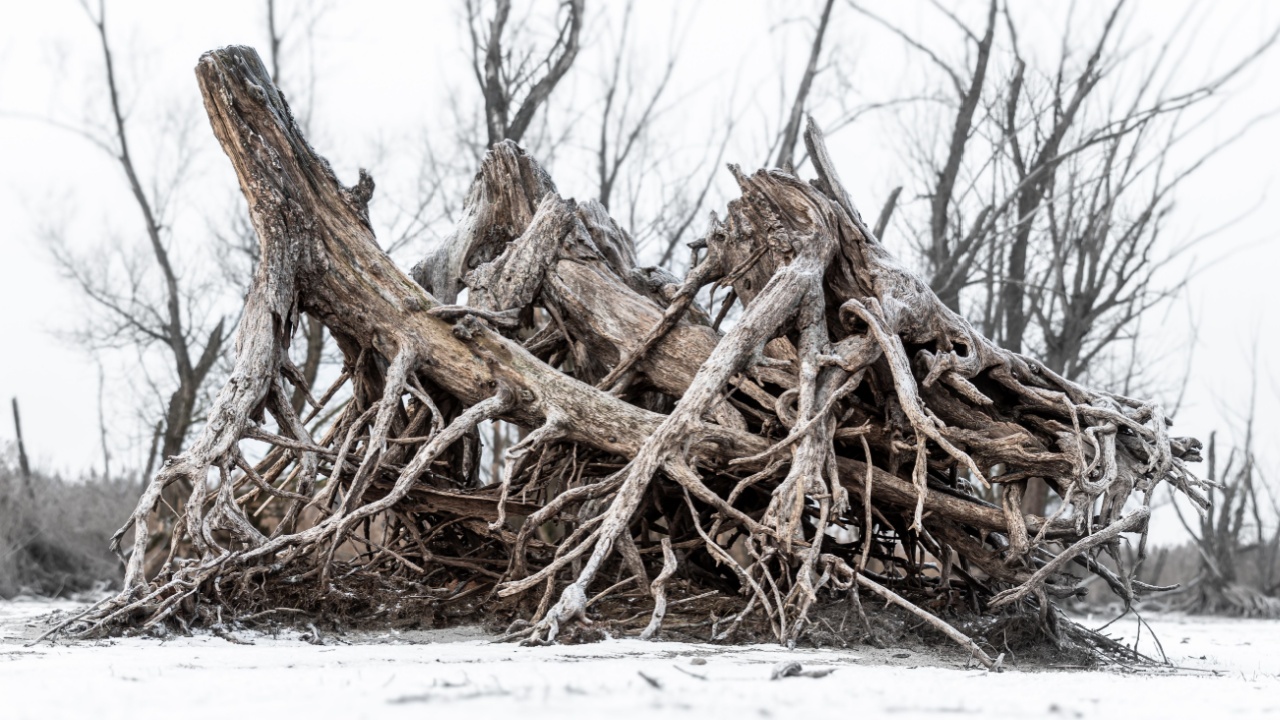
Wood found on the shores of oceans or saltwater seas might seem like a rustic and free source of fuel, but it contains a hidden danger. Driftwood absorbs salt from the water, and when it burns, the chlorine in the salt converts into dioxins, which are highly toxic compounds. Inhaling these fumes can be damaging to your health.
Furthermore, burning salt-laden wood can produce corrosive emissions that rust and damage your fireplace insert, chimney, and fire pit components. The metal parts of your setup are particularly vulnerable to this accelerated corrosion. For these reasons, it is best to leave the driftwood on the beach and use locally sourced, properly seasoned firewood instead.
5. Poison Ivy, Oak, and Sumac
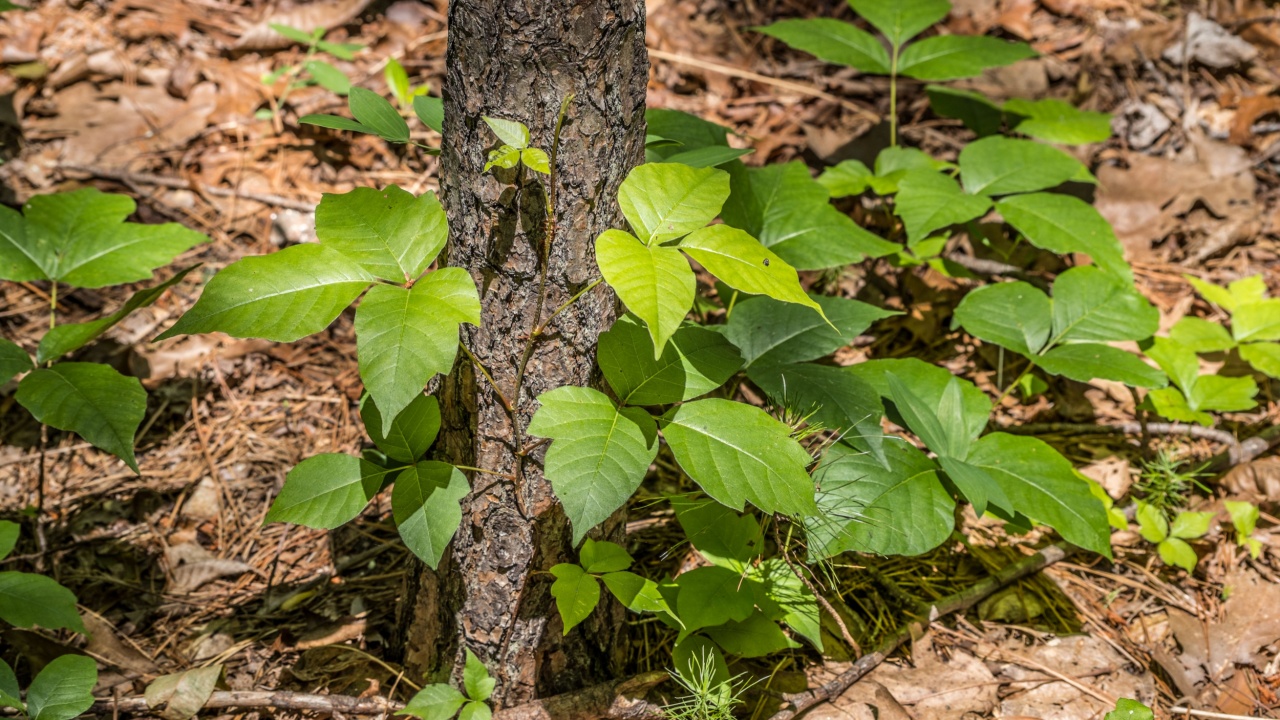
Never burn any part of poison ivy, poison oak, or poison sumac vines or plants. These plants contain an oil called urushiol, which is the same compound that causes the infamous itchy rash upon skin contact. When these plants are burned, the urushiol oil vaporizes and is carried in the smoke.
Inhaling this smoke can cause a severe allergic reaction in the respiratory tract, leading to lung inflammation and serious breathing difficulties that may require immediate medical attention. Even individuals who do not react to skin contact can have a dangerous internal reaction. Be vigilant about identifying and removing these plants from any woodpile.
6. Softwoods with High Resin Content
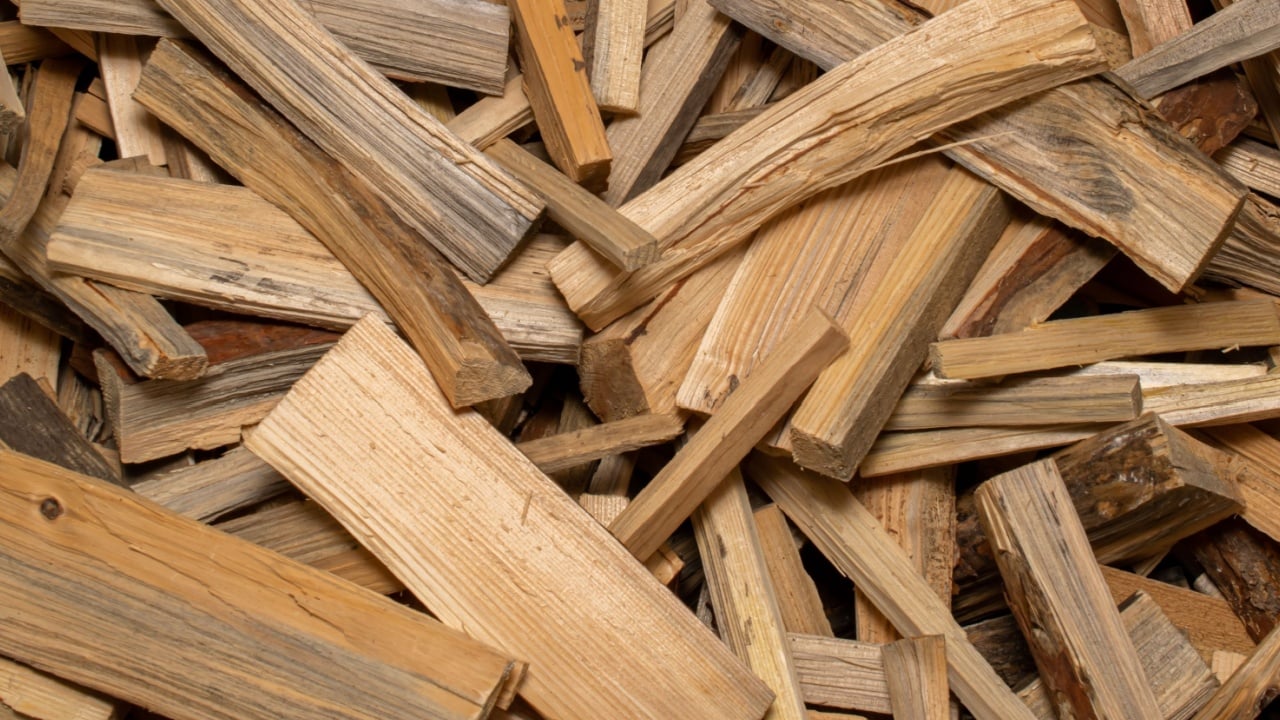
Softwoods like pine, fir, and spruce contain a high amount of resin or sap. While they can light easily and produce a fragrant aroma, they are not ideal for indoor fireplaces. The resin causes the wood to burn very quickly and produce a lot of smoke. More importantly, it contributes significantly to the buildup of creosote in your chimney.
This rapid creosote accumulation poses a serious fire hazard. These woods are also known for popping and throwing sparks, which can be a risk for both indoor hearths and outdoor fire pits. While small amounts can be used as kindling to start a fire, they should not be your primary fuel source. Hardwoods like oak or maple are a much better choice.
7. Oleander
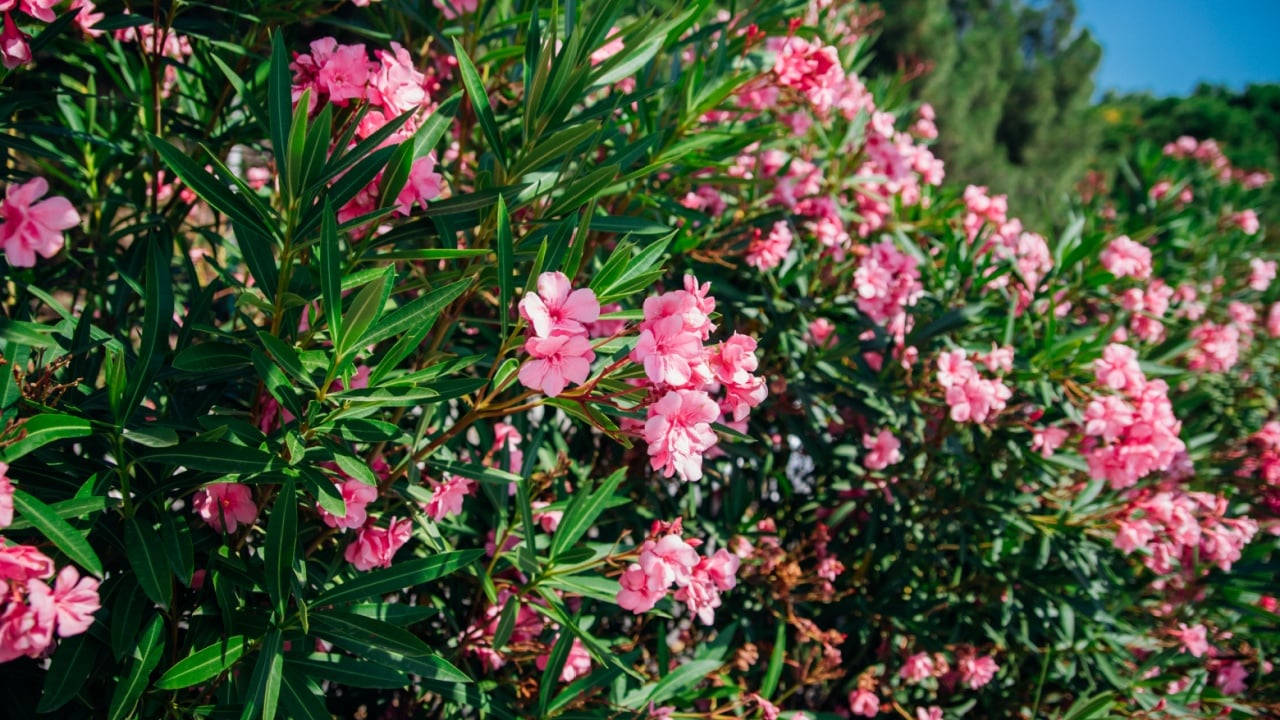
Oleander is a common and beautiful ornamental shrub, but every part of it is extremely toxic. It contains cardiac glycosides, which are potent heart toxins. Burning oleander releases these poisonous compounds into the smoke. Inhaling this smoke can cause severe health effects, including dizziness, nausea, and potentially fatal cardiac problems.
Due to its extreme toxicity, oleander should never be used as firewood under any circumstances. If you are clearing brush or trimming landscaping, be certain to identify and separate any oleander branches. Dispose of them according to your local yard waste regulations instead of adding them to your burn pile.
8. Willow Wood
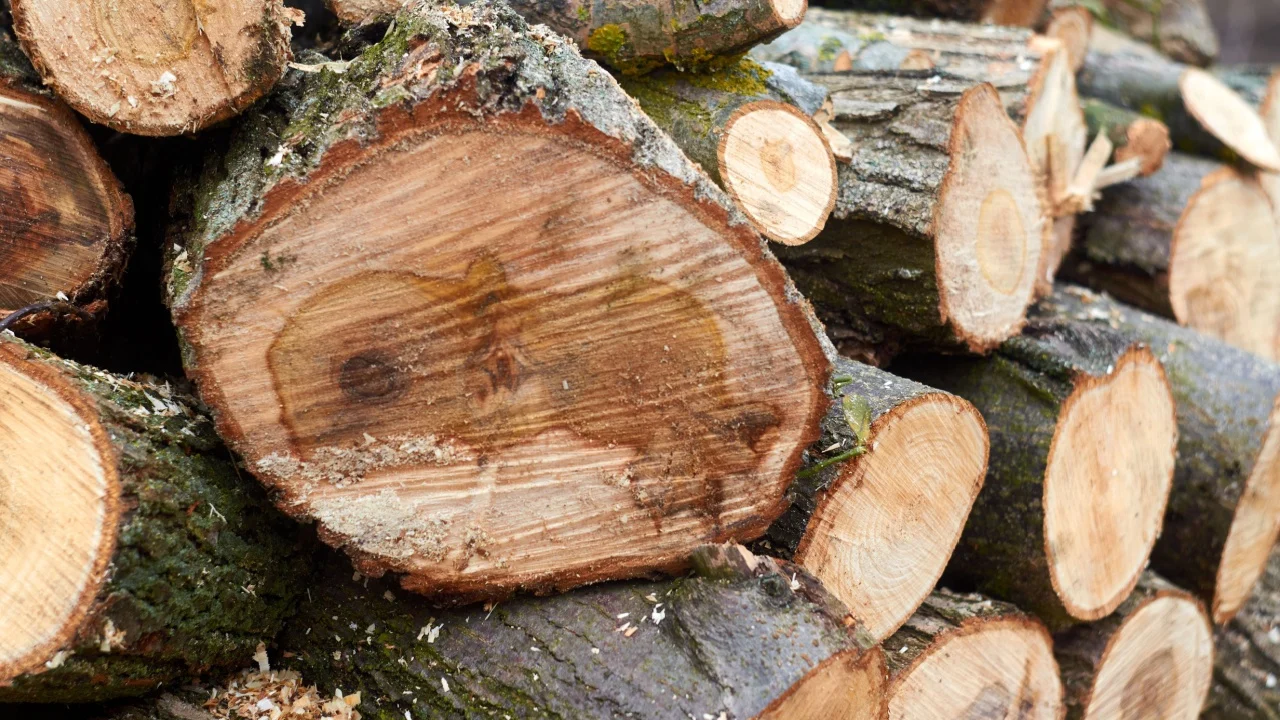
Willow is a fast-growing tree often found near water, which means its wood is naturally high in moisture and very porous. Even when dried, willow wood burns exceptionally quickly without producing much heat. It is an inefficient fuel that will require constant tending to keep a fire going.
In addition to its poor heat output, willow tends to produce a lot of smoke and can spark excessively. The combination of low efficiency and high maintenance makes it a frustrating wood to burn. There are many better options available that will provide a longer, hotter, and more satisfying fire with less effort.
9. Black Walnut

Black walnut wood contains a compound called juglone, which is toxic to many plants and can be an irritant to humans. While the primary concern with juglone is its effect on surrounding vegetation, burning black walnut can release it into the air. Inhaling the smoke may cause respiratory irritation for sensitive individuals.
While it is not as acutely dangerous as something like oleander, the potential for irritation makes it a wood to handle with caution. Given the abundance of other excellent firewood choices that do not carry this risk, it is simpler to avoid burning black walnut, especially in an indoor fireplace where smoke exposure is more direct.
10. Yew

Yew wood (Taxus spp.) is extremely dangerous to burn because it contains toxic compounds called taxine alkaloids. Found throughout the tree, these potent cardiotoxins are released into the smoke when burned. Inhaling this smoke can quickly cause severe symptoms like dizziness, shortness of breath, irregular heartbeat, and respiratory distress. Since the toxins interfere with heart muscle function, exposure can lead to potentially fatal cardiovascular collapse.
Unlike less toxic woods where risks are limited to dust irritation, yew’s smoke carries systemic poisons that disperse indoors or outdoors, with even brief exposure hazardous. Penn State Extension and university experts universally advise against burning it in fireplaces, stoves, or open fires. Always discard yew material properly rather than seasoning it for fuel.
11. Eucalyptus
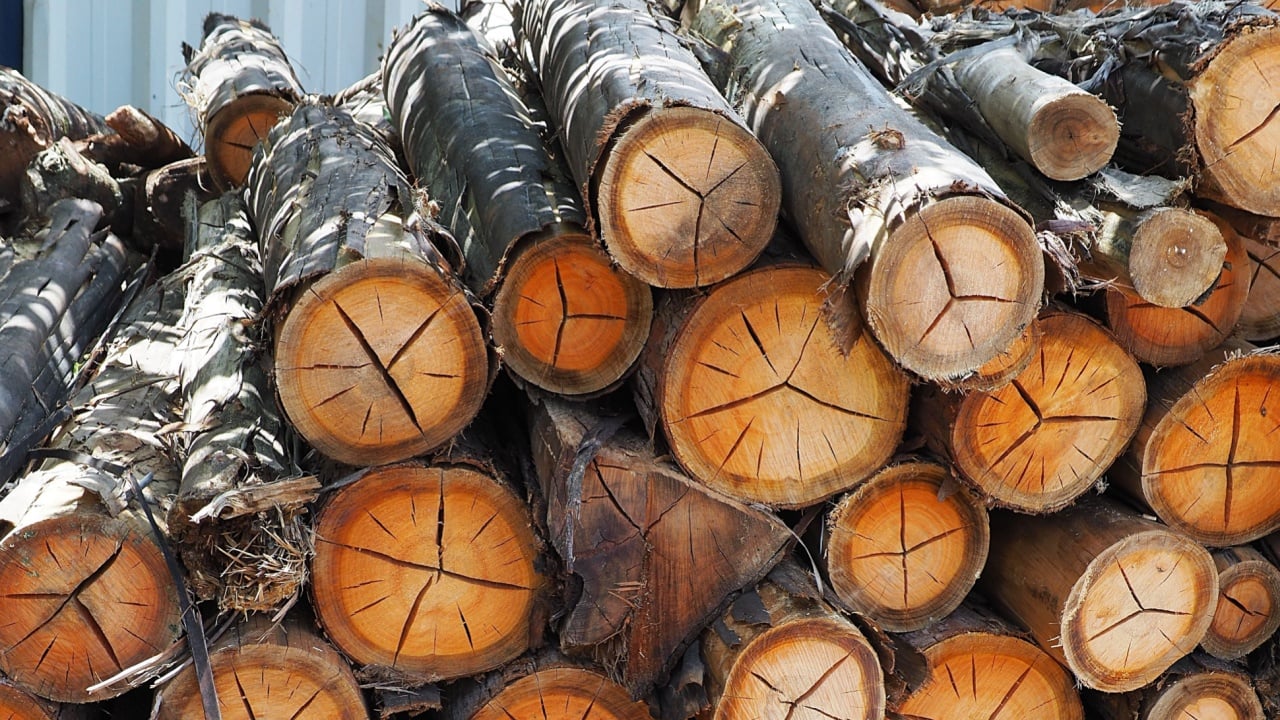
Eucalyptus wood is very dense and can produce a lot of heat, but it comes with significant hazards. The wood is filled with volatile oils that can cause it to burn erratically and extremely hot. This can lead to flare-ups that are difficult to control and may damage your fireplace or fire pit.
The oils also cause the wood to spark and crackle violently, throwing embers a considerable distance. This poses a serious fire risk, especially in an outdoor setting. The smoke from burning eucalyptus can also be heavy and irritating due to the oils. It is best to avoid this wood as a fuel source.
12. Eastern Redcedar

Eastern Redcedar is a common tree across much of North America, and its wood might seem tempting to burn because of its pleasant aroma. However, this wood shares many drawbacks with other resinous softwoods. It is loaded with natural oils and sap that create dense smoke and contribute to unhealthy creosote buildup inside your chimney or stove.
When burned, Eastern Redcedar also pops and produces sparks that can easily escape a fireplace or fire pit, increasing the risk of unintended fires nearby. While small amounts can work as kindling, using Eastern Redcedar as your main firewood leads to safety and maintenance problems. It’s much wiser to choose hardwoods for cleaner, longer-lasting heat.
Choosing the Right Firewood

Knowing which woods to avoid is the first step toward a safer and more enjoyable fire. Always source the right fuel. Focus on acquiring well-seasoned hardwoods like oak, maple, hickory, or ash. These woods burn hot, long, and clean, producing minimal smoke and reducing the risk of creosote buildup. You can purchase seasoned wood from a reputable dealer or season it yourself by splitting the wood and storing it in a dry, well-ventilated area for at least six to twelve months.
Read More: