10 Types of Houses to Run Away From, Quickly
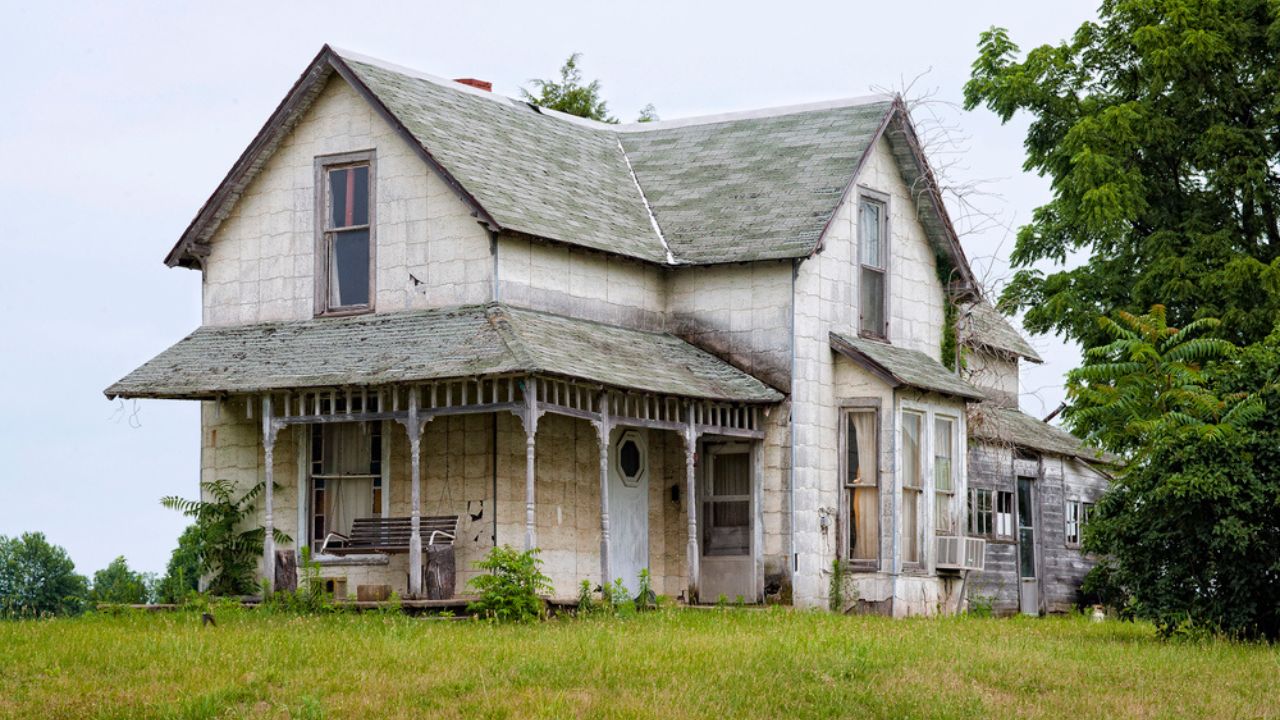
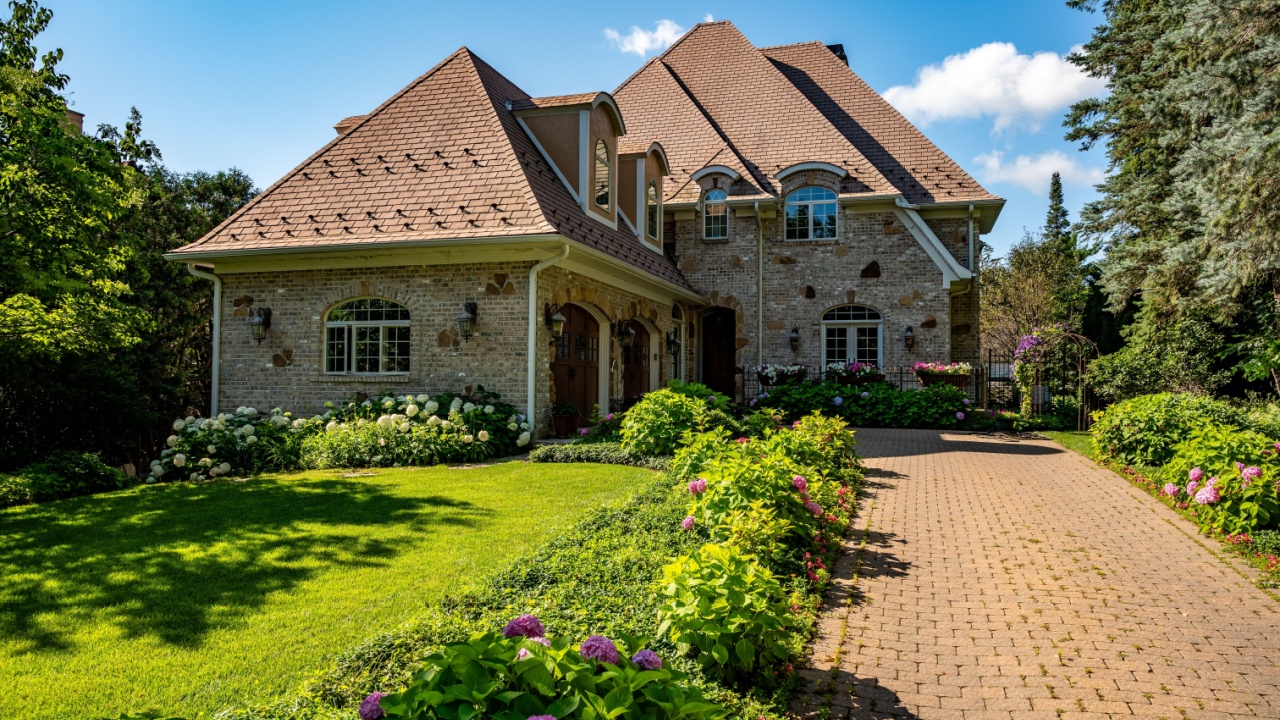
Finding a house is a lot like a whirlwind romance. You see a listing, your heart flutters, and before you know it, you are imagining how you will be sitting on the front porch 30 years from now, together. However, some dream homes are actually nightmares in disguise, hiding expensive secrets behind fresh paint and charming curb appeal. Like romances, some houses come with red flags that you shouldn’t ignore.
A home is a huge investment, and making the wrong choice can lead to years of financial strain, headaches, and a broken heart. Here’s our guide to spotting the properties that should give you pause so that you can make a decision with your head, not just your heart.
1. Houses With Major Foundation Issues
A home’s foundation is its backbone, and problems here are rarely cheap or easy to fix. Shifting soil, poor construction, or water damage can compromise the entire structure, leading to a cascade of problems that are expensive to address. These issues are among the most serious a homeowner can face.
Foundation repairs can range from a few thousand dollars for minor crack repairs to tens of thousands for significant structural work like piering or underpinning. What you see on the surface is often just a symptom of a much larger, underground problem. A sloping floor or a crack in the wall might seem like a small imperfection, but it could signal a home that is slowly but surely failing.
Quick Scan:
- What to Look For: Large cracks in exterior walls, interior drywall, or floors. Doors and windows that stick or do not close properly. Uneven or sloping floors.
- Actionable Advice: Hire a structural engineer to perform an independent assessment if you spot any of these signs. Do not rely solely on a standard home inspector for major foundation concerns.
2. Homes in Flood Zones

A waterfront view is lovely until the water is in your living room. Homes located in designated flood zones come with a set of persistent risks that go far beyond a little dampness in the basement. Even if a property has never flooded before, changing weather patterns mean that historical data is not always a reliable predictor of future events.
The most immediate financial hit is flood insurance, which is often mandatory for mortgages in high-risk areas and can be incredibly expensive. Beyond the premiums, a flood can cause catastrophic damage to your home’s structure, electrical systems, and personal belongings, with repair costs easily soaring into the tens of thousands.
Quick Scan:
- What to Look For: Check FEMA flood maps for the property’s designation. Look for water stains on basement walls or evidence of past water damage.
- Actionable Advice: Get multiple quotes for flood insurance before making an offer to understand the true annual cost. Consider the property’s elevation and proximity to water sources.
3. Flipped Houses by LLCs

A freshly renovated house can be very appealing, with its new floors, shiny appliances, and modern finishes. But when a home is bought, renovated, and put back on the market in a short time by an LLC, it is wise to be cautious. These quick flips sometimes prioritize cosmetic upgrades over addressing deeper, more significant problems.
The goal of a flipper is to maximize profit, which can lead to cutting corners. Unlicensed contractors might be used, and cheap materials may be installed to look good for a quick sale. Behind that new drywall could be faulty wiring, leaky pipes, or even unresolved structural issues that were simply covered up instead of properly fixed.
Quick Scan:
- What to Look For: Check the property’s sales history on real estate sites. A recent sale followed by a quick relisting at a higher price is a common sign. Look for signs of shoddy workmanship, like uneven paint, poorly fitted trim, or cheap fixtures.
- Actionable Advice: Ask for a list of all contractors who worked on the renovation and copies of any permits pulled for the work. A thorough home inspection is critical for these properties.
4. Houses Over 100 Years Old

Century-old homes possess a character and charm that is hard to replicate. They tell a story with their handcrafted details and unique architecture. However, they also come from a different era of construction, and their age can bring a host of expensive and complicated challenges.
Systems you take for granted in modern homes, like plumbing and electrical, can be ticking time bombs. Old wiring can be a fire hazard, lead pipes can pose health risks, and materials like asbestos require professional (and costly) removal. What begins as a love for vintage appeal can quickly become a money pit of necessary updates. Even if you are ready to own a home, be cautious about taking a house that was built in the 20th century.
Quick Scan:
- What to Look For: Outdated knob-and-tube wiring, galvanized or lead plumbing pipes, and potential asbestos in insulation, flooring, or popcorn ceilings.
- Actionable Advice: Budget for significant system upgrades. Have specialists inspect the electrical and plumbing systems. Get an asbestos test if you suspect its presence before planning any renovations.
5. Homes With Underground Oil Tanks

In certain parts of the country, older homes were heated with oil stored in underground tanks. While many of these have been decommissioned, they represent a massive potential liability. These steel tanks can rust and leak over time, contaminating the soil and groundwater with petroleum.
The cleanup for a leaking oil tank can be an environmental and financial disaster, sometimes costing hundreds of thousands of dollars. Even if a tank was properly decommissioned, there’s no guarantee it did not leak before being filled with sand or foam. This is a risk that few buyers should be willing to take on.
Quick Scan:
- What to Look For: Fill pipes or vent pipes sticking out of the ground near the house. Records of oil delivery service in the home’s documentation.
- Actionable Advice: Ask the seller for documentation proving the tank was professionally removed and the soil was tested for contamination. If a tank is still present, make its removal and a clean soil test a condition of the sale.
6. Houses With Over-the-Top Customizations
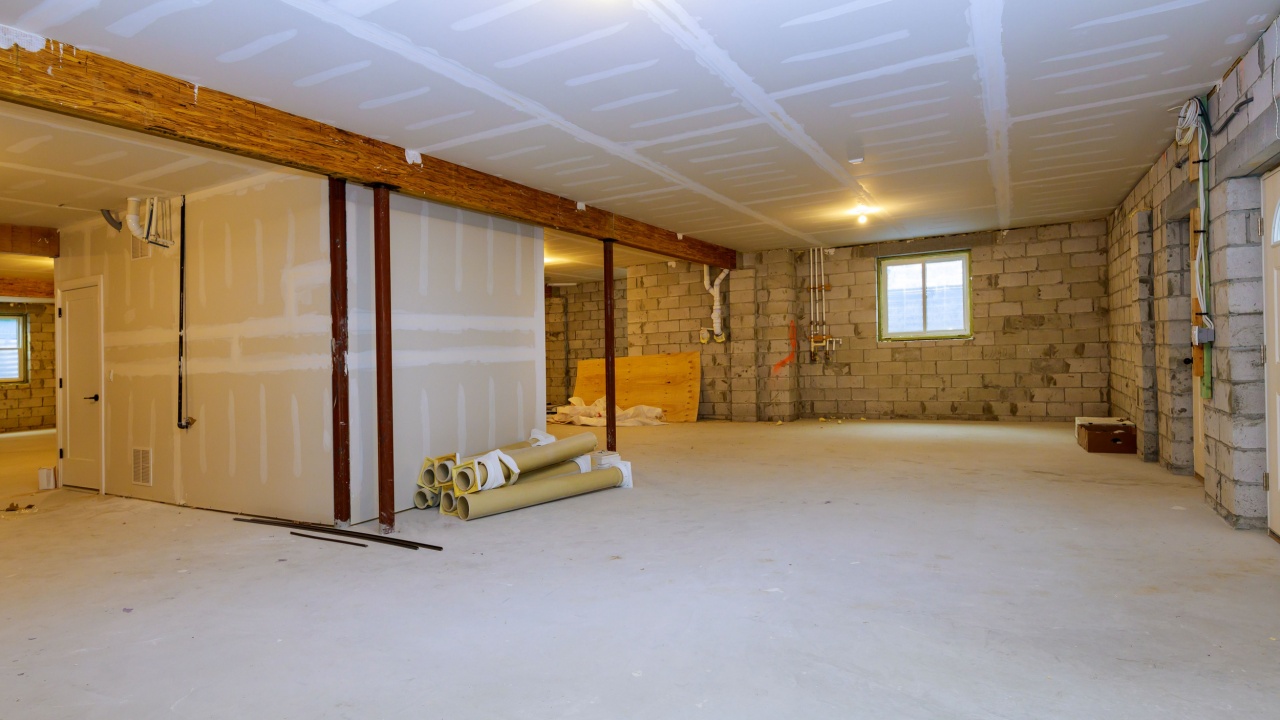
A home with a built-in aquarium, a two-story closet, or a basement designed to look like a pirate ship may have been someone’s specific dream, but it can become your maintenance headache. Highly personalized features often come with expensive upkeep and can severely limit your home’s appeal to future buyers if you plan to sell the home later.
That custom-built waterfall in the foyer might look amazing, but what happens when the pump breaks? Who do you call to fix it? These unique additions often require specialists for repairs and can be costly to remove or remodel if they do not fit your lifestyle. What one person sees as a masterpiece, another might see as a massive project.
Quick Scan:
- What to Look For: Extremely specific design choices, elaborate built-ins that serve a niche purpose, or high-maintenance landscaping features.
- Actionable Advice: Get estimates for the cost of maintaining, repairing, or removing the custom features. Consider how these additions might affect the home’s resale value down the line.
7. Homes in Poorly Maintained Neighborhoods

The house itself is only part of the equation; the neighborhood it sits in has a huge impact on your quality of life and the property’s long-term value. A street with a high number of vacant homes, rundown properties, and crumbling infrastructure is a significant red flag.
A neighborhood in decline can signal future problems with safety, property values, and access to amenities. Before you buy, spend time in the area at different times of the day. A declining neighborhood can drag down the value of even the most well-maintained house.
Quick Scan:
- What to Look For: Multiple vacant or boarded-up houses, neglected lawns and public spaces, and a lack of nearby amenities like grocery stores or parks.
- Actionable Advice: Drive or walk through the neighborhood on a weekday and a weekend, during the day and at night. Talk to potential neighbors to get their perspective on the area.
8. Houses With Termite Damage or Poor Disclosures
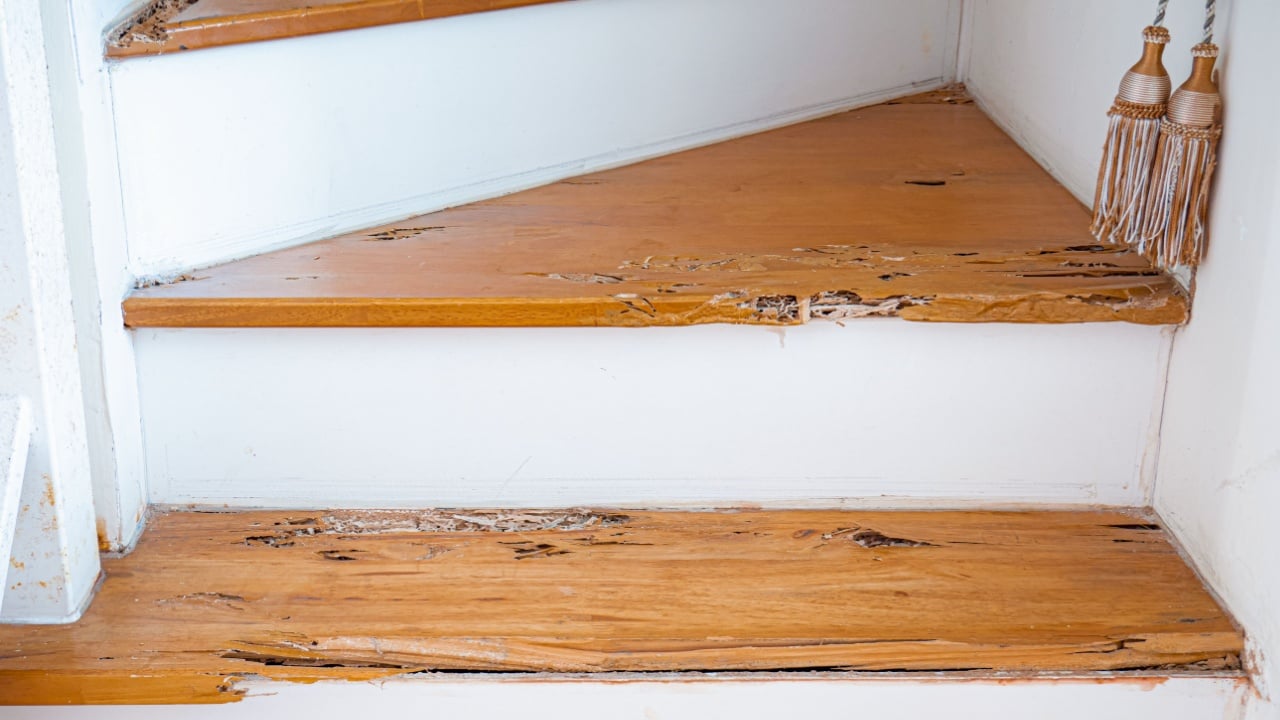
Termites can silently destroy a home’s wooden structure, causing widespread damage that is expensive to repair. While past termite treatment is common, active infestations or unrepaired damage are serious concerns. This is where a seller’s disclosure and a professional inspection become very important.
Sellers are legally required in most states to disclose known issues with the property. An incomplete or vague disclosure form can be a sign that the seller is hiding something. Be it a past roof leak, a basement that floods, or known pest problems, a lack of transparency is a reason to be suspicious.
Quick Scan:
- What to Look For: Signs of termite damage like weakened wood, mud tubes on the foundation, or discarded wings. A seller’s disclosure that is missing information or seems evasive.
- Actionable Advice: Always get a separate pest inspection from a reputable company. Review the seller’s disclosure carefully with your real estate agent and ask follow-up questions about anything that seems unclear.
9. Homes Damaged by a Natural Disaster
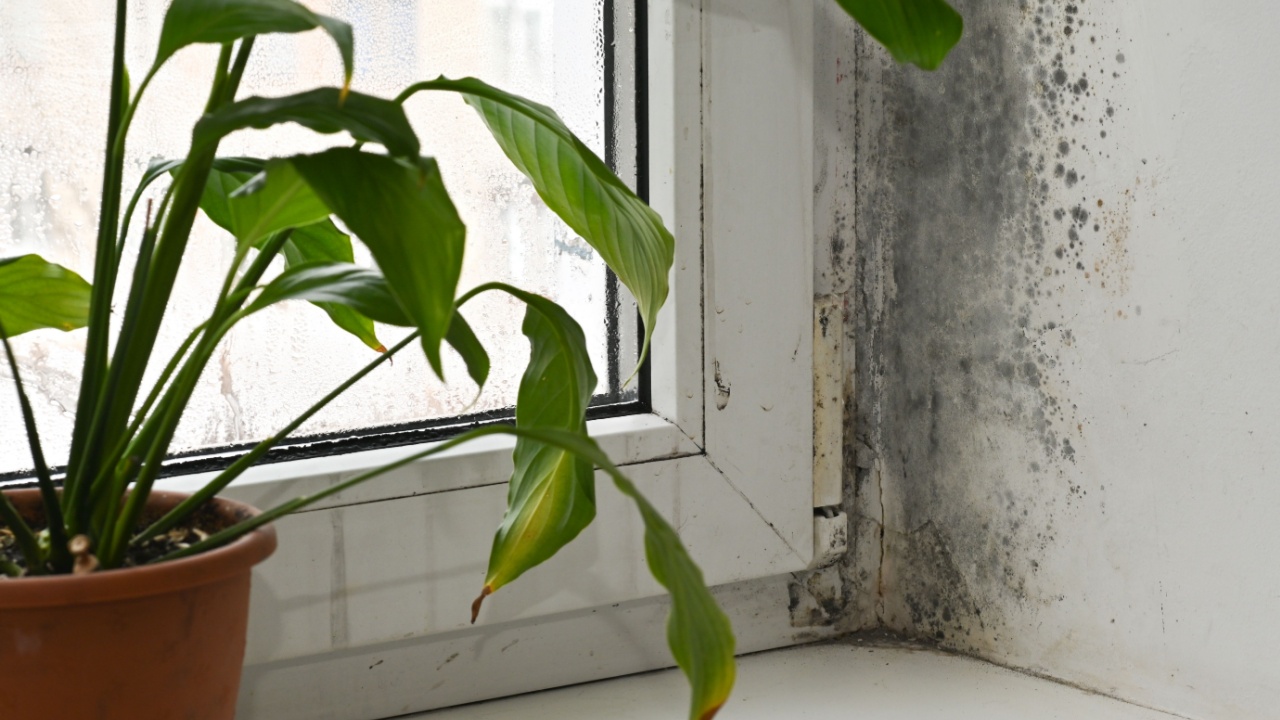
A house that has survived a fire, hurricane, or earthquake might look fully repaired, but unseen issues can linger. Water damage from flooding or firefighting efforts can lead to mold growth within walls, which is a serious health hazard. A fire can weaken a home’s structural integrity in ways that are not immediately obvious.
Even with repairs, these homes can carry a stigma that affects resale value. They may also come with higher insurance premiums, as they are now flagged as being in a high-risk area.
Quick Scan:
- What to Look For: Mismatched building materials, warped wood, or fresh paint in unusual areas (like a single wall in a basement) that could be covering up damage.
- Actionable Advice: Ask for a complete record of all repairs made, including permits and contractor information. An inspector with experience in post-disaster homes can help identify potential long-term problems.
10. Homes With Inadequate Inspections

In a competitive market, some buyers might be tempted to waive the home inspection to make their offer more attractive. This is a massive gamble. A home inspection is your single best tool for uncovering the hidden problems that could turn your dream home into a financial burden.
Without a professional inspector looking at the roof, plumbing, electrical, and HVAC systems, you are buying the property blind. An inspector works for you, providing an objective assessment of the home’s condition. The few hundred dollars you spend on an inspection could save you from tens of thousands of dollars in unexpected repairs.
Quick Scan:
- What to Look For: Any pressure from a seller or agent to skip the inspection is a major red flag.
- Actionable Advice: Never, ever skip the home inspection. Hire a thorough and well-regarded inspector. Attend the inspection yourself so you can ask questions and see any potential issues firsthand.
Make a Smarter Home Purchase

Navigating the housing market can be tricky, but knowledge is your best defense against a bad investment. Instead of feeling overwhelmed, use this information to create a clear plan. Start by assembling your team of experts. This includes a trusted real estate agent who understands your concerns, a diligent home inspector who will leave no stone unturned, and potentially specialists like a structural engineer or a master plumber if red flags appear.
When you find a house you like, do your own homework. Research the neighborhood’s crime rates and school ratings. Check the property’s sale and permit history online. Finally, trust your gut. If something feels off, it probably is. By being patient and proactive, you can move past the risky properties and find a home that will be a source of joy, not a constant drain on your bank account.