Why Cheap Bird Suet Isn’t Doing Your Yard Any Favors
We all want to help our feathered friends survive. It feels good to see them fluttering around the feeder, grabbing a quick bite before zooming off to do bird things.
But sometimes, in an effort to be helpful (and maybe save a few bucks), we grab those rock-hard, generic suet cakes from the bargain bin. They look like they could survive a nuclear fallout and probably taste like it, too.
While the intention is good, those cheap fillers often do more harm than good. Many low-quality options are packed with ingredients birds simply can’t digest or that provide zero nutritional value when they need it most.
This article dives into why you should reconsider those bargain blocks and explores six fantastic alternatives that actually help your backyard visitors thrive.
Suets to Avoid- 1. Cheap Rendered Fat Blocks
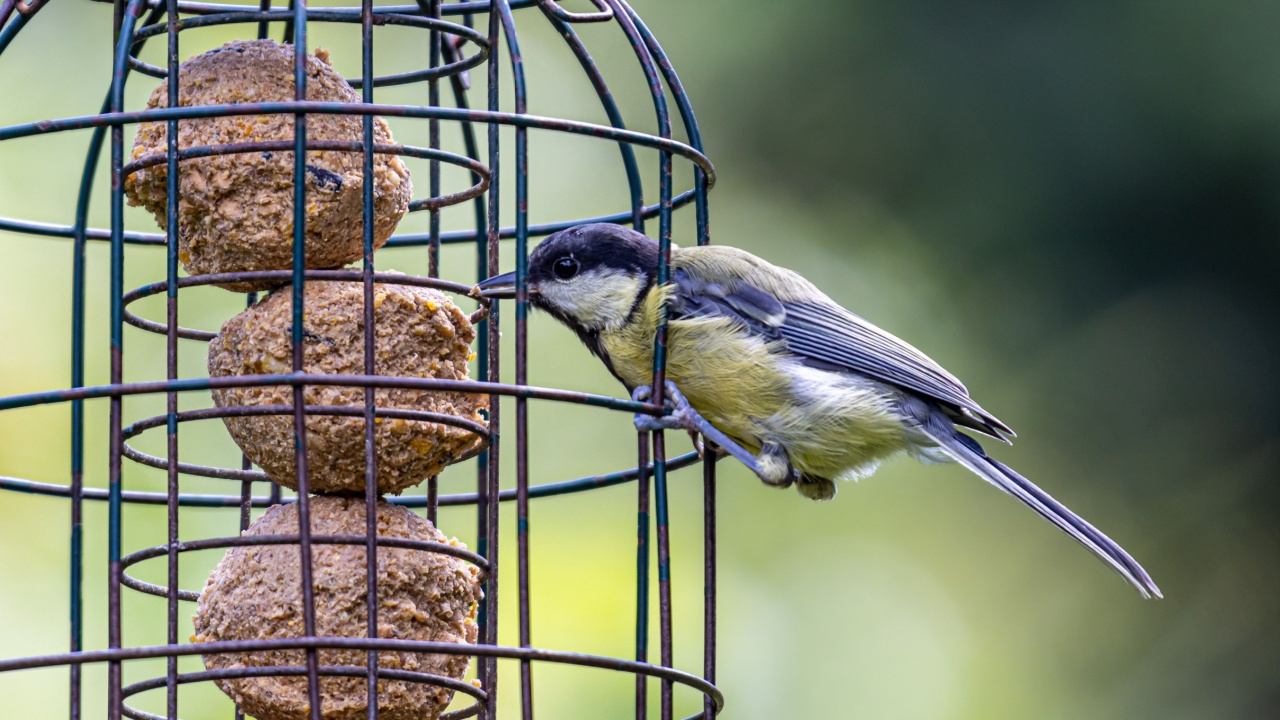
Those bargain-bin suet cakes packed with low-grade animal fat might seem like a deal, but they end up too tough for small birds to eat, especially in frigid weather. The hard texture makes it nearly impossible for many species to benefit, and the effort wasted on a brick-like snack could be used for hunting for real food.
Birds get little nutrition from these dense blocks, and most of the filler winds up on the ground instead of in bellies. Instead of boosting energy, these cheap cakes can leave birds hungry and your yard looking like someone dropped birdseed confetti that even squirrels avoid.
2. Fillers Like Cracked Corn and Wheat
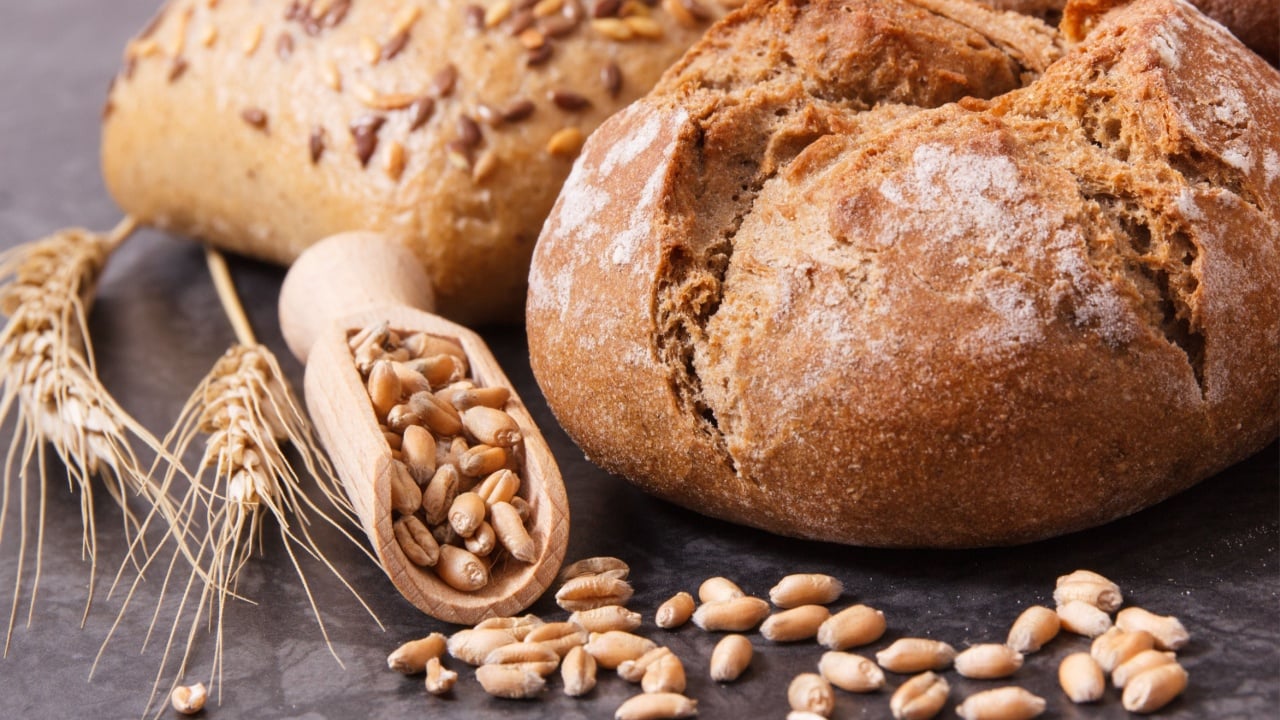
Fillers such as cracked corn and wheat are common in bargain suet blocks, but birds aren’t fooled by these empty calories. You’ll notice that most birds peck around them or toss them aside, holding out for something tastier and more nourishing. The problem goes beyond simple pickiness.
Fillers don’t provide much in terms of fat or energy, which are exactly what birds need to get through cold snaps or long nights. Instead of fueling birds, these lackluster ingredients can send them searching for a real meal elsewhere. What you’re left with is a feeder full of leftovers, and a bird community ready to stage a protest.
3. Sugary Additives and Artificial Flavors
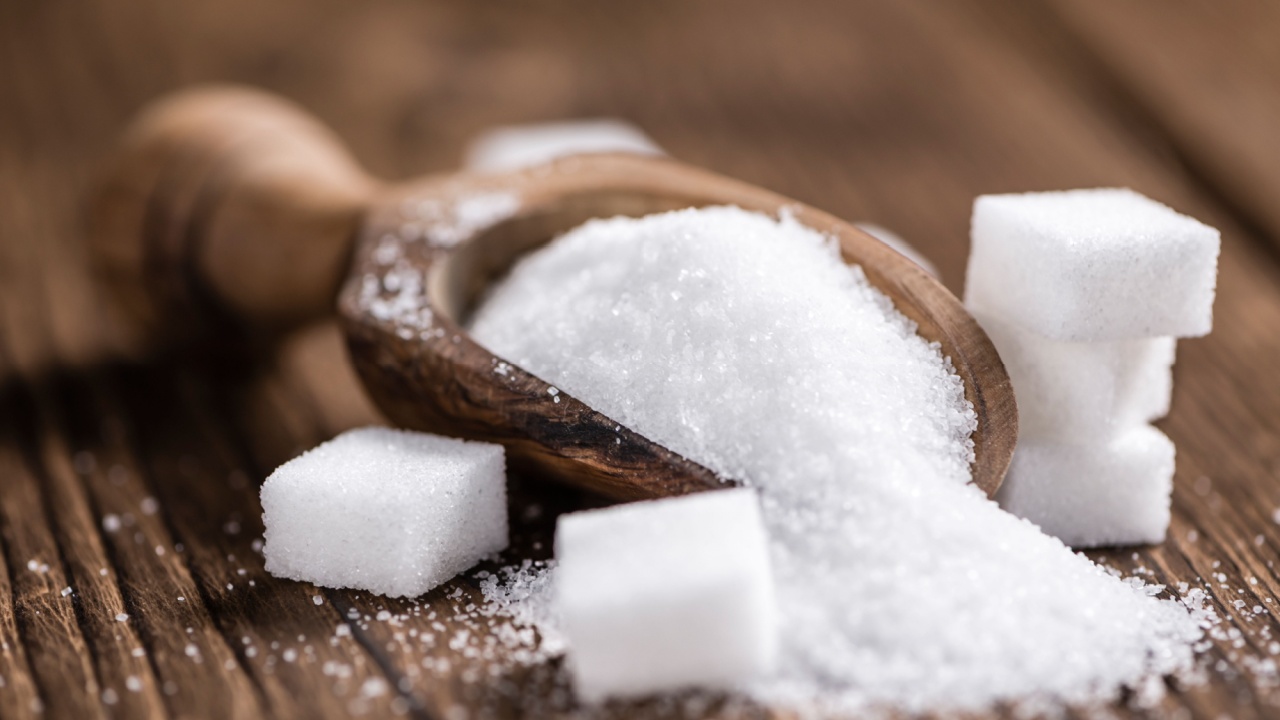
Some suet cakes are sweetened with sugars or jazzed up with artificial colors and flavors. The ingredient list might read like a birthday party, but these additions have little value for hungry birds. Birds don’t need sprinkles or bright dyes; they need nutrients that help them stay warm and healthy through long nights.
Loading up suet with sugar and artificial extras means serving empty calories instead of real energy. Birds aren’t built to process these additives, which can end up doing more harm than good. The goal is to offer food that fuels flight and feather maintenance, not something that looks pretty to the human eye but fails the backyard taste test.
What to Use Instead- 1. Seed & Suet Mix
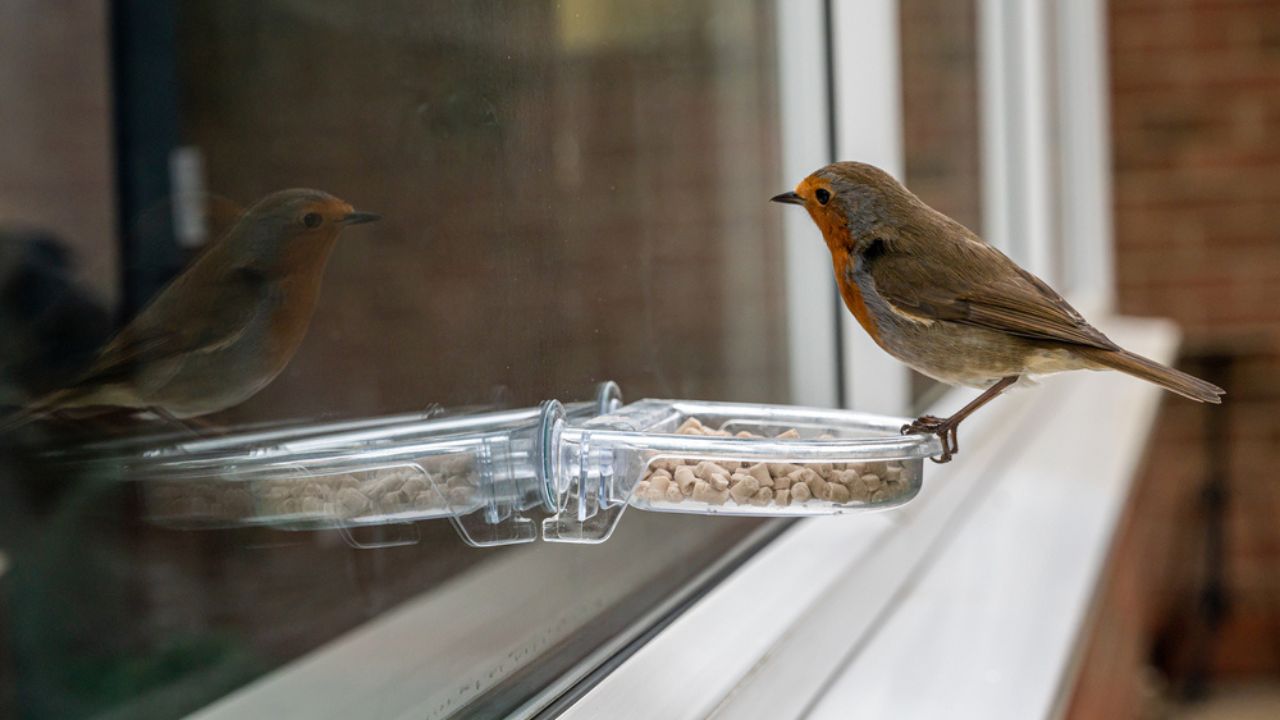
Seed & Suet Mixes combine fat-rich suet pellets with nutrient-dense seeds like sunflower hearts and millet. This blend delivers a potent mix of protein, fat, and energy—exactly what birds are looking for during colder months when staying warm burns up their reserves fast. Giving your backyard visitors a diverse buffet brings in more variety, as different birds are attracted to different seeds.
Beyond offering better nutrition than those standard flavorless cakes, Seed & Suet Mixes are more accessible and enjoyable for birds. The suet pellets are small and digestible, making it easy for even tiny beaks to snack. The seeds round out the meal, meaning your regulars get well-fed and your feeder isn’t just a meeting place for picky eaters tossing the bad bits to the ground.
2. Black Oil Sunflower Seed
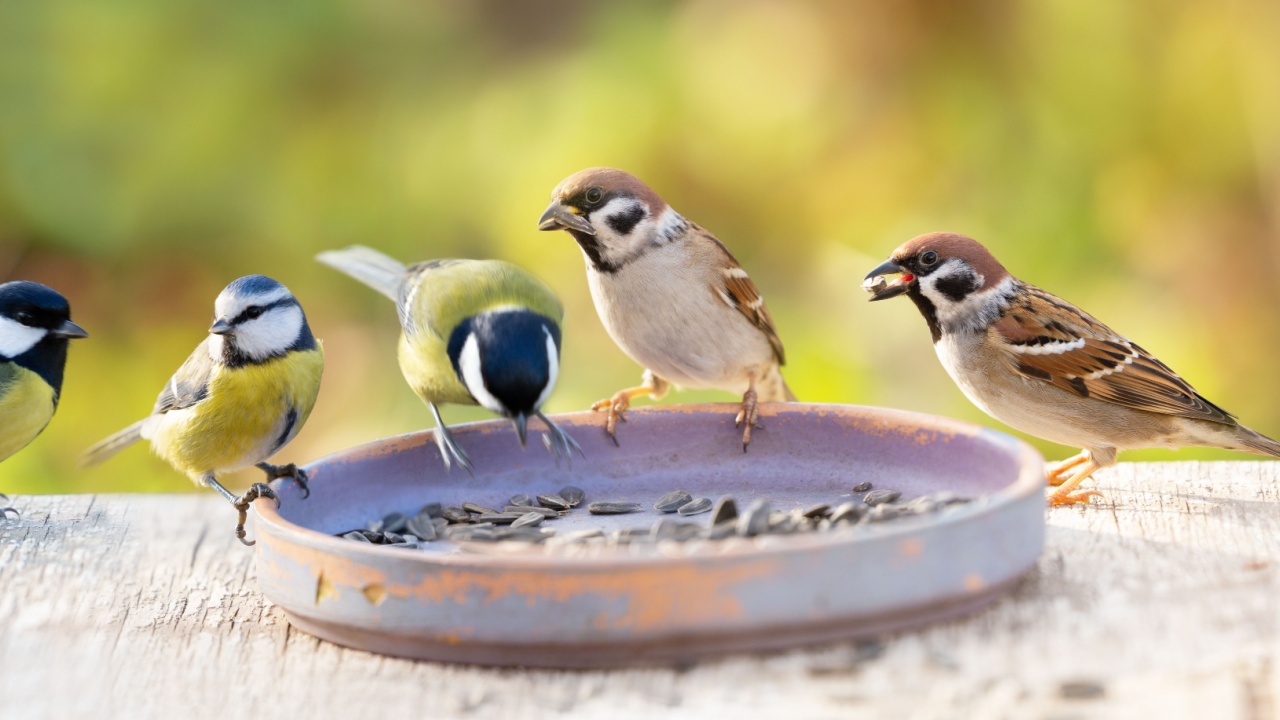
Black Oil Sunflower Seeds are like the gold standard for backyard bird buffets. The thin shells are no match for hungry beaks, and these seeds pack a serious oil punch that helps every feathered visitor power through chilly mornings.
Another perk is how little mess these seeds leave behind. Since birds eat almost every part, you won’t be stuck cleaning up piles of rejected bits under the feeder. The high fat content gives small birds a much-needed calorie boost.
3. Peanut Suet Dough
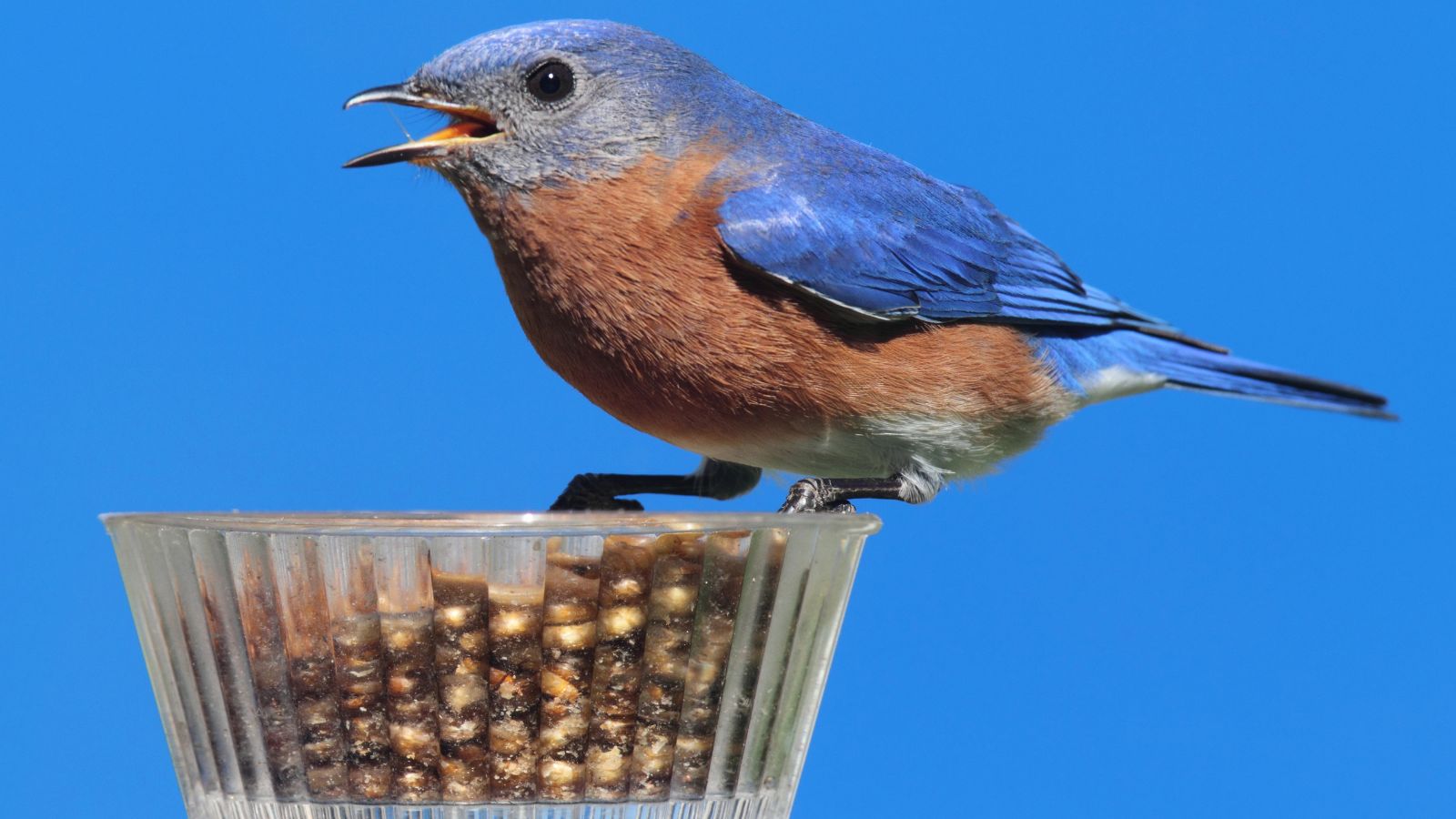
Peanut Suet Dough is a real upgrade from the usual blocks, offering a much softer texture and a high-calorie punch. The mix of roasted peanuts, beef suet, oats, corn, and soybean oil packs plenty of protein and fat, exactly what active birds need to stay healthy and energized, especially when the temperature drops.
What makes this dough a practical favorite is how easily birds can peck at it, even in freezing conditions. There’s no wrestling with frozen bricks or tough chunks; the dough stays pliable and inviting. It draws in a variety of species, and because it’s actually edible, you won’t see so much of it wasted or tossed aside.
How to Move Forward
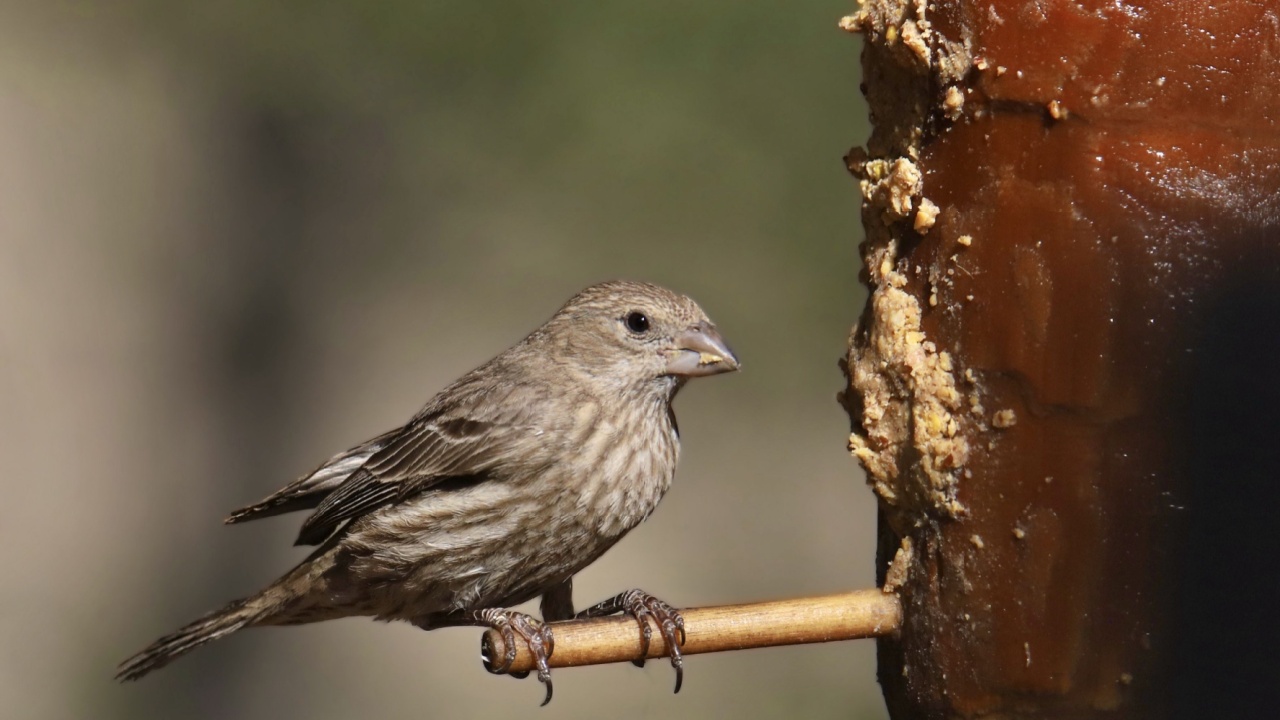
Your backyard is a small ecosystem, and you have a mandate to protect the birds in it. Swapping out cheap, filler-heavy suet blocks for these higher-quality alternatives makes a tangible difference in the survival rates of your local flock.
Introduce one of these new options alongside your current feeder. Watch which one empties first. The birds will vote with their wings. If you notice the Seed & Suet Mix disappears while the old block sits untouched, you have your answer. Also, consider the placement. These high-value foods are desirable to squirrels and raccoons, too. Using baffles or weight-sensitive feeders will protect your investment and make sure the food goes to the intended recipients.