Help Them Survive: 12 Tips to Help Hummingbirds in Winter
The sight of a hummingbird zipping through the garden is a highlight of summer. Their iridescent feathers and energetic antics bring life to any backyard. But as temperatures drop, a common question arises: what happens to these tiny dynamos?
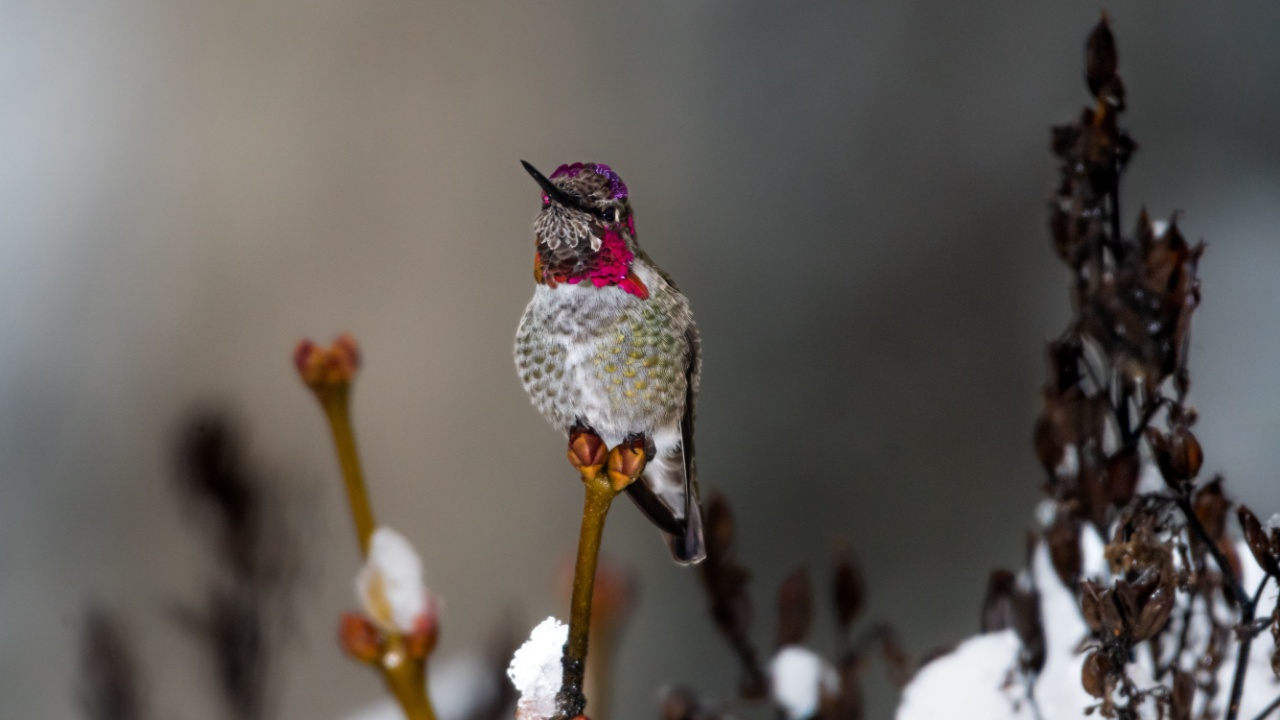
While most migrate to warmer climates, some species, like the Anna’s Hummingbird, and other individuals stay put, facing the challenges of winter head-on. You can play a significant role in their survival by offering a helping hand (although don’t worry too much, as this is their normal habitat!).
This guide provides practical ways to support your cold-weather hummingbird visitors. Here are 12 ways to help them survive, especially any upcoming deep cold snaps.
1. Keep Your Feeders Full and Fresh
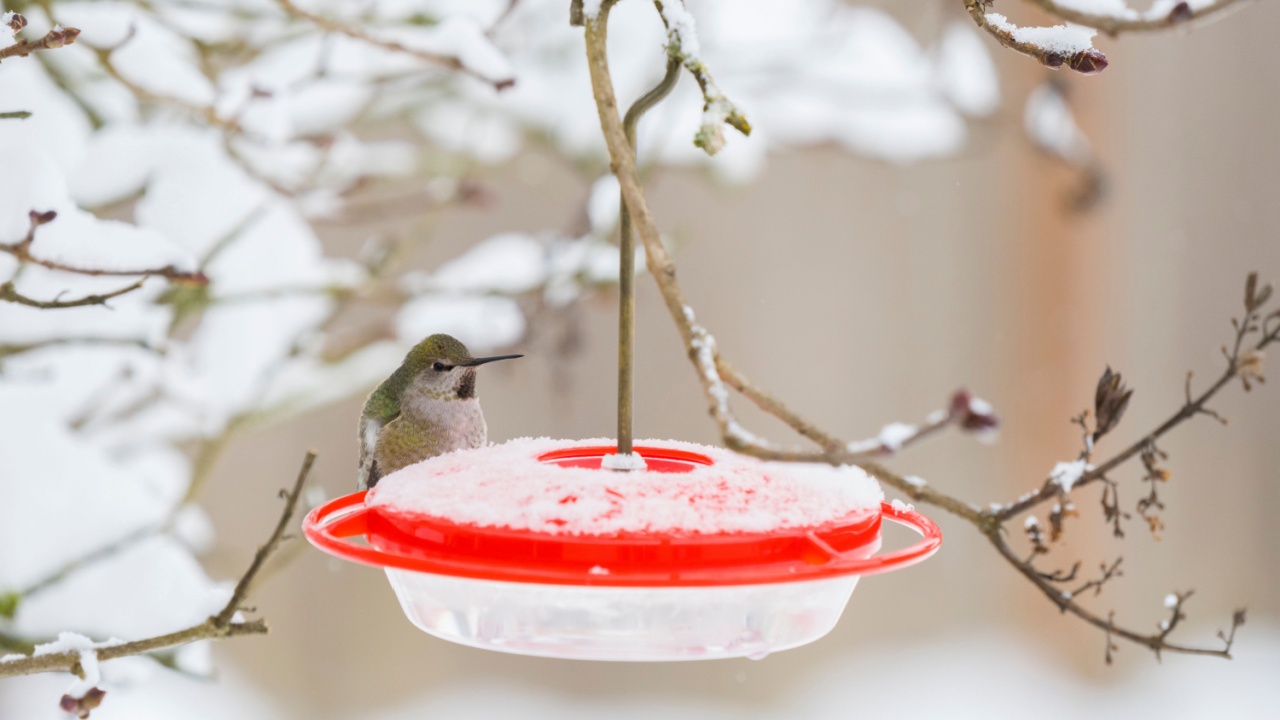
Your feeder is a lifeline during months when natural nectar sources are scarce. A consistent supply of sugar water provides the high-calorie fuel hummingbirds need to maintain their body temperature, which can drop dangerously low on cold nights.
It is vital to keep the nectar from freezing and spoiling. A frozen feeder is useless, and fermented sugar water can be harmful. Check your feeders daily, both in the morning and evening, to make certain the liquid is fresh and accessible. This simple act of diligence makes a world of difference for a hungry hummingbird.
- Quick Tip: Create a rotation system with two feeders. Keep one inside while the other is outdoors. Swap them out in the morning and evening to provide a consistently thawed source.
2. Adjust Your Nectar Recipe

Winter calls for a slightly richer nectar solution. While the standard 4:1 ratio of water to sugar is perfect for warm weather, a 3:1 ratio offers more calories per sip in controlled scenarios. This energy-dense mixture helps hummingbirds generate the body heat necessary to survive frigid temperatures.
Do not use honey, brown sugar, or artificial sweeteners. These can cause fungal infections or provide no nutritional value. Plain white table sugar is the only safe and effective option. The recipe is simple: dissolve one part sugar in three parts boiling water, then let it cool completely before filling your feeders.
- Quick Tip: Mix up a larger batch of the 3:1 nectar and store it in your refrigerator for up to a week for quick and easy refills.
3. Prevent Your Nectar from Freezing
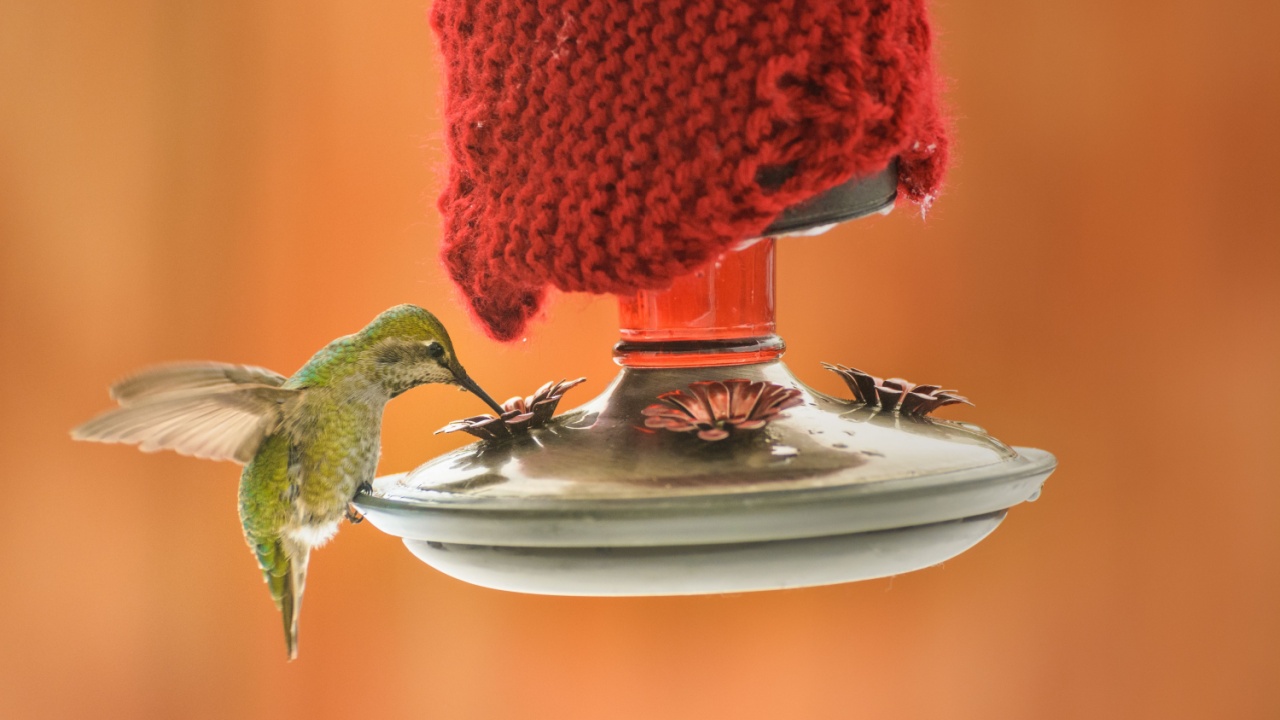
A frozen feeder is a common and serious problem. There are several effective methods to keep the sugar water in its liquid state. One popular solution is to wrap the feeder in insulating material, like foam or even old wool socks. Another option is to hang a low-wattage heat lamp nearby, positioned a safe distance away to provide gentle warmth without overheating the nectar.
Some commercially available feeders are designed with built-in heaters, offering a convenient, if more expensive, solution. For a DIY approach, you can attach a string of C7 or C9 Christmas lights (the old-fashioned, heat-producing kind) around the feeder to generate enough warmth to prevent ice from forming.
- Quick Tip: If a feeder freezes overnight, bring it inside to thaw. Never use a microwave, as it can warp the plastic and create dangerous hot spots in the nectar.
4. Provide a Sheltered Location
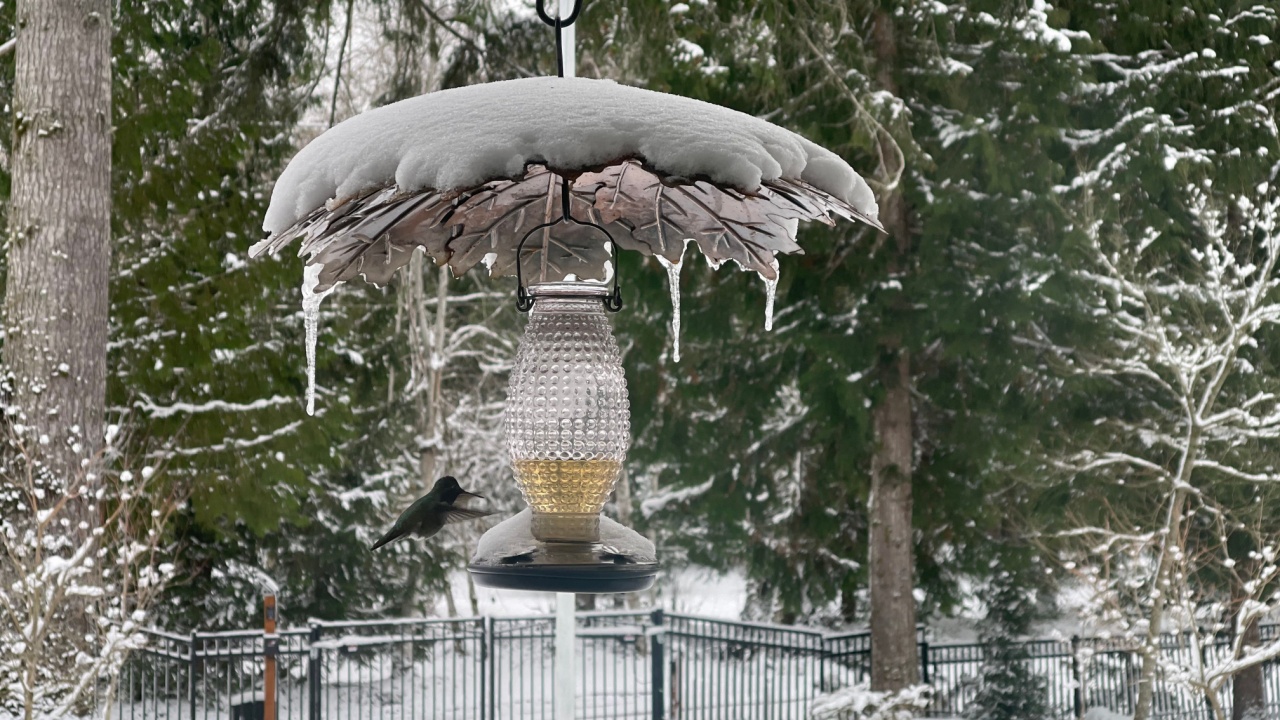
Location is everything. Placing your feeder in a spot protected from harsh winds and driving snow can make feeding less difficult for a hummingbird. A location under an eave, on a covered porch, or near a dense evergreen shrub offers a buffer against the elements.
This protection helps the birds conserve precious energy. Instead of fighting strong gusts of wind while trying to drink, they can feed in a calmer environment. A sheltered spot also helps keep the feeder itself from freezing as quickly.
- Quick Tip: Observe the wind patterns in your yard. Place the feeder on the leeward side of your house or a wall to give the birds maximum protection.
5. Plant Winter-Flowering Plants
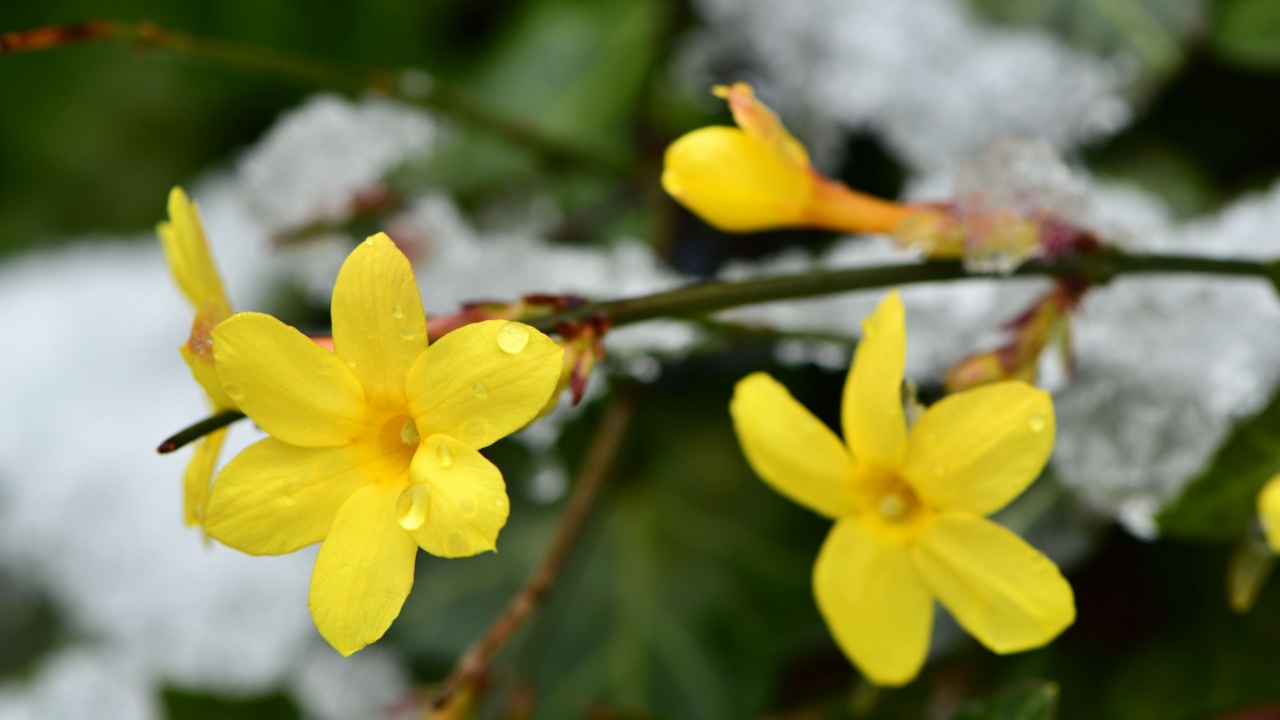
Your garden can be a source of natural nectar even in the colder months. Planting late-blooming or winter-flowering species provides a food source that complements your feeders. This gives hummingbirds variety in their diet and a place to forage naturally.
Plants like winter-blooming jasmine, mahonia, and some varieties of salvia and camellia can offer flowers deep into the colder seasons, depending on your climate zone. These additions make your garden a more reliable and attractive habitat for year-round residents.
- Quick Tip: Research native plants in your area that bloom in the fall or winter. Native species are better adapted to your local climate and are often preferred by local wildlife.
6. Offer a Water Source
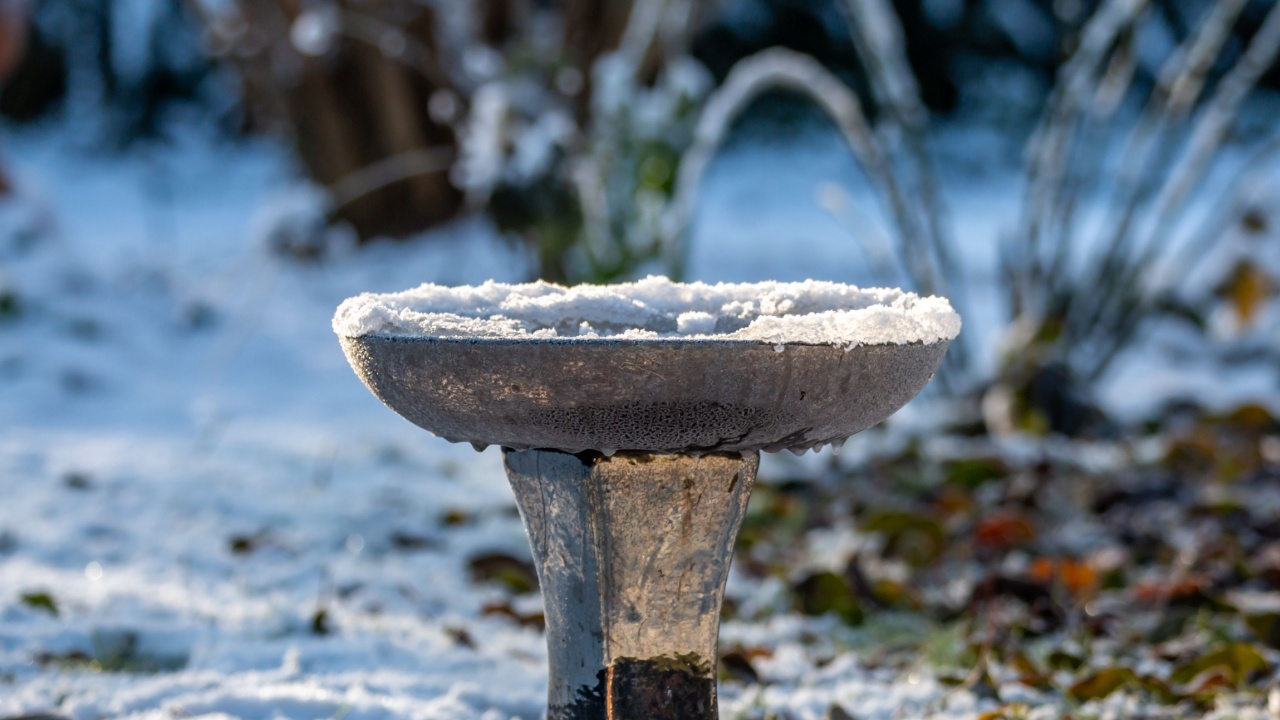
Hummingbirds need water for more than just drinking. They also need to bathe to keep their feathers in top condition for insulation and flight. A shallow bird bath with a gentle slope is ideal. Since they prefer moving water, a dripper or water wiggler can make the source more appealing.
In freezing temperatures, keeping the water from icing over is the main challenge. A bird bath heater or de-icer is a safe and effective way to maintain a small area of open water. This provides a dependable spot for all your winter birds, not just hummingbirds, to drink and preen.
- Quick Tip: Place a few dark-colored rocks in your bird bath. On sunny days, the rocks will absorb heat and can help melt thin layers of ice around them.
7. Leave Spiderwebs Intact
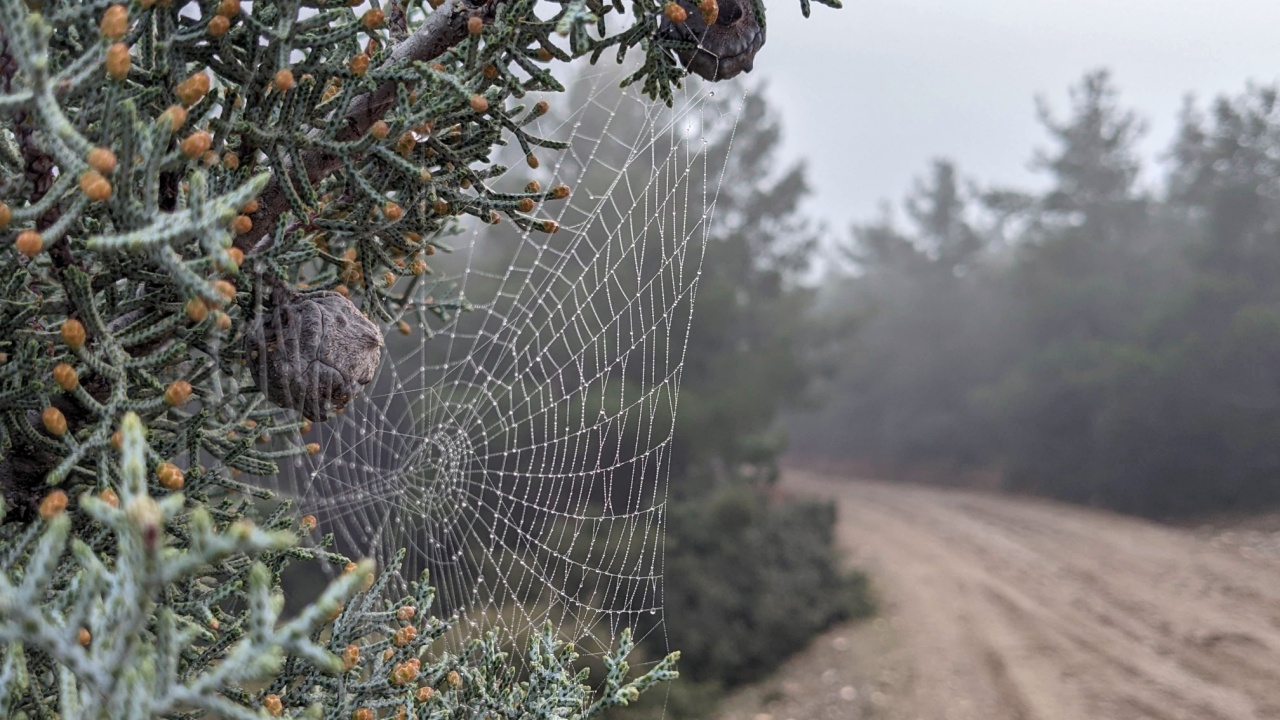
It might go against a tidy gardener’s instincts, but leaving spiderwebs in place provides a double benefit for hummingbirds. First, hummingbirds use the sticky silk to construct their nests, binding materials like lichen and moss together. While nesting is less common in deep winter, some species may begin building on warmer days late in the season.
Second, spiderwebs are a natural trap for tiny insects. These insects are a crucial source of protein for hummingbirds, supplementing their high-sugar diet. A few strategically ignored webs become a convenient, self-stocking pantry.
- Quick Tip: Look for webs in protected areas, like the corners of window frames or between the branches of dense shrubs, and leave them be.
8. Provide Perching Spots
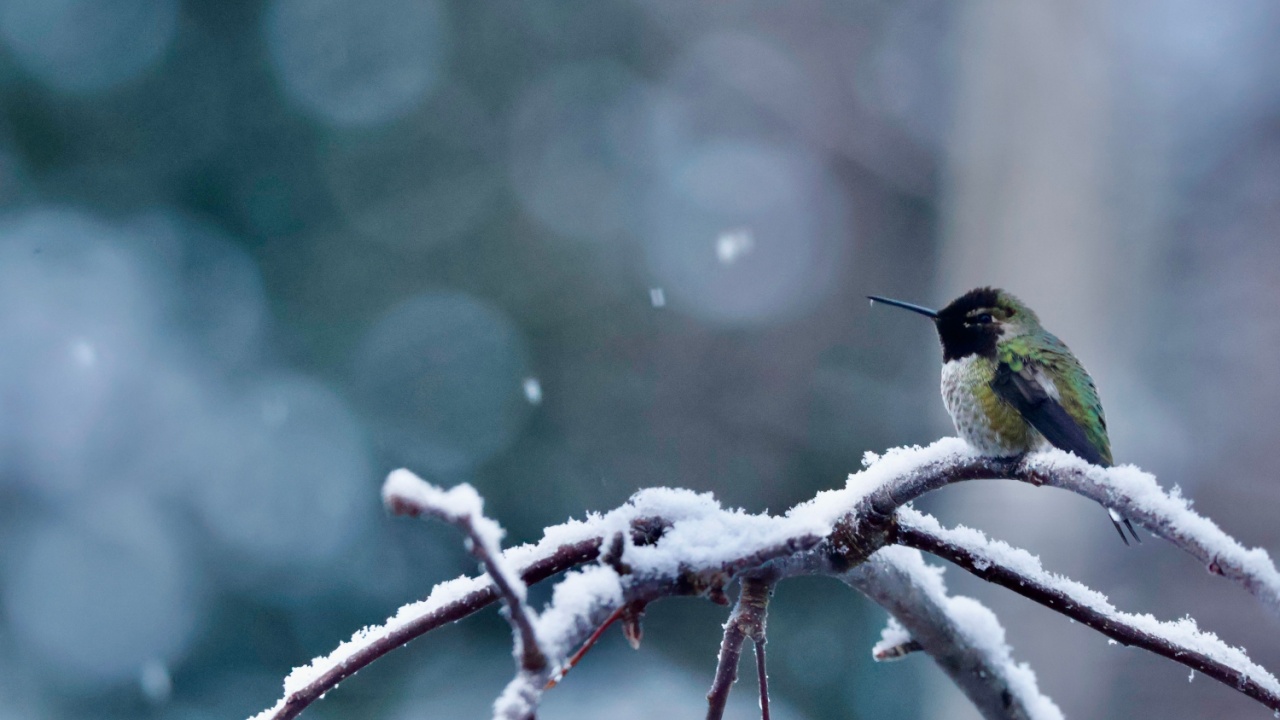
Hummingbirds spend a surprising amount of time resting. They need safe places to perch, conserve energy, and survey their territory. Providing several perching options near your feeders allows them to rest between feedings without expending extra energy.
A dead branch with small twigs, a clothesline, or even a specially designed “hummingbird swing” can serve this purpose. Place perches in a sheltered area but with a clear view of the feeder so they can guard their food source from rivals.
- Quick Tip: A small, multi-branched twig placed in a pot filled with sand or gravel near the feeder makes an easy and portable perching station.
9. Maintain Clean Feeders
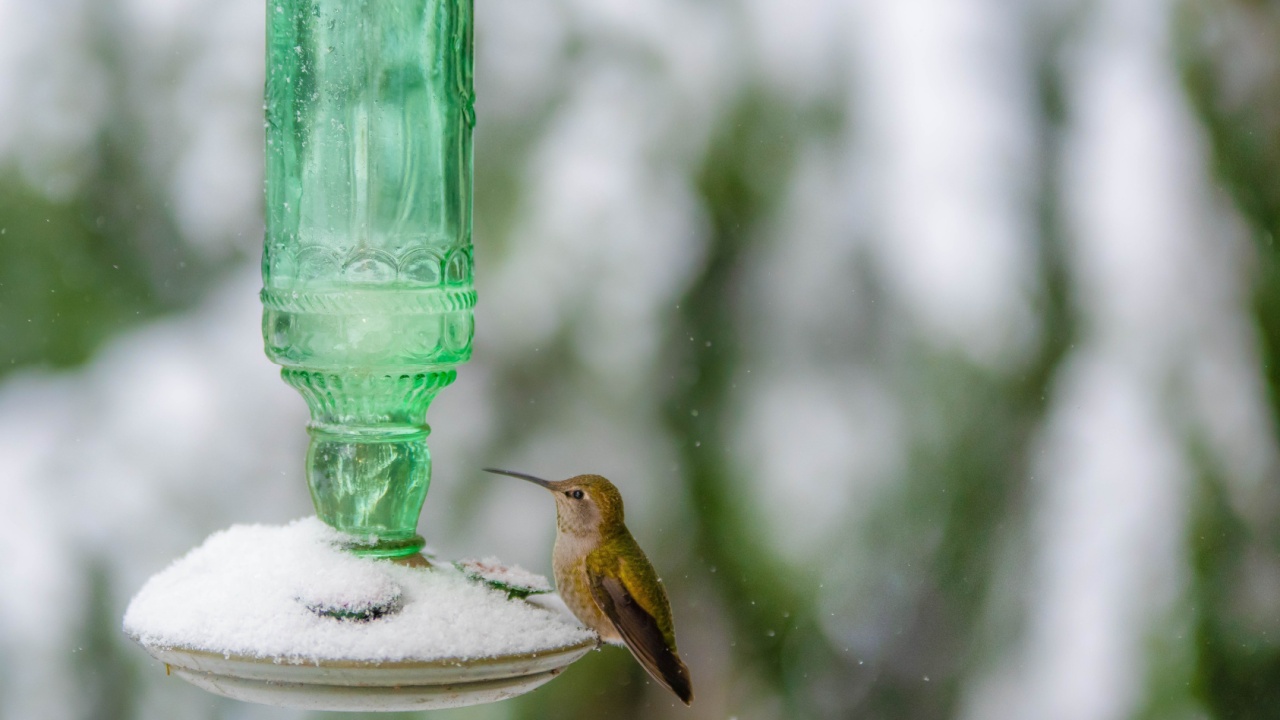
A clean feeder is non-negotiable. Sugar water can spoil and grow harmful mold, even in colder weather. Clean your feeders every few days, or more often if you notice the nectar becoming cloudy.
Use a solution of hot water and a little vinegar to scrub all parts of the feeder, or run it through the dishwasher if it is dishwasher-safe. A good bottle brush will help you reach all the nooks and crannies. Rinse thoroughly before refilling to remove any soap or vinegar residue.
- Quick Tip: Disassemble the feeder completely for each cleaning, including the feeder ports and bee guards, to remove any hidden mold growth.
10. Keep Cats Indoors
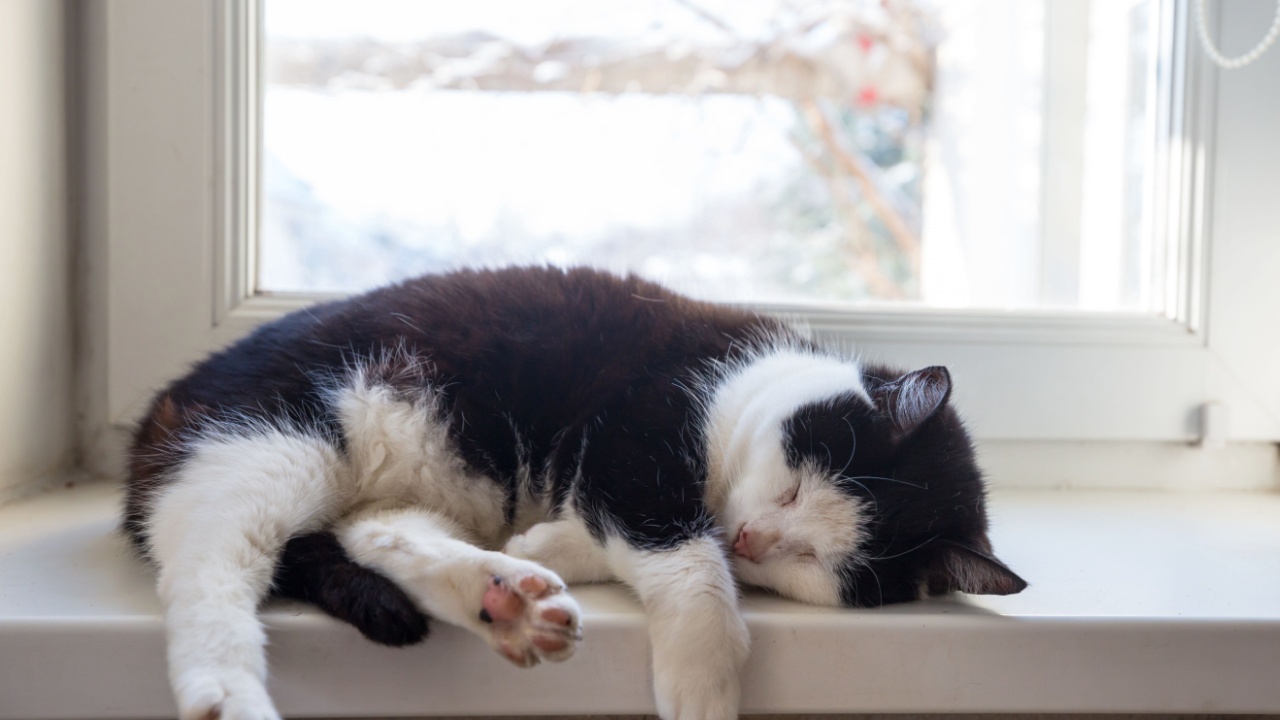
This is a simple but impactful step. Domestic cats are formidable predators, and a hummingbird expending energy to stay warm is an easy target. Keeping cats indoors protects not only hummingbirds but all the wild birds that visit your yard.
Even a well-fed cat will hunt, and the stress caused by a nearby predator can be enough to drive a hummingbird away from a vital food source. Your yard should be a sanctuary, and removing this threat is a kindness to all your feathered guests.
- Quick Tip: If you have neighborhood cats visiting your yard, consider using motion-activated sprinklers or other humane deterrents near your feeding stations.
11. Be a Citizen Scientist

Observing the hummingbirds that visit your feeders can be more than just a pleasant pastime. You can contribute valuable data to organizations that track bird populations and migration patterns. Websites like eBird and Journey North allow you to report your sightings.
This information helps scientists understand how hummingbird ranges are changing, especially in response to shifts in climate. Your backyard observations contribute to a larger understanding of these fascinating birds and can help inform conservation efforts.
- Quick Tip: Keep a small notebook near a window to jot down the date, species (if you can identify it), and number of hummingbirds you see each day.
12. Don’t Worry About Trapping Them
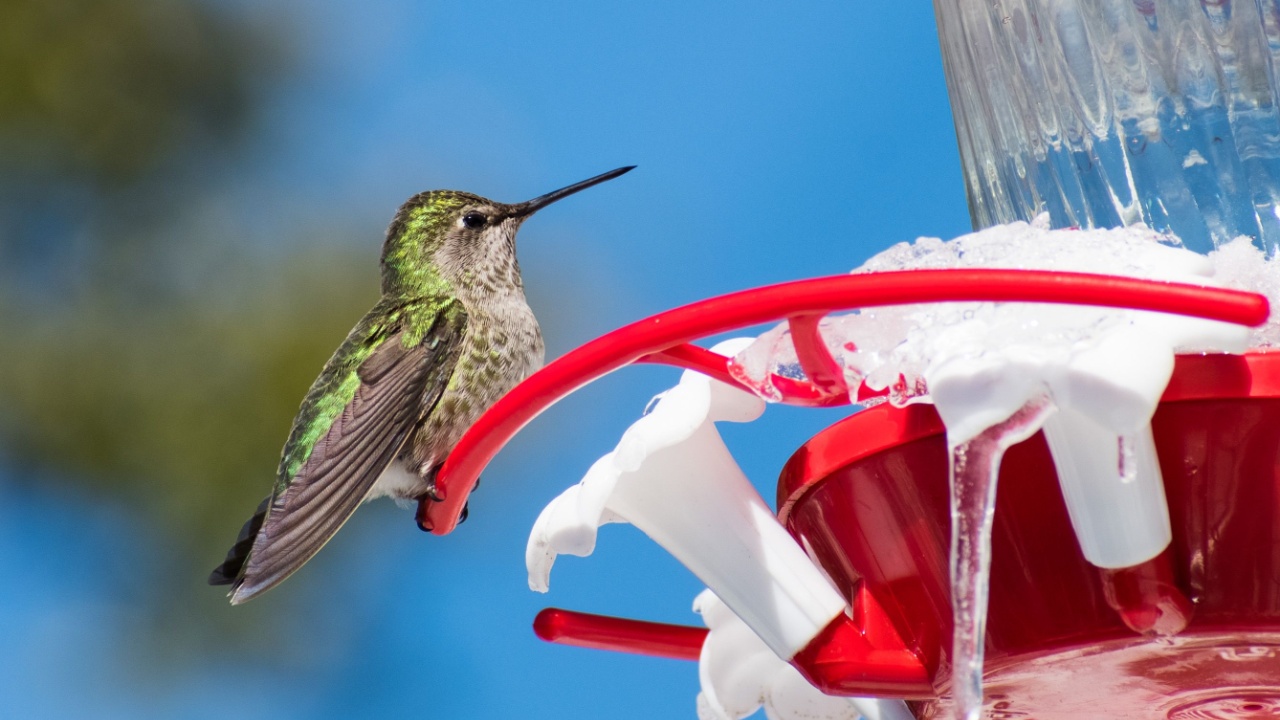
A persistent myth suggests that leaving feeders up in the fall will prevent hummingbirds from migrating. This is not true. Migration is triggered by instinct and the changing length of daylight, not the availability of food.
Your feeder is a helpful rest stop for migrating birds heading south and an essential lifeline for the few that stay behind. By keeping your feeder up, you are providing support, not creating a problem. You can confidently maintain your feeders through the entire winter without fear of disrupting natural patterns.
- Quick Tip: If you live in an area with wintering hummingbirds, plan to keep your feeders active until spring, when natural nectar sources become plentiful again.
Your Continued Support
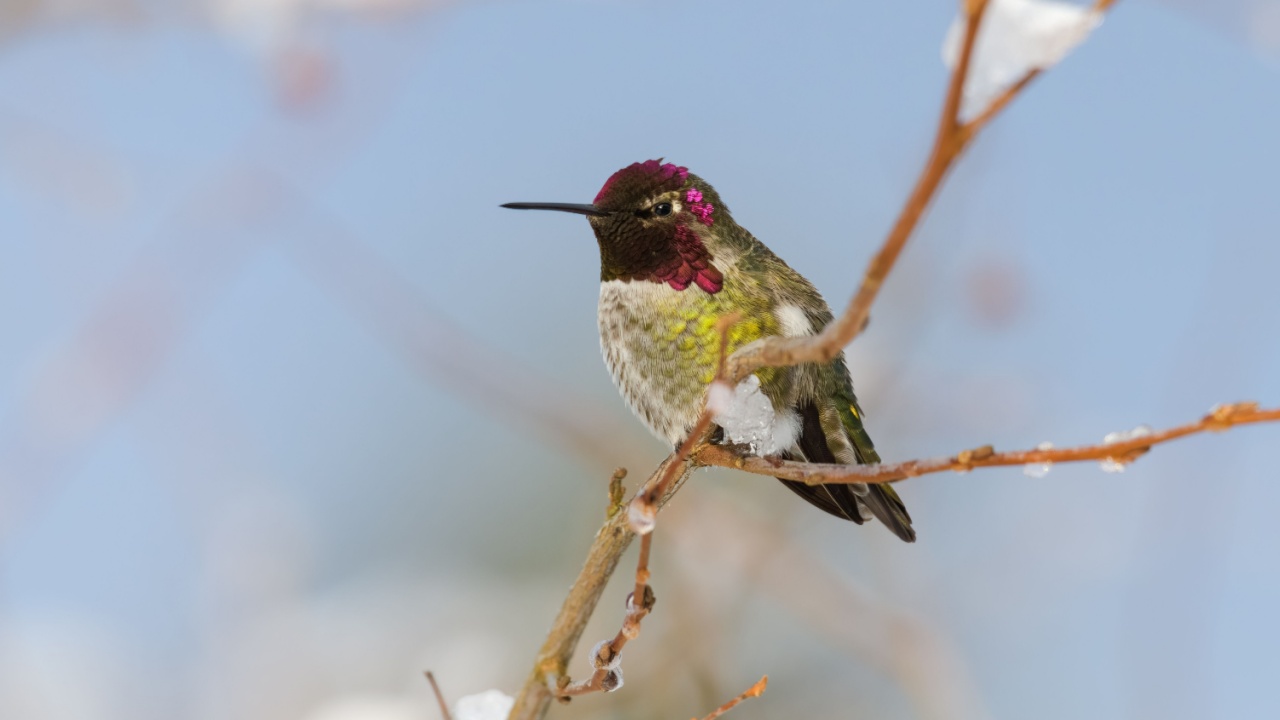
You don’t want your hummingbirds to stop visiting your yard. By providing reliable food, water, and shelter, you become a partner in their survival. Your efforts create a safe haven that allows these resilient birds to grace your garden with their presence, even on the coldest days. Continue to observe their needs and adapt your support as the season progresses. Your small acts of care have a big impact on their tiny lives.