Is Your Loaf a Lie? 5 Ways to Identify Counterfeit Sourdough
Sourdough has taken over bakery aisles and social media feeds alike. Everyone seems to want a slice of that gut-friendly, tangy goodness. Unfortunately, supermarkets and large manufacturers have caught on to the trend and are flooding shelves with impostors.
These “sour-fakes” mimic the look and slight taste of the real deal without undergoing the lengthy fermentation process that provides the actual health benefits, such as a lower glycemic index and improved digestibility.
Authentic sourdough relies on wild yeast and lactic acid bacteria working their magic over 24 hours or more. Counterfeits rely on shortcuts. Learning to tell the difference prevents you from paying premium prices for standard white bread dressed up in a rustic disguise. Use these indicators to audit your next loaf.
1. Inspect the Label for Commercial Yeast
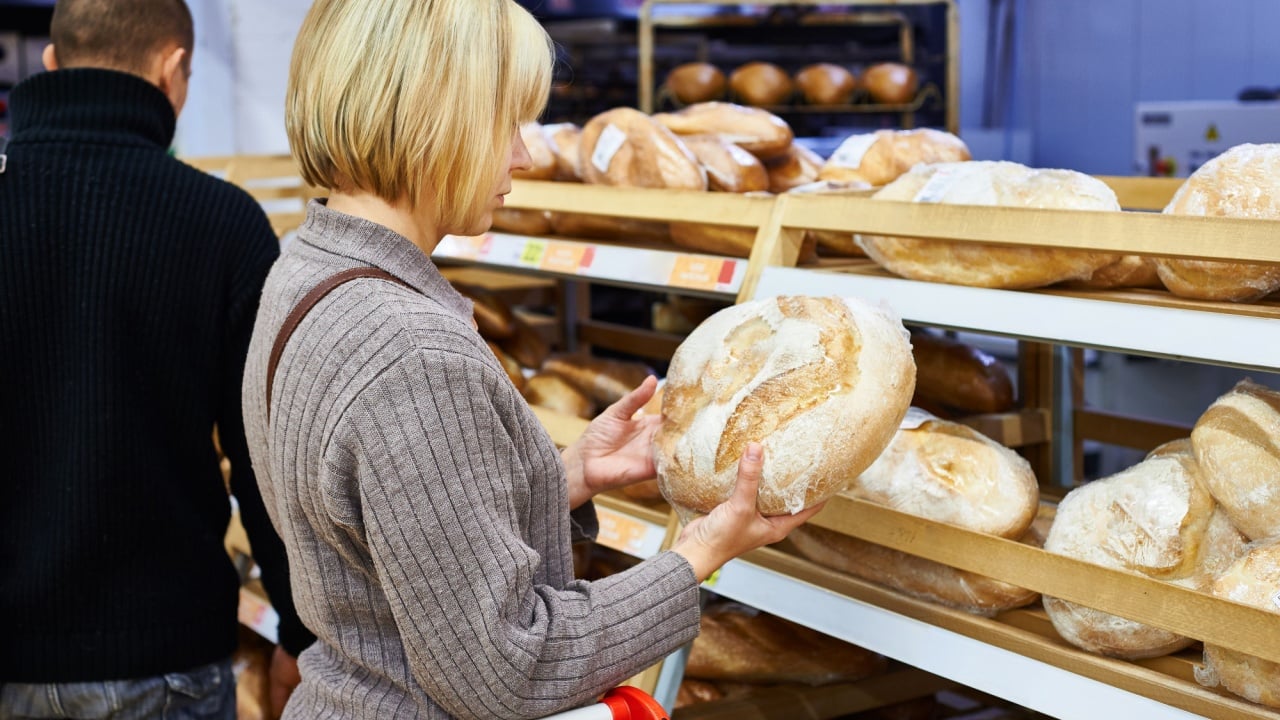
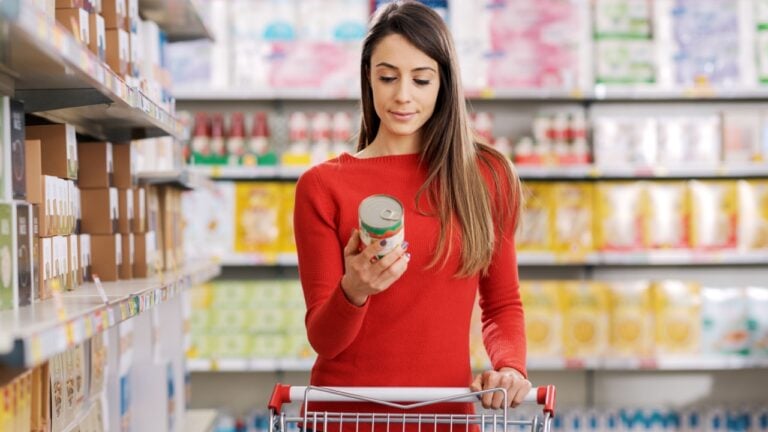
The ingredient list is the best way to spot a fake. Real sourdough only needs flour, water, and salt. If you see “yeast,” “baker’s yeast,” or “instant yeast,” it’s a red flag. Commercial yeast bypasses the slow fermentation process that breaks down gluten and phytic acid, meaning the bread was likely rushed in a few hours rather than days. Always check the fine print first.
2. Watch Out for “Sour” Flavoring Agents
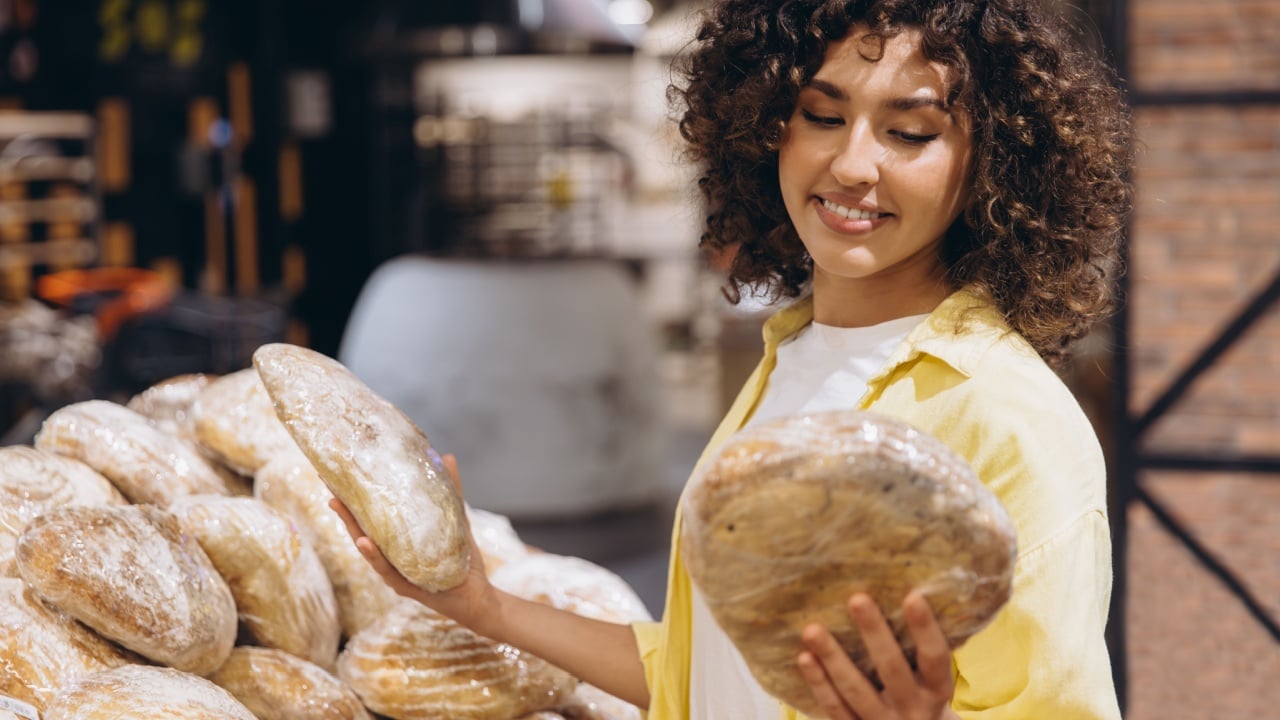
Because fake sourdough skips the natural fermentation that creates lactic acid, manufacturers often have to cheat to get that signature tang. They achieve this by adding ingredients that mimic sourness without doing the work.
Scan the label for additives like vinegar, ascorbic acid, or generic “sour flavorings.” These ingredients create a one-note acidity that sits on top of the flavor profile rather than being integrated into it.
If the sourness comes from a bottle rather than a culture, you are missing out on the probiotic benefits that justify buying sourdough in the first place.
3. Examine the Crumb Structure
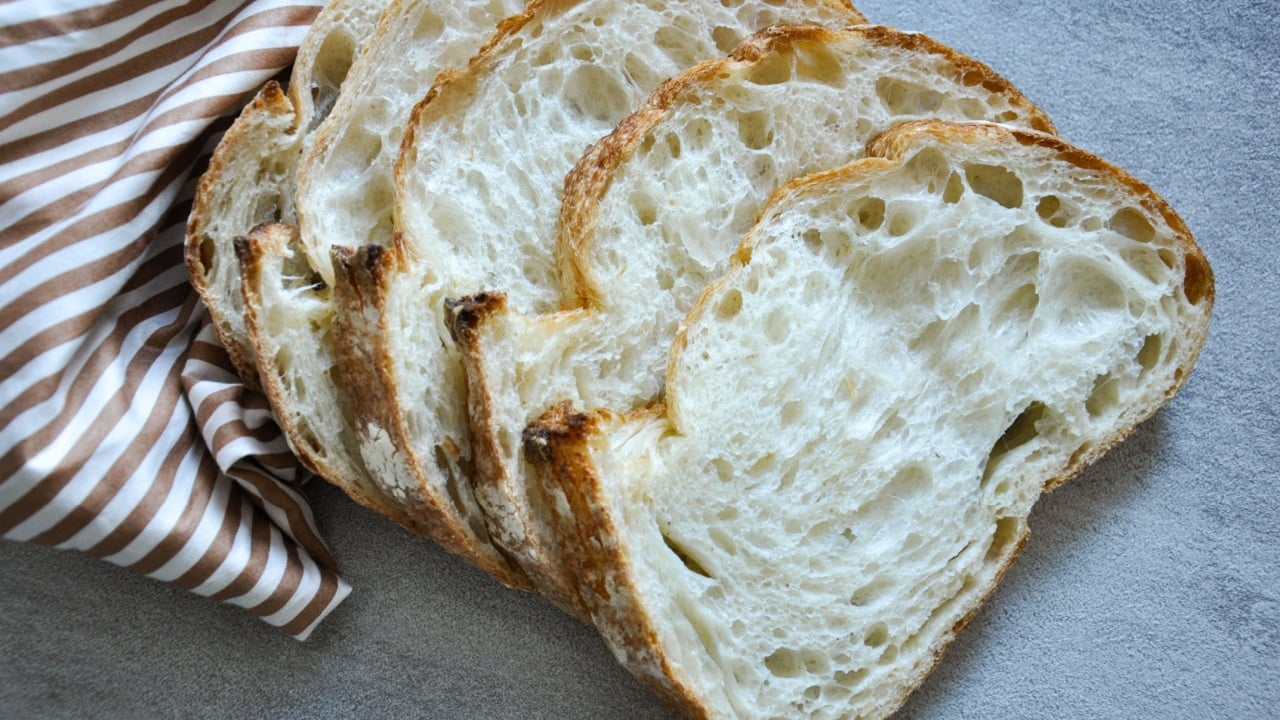
Slice the loaf open and check the “crumb“—the pattern of holes inside. Real sourdough usually has an irregular structure with a mix of large and small bubbles. This happens because wild yeast works differently throughout the dough. You might also notice the texture looks slightly glossy or waxy, a sign of a long fermentation process.
Fake sourdough looks more like regular sandwich bread. The inside will be uniform and fluffy, with tiny, identical air bubbles. This “sponge-like” look is a telltale sign that the bread was made quickly using commercial yeast and dough conditioners rather than a traditional starter.
4. Perform the Squeeze Test
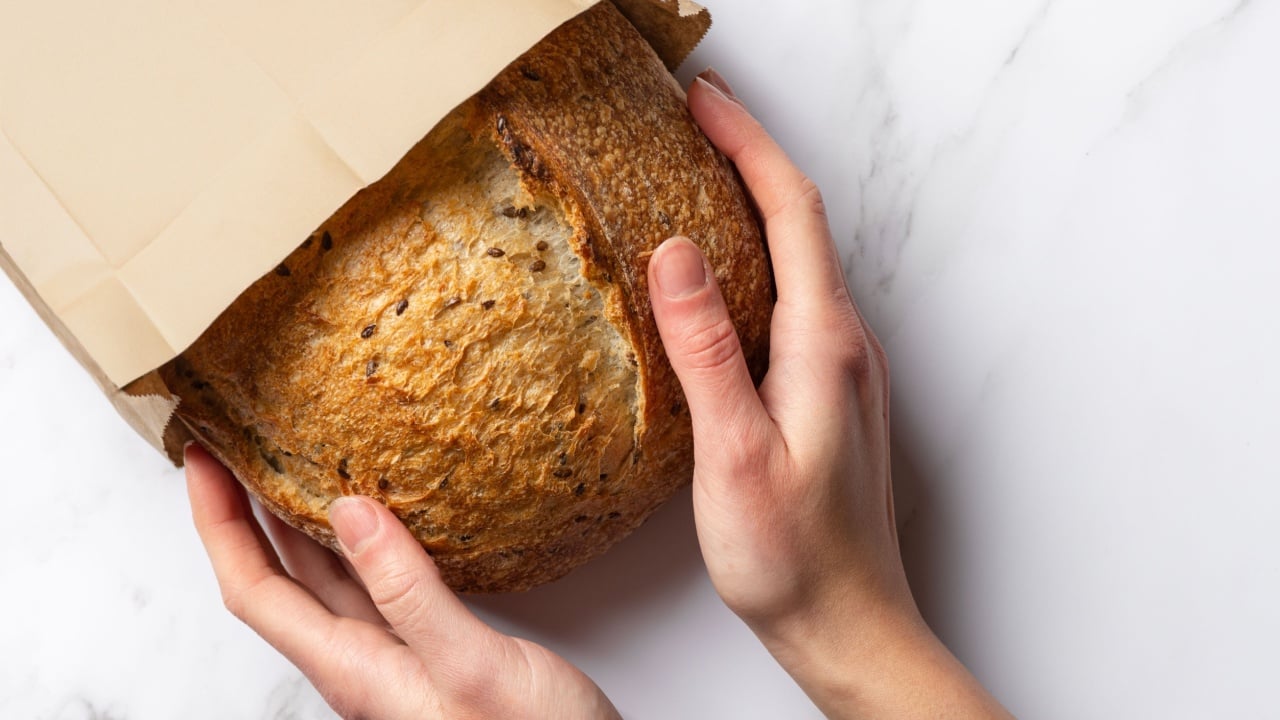
Real artisan bread has a firm, sturdy crust. Long baking times and natural sugars create a caramelized, crisp exterior that resists when pressed and sounds hollow when tapped on the bottom.
Fake sourdough, on the other hand, feels soft like regular sliced bread. Packaged in plastic, its crust quickly becomes soft. If you can squish the loaf easily without the crust cracking, it’s not true artisan bread (or it’s been sitting too long in a bag).
5. Check the Price Tag
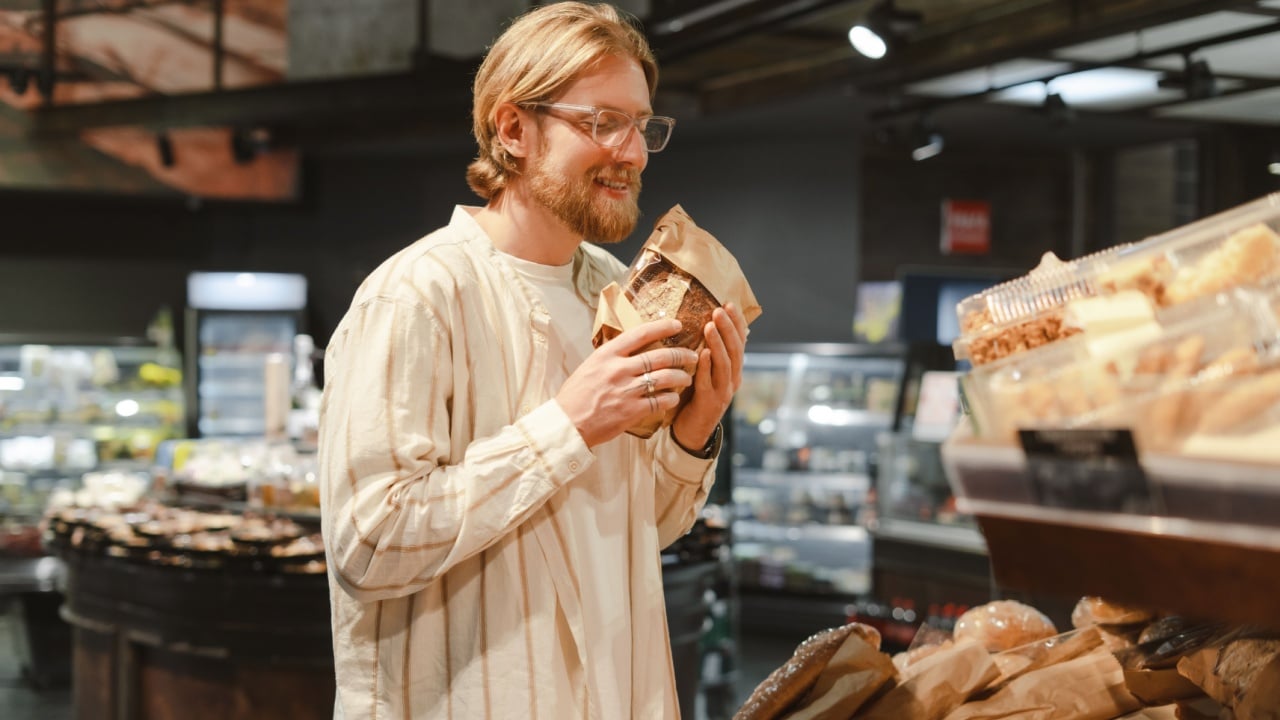
Time is the most expensive ingredient in sourdough. A genuine loaf takes anywhere from 24 to 48 hours to produce, requiring skilled labor and significant storage space for proofing. This labor-intensive process naturally commands a higher price point.
If you find a “sourdough” loaf selling for the same price as standard white bread, be skeptical. Mass-produced bread relies on speed and automation to keep costs low. While expensive does not automatically mean authentic, a suspiciously cheap price tag often points to industrial shortcuts. You are essentially paying for the baker’s time and patience.
Next Steps for Bread Lovers
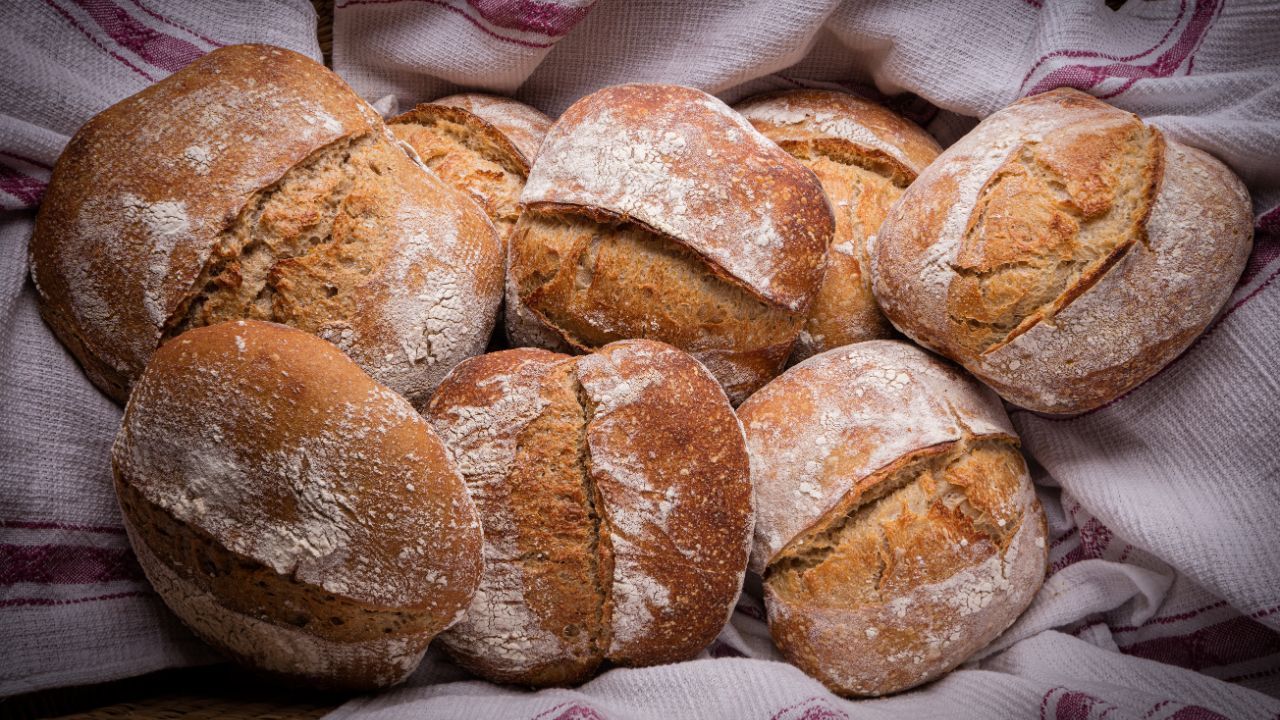
Now that you know how to spot the impostors, you can upgrade your daily toast. Your best bet for finding the real thing is to visit a local bakery and ask them directly about their fermentation process.
Most genuine bakers love discussing their starters and methods. Alternatively, you can try making your own at home using just flour and water. It takes patience, but the result is undeniably real.