Are Rain Barrels Breaking the Law? Here’s Where Collecting Rainwater Can Get Tricky
For eco-conscious homeowners, a rain barrel seems like a smart choice for a free water source that also helps manage stormwater. However, before you set one up, you should check your local laws. While no state outright bans rainwater collection, some have strict rules.
In the Western U.S., for instance, old “prior appropriation” laws mean the rain runoff from your roof could technically belong to someone downstream. Some states require permits or limit how much water you can store. It’s wise to do a little research before the next storm to ensure you’re in the clear.
1. Colorado: The Strict 110-Gallon Limit
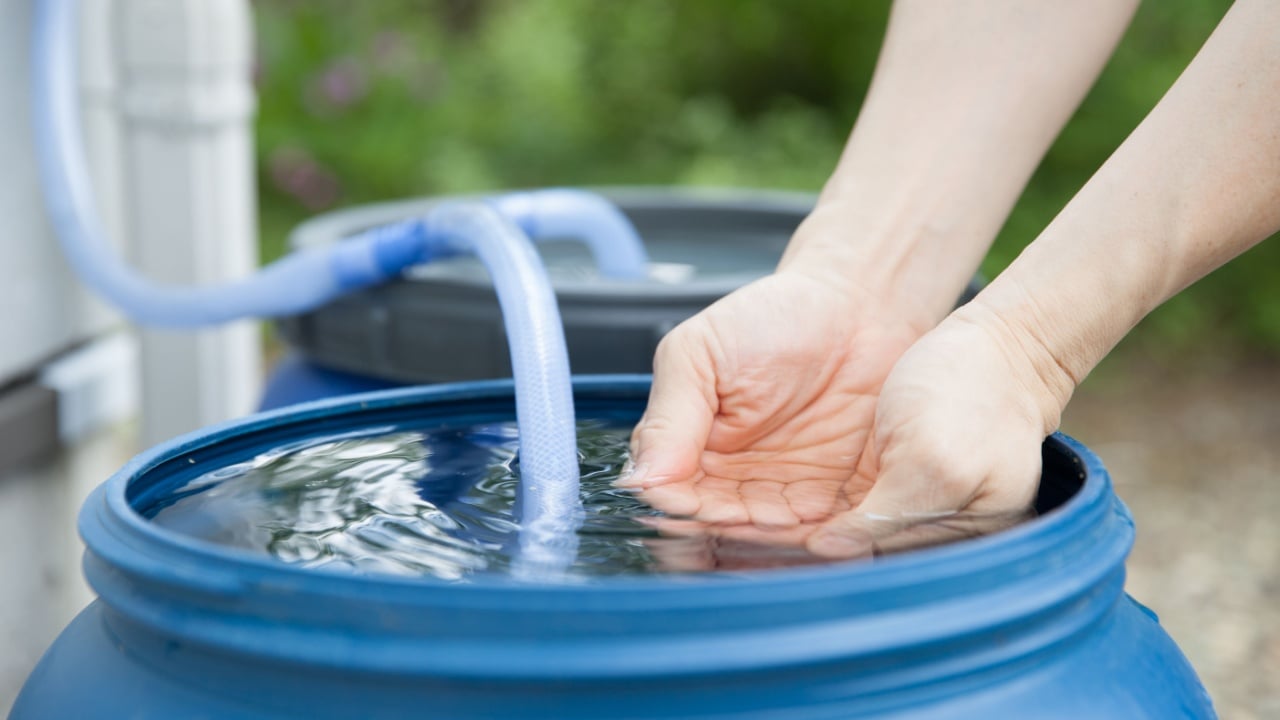
Colorado has some of the toughest water laws in the U.S. Until 2016, harvesting rainwater was entirely illegal. Now, residential homeowners can collect rainwater, but only up to two barrels with a combined capacity of 110 gallons.
Considering a 1,000-square-foot roof can shed over 600 gallons in a one-inch storm, those barrels fill up fast. The water must be used on your property for outdoor purposes like watering lawns and gardens; using it for drinking or indoor plumbing is still prohibited.
2. Utah: Registration Required for Larger Hauls
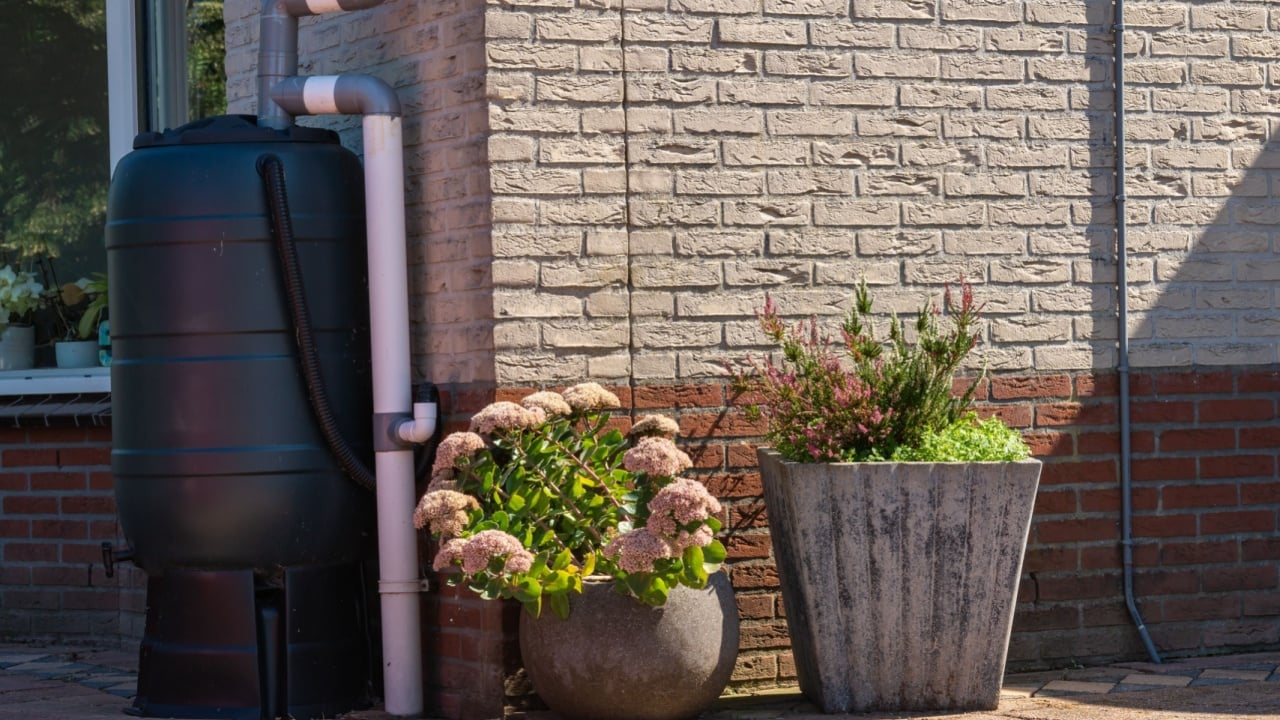
Utah has moved away from its total ban on rainwater harvesting, but it remains heavily regulated. Under the “use it or lose it” system, Senate Bill 32 now allows residential collection with specific limits.
You can collect up to 200 gallons total (100 gallons per container) without a permit. For larger setups, you can store up to 2,500 gallons, but you must register for free with the Utah Division of Water Resources. As in Colorado, the water must be used on the same property where it was captured.
3. Nevada: A History of Restrictions
Nevada’s strict history with water scarcity means rainwater harvesting is heavily regulated. For a long time, collecting rain was seen as infringing on downstream water rights.
Recent changes, specifically Assembly Bill 138, now allow homeowners to collect roof runoff for non-potable uses like gardening. However, this is only legal if it doesn’t interfere with existing water rights.
Additionally, many HOAs and local municipalities impose their own design standards to prevent systems from becoming public nuisances or mosquito breeding grounds.
4. Arkansas: Strict Plumbing Codes Apply

In Arkansas, you can harvest rainwater, but there are rules to follow. The focus is on public health and safety, so systems must meet the Arkansas Plumbing Code. A simple rain barrel for your garden?
No problem. But if you’re planning to use rainwater indoors (like for drinking or flushing), you’ll need proper filtration, a professional setup, and possibly permits to ensure safety and prevent contamination.
5. Ohio: Keep It Safe

In Ohio, rainwater harvesting is allowed, but there are rules (not statewide, but health code and private water system rules) to keep it safe. For non-drinking uses like irrigation or toilet flushing, systems need to follow plumbing codes and have backflow prevention.
If you want to use the water for drinking, extra filtration, treatment, and inspections are required. Ohio supports sustainable water use. Just make sure to follow the guidelines!
Navigating Rainwater Regulations
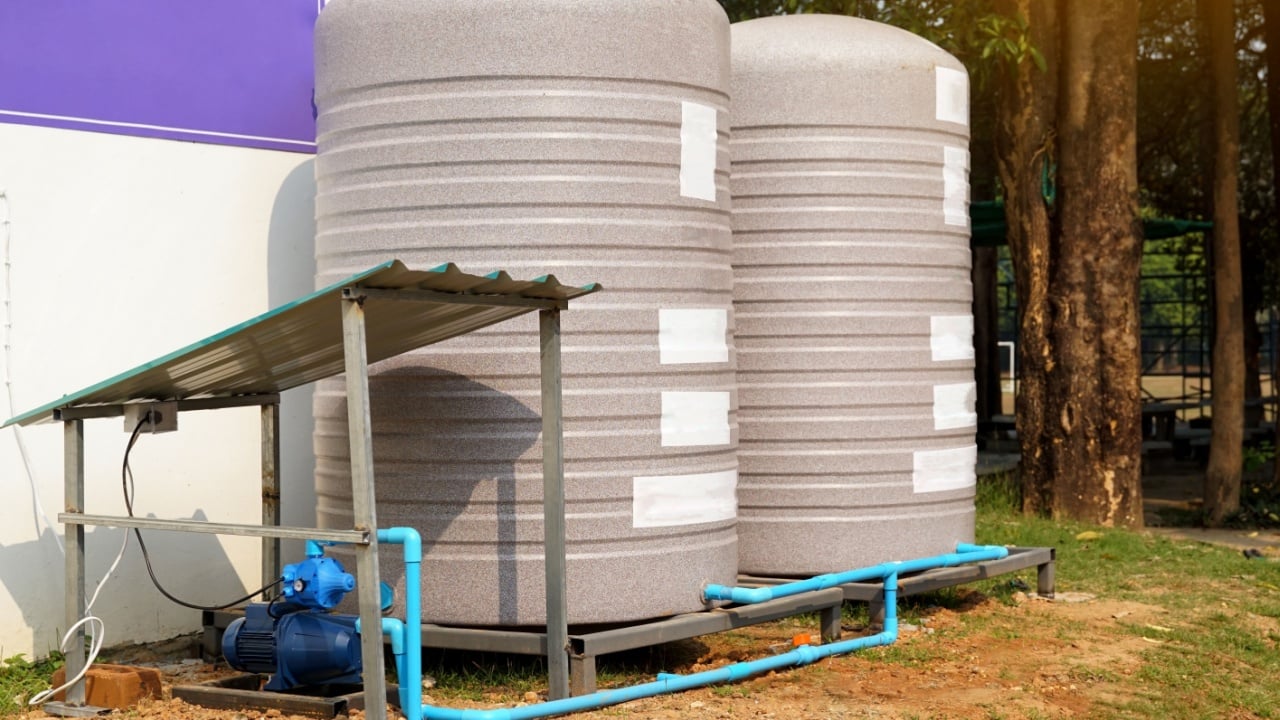
While the days of absolute bans on rainwater harvesting are largely behind us, “legal” doesn’t always mean “unregulated.” Most states are happy for you to water your petunias with a 50-gallon drum, but once you start talking about thousands of gallons or indoor plumbing, the government gets involved.
If you are ready to start saving water and money, your best bet is to check your local municipal codes or state water resources division first. A quick phone call can clarify permit requirements and keep your eco-friendly project on the right side of the law.