
9 Toxic Ingredients Found in Store Bought Breads
Bread is the ultimate comfort food. It’s the base of your childhood sandwiches, the perfect side for a warm soup, and your go-to morning toast.
But if you look closely at the labels in the bread aisle, you’ll notice that most modern loaves aren’t made with just flour, water, salt, and yeast anymore. In fact, some commercial breads look more like a science experiment than actual food.
To keep up with mass production and long shelf lives, manufacturers pack their dough with a long list of additives. It’s important to know what you’re putting in your cart so you can make better choices for your gut health (and overall health).
Here are some hidden ingredients in standard supermarket slices, helping you find a loaf that actually nourishes you.
1. High Fructose Corn Syrup (HFCS)

You might expect to find this cheap sweetener in soda or candy, yet it frequently appears in commercial bread to aid browning and extend shelf life. Manufacturers favor High Fructose Corn Syrup because it is inexpensive and easy to transport. From a health perspective, HFCS presents issues because the body processes it differently than regular sugar.
It bypasses the body’s normal satiety signals, potentially leading to overconsumption. Excessive intake links directly to inflammation, obesity, and non-alcoholic fatty liver disease.
2. Azodicarbonamide (ADA)

This chemical serves a dual purpose. It acts as a bleaching agent to whiten flour and a dough conditioner to improve elasticity. If the name sounds familiar, you might have heard it associated with the production of yoga mats and shoe soles.
While the FDA currently permits its use in the United States, the European Union and Australia have banned ADA due to health concerns. When heated during baking, ADA can break down into urethane, a compound classified as a probable human carcinogen.
3. Glyphosate
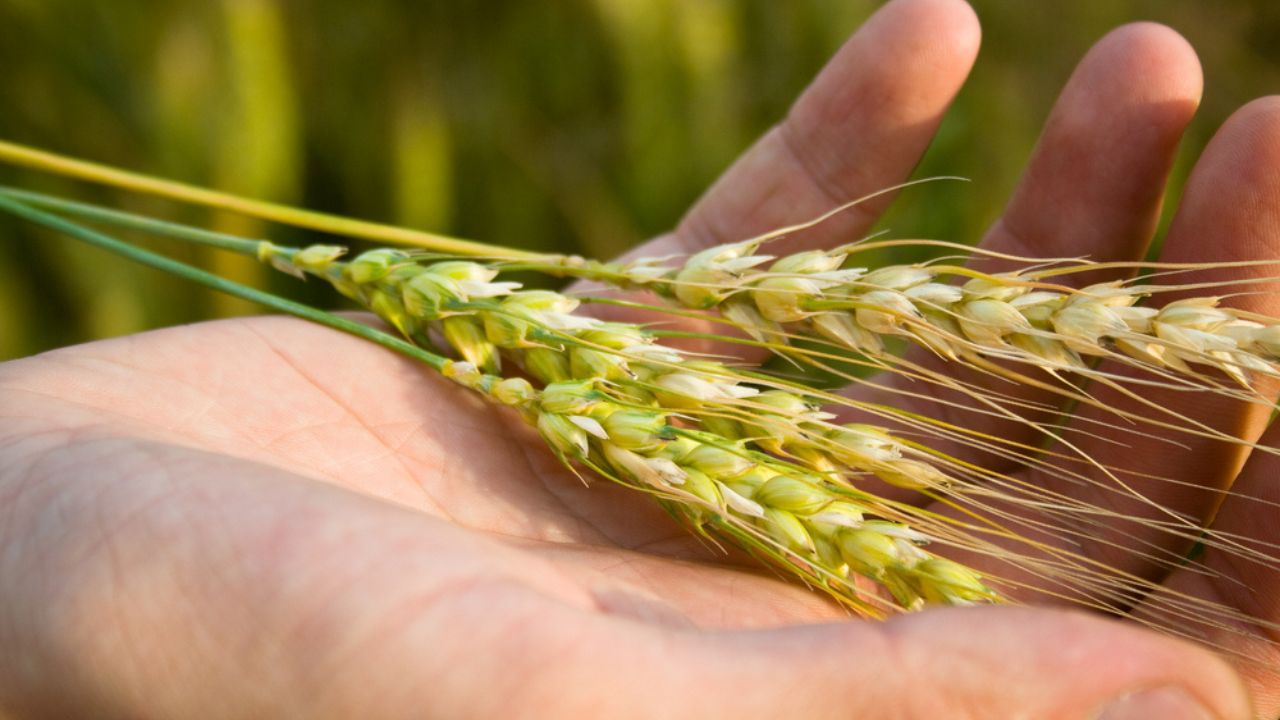
While not always listed on the ingredient label, glyphosate residues remain a significant concern in conventional wheat products. Farmers often spray wheat crops with this herbicide right before harvest to dry out the plants quickly, a process called desiccation.
This practice allows for an earlier harvest but leaves chemical traces in the flour. Exposure to glyphosate correlates with disruptions in the gut microbiome and potential hormone imbalances.
4. Potassium Bromate
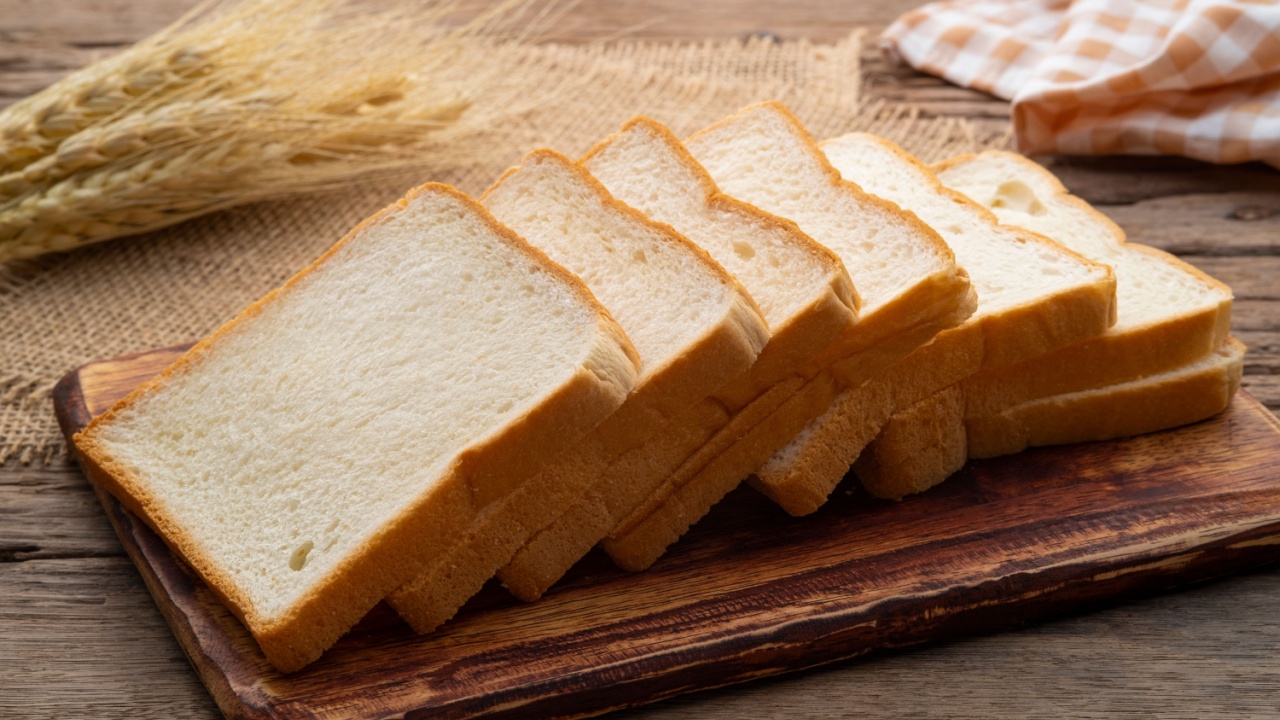
Commercial bakeries use potassium bromate to strengthen dough and allow for higher-rising loaves in shorter amounts of time. It acts as an oxidizing agent that creates that fluffy, uniform texture found in mass-produced white breads.
Similar to ADA, many countries, including Canada, Brazil, and members of the EU, have banned this additive. The International Agency for Research on Cancer classifies potassium bromate as a possible human carcinogen, as it causes tumors in the kidneys and thyroid gland in animals.
5. Monoglycerides and Diglycerides

These emulsifiers help water and oil mix, preventing bread from going stale. They act as preservatives to keep loaves soft for weeks. The issue lies in their manufacturing process.
These byproducts often contain trans fats, yet FDA labeling laws allow products with less than 0.5 grams of trans fat per serving to list the content as zero. This loophole means you could inadvertently consume inflammatory trans fats linked to heart disease and stroke risk.
6. Calcium Propionate

This preservative inhibits mold and bacterial growth, allowing bread to sit on a counter for weeks without spoiling. While convenient for storage, it offers zero nutritional benefit.
Some research indicates a link between calcium propionate and behavioral issues in children, such as irritability and restlessness. It may also trigger headaches or migraines in sensitive individuals.
7. Bleached Flour
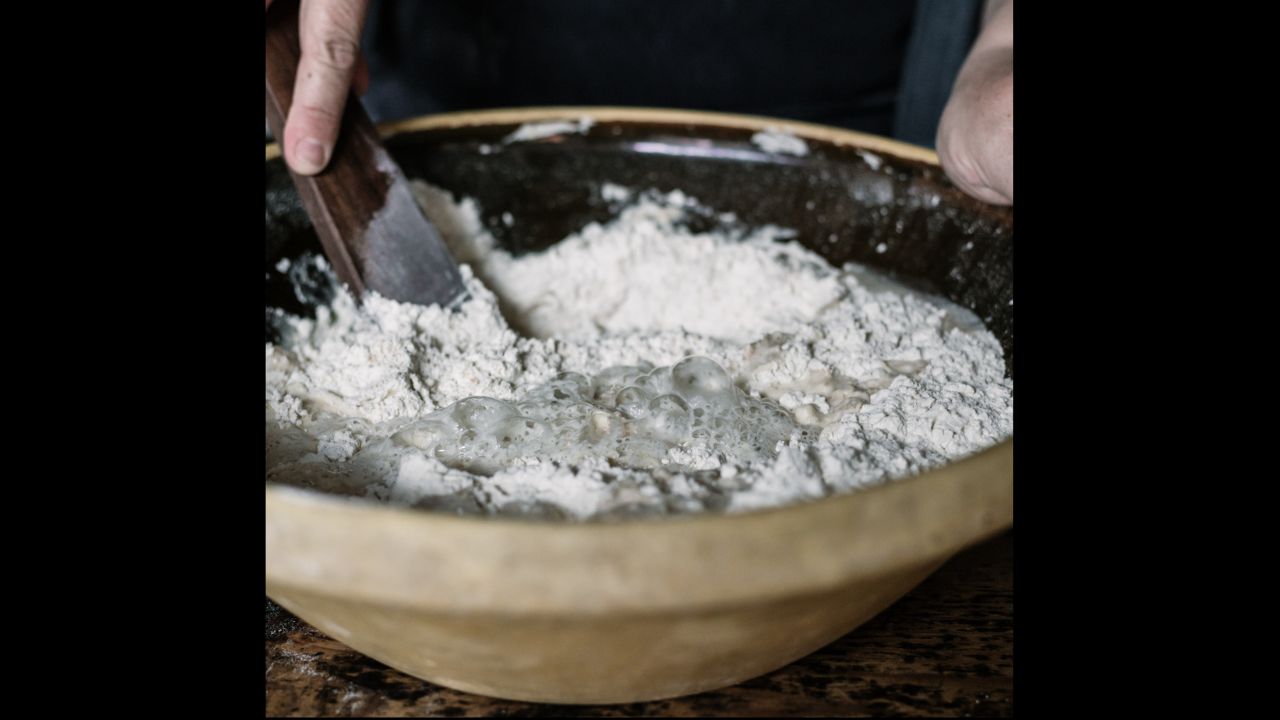
To produce stark white bread, millers treat flour with chemical agents like benzoyl peroxide or chlorine dioxide. This process accelerates the natural aging of flour, but it strips away vital nutrients and alters the protein structure.
The result is a refined carbohydrate that digests quickly, leading to rapid spikes in blood sugar. Furthermore, the chemical residues left behind can act as irritants to the body.
8. Artificial Colors and Flavors

You might assume bread gets its color from the grains used, but caramel color often gives wheat bread a darker, “healthier” hue. Similarly, artificial butter flavors mask the lack of real fats.
These synthetic additives can trigger allergic reactions and hypersensitivity in some people. They exist to deceive the eye and palate rather than provide genuine flavor or nutrition.
9. Soy Lecithin and Soy Flour

Manufacturers use soy lecithin as an emulsifier and soy flour to bleach dough and add volume. Most non-organic soy in the US is genetically modified (GMO) to withstand heavy pesticide application.
For those with thyroid issues or hormone sensitivities, excessive soy consumption can be problematic due to its phytoestrogen content. It serves as a cheap filler rather than a quality ingredient.
Steps to Better Shopping (And Baking)

The best way to avoid the “Nasty Nine” and their associates involves reading labels with a critical eye. Look for short ingredient lists containing items you recognize, such as flour, water, salt, yeast, and possibly a small amount of olive oil or honey.
Locating a local bakery that uses organic flour and long fermentation methods is an excellent strategy. Alternatively, try baking simple loaves at home, where you control every element that goes into the mix. Prioritizing quality ingredients ensures that your daily bread remains a source of nourishment rather than a cause for concern.
Read more
Why Trading White Bread for Sourdough Will Boost Your Pantry Health