When to Replace Your Pillows (Hint: More Often Than You Think)
That pillow you’ve been sleeping on for who knows how long might feel like an old friend. It’s been with you through late-night movie marathons, stressful work weeks, and maybe even a bout of the flu. But like all good things, pillows have a lifespan.
This article will guide you through the clear signs that your pillow is ready for retirement. It’s time to find out if your trusted headrest is still doing its job or if it’s secretly sabotaging your slumber.
1. It Has Obvious Stains and Discoloration
Let’s start with the most visible evidence: stains. Over months and years, your pillow absorbs a surprising amount of stuff. Sweat, body oils, saliva, and skincare products that don’t fully absorb before you hit the hay. These substances create those yellowish-brown patches that are impossible to ignore once you see them.
These stains are more than just an aesthetic issue. They are a sign that your pillow has become a breeding ground for bacteria and allergens. While a good pillow protector can slow this process, it cannot stop it forever. When discoloration becomes permanent and washing no longer removes the stains, it means the buildup has penetrated deep into the pillow’s filling. At this point, you’re sleeping on an accumulation of grime, which is neither hygienic nor healthy.
2. It Smells a Little… Off
Your nose is a powerful tool for judging a pillow’s condition. If you notice a persistent, musty odor coming from your pillow, even after it’s been washed and thoroughly dried, that’s a major red flag. This unpleasant smell is often caused by the growth of mold or mildew within the pillow’s core.
Mold and mildew thrive in damp environments, and pillows can trap moisture from sweat or from being washed improperly. Inhaling mold spores night after night can lead to respiratory issues, allergic reactions, and other health concerns. A pillow should have a neutral, clean scent. If yours carries a permanent funk, it’s telling you that something unsanitary is happening inside. Don’t try to mask the odor with sprays; the only real solution is a replacement.
3. It Fails the Fold Test
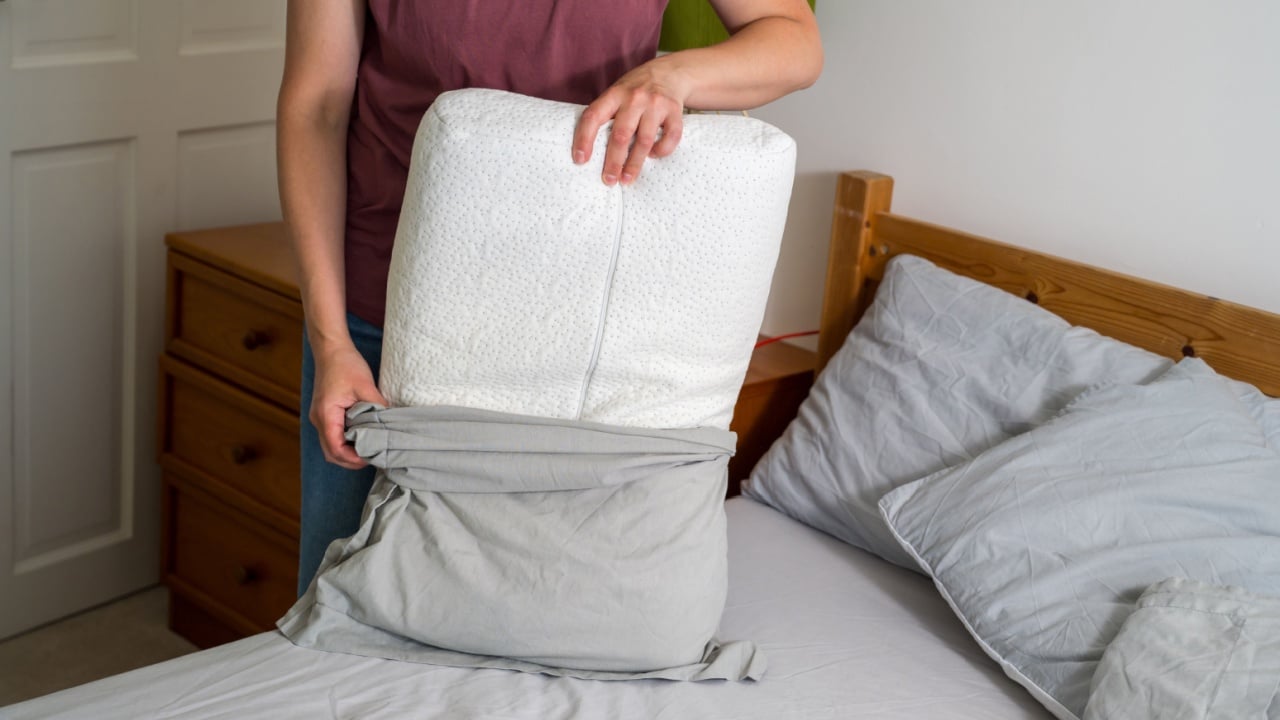
A pillow’s main purpose is to support your head and neck, keeping your spine in proper alignment. When a pillow loses its fluffiness and structure, it can no longer perform this vital function. A simple way to check its supportiveness is with the fold test.
Take your pillow and fold it in half. For synthetic pillows, place a small weight like a book on top. For down or feather pillows, just squeeze the air out. Now, let go. A pillow with life left in it should spring back to its original shape immediately. If it stays folded or returns to its shape slowly and sadly, its internal structure has broken down. A flat, lifeless pillow forces your head into an unnatural position, which can lead to neck pain, stiffness, and headaches.
4. Your Allergies Have Gotten Worse

If you wake up with a stuffy nose, itchy eyes, or a scratchy throat more often than not, your pillow could be the culprit. Pillows are notorious for collecting dust mites, pet dander, pollen, and other allergens. Over time, these microscopic particles accumulate deep within the filling.
While regular washing can help manage the allergen load, there comes a point where no amount of cleaning can fully remove the deeply embedded irritants. If you have done everything to allergy-proof your bedroom but your symptoms persist, it might be time to look at the object your face is pressed against for eight hours a day. A new, hypoallergenic pillow can provide immediate relief and contribute to a more restful, sneeze-free night.
5. It’s Lumpy and Uncomfortable
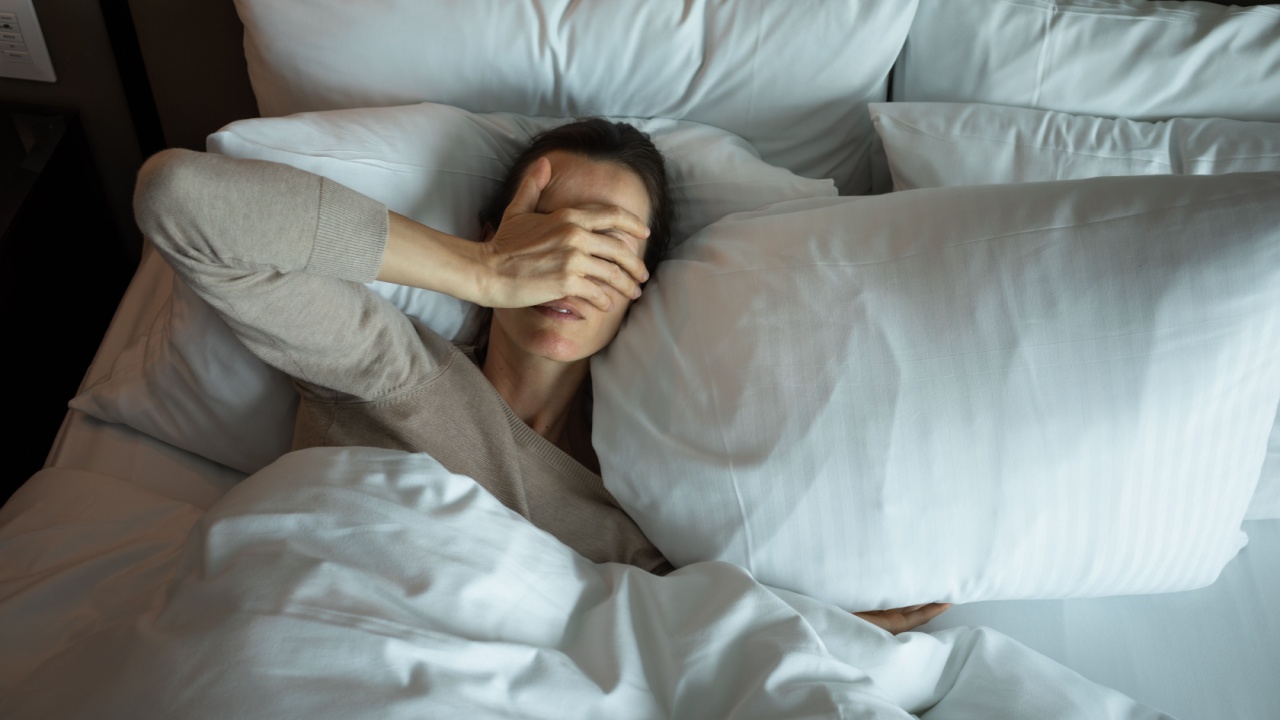
Support should be consistent. If your pillow feels more like a bag of random lumps than a smooth cushion, it’s a clear sign that the filling has degraded. The internal material, whether it’s foam, polyester fiber, or down, has clumped together and shifted, creating dense spots and empty pockets.
These lumps prevent your pillow from providing even support. You might find yourself constantly punching and fluffing it throughout the night, trying to find a comfortable spot. This constant adjustment disrupts your sleep cycle and prevents you from reaching the deeper, more restorative stages of sleep. A good pillow should feel uniform and comfortable, allowing you to settle in and stay asleep. If you are fighting with your pillow every night, you are losing the battle for quality rest.
Moving Forward With Better Sleep

Replacing a pillow is a simple but impactful step toward better sleep hygiene and overall wellness. You don’t have to wait for it to become a biohazard. Paying attention to these signs allows you to be proactive. Once you have a new pillow, help it last. Use a washable pillow protector as a first line of defense against sweat and oils. Wash both the protector and the pillow itself according to the manufacturer’s instructions, typically every few months. Exposing pillows to sunlight for a few hours can also help kill dust mites and freshen them up.