Is a Hoop House Worth It in the Garden? Not If You Make These 7 Costly Mistakes
A hoop house won’t keep your garden warm this winter. On average, it runs just a few degrees warmer than the open air, and the gardeners who are happiest with theirs are the ones who figured that out before they built it.
That surprises people, because a hoop house looks like a greenhouse and gets sold like one. The Old Farmer’s Almanac calls it a low-cost structure that can stretch your harvest by weeks or even months: “Think of it as your garden’s cozy winter jacket.” The jacket part is true. But a jacket only holds in the warmth that’s already there, and every winter plenty of first-time builders find frozen lettuce, plastic in shreds, and a frame bent flat by snow.
The cost is worth knowing up front. Grower Anna Ohler of Bright Lane Gardens in Northern Michigan told Dengarden that a basic four-by-eight-foot hoop house over a raised bed typically costs $40 to $100. That’s a bargain if it gives you fresh spinach in March. It’s $100 wasted, plus a weekend, if it ends up in your neighbor’s yard after the first nor’easter.
So, is a hoop house worth it? Yes, for most home gardeners, as long as you avoid the seven mistakes below. Here’s what to stop doing before you buy a single pipe.
1. Stop Expecting a Hoop House to Work Like a Heated Greenhouse
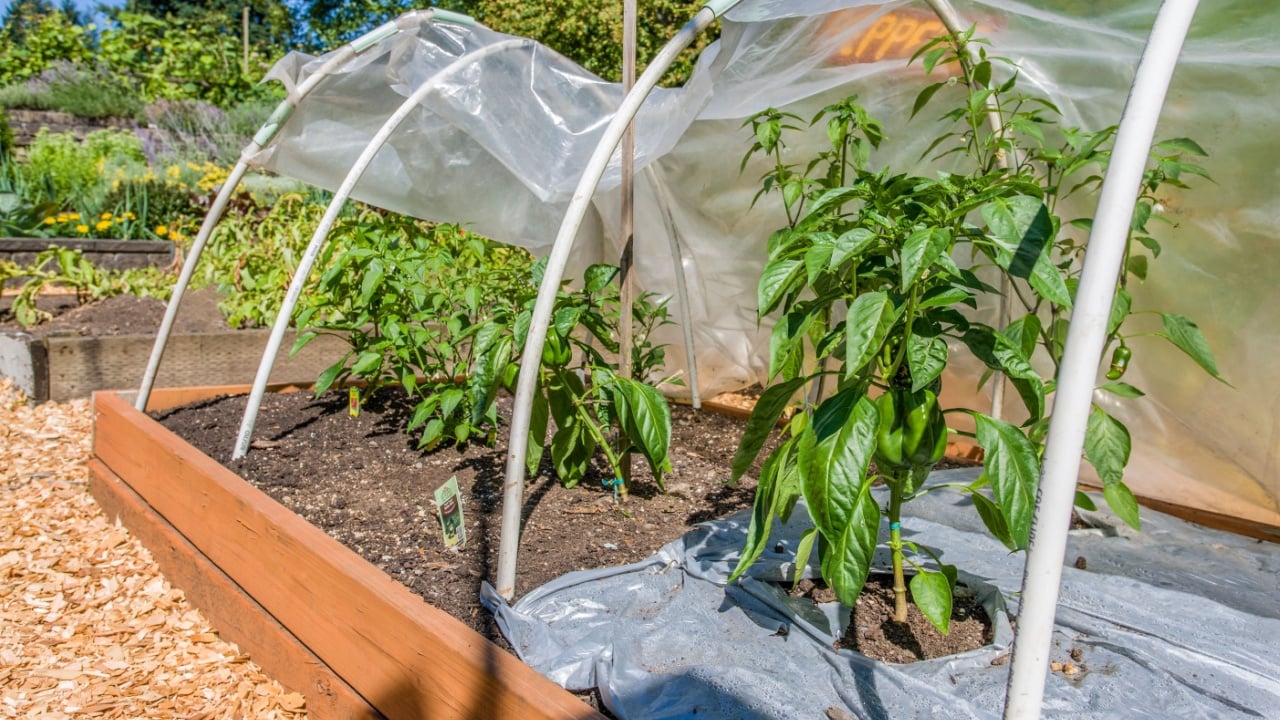
This is the misconception that sinks most first hoop houses. Purdue University researchers who tracked 36 high tunnels across Indiana, Illinois, and New Hampshire found that the daily average temperature inside was only about 3°F warmer than outside, reported in Vegetable Growers News. Adding a second layer of plastic raised nighttime lows by less than 2°F.
The reason is simple. A hoop house collects sunlight during the day and loses that heat soon after dark. University of Nevada, Reno Extension notes that unvented tunnels hit higher daytime highs, but their nighttime lows are nearly the same as outdoors. Ohler sums it up: “Hoop houses don’t eliminate winter.”
2. Don’t Plant in November and Expect Anything to Grow
Experienced winter growers know this, and beginners usually don’t. Growth stalls when days drop below 10 hours of light, a stretch University of Minnesota researchers call the Persephone period. According to University of Nevada, Reno Extension, it starts in early November in Minnesota. If you’re seeding greens right now in November, they’ll mostly just sit there until February.
Vermont farmer Corie Pierce told the Rodale Institute that winter greens need to go in by late August or September to be ready for a November harvest. Then they go dormant under row covers until the light comes back in February. Adirondack gardener T.J. Brearton, writing in the Adirondack Explorer about the winter-growing method he learned from Eliot Coleman, put it plainly: “The trick is timing, type of plant, and row covers.”
A hoop house is a pantry, not a furnace: it keeps what you planted in September alive, but it can’t make anything grow in a dark December.
3. Never Leave It Sealed on a Sunny Day
Here’s the strange part. The bigger danger in a winter hoop house is often heat, not cold. Gardening Know How warns that on sunny days, even when it’s cool outside, “the air inside can heat up so much as to be damaging to plants.” Utah State University Extension reports that small covers like cloches can run 20°F to 40°F hotter than the outside air in bright sun.
Ohler suggests hanging a thermometer inside and opening the ends whenever the temperature climbs. Opening and closing the vents is a daily job, so build the structure with ends you can open without a struggle.
4. Don’t Let Snow Pile Up on the Roof
This is where a hoop house goes from disappointing to dangerous. University of Vermont Extension explains that just 3 to 4 inches of heavy, wet snow can hold as much water as an inch of rain, which adds about 5.2 pounds to every square foot of plastic. Uneven drifts make a collapse even more likely.
Roof shape matters too. UConn Extension notes that “the gothic shape was developed to eliminate the flat spot that can collect snow on the top of hoop shape structures.” If your hoop house is round, plan to brush snow off during storms. If you can’t, take the plastic off after your last harvest.
5. Avoid Flimsy PVC Frames in Windy Spots
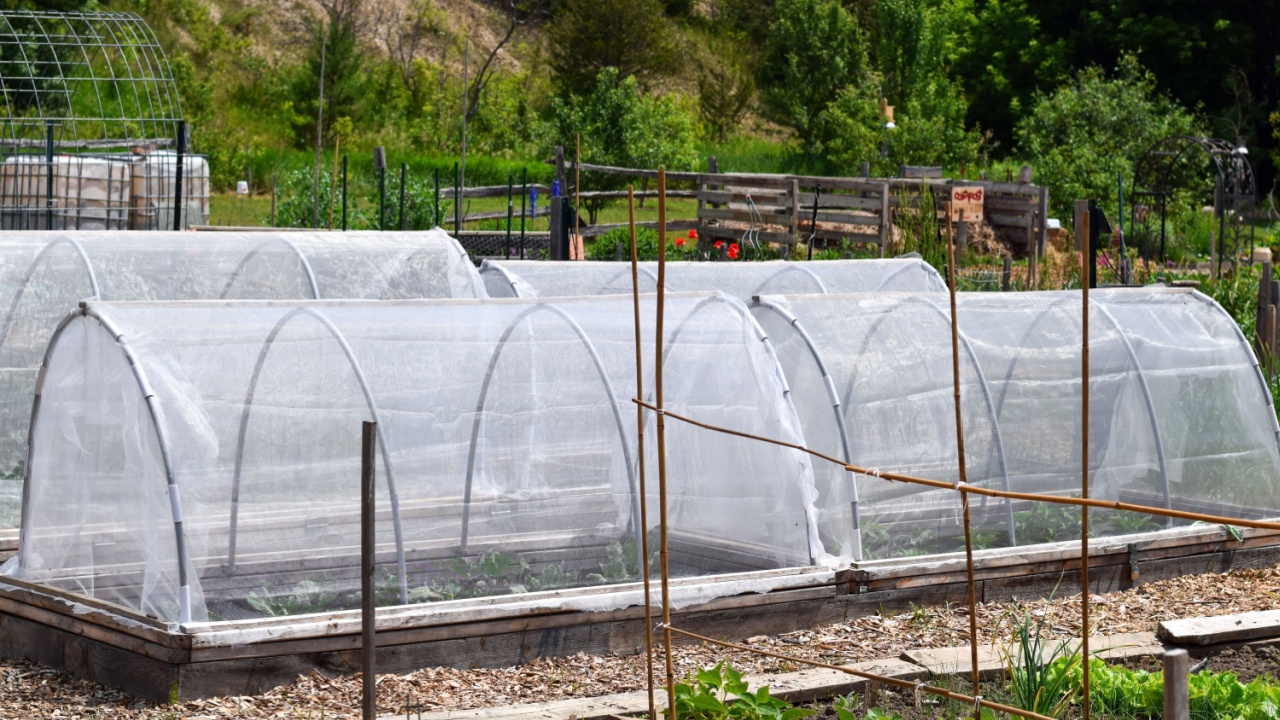
Cheap PVC is fine for a small low tunnel that sits close to the ground in a sheltered spot. In open, windy ground, it can go airborne. Greenhouse author Roger Marshall wrote in Hartley Botanic that “one of my PVC hoop houses blew away completely in a winter storm!” His replacement uses bent galvanized pipe.
Homesteader Jackie Clay-Atkinson described in Backwoods Home Magazine how a hoop house of hers sailed over a six-foot fence and knocked down two poplar trees. If a loose sheet of plastic and pipe can do that, imagine it landing on your neighbor’s car or patio set. Anchor every hoop deeply and strap down both ends.
6. Don’t Skip the Permit and HOA Check
Most homeowners don’t realize a backyard hoop house can trip local rules. Some towns treat a hoop house as temporary and require no permit. UConn’s integrated pest management program notes that others make growers provide an engineer’s seal certifying the structure meets code. GreenhouseToGrow adds that HOA rules and setback requirements can apply too: “Check before preparing the site, not after your kit arrives.”
While you’re checking, set aside one money myth. The USDA’s well-known high tunnel cost-share program is meant for working farms. An Iowa NRCS fact sheet states it is “not intended for backyard hobby gardens or orchards.”
7. Stop Cutting Corners on Plastic and Water
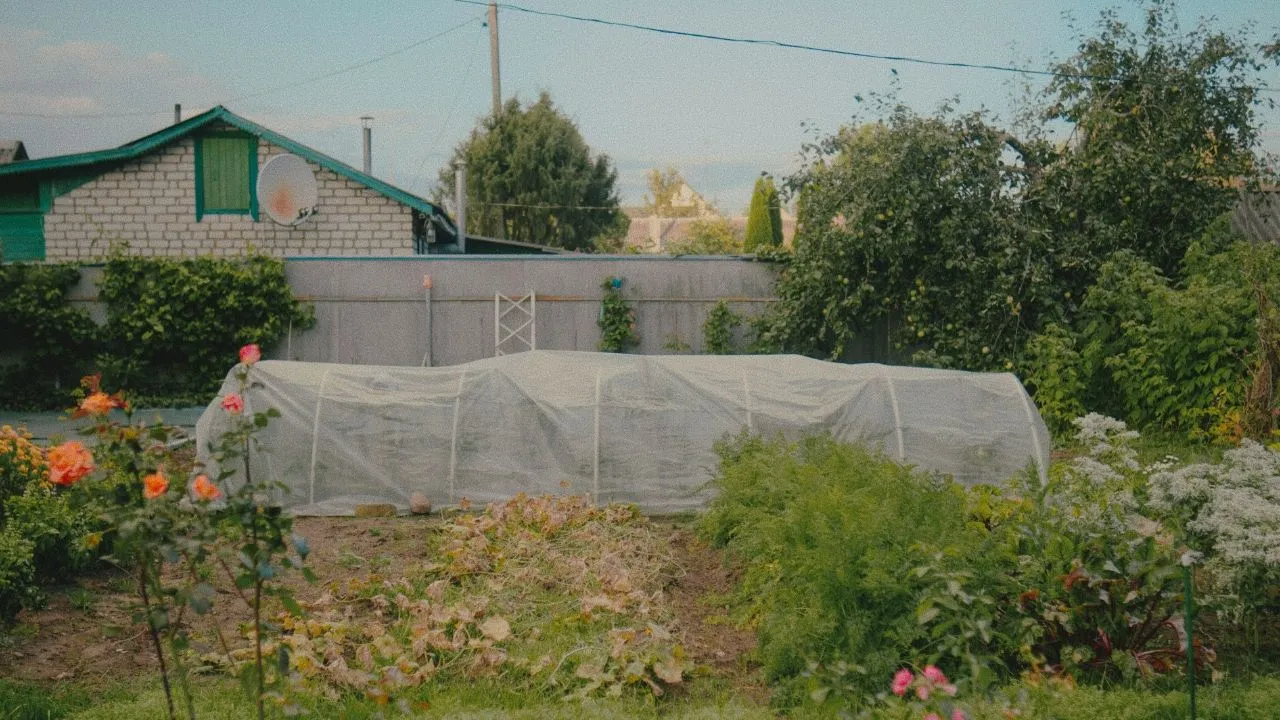
Painter’s plastic looks like a bargain, but Ohler warns it breaks down quickly outdoors. UV-resistant greenhouse film costs more and lasts years longer. Marshall found a greenhouse-grade cover that normally runs about $300 for half that price by shopping online, which shows that a little patience pays off.
Then there’s water. Rain can’t reach the soil under plastic, so you take over that job, though sparingly in deep winter. As Pierce told the Rodale Institute about the space under a hoop house, “It’s expensive real estate.” Don’t let crops dry out under it.
So, Is a Hoop House Worth It? Here’s the Honest Math
For about $100, a well-built low tunnel over one raised bed buys you real time. The Chicago Botanic Garden promises gardeners can “eat fresh vegetables a month later into fall (November) and a month earlier in spring (March).” A single bag of salad greens can cost $4 or more, so two extra months of homegrown greens can cover your materials in the first year.
There are bonuses, too. Brearton noticed fewer cabbage moths, slugs, and deer problems inside his tunnels, and UGA Extension notes low hoop houses can run 2°F to 8°F warmer than the outside air, enough to get through many early frosts.
If you’re in your 50s or 60s and tired of hauling bedsheets outside every time frost is forecast, a waist-high hoop over a raised bed may be the easiest upgrade you ever make.
Start small this season. Plant by September next year. Keep the snow off, open the ends on sunny days, and anchor every hoop like you mean it. Do that, and your hoop house will pay for itself many times over.
Read More
The 7 Best Garden Items to Thrift This Fall
9 Smart Ways to Save Money in the Garden Before Fall Ends