7 Post-Drought Mistakes That Are Quietly Killing Your Garden
A drought isn’t what kills most gardens. It’s what happens in the panicked 48 hours after the first good rain.
Every summer, gardeners watch their yards turn brown and crispy, white-knuckling their way through weeks of cracked soil and wilting leaves. Then the rain finally comes, and the instinct kicks in: grab the hose, crank the sprinkler, flood everything in sight. It feels like the right thing to do. It’s exactly the wrong thing to do.
What you do right now, during this narrow recovery window, determines whether your garden bounces back by next spring or costs you $500 or more in replacement plants. According to the UGA Cooperative Extension, most warm-season grasses can recover from drought “quickly after a good, soaking rainfall,” but only if their owners don’t sabotage the process first.
These are the seven mistakes that nursery professionals and veteran gardeners see repeated every single year after a dry spell. Most people don’t realize they’re making them. Once you stop, your garden will practically heal itself.
1. Flooding the Soil the Moment Rain Arrives
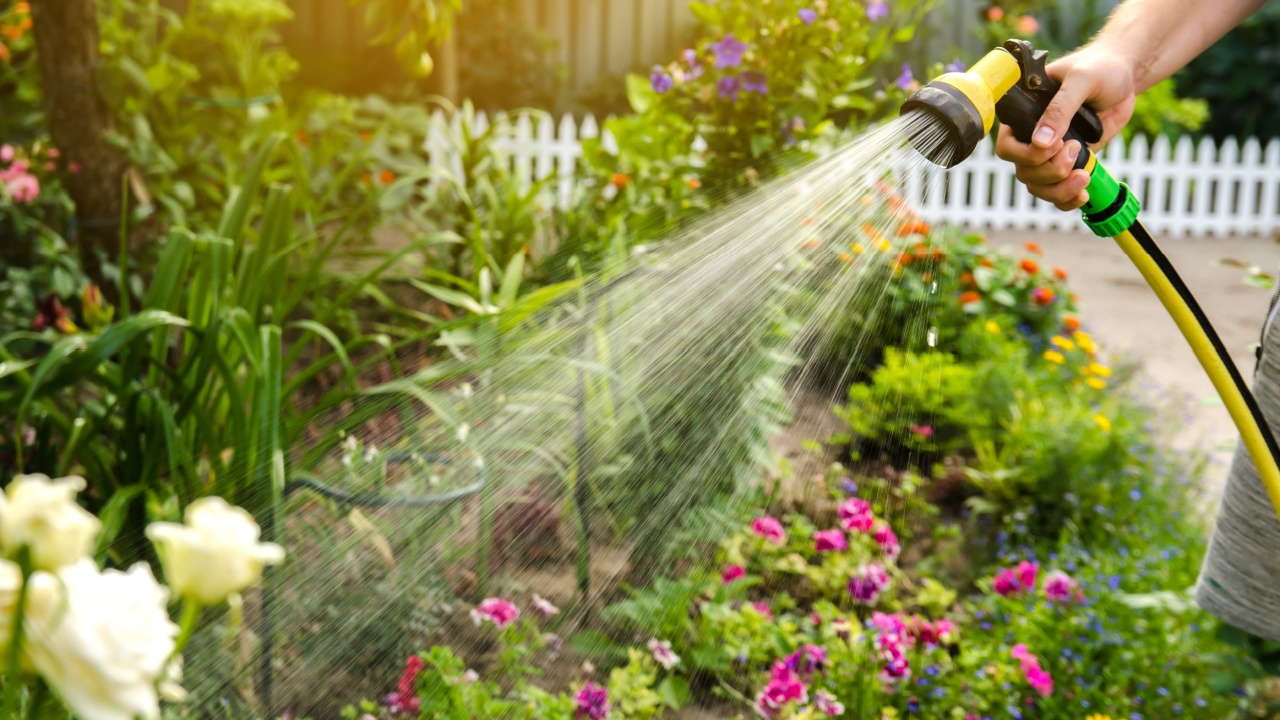
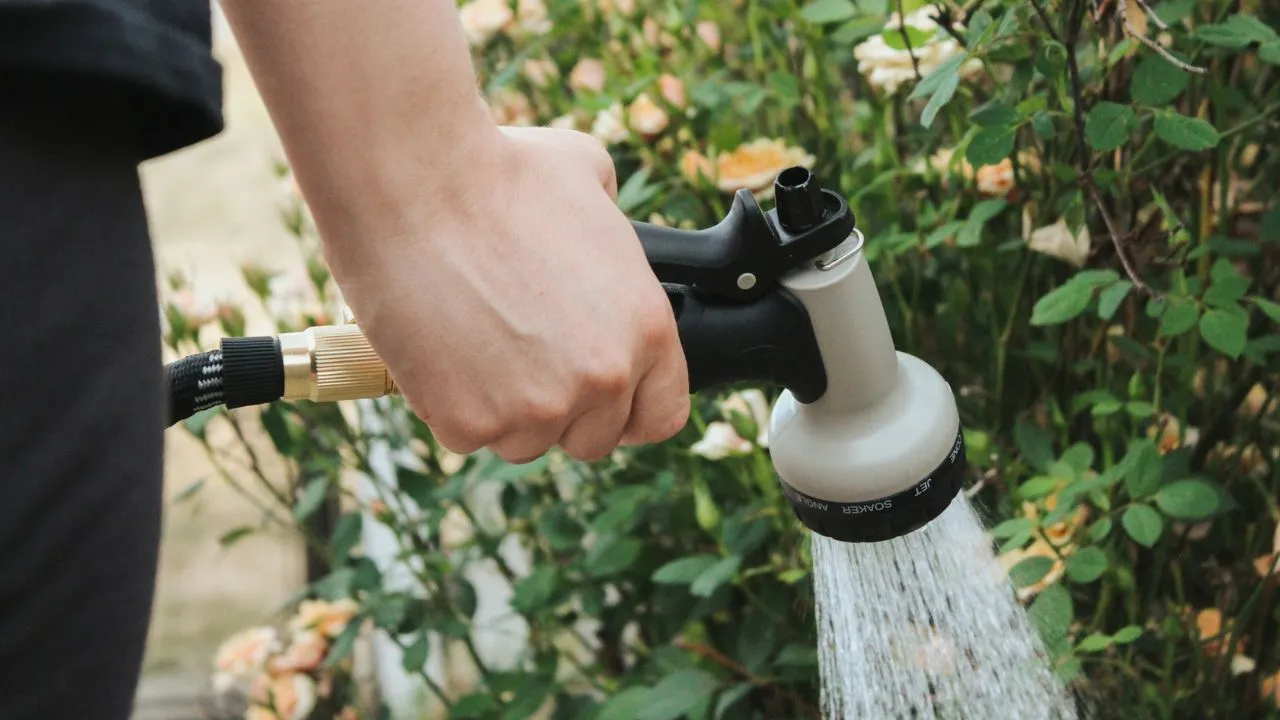
The most natural instinct after a drought is also the most destructive one. Saturated soil suffocates roots that are already damaged and gasping for oxygen. “You want to ease your plants back into health,” advises Watters Garden Center. “Keep the soil moist but never wet. Roots need oxygen as much as they need water, and saturated soil suffocates them, causing more stress.”
Most plants need approximately 1 inch of water per week, roughly 1 gallon per square foot. After a dry spell, that number doesn’t triple; it stays the same. The real danger is that drought-baked soil often becomes hydrophobic, meaning water literally beads off the surface like rain on a waxed car. According to Growing Spaces, soil that has dried out excessively develops a waxy coating on particles that repels water, so even when you do irrigate, the moisture runs off instead of soaking in. The fix isn’t more water; it’s slower water, delivered in repeated light soaks that gradually break through the surface.
2. Mulching Over Bone-Dry Ground
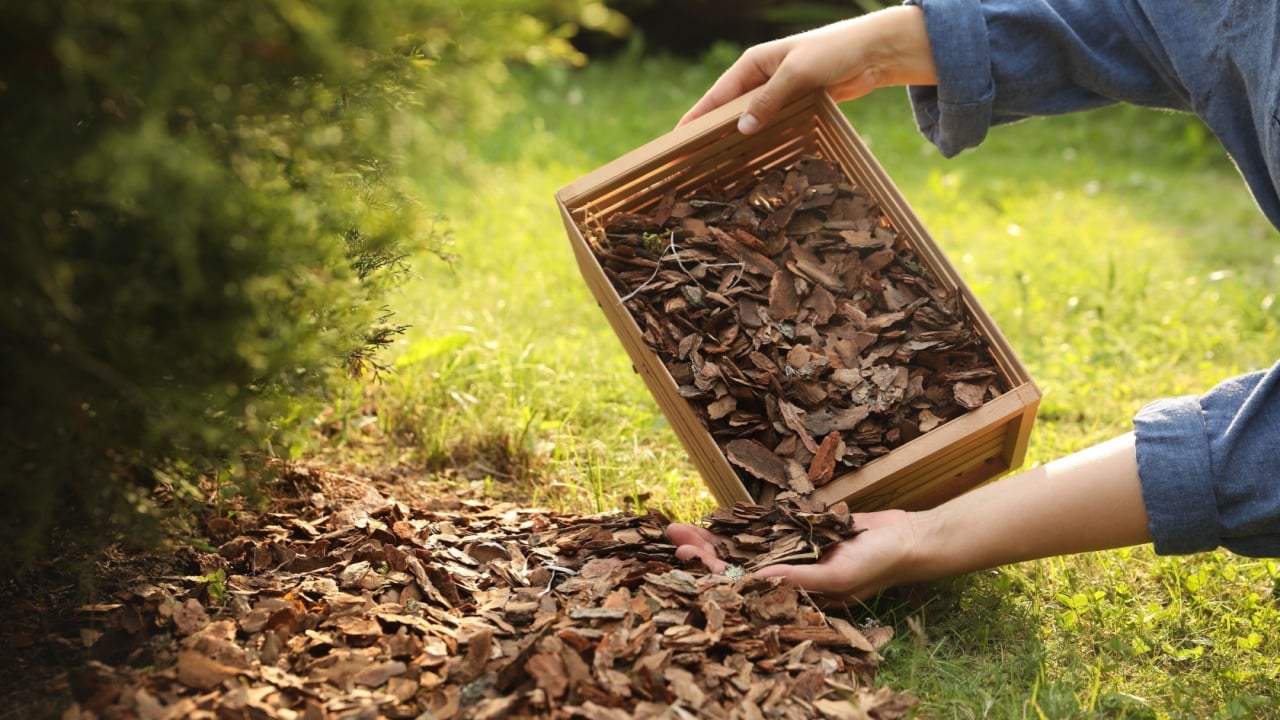
Mulch is one of the best tools in gardening, but its timing matters enormously. “Never mulch a bone-dry soil,” warns award-winning garden designer Ann-Marie Powell in House & Garden. “Mulch traps whatever’s already there, so spread it over parched ground and you’ve locked in the drought, not solved the problem.”
Hugo Bugg, co-founder of Harris Bugg Studio, reinforces that mulching is preventive, not curative in House & Garden. “Mulching doesn’t revitalise dry beds or soil but it can hugely help prevent moist soils from getting too dry in the first place.” Wait for a proper soaking rain, then add a generous 3 to 4-inch layer of organic mulch.
3. Panic-Reseeding a Brown Lawn
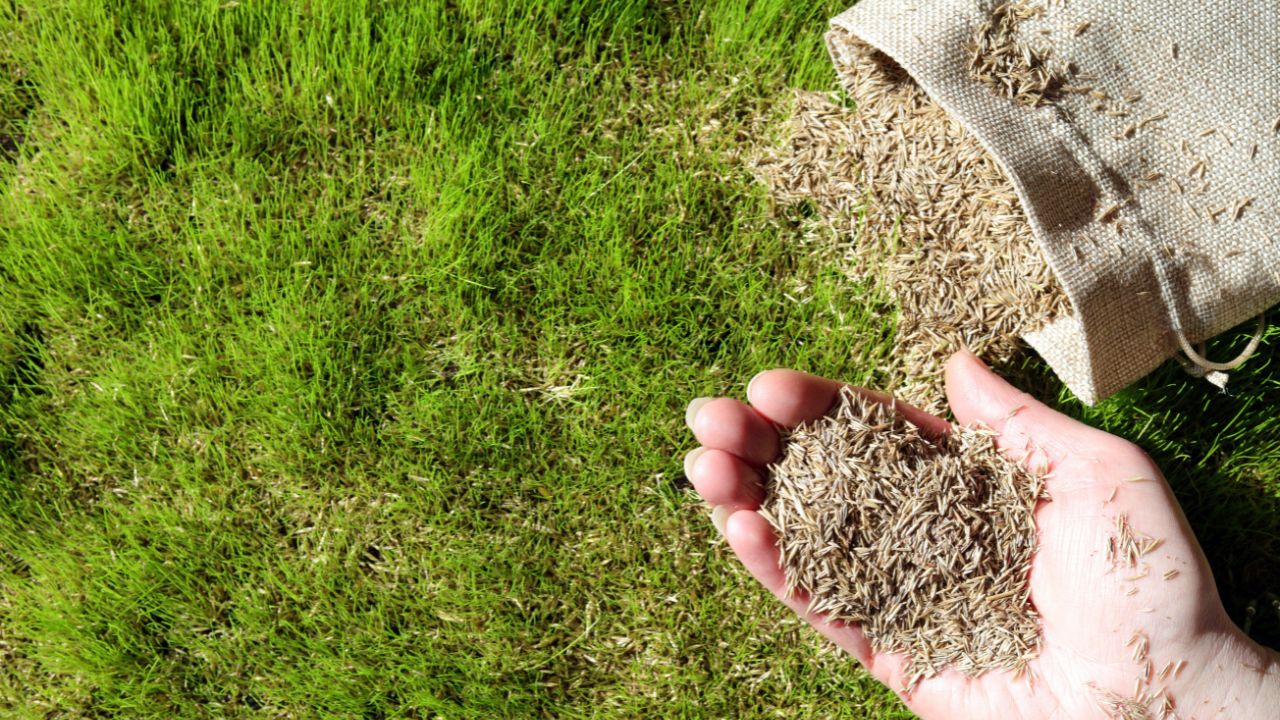
That brown, crunchy lawn feels like a personal failure. It looks dead. Neighbors are noticing. The temptation to rush out for bags of seed and sod is almost irresistible. Don’t do it.
“A parched, brown lawn isn’t a dead lawn,” explains Ann-Marie Powell. “It’s dormant, and that’s a big difference. Most lawn grasses are built to shut down and turn brown as a survival strategy, protecting the crown of the plant while the leaf above ground sacrifices itself. As soon as consistent rain returns, your grass will definitely green up, often inside a fortnight.” The UGA Cooperative Extension confirms that warm-season turfgrasses typically rebound quickly once moisture returns, though some varieties like zoysiagrass may take several weeks.
Reseeding into baked, cracked ground is money-tossed on hot pavement. Seed needs consistent moisture to germinate. Wait until fall rains arrive, assess the actual bare patches, and overseed only what truly needs it. For gardeners in their 50s and beyond who have watched this cycle play out over decades, the lesson is always the same: patience with a brown lawn costs nothing, while panic-buying sod at $1 per square foot adds up fast.
4. Feeding Stressed Plants Too Soon
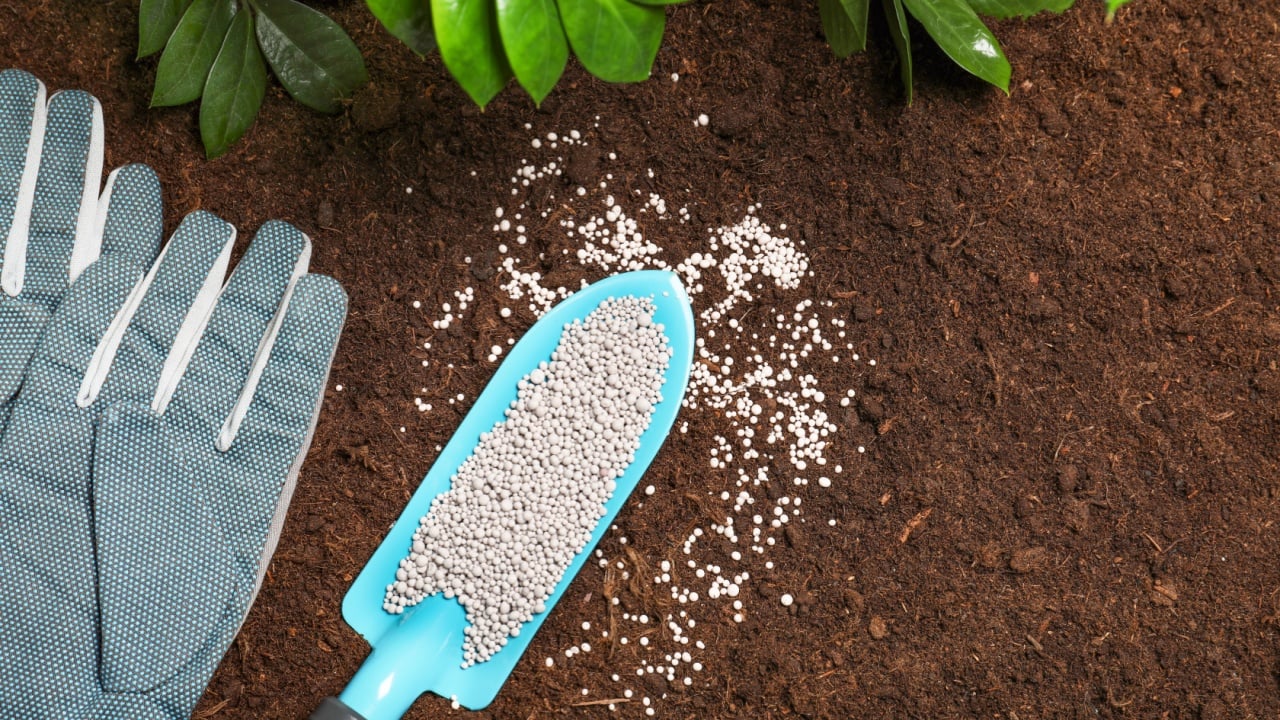
When plants look weak, fertilizer feels like medicine. It’s not. “When it’s dry, you don’t want to start feeding plants because it can also burn them; you want to feed them when it is wet,” former royal gardener Jack Stooks told Country Living.
Synthetic fertilizers containing salt are the worst option during recovery. According to Watters Garden Center, the salt in these products damages plant roots and intensifies drought damage. Once the drought truly ends and plants are actively rehydrating, an organic, slow-release fertilizer is the safest choice. It becomes available gradually as the plant recovers, promoting root development without forcing the kind of explosive top growth that a stressed root system can’t support.
5. Ignoring the Pest Invasion That Follows
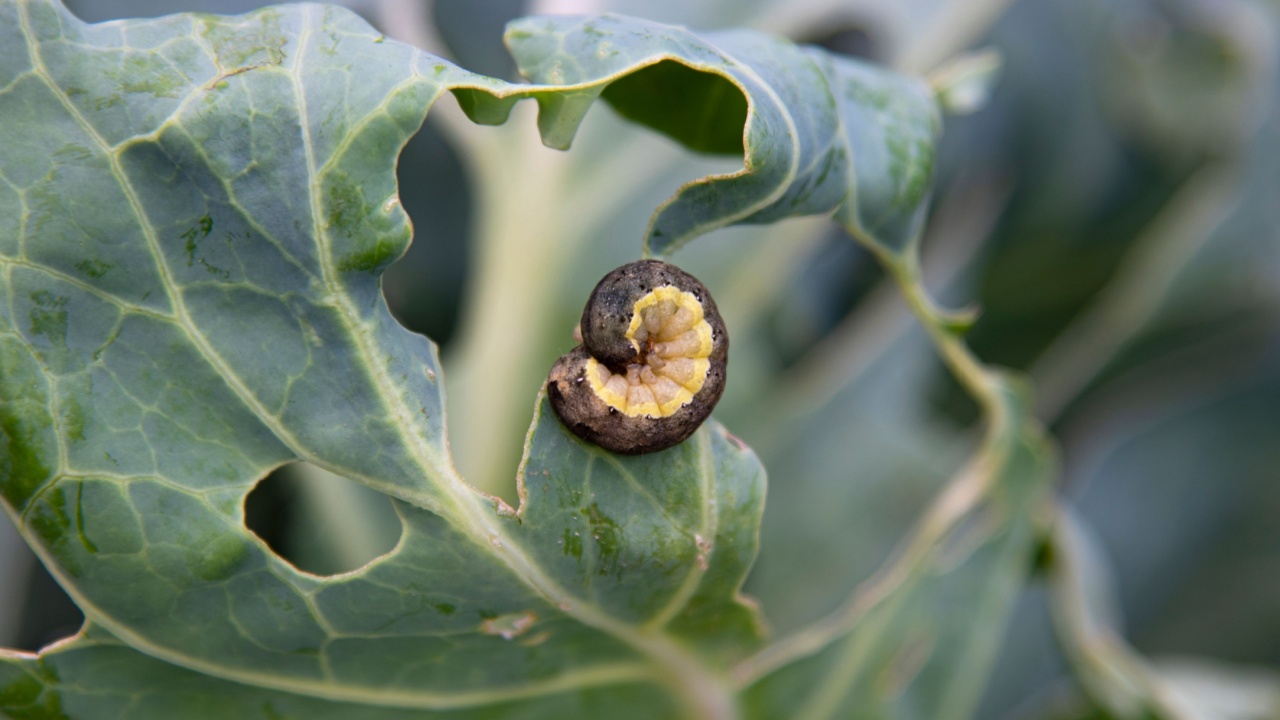
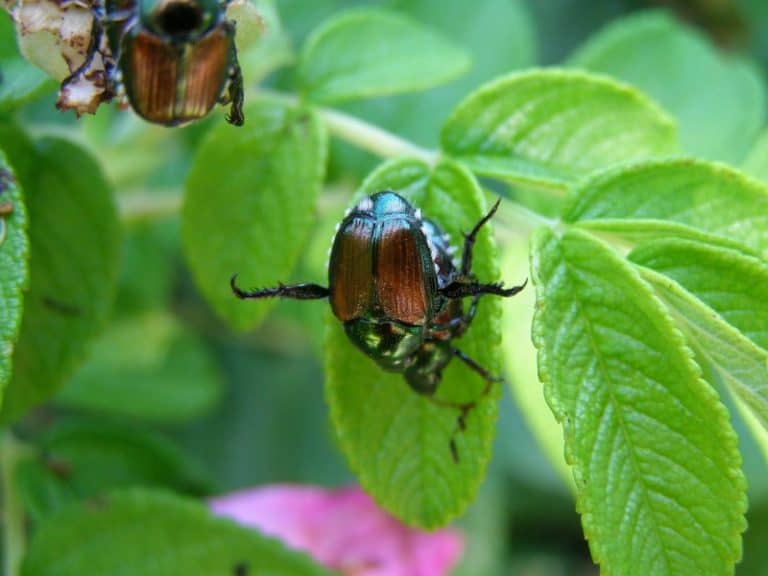
Here’s what most gardeners don’t realize: a drought doesn’t just weaken your plants. It rolls out a welcome mat for every pest in the neighborhood. Drought-stressed plants produce fewer defensive chemicals, making them easy targets for aphids, spider mites, and borers. According to the UC Division of Agriculture and Natural Resources, weakened plants are significantly more susceptible to both insect infestations and fungal diseases during the recovery period.
But insects aren’t the only concern. Rodents and even snakes migrate toward yards and gardens during droughts, drawn by the concentrated water sources around irrigated beds and birdbaths. Scout your garden daily during the recovery period. Catch problems early; in some cases, you may need to prune out affected parts or remove an entire plant before the infestation spreads.
6. Watering at the Wrong Time and in the Wrong Place
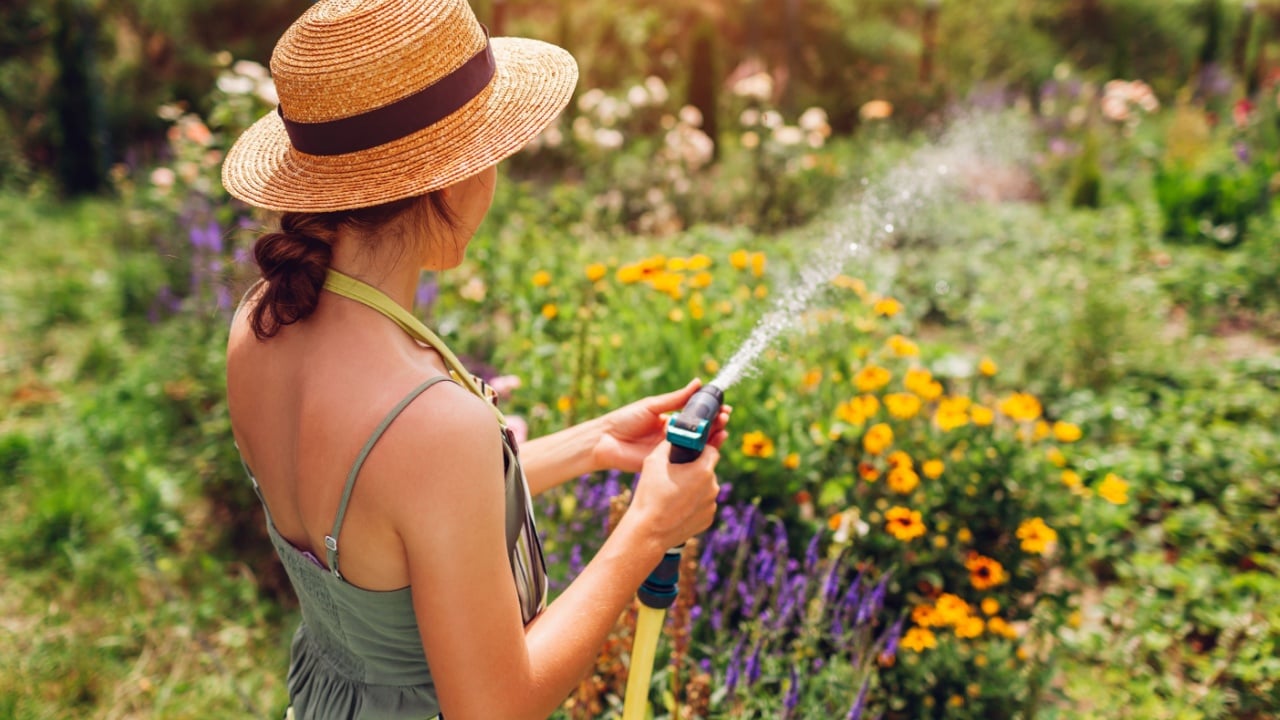
“The best time to water during warm weather is early in the morning or later in the evening, as the soil has a chance to absorb the moisture properly,” says David Denyer, flower and garden expert at Eflorist, in Country Living. “Watering in the middle of the day can cause it to evaporate too quickly, and if the soil’s already hot, a sudden cold soak can sometimes shock plants.”
A garden that gets one slow, deep soak every few days will outperform one that gets a quick sprinkle every evening, every single time. Deep watering encourages roots to grow further into the soil, building the kind of resilience that means you water less next year, not more. Aim the water at the base of plants, never the foliage. Wet leaves in strong sun can scorch, and moisture sitting on foliage overnight invites fungal disease.
7. Refusing to Let Go of the Wrong Plants
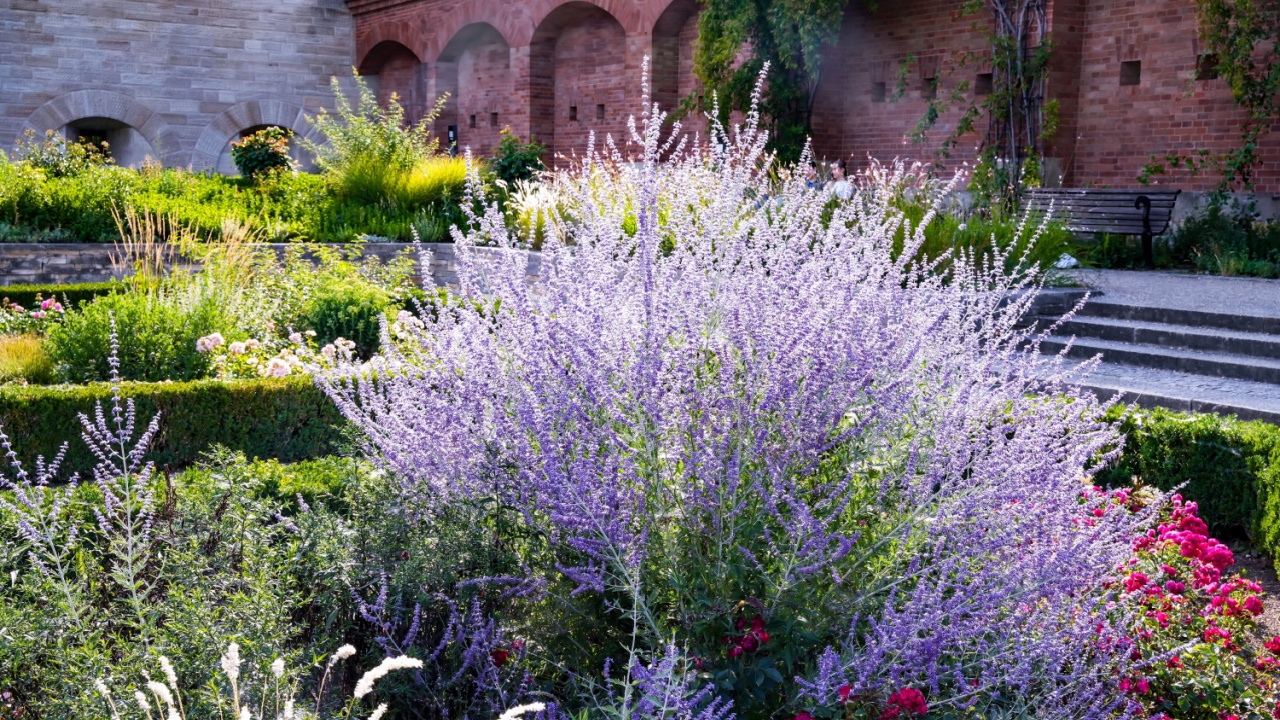
This is the mistake gardeners over 50 have earned the right to stop making. If a plant sulks, wilts, and nearly dies every time summer turns dry, it’s not a bad summer. It’s the wrong plant.
“If you have a plant that sulks every time it gets dry in summer, or struggles, it’s probably time to compost it and try something new,” writes garden designer Jack Wallington in Wild Way. “Gardening should be enjoyable, not a chore. Save yourself a job and remove the sulky thirsty plants that need lots of watering.”
Your grandmother’s garden survived decades without drip irrigation or weekly trips to the garden center because she grew what worked for her soil and her climate. Lavender, Russian sage, sedums, and native wildflowers don’t just survive drought; they actually look better during dry spells. Replacing three thirsty hydrangeas with drought-tough perennials costs under $30 and saves you hundreds in water, fertilizer, and replacement costs over the next five years. Give yourself permission to simplify.
What to Do Instead
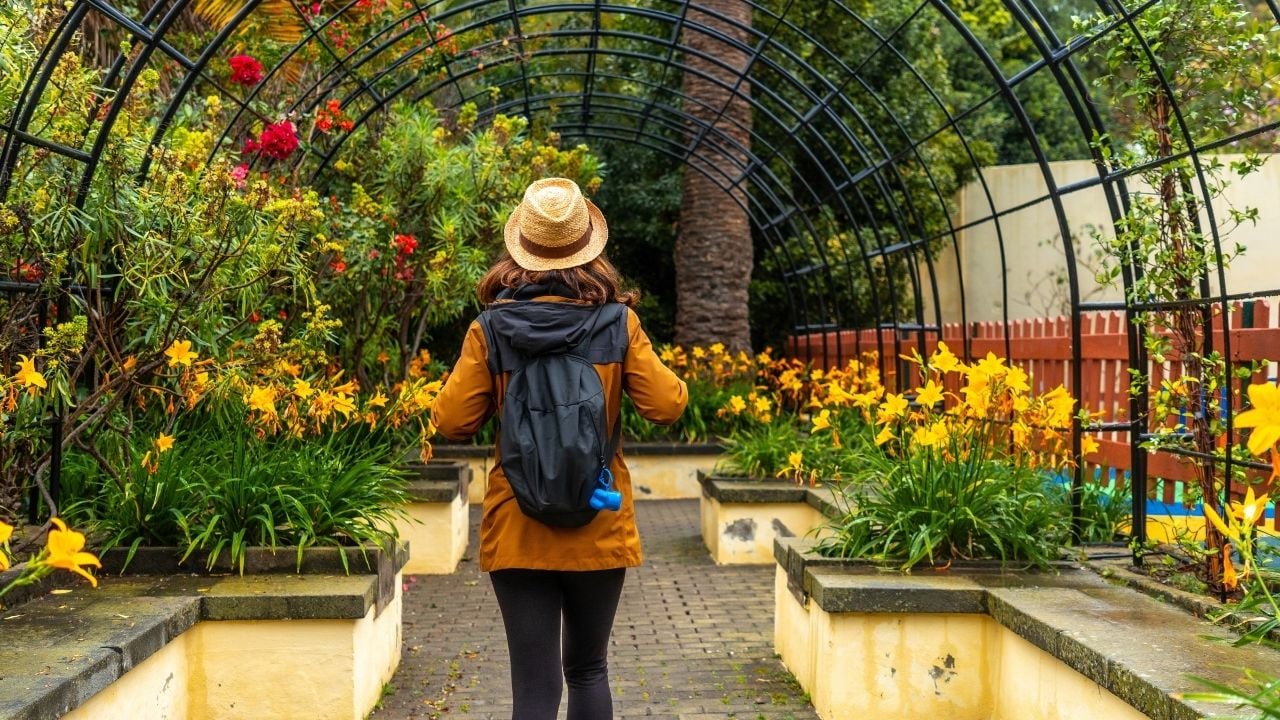
Recovery doesn’t have to be complicated or expensive. Once rain returns, water slowly and deeply no more than twice a week. After the soil is thoroughly rehydrated, add 3 to 4 inches of organic mulch. Scout for pests daily. Hold off on fertilizer until plants show active new growth.
This is also the perfect month to audit your garden honestly. The plants that survived the drought without your help are the ones worth building around. Consider investing $30 to $50 in a basic drip irrigation system; it’s cheaper than replacing even one mature shrub. And plan your fall planting now. Planting in autumn will give the best results, allowing new plants to get their roots established over winter.
Read More
Washing Your Lettuce Won’t Remove Cyclosporiasis, But Growing Your Own Will
Your Grandmother Stored These 8 Foods All Winter Without Canning a Single Jar