
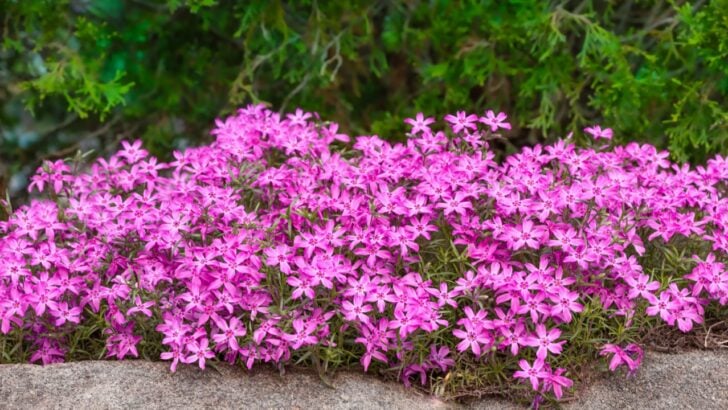
Add some color and texture to your outdoor space with creeping phlox – a versatile, low-growing plant that provides vibrant color and a lovely carpet of foliage.
It’s a great way to add depth to a garden, helping taller flowers and plants behind it pop, while offering its own lovely colors.
Learn how to plant creeping phlox, from choosing the right location to caring for your plants.
But first, let’s dive into what it is…
What is Phlox?
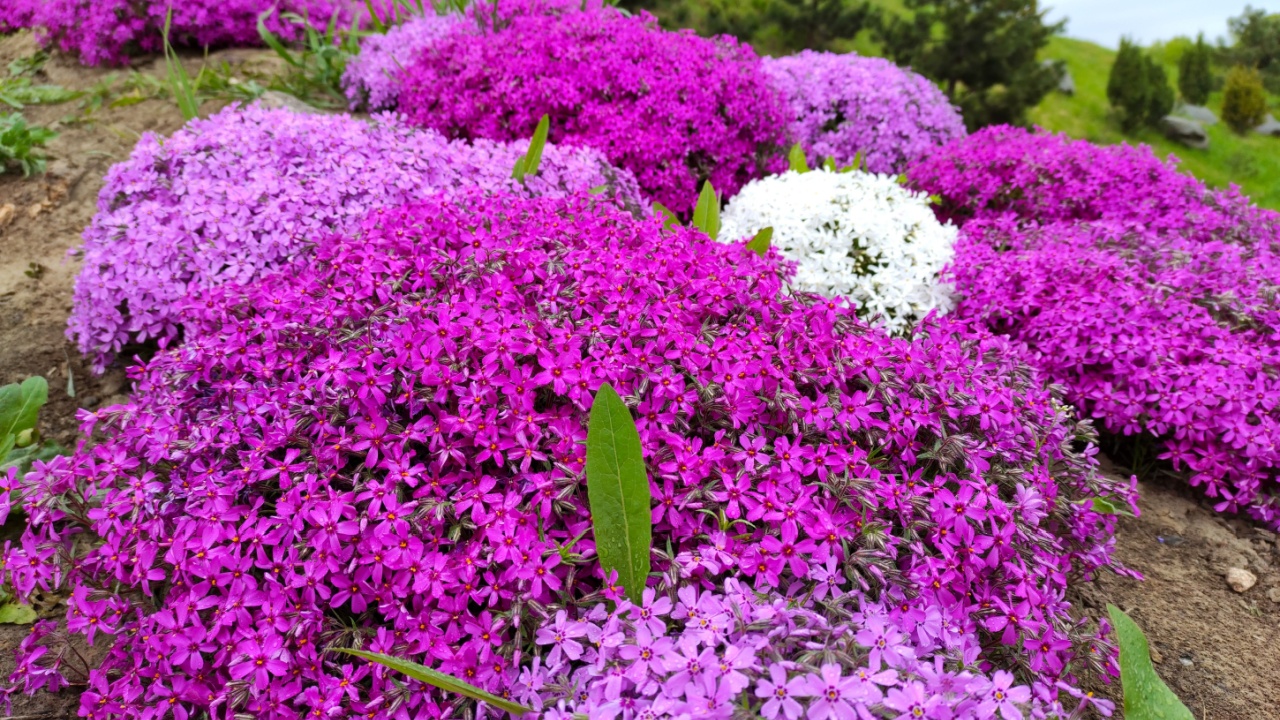
Image Credit: Shutterstock.
Phlox is an herbaceous perennial native to North America. It is known for its colorful blooms, which grow in the shape of a small star.
The creeping phlox is a low-maintenance plant that tends to drape over the sides of stone walls or boulders. This makes it perfect for rock gardens or as an excellent ground cover.
Phlox blooms in late spring or early summer, and phlox is known for its fragrant pink, lavender, blue, and white flowers.
There are many different types of phlox, including:
- Creeping phlox (Phlox stolonifera)
- Moss phlox (Phlox subulata)
- Woodland phlox (Phlox divaricata)
- Tall garden phlox (Phlox paniculata)
- Mountain phlox (Phlox austromontana)
- Drummond’s phlox (Phlox drummondii)
Many of these varieties are annual phlox, which must be replanted yearly. On the other hand, creeping phlox is a perennial you’ll only need to plant once and enjoy for years.
How to Plant Creeping Phlox

Image Credit: Depositphotos.com.
Whether you’re a seasoned gardener or just starting, follow these tips to create a stunning bed of this perennial ground cover that will last for years.
Choose the Right Location
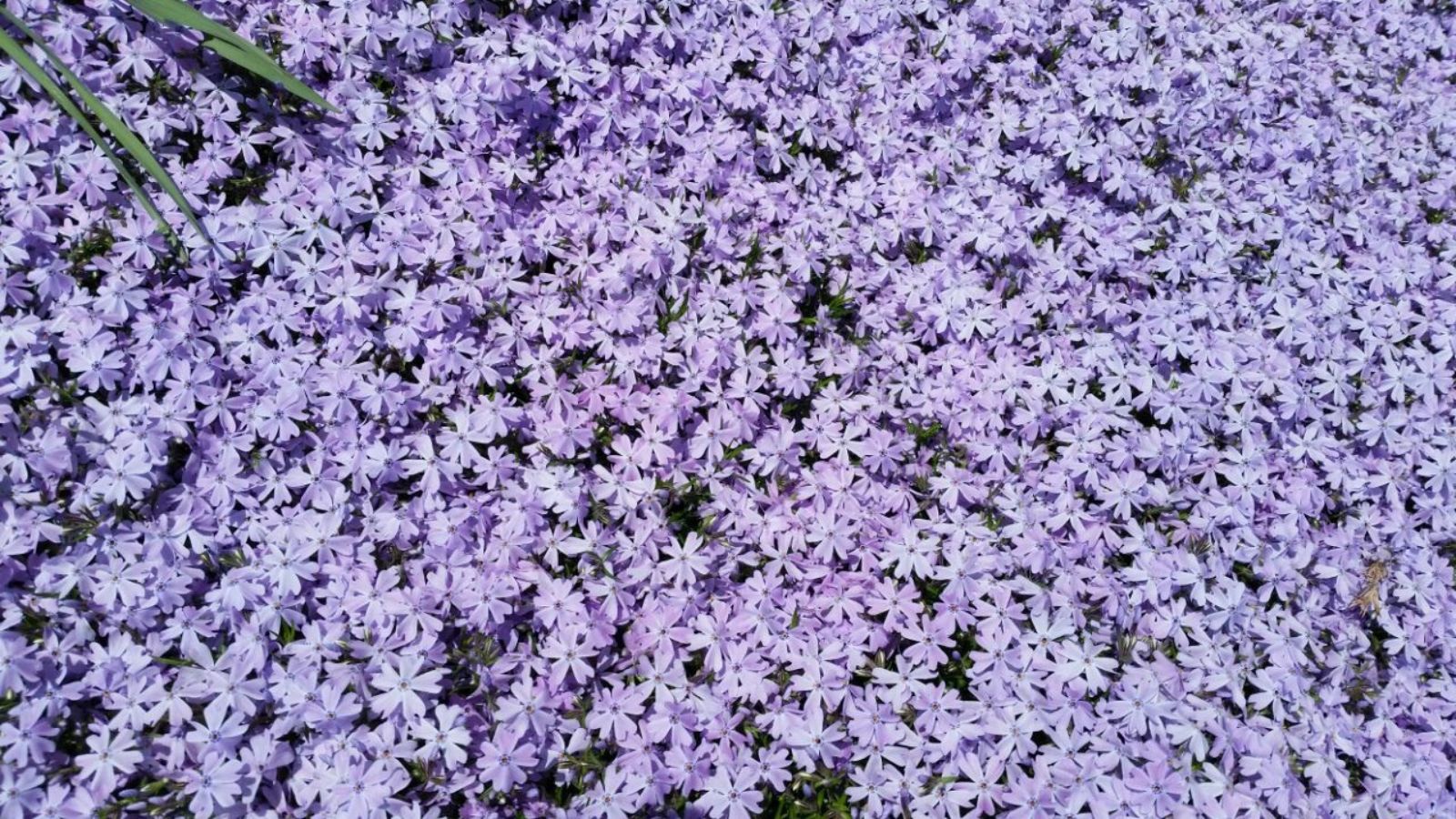
Image credit: Backyard Garden Lover.
Before you start planting, choose the right location for your creeping phlox. This native of Appalachia can tolerate various growing conditions, but always check the requirements for your specific type.
- Full sun: These plants thrive in full sun to partial shade, so look for an area that receives around 6-8 hours of sunlight daily.
- Soil requirements: Creeping phlox prefers well-draining, slightly acidic soil (pH between 5.5 and 7.0). It doesn’t like heavy, clay, or sandy soil unless it is altered with organic matter.
- Moisture: Phlox typically requires weekly watering unless you have regular rainfall.
Prepare the Soil

Image Credit: Shutterstock.
To ensure that your creeping phlox plants thrive, prepare the soil correctly. Start by removing any weeds or other vegetation from where you want to plant the phlox. This will prevent competition for nutrients and give your phlox the best chance to grow.
Prepare the planting area: Once you’ve cleared the area, loosen the soil with a garden fork or tiller. If your soil is heavy or compacted, mix in some compost or other organic matter to improve drainage and aeration.
Adjust the pH: If it is too high, you can lower it by adding sulfur or other acidifying agents. On the other hand, if your pH is too low, you can raise it by adding lime. Follow the instructions carefully on any products you use and only adjust as needed.
Planting Creeping Phlox
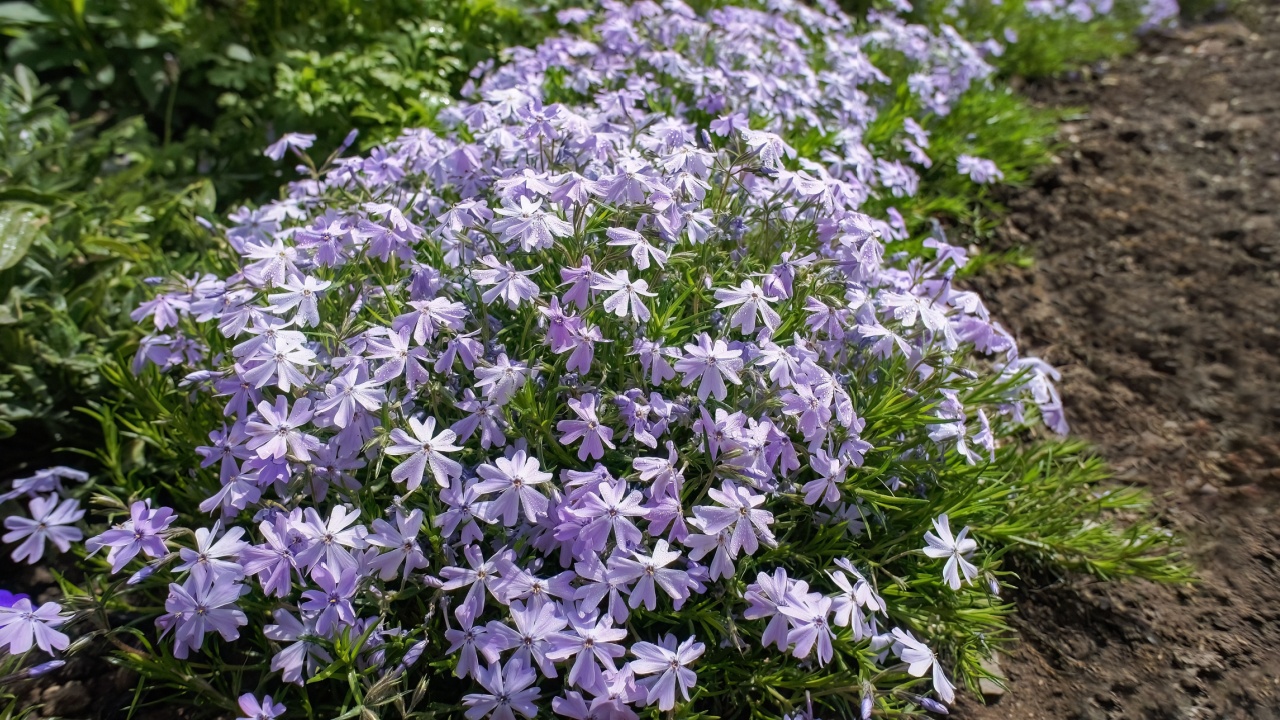
Image Credit: Shutterstock.
Phlox is easy to plant. Just give it enough room for the roots to spread and water it immediately. If you’re planting bare-root phlox plants, plant them as soon as possible in the spring or fall.
- Dig a hole about twice the size of the root ball of your phlox plant. Gently place the plant into the hole, ensuring the top of the root ball is level with the surrounding soil.
- Once your phlox is in place, gently backfill the hole with soil (be careful not to damage the roots). After the hole is filled in, water deeply. It’s also a good idea to add a layer of mulch around the base of the plant to help retain moisture and prevent weeds from growing.
How to Care for Your Phlox
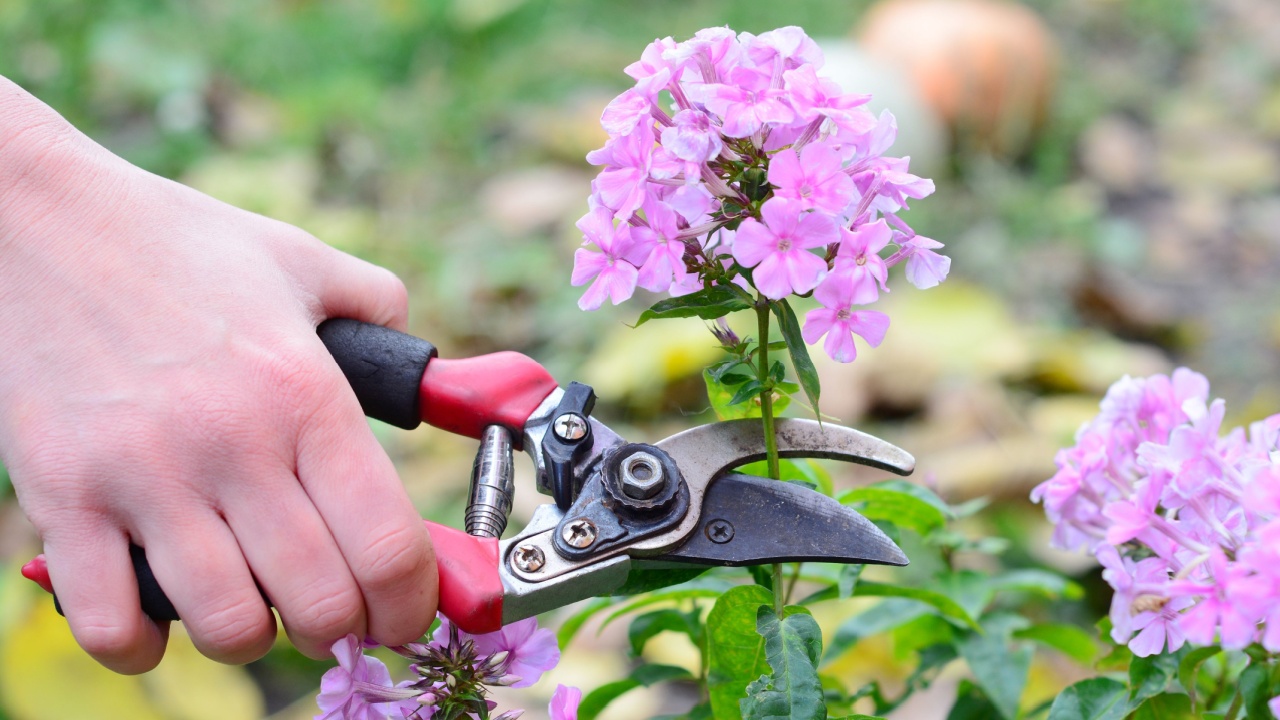
Image Credit: Shutterstock.
To keep your creeping phlox healthy and thriving, follow these guidelines.
Water: Make sure your phlox gets enough water. While phlox doesn’t like to be overwatered, it does require consistent moisture to grow and bloom. A good rule of thumb is to water your phlox deeply once a week but adjust as needed based on weather conditions.
Fertilize: Creeping phlox also needs plenty of nutrients to thrive. Fertilize your phlox once a year in the spring with a slow-release fertilizer. This will help promote healthy growth and vibrant blooms throughout the season.
Prune: Once your phlox has finished producing its fragrant flowers, deadhead any spent blooms to encourage new growth and prevent seeding. Additionally, you can trim any leggy or overgrown stems to keep your plant neat and tidy.
Separate: Your phlox plant might be especially large after a few seasons. You can separate the roots or take root cuttings to grow new plants, giving the primary plant more room to thrive.
Phlox Pests & Diseases
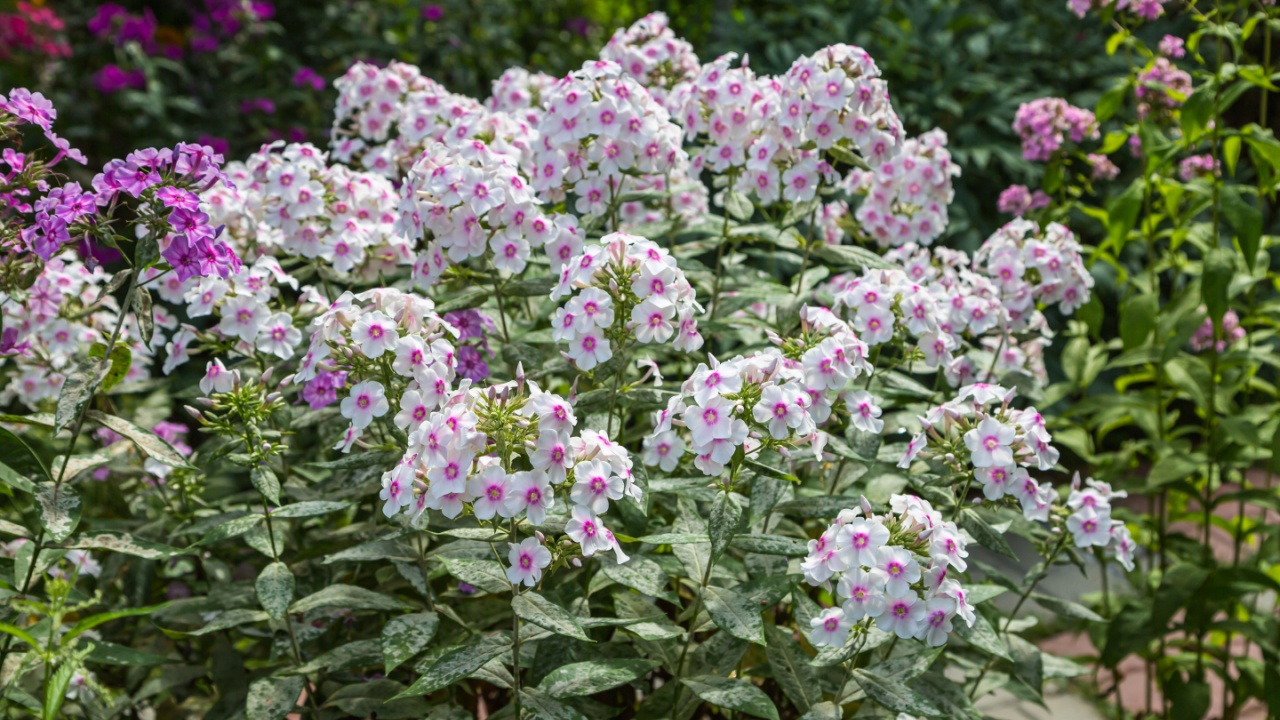
Image Credit: Shutterstock.
Like most plants, phlox is susceptible to some diseases and pests.
Powdery mildew typically occurs from too much water and insufficient airflow. Water deeply just once a week, and during humid weather, wait until the soil starts to dry. You can also use fungicides and plant mildew-resistant varieties.
Spider mites: If your leaves turn yellow, splotchy, or curl up, you might have spider mites. Spray off the leaves with a strong flow of water or use insecticidal soaps.
Varieties of Creeping Phlox
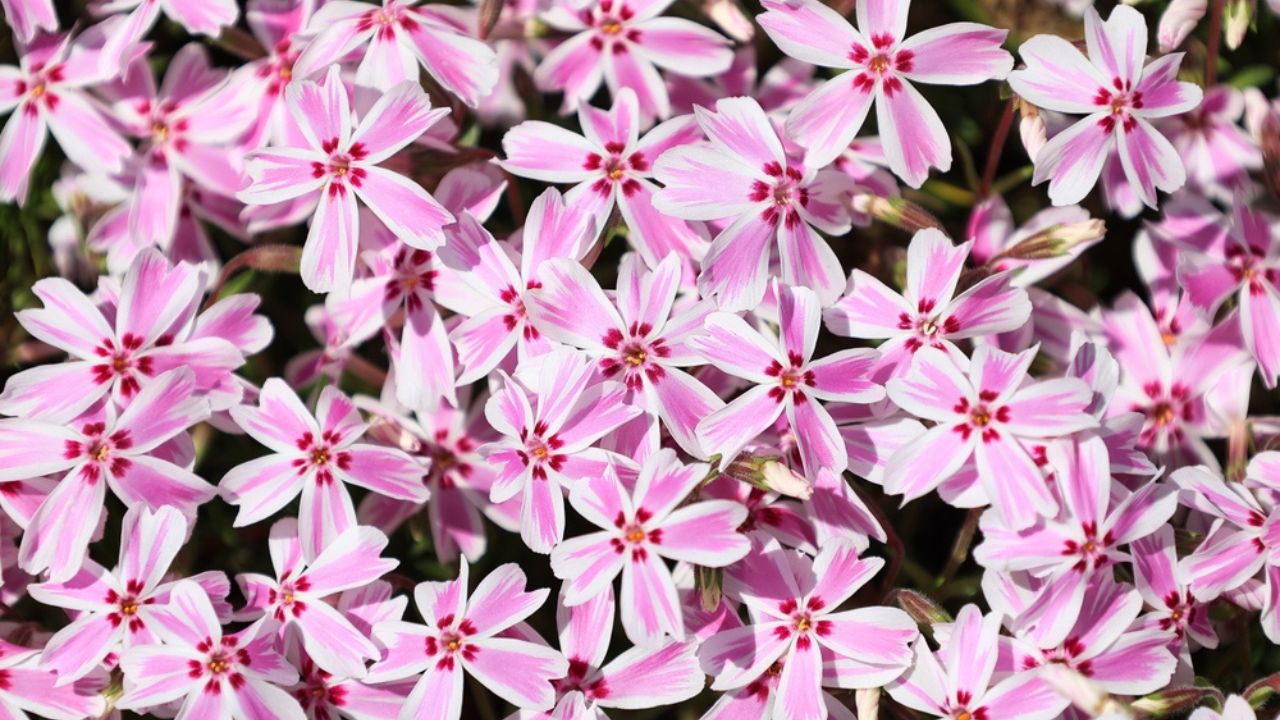
Image Credit: Shutterstock.
Mixing and matching creeping phlox varieties can create a stunning display of color and texture.
Consider planting varieties with different bloom times to ensure a color-filled garden throughout the growing season.
Common names for creeping phlox
Since there are so many types of phlox, it can be hard to keep up with all the different terms.
There are technically two types of species commonly called “creeping phlox.”
- Phlox stolonifera: Creeping phlox
- Phlox subulata: Moss Phlox, Moss Pink, Mountain Phlox
The main difference is that true creeping phlox has fewer flowers, reaches about a foot tall, and grows like a blanket.
Moss phlox is low-growing (usually 6 inches tall) and has dense clusters of flowers. They tend to form a thick mat that spills over any container or surface.
Popular creeping phlox cultivars
These are some of the most popular creeping phlox plants to add to your garden:
- Violet Pinwheels
- Candy Stripe
- Emerald Blue
- Red Wing
- Snowflake
Things to consider
When selecting phlox varieties, consider their growth habits and preferences. Some phlox varieties prefer full sun, while others do better in partial shade. You’ll also want to check the plant’s hardiness zone to ensure it can thrive in your region.
Adding different varieties of phlox to your garden can create a unique and visually stunning landscape. With proper care, phlox will thrive and bloom year after year, providing a beautiful, low-maintenance addition to your outdoor space.
Read more:
29 Ground Cover Plants That Adapt Well to Clay Soil
10 Ground Cover Plants Perfect for Slopes to Prevent Erosion