11 Uniquely Beautiful Green Flowers to Add to the Garden
When we picture a garden, our minds often fill with vibrant reds, sunny yellows, and deep purples. But what about green? It’s the color that provides the lush backdrop for every other bloom, yet it rarely gets to be the star.
Planting green flowers introduces an unexpected and sophisticated element to your garden beds and containers. They create a sense of harmony, add texture, and offer a unique charm that sets your garden apart.
From the cool, zesty shades of lime to the deep, rich tones of emerald, green flowers can complement any color palette or stand beautifully on their own. They are a designer’s secret for creating depth and interest.
This guide will introduce you to 11 stunning green flowers that are perfect for any home gardener looking to try something new and exciting. We sourced these fun options from local gardeners and extension sources to give you reliable facts.
1. Green Star Gladiola
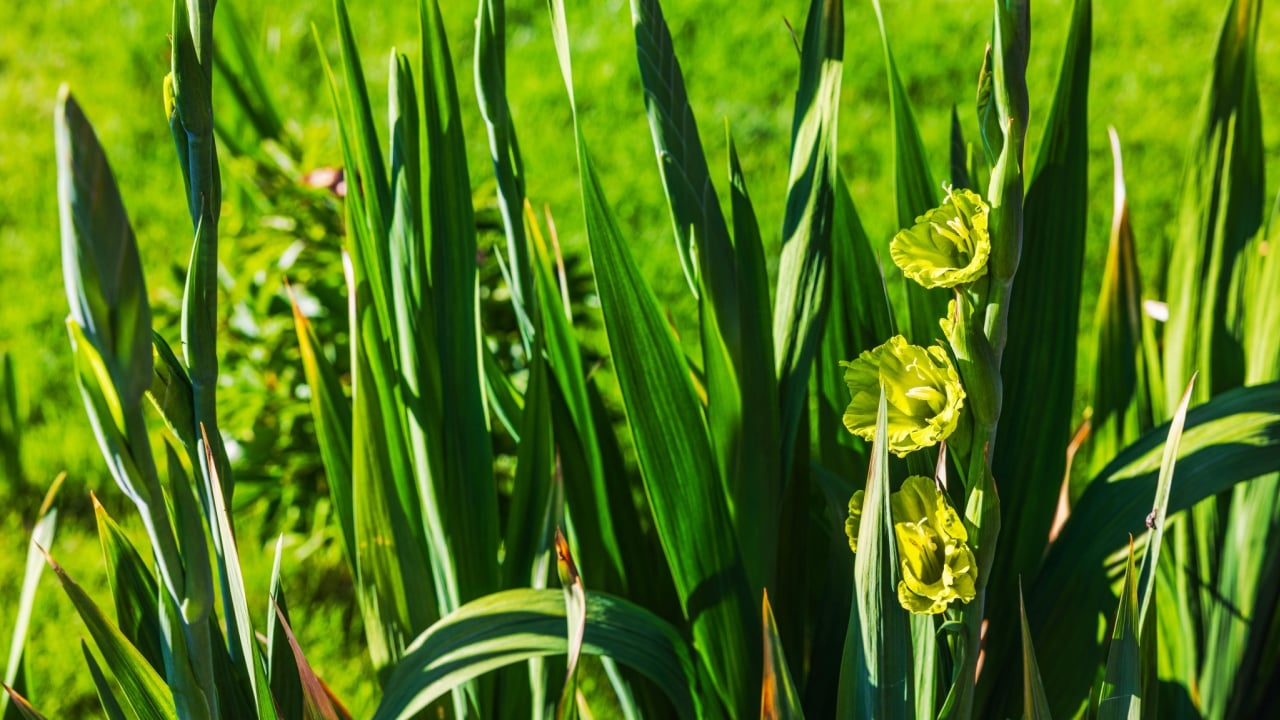
The Green Star Gladiola (Gladiolus) brings architectural height and a soft, pastel green charm to any garden space. These blooms are perfect for the back of a border, where their tall spires can rise above shorter plants without overshadowing them. Each stem produces a cascade of 3-inch florets, with 10 to 12 opening simultaneously for a spectacular midsummer display.
Why it’s a great choice: Beyond their unique color, these gladiolas are fantastic for attracting butterflies. Their height adds a dramatic vertical element that can break up the monotony of mounded plants. They also make exceptional, long-lasting cut flowers, allowing you to bring their elegance indoors. Try pairing them with deep burgundy or crisp white flowers for a striking contrast.
Care at a Glance:
- Zones: 8 to 11 (can be grown as an annual in colder zones by lifting the corms in fall)
- Sunlight: Full sun
- Soil: Well-drained soil
- Watering: Keep consistently moist, especially during blooming.
- Tip: Plant corms at two-week intervals in the spring to extend the blooming season throughout the summer.
2. Envy Zinnia
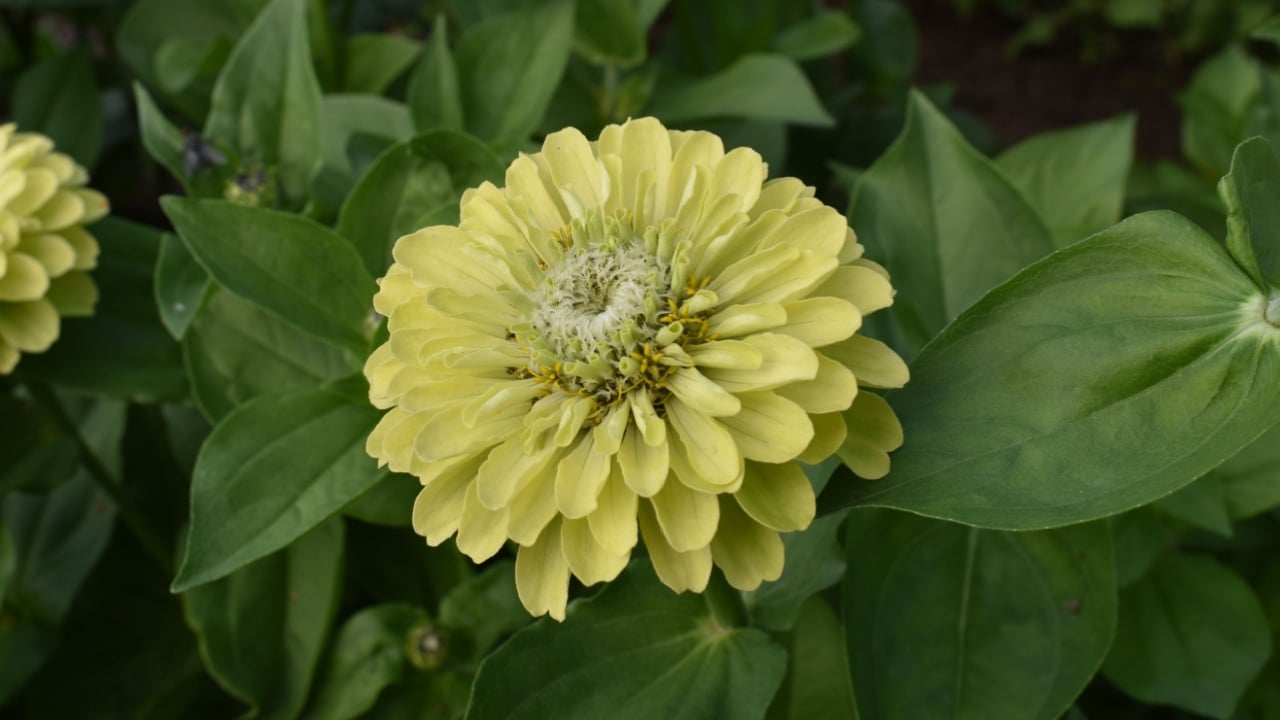
If you’re looking for an easy-to-grow annual that delivers a big impact, the Envy Zinnia (Zinnia) is a must-have. These semi-double and double blooms feature a vibrant chartreuse green that practically glows. Zinnias are famously low-maintenance and grow quickly from seed, making them a rewarding choice for both new and experienced gardeners.
Why it’s a great choice: Zinnias are workhorses in the garden. They bloom profusely from early summer until the first frost, providing a continuous splash of color. Their sturdy, 2-foot-tall stems make them excellent for cutting gardens. More importantly, they are a magnet for pollinators, attracting a steady stream of butterflies and hummingbirds all season long.
Care at a Glance:
- Type: Annual
- Sunlight: Full sun
- Soil: Well-drained soil
- Watering: Water regularly, but allow the soil to dry slightly between waterings. Avoid overhead watering to prevent mildew.
- Tip: Deadhead spent blooms regularly to encourage the plant to produce more flowers.
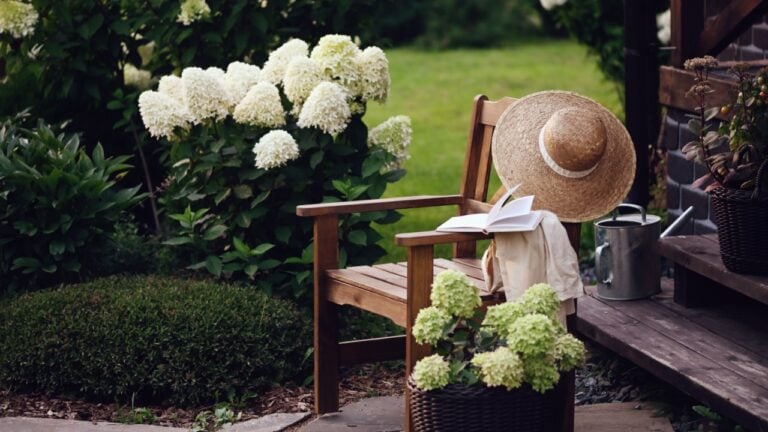
3. Little Lime Hydrangea
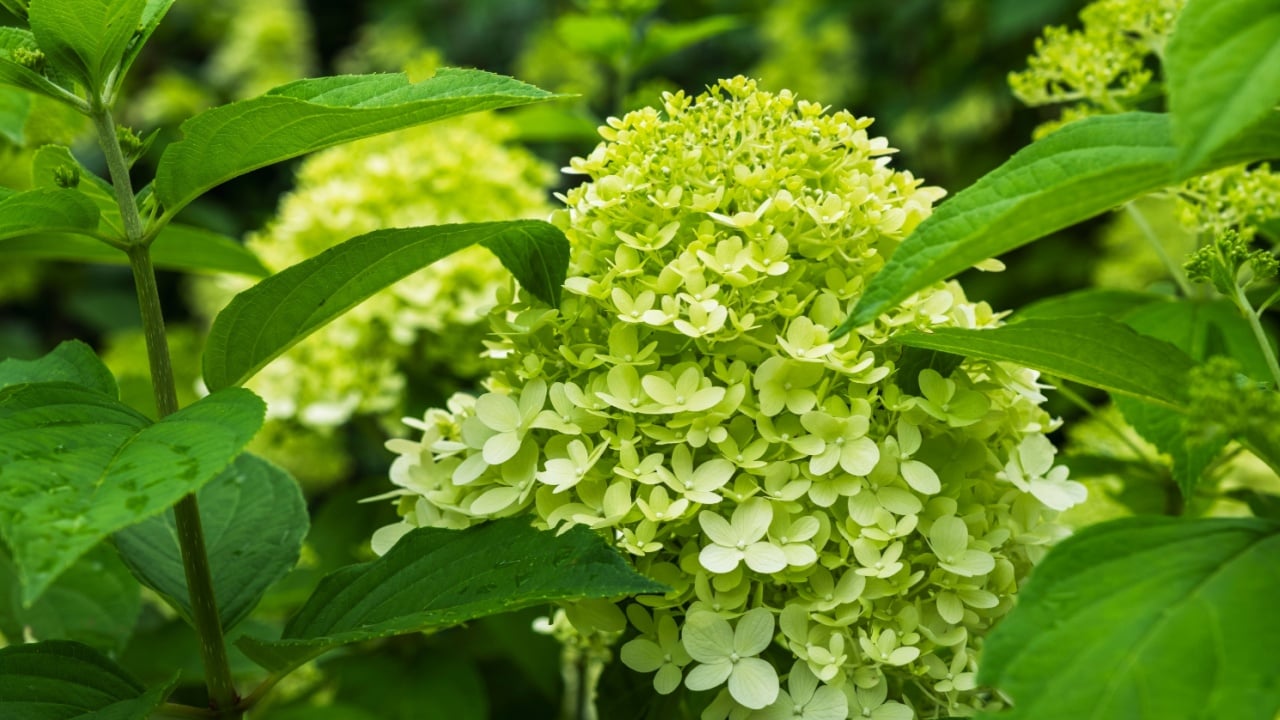
A dwarf version of the acclaimed ‘Limelight’ hydrangea, Little Lime (Hydrangea paniculata) offers the same show-stopping flowers on a more compact plant. Growing to a manageable 3 to 5 feet, it’s perfect for smaller gardens, foundation plantings, or even large containers. Its large, conical flower heads start as a soft lime green in summer.
Why it’s a great choice: This hydrangea is incredibly reliable and easy to care for. Its sturdy stems hold the large blooms upright, so they won’t droop after rain. As a bonus, the green flowers transition to a beautiful pink and then burgundy hue as fall approaches, providing multi-season interest from a single plant.
Care at a Glance:
- Zones: 3 to 8
- Sunlight: Full sun to partial shade
- Soil: Adaptable to most soils, but prefers well-drained.
- Watering: Keep soil consistently moist, especially in the first year.
- Tip: Prune in late winter or early spring to encourage strong new growth and abundant flowers.
4. Green Gambler Hellebore
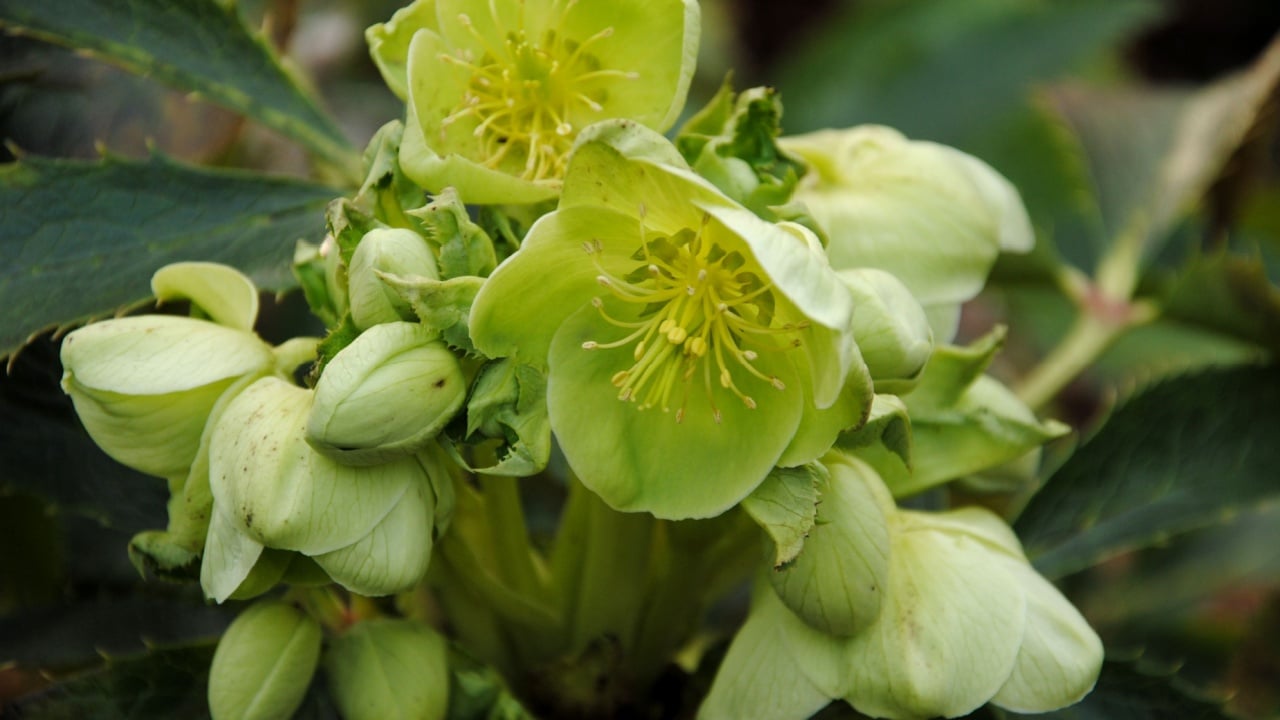
For gardeners in shady spots, the Green Gambler Hellebore (Helleborus) is a true prize. As an early-season bloomer, it often pushes its cup-shaped, nodding green flowers up through the snow, signaling the end of winter. Some varieties even feature delicate burgundy edging, adding to their subtle beauty.
Why it’s a great choice: Hellebores, also known as Lenten Roses, are shade-loving, deer-resistant, and incredibly long-lived. They provide color when little else is blooming, making them invaluable for the early spring garden. Their evergreen foliage also provides year-round texture.
Care at a Glance:
- Zones: 4 to 9
- Sunlight: Partial to full shade
- Soil: Rich, well-drained soil
- Watering: Water during dry spells, but they are fairly drought-tolerant once established.
- Tip: Plant them in a sloped area or in a raised bed to better appreciate their downward-facing blooms.
5. Lime Green Flowering Tobacco
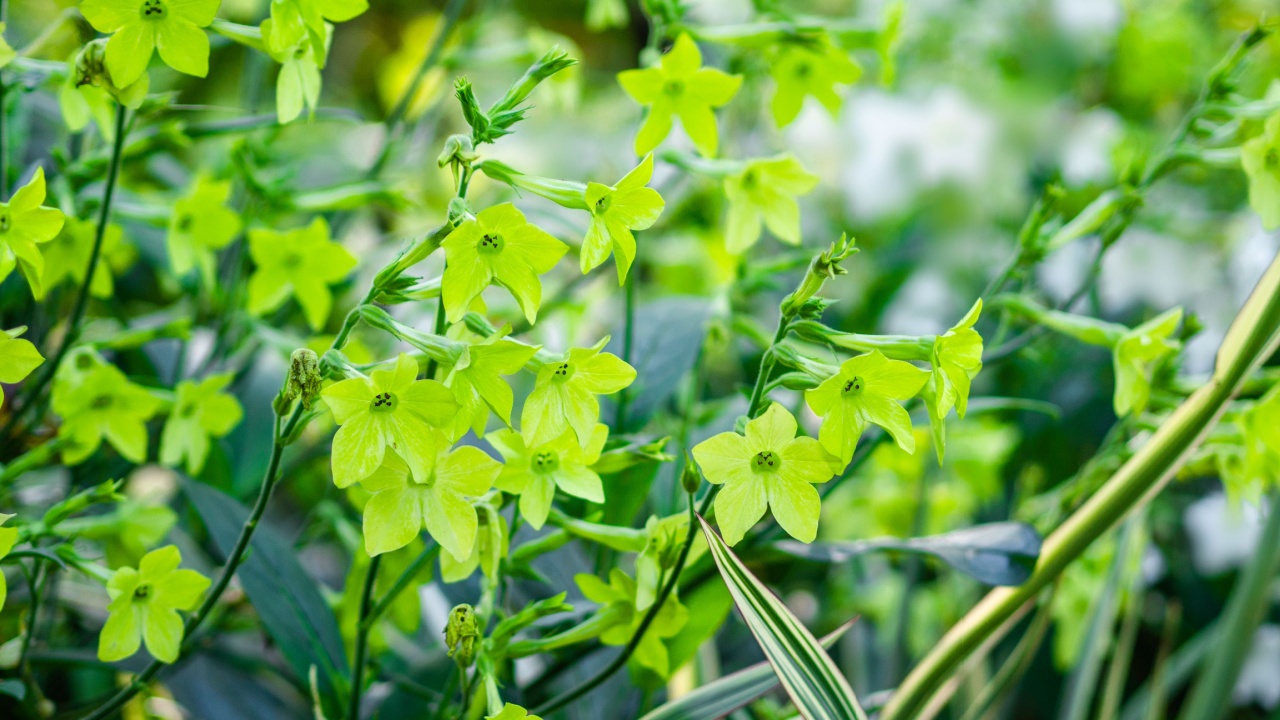
Lime Green Flowering Tobacco (Nicotiana alata) is a sensory delight. Its trumpet-shaped, starry flowers in a brilliant lime green hue seem to float in the air on tall, slender stems. Growing up to 3 feet high, it adds an airy, cottage-garden feel to any planting.
Why it’s a great choice: The main allure of this plant is its fragrance. While pleasant during the day, its sweet, jasmine-like scent intensifies in the evening and at night. This makes it a perfect addition to a moon garden or a seating area where you can enjoy its perfume after sunset. It’s also a favorite of nocturnal pollinators like moths.
Care at a Glance:
- Type: Annual
- Sunlight: Full sun to light shade
- Soil: Rich, moist, well-drained soil
- Watering: Requires consistent moisture to thrive.
- Tip: It can self-seed in ideal conditions, so you may be rewarded with new plants the following year.
6. Evergreen Amaryllis
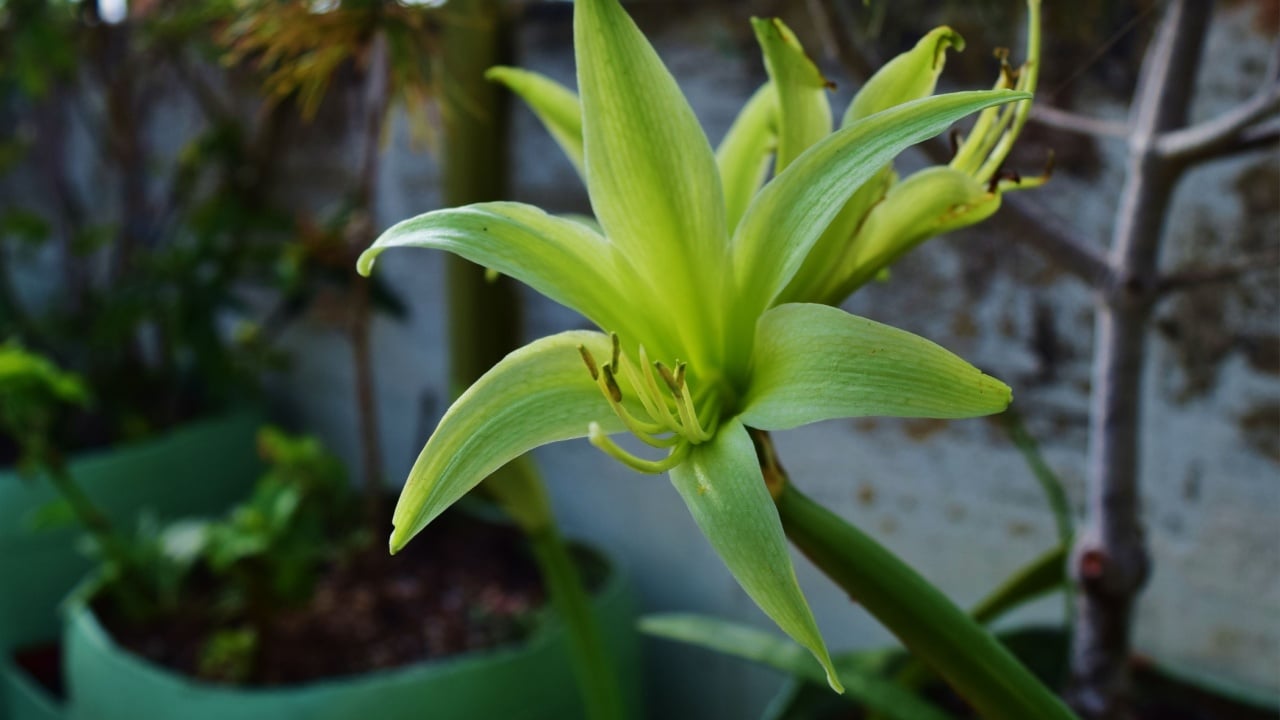
Don’t let the name fool you; this Amaryllis (Hippeastrum) is typically grown as a seasonal indoor plant or a summer bulb outdoors in colder climates. ‘Evergreen’ produces stunning, spider-like blooms in a delicate shade of yellow-green. Each large bulb can send up two stems, each bearing four to six exotic-looking flowers.
Why it’s a great choice: It’s a fantastic way to bring the garden indoors during the winter. Forcing amaryllis bulbs is a simple and rewarding process, taking about eight weeks from planting to bloom. Their statuesque presence and unusual flower shape make them a living centerpiece.
Care at a Glance:
- Type: Tender bulb (usually grown as an annual or houseplant)
- Sunlight: Bright, indirect light
- Soil: Well-draining potting mix
- Watering: Water sparingly until growth appears, then increase watering.
- Tip: After it has finished blooming, you can save the bulb. Let the foliage die back naturally, then store the bulb in a cool, dark place until you’re ready to replant it next season.
7. Sophistica Lime Green Petunia

Petunias are a container-gardening staple, but the ‘Sophistica Lime Green‘ (Petunia x hybrida) variety elevates them from common to chic. Its large, 3.5-inch flowers are a solid, fashionable lime green. The mounding and trailing habit makes it perfect for spilling over the edges of hanging baskets, window boxes, and pots.
Why it’s a great choice: This petunia is bred for performance. It’s heat-tolerant and more forgiving of occasional neglect than older varieties. The striking green color acts as a fantastic “filler” and “spiller” in mixed containers, pairing beautifully with dark purple, hot pink, or pure white flowers.
Care at a Glance:
- Type: Annual
- Sunlight: Full sun is best for maximum blooms.
- Soil: Well-drained, fertile soil
- Watering: Water regularly, especially in containers that dry out quickly.
- Tip: Give it a mid-summer “haircut” by trimming back leggy stems to encourage a new flush of bushy growth and flowers.
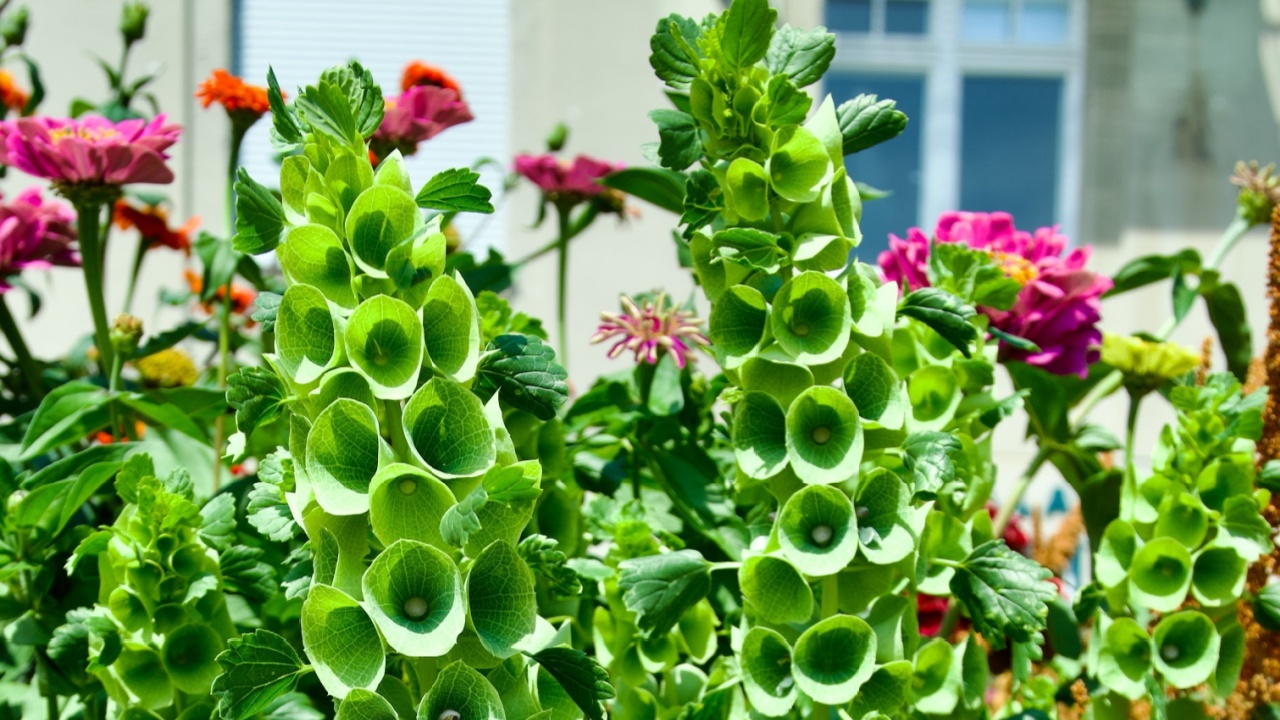
8. Bells of Ireland
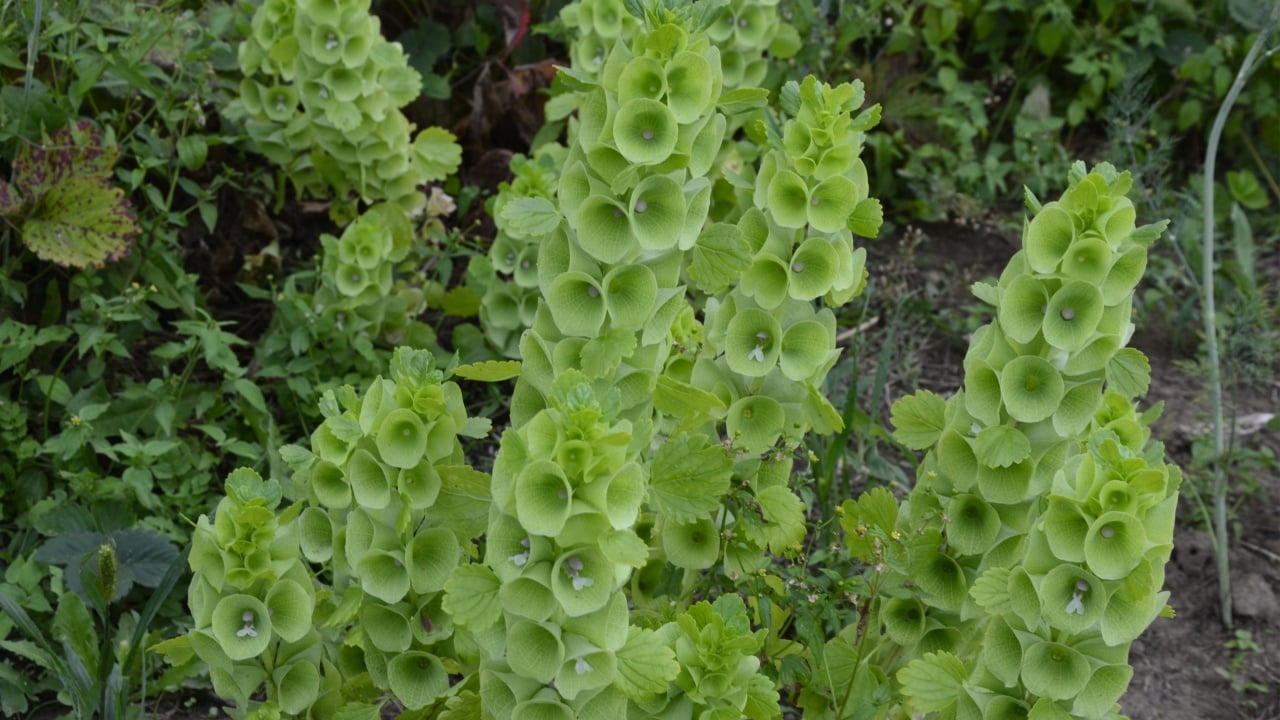
An old-fashioned favorite, Bells of Ireland (Moluccella laevis) are grown not for their true flowers, but for their large, bell-shaped green calyxes. The actual flowers are small and white, hidden within the showy green bells that spiral up tall stems. They have a crisp, clean appearance and a very faint, pleasant scent.
Why it’s a great choice: These plants are a symbol of good luck and make a unique statement in the garden. They are excellent for adding vertical interest and are a classic choice for cut flower arrangements, both fresh and dried. When dried, they retain their shape and color for years.
Care at a Glance:
- Type: Annual
- Sunlight: Full sun
- Soil: Average, well-drained soil
- Watering: Keep consistently watered.
- Tip: The seeds require a period of cold stratification to germinate. You can either sow them directly in the garden in fall or early spring, or chill the seeds in the refrigerator for a week before planting.
9. Green Jewel Coneflower
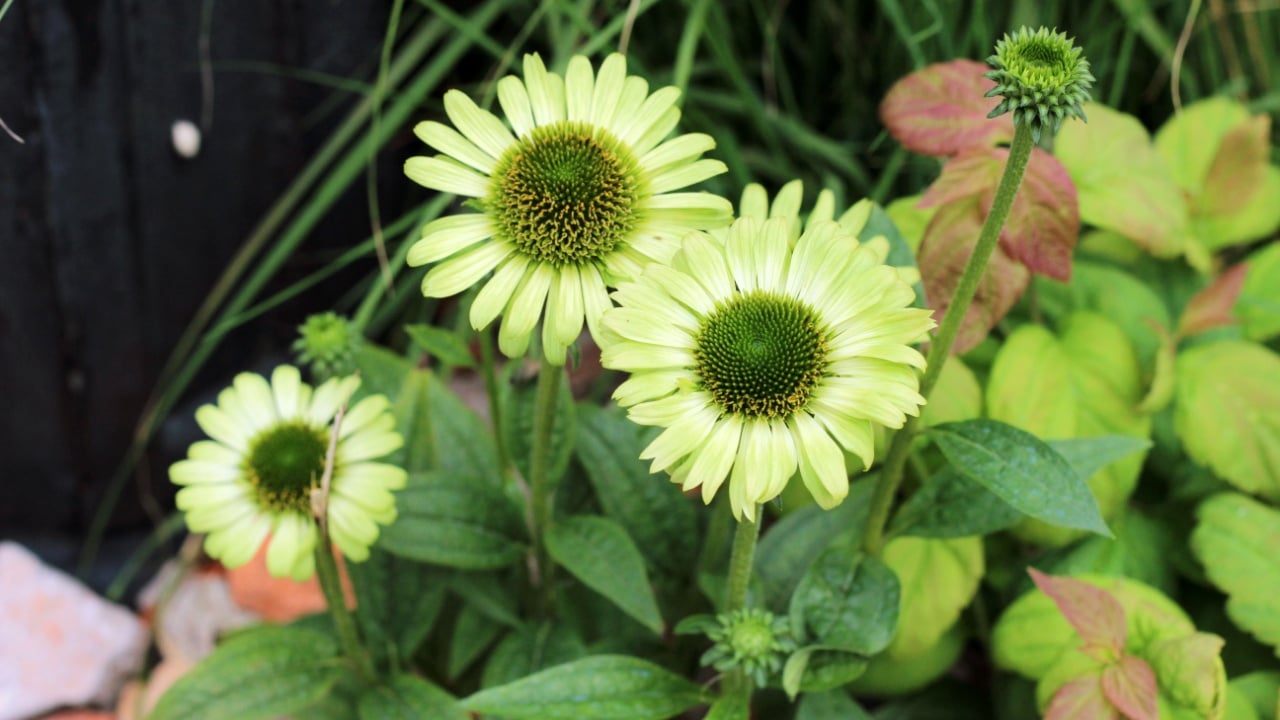
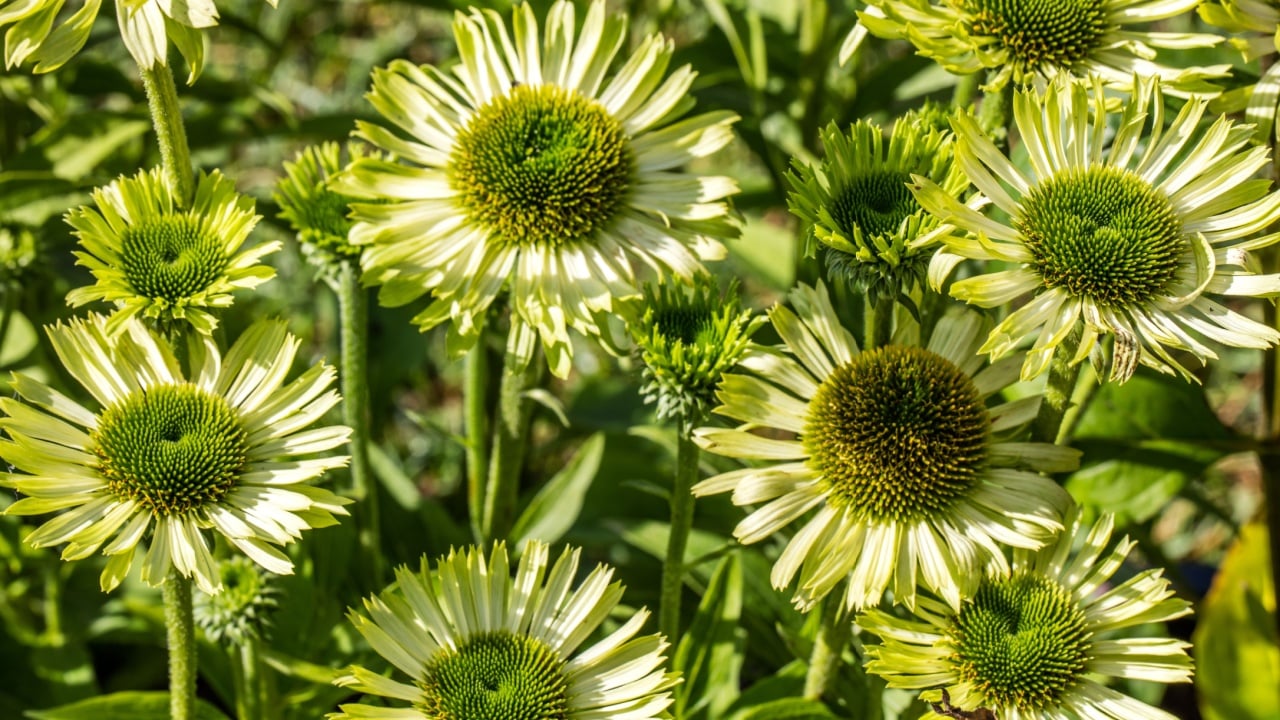
Coneflowers (Echinacea purpurea) are beloved for their daisy-like blooms and pollinator-friendly nature. ‘Green Jewel‘ is a standout variety with fragrant, light green petals that radiate from a large, darker green central cone. It’s a robust perennial that adds a cool, refreshing tone to the summer garden.
Why it’s a great choice: This is a tough, low-maintenance perennial that is drought-tolerant once established. It provides nectar for butterflies like monarchs and swallowtails all summer. In the fall and winter, the seed heads provide food for goldfinches, cardinals, and jays, making it a true multi-season asset.
Care at a Glance:
- Zones: 3 to 9
- Sunlight: Full sun to partial shade
- Soil: Tolerates a wide range of soils but prefers well-drained.
- Watering: Water regularly during its first season; drought-tolerant thereafter.
- Tip: Leave the cones standing through winter for bird feeding and to add structural interest to the dormant garden.
10. Green Spirit Tulip
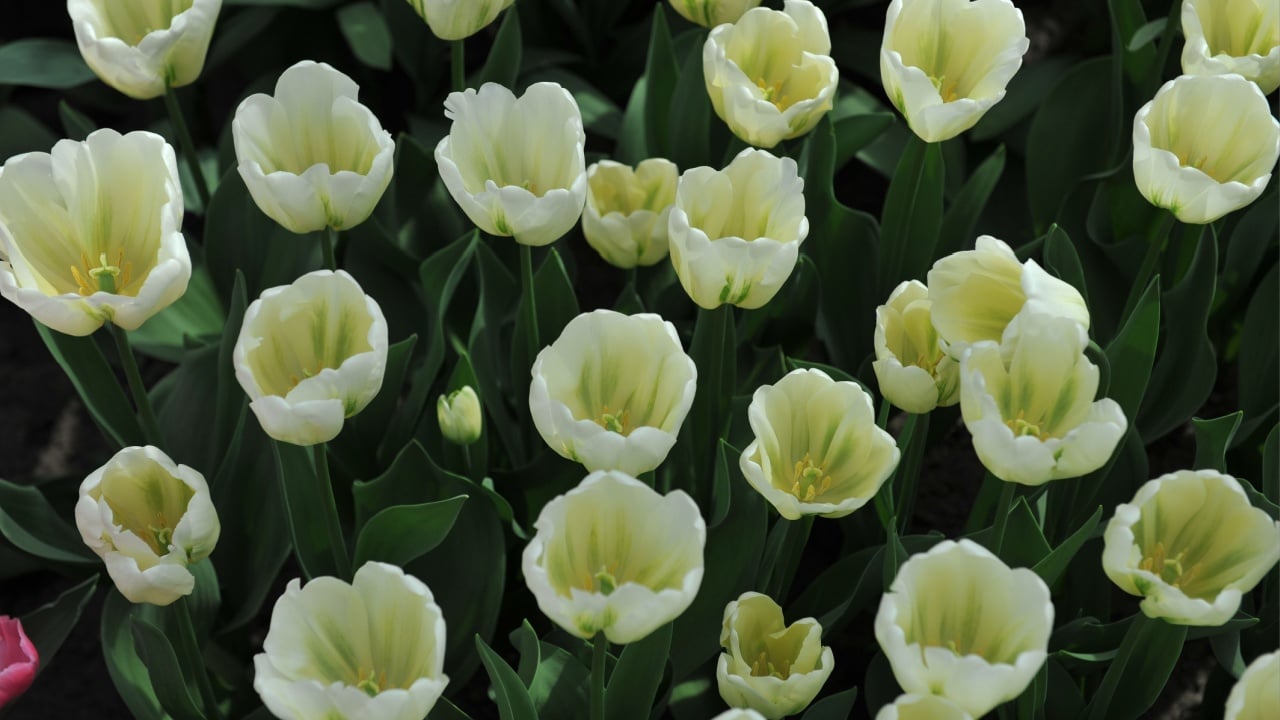
The Green Spirit Tulip (Tulipa) is a viridiflora type, a class of tulips known for the green markings on their petals. ‘Green Spirit’ features creamy ivory petals with a bold, flame-like streak of green up the center of each one. It creates a crisp, elegant look in the mid-spring garden.
Why it’s a great choice: These tulips are known for being long-lasting, both in the garden and in a vase. The green markings help them blend beautifully with their own foliage and other spring greenery, creating a naturalistic feel. They are strong and reliable bloomers.
Care at a Glance:
- Zones: 3 to 8
- Sunlight: Full sun or partial shade
- Soil: Well-drained soil
- Watering: Water after planting in the fall.
- Tip: Plant tulip bulbs in the fall before the ground freezes. For the best visual impact, plant them in groups of at least 10-12 bulbs.
11. Green Wizard Rudbeckia
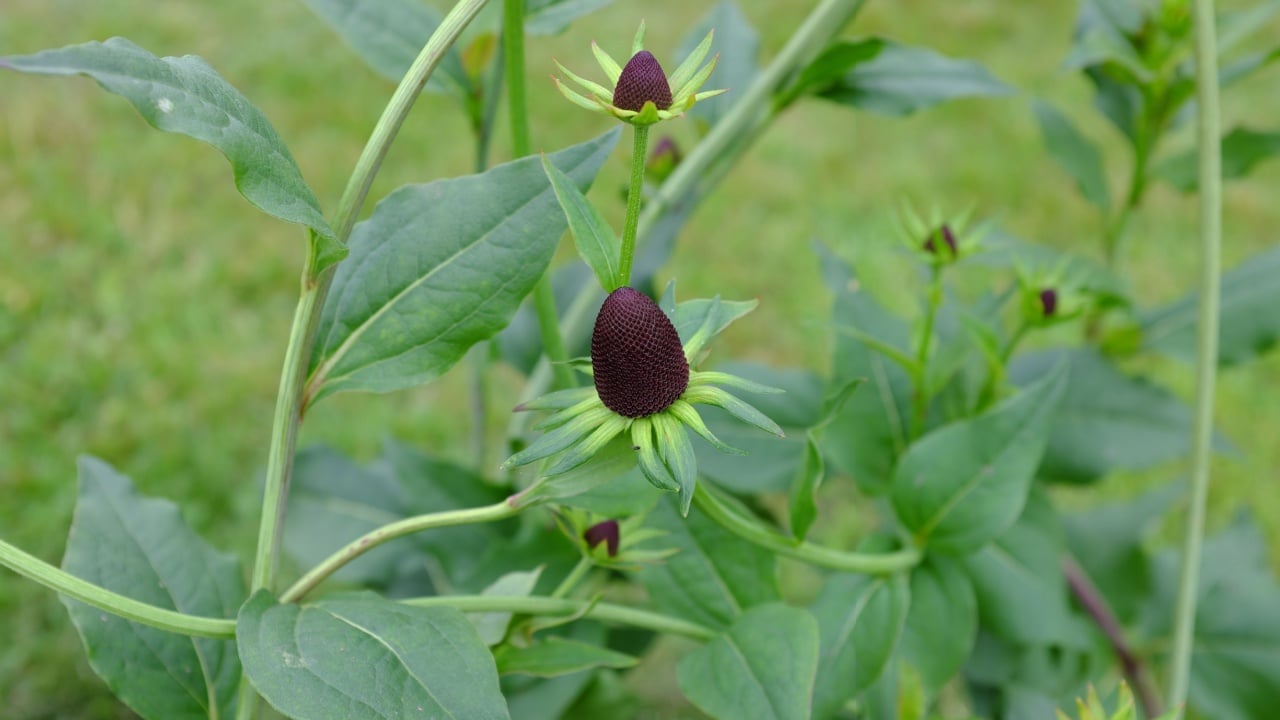
For those who appreciate the unusual, Green Wizard Rudbeckia (Rudbeckia occidentalis) is a captivating choice. This unique plant forgoes petals entirely. Instead, it features very long, deep green sepals that flare out from a prominent, tall, dark chocolate-brown cone. It looks like a flower that is forever in bud.
Why it’s a great choice: It is a structural masterpiece. The dramatic cones and spiky green “collars” provide incredible texture and form that lasts from summer through winter. Birds love the seed heads, and the stems are fantastic for adding a bold, modern touch to flower arrangements. It’s a conversation starter.
Care at a Glance:
- Zones: 3 to 9
- Sunlight: Full sun to partial shade
- Soil: Adapts to most soil types.
- Watering: Average water needs; becomes drought-tolerant once established.
- Tip: This plant can get quite tall (up to 5 feet), so place it in the middle or back of the border where it can create a dramatic backdrop.
Cultivating a Beautiful Green Garden
Feeling inspired to go green? The next step is to start planning. Think about where these unique flowers could fit into your existing garden. Could a Little Lime Hydrangea anchor a corner bed? Would a drift of Green Spirit Tulips look perfect along a walkway in spring?
Consider companion plants that will make your green blooms pop. Dark foliage, like that of a ‘Black Lace’ elderberry or a dark-leaved heuchera, can create a stunning contrast. Silver-leafed plants like Lamb’s Ear or Artemisia also provide a beautiful backdrop. Don’t be afraid to experiment. A garden is your canvas, and adding a touch of green is a wonderful way to express your creativity.
Read more
15 Beautiful Orange Flowers to Add to the Yard
18 Flowers That Cost Almost Nothing and Make Your Garden Look Like a Million Dollars