14 Mistakes That Can Cost You Your Home or Life
How often do we hear horror stories about injuries and fires that could be prevented with awareness? Let’s explore.
Home should be our sanctuary, a place of comfort and safety. However, according to first responders who witness the aftermath of preventable accidents daily, many of us unknowingly create hazards right under our own roofs. From EMTs to firefighters, these professionals have seen countless emergencies that could have been avoided with simple awareness and precaution.
From fire risks to trip hazards, many dangers lurk in plain sight. This guide explores 14 common mistakes people make at home and provides actionable steps to prevent them.
Where This Information Comes From
The safety insights and statistics in this guide are drawn from a range of authoritative sources, including national fire protection agencies, emergency medical services, poison control centers, consumer safety commissions, and government health organizations. These findings reflect the real-world experiences of first responders and public safety professionals who regularly deal with preventable home accidents.
1. Leaving Trip Hazards Unchecked

Loose rugs, garden hoses, and cluttered walkways are among the top causes of falls at home. According to the CDC, falls are the leading cause of injury-related death among adults over 65. In gardens, tools left out or uneven pavers can be just as dangerous.
Falls often happen in familiar places because people let their guard down. First responders recommend regular walkthroughs of your home and yard to spot potential hazards. Use lighting, secure rugs, and store tools properly to reduce risk.
Quick actionable tips:
- Secure rugs with non-slip pads
- Coil and store hoses after use
- Level uneven garden paths
- Install motion-sensor lights outdoors
- Keep walkways clear of clutter
2. Overloading Electrical Outlets

Plugging too many devices into one outlet can cause overheating and fires. The NFPA reports that electrical failures or malfunctions are involved in 13% of home fires.
In garden sheds or outdoor kitchens, extension cords and power strips are often misused. Use surge protectors and avoid daisy-chaining cords to prevent electrical issues. Consider hiring an electrician to install outdoor-rated outlets.
Quick actionable tips:
- Use surge protectors
- Avoid plugging multiple high-wattage devices into one outlet
- Replace damaged cords immediately
- Use outdoor-rated extension cords
- Don’t run cords under rugs or across walkways
3. Ignoring Dryer Lint Build-Up

Lint buildup in dryer vents is a significant fire hazard. The U.S. Fire Administration estimates that 2,900 dryer fires occur annually, primarily caused by lint.
Clean the lint trap after every load and inspect the vent hose monthly. For garden lovers who dry muddy clothes or pet bedding, lint builds up faster than expected.
Quick actionable tips:
- Clean the lint trap after each use
- Inspect the vent hose monthly
- Use a vacuum to clean inside the dryer
- Replace flexible foil ducts with rigid metal
- Schedule annual professional cleaning
4. Leaving Candles or Incense Unattended
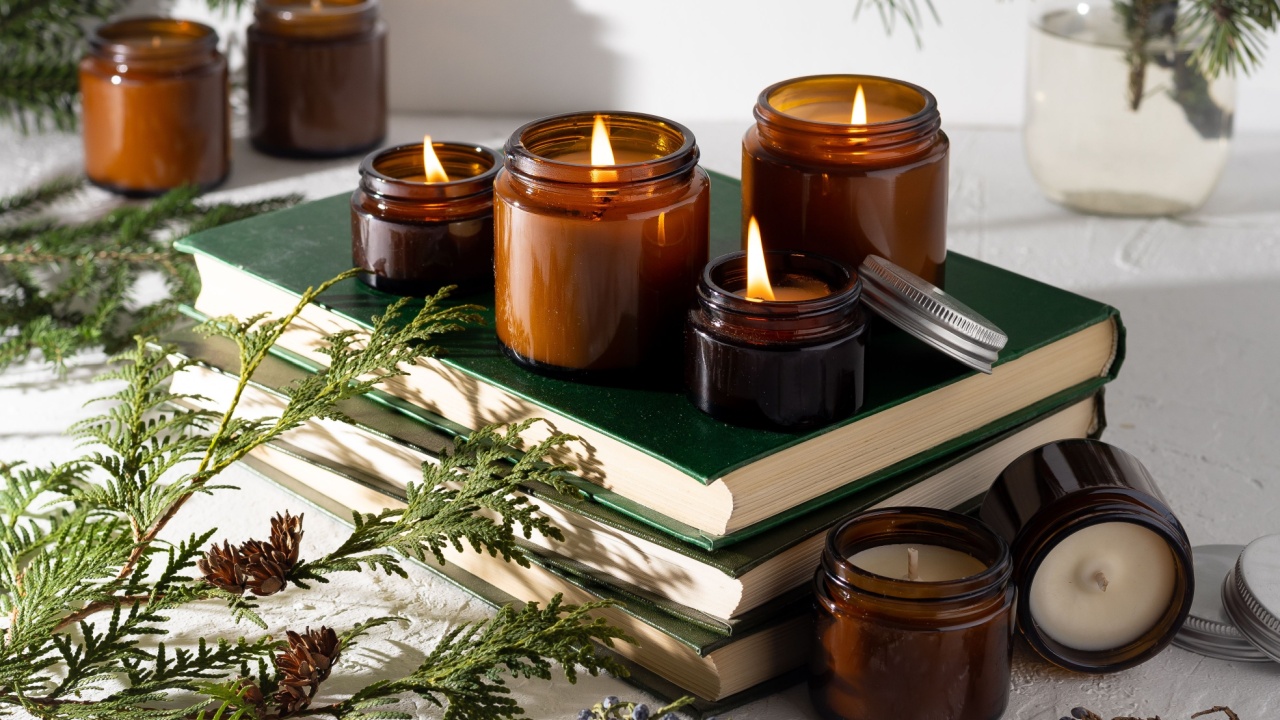
Open flames are cozy but risky. NFPA data shows that candles cause 5830 home fires annually. In garden rooms or patios, wind can tip candles or spread flames.
Use flameless LED candles or keep flames within sight. Avoid placing candles near curtains, plants, or wooden decor.
Quick actionable tips:
- Use flameless candles
- Never leave burning candles unattended
- Keep flames away from flammable items
- Use sturdy holders
- Extinguish candles before leaving the room
5. Storing Chemicals Improperly
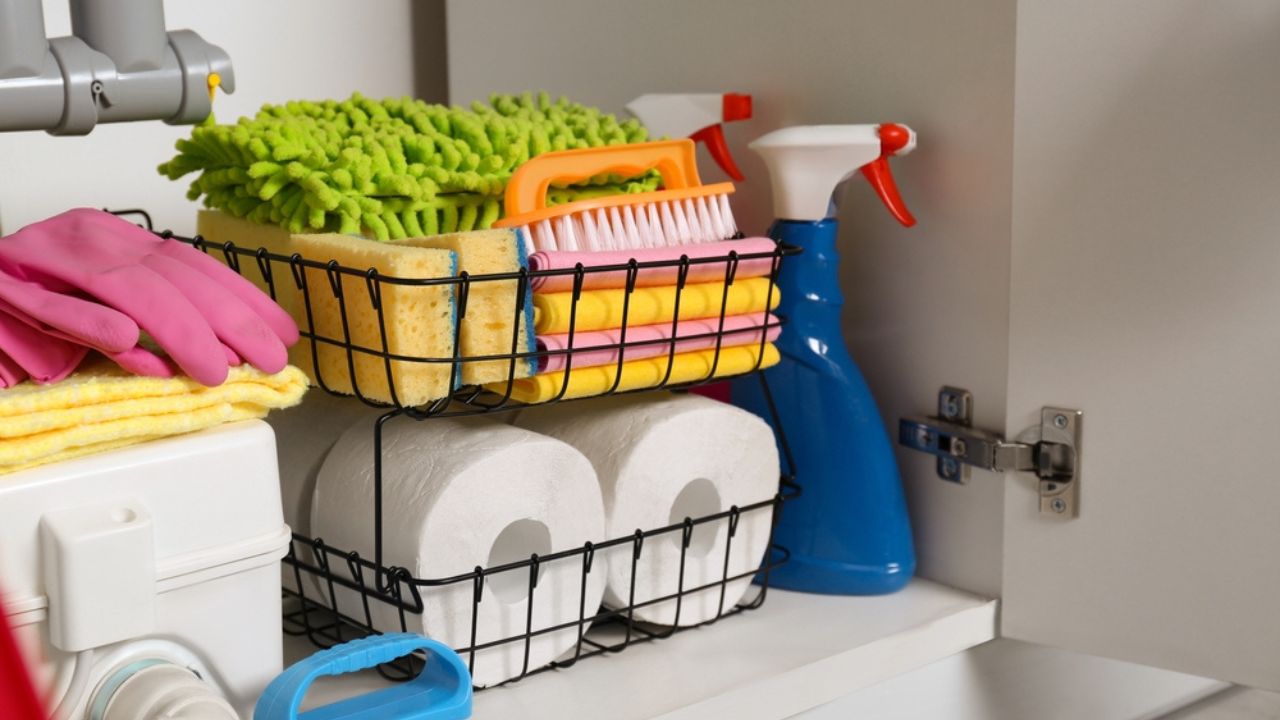
Gardeners often store fertilizers, pesticides, and cleaners in sheds or garages. Improper storage can lead to poisoning, fires, or chemical reactions.
According to Ready.gov, poisoning is a leading cause of home injury. Store chemicals in original containers, away from children and pets, and never mix products.
Quick actionable tips:
- Store chemicals in original containers
- Keep out of reach of children and pets
- Avoid mixing products
- Use locked cabinets for hazardous items
- Label everything clearly
6. Blocking Fire Exits
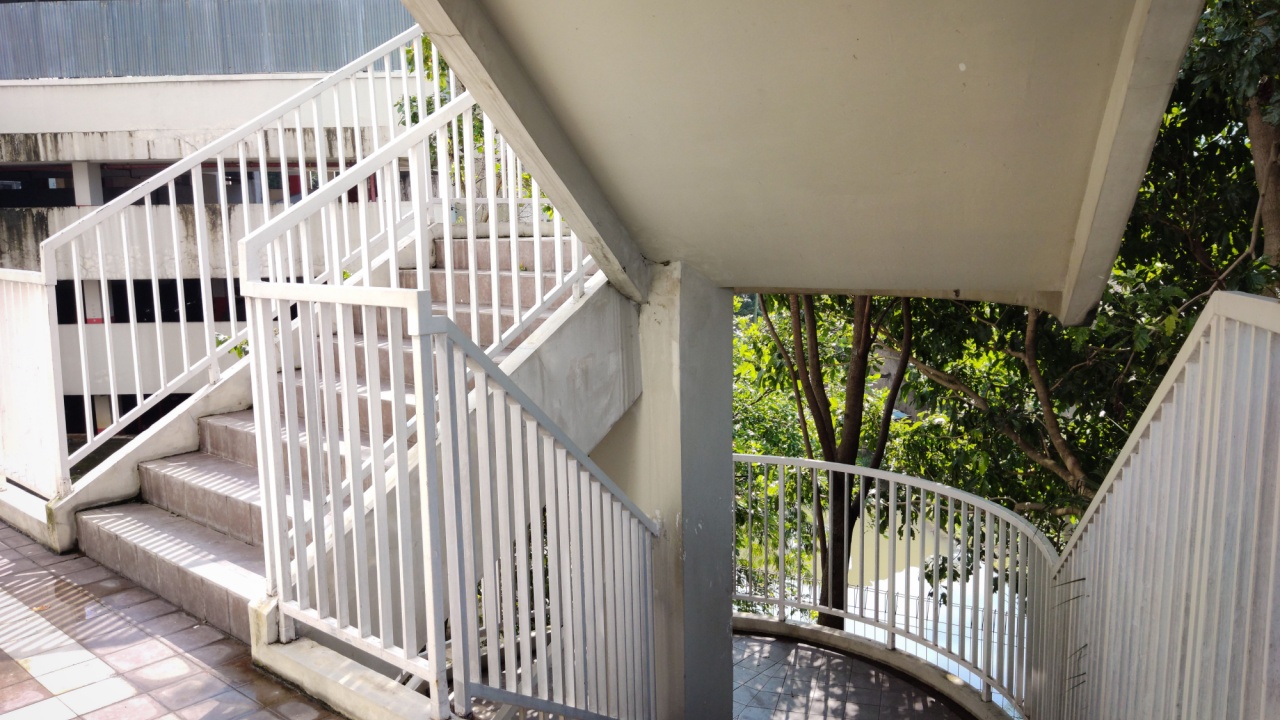
Furniture, plants, or garden tools can block exits. In emergencies, every second counts. NFPA recommends keeping all exits clear and accessible.
Walk through your home and yard to ensure exits are unobstructed. Practice fire drills with family to reinforce escape routes.
Quick actionable tips:
- Keep exits clear
- Don’t block doors with furniture or decor
- Trim plants near exit paths
- Practice fire drills
- Install smoke detectors near exits
7. Using Grills Too Close to Structures

Grills should be placed at least 10 feet from buildings. According to a report, more than 9000 home fires annually involve grills.
Avoid grilling under overhangs or near fences. Clean grease trays regularly and keep a fire extinguisher nearby.
Quick actionable tips:
- Grill 10+ feet from structures
- Don’t grill under overhangs
- Clean grease trays often
- Keep an extinguisher nearby
- Never leave the grill unattended
8. Not Securing Heavy Furniture

Bookshelves, garden benches, and tool racks can tip over. The Consumer Product Safety Commission reports over 22,500 tip-over injuries annually.
Anchor heavy items to walls and avoid placing climbable objects near them. Especially important in homes with kids or pets.
Quick actionable tips:
- Anchor furniture to walls
- Avoid placing toys near heavy items
- Use anti-tip brackets
- Don’t overload shelves
- Keep climbing hazards away
9. Leaving Medications Accessible
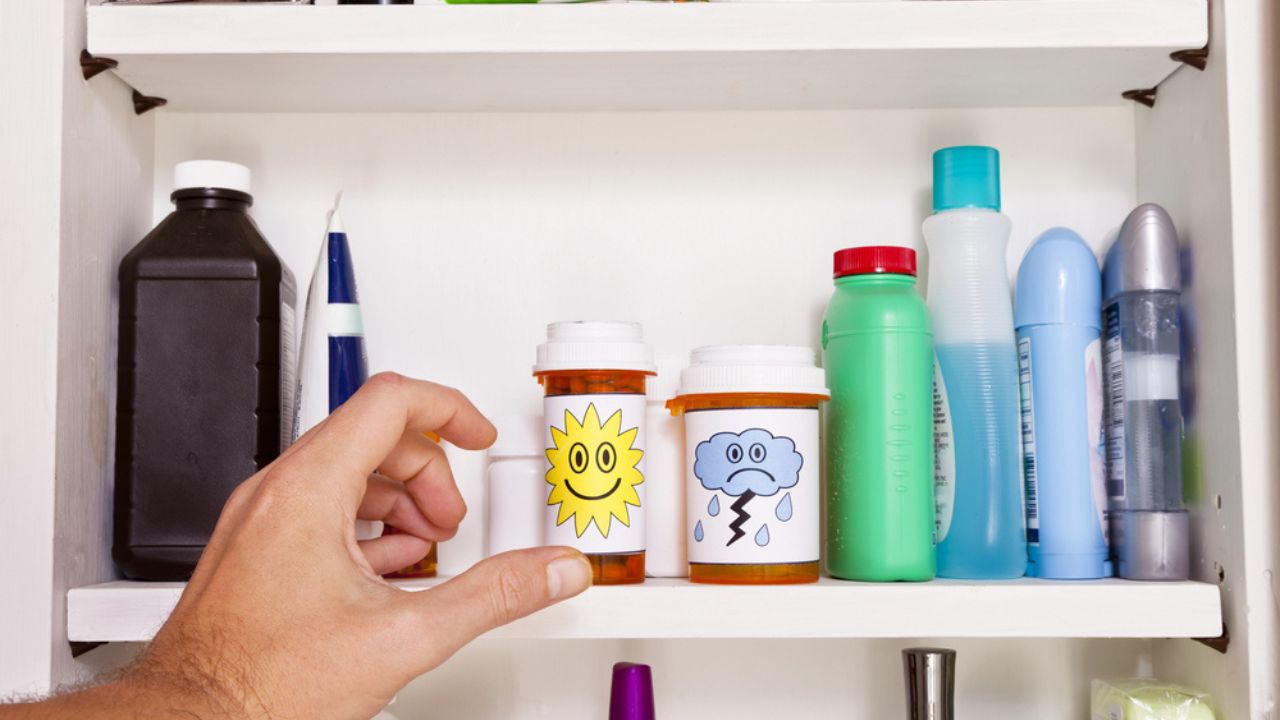
Medications should be stored securely. Poison Control centers receive over 2 million calls annually, many involving children. Use lockable cabinets and dispose of expired meds properly.
Quick actionable tips:
- Store meds in locked cabinets
- Keep out of reach of children
- Dispose of expired meds safely
- Don’t share prescriptions
- Label clearly
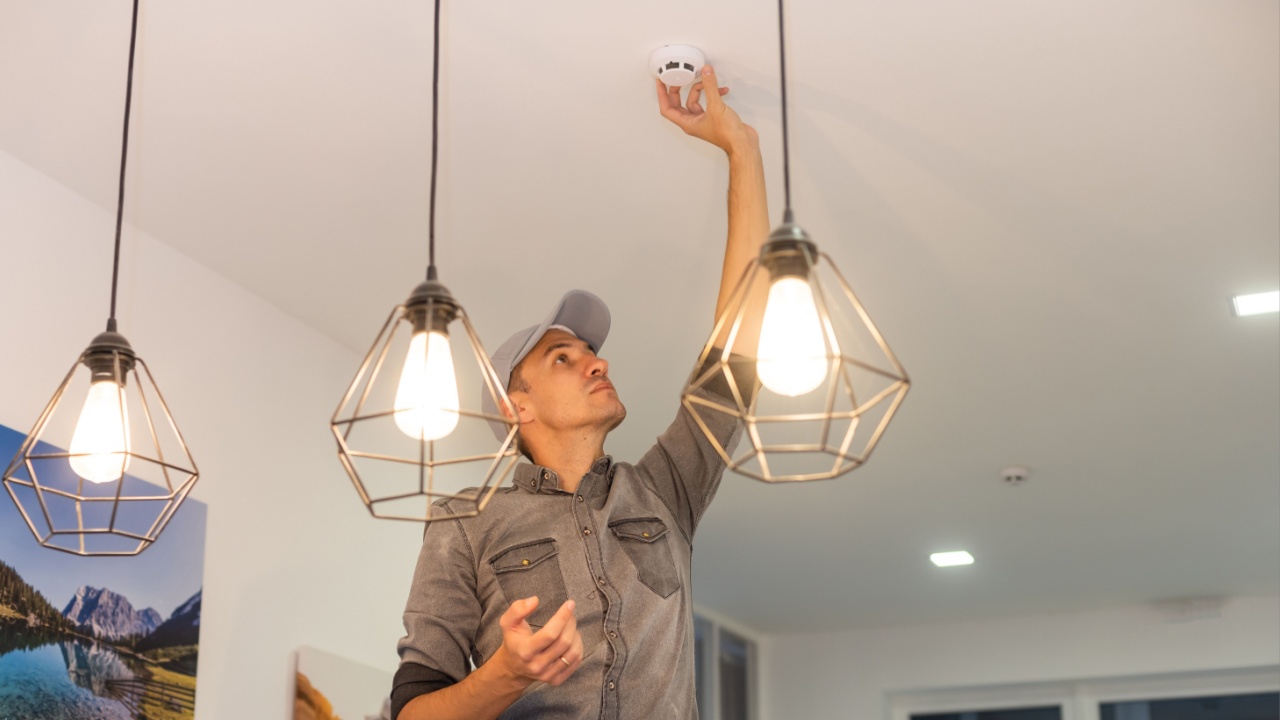
10. Forgetting to Check Smoke and CO Detectors

Smoke and carbon monoxide detectors save lives. NFPA recommends testing monthly and replacing batteries annually.
Install detectors near bedrooms and garden rooms with heaters or stoves. Replace units every 10 years.
Quick actionable tips:
- Test monthly
- Replace batteries yearly
- Install near sleeping areas
- Replace units every 10 years
- Use combo smoke/CO detectors
11. Not Calling 911 Soon Enough

In a medical emergency, such as a stroke or heart attack, every second counts. Waiting to “see what happens” can mean missing the window for life-saving treatment. The biggest mistake? Not calling 911 fast enough. Quick action can make the difference between recovery and permanent disability. Don’t wait, act fast!
Quick actionable tips:
- Trust your instincts. If something feels seriously wrong, call immediately
- Remember: “Wait and see” can mean permanent damage
- Keep emergency numbers easily accessible
- Don’t worry about “bothering” emergency services
12. Not Labeling Circuit Breakers
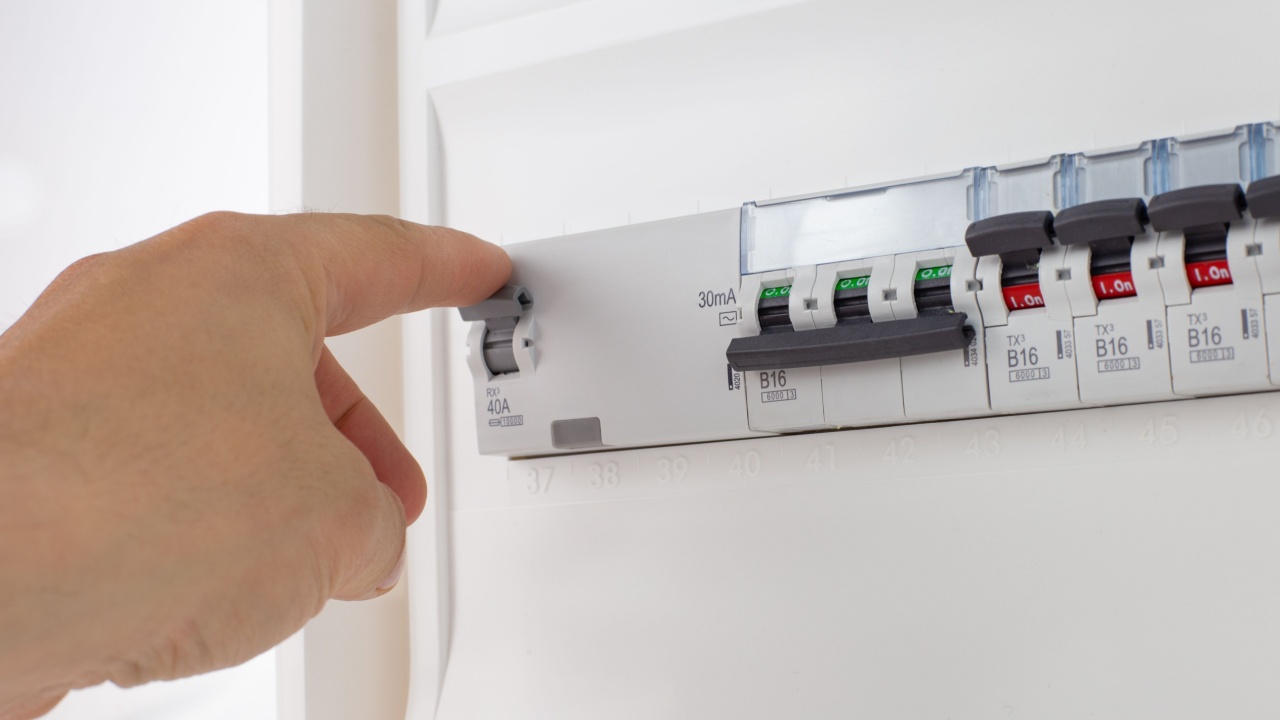
Unlabeled breakers delay emergency response. Label each switch clearly and keep a map nearby. In garden sheds or outdoor kitchens, this helps shut off power quickly if needed.
Quick actionable tips:
- Label each breaker
- Keep a circuit map
- Test switches annually
- Use waterproof labels outdoors
- Teach the family how to use the panel
13. Using Space Heaters Unsafely
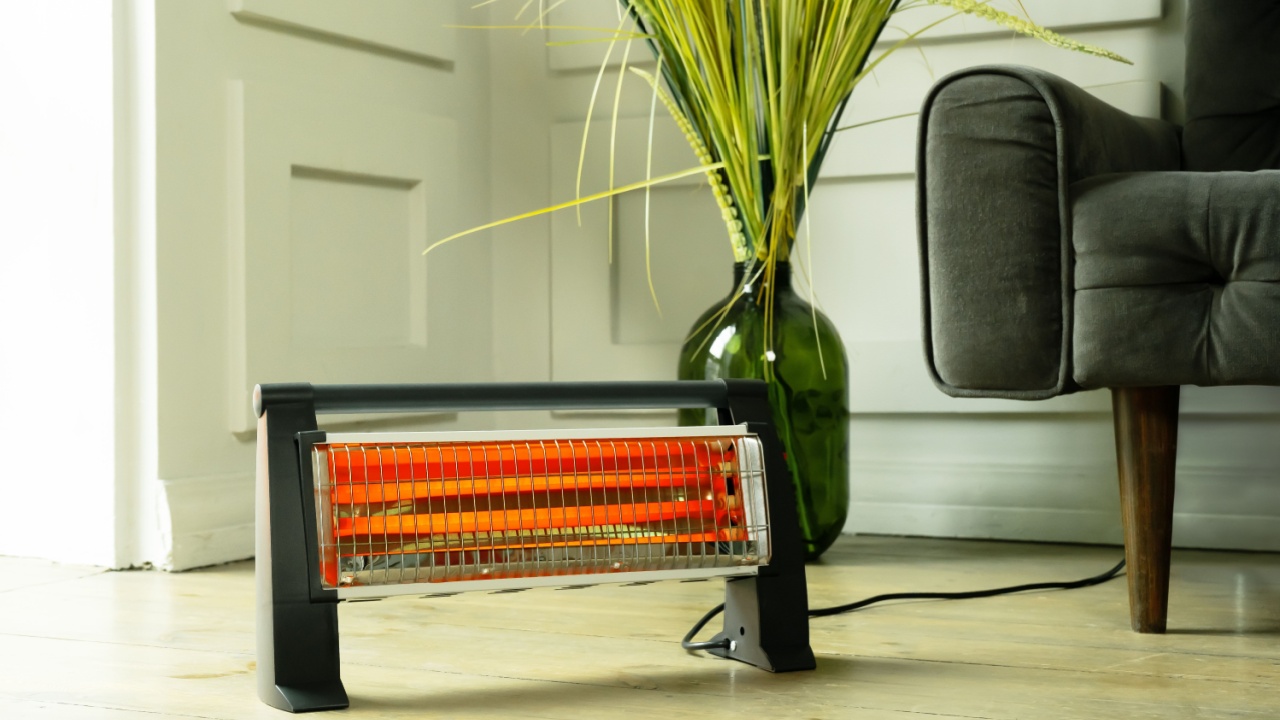
Space heaters cause over 1,700 fires annually. Keep them 3 feet from flammable items and never leave them unattended. Use models with tip-over shutoff and avoid extension cords.
Quick actionable tips:
- Keep 3 feet of clearance
- Use tip-over shutoff models
- Don’t use with extension cords
- Turn off when leaving the room
- Inspect cords and plugs
14. Dangerous Hair Habits

Long, loose hair can get caught in motors, belts, carnival rides, or even pool equipment, leading to scalp injuries that are both devastating and potentially fatal. These accidents happen in seconds, hair gets caught, and the person is pulled in before they can react.
Always secure long hair in a tight bun or braid, and avoid loose scarves or clothing that could also get caught in moving equipment.
Quick Action Items:
- Always tie long hair back securely, especially around machinery
- Use hair ties or clips that won’t easily break
- Be extra vigilant at fairs, carnivals, and outdoor events
- Teach children about hair safety around equipment
A Safer Home and Garden

Safety isn’t just about avoiding accidents; it’s about creating a space where you and your loved ones can thrive. Start by walking through your home and garden with this list in hand. Fix what you can today, and schedule time to tackle bigger projects.
Consider joining a local fire safety workshop or checking your local extension office for home safety resources.
Read more
The Landscaping Mistake That’s Making Your Home a Wildfire Target (And 8 Plants to Fix It)
Burning These 12 Woods Poses Serious Risks to Your Home and Health