How to Eradicate Bindweed in Your Garden Once and for All
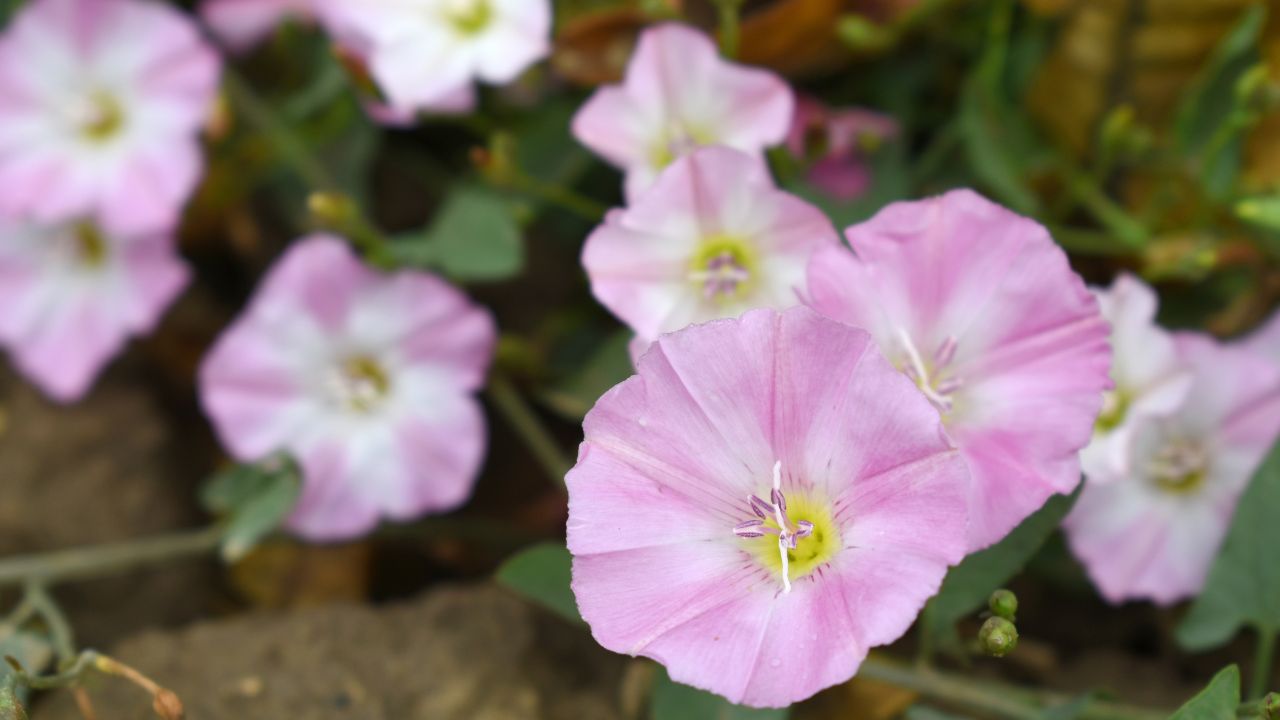
If your bindweed attack strategy is to spend the summer dumping boiling water or vinegar on bindweed, you’re fighting the wrong part of the plant. Everything you can see above the soil, like the twining stems and the trumpet-shaped flowers, is essentially disposable to bindweed. The plant’s real survival strategy lives underground, where a network of roots and rhizomes can run 20 feet deep and regenerate from a fragment as small as two inches.
The bindweed root system is why so many of the “natural” remedies gardeners try first quietly fail. Vinegar and boiling water scorch the leaves and stems on contact, which can look like a win for a few days, but neither one reaches deep enough to touch the root system that’s actually running the show. Within a couple of weeks, new shoots push up from the same roots, and the cycle starts over.
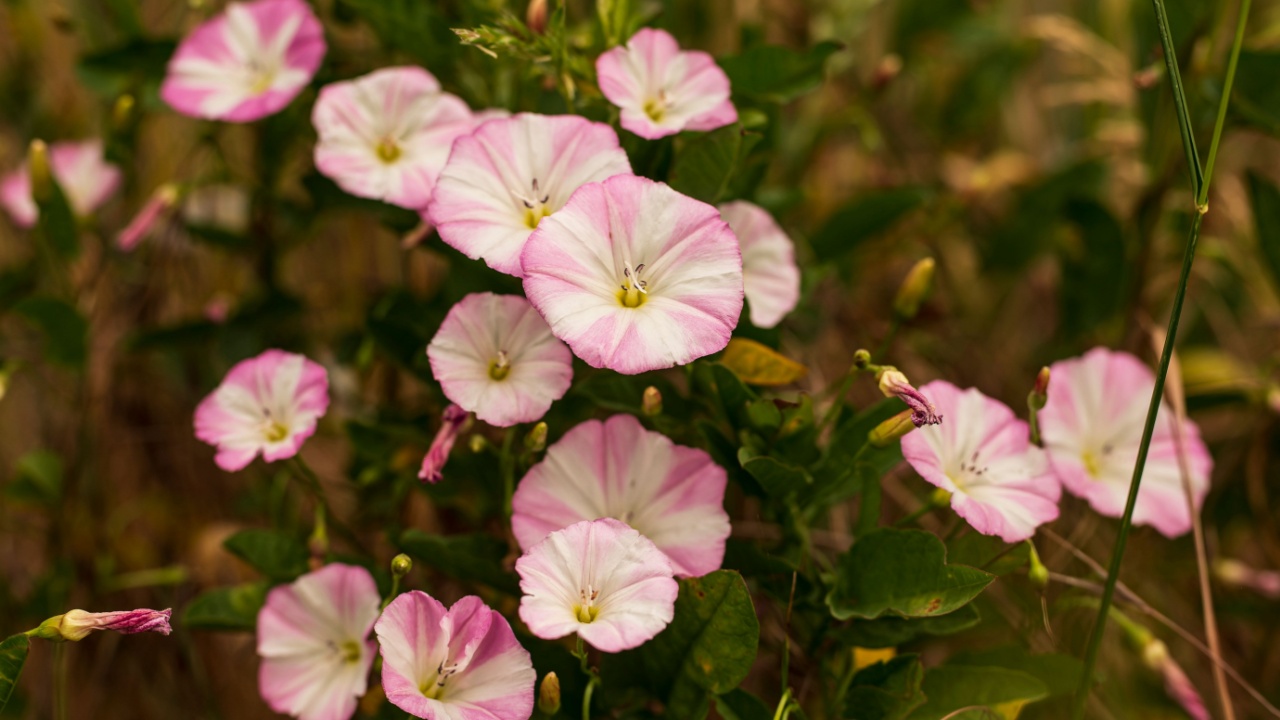
Right now, in the thick of the summer growing season, is exactly when this cycle tends to feel most defeating; bindweed flowers from June through September, and it’s putting on its most aggressive growth of the year. The good news is that this same window is also the best time to actually get ahead of it, because bindweed is easiest to weaken while it’s actively growing and flowering.
So before you reach for another bottle of vinegar, try reading about what actually works, why the roots are the real target, and how to keep this weed from creeping back in from next door.
The Bindweed Myth That Wastes an Entire Summer
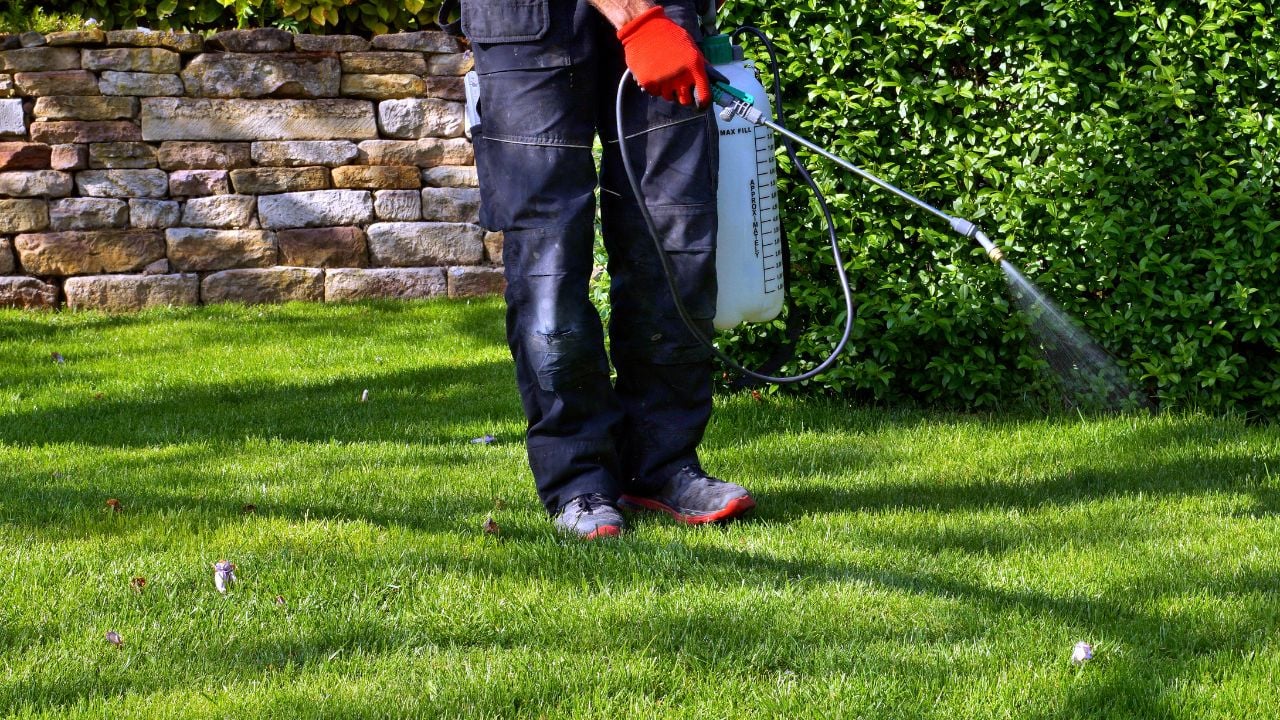
Vinegar and boiling water are two of the most commonly recommended home remedies for bindweed, and both share the same fatal flaw: they only ever touch what’s above the soil. As the Royal Horticultural Society puts it plainly, vinegar is “not an effective control method” for bindweed, despite how often it’s suggested.
According to the University of California’s Statewide IPM Program, field bindweed roots can extend 20 feet or more into the ground, and its seeds can remain viable in soil for up to 60 years. Roughly 70% of that root mass sits in just the top two feet of soil, close enough to reach with a garden fork, but far too deep for any surface treatment to touch. That’s the entire reason surface remedies feel like they “almost” work: they kill everything you can see while leaving everything that matters untouched.
5 Bindweed Removal Methods That Actually Work
- Fork out the roots, repeatedly. Use a garden fork, not a tiller, and dig as deep as possible to lift roots intact rather than chopping them into more plants. As Weston Miller of Oregon State University Extension explains, “you must remove the root to keep the plant from coming back.” Plan to repeat this every two to three weeks throughout the growing season.
- Smother it with a tarp or landscape fabric. Cover the area completely, sealing the edges so no light reaches the soil. This starves the roots over time, though full eradication with this method can take one to several years, so it’s best suited for beds you can take out of use temporarily.
- Improve your lawn’s health. If bindweed is showing up in turf, PlantTalk Colorado notes that regular fertilization, consistent irrigation, and mowing between 2½ and 3 inches make it dramatically harder for bindweed to compete, since it thrives in stressed, thin lawns and struggles in dense, healthy ones.
- Scout and remove new shoots weekly. Every new shoot you snip or pull before it leafs out costs the root system stored energy it can’t get back. Consistency matters more than any single tool here; missing even a few weeks lets the plant regain ground.
- Release bindweed gall mites for a slow, long-term assist. A microscopic species called Aceria malherbae, known as the bindweed gall mite, feeds exclusively on field bindweed and causes leaf galls that, as the Colorado Department of Agriculture explains, “reduces flowering and stunts the growth” of infested plants. It won’t replace digging or herbicide, and it’s not something you can just order online; availability is limited to state biological control programs, and it typically takes a year or more before infested plants start to die back. Think of it as a background assist for large, established patches rather than a stand-alone fix.
- Use a systemic herbicide as a last resort, applied correctly. If cultural and physical methods aren’t enough, a systemic product like glyphosate, applied while the plant is actively flowering, will translocate down into the roots rather than just killing the leaves. Expect to reapply, since a single treatment rarely finishes the job.
If You Use an Herbicide, the Label Is the Law

Before you spray anything, know this: an herbicide label isn’t just a suggestion; it’s a legal document. Oregon State University Extension is direct about it: using an herbicide in a way that isn’t listed on its label is illegal and can result in enforcement action. That means reading the entire label, front to back, even for a product you’ve used before.
This matters for safety, too. Children and pets can be exposed if they touch or eat plants that are still wet with spray, so keep them off treated areas until the label’s re-entry period has passed, and remove toys or pet dishes from the yard before you apply anything.
Stopping Bindweed From Sneaking in From Next Door
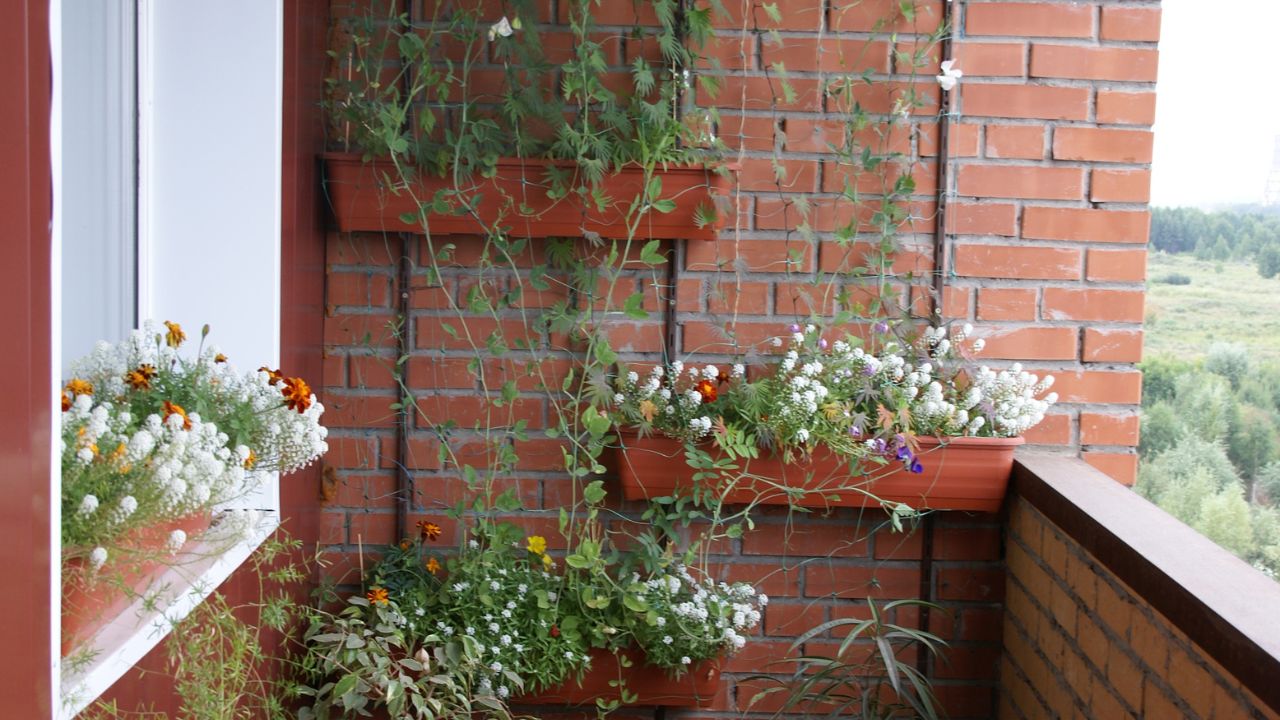
If you’ve cleared your own yard and bindweed keeps showing up along one fence line, the source may not be your garden at all. The Royal Horticultural Society recommends inserting a solid, vertical barrier at least 18 inches deep along property lines to physically block roots from migrating in from a neighboring yard. It won’t fix an existing infestation, but it can stop a clean bed from being reinfected from outside your control.
Why This Month Is Prime Time to Fight Back

Bindweed’s root system runs deep, but that doesn’t mean every part of the plant is equally vulnerable year-round. According to Marcelo Moretti, an Oregon State University Extension weed specialist, “most of the horizontal roots grow in the top two feet” of soil, and this is the layer that’s easiest to disrupt while the plant is actively pushing new growth during peak summer. Waiting until fall, when the plant is winding down and redirecting energy back into its roots, makes the same effort far less effective.
Set realistic expectations before you start battling bindweed: most sources agree that fully eliminating an established bindweed patch takes three to five years of consistent effort, not one aggressive weekend. Pick one or two methods from the list above, build a weekly scouting habit into your garden routine, and resist the urge to till or rototill the area, since that only chops roots into more plants.
Bindweed didn’t take over your garden overnight, and it won’t leave overnight either. But every root you fork out, every new shoot you catch early, and every barrier you install is depleting a plant that can’t recover forever. As the team at Epic Gardening puts it, “don’t expect to pull it once and watch it disappear forever,” but with a few seasons of consistent attention, this is a weed you can genuinely wear down.
Read More
Washing Your Lettuce Won’t Remove Cyclosporiasis, But Growing Your Own Will
Your Grandmother Stored These 8 Foods All Winter Without Canning a Single Jar