Yes, Plants Talk and Feel: Here’s How
It sounds like a nice joke, doesn’t it? The idea that your peace lily is gossiping with your fern, or the tomato plants are coordinating their growth spurts. Well, it’s not a joke at all. Plants have a complex and fascinating social life. They just don’t use words. Instead, they use a silent language of chemicals, electrical pulses, and hidden networks to chat with their neighbors, listen for and warn of danger, and even call for help.
This post will explore ten incredible ways plants communicate. You’ll learn how they send messages through the air, share resources underground, and use color to get what they need. It’s a secret world happening right in your backyard.
1. Sending Messages on the Wind

Plants can release special airborne chemicals called volatile organic compounds, or VOCs, to send messages through the air. You can think of it as their version of a scented text message. When a plant is munched on by a hungry caterpillar, it doesn’t just sit there and take it. It releases specific VOCs into the surrounding air, creating a chemical “scream” that travels on the breeze.
This airborne alarm system warns nearby plants of the impending danger. A neighboring tomato plant that catches a whiff of this signal will start to produce defensive compounds in its leaves, making them taste terrible to the invader. This way, even before the caterpillar arrives, the whole neighborhood is prepared for the attack.
2. Using Underground Chemical Signals
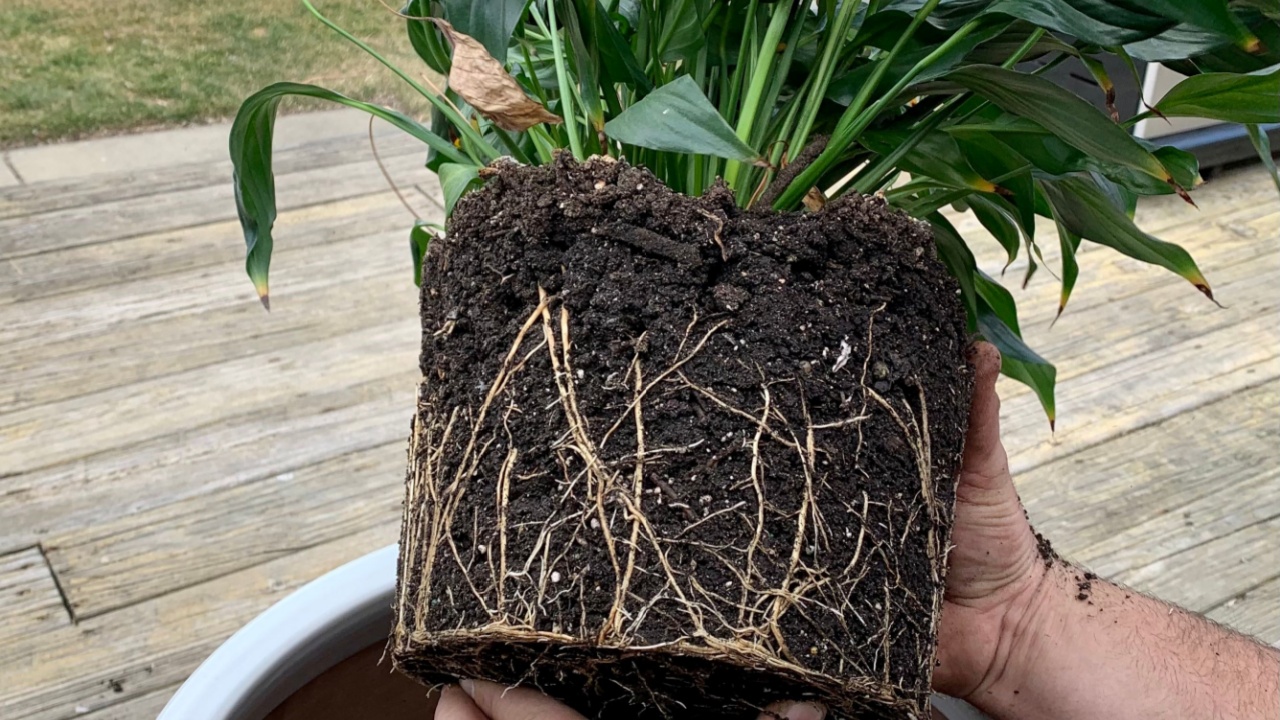
The conversation doesn’t stop above ground. Beneath the soil, a plant’s roots are constantly leaking a cocktail of chemicals called exudates. These substances aren’t just waste products; they are deliberate messages sent into the soil to communicate with other roots and soil organisms. It’s a sophisticated way for a plant to manage its immediate underground environment.
These root exudates can do many things. Some can encourage the growth of beneficial bacteria that help the plant absorb nutrients. Others can signal to the roots of a neighboring plant, sometimes to share information and sometimes to compete for resources. It’s a busy communication hub right under our feet, where roots are negotiating territory and forming alliances.
3. The “Wood Wide Web”

Many plants form a partnership with mycorrhizal fungi, creating a vast underground network that connects the roots of different trees and plants, sometimes across huge areas. Scientists have nicknamed this the “Wood Wide Web.” It functions like an organic internet, allowing plants to share resources and information with one another.
Through this fungal network, a well-established tree can send sugars and nutrients to a younger sapling struggling in the shade. It’s a way for the plant community to support its weakest members. This network can also transmit warning signals about pests or diseases far more quickly and efficiently than airborne signals alone, creating a truly interconnected forest community.
4. Sending Electrical Signals

Just like in our own nervous system, plants use electrical signals to send rapid messages throughout their tissues. When a leaf is damaged, it can generate an electrical pulse that travels down the stem to the rest of the plant. This is one of the fastest ways a plant can react to a threat.
This electrical message acts as an internal alarm, telling other parts of the plant to activate their defenses. For example, a Venus flytrap uses electrical signals triggered by an insect touching its sensitive hairs to snap shut. While not as complex as an animal’s brain, this system shows that plants can process information and react with surprising speed.
5. Feeling the Vibrations

Plants can perceive acoustic vibrations. Research has shown that plants can detect the specific sound frequencies of a chewing caterpillar. It’s not hearing in the way we understand it, but a physical response to the vibrations traveling through their leaves and stems.
When a plant “hears” this munching sound, it can trigger the production of defensive chemicals to make its leaves less appealing. It can even distinguish between the vibrations of an insect and other environmental sounds like wind. This ability allows plants to respond precisely to the threat at hand, saving their energy for when it’s truly needed.
6. Changing Colors and Moving Leaves

Plants use visual cues to communicate with the world around them. The most obvious example is the vibrant color of a flower, which is a clear signal to pollinators like bees and butterflies that a sugary reward is available. Some flowers even change color after they have been pollinated, telling insects to move on to another bloom.
Leaf movements are another form of visual communication. Some plants, like the sensitive plant (Mimosa pudica), will fold their leaves inward when touched. This rapid movement can startle a potential herbivore, making the plant seem less appetizing. Other plants adjust the angle of their leaves throughout the day to maximize sunlight exposure, a silent signal of their needs.
7. Using Hormonal Messengers

Just like animals, plants use hormones to regulate their growth and respond to their environment. Hormones like auxins and jasmonates act as chemical messengers that travel throughout the plant, coordinating everything from root growth to fruit ripening. These hormones are central to a plant’s internal communication system.
When a plant is wounded, it produces jasmonates at the site of the injury. These hormones then travel to other parts of the plant, triggering a system-wide defensive response. Auxins, on the other hand, control a plant’s growth towards light, ensuring it gets the energy it needs to thrive. These hormonal signals are the plant’s way of managing its own body and reacting to the world.
8. Signaling Stress from Damage

When a plant is under attack from an insect or pathogen, it releases specific stress signals. This is a targeted response to herbivory or damage that goes beyond a general warning. For instance, some plants, when eaten by a certain type of caterpillar, release a chemical perfume that attracts that caterpillar’s specific predators, like parasitic wasps.
This is an incredible defense mechanism. The plant is essentially calling for bodyguards. The wasps are drawn in by the scent, lay their eggs inside the caterpillars, and solve the plant’s pest problem. It’s a highly sophisticated form of communication that involves multiple species in a complex ecological drama.
9. Chemical Warfare with Neighbors

Allelopathy is a form of biological warfare where a plant releases chemicals to inhibit the growth of its neighbors. This is a competitive strategy used to eliminate competition for resources like water, sunlight, and nutrients. The black walnut tree is a famous example; its roots release a chemical called juglone that is toxic to many other plants, creating a “dead zone” around its base.
This chemical warfare ensures the plant has undisputed access to the resources it needs to flourish. While it seems aggressive, it’s a natural and effective survival strategy in a crowded environment. Some garden plants, like sunflowers and marigolds, also use a milder form of allelopathy to suppress weeds.
10. Partnering with Animals and Insects

Plants have developed intricate signaling systems to form beneficial partnerships with animals and insects. These symbiotic relationships are built on clear communication. The sweet nectar in a flower is a signal to a bee, offering food in exchange for pollination services.
This communication can be remarkably specific. Some plants and their pollinators have co-evolved to the point where one cannot survive without the other. The plant offers a unique floral shape or scent that attracts only one type of insect, which in turn has developed the perfect body part to access the nectar and transport the pollen. It’s a beautiful example of two different species learning to speak each other’s language.
What This Means for Your Garden

So, what can you do with this knowledge? You can start to garden with this secret communication in mind. Grouping plants that are known to help each other, a practice called companion planting, is a great start. Marigolds can help deter pests from your tomatoes, and beans can fix nitrogen in the soil for corn. You are essentially encouraging a positive conversation between your plants.
You can also support the underground network by enriching your soil with organic matter. Healthy soil encourages the growth of beneficial fungi and bacteria that help your plants talk to each other. By paying attention to these silent signals and supporting the natural communities in your garden, you are not just a gardener. You become a facilitator of a complex and beautiful botanical society.