
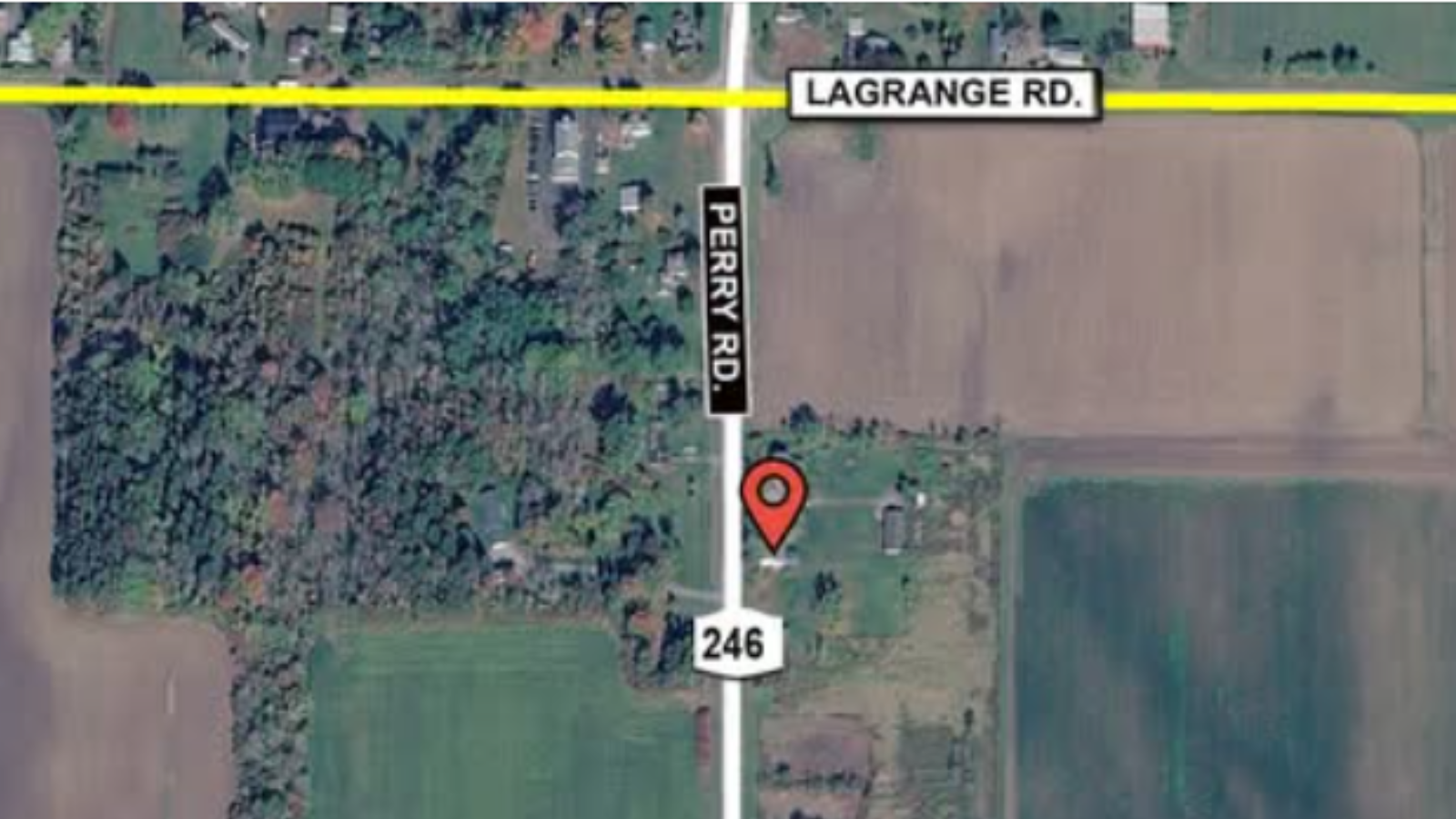
A Barn Fire Sadly Takes the Life of Over 100 Animals in New York
A farmer in Perry, New York, is left reeling after an early morning barn fire killed more than 100 of their animals. According to WHAM, firefighters were called to a barn located on Route 246 a little before 7 a.m. The barn was already fully engulfed by the time they arrived, and fire and EMS teams said that it was a total loss.
Fortunately, the home that was also located on the property didn’t catch fire and instead suffered heat damage, which prompted some of the building’s exterior to melt during the blaze.
Investigators are looking into the cause of the blaze, and an insurance claim will need to be filed in order to rebuild the structure, which could prove to be quite costly thanks to its size.
Here’s what we know.
The Fire Department Was on Scene for Six Hours
News10NBC reports that the fire crews spent most of the day at the site of the blaze that took the life of 100 chickens and three goats. According to the report, the barn has already been deemed a total loss by Bill Streicher, the Wyoming County Fire and EMS Coordinator, and there is an estimated $100,000 in damages as a result of the fire.
While the home next door to the barn does remain habitable, according to officials, there was significant damage done to the structure due to the heat.
On the Facebook post shared by WHEC about the fire, one woman asked what was going on with so many fires lately before writing, “I wish these people with barns and animals that live in them, will get them checked out. Check out the electricity whatever you have to do to keep these poor animals safe from harm.”
What Causes Barn Fires
While that woman’s question about barn fires was rhetorical, it does seem like you hear a lot of horror stories about them these days, especially now that more homesteaders are keeping animals in their backyards.
According to Rutgers Equine Science Center, one of the biggest sources of barn fires comes from improperly used heat lamps. These are the devices that many people put in their barns in the winter once temperatures drop. While heat lamps can help keep those outdoor animals warm in the cooler months, they can also become a source of danger, especially if they end up coming into contact with flammable objects while unsupervised, like hay.
Of course there’s no reason to think that a heat lamp was behind this recent fire, since August nights aren’t exactly known for being chilly. That being said, it’s always important to remember the dangers improperly utilized heat lamps can pose to your animals.


