Experts Warn to Avoid These 9 Problem Plants in the Garden, Especially If You’re a Beginner
There’s nothing more exciting than planting your first garden. However, one wrong choice can turn that initial excitement into years of frustration and regret. Some plants look beautiful in the nursery but can become invasive, high-maintenance, or nearly impossible to remove once established.
When you’re learning how to water properly, understand sunlight patterns, and improve soil, the last thing you need is a plant that spreads uncontrollably or demands expert-level care. Choosing forgiving plants early on builds confidence, while choosing the wrong ones can derail it.
So, whether you are a seasoned gardener or just starting, make sure to avoid these 9 plants in your yard until you’re feeling confident.
1. English Ivy
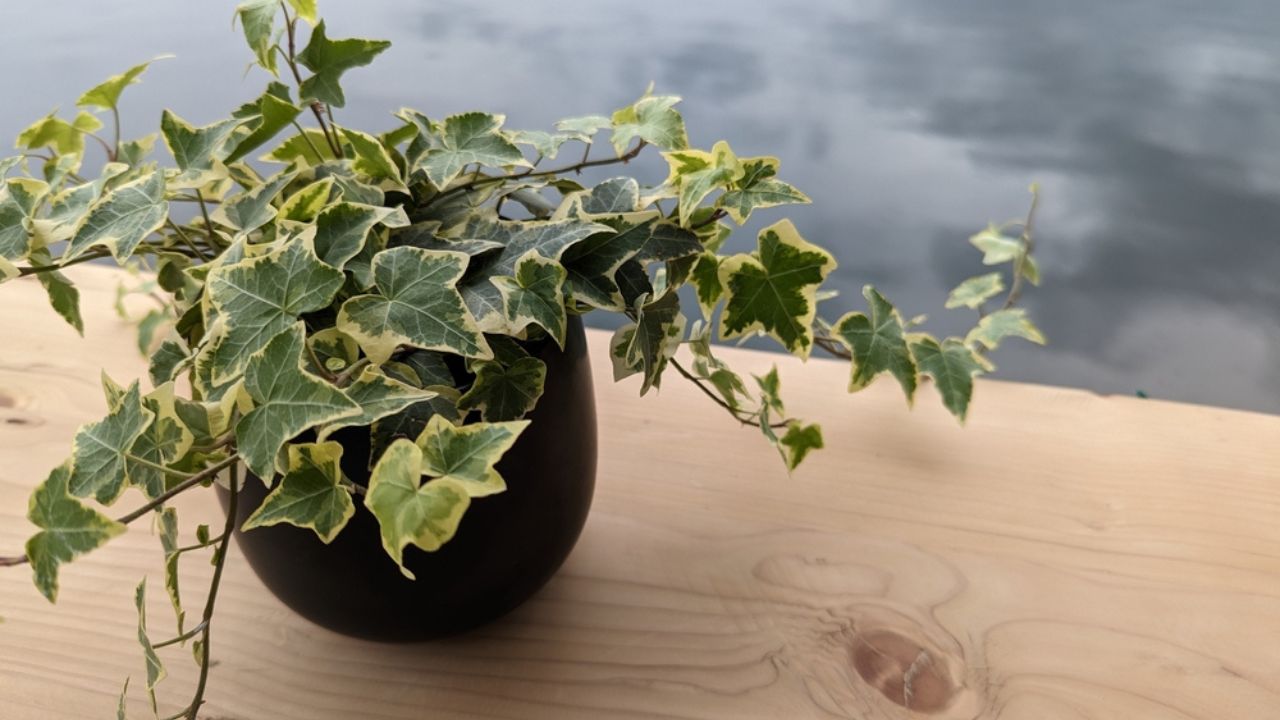
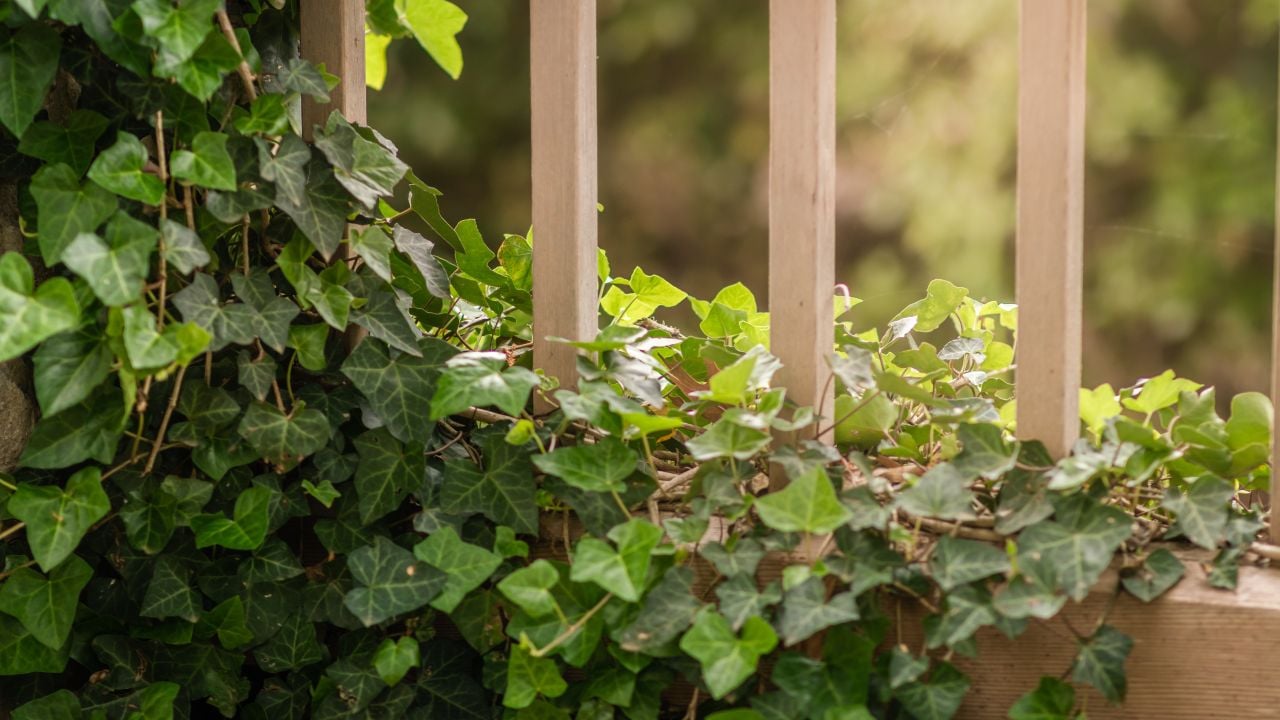
English ivy may look charming climbing a fence, but it’s widely considered invasive.
Tammy Sons, founder and CEO at TN Nursery, warns it “climbs and chokes trees, causing significant damage.” Once it takes hold, it spreads aggressively and can even damage structures. The vine has been known to weaken trunks and branches over time. If you don’t keep it carefully trimmed, “it can be a real nightmare to try and get under control later,” says Nicole Dillon, owner at Breemar Flower Farm.
The dense growth traps moisture against bark and masonry, which can contribute to rot and deterioration, and it forms thick ground mats that crowd out native plants. For beginners, especially, what seems like an easy evergreen solution can quickly become a long-term maintenance problem that’s far harder to reverse than to prevent.
2. Bamboo
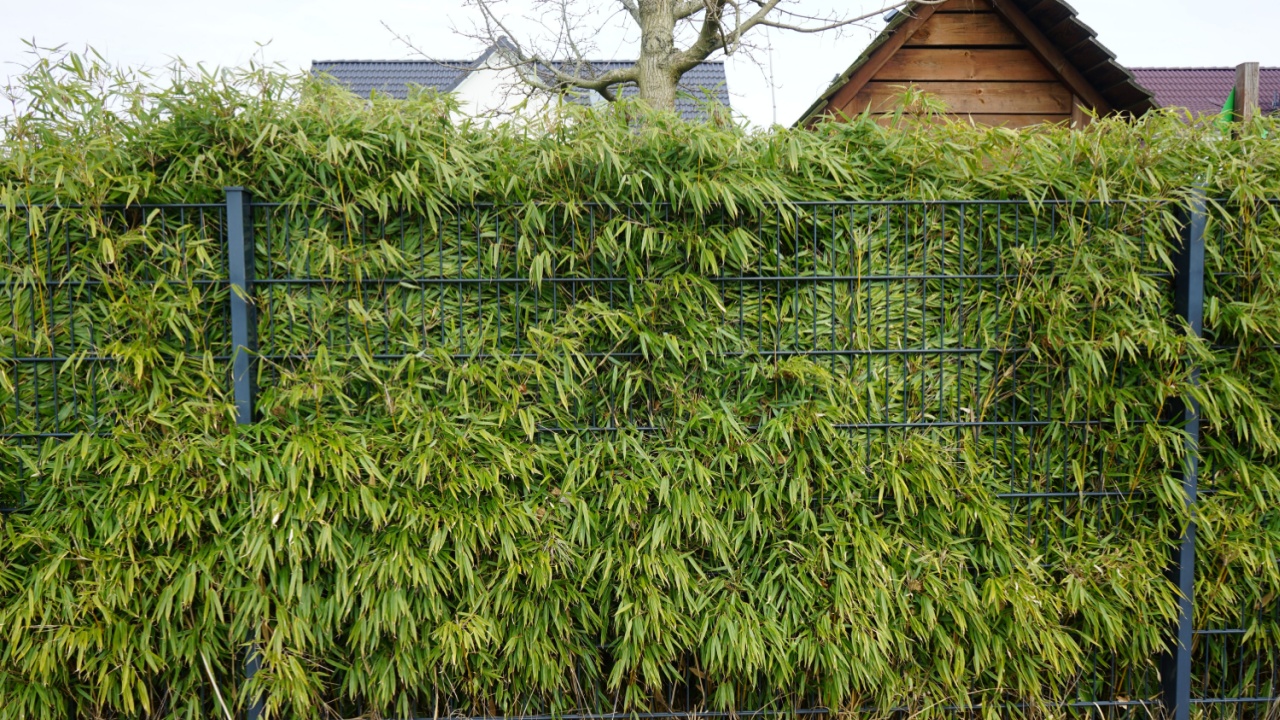
Running bamboo spreads through underground rhizomes that travel far beyond where you planted them.
Chris Turner, owner and landscape designer at Elevate by Design, cautions that they can “overtake nearby plants and crack sidewalks or foundations,” creating problems not just in garden beds but around patios, driveways, and neighboring properties. Turner warns that managing bamboo “requires constant maintenance, and it can become a huge headache.”
Once established, it doesn’t stay politely contained. New shoots can pop up yards away from the original planting, and because the root system forms a dense underground network, removal often involves digging trenches, cutting rhizomes repeatedly, and monitoring the area for years to prevent regrowth.
What initially looks like a fast-growing privacy screen can quickly become an expensive and exhausting battle that is just not worth it.
3. Wisteria
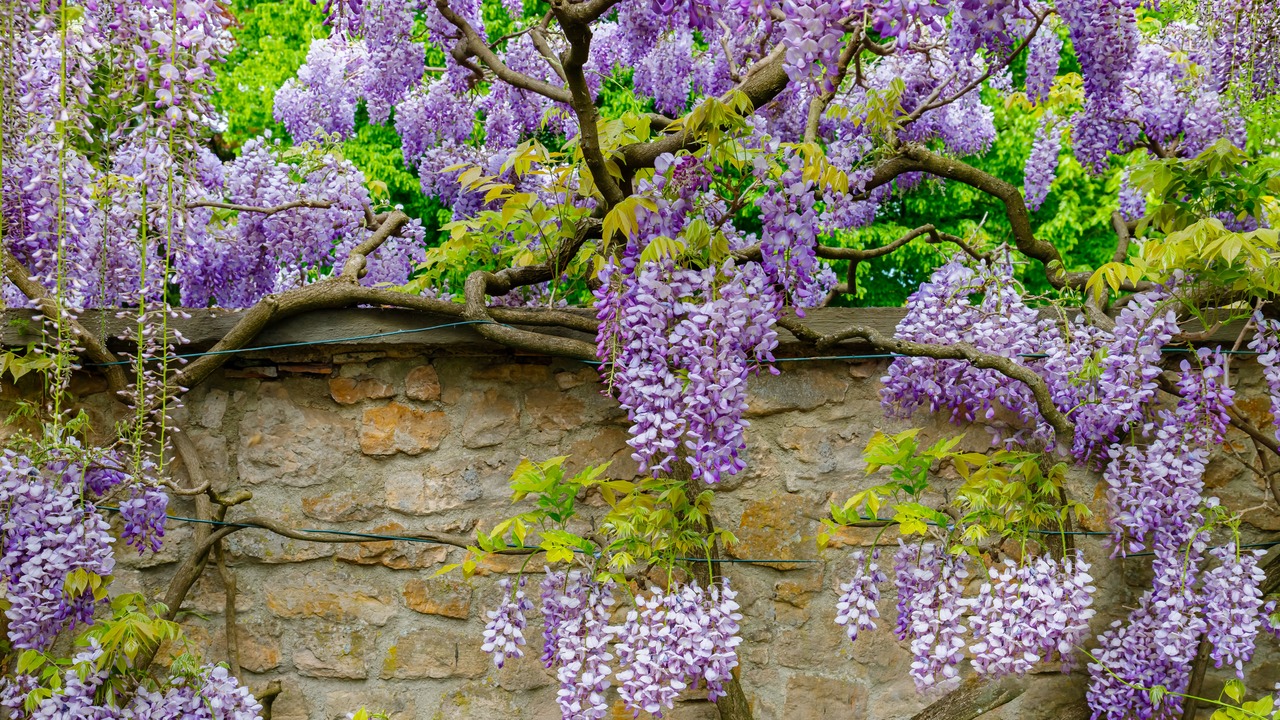
Chinese and Asian wisteria are breathtaking, but aggressive. Without constant pruning, it can choke trees and overwhelm pergolas, fences, and even gutters. According to Bonnie Grant and Nikki Tilley at Gardening Know How, wisteria grows so vigorously that it requires pruning twice a year to stay manageable. That kind of upkeep can surprise beginners who expected a romantic, low-maintenance vine.
For new gardeners, the appeal is obvious: cascades of lilac blooms in spring. But the long-term reality often includes relentless pruning, managing aggressive runners, and watching for unwanted seedlings.
If you love the look, it may be best to choose a native American wisteria variety instead, which tends to grow more slowly and is far easier to control.
4. Mint
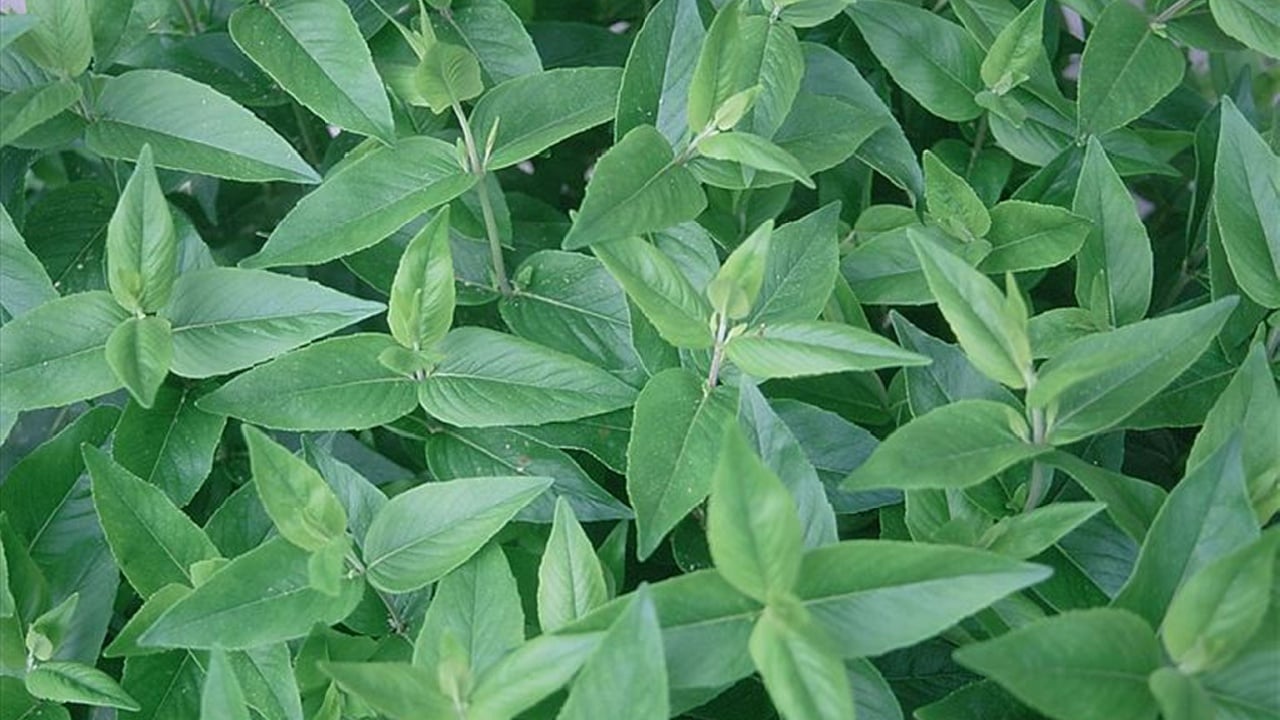
Mint is easy to grow, which is exactly the problem.
It spreads when stems touch soil and root, sending out rhizomes that quickly weave between neighboring plants. Even pots aren’t foolproof; stems that drape over the edge of a pot can root and begin new patches. Left unchecked, it can smother entire garden beds and reappear for years.
According to the University of Illinois Extension, “mints … have a prolific growth habit” and “will become invasive in the garden,” often spreading well beyond where they were originally planted. Thus, it’s widely recommended to plant mint in containers above ground to prevent it from overtaking other plants. Otherwise, its vigorous root system will seek out every available space to grow.
5. Lily-of-the-Valley
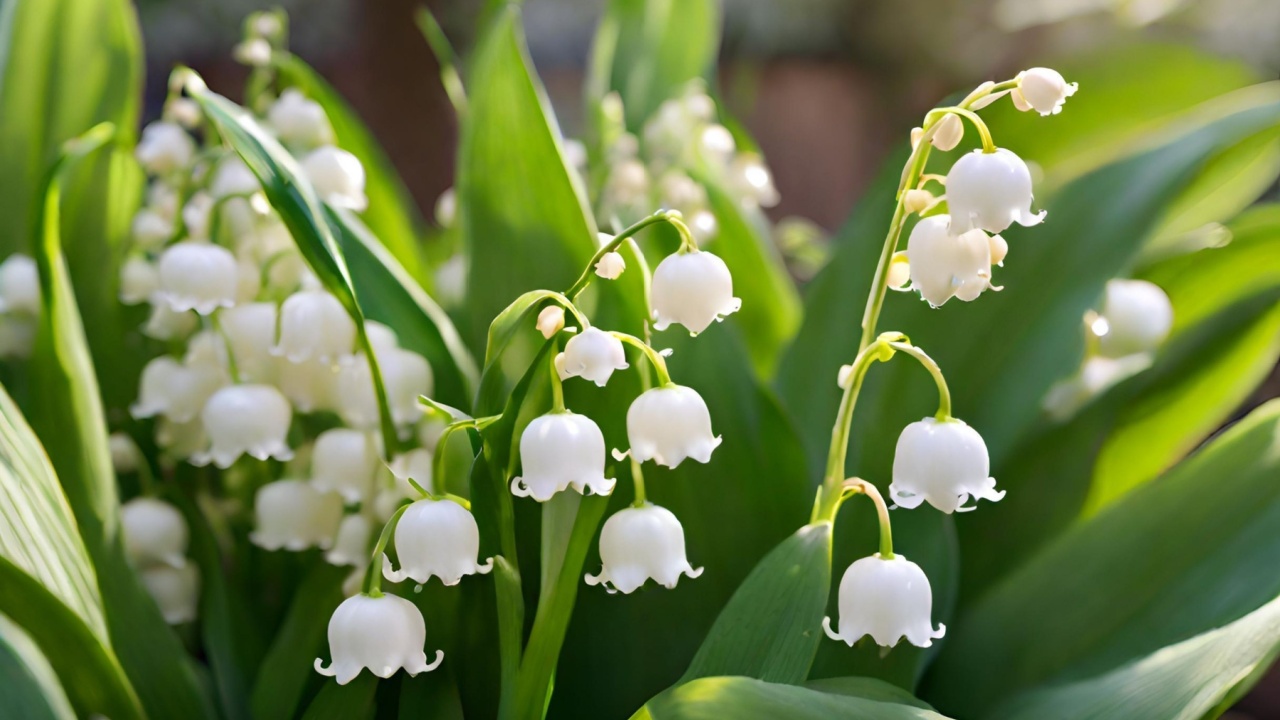
This sweet-smelling spring bloomer spreads aggressively via rhizomes, forming dense colonies that can quickly overtake shady beds. What begins as a charming patch of fragrant white bells can quietly expand far beyond its original planting area, pushing out neighboring perennials in the process.
Lily-of-the-Valley is also toxic to pets and children because every part of the plant contains cardiac glycosides that can cause serious symptoms if ingested. The plant is classified as poisonous, according to North Carolina State University Extension, and can “spread aggressively by rhizomes and can form extensive colonies.”
Once established, controlling it can be surprisingly difficult, often requiring repeated digging to remove the underground root network completely.
6. Japanese Knotweed
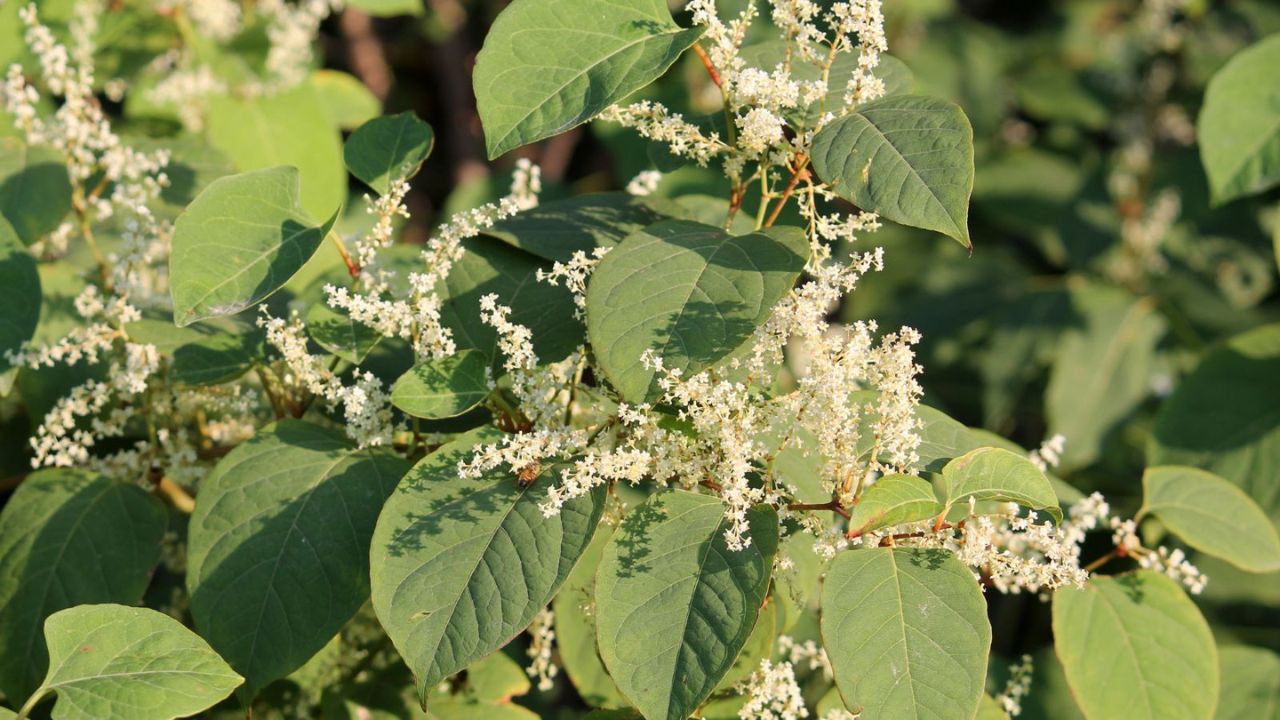
Few plants cause more regret than Japanese knotweed.
This aggressive perennial sends out powerful underground rhizomes that can push up through driveways, sidewalks, and even building foundations, forming dense, impenetrable thickets that crowd out gardens and native plants. The plant spreads not only by roots but also from tiny stem fragments, so even small pieces left in the soil can sprout new growth.
According to the North Carolina State University Extension, Japanese knotweed is incredibly invasive, and once it establishes, it “is difficult to control due to the extensive underground root system.” Repeated cutting or herbicide treatments over several years are often necessary to reduce populations, and even then, eradication is uncertain.
For beginner gardeners, this is a battle not worth starting. The time, effort, and potential costs of long-term control far outweigh any brief ornamental appeal it might offer.
7. Norway Maple
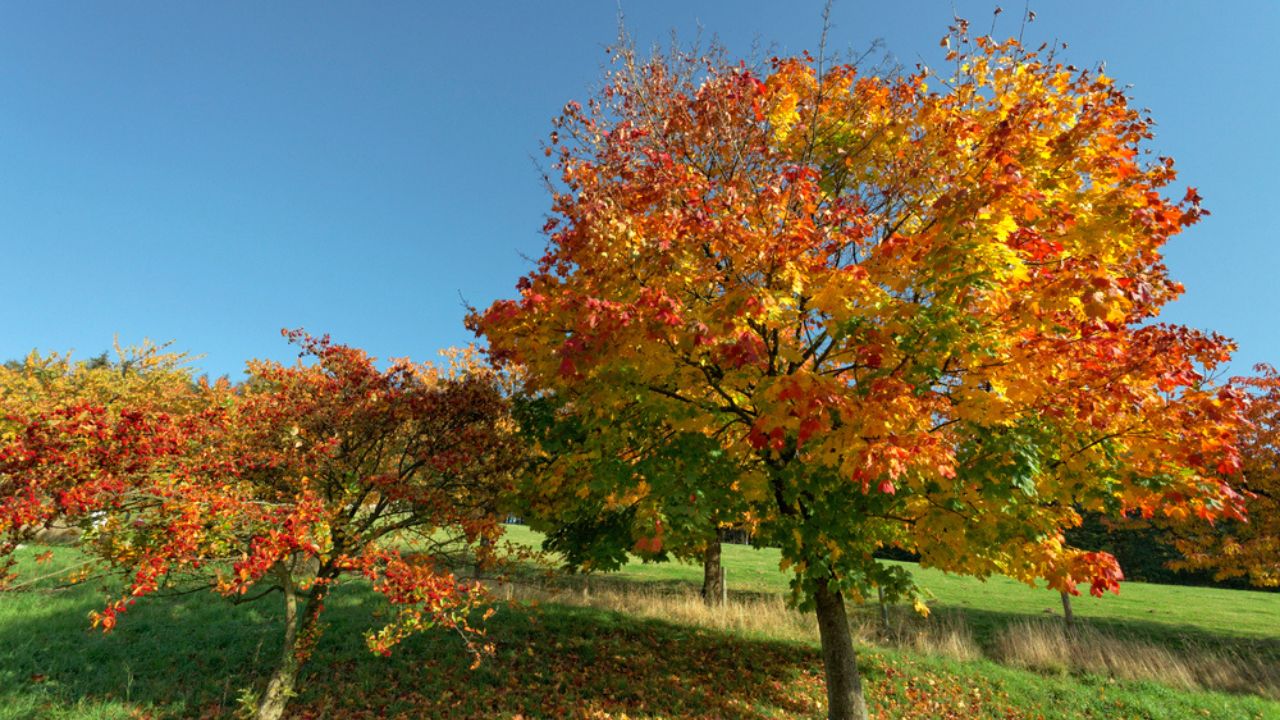
Norway maples create dense shade and shallow root systems that prevent grass and other plants from thriving beneath them.
Norway maple’s dense canopy reduces light availability for forest understory plants, and its competitive, shallow root system alters nutrient availability and impedes the growth of other species, writes the University of Maryland Extension. Because its roots spread out just below the soil surface, they monopolize water and nutrients, leaving little for lawn grass, flowers, or shrubs that might otherwise fill in the space. This combination of heavy shade and root competition can leave a landscape looking sparse and barren, even when the tree itself appears healthy.
For beginner gardeners hoping to create layered plantings or a lush lawn, a Norway maple can unintentionally turn prime planting space into a near desert of struggling plants.
8. Purple Loosestrife
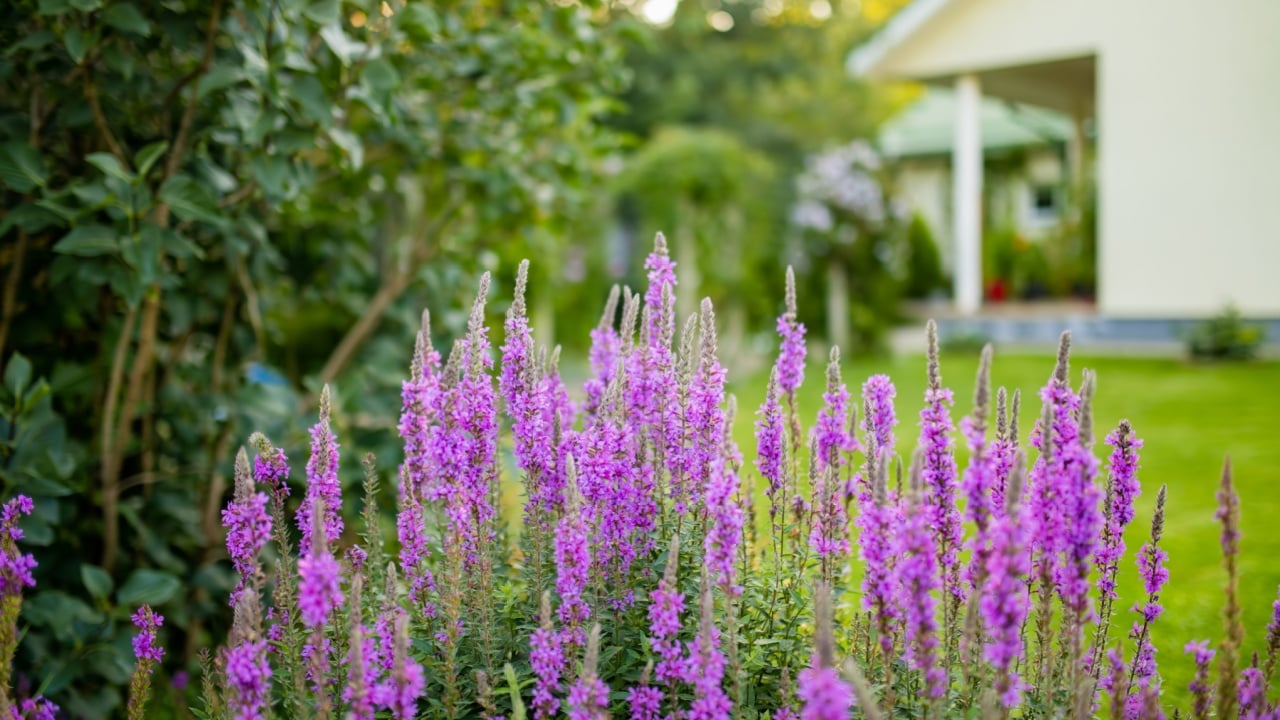
This wetland beauty is highly invasive and displaces native plants that wildlife depend on. In many states, it’s illegal to transplant or intentionally spread purple loosestrife.
What makes purple loosestrife especially damaging is its ability to form dense stands in marshes, along ponds, and in drainage ditches, crowding out cattails and other native vegetation that provide food and nesting habitat for birds, amphibians, and insects. According to the USDA National Invasive Species Information Center, purple loosestrife “can quickly form dense stands that completely dominate the area, excluding native vegetation.” Once established, it produces thousands of tiny seeds per plant each year, allowing it to spread rapidly through waterways and disturbed soil.
Purple loosestrife may look harmless when blooming in tall purple spikes, but it has the potential to devastate entire ecosystems and permanently alter natural habitats.
9. Morning Glory & Bindweed
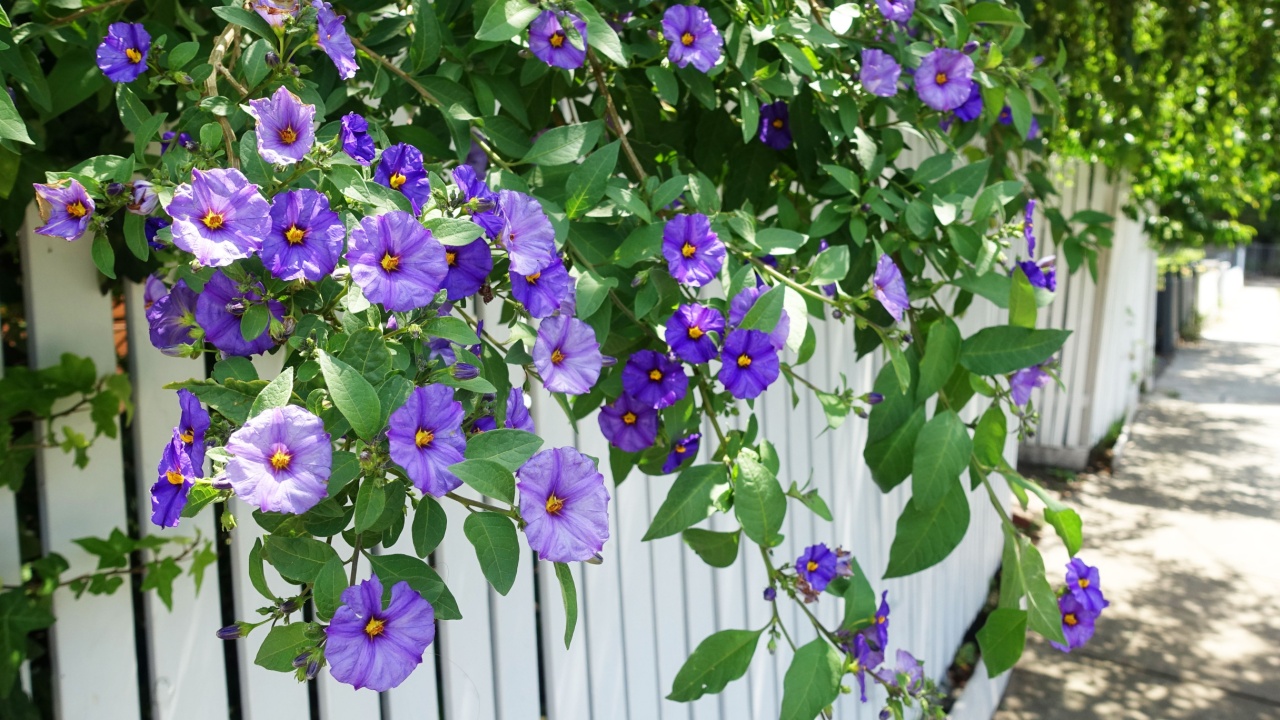
Morning glory self-seeds aggressively, and bindweed is even worse. Once it wraps around shrubs or perennials, removal can take years, with many gardeners reporting having to battle it for a decade or more.
The vines twine tightly around stems, blocking sunlight and restricting airflow, which can weaken or even kill the plants beneath them. What makes bindweed especially frustrating is its deep, extensive root system; even small fragments left in the soil can resprout quickly, undoing hours of careful pulling.
According to the University of California Agriculture and Natural Resources, field bindweed has roots that “may extend 20 feet deep or more,” making it one of the most persistent perennial weeds in home landscapes. Seeds can also remain viable in the soil for years, waiting for the right conditions to germinate.
For beginner gardeners, what starts as a charming vining flower can quickly become a relentless, long-term eradication project.
What to Do Instead

If you’re ready to get planting, start with native plants adapted to your region. Look for labels like “low-maintenance” and avoid words like “vigorous spreader” or “aggressive.” Check your state’s invasive species list before planting. Most importantly, build your garden slowly.
Every gardener makes mistakes, but some plants make bigger ones than others. By avoiding aggressive spreaders and high-maintenance divas early on, you give yourself the best chance to succeed.
Read More
Washing Your Lettuce Won’t Remove Cyclosporiasis, But Growing Your Own Will
Your Grandmother Stored These 8 Foods All Winter Without Canning a Single Jar