18 Houseplants to Flower in Winter
The shorter days and longer nights of winter can feel a bit gloomy. Outside, the garden is taking a well-deserved nap. Inside, however, things can be much more vibrant.
Many houseplants use this time to put on their best show, bursting into bloom when you least expect it. Adding a few winter-flowering plants to your collection can bring a welcome splash of color and life to your home, reminding you that spring isn’t so far away. Forget the sad, droopy plants of winters past; you need plants that are ready for their moment in the sun, or what little of it we get.
Here are 18 houseplants to flower this winter.
1. Christmas Cactus (Schlumbergera)
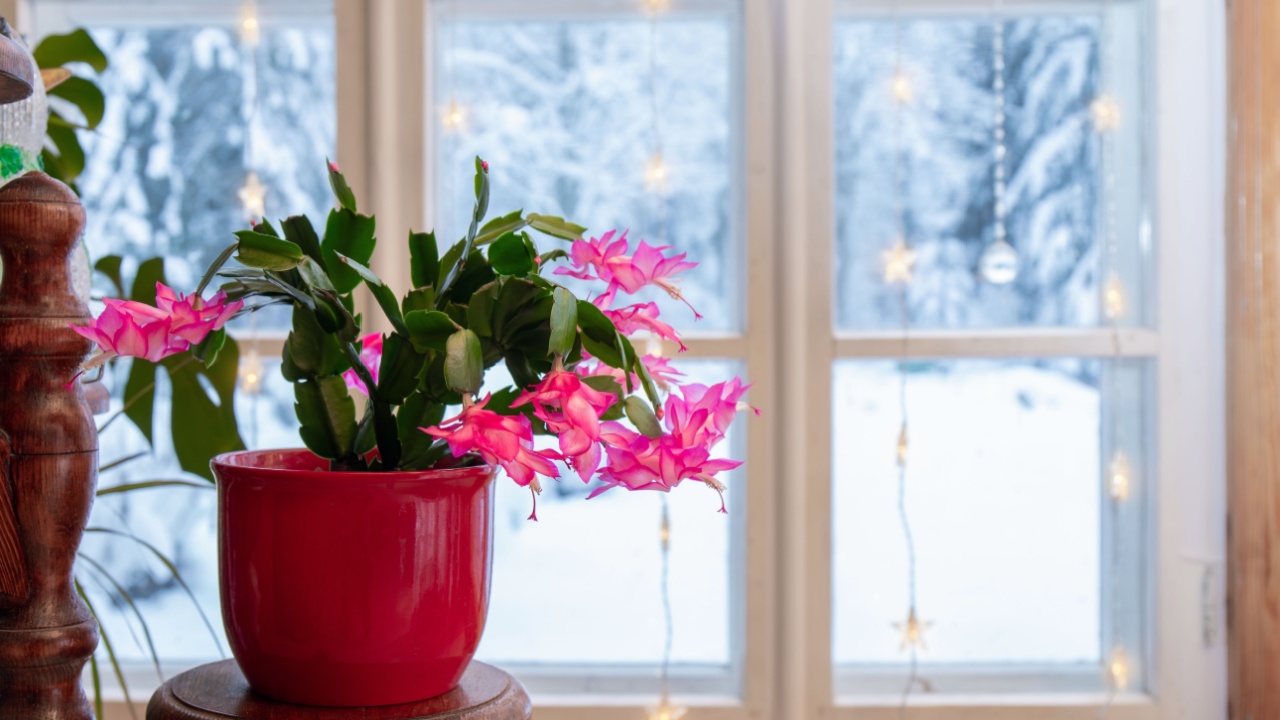
This plant has a knack for timing, often producing its colorful, tubular flowers right around the holidays. A Christmas cactus is not a desert plant, despite its name. It’s actually a tropical cactus native to the rainforests of Brazil, where it grows on trees. This means it appreciates a bit more humidity and indirect light than its prickly cousins. Its drooping, segmented stems make it a great candidate for a hanging basket, where its blooms can be fully appreciated.
Quick Scan:
- Light: Bright, indirect light. Direct sun can scorch the leaves.
- Water: Water thoroughly when the top inch of soil is dry. Reduce watering after it finishes blooming.
- Soil: Use a well-draining potting mix, like one formulated for succulents or cacti.
- Tip: To encourage blooming, give it 12-14 hours of darkness per day and cooler temperatures (around 50-55°F) for several weeks in the fall.
2. Amaryllis (Hippeastrum)
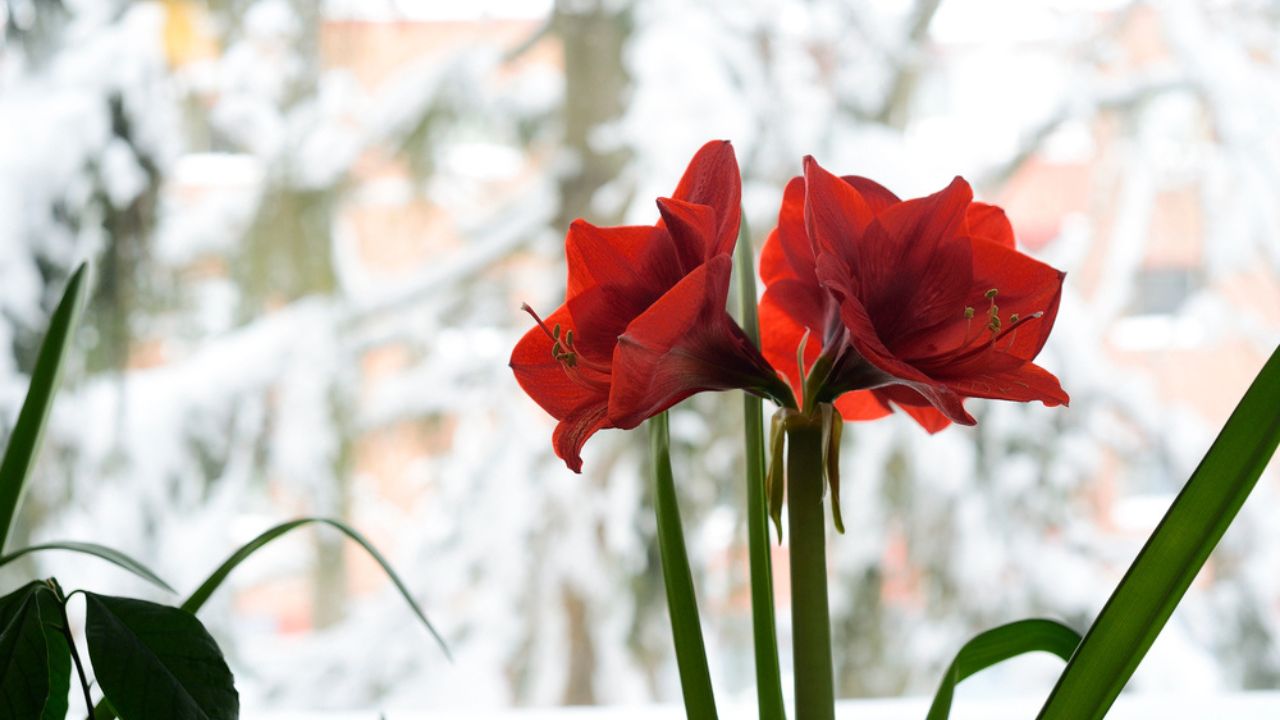
For a dramatic winter display, it is hard to beat the amaryllis. These large bulbs produce towering stalks topped with massive, trumpet-shaped flowers in shades of red, pink, white, and orange. They are often sold as kits during the fall, ready to be potted and coaxed into bloom. The transformation from a dormant bulb to a spectacular flower stalk in just a few weeks is a rewarding process for any plant owner.
Quick Scan:
- Light: Bright, indirect light. Rotate the pot regularly to keep the stalk growing straight.
- Water: Water sparingly until you see new growth, then increase watering to keep the soil lightly moist.
- Soil: A standard, well-draining potting soil works well.
- Tip: After the flowers fade, cut the stalk down to the bulb. You can keep it as a foliage plant and encourage it to rebloom the following year.
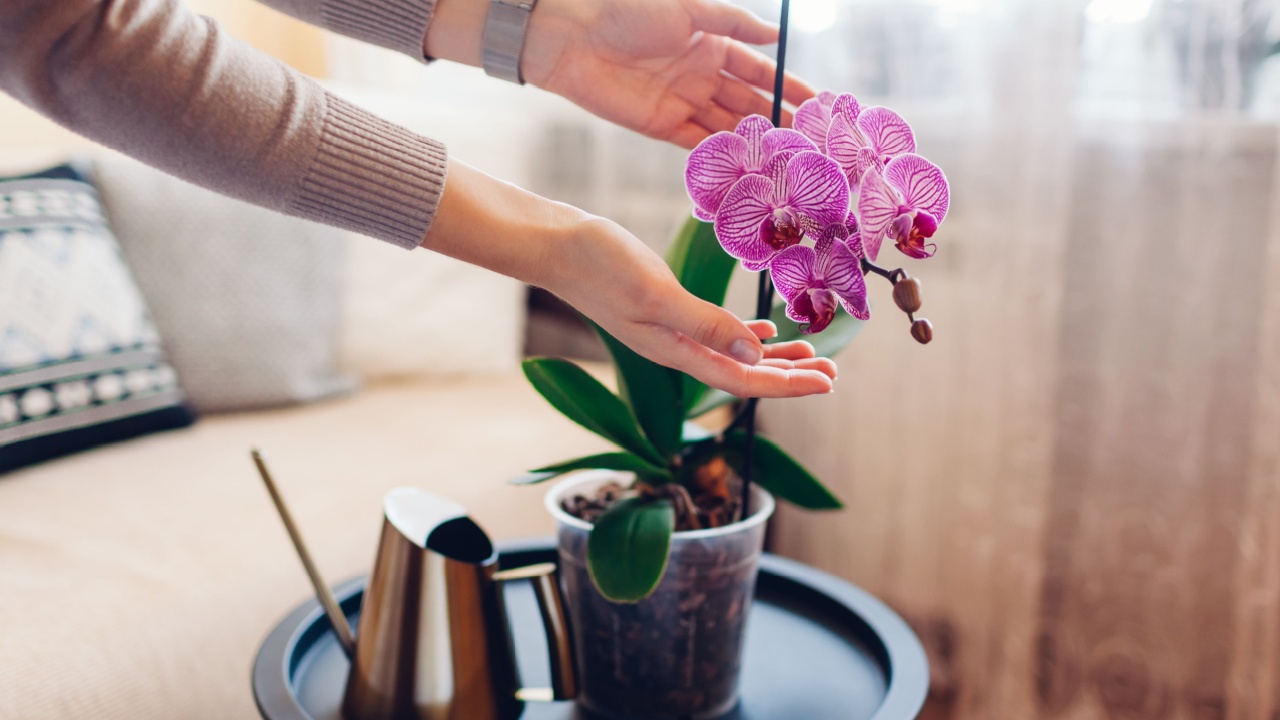
3. Moth Orchid (Phalaenopsis)
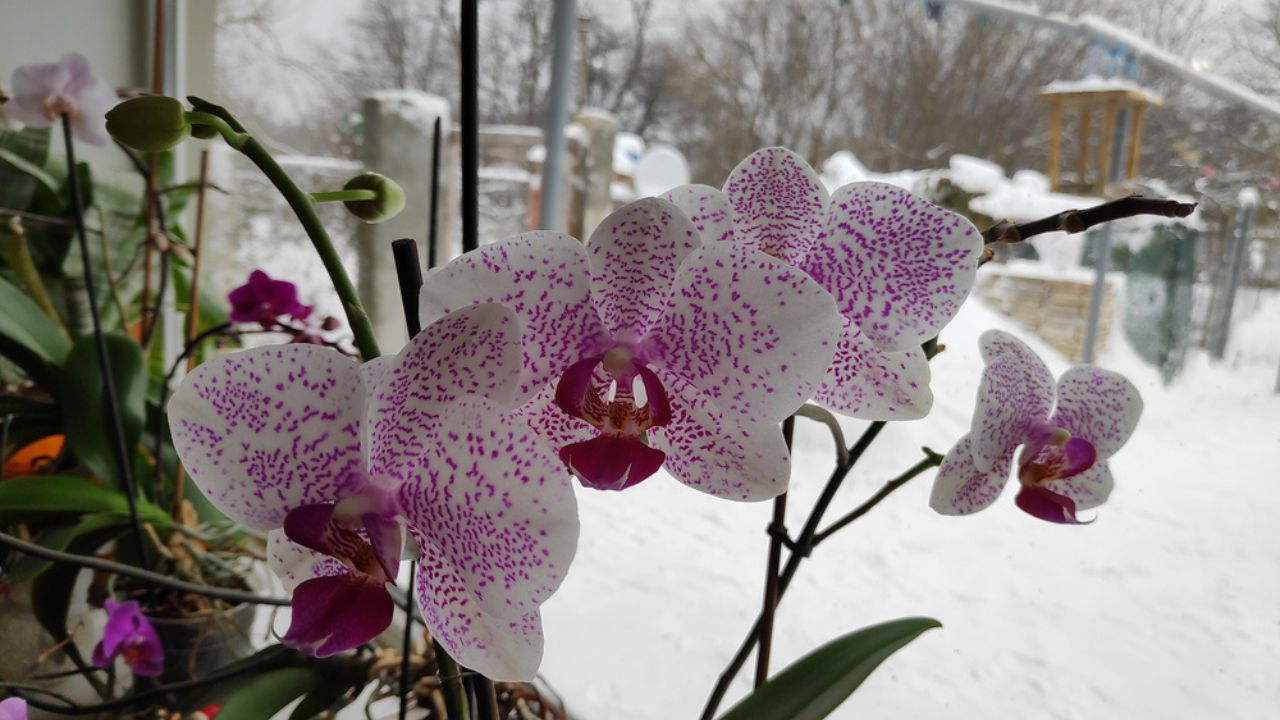
Moth orchids are one of the most popular and accessible orchids for a reason. Their elegant, long-lasting flowers can brighten a room for months. Available in a spectrum of colors, these plants bring a touch of the exotic indoors. They are not as demanding as some other orchid varieties, making them a good starting point for beginners. With proper care, a healthy moth orchid can rebloom year after year.
Quick Scan:
- Light: Prefers bright, indirect light. An east-facing window is often a good spot.
- Water: Water thoroughly about once a week, allowing the potting medium to almost dry out between waterings.
- Soil: Use a coarse, bark-based orchid mix that allows for excellent air circulation around the roots.
- Tip: Once the blooms fall off, you can encourage a new flower spike by cutting the old one back to a node below the lowest flower.
4. Kalanchoe (Kalanchoe blossfeldiana)
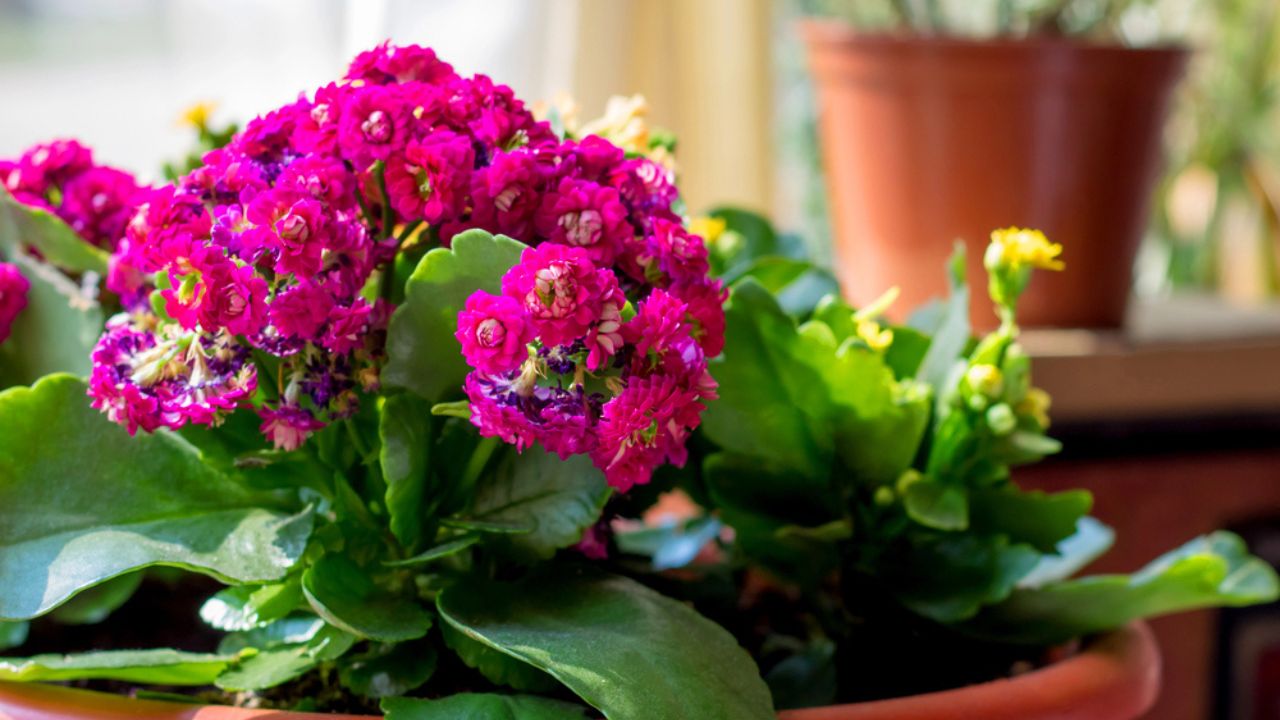
This cheerful succulent is a common sight in stores during the winter, and for good reason. It produces dense clusters of small, vibrant flowers that last for several weeks. The flowers come in a wide range of colors, including red, orange, yellow, and pink. Its fleshy, dark green leaves provide a nice contrast to the bright blooms. Kalanchoe is a low-maintenance plant that thrives on a bit of neglect.
Quick Scan:
- Light: Needs plenty of bright, indirect light to produce flowers.
- Water: Allow the soil to dry out completely between waterings. Overwatering can cause root rot.
- Soil: A fast-draining succulent or cactus mix is best.
- Tip: To get it to bloom again, the plant requires a period of about 14 hours of continuous darkness each day for 6 to 8 weeks.
5. Cyclamen (Cyclamen persicum)
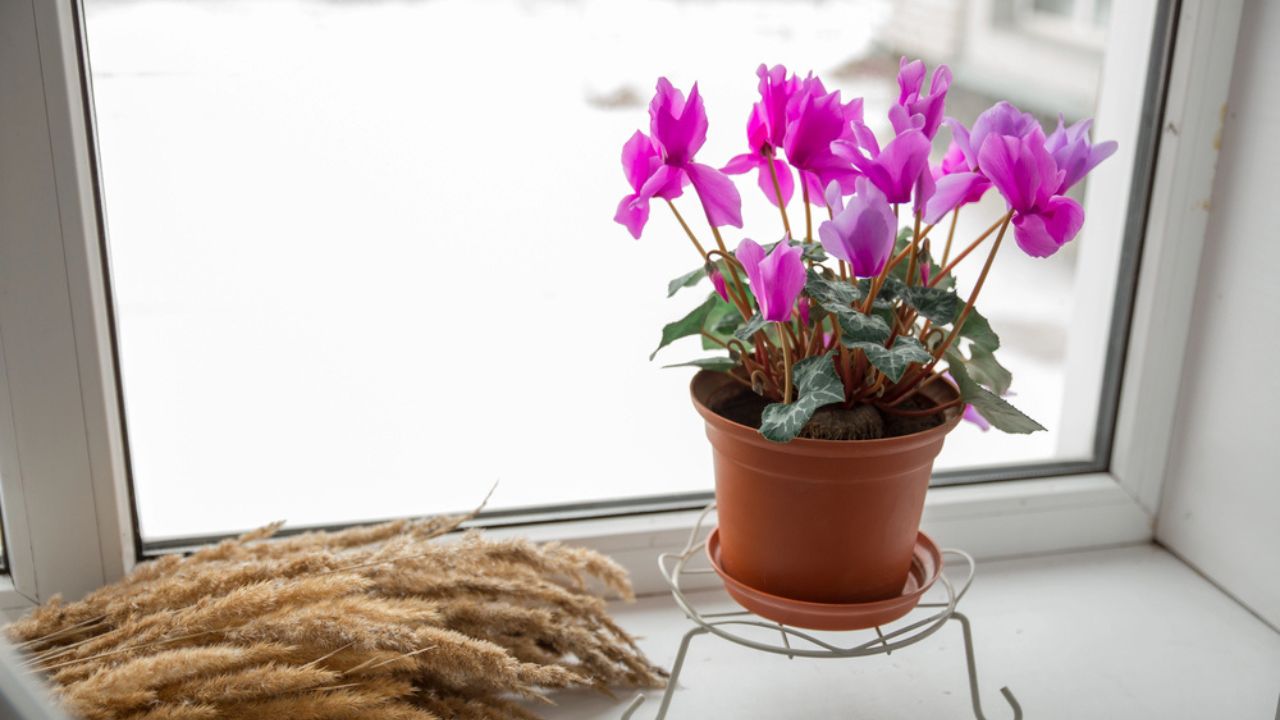
With its swept-back petals that look like butterflies, cyclamen is a winter favorite. The flowers rise on slender stems above a mound of heart-shaped, often silver-marbled leaves. They come in shades of pink, red, purple, and white. Cyclamen prefers cool temperatures, which makes it a perfect houseplant for the winter months. It will continue to bloom for weeks if kept happy.
Quick Scan:
- Light: Bright, indirect light is ideal.
- Water: Water from the bottom by placing the pot in a saucer of water. Avoid getting water on the crown of the plant. Keep soil moist but not soggy.
- Soil: Use a standard, well-draining potting soil.
- Tip: The plant goes dormant in the summer. When the leaves start to yellow, reduce watering and let it rest in a cool, dark place.
6. Jasmine (Jasminum)
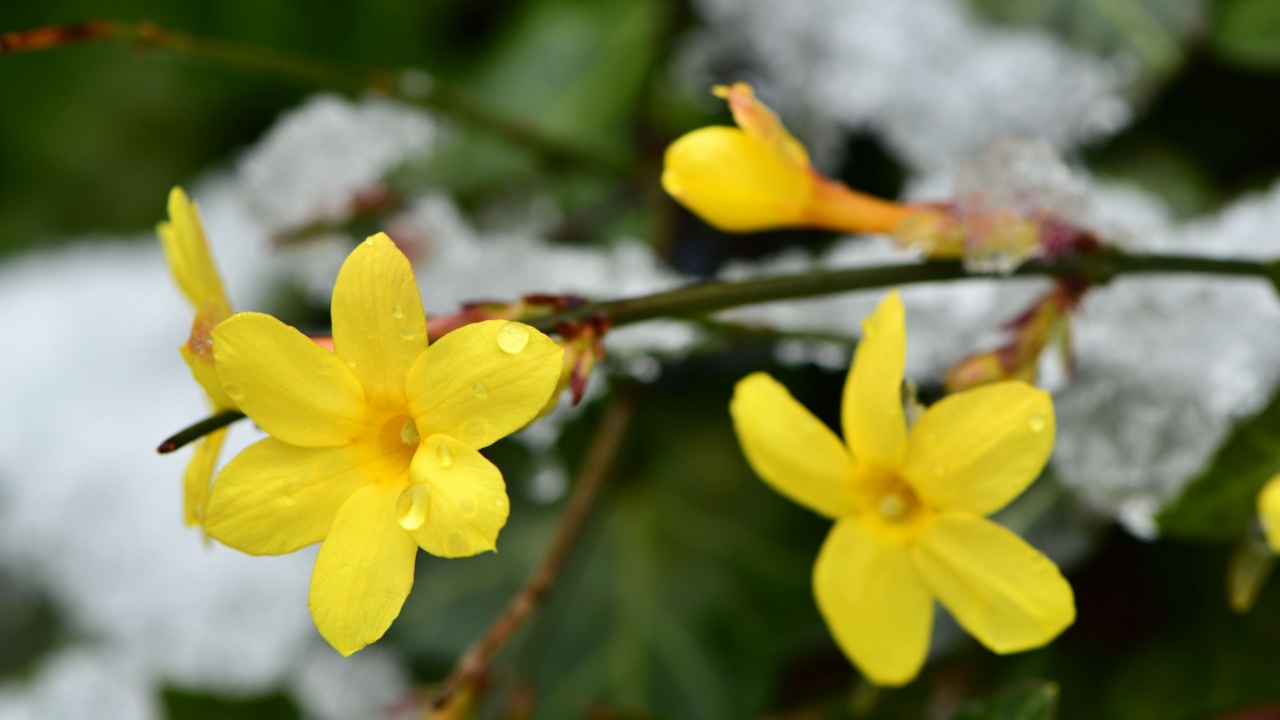
Several types of jasmine can be grown indoors and encouraged to bloom in winter, filling your home with their famously sweet fragrance. Winter jasmine (Jasminum polyanthum) is a popular choice, producing clusters of pink buds that open into star-shaped white flowers. It is a climbing vine, so it will need a trellis or other support to look its best. The scent alone makes it a worthwhile addition. However, the scent is also a reason why jasmine might not be suitable for the bedroom.
Quick Scan:
- Light: Requires very bright light, even some direct sun, to bloom well.
- Water: Keep the soil consistently moist, but not waterlogged.
- Soil: A general-purpose, well-draining potting mix is suitable.
- Tip: It needs a cool period in the fall (around 40-60°F) with reduced watering to set buds for winter blooming.
7. African Violet (Saintpaulia ionantha)
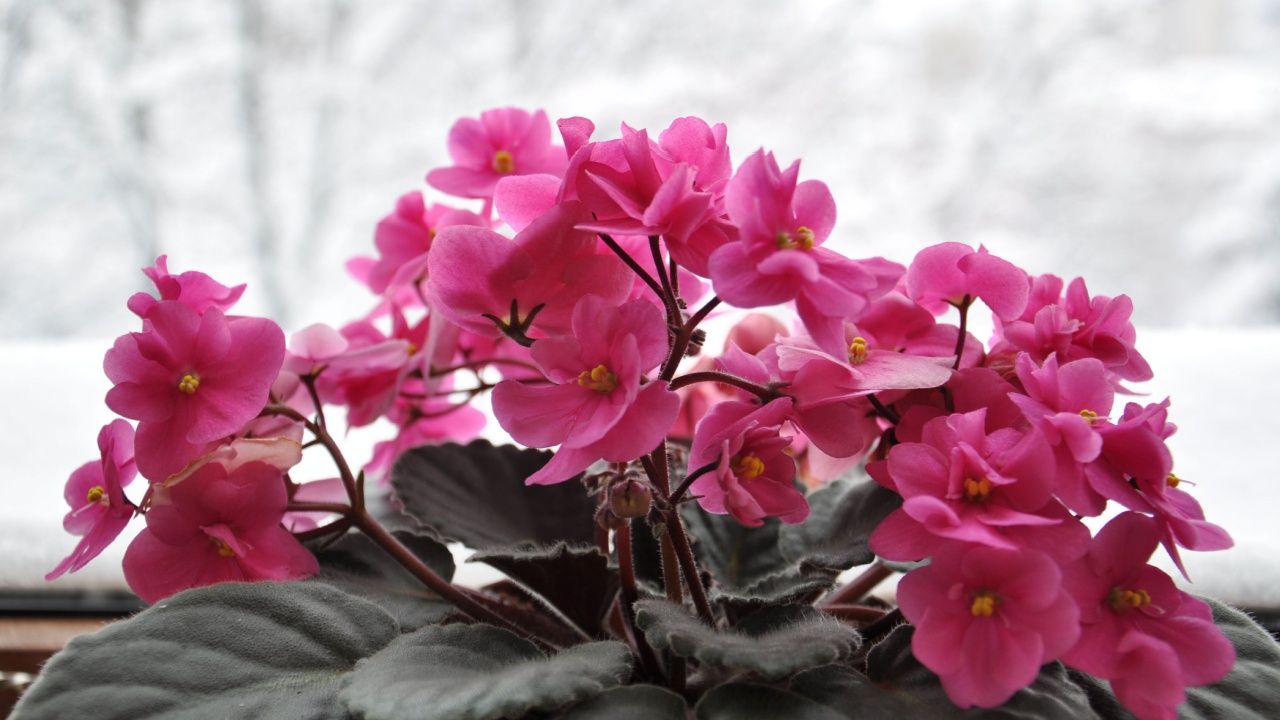
These compact plants are capable of blooming year-round, but they often put on a particularly good show during the winter. African violets have fuzzy leaves and produce clusters of delicate flowers in shades of purple, blue, pink, and white. They are small enough to fit on a windowsill or shelf, adding color to tight spaces. They do have specific care needs, but once you find a routine that works, they will reward you with consistent blooms.
Quick Scan:
- Light: Prefers bright, indirect light. Direct sunlight will burn the leaves.
- Water: Water from the bottom, or be careful not to get water on the leaves, which can cause spotting. Keep the soil moist.
- Soil: Use a light, porous African violet mix.
- Tip: Regular feeding with a balanced fertilizer formulated for African violets will encourage more flowers.
8. Paperwhite (Narcissus papyraceus)
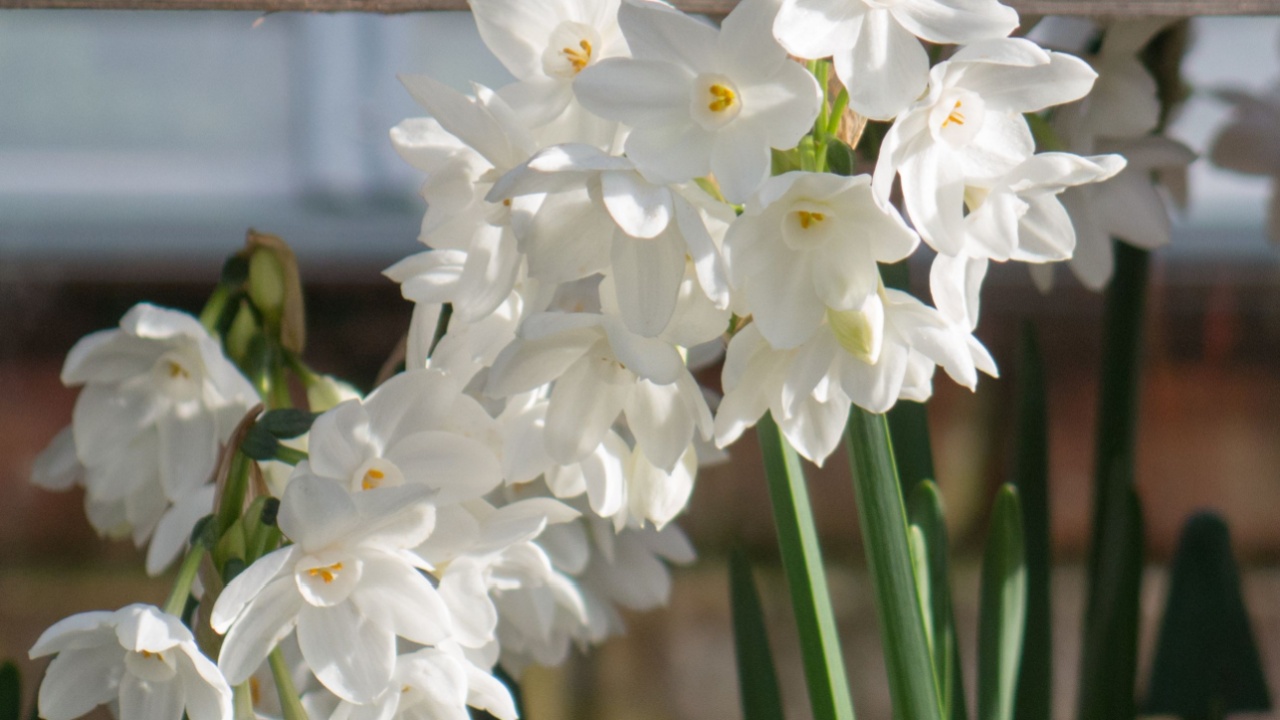
A relative of the daffodil, paperwhites are incredibly easy to force into bloom indoors. You do not even need soil; they can be grown in a shallow dish with pebbles and water. Within a few weeks of planting the bulbs, you will have tall stems with clusters of small, fragrant white flowers. Their scent is strong and can be a bit much for some, but their delicate appearance is a welcome sight in winter.
Quick Scan:
- Light: Start in a low-light area, then move to a bright, indirect light spot once growth is a few inches tall.
- Water: Keep the water level just touching the base of the bulbs.
- Soil: Can be grown in water and pebbles or in a standard potting mix.
- Tip: To keep the stems from getting too tall and floppy, some people add a small amount of alcohol (like vodka or gin) to the water after the shoots are at a desirable height.
9. Crown of Thorns (Euphorbia milii)
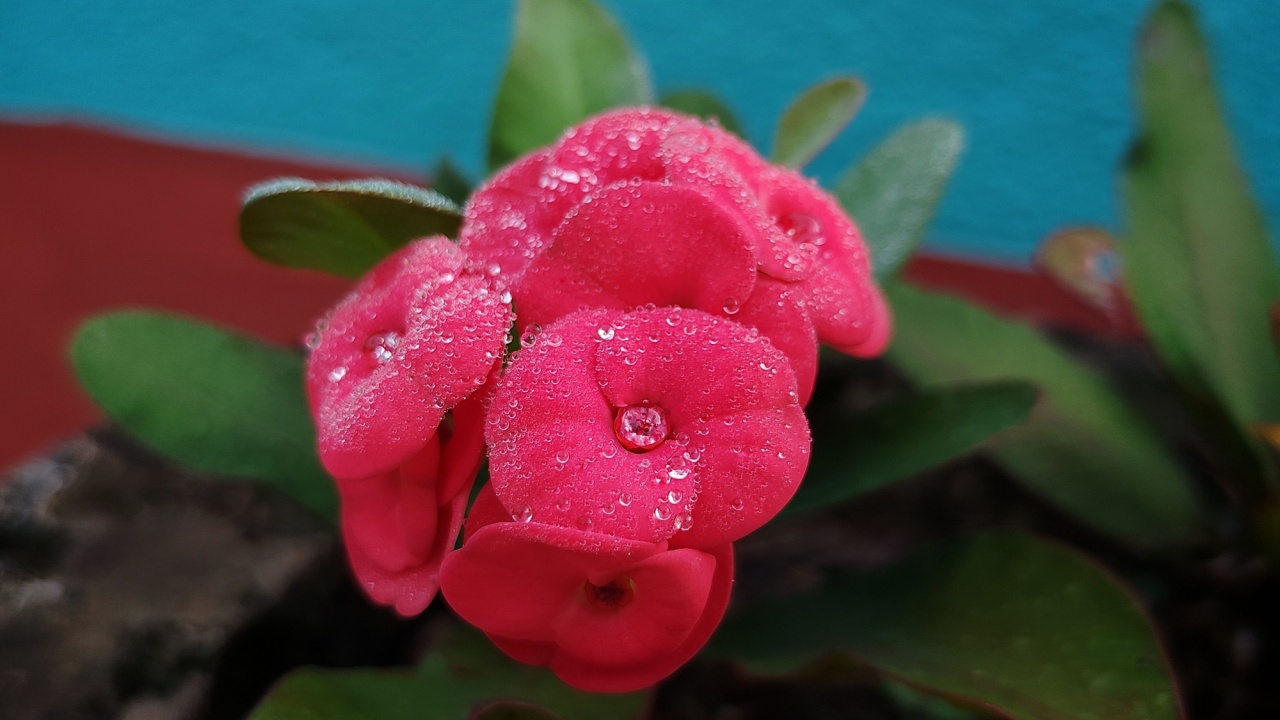
This plant has a tough name and a tough appearance, with its thorny, woody stems. Yet, it produces surprisingly delicate flowers, which are actually colorful bracts, nearly all year round. It is a type of succulent that is very forgiving and can handle some neglect. Native to Madagascar, it is well-suited to the dry indoor air of winter. The blooms come in red, pink, yellow, and white.
The plant’s milky sap can cause skin irritation, damage the cornea if it contacts the eyes, and blister the lips and mouth if ingested. Keep it away from children and pets, and do not consume any part of it.
Quick Scan:
- Light: Loves bright light and can tolerate some direct sun. More light equals more flowers.
- Water: Water when the top inch or two of soil is dry. It is drought-tolerant.
- Soil: Needs a very well-draining mix, such as a cactus or succulent soil.
- Tip: Be careful when handling, as the stems are quite thorny and the plant secretes a milky sap that can be a skin irritant.
10. Begonias (Begonia)
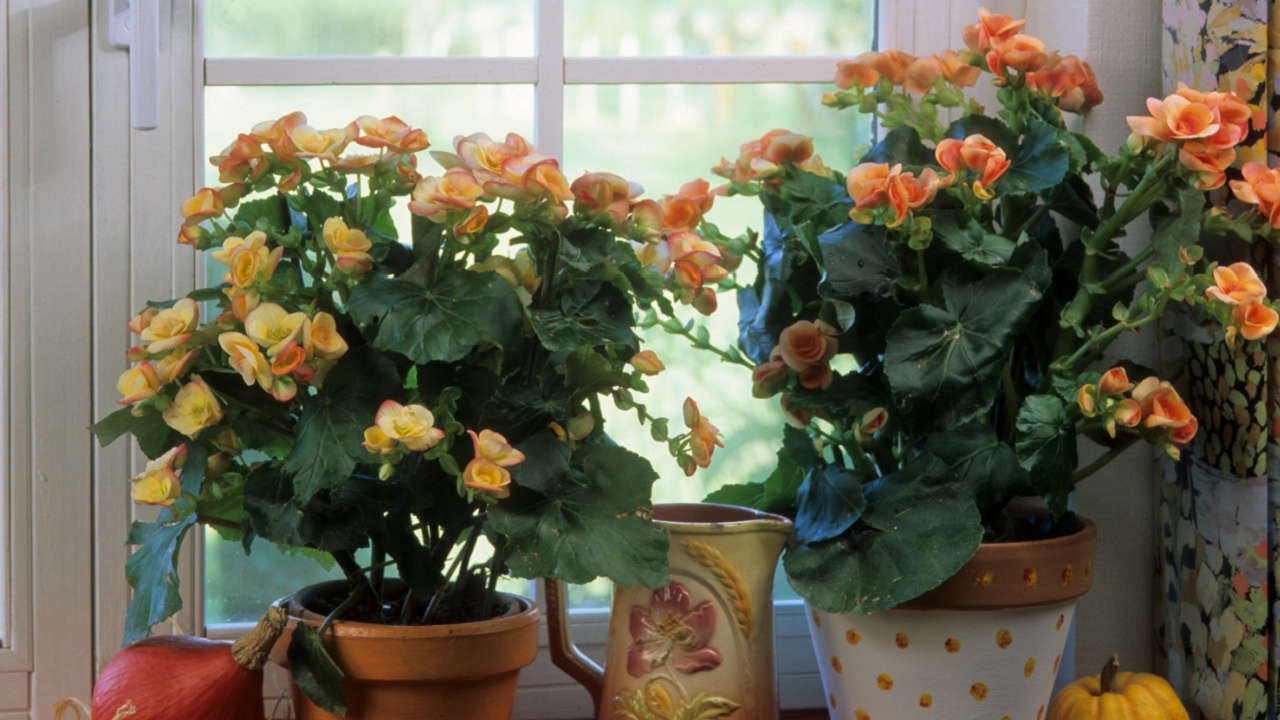
While many begonias are grown for their foliage, several varieties are prized for their winter flowers. Rieger begonias, for example, are often sold as winter-blooming gift plants. They produce showy, rose-like flowers in warm shades of yellow, orange, red, and pink. These begonias require a bit more attention than their foliage-focused relatives, but their stunning blooms are worth the effort.
Quick Scan:
- Light: Bright, indirect light is best.
- Water: Keep the soil consistently moist but not soggy. Allow the top layer to dry slightly before watering.
- Soil: A light, well-draining potting mix is essential.
- Tip: They are sensitive to powdery mildew, so good air circulation is important. Avoid wetting the leaves.
11. Kaffir Lily (Clivia miniata)
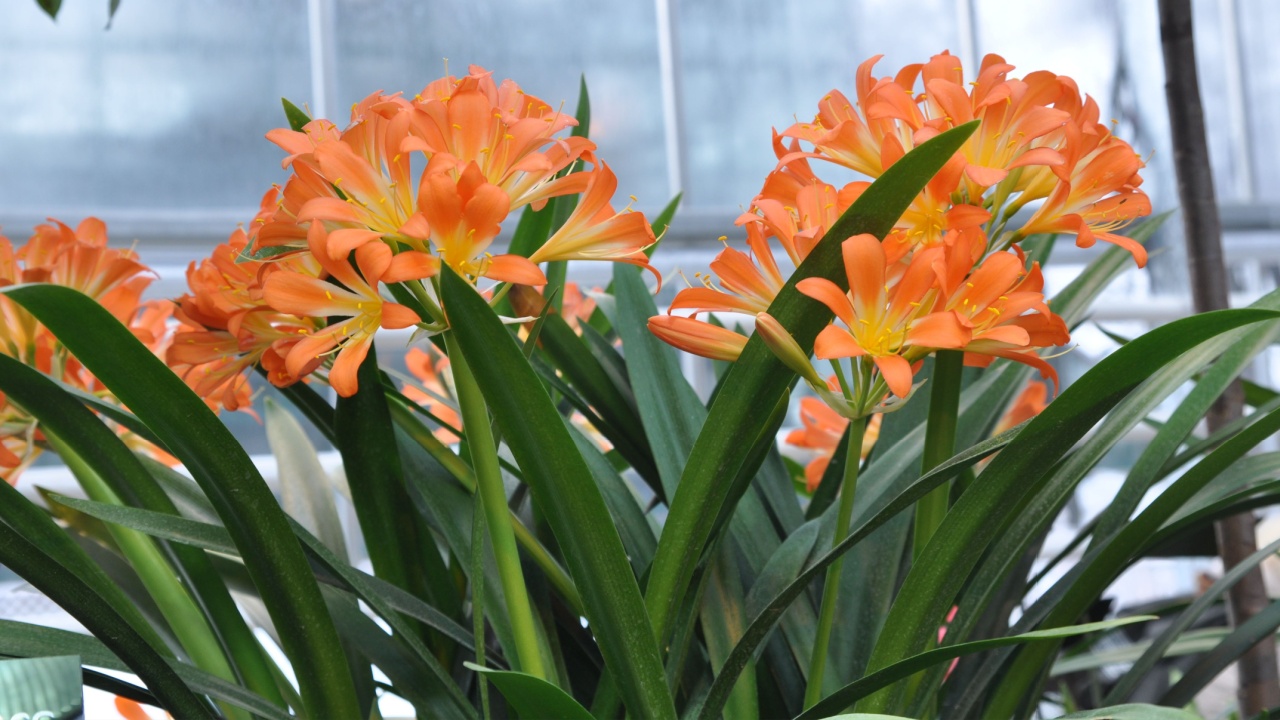
The Kaffir lily, also known as Clivia, is a remarkably resilient and robust plant distinguished by its dark green, strap-like leaves. It’s the kind of plant that makes you look like you have a green thumb, even if you’re famously neglectful. Its claim to fame is the dense cluster of vibrant, funnel-shaped flowers, which typically bloom in shades of orange or yellow.
These stunning flowers emerge on a thick, sturdy stem, usually making their grand appearance in late winter or early spring, just when you need a pop of color the most. To encourage it to bloom, you need to give it a cool, dry rest period during the fall and early winter.
Quick Scan:
- Light: Prefers bright, indirect light. It can tolerate lower light levels but may not bloom.
- Water: Water regularly in spring and summer. Reduce watering significantly in the fall and winter.
- Soil: A well-aerated, fast-draining mix is ideal.
- Tip: Clivias bloom best when they are slightly root-bound, so do not be in a hurry to repot them.
12. Anthurium (Anthurium andraeanum)
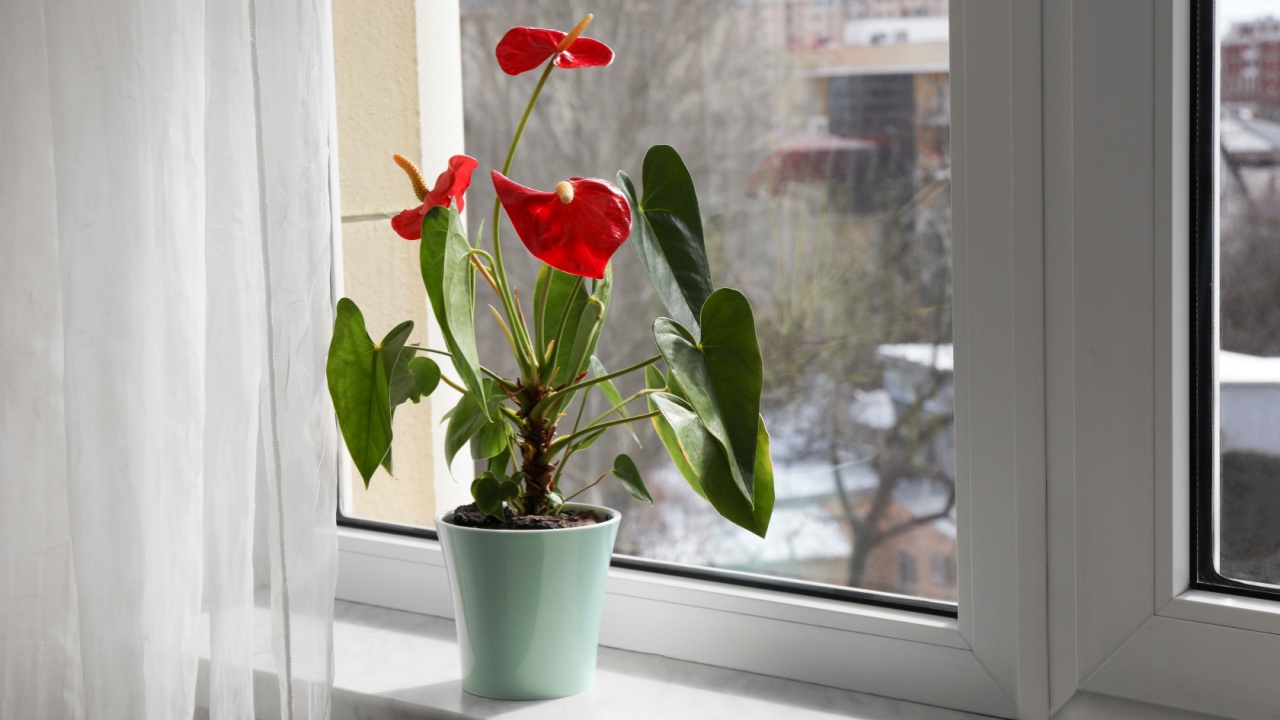
Known for its glossy, heart-shaped “flowers,” anthurium brings a tropical feel to any room. The colorful part is actually a modified leaf called a spathe, with a central spike called a spadix. These long-lasting spathes come in shades of red, pink, white, and purple. With the right conditions, anthuriums can bloom on and off throughout the year, including winter.
Quick Scan:
- Light: Prefers bright, indirect light. Too much direct sun can scorch the leaves.
- Water: Water thoroughly, but let the soil dry out slightly between waterings.
- Soil: A coarse, well-draining potting mix, similar to what you would use for orchids, is best.
- Tip: High humidity is beneficial. Placing the pot on a pebble tray or using a humidifier can help.
13. Lipstick Plant (Aeschynanthus radicans)
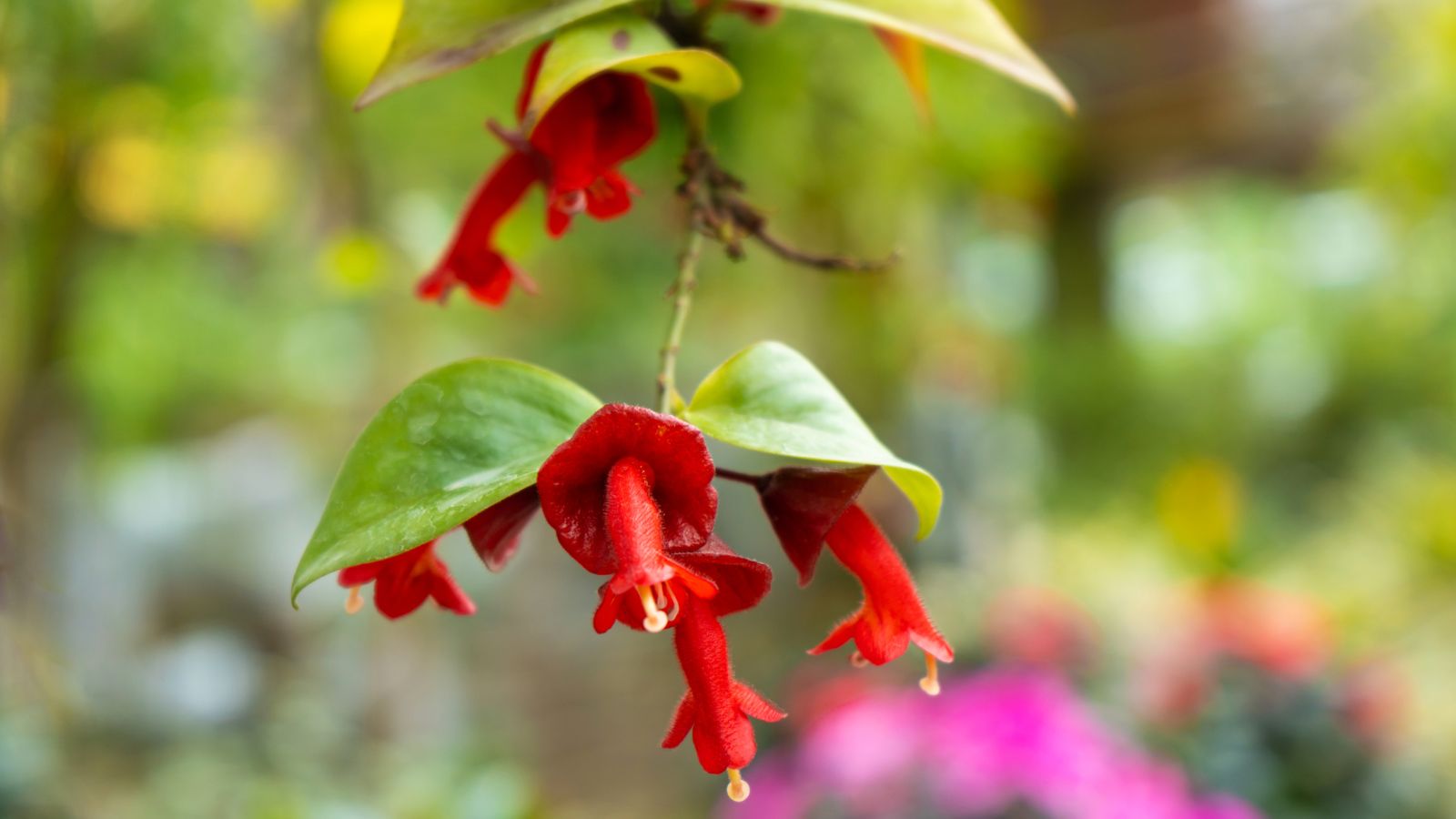
This trailing plant gets its name from its unusual flowers. Dark buds emerge from a calyx, looking just like a tube of lipstick before the bright red, tubular flower appears. It is a great choice for a hanging basket, where its cascading vines and vibrant flowers can be shown off. It blooms periodically throughout the year, often with a good showing in winter.
Quick Scan:
- Light: Needs bright, indirect light to bloom well.
- Water: Keep the soil moist but not saturated during the growing season. Reduce watering in winter.
- Soil: A light, well-draining potting mix is necessary.
- Tip: It appreciates high humidity, so it is a good candidate for a bathroom or kitchen.
14. Azalea (Rhododendron spp.)
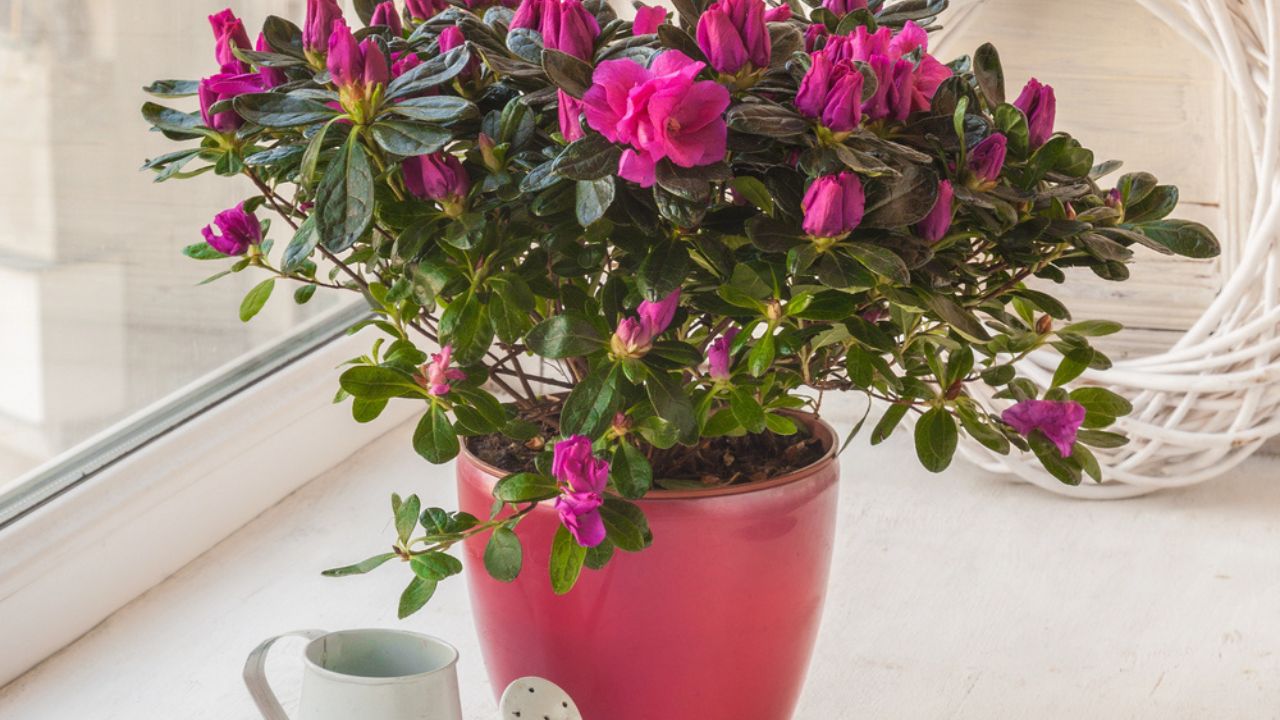
Florist azaleas are specially cultivated to bloom indoors during the winter months, making them a favorite choice for a festive and vibrant holiday gift. These beautiful plants are adorned with an abundance of delicate flowers in stunning shades of pink, red, white, and purple, adding a bright pop of color to any indoor space. However, they can be slightly finicky when it comes to their care.
Florist azaleas thrive in cool temperatures and need consistent moisture to maintain their fresh, long-lasting blooms. Without proper care, such as avoiding overly dry or warm conditions, their vibrant flowers may fade more quickly.
Quick Scan:
- Light: Bright, indirect light is key.
- Water: Keep the soil evenly moist at all times. Never let it dry out completely.
- Soil: Use an acidic potting mix, like one formulated for azaleas or rhododendrons.
- Tip: Cool temperatures (60-65°F) will help the blooms last much longer.
15. Flowering Maple (Abutilon spp.)
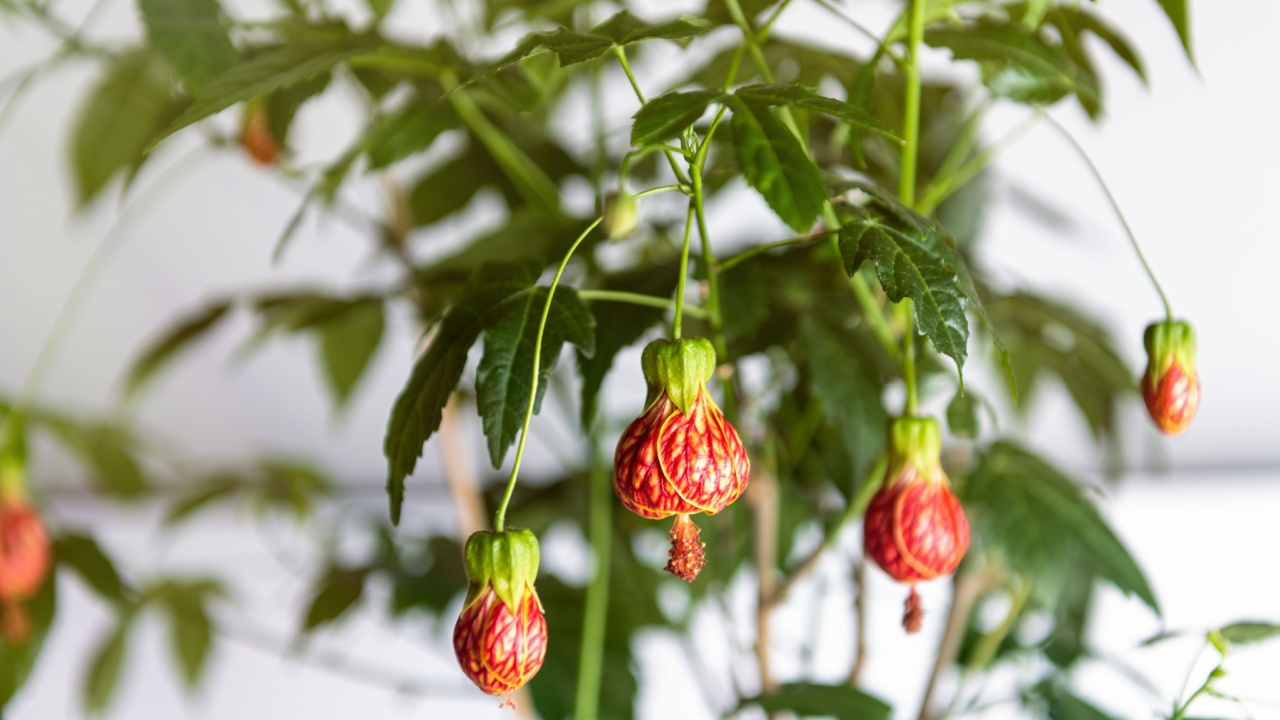
Despite its name, the flowering maple is not, in fact, related to actual maple trees. Maybe someone just looked at its leaves, went “huh, looks like a maple,” and the name stuck. This fast-growing, rather shrubby plant produces the absolute loveliest bell-shaped flowers that dangle from its branches like little ornaments.
Blooms can appear in a whole range of warm, cheerful shades, including orange, yellow, pink, and red. If you play your cards right and give it enough light, this little overachiever can flower nearly year-round.
Quick Scan:
- Light: Loves bright light and can even handle some direct sun, especially in winter.
- Water: Keep the soil consistently moist during the growing season.
- Soil: A standard, well-draining potting soil will work fine.
- Tip: It can get leggy, so do not be afraid to prune it back to encourage a bushier shape and more flowers.
16. Peace Lily (Spathiphyllum)
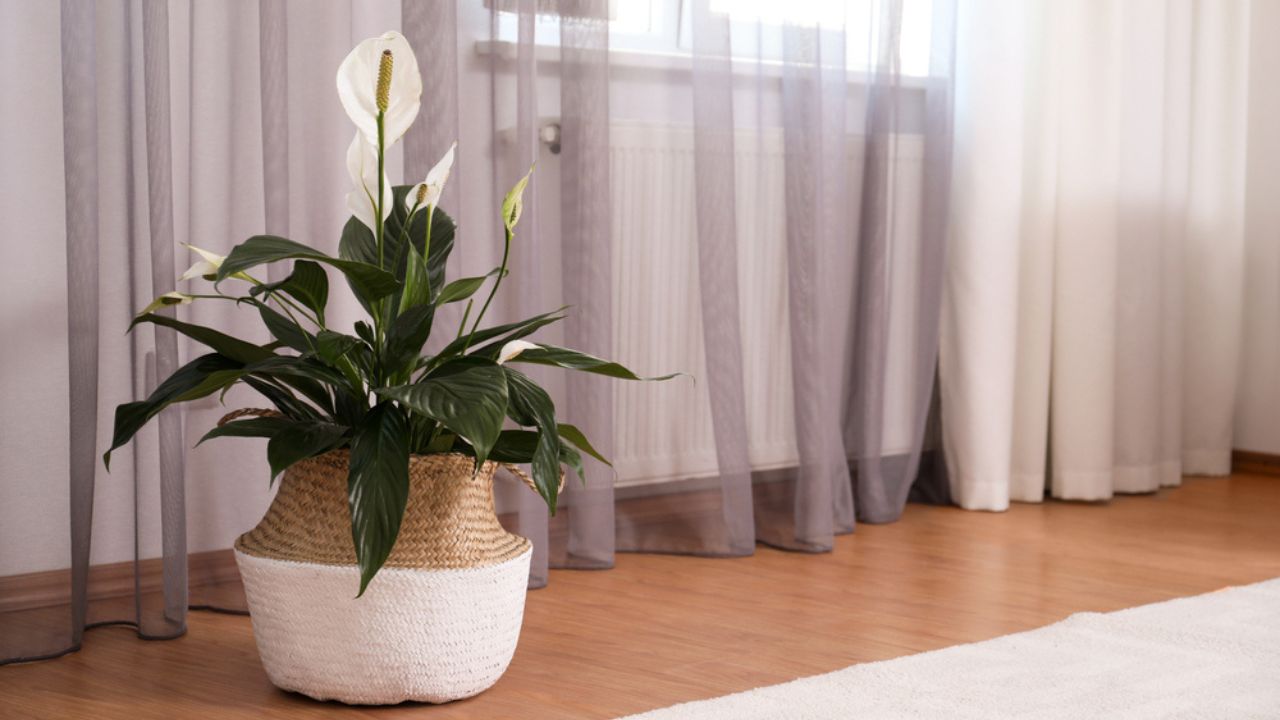
The peace lily, a timeless favorite among houseplants, is prized for its ability to thrive in lower light conditions. Its striking white “flowers,” which are actually spathes, gracefully rise above its lush, dark green foliage, creating a beautiful contrast that enhances its ornamental appeal. While peace lilies can bloom at any time of the year, they are particularly known for their tendency to produce flowers during the winter months.
Peace Lilies add a touch of brightness and elegance to indoor settings during the darker seasons. Additionally, the peace lily is celebrated for its air-purifying qualities, making it not only a visually pleasing plant but also a functional one, contributing to a healthier indoor environment.
Quick Scan:
- Light: Can tolerate low light but prefers bright, indirect light to bloom.
- Water: Keep the soil evenly moist. It will droop dramatically when thirsty but usually perks up quickly after watering.
- Soil: Use a well-draining, all-purpose potting soil.
- Tip: The white spathes will eventually turn green and should be cut off at the base to encourage new blooms.
17. Goldfish Plant (Columnea nematanthus)
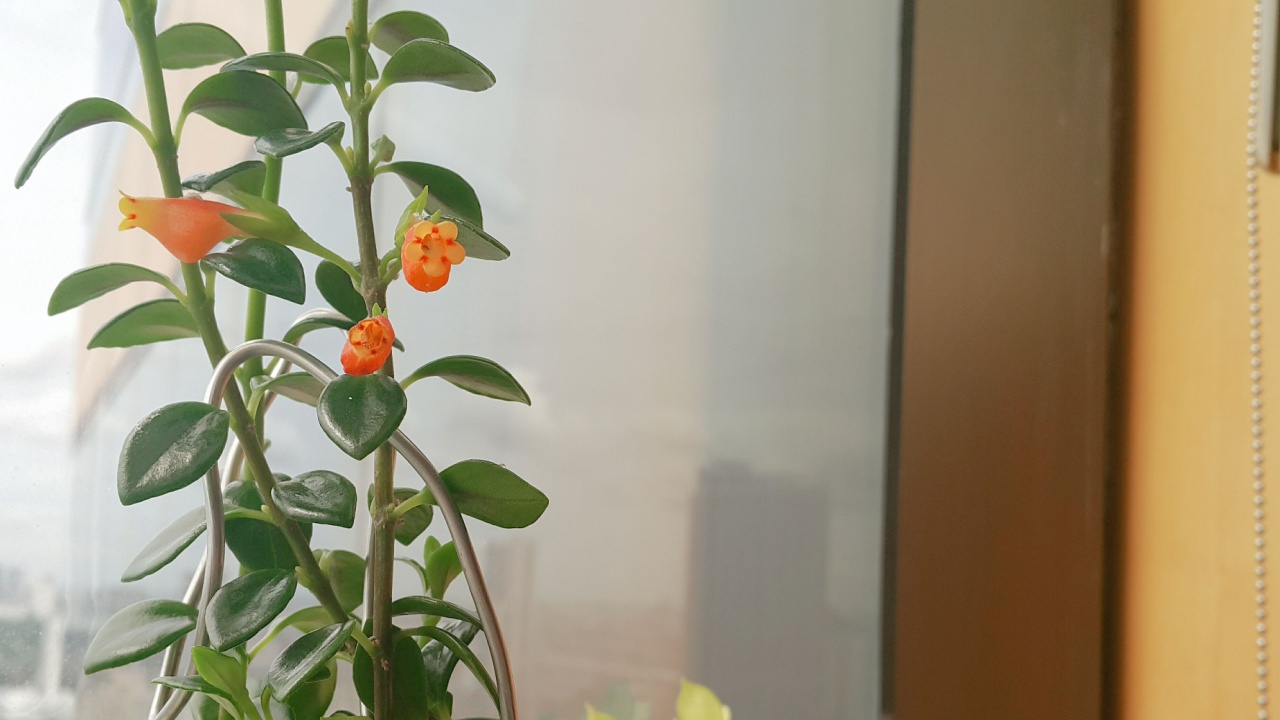
The goldfish plant is a delightful trailing plant that gets its name from its unique, puffy orange or red-orange flowers, which bear a striking resemblance to little leaping goldfish. These whimsical blooms are a standout feature, but the plant’s appeal doesn’t stop there.
Its small, waxy, dark green leaves add to its charm, offering an elegant contrast to the vibrant flowers. This plant thrives in a hanging basket placed in a bright, well-lit location, where its trailing vines can cascade beautifully.
Quick Scan:
- Light: Prefers bright, indirect light.
- Water: Water thoroughly, then allow the top layer of soil to dry out.
- Soil: A light, fast-draining soil is important.
- Tip: Like the lipstick plant, it enjoys higher humidity levels.
18. Purple Shamrock (Oxalis triangularis)
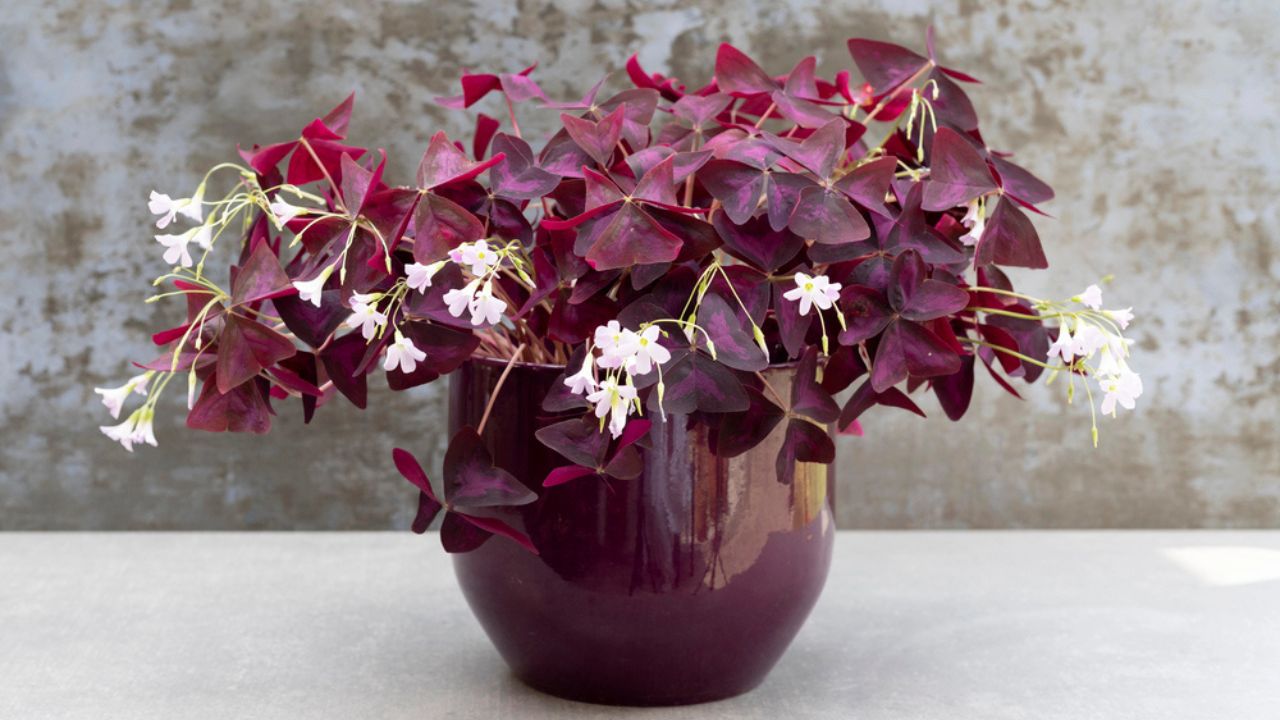
The purple shamrock is a stunner, with deep purple, triangular leaves that look like a cluster of butterflies. It also produces delicate, pale pink or white flowers. The leaves have a fascinating habit of folding up at night and opening again in the morning. While it may go dormant for a period, it often puts on a good show of both foliage and flowers during the cooler months. Purple shamrock contains soluble oxalates, which can be harmful to pets if eaten in large amounts, so it’s best to keep the plant out of reach.
Quick Scan:
- Light: Bright, indirect light keeps the color deep and encourages flowering.
- Water: Keep the soil lightly moist when it is actively growing. If it goes dormant, stop watering until new growth appears.
- Soil: A standard potting mix is fine.
- Tip: It grows from small bulbs. If the plant starts to look scraggly, you can cut it all back, and it will regrow.
Blooming in Winter
Bringing winter-flowering plants into your home is a fantastic way to keep the gardening spirit alive when it is too cold to be outside. The key to success is understanding that each plant has its own preferences. Instead of trying to change your entire home environment, start by choosing a plant that fits a spot you already have. Have a bright, cool windowsill? A cyclamen or azalea could be perfect. Looking for something for a hanging basket in a bright room? Try a lipstick or goldfish plant. By matching the plant to the place, you set yourself up for a beautiful, low-stress experience. Do not be afraid to experiment. Part of the fun is learning what makes each plant thrive.