8 Houseplants That Don’t Belong in the Bedroom
Choosing plants for your home often feels like a personality test. Are you a low-maintenance succulent person or a high-drama fiddle-leaf fig enthusiast? When it comes to the bedroom, the stakes get a little higher. This is your sanctuary, your sleep haven, and the last place you want to introduce a plant that’s secretly plotting to ruin your REM cycle. Or your health.
There is enough advice on the best plants for purifying the air and promoting calm, but what about the ones that are better left in the living room? Some houseplants, despite their good looks, aren’t suited for a peaceful night’s sleep.
These eight houseplants shouldn’t be in your bedroom.
1. Ficus
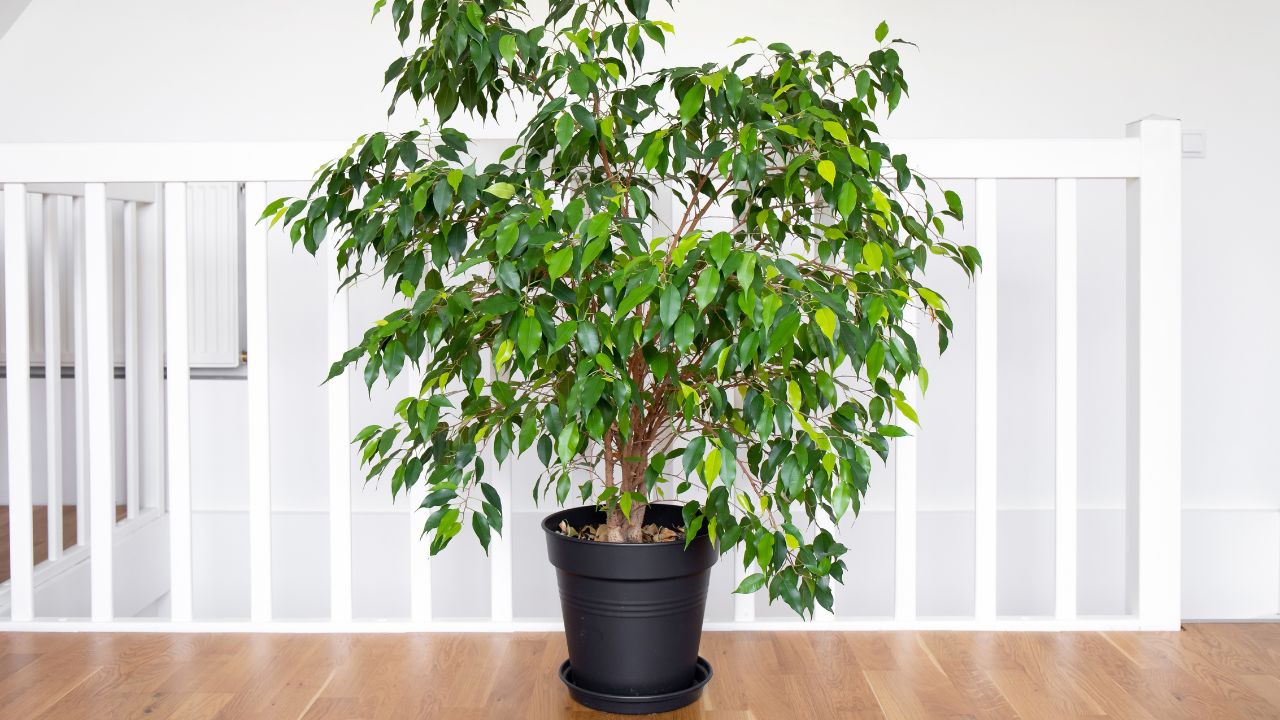
The Ficus family, particularly the Ficus benjamina (weeping fig), is a classic houseplant with an elegant, tree-like appearance. It can make any corner look sophisticated. However, this plant is famously particular about its environment. It has a reputation for dropping leaves at the slightest inconvenience, like a draft from a window, a change in temperature, or simply being moved an inch to the left.
The bedroom, with its fluctuating temperatures from daytime sun to nighttime cool, can be a constant source of stress for a Ficus. The last thing you need is to wake up to a carpet of shed leaves, wondering what you did to offend your leafy roommate. They also have a milky sap that can be a skin irritant for some people and pets, making it less than ideal for a space where you spend so much time relaxing.
Quick Guide
- Why it’s a no-go: Highly sensitive to environmental changes, leading to constant leaf drop and mess. Sap can be an irritant.
- Better placement: A bright, stable spot in a living room or entryway where it won’t be disturbed by drafts or frequent temperature shifts.
2. Jasmine
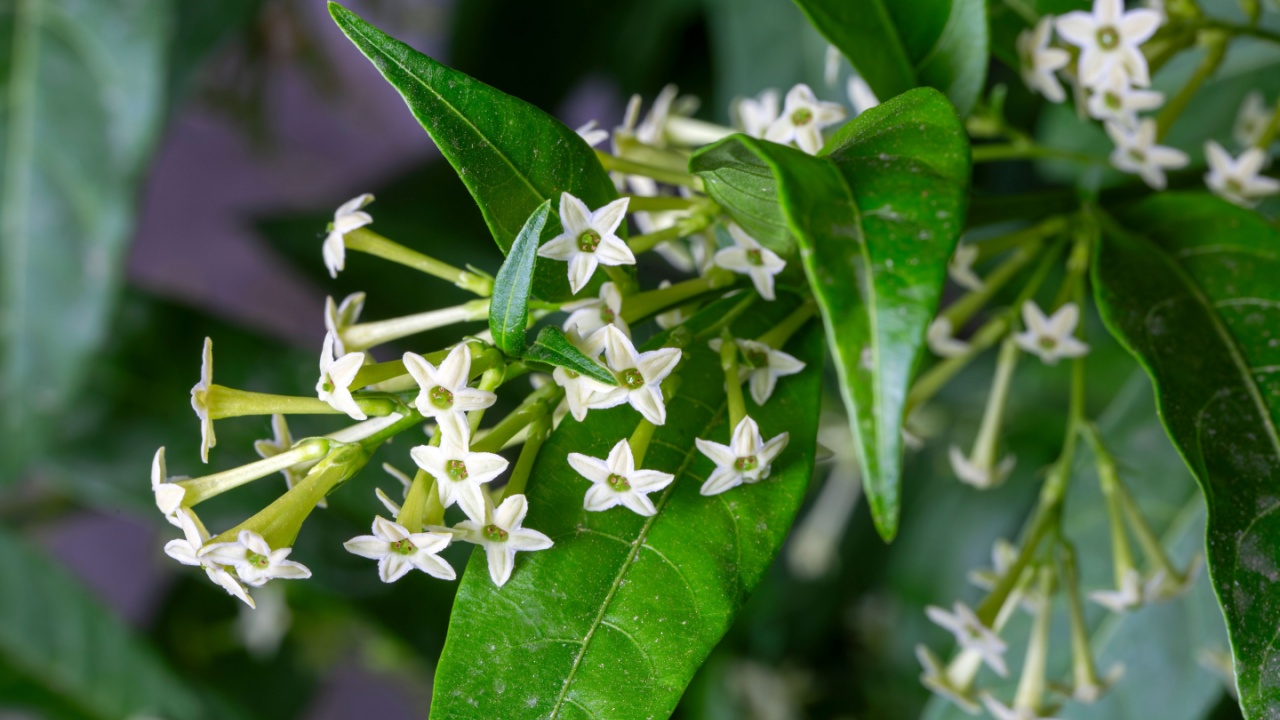
Night-blooming Jasmine is often recommended for bedrooms because of its intoxicatingly sweet fragrance, which is said to promote relaxation. This works wonderfully for some people. For others, it’s the botanical equivalent of a smoke alarm going off every night.
The scent, while lovely in small doses, can become overwhelmingly strong in an enclosed space like a bedroom. This powerful fragrance can lead to headaches or even disrupt sleep for those with sensitive noses. While the idea of drifting off to a floral aroma is romantic, the reality might be a stuffy room and a restless night. It’s a beautiful plant, but its potent perfume is best enjoyed from a distance.
Quick Guide
- Why it’s a no-go: The fragrance is potent and can become overpowering in a bedroom, potentially causing headaches or sleep disturbances.
- Better placement: A bathroom with good ventilation, a living room where the scent can dissipate, or outdoors on a patio where the fragrance can be enjoyed in the open air.
3. Cacti
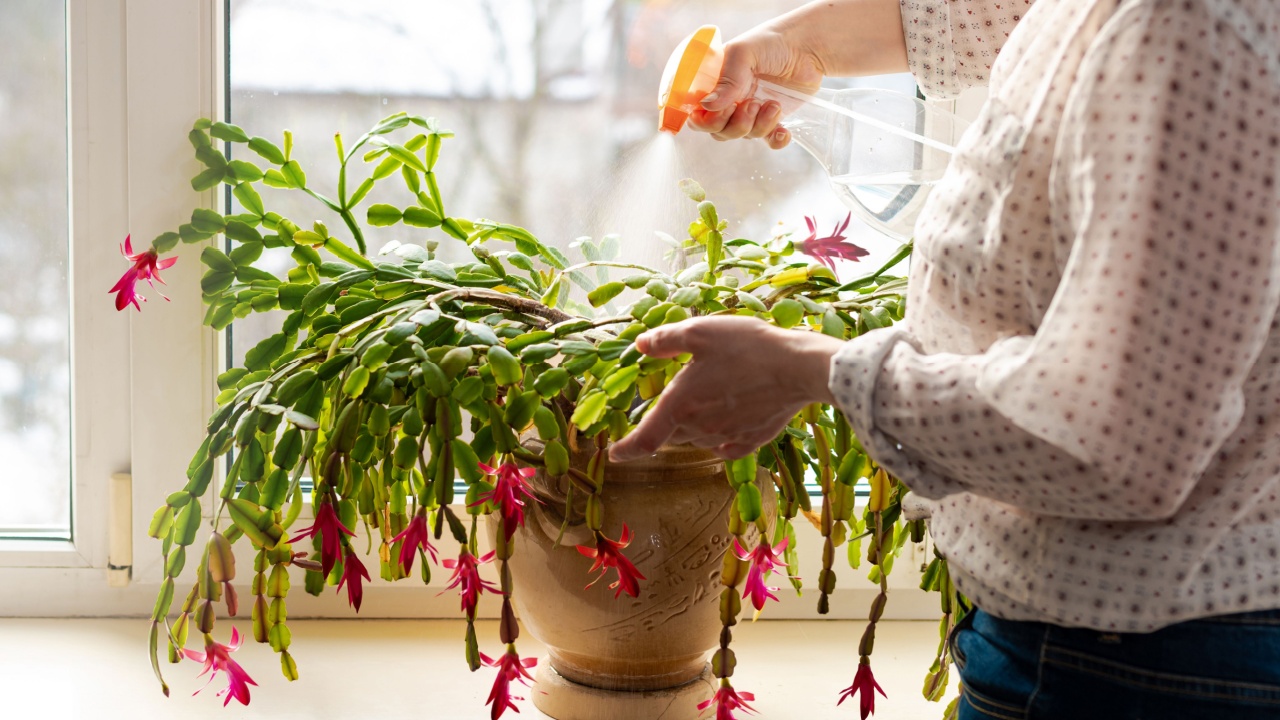
Cacti are champions of neglect, which makes them seem like a great, low-effort bedroom companion. They require minimal water and seem content to just exist. The issue isn’t their care needs, but their prickly nature. Placing a cactus on a bedside table is an accident waiting to happen.
A sleepy grab for your phone, an errant pillow toss, or a midnight stumble for water could result in a handful of spines. It’s a sharp and unpleasant way to be jolted awake. While their sculptural forms are appealing, the bedroom is a place for soft landings and gentle awakenings. Save these spiky friends for a spot where you’re less likely to make accidental, painful contact.
Quick Guide
- Why it’s a no-go: The sharp spines pose a risk of injury, especially in low light or when you’re groggy.
- Better placement: A sunny windowsill in the kitchen, a bookshelf in a home office, or any bright spot far from high-traffic paths.
4. Ferns
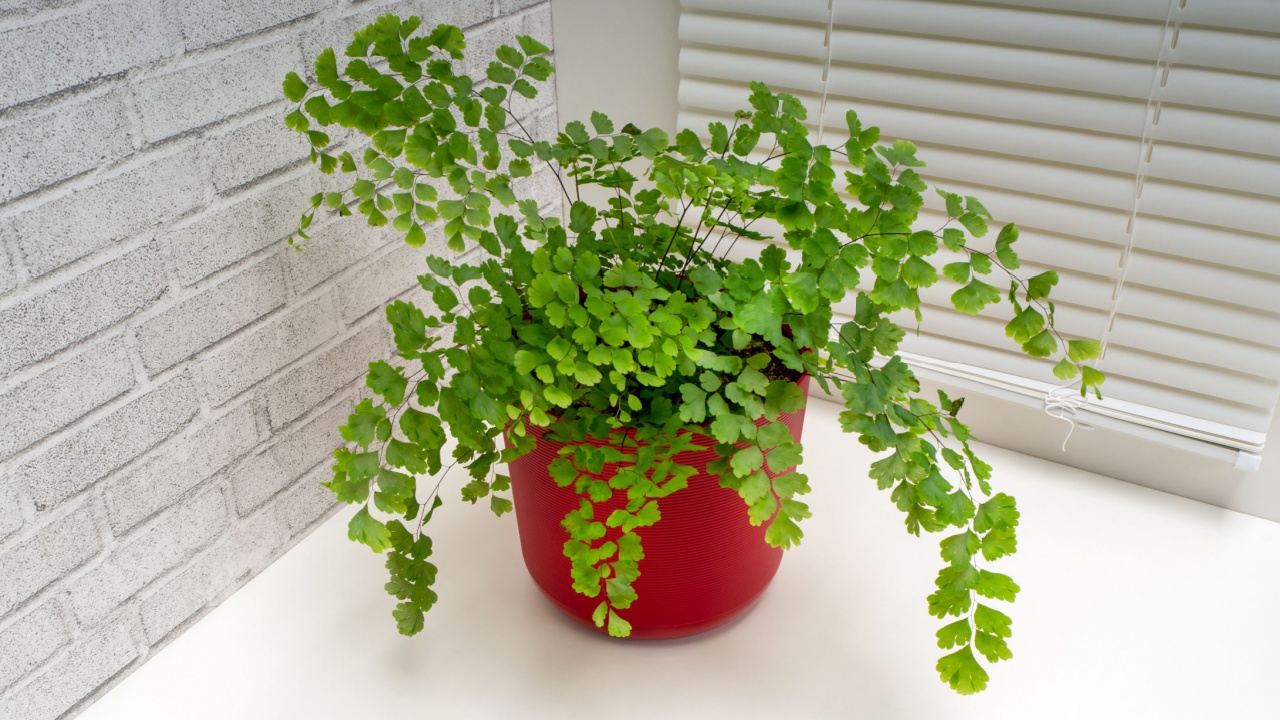
Ferns, with their lush, delicate fronds, bring a wonderful sense of the forest floor indoors. They look calming and serene, and are among the houseplants that instantly boost your mood, which seems perfect for a bedroom. The problem is that most common ferns are humidity lovers. Bedrooms are often on the drier side, especially in winter when heating systems are running.
A dry fern is a sad fern, prone to brown, crispy fronds that shed all over your furniture and floor. This creates a constant need for cleanup and a plant that always looks a bit unwell unless you are misting it daily. They are also notorious for being a favorite hiding spot for pests like spider mites, which you definitely do not want setting up camp next to your bed.
Quick Guide
- Why it’s a no-go: They demand high humidity that most bedrooms lack, leading to crispy, shedding fronds and a constant mess. They can also attract pests.
- Better placement: A bright, steamy bathroom is the ideal home for a fern. A kitchen with good light can also work.
5. Large-Leaved Jungle Plants
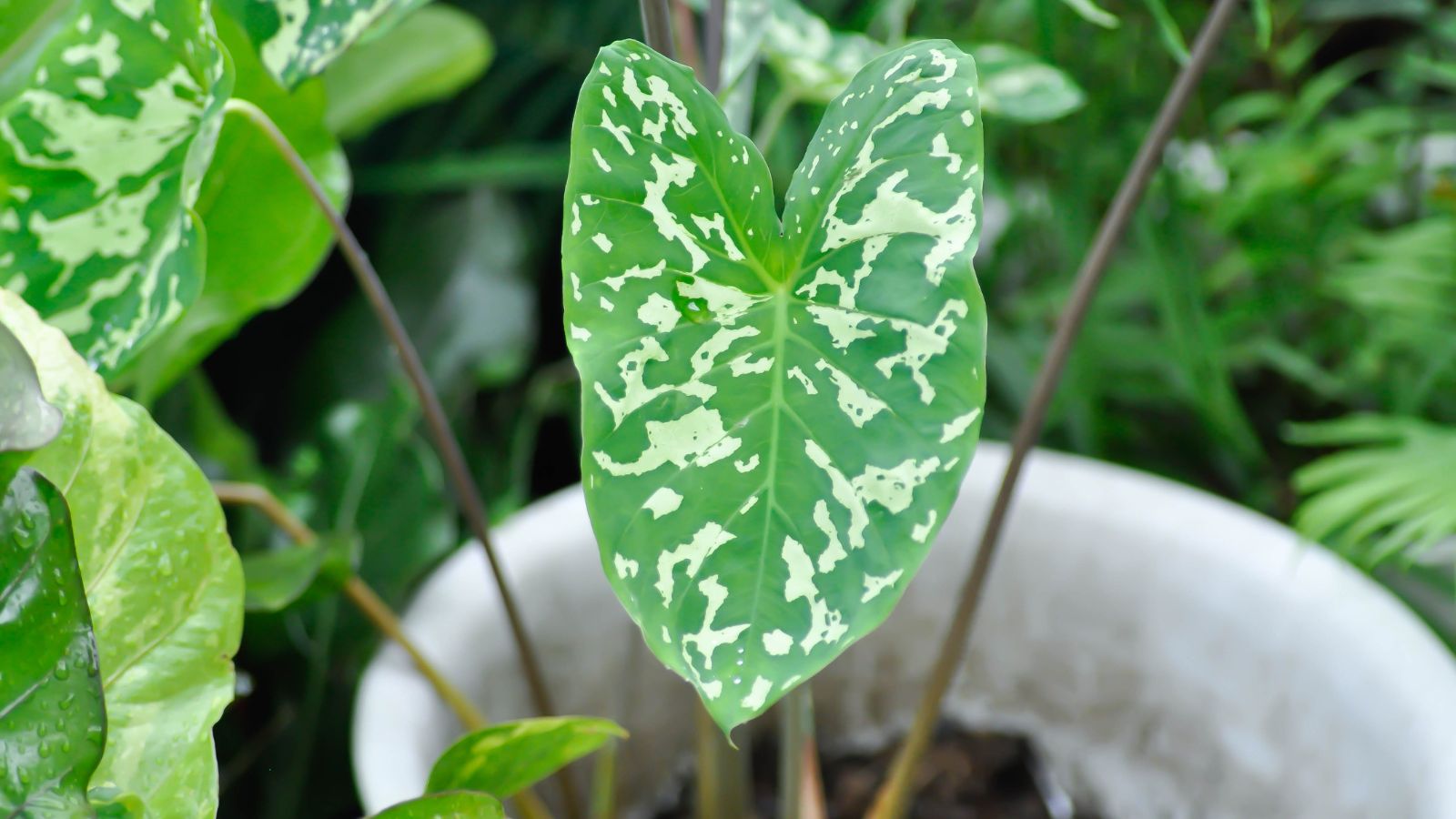
Plants like Monstera deliciosa, Colocasia (Elephant Ear), and Maranta (Prayer Plant) are stunning statement pieces. Their giant leaves can transform a room into a tropical paradise. In a bedroom, however, they can be a bit much if not kept in check. Large leaves collect dust, which can aggravate allergies and require frequent wiping.
These plants also transpire a lot, releasing moisture into the air. While a little humidity can be nice, too much can make a bedroom feel stuffy or damp, potentially encouraging mildew growth. Finally, their sheer size can make a smaller bedroom feel cramped and claustrophobic, which is the opposite of the restful atmosphere you’re trying to create.
Quick Guide
- Why it’s a no-go: They collect dust, can make the room feel damp and stuffy, and their size can overwhelm a small space.
- Better placement: A spacious living room, dining area, or a large entryway where their size can be appreciated and air can circulate freely.
6. Euphorbia Trigona
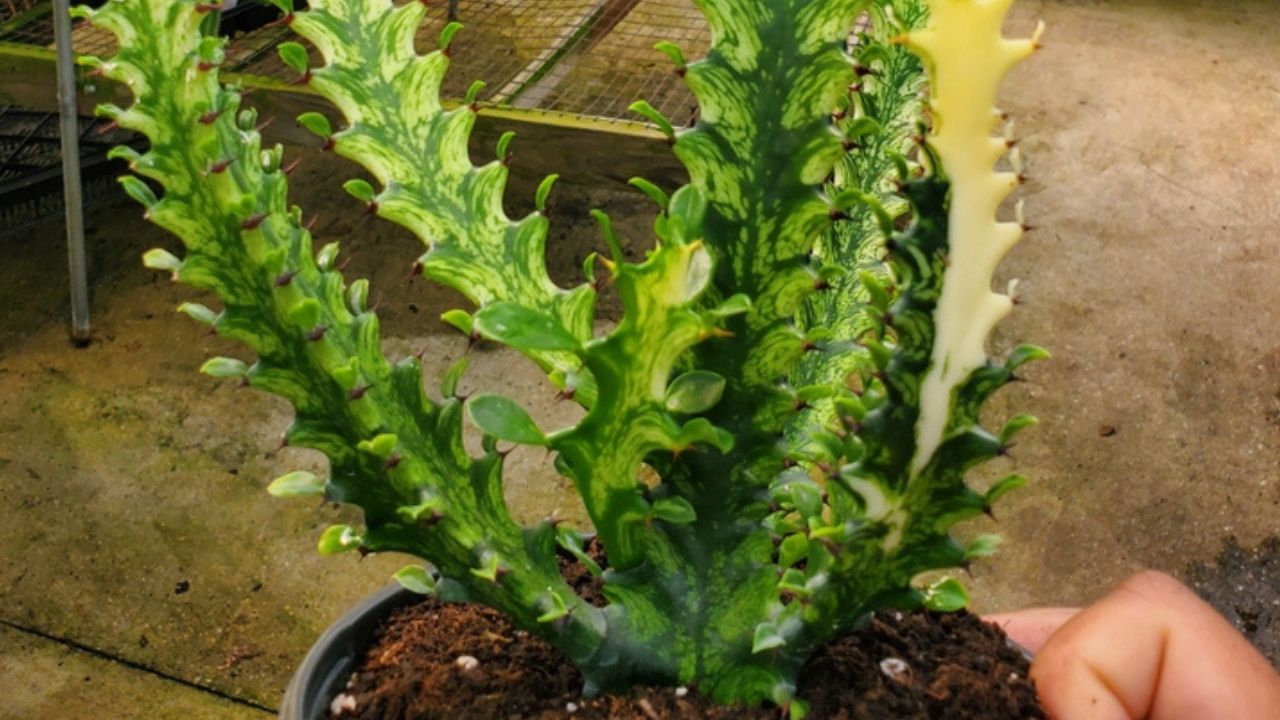
Often mistaken for a cactus, the African Milk Tree (Euphorbia trigona) is actually a succulent with a striking, upright form. It’s a visually interesting plant, but it comes with a significant warning. When broken or damaged, it oozes a toxic, milky white sap.
This sap is a serious irritant that can cause skin rashes and is very dangerous if it gets in your eyes. In a bedroom, where you might accidentally bump into it in the dark or a pet might get curious, the risk of exposure to this sap is higher. It’s a plant that is best handled with caution and gloves, and that level of diligence just doesn’t fit with the relaxed nature of a bedroom.
Quick Guide
- Why it’s a no-go: It contains a toxic, irritating sap that can be harmful to skin and eyes, making it a hazard in a personal space.
- Better placement: A bright spot in a room that sees less hands-on traffic, like a formal living room or a sunny corner of a home office, away from pets and children.
7. Chrysanthemums
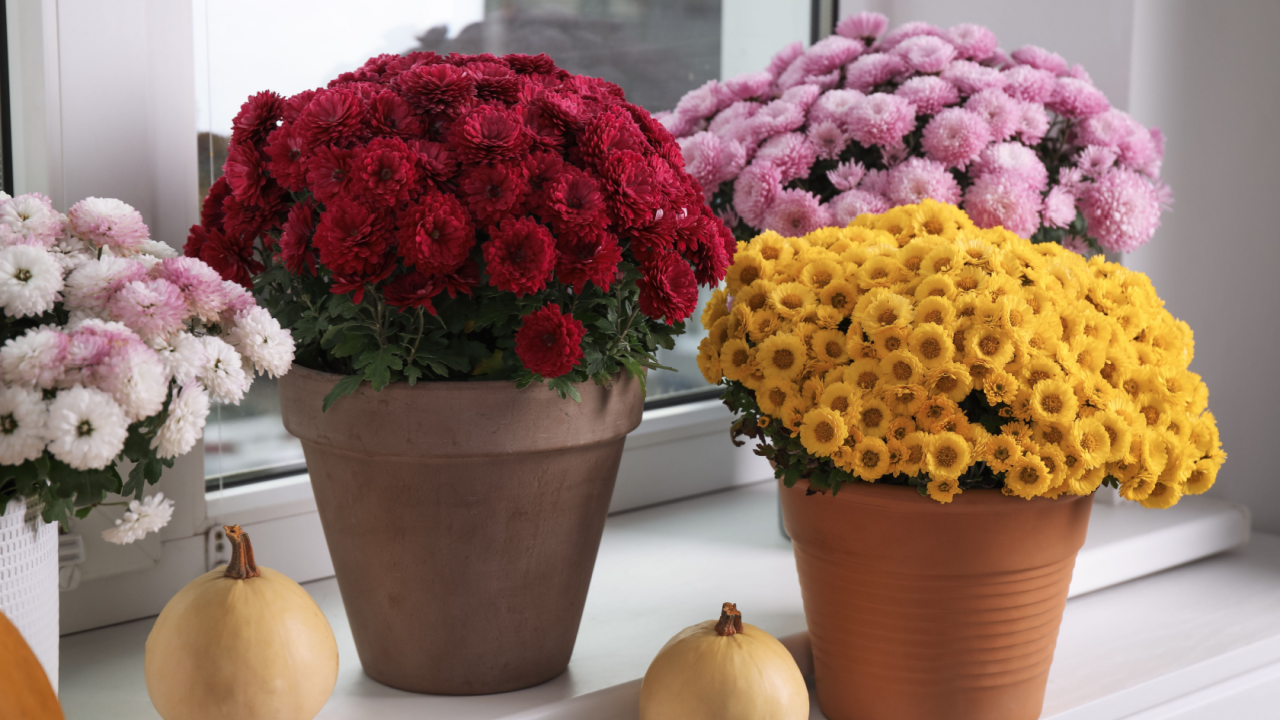
Chrysanthemums are admired for their bright, cheerful blooms and are often grown indoors for decorative appeal. However, they are among the highest pollen‑producing houseplants. According to allergy specialists, chrysanthemum pollen can trigger sneezing, congestion, and itchy eyes, especially in enclosed spaces.
Bedrooms, where air circulation is limited and sleep quality depends on a clean environment, are particularly unsuitable for these plants. While chrysanthemums can be stunning in living rooms or outdoor patios, they are not a practical choice for bedrooms because their pollen can easily disrupt rest and aggravate allergies.
Quick Guide
- Why it’s a no‑go: Chrysanthemums produce high amounts of pollen that can trigger allergies, sneezing, and congestion, making them disruptive in enclosed bedroom spaces.
- Better placement: A living room, sunroom, or outdoor patio where airflow is better and pollen disperses naturally.
8. Bonsai
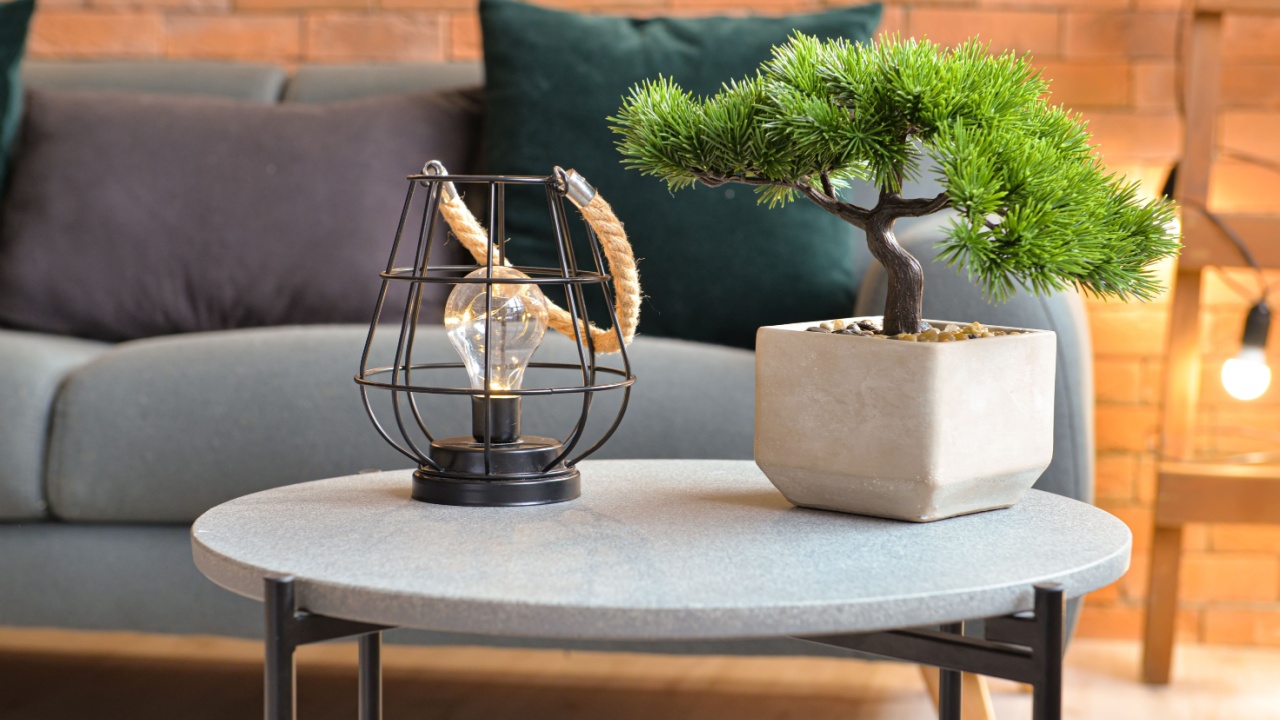
Bonsai trees are living sculptures that embody patience and artistry, but they are not well‑suited for bedrooms. Most bonsai species, particularly conifers and deciduous trees, require exposure to natural seasonal changes, including a cold dormancy period, to survive long‑term. According to Bonsai Empire, only a few tropical and subtropical species can adapt to indoor conditions, while the majority must be kept outdoors to experience the four seasons.
Nearly all temperate bonsai species depend on cold dormancy for survival. Keeping them in a consistently warm bedroom disrupts this cycle, weakening the plant over time. In addition, bonsai care is intensive, involving precise watering, pruning, and wiring, tasks better suited to a dedicated hobby space than a sleep sanctuary.
Quick Guide
- Why it’s a no‑go: Most bonsai species, especially conifers and deciduous trees, require a cold dormancy period to survive long‑term. A heated bedroom disrupts this natural cycle, weakening or eventually killing the plant.
- Better placement: An outdoor patio, balcony, or garden where they can experience seasonal changes. Tropical bonsai species can adapt indoors, but they still demand very specific care and conditions.
Finding the Right Plant for Your Space

Now that you know which plants might cause more trouble than they’re worth in the bedroom, don’t feel discouraged. The world of houseplants is vast and varied. Instead of bringing in a plant with needs that conflict with your sanctuary’s purpose, consider what you want from a bedroom plant.
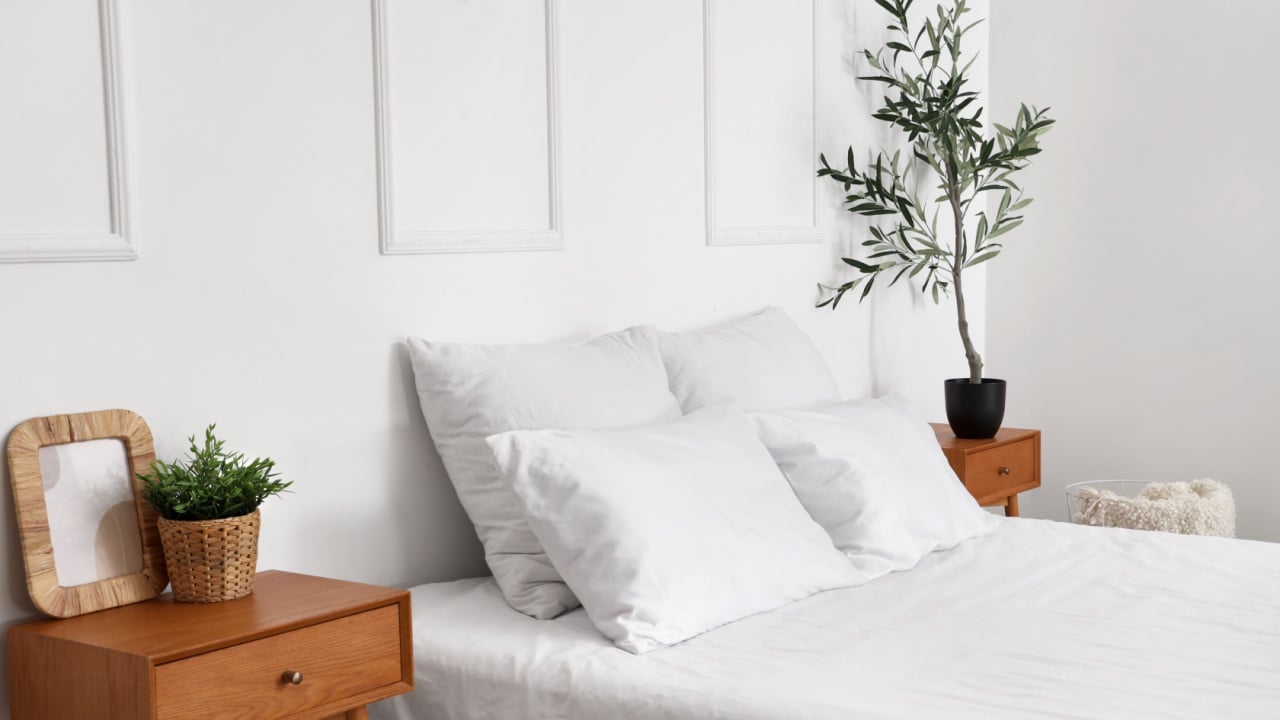
Are you looking for something that is purely decorative and requires almost no attention? A high-quality faux plant might be your best friend. If you want the air-purifying benefits of a living plant, look for truly low-maintenance options like the Snake Plant or ZZ Plant, both of which tolerate low light and infrequent watering.