18 Flowers That Cost Almost Nothing and Make Your Garden Look Like a Million Dollars
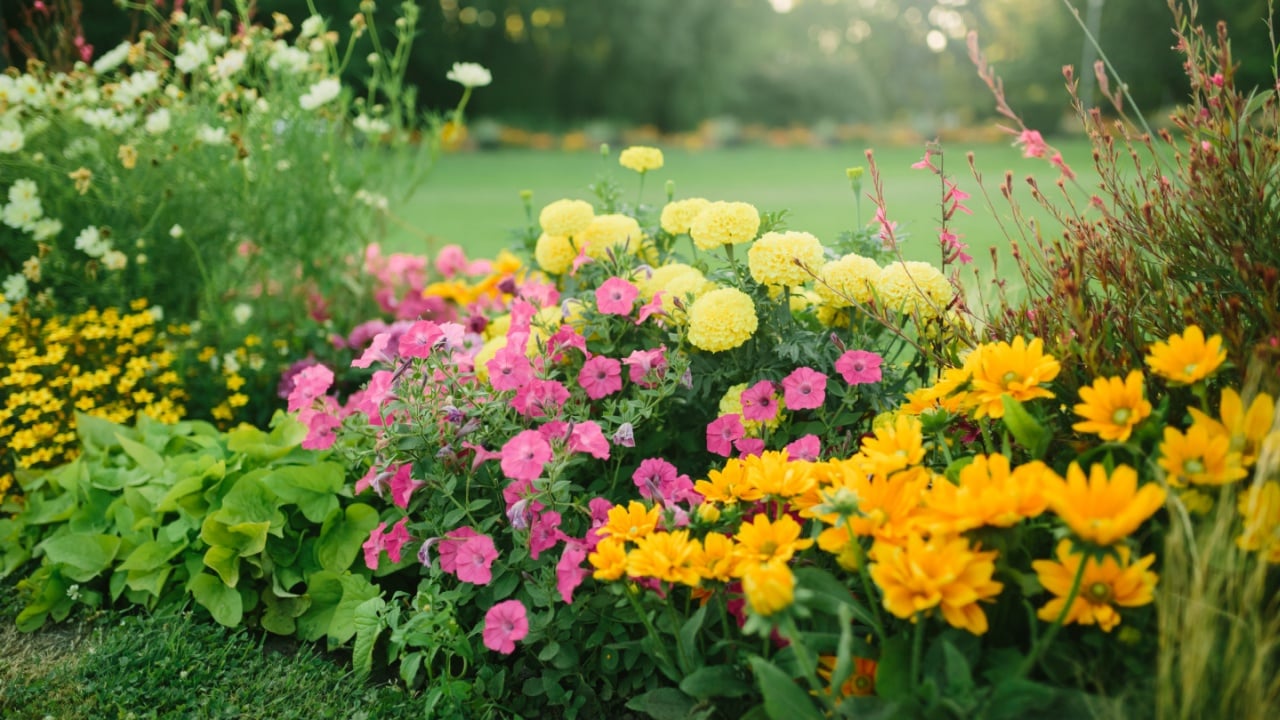
Most people walk into a garden center in April and walk out $60 lighter with a single flat of flowers that stops blooming by August. There is a smarter way to do it, and it starts with knowing which flowers deliver the most color for the least money, especially when you grow them the way experienced gardeners actually do.
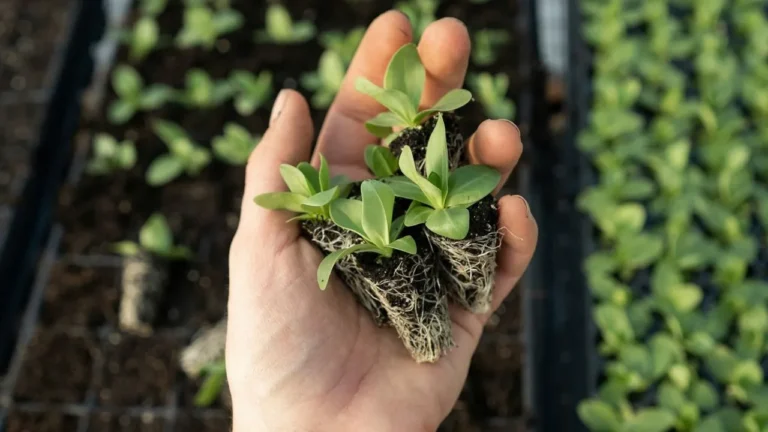
The biggest budget mistake in gardening is buying transplants when seeds will do the same job for a fraction of the cost. As Black Gold gardening experts explain, the very best low-cost flowers are fast-growing annuals and perennials that bloom quickly from seed. A single packet can cost as little as $2.50 and fill an entire garden bed with color.
“Cut-and-come-again” flowers also give you the most bang for your buck when you’re trying to add color throughout the season on a budget. Zinnias, cosmos, and snapdragons do not slow down when you harvest them. They branch and produce more blooms with every cut. A packet of zinnia seeds can produce dozens of plants, each generating continuous blooms from summer through frost.
These 18 flowers are the ones seasoned gardeners reach for every spring, giving you color throughout the duration of the summer.
1. Zinnias
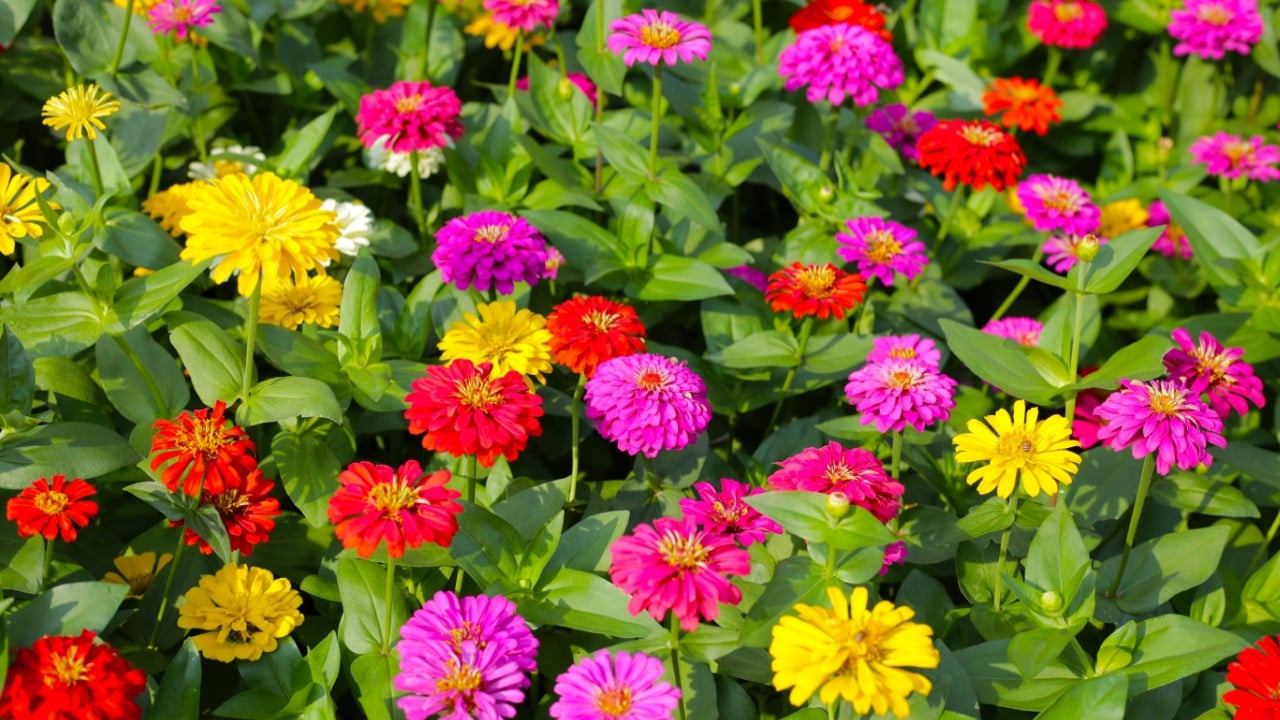
Zinnias are the undisputed queen of the budget garden. Direct-sow in warm April soil after the last frost, and they germinate in as few as five to seven days, often blooming within 60 days.
They come in every color imaginable and attract butterflies and hummingbirds. Cut them constantly, and they reward you with non-stop color until hard frost.
“Zinnias are incredibly forgiving when planted from seed. They can be sown directly into the ground after the last frost, and they will germinate quickly, sometimes within a few days. This rapid initial growth is very encouraging for new gardeners who might be impatient for results,” says Linda Vater with Southern Living Plant Collection in Family Handyman.
2. Marigolds
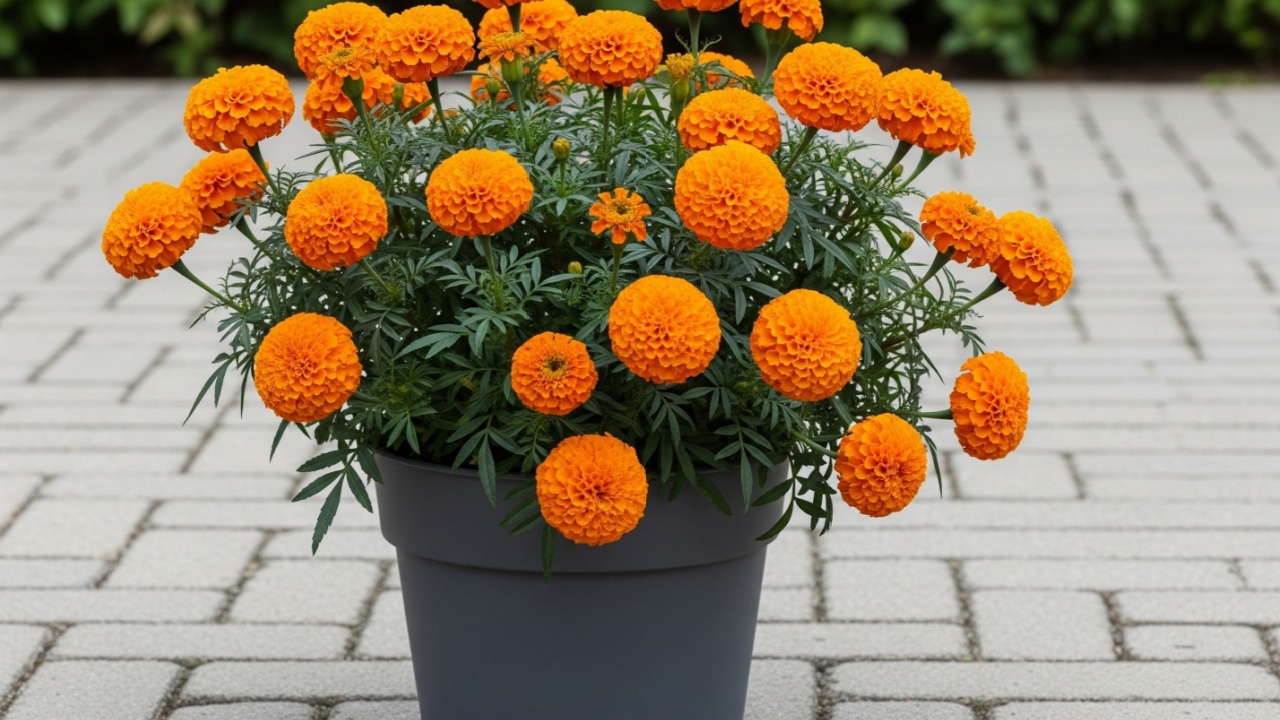
Few flowers earn their place more reliably than marigolds. They bloom from spring through fall, repel aphids and whiteflies, and deer and rabbits tend to avoid them because of their distinctive scent.
A six-pack of seedlings costs roughly $3, making them one of the most affordable season-long color options available. Remember to deadhead regularly to keep them performing through August and September.
3. Sunflowers
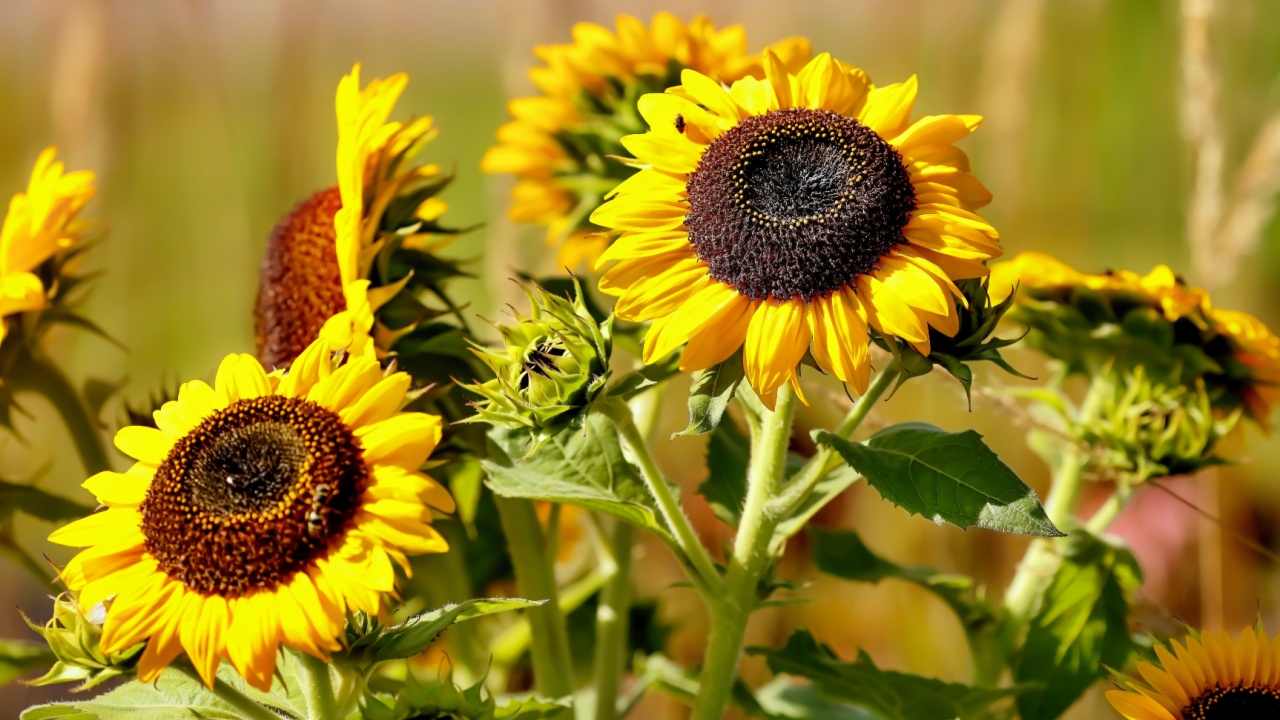
Sunflowers deliver the highest visual impact per dollar in the garden. Sow seeds directly in full sun after frost, and they thrive with minimal care through the heat of summer.
Leave the heads standing in the fall, and they become a bird feeder. Save the seeds before the birds arrive, and you have next year’s planting for free.
4. Cosmos
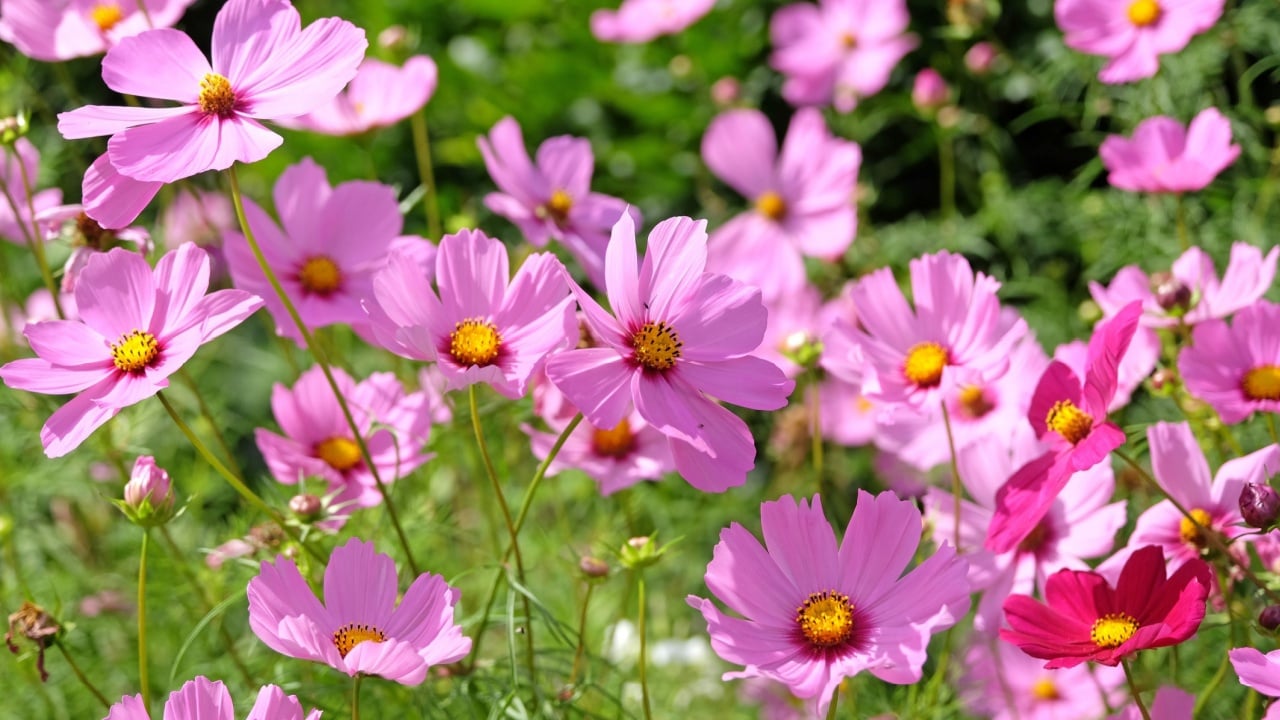
Cosmos have an airy, whimsical quality that makes a garden feel like a storybook. Their feathery foliage and daisy-like blooms sway in the breeze, and they grow tall enough to create a soft backdrop behind lower plantings.
Once established, they reseed so naturally that many gardeners never buy them a second time.
5. Cleome (Spiderflower)
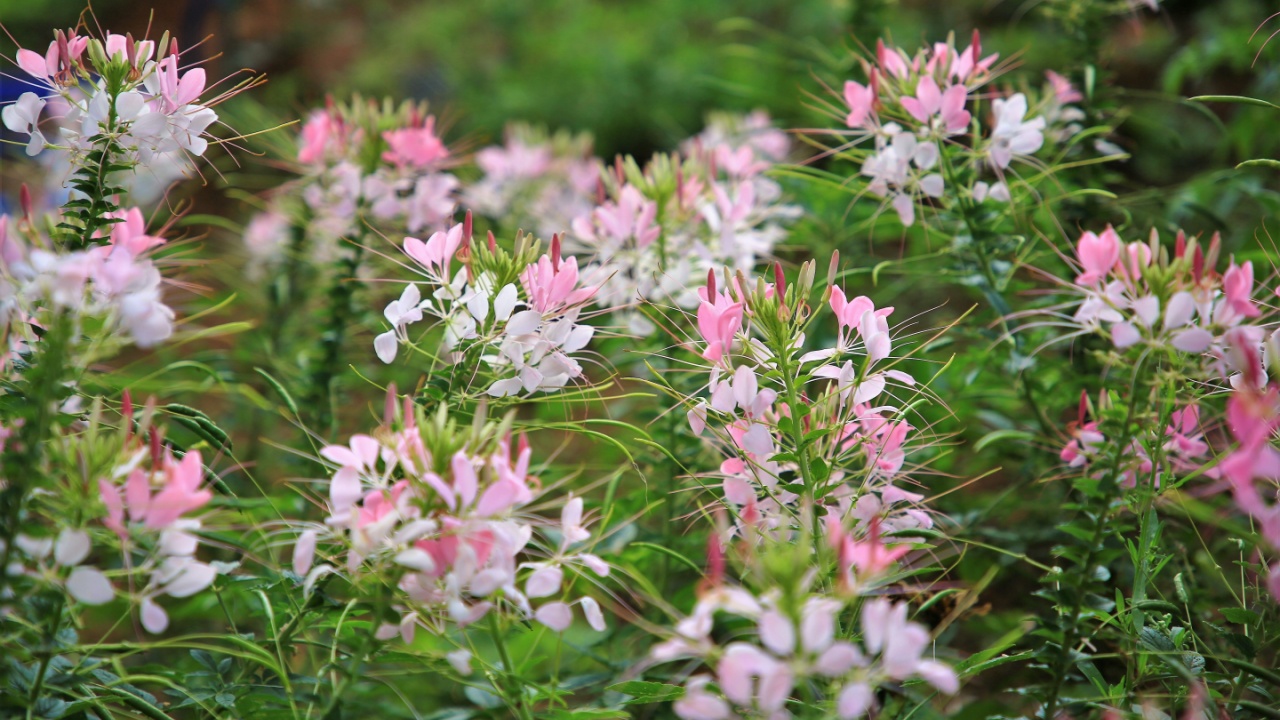
At four feet tall with dramatic pink, purple, and white blooms from June to frost, cleome makes a serious statement. It self-seeds prolifically, so one season’s purchase becomes a permanent garden resident.
“To make a big splash in a sunny area, plant cleome. From late June to frost, you’ll have four- to five-inch spiderlike blooms,” states Jon Carloftis, landscape designer, as quoted in Country Living.
6. Celosia
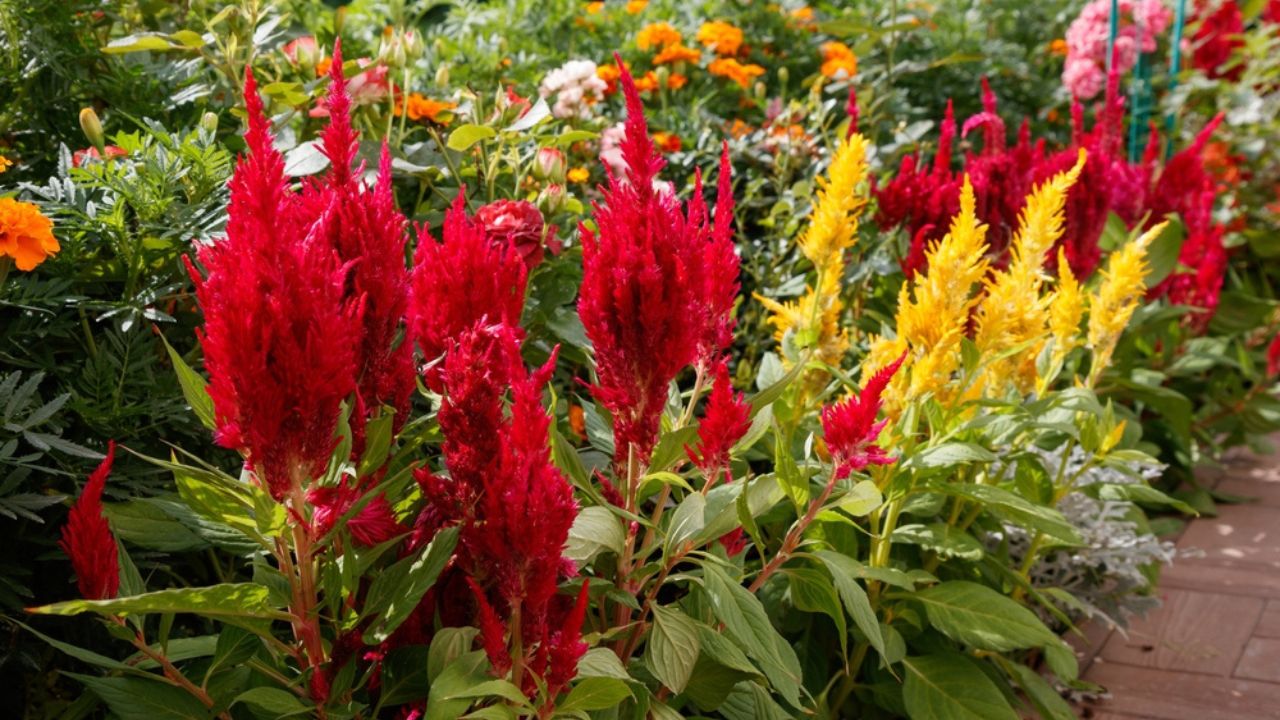
Celosia’s vivid plumes and crests in burgundy, magenta, orange, and yellow are a rampant self-seeder’s dream. Sizes range from compact six-inch dwarfs to bold three-foot specimens.
Leave a few spent plants standing past frost, and next year’s volunteers practically plant themselves.
7. Calendula (Pot Marigold)
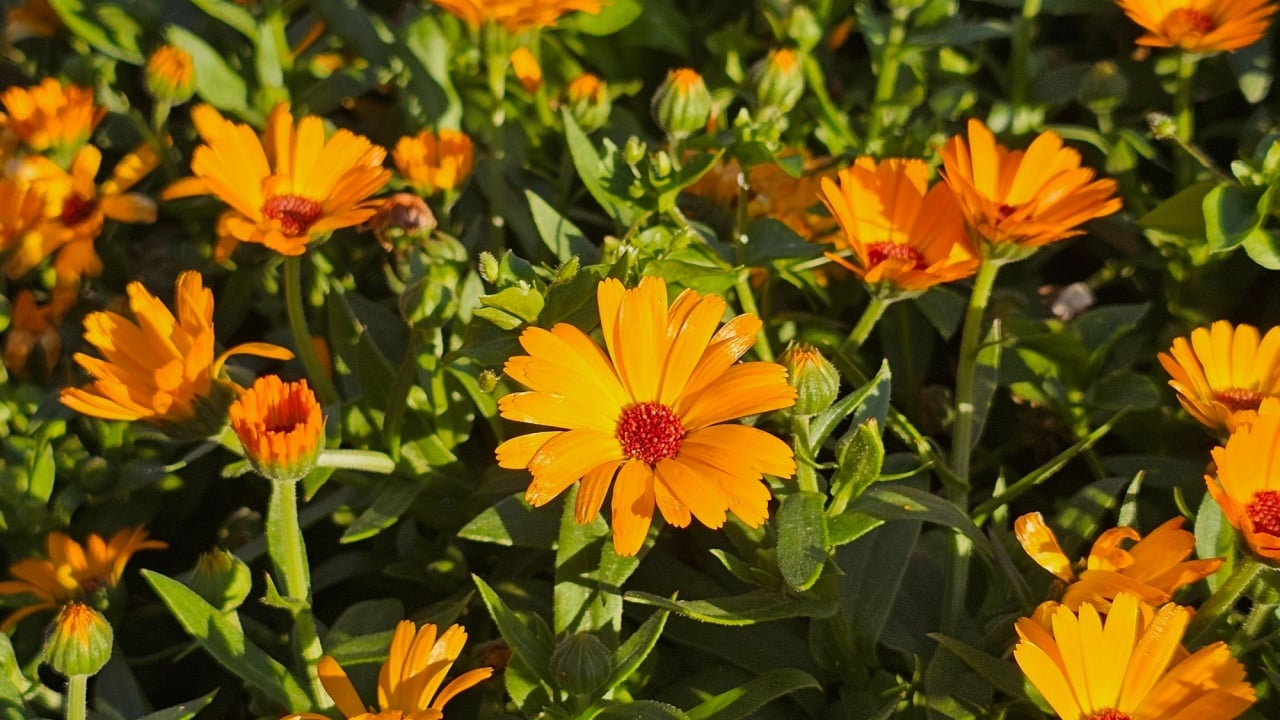
Calendula is one of the least expensive flowers in any garden center and one of the most versatile.
It sows directly into workable soil, deters pests from nearby vegetable beds, and is completely non-toxic to pets according to the ASPCA. Its warm orange and yellow blooms make it an excellent front-border flower for any household with dogs or cats.
8. Snapdragons
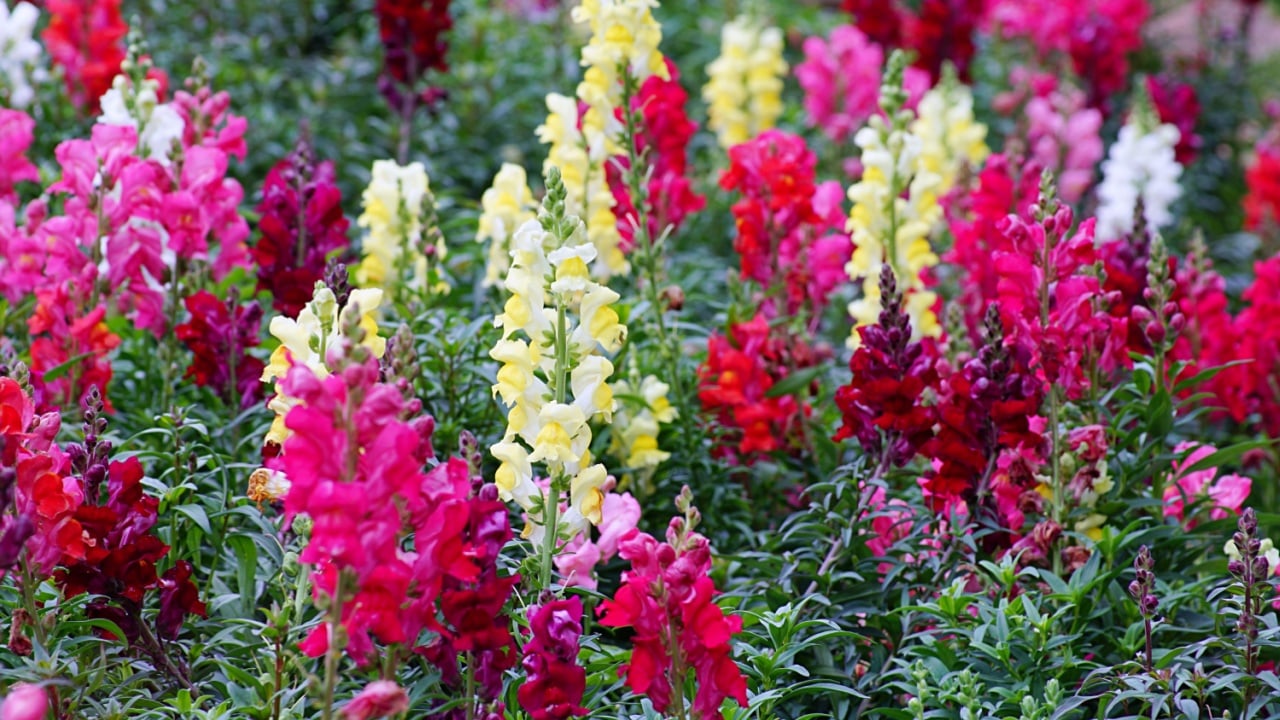
Snapdragons are cool-weather performers that thrive in spring and fall and attract bees throughout their season. Plant them in April, and they will carry the garden beautifully while summer annuals are still getting established.
“This long-blooming snapdragon has bright flowers and variegated foliage and flourishes in cool and hot temperatures,” says Dennis Schrader, nursery owner, Mattituck, New York, as quoted in Country Living.
9. Black-Eyed Susans
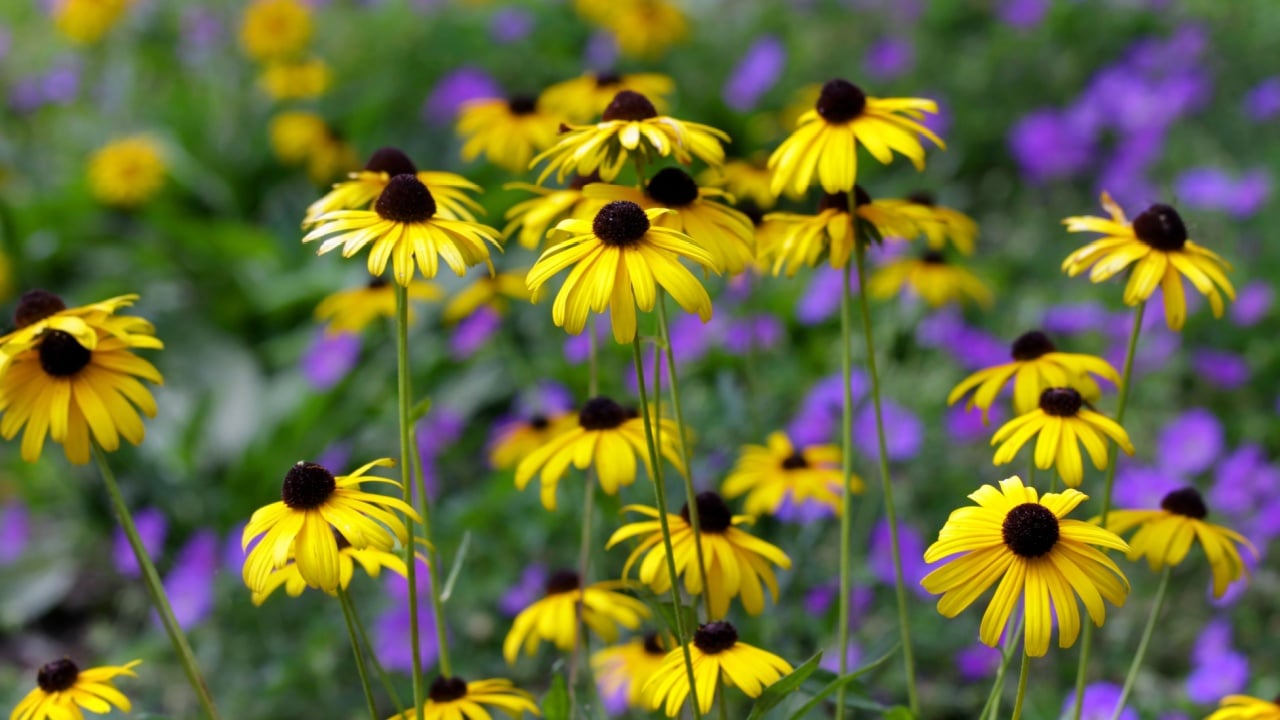
Black-eyed Susans are the perennial that pays for itself over and over. Buy one clump, divide it in a few years, and you have a dozen for free.
“The showiest of my self-seeding perennials, these golden daisies bloom from mid-July through mid-September and beyond,” says Patricia Hill, garden designer, Elgin, Illinois, as quoted in Country Living.
10. Daylilies
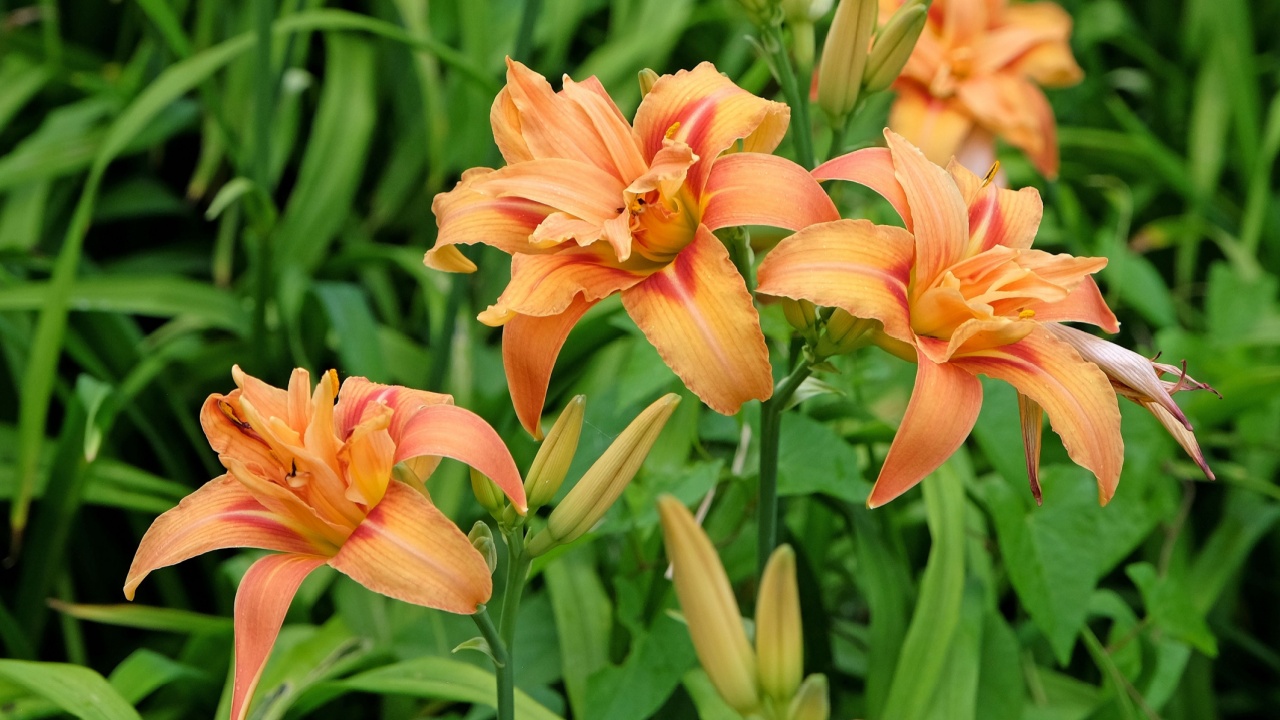
Daylilies are the favorite flower of gardeners who have learned to stop working so hard. They multiply every season, tolerate neglect, and come in hundreds of colors. Ask a neighbor with a full clump if you can take a division; they will almost certainly say yes.
“Daylilies are gorgeous and easy to divide. You can build a fine collection of colors and shapes by acquiring a few plants each year,” according to Barbara Damrosch, farmer and author, as quoted in Country Living.
11. Lavender
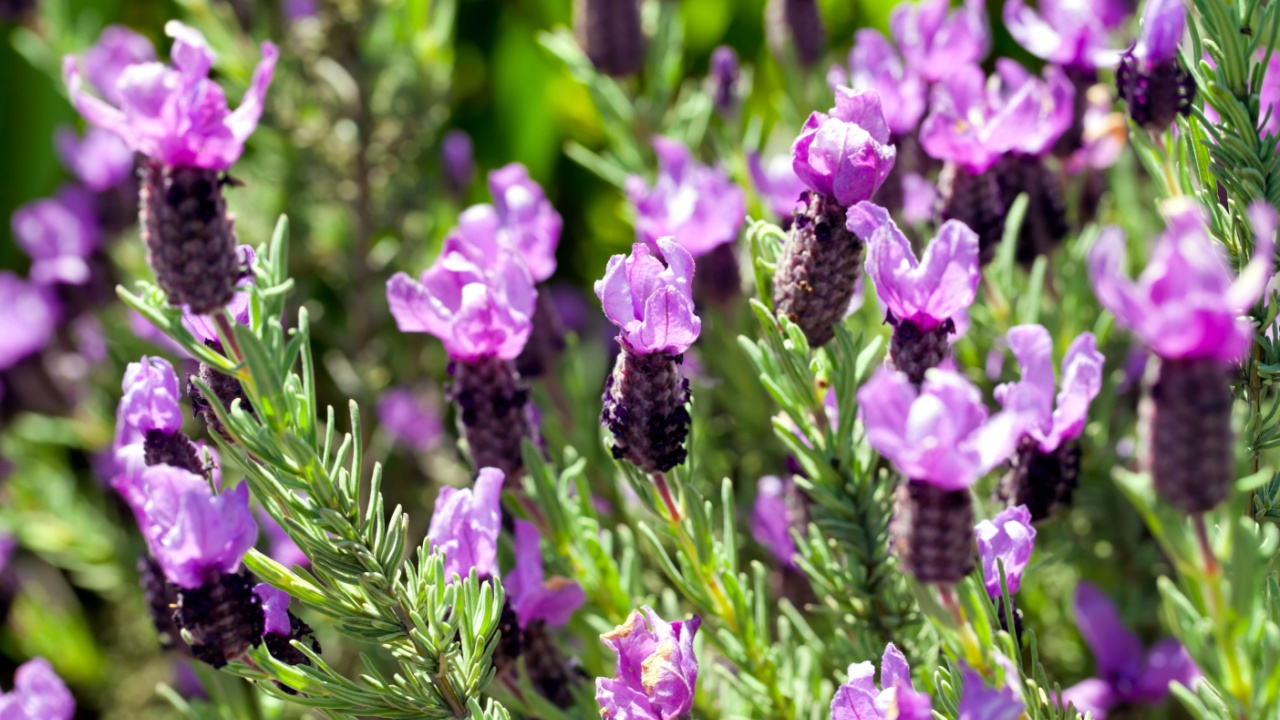
Lavender is the investment that keeps giving for decades. Planted small along a narrow border, a row can fill 20 feet for under $25 and perfume every warm evening from June onward. It takes two to three years to hit its stride, but gardeners who plant it early never regret it.
“Lavender’s practically indestructible, genuinely deer-resistant, and comes in beautiful hues,” states Robert Kourik, garden designer, as quoted in Country Living.
12. Coneflowers (Echinacea)
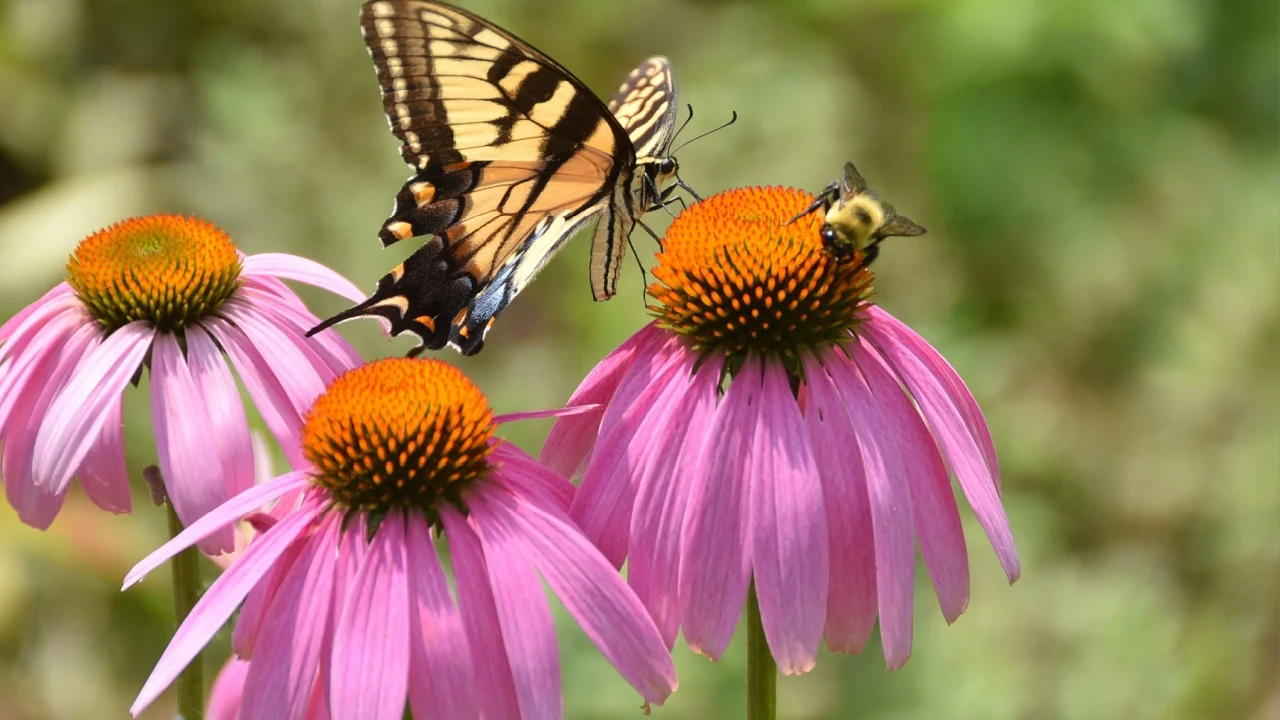
Coneflowers are pollinator magnets with bold, nectar-rich blooms that run from summer to frost. They self-seed freely, grow larger each year, and are among the easiest perennials to divide. Plant a few in April and let them do what they do naturally.
13. Portulaca (Moss Rose)
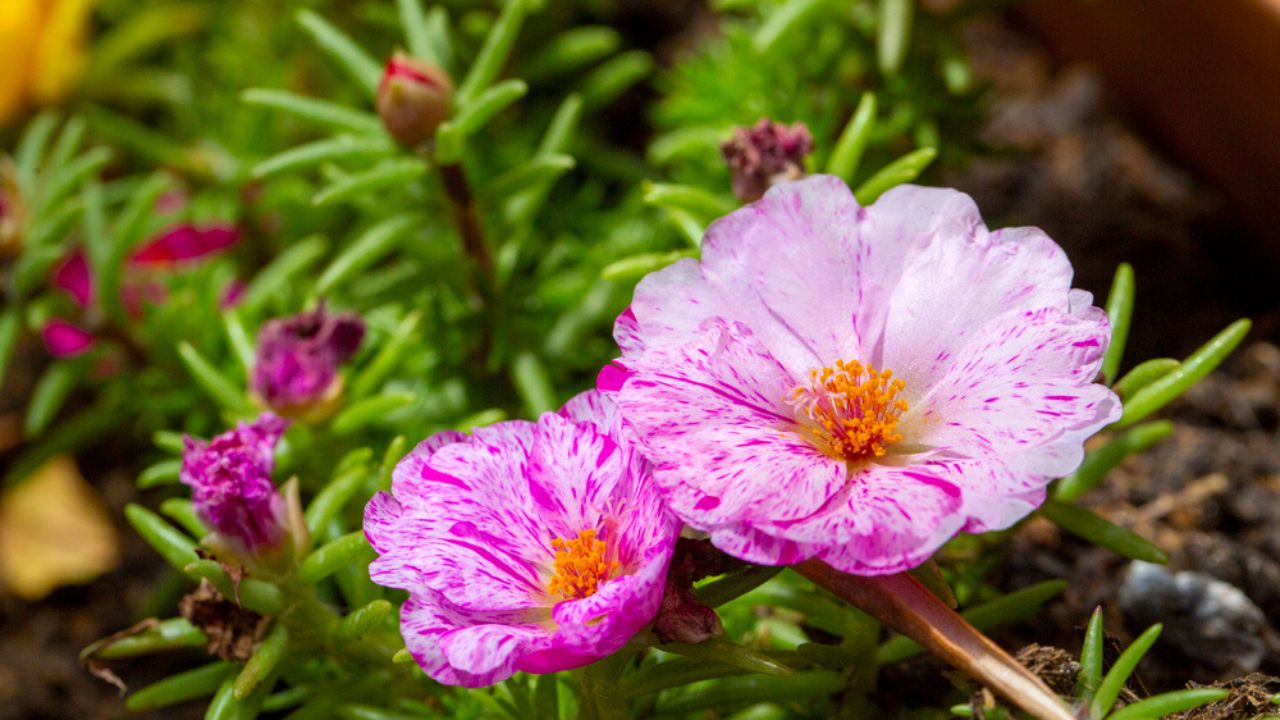
For the hot, dry, brutally sunny spots where other flowers give up, portulaca thrives. One inexpensive seed packet can cover large garden areas in brilliant red, pink, orange, and yellow all season long.
It is drought-tolerant, essentially pest-free, and spreads on its own without becoming invasive.
14. Helenium (Helen’s Flower)

As summer fades, helenium steps in with warm gold, amber, and mahogany daisy-like blooms. It blooms longer when deadheaded and grows larger each year.
An excellent late-season companion to black-eyed Susans and asters, it ensures the garden stays vibrant well into October.
15. Catmint (Nepeta)
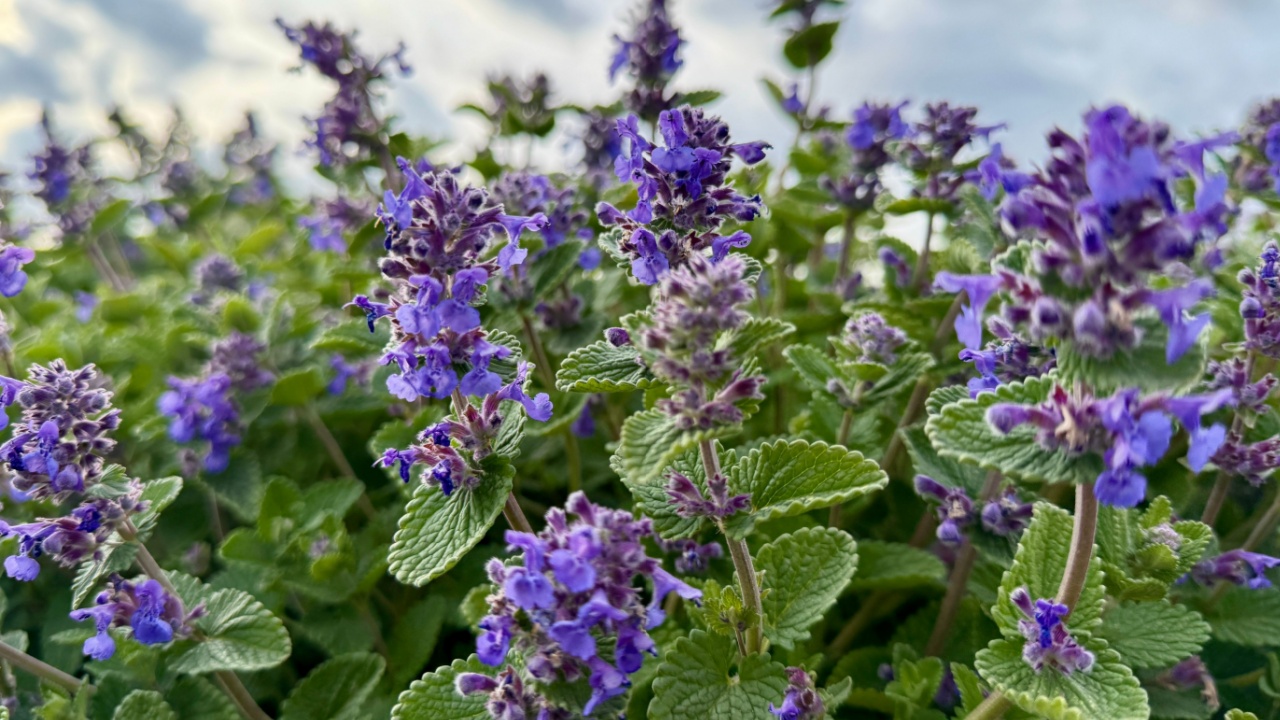
Catmint blooms in waves of soft lavender-blue from late spring through summer and is deer-resistant, drought-resistant, and practically maintenance-free.
Cut it back hard after the first flush of bloom, and it will rebound with a second round of flowers in a matter of weeks.
16. Butterfly Weed (Asclepias tuberosa)
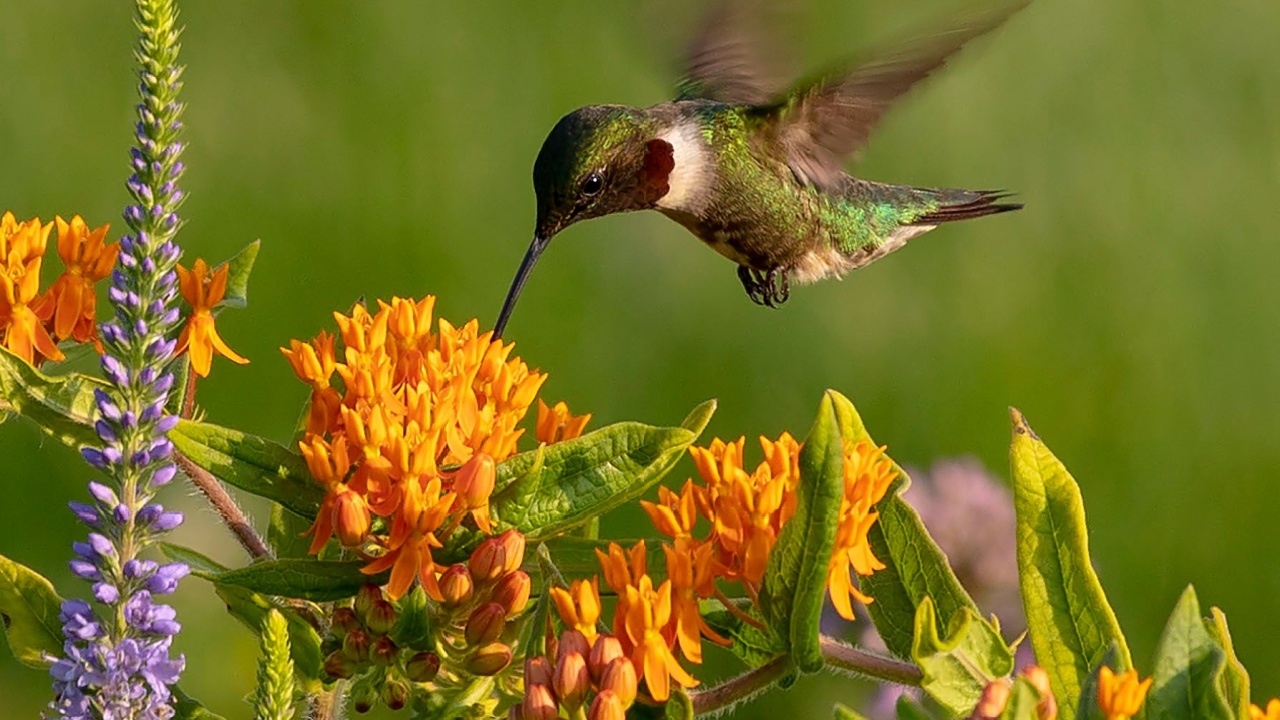
With fiery orange blooms and an essential role in monarch butterfly survival, butterfly weed earns its spot in any garden. It is one of the best-performing perennials for dry, sunny locations and requires almost no intervention once established.
17. Asters

New England asters arrive just as everything else is fading, covering themselves in deep purple, pink, and white blooms in September and October. They attract butterflies through the final warm weeks of the season and spread generously enough that one plant becomes many.
18. Queen Anne’s Lace
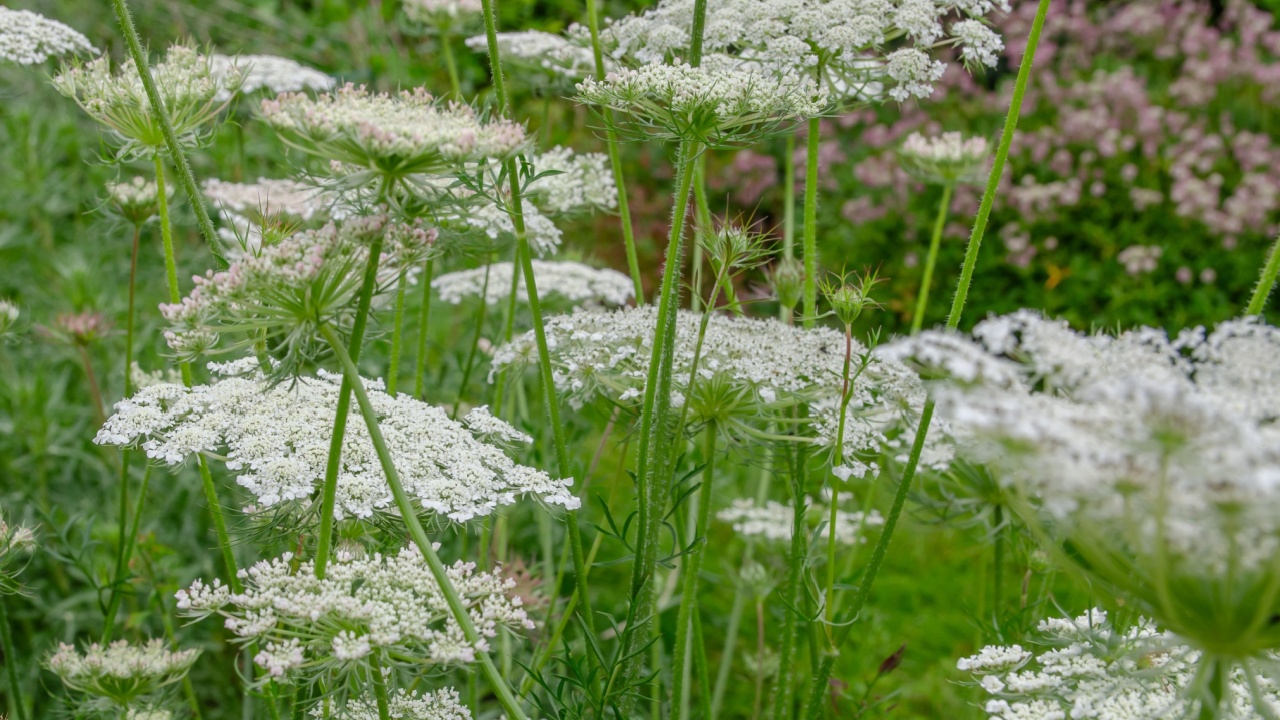
Queen Anne’s Lace adds an airy, romantic texture to any arrangement, fills gaps in beds effortlessly, and grows from seed for next to nothing.
“This is one of the most useful and productive filler plants that you can grow from seed. I plant hundreds of them every year,” says Erin Benzakein, author of Floret Farm’s Cut Flower Garden, as quoted in Country Living.
Stop Letting Your Garden Fizzle by August
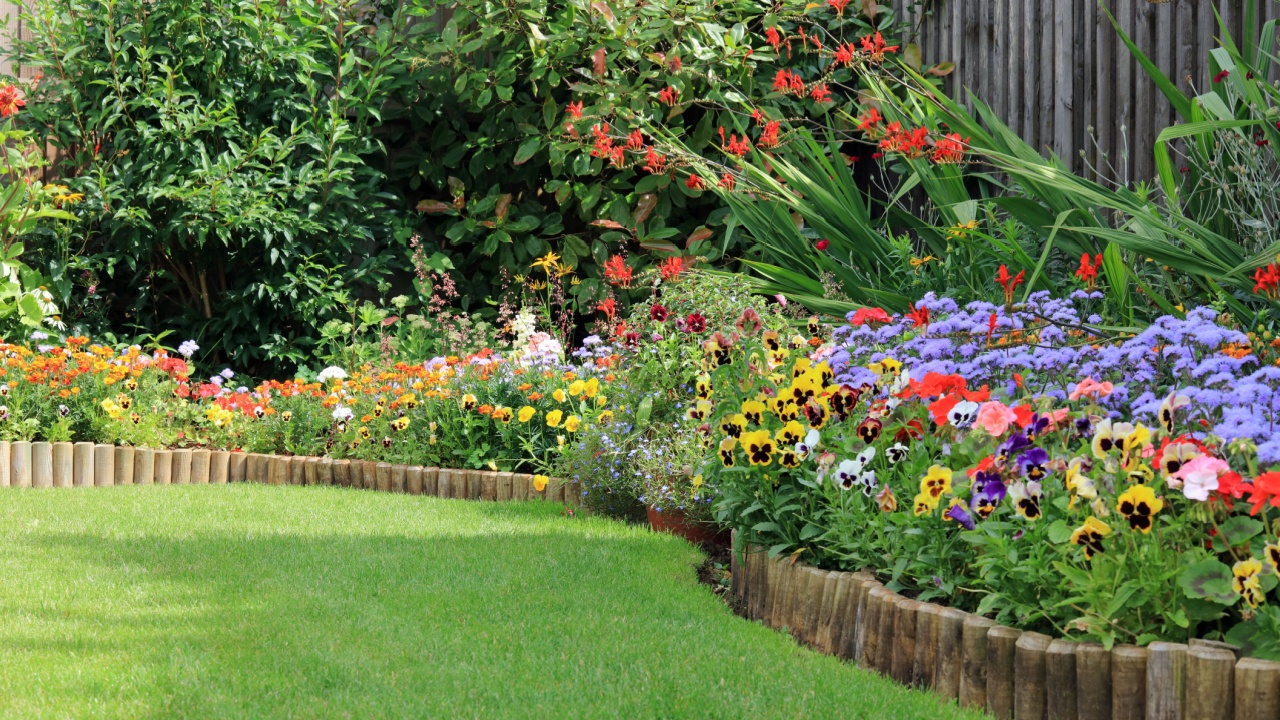
The number one reason cheap flowers fail to perform through the end of the season is neglect of three simple habits: deadheading, succession planting, and seed saving.
Deadheading, the removal of spent blooms before they form seeds, tricks the plant into continuing to flower. For marigolds, zinnias, and helenium, skipping this step in mid-summer dramatically reduces the bloom count by late August. It takes ten minutes a week and costs nothing.
Succession planting, sowing a new round of seeds every two to three weeks, ensures fresh plants are always coming into bloom as older ones slow down. For a garden running on a $30–$40 total seed budget, this habit extends the season by weeks.
Seed saving brings the cost of the following year’s garden close to zero. Zinnia seeds are among the easiest to collect; allow several flowers to dry completely on the plant before the first hard frost, then remove the pointed seeds from the dried petals and store them in a labeled envelope in a cool, dry place. Properly stored zinnia seeds remain viable for up to three years.
The Smartest Way to Stretch Your Flower Budget Even Further
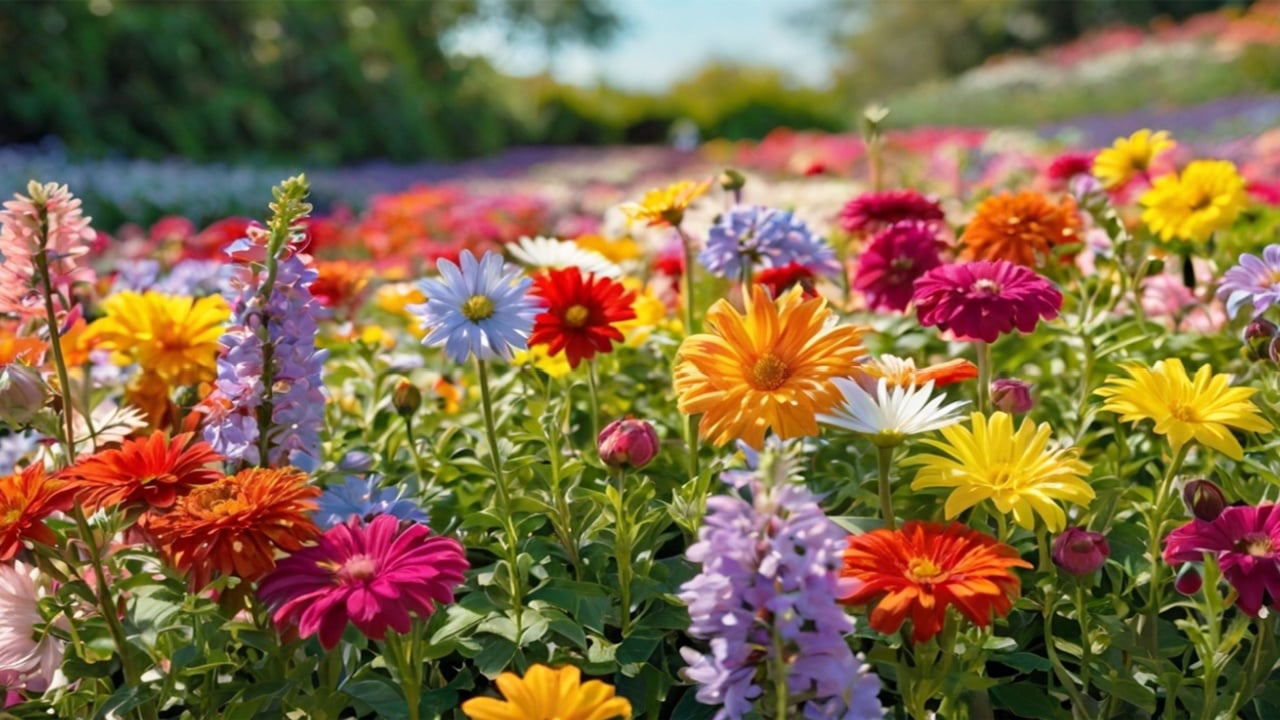
What professional gardeners and people with beautiful yards quietly know is that the best plants in a garden rarely come from a store at full price.
Garden club plant sales, community seed swaps, and neighborhood Facebook groups are sources of free or near-free divisions, cuttings, and seeds from plants already proven to thrive in your local climate. Your neighbor’s overflowing clump of daylilies, the celosia volunteers coming up in someone’s driveway, the lavender a friend is ready to divide — these are the real supply chain of the experienced gardener.
End-of-season sales at garden centers, typically after Mother’s Day and again in late summer, offer healthy plants at 50–75% off. The plants look tired, but their roots are strong. Planted in fall, they have time to establish before winter and come back fuller the following spring.
The Old Farmer’s Almanac has long advised gardeners to think in years, not seasons. The $8 black-eyed Susan, the $6 lavender, the $4 daylily — bought once, divided generously, and shared with neighbors — can fill an acre over time. A garden built this way does not just look good. It tells a story.
A Beautiful Garden Does Not Require an Expensive One
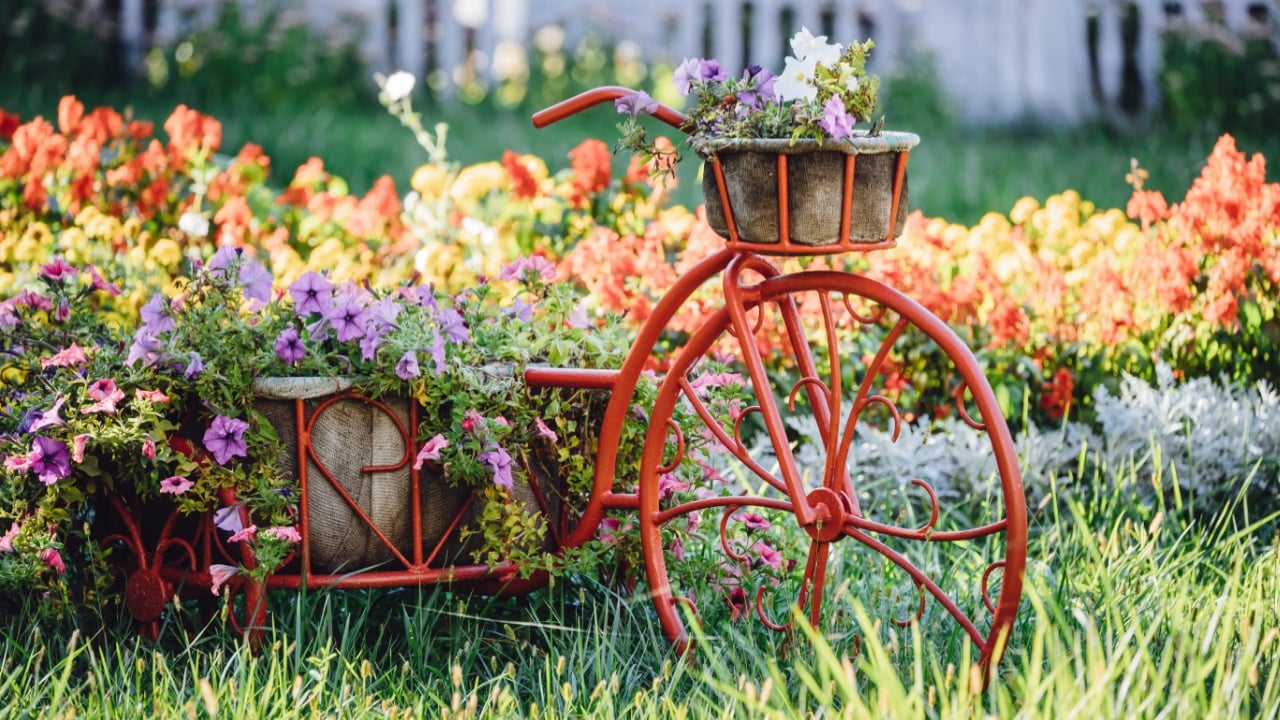
You do not need an expensive garden to have a beautiful one.
Eighteen flowers. A few seed packets. A little attention to deadheading and succession planting. That is the formula that turns a flat spring border into something that earns genuine compliments from July through October. Start this April, spend under $50, and see what comes up.
Read more:
Why wildlife experts are telling people to take down their bird feeders
Plant these 10 companion plants with your tomatoes — and stop planting these 4