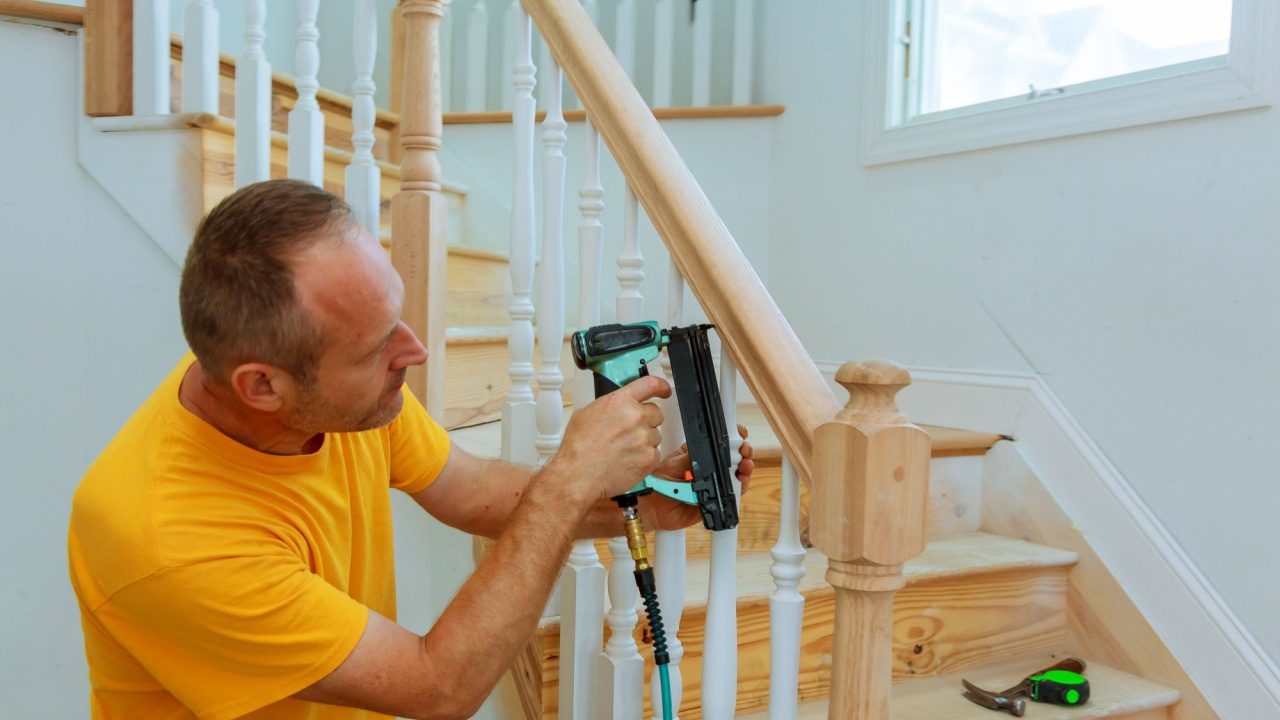
10 Building Code Violations That Homeowners Accidentally Commit
Planning a major renovation or just making small improvements around the house? Understanding building codes is crucial.
These regulations exist to keep you, your family, and future occupants safe. However, many homeowners unknowingly violate building codes during DIY projects or renovations.
It can cause safety hazards, failed inspections, and costly corrections down the line. Building codes vary by location, but certain violations show up repeatedly across the country.
Let’s explore the most common building code infractions homeowners make and, more importantly, how to fix them before they become expensive problems.
How We Got This Data
This article is based on guidance from nationally recognized building codes and safety standards, including the International Residential Code (IRC), National Electrical Code (NEC), and National Fire Protection Association (NFPA). These sources are regularly updated and widely used by inspectors, contractors, and safety professionals to ensure homes meet modern safety and compliance standards.
1. Installing Handrails at Incorrect Heights
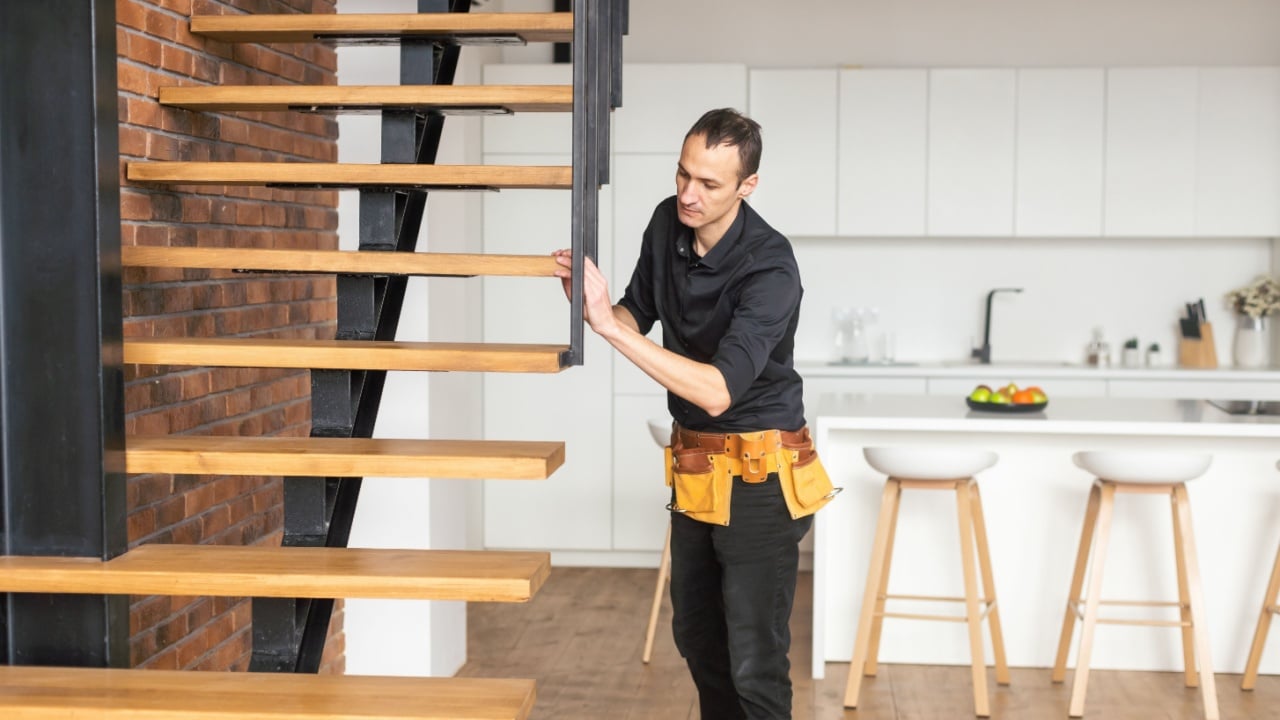
Handrail height matters more than you might think. Building codes typically require handrails to be between 34 and 38 inches above the stair nosing (the front edge of each step). Many homeowners install them too high or too low based on personal preference rather than code requirements.
Here’s what you can do:
- Measure your existing handrails with a tape measure. If they fall outside the 34-38 inch range, they’ll need to be reinstalled.
- Check if your handrails are easily graspable – your hand should be able to wrap comfortably around them.
- Ensure handrails are securely mounted and don’t wobble. Loose handrails are a major safety hazard.
2. Missing or Improper GFCI Outlets
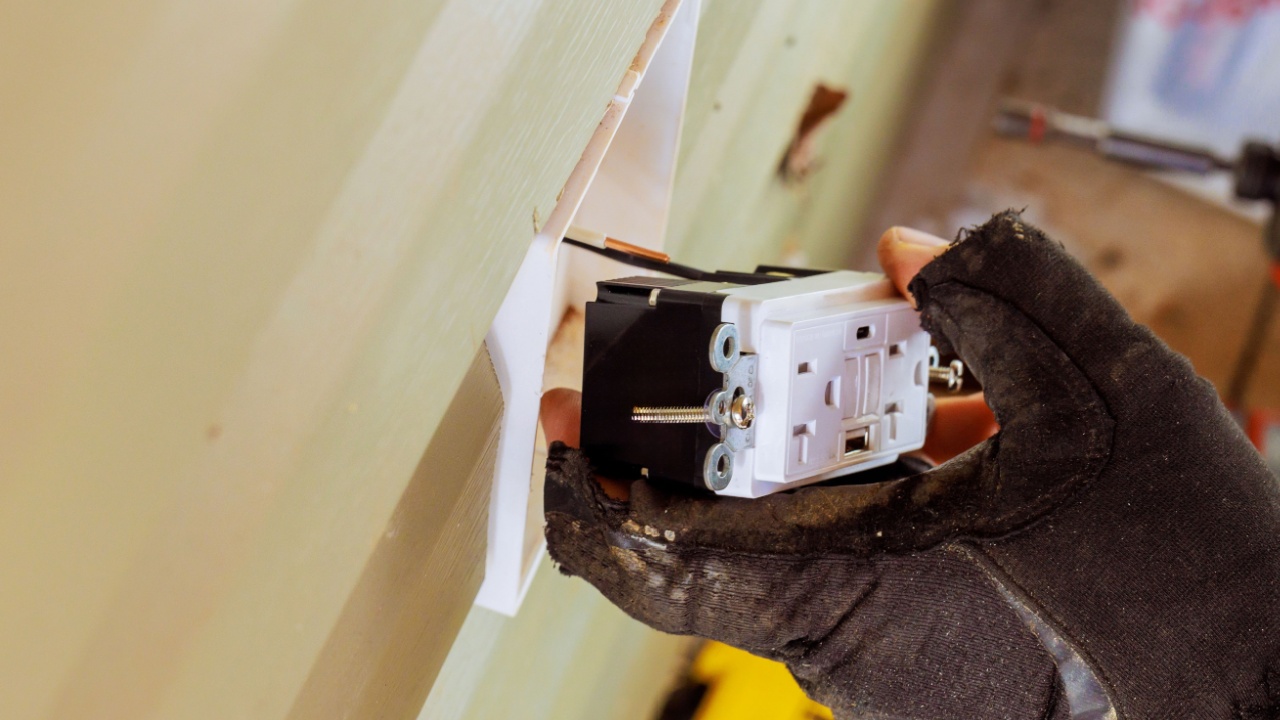
Ground Fault Circuit Interrupter (GFCI) outlets are required in areas where water and electricity might come into contact, like bathrooms, kitchens, garages, outdoor areas, and anywhere within six feet of a water source. These special outlets detect electrical imbalances and shut off power instantly to prevent electrocution. Despite being required since the 1970s, many older homes still lack proper GFCI protection. Some homeowners also mistakenly install standard outlets when they should use GFCI versions, particularly when adding new outlets in these moisture-prone areas.
What you can do:
- Walk through your home and test every GFCI outlet by pressing the “TEST” and “RESET” buttons.
- Check kitchens, bathrooms, laundry rooms, garages, basements, and all outdoor outlets. If any outlet within six feet of a water source is not a GFCI, it needs to be upgraded.
- You can either replace individual standard outlets with GFCI outlets or install a GFCI circuit breaker in your main electrical panel to protect the entire circuit.
- While you can DIY but it could be dangerous. Hiring a licensed electrician is the safest way to ensure your home is up to code.
3. Inadequate Stair Riser and Tread Dimensions

Stair safety depends heavily on consistent riser heights and tread depths. IRC mandates riser height variation ≤ 3/8 inch. Inconsistent stairs cause our brains to misjudge steps, leading to trips and falls. This is especially dangerous for children and elderly individuals who may already have balance challenges.
What you can do:
- Use a tape measure to check the height of each riser and the depth of each tread. If there is a variation between any two steps, the staircase does not meet modern safety codes.
- If you find significant inconsistencies, contact a qualified contractor.
- Poor lighting can make even well-built stairs a hazard. Install adequate lighting at the top and bottom of the staircase, with switches in both locations.
4. Improperly Sized or Missing Tempered Glass

Regular glass can shatter into dangerous shards when broken. That’s why building codes require tempered (safety) glass in certain locations, anywhere within 18 inches of the floor, beside doors, in shower enclosures, and near tubs. Tempered glass is heat-treated to be four to five times stronger than regular glass, and when it does break, it crumbles into small, less dangerous pieces.
What you can do:
- Check for a small etched label in the corner of the glass panels; tempered glass is usually marked. If you find regular glass in hazardous locations, replace it with tempered versions.
- For new installations like glass shower doors or windows near floors, always specify tempered glass when ordering.
5. Blocked or Inadequate Emergency Exits
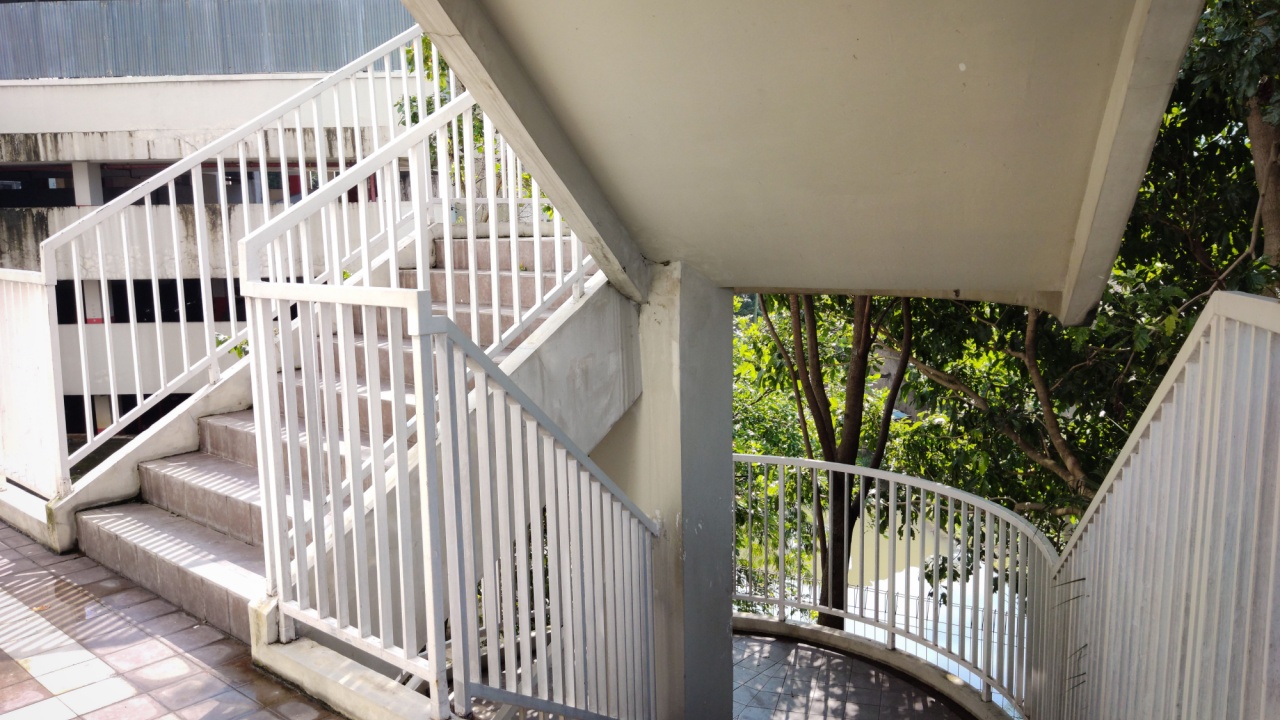
Every bedroom must have at least two means of escape, usually a door and a window. Emergency escape windows must meet specific size requirements. Basement bedrooms present additional challenges. If the window well is deeper than 44 inches, it must have a permanent ladder or steps. Many homeowners finish basements and add bedrooms without ensuring proper emergency exits.
What you can do:
- Measure your bedroom windows to verify they meet egress requirements.
- For basement bedrooms, you may need to install larger egress windows. A project that typically requires cutting through the foundation.
- Never block emergency exits with furniture, security bars without quick-release mechanisms, or permanent shelving.
6. Incorrectly Wired Three-Way Switches
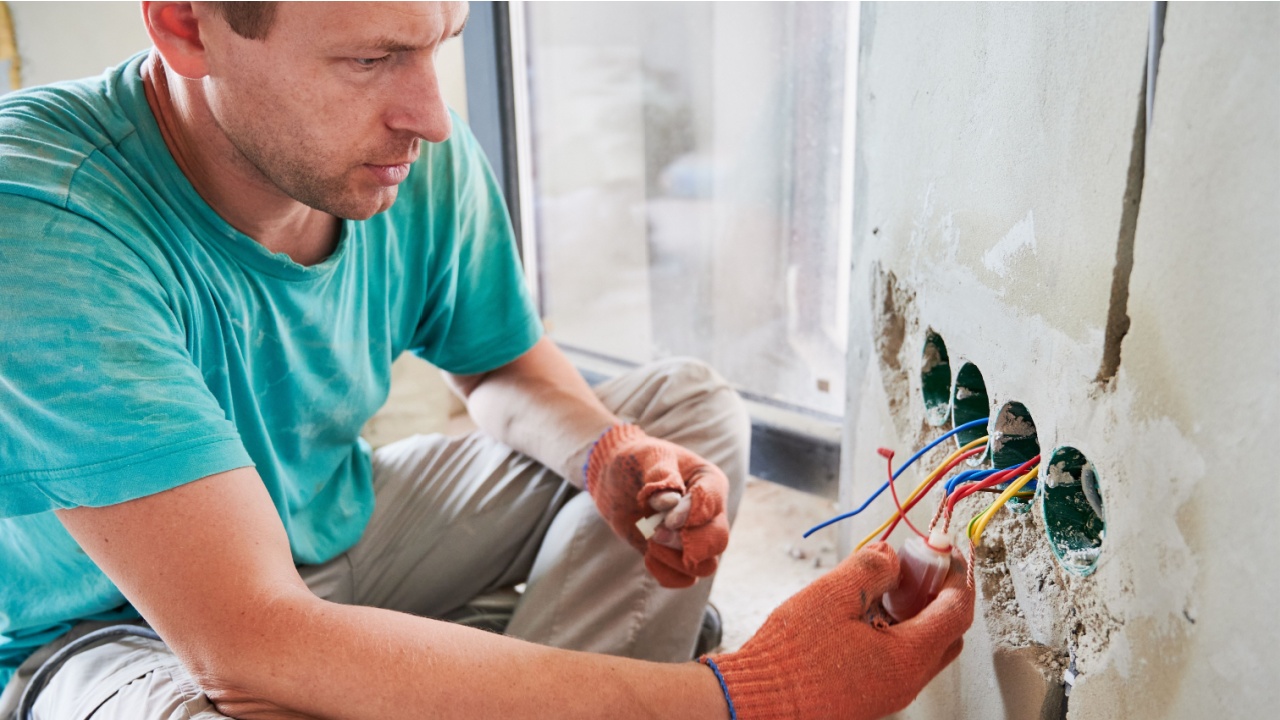
Three-way switches let you control a single light from two locations, especially in hallways and staircases. However, they’re notoriously tricky to wire correctly. Mostly, people mix up the traveler wires and the common wire, which can create dangerous situations where power remains live even when you think it’s off. Some homeowners attempt to wire three-way switches without understanding the specific configuration required. This mistake can lead to lights that won’t turn on, switches that don’t work properly, or fire hazards.
What you can do:
- If your three-way switches aren’t working, avoid trial-and-error.
- Take clear photos of your current wiring before you disconnect anything.
- Use a voltage tester to find the common wire (it’s usually connected to the darker screw).
- For three-way switch installations, it’s always best to hire a licensed electrician.
7. Missing or Improper Vapor Barriers
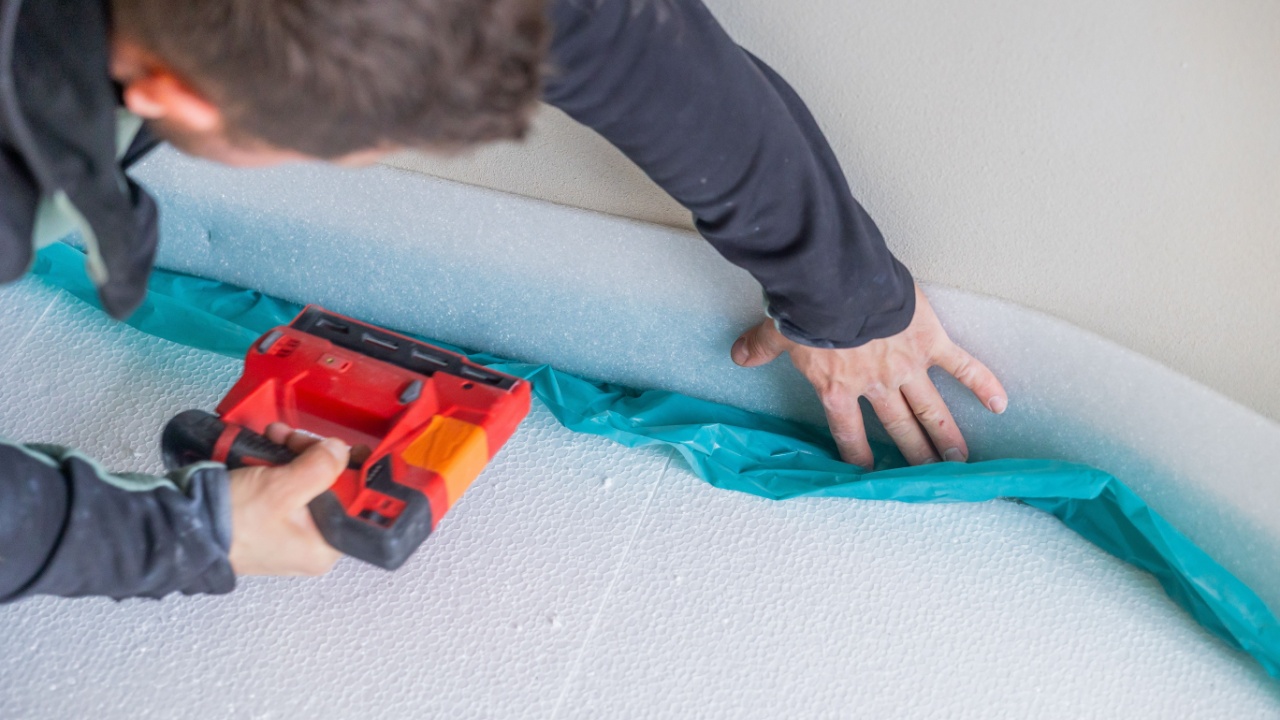
Vapor barriers (technically called vapor retarders) control moisture movement through walls, ceilings, and floors. Without proper vapor barriers, moisture can accumulate inside walls, leading to mold growth, wood rot, and reduced insulation effectiveness. Many DIYers either skip vapor barriers entirely, install them on the wrong side, or create gaps that render them ineffective.
What you can do:
- For wall renovations, use 6-mil polyethylene sheeting on the correct side for your climate.
- Overlap seams by 6 inches and seal with contractor’s tape. Use special vapor barrier boxes for electrical outlets.
- If unsure, check local codes or ask a building inspector.
8. Overlooked Smoke and Carbon Monoxide Detector Requirements

Building codes have gotten stricter about where you need to put smoke and carbon monoxide (CO) detectors. Basically, you need smoke detectors inside every bedroom, outside each sleeping area, and on every level (including the basement). For CO detectors, you need one outside each sleeping area and on any level with fuel-burning appliances. Older homes might not have this many, but if you sell or do a major renovation, you’ll likely have to upgrade to the current code.
What you can do:
- Check your local code for specific detector placement requirements.
- Install combination smoke/CO detectors where both are needed to simplify installation.
- Even if your battery-only detectors are grandfathered in, consider upgrading to hardwired detectors with battery backup for increased safety.
- Replace any smoke detectors that are more than 10 years old, as their sensors can fail over time.
9. Non-Compliant Bathroom Ventilation
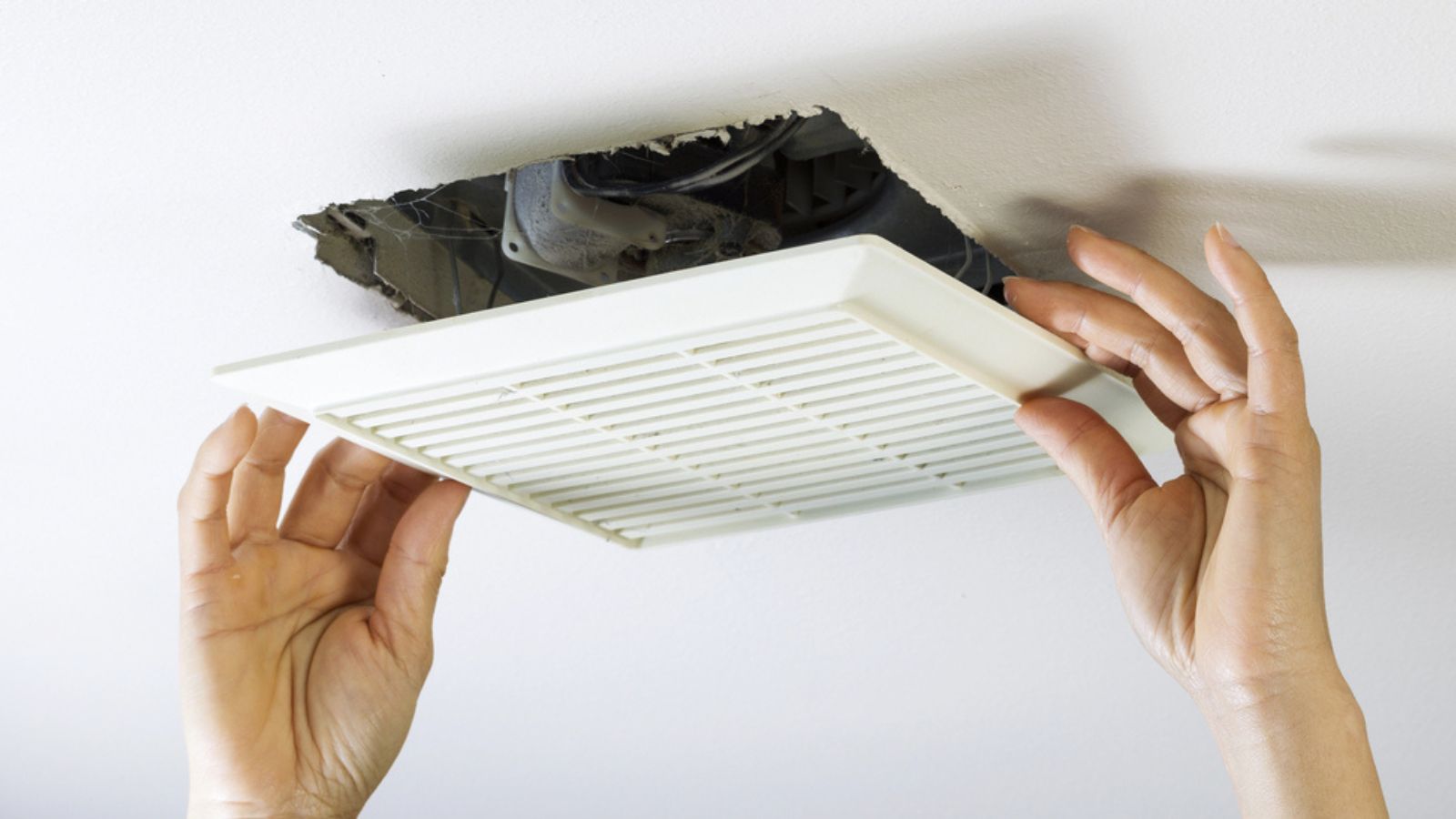
Bathrooms need proper ventilation to remove moisture and prevent mold growth. Building codes typically require either an operable window (at least 3 square feet, with half being openable) or a mechanical exhaust fan venting to the outside. Many bathrooms have undersized fans, fans that vent into attics instead of outdoors, or no ventilation at all.
What you can do:
- If your bathroom has a window, make sure it’s the right size.
- For ventilation, check if the ductwork leads outside (not just into the attic).
- Look at your fan’s rating to see if it’s strong enough for your bathroom. Replace small or poorly vented fans with one that vents properly outside.
10. Improper or Missing Permits for Renovations

This might be the most commonly violated building regulation. Many homeowners tackle projects that require permits without obtaining them, either to save money or because they don’t realize permits are needed. Projects typically requiring permits include electrical work beyond replacing fixtures, plumbing changes, structural alterations, window replacements, deck construction, and HVAC installations. Working without permits can lead to fines, difficulty selling your home, insurance complications if something goes wrong, and requirements to tear out completed work for inspection.
What you can do:
- Before starting a project, check with your local building department about permits. They usually involve plans, fees, and inspections.
- It takes time, but permits ensure safety and can boost your home’s value. If you’ve done unpermitted work, ask about retroactive permits. It’s worth fixing.
Make Your Home Safer and Code-Compliant

Building codes exist for one main reason: safety. Navigating them can feel like a lot, but knowing common violations helps you avoid big, expensive mistakes and keeps your family safe. Before any home project, quickly check local building codes and see if you need permits.
Don’t be afraid to ask pros like electricians, plumbers, or inspectors – they can save you from huge headaches. Found some code violations in your place? Tackle the safety issues first (think electrical problems or emergency exits). Then, work on the less urgent stuff. Your local building department can often help you figure out how to get older homes up to snuff, and many inspectors are happy to chat before you even start.