
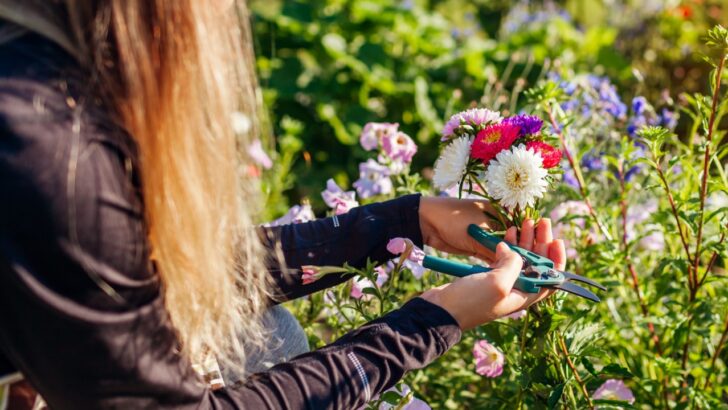
Setting new goals for the year is a big project. But what if your goal was simply to add a little more color to your yard, one month at a time? This guide breaks down a year of gardening into manageable monthly tasks. You will find one specific flower to plant each month, from the cold days of January through the end of the year.
Each suggestion is chosen for its seasonal timing, offering a simple way to keep your garden in bloom.
Note: Always check your growing zone compatibility with these recommendations. Colder zones will need to start seeds indoors or in their greenhouses until the warmer months in the late spring.
1. January: Winter Pansy
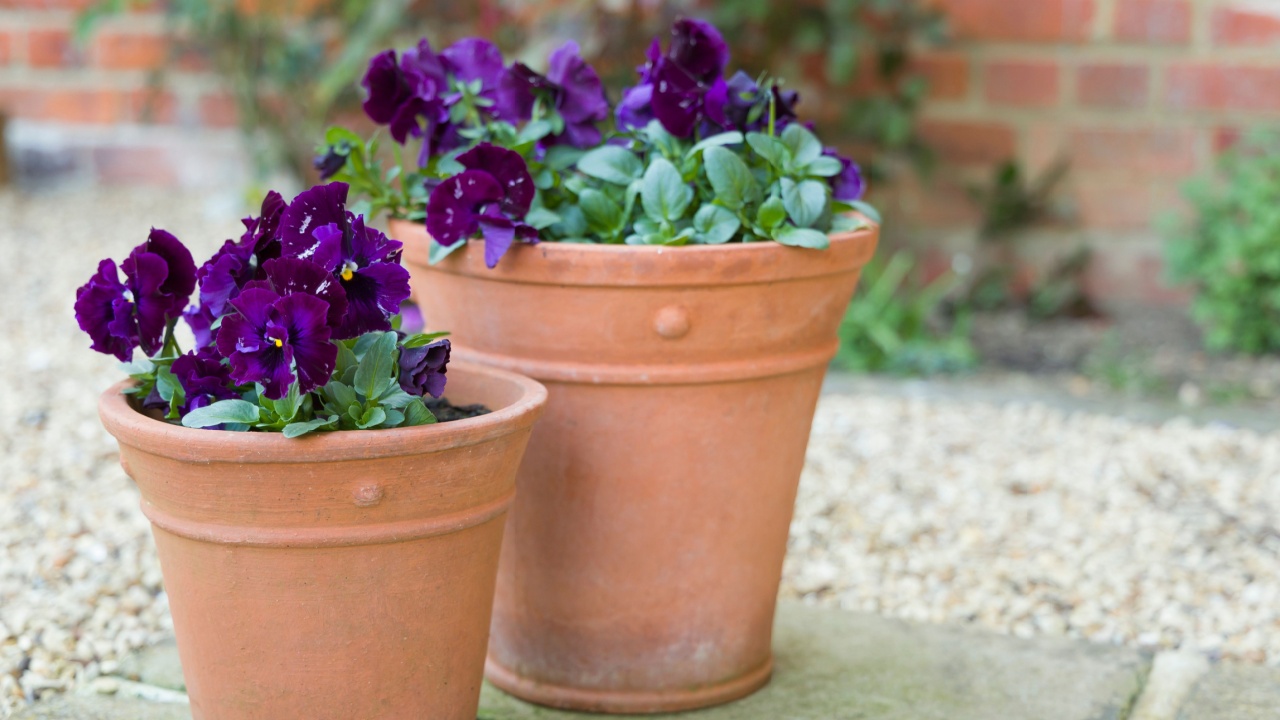
Image Credit: Shutterstock.
Winter pansies are built for the cold. These hardy annuals can handle light frosts and even a dusting of snow, making them a perfect choice for adding color to a dormant winter garden. They come in a wide array of colors, from deep purples and blues to bright yellows and oranges.
Planting them in containers near a doorway or window lets you enjoy their cheerful faces even when you’d rather stay inside. They provide a much-needed splash of life during the grayest month. Their low-maintenance nature makes them perfect for gardeners of any skill level.
2. February: Primrose
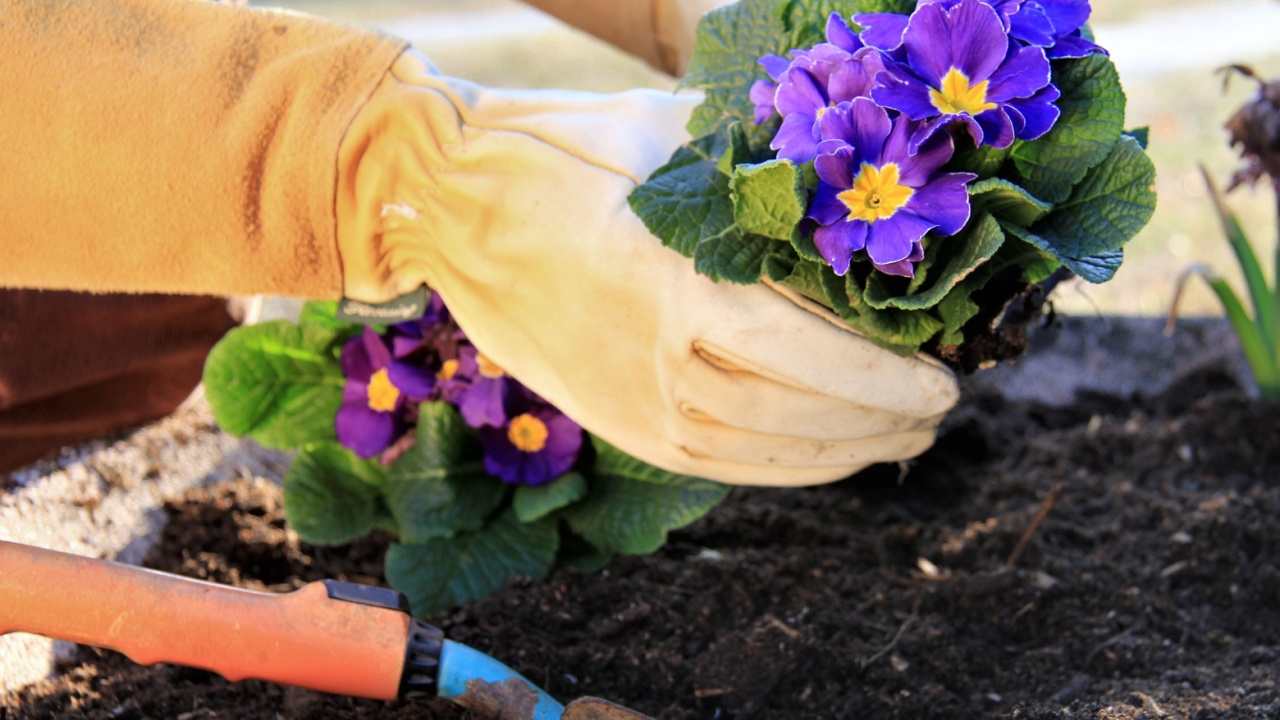
Image Credit: Shutterstock.
As winter enters its last hard month of winter (depending on where you are), primroses signal the hope of the coming of spring. These low-growing perennials thrive in the cool, damp conditions of late winter and early spring. They are available in nearly every color imaginable, often with a contrasting yellow center.
Plant them in shady or partially shaded spots under trees or along a woodland path. Their bright blooms are a welcome sight and a reminder that warmer days are on the horizon. These flowers also attract pollinators, adding life and movement to your garden.
3. March: Hellebore
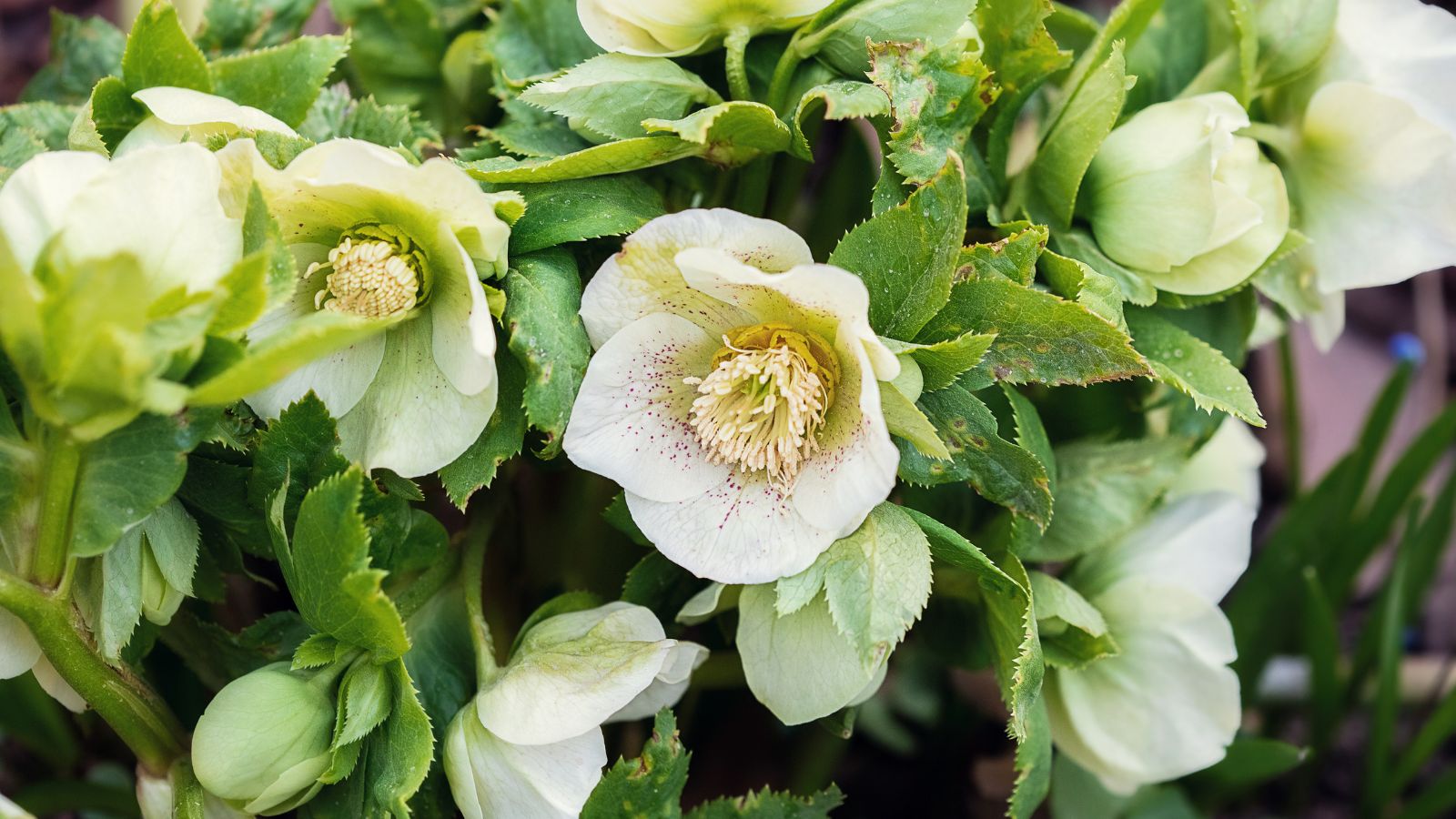
Image credit: YAY Images.
Hellebores, sometimes called Lenten roses, are tough, long-lived perennials that bloom in late winter and early spring. Their nodding, cup-shaped flowers are subtle and elegant, appearing in shades of white, green, pink, and deep purple. Hellebores are shade-loving plants, ideal for spots in your garden that don’t get much sun. They are also among the plants that may not like containers very much.
Once established in your garden, these plants require very little care, making them an excellent choice for gardeners seeking low-maintenance options. They thrive with minimal effort and will reliably return year after year, adding vibrant color and life to your space. Remarkably, they often continue to bloom even through late-season snows, showcasing their resilience and ability to brighten even the coldest days.
4. April: Nasturtium
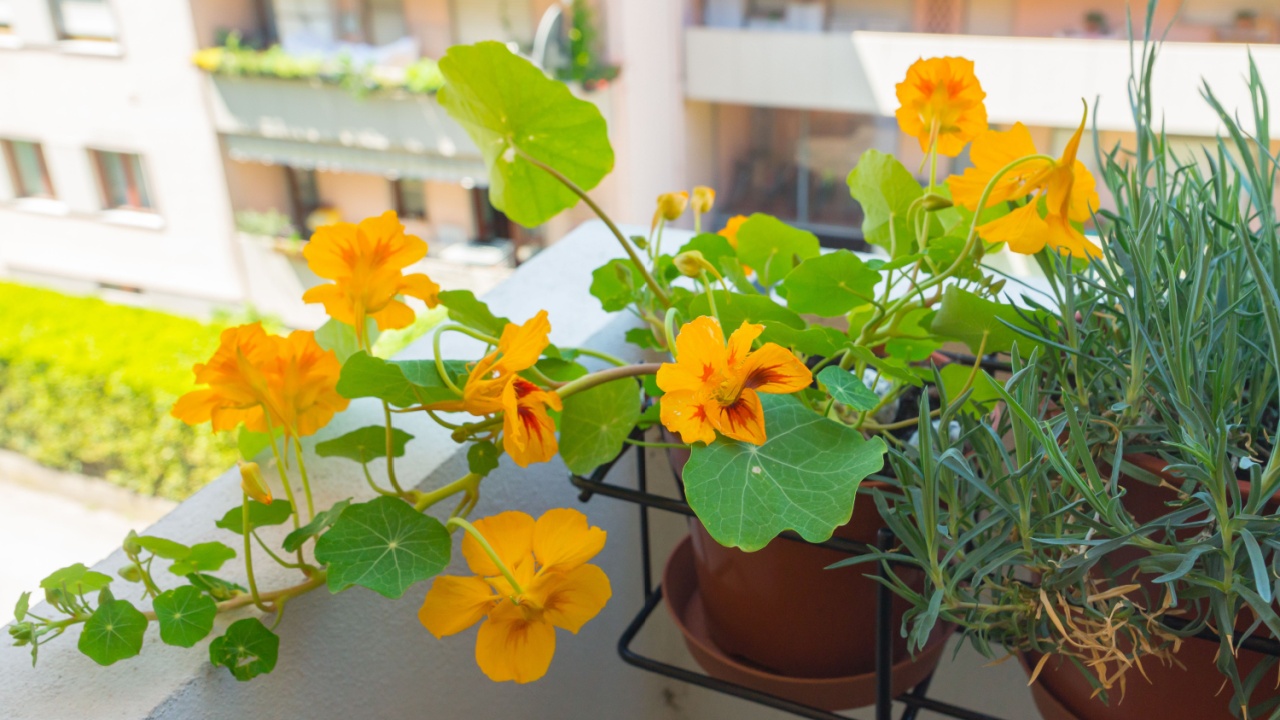
Image Credit: Shutterstock.
Nasturtiums are one of the easiest and most rewarding flowers to grow from seed. Plant the seeds directly into your garden beds or pots after the last frost, and they will sprout quickly. Their round leaves and bright, trumpet-shaped flowers in shades of orange, yellow, and red are beautiful.
Beyond their looks, the leaves and flowers are edible, adding a peppery flavor to salads. They are a great choice for filling in spaces and trailing over the edges of containers.
5. May: Zinnia
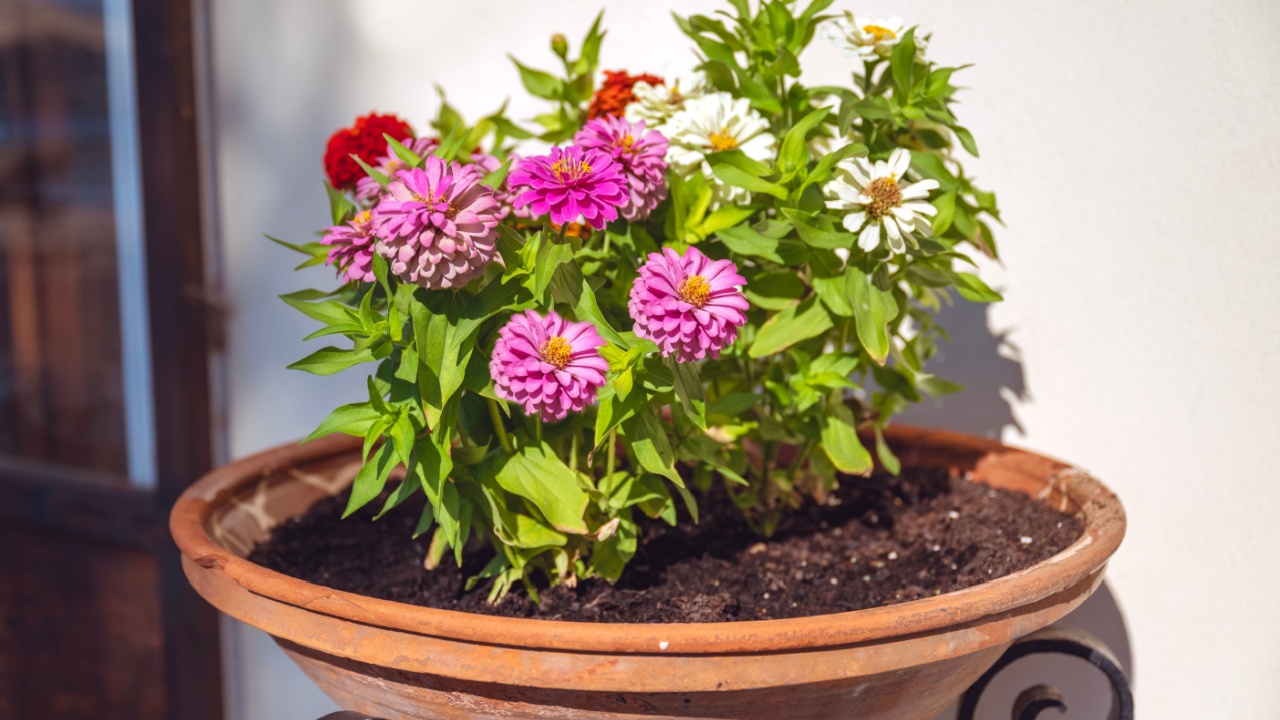
Image Credit: Shutterstock.
Zinnias are summer powerhouses, bringing vibrant, non-stop color to the garden. They love heat and sun, so May is the perfect time to plant them (although watch for hard freezing that’ll require covering!). Available in a huge range of sizes, from small border plants to tall cutting flowers, and in nearly every color except blue, there’s a zinnia for every garden.
These flowers are incredibly easy to grow from seed when sown directly into the garden, making them an excellent choice for gardeners of any skill level. Once established, they will bloom abundantly throughout the season, adding vibrant color and life to your garden until the first frost arrives. Their continuous blooms attract pollinators, drawing in butterflies and bees all summer long to create a lively and thriving outdoor space.
6. June: Marigold
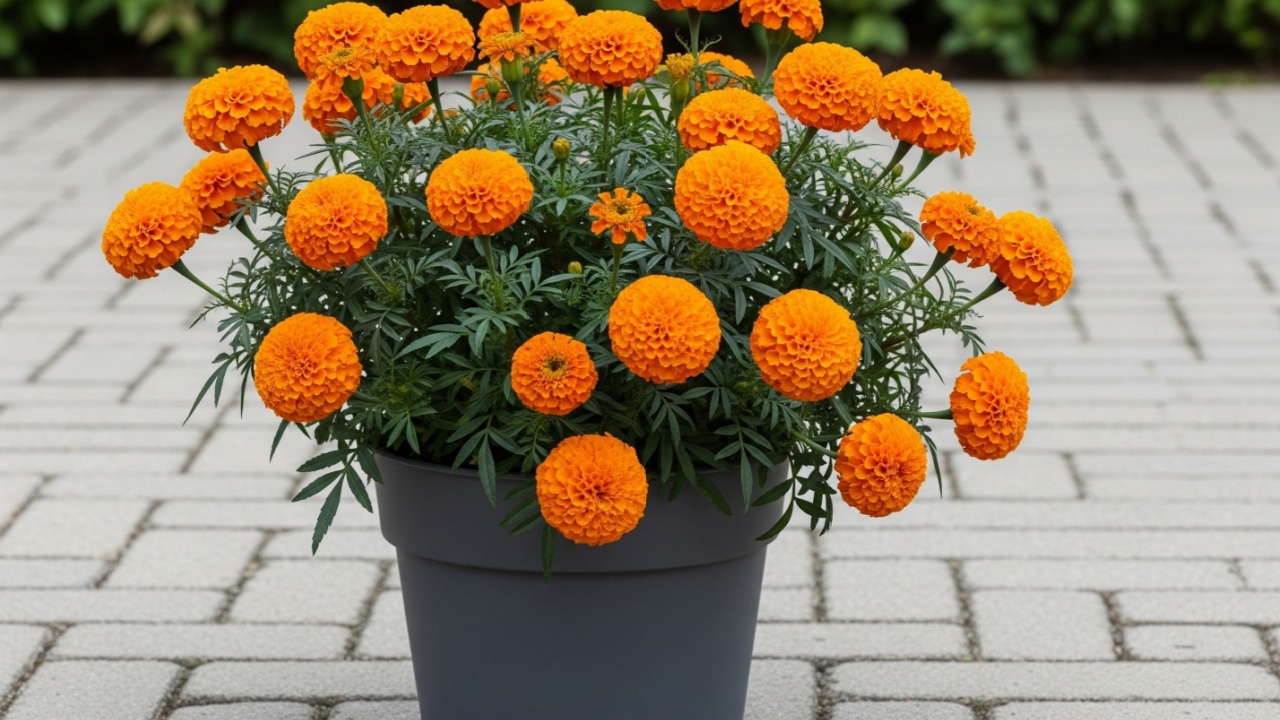
Image Credit: Shutterstock.
Marigolds are a dependable choice for any sunny garden. These annuals are known for their bright pom-pom flowers in shades of yellow, orange, and gold. They handle heat and thrive in full sun. Many gardeners plant marigolds in their vegetable gardens because their scent is said to deter certain pests.
They are incredibly easy to grow, whether you start them from seeds or purchase young plants (starts). With just a little bit of attention, they will reliably continue to produce their vibrant, pom-pom-like blooms all summer long, requiring only minimal care from you.
7. July: Sunflower
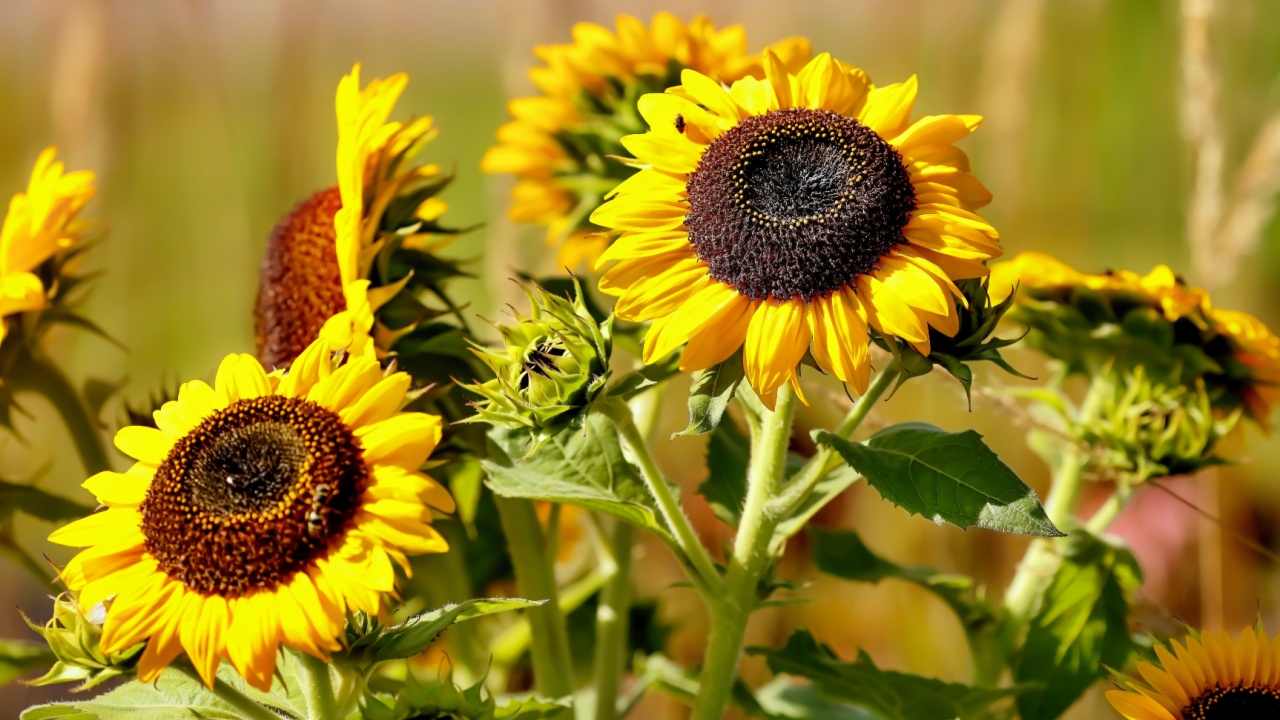
Image Credit: Shutterstock.
Nothing says summer quite like a sunflower. July is a great time to plant them for late-summer and autumn blooms (although you can start in early spring). From giant varieties that tower over the garden to smaller types perfect for pots, sunflowers bring a bold and cheerful presence.
They need full sun and well-drained soil. As their flowers fade, they produce seeds that provide a valuable food source for birds, extending their usefulness in the garden into the fall.
8. August: Black-Eyed Susan
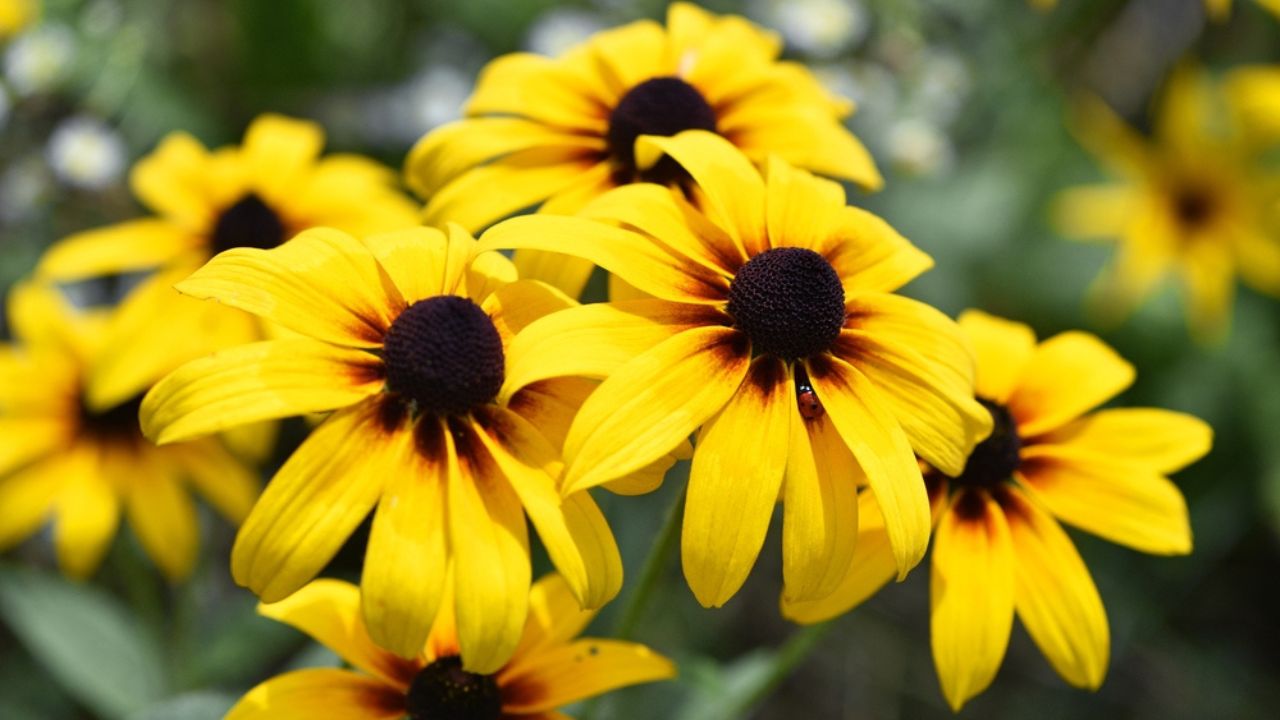
Image Credit: Shutterstock.
Black-eyed Susans are the stars of the late-summer garden. These cheerful, daisy-like flowers with golden-yellow petals and a dark brown center are incredibly resilient. They tolerate heat, humidity, and even periods of drought once established.
As native perennials, they are an excellent food source for local pollinators. Plant them in a sunny spot, and they will reward you with a long bloom period that bridges the gap between summer and fall.
9. September: Chrysanthemum
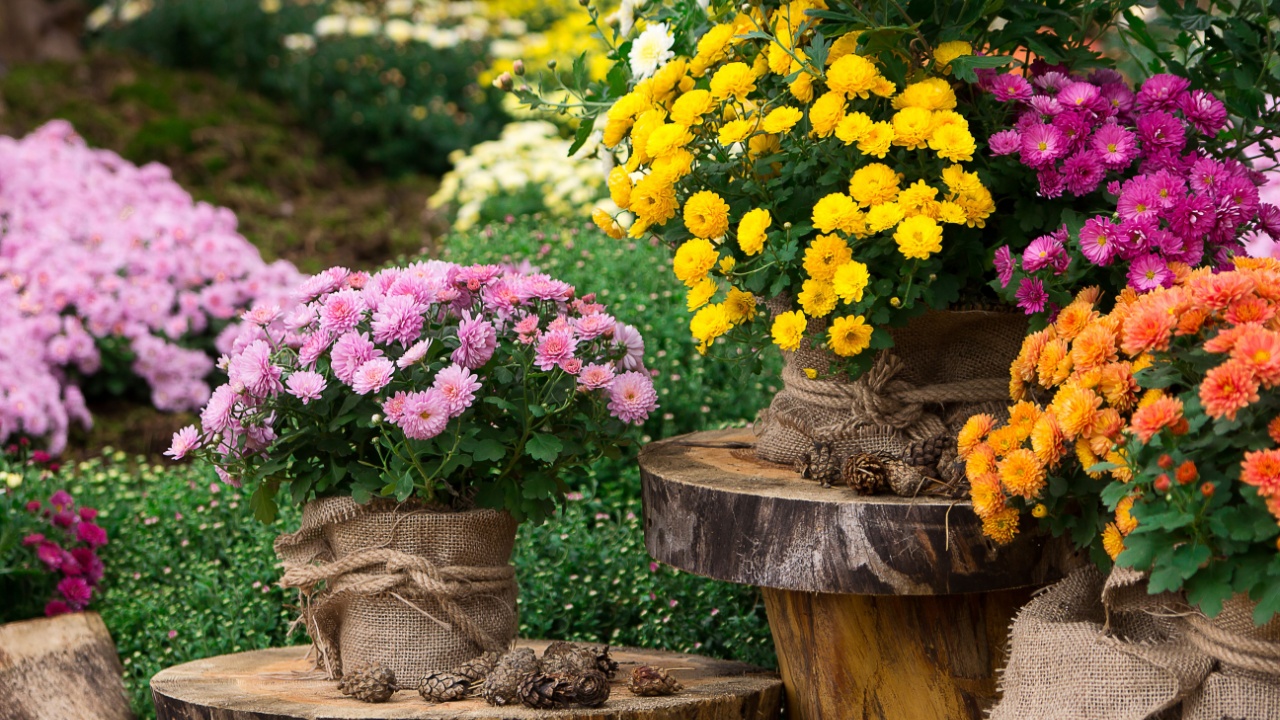
Image Credit: Shutterstock.
As summer flowers begin to fade, chrysanthemums take center stage. Mums offer a burst of rich color in shades of gold, bronze, red, and purple that perfectly complement the autumn landscape. You can buy them already blooming in September for immediate impact in containers and garden beds.
With the right care and attention, hardy garden mums will come back year after year, thriving and growing larger with each passing season. As they mature, these resilient plants will reward you with an even more impressive display of vibrant blooms.
10. October: Aster
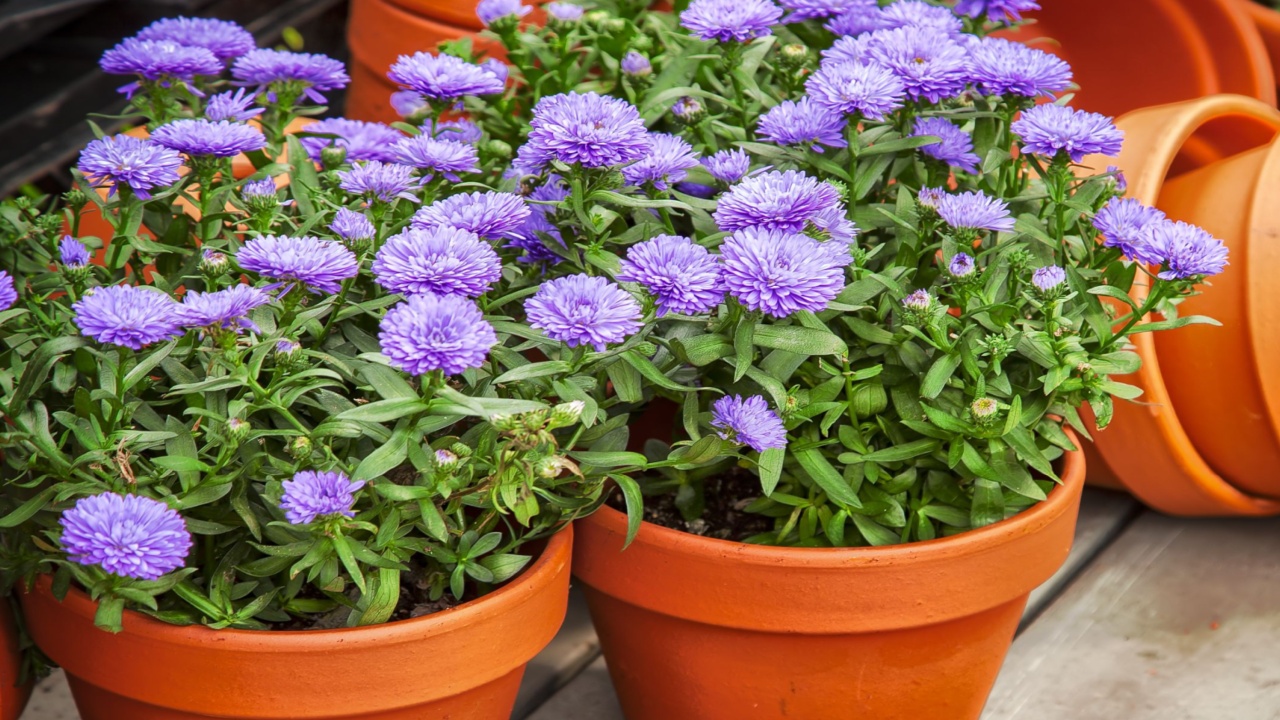
Image Credit: Shutterstock.
Asters provide another essential source of late-season nectar for pollinators, especially migrating monarch butterflies. These perennials produce masses of small, daisy-like flowers, typically in shades of purple, blue, pink, and white. They are hardy plants that bloom prolifically in the fall, adding a final splash of cool color to the garden before winter.
Plant them in a sunny location that receives plenty of direct sunlight throughout the day, to give them ample space to spread and grow freely. This will help them thrive and maintain their natural growth pattern without being overcrowded.
11. November: Annual Larkspur
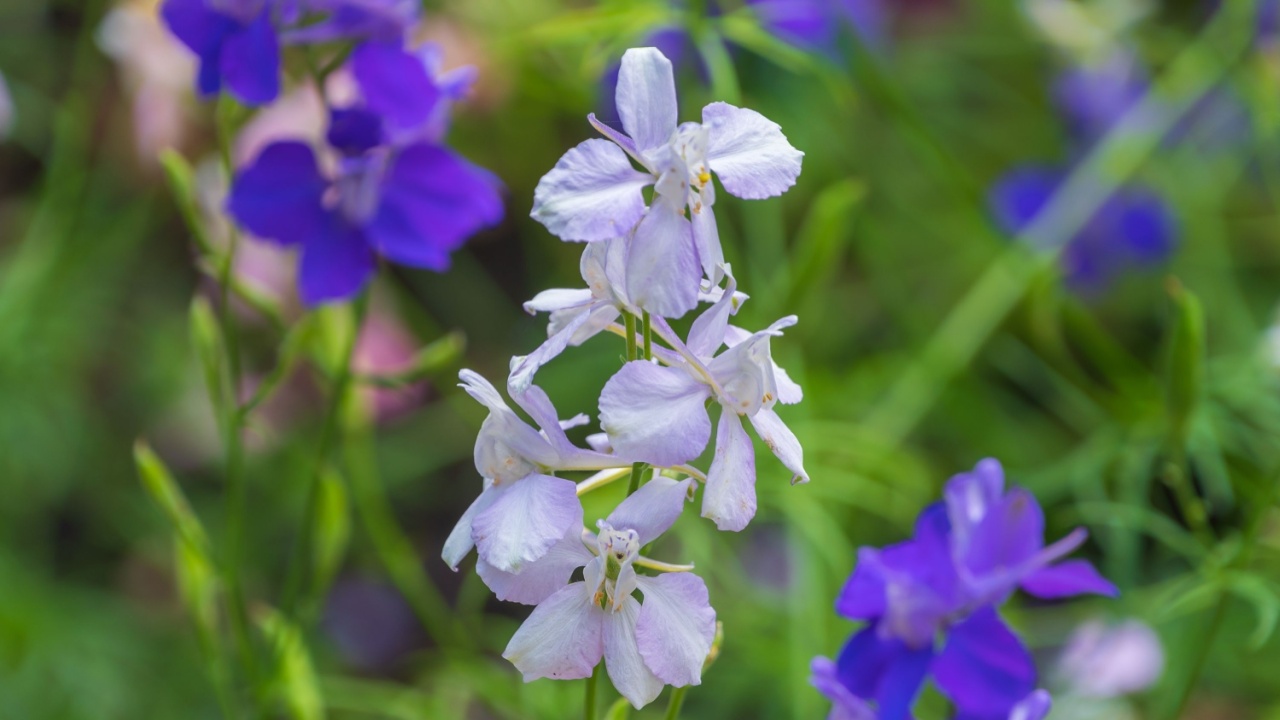
Image Credit: Shutterstock.
Even as the weather turns colder, there are still planting opportunities. Annual larkspur seeds can be sown in November in many climates. Sowing them in the fall allows them to establish roots over the winter for a spectacular display of tall, colorful flower spikes in the spring.
Their blooms in shades of blue, purple, pink, and white make wonderful cut flowers. Just scatter the seeds in a prepared, sunny garden bed and let nature do the rest.
12. December: Ornamental Kale
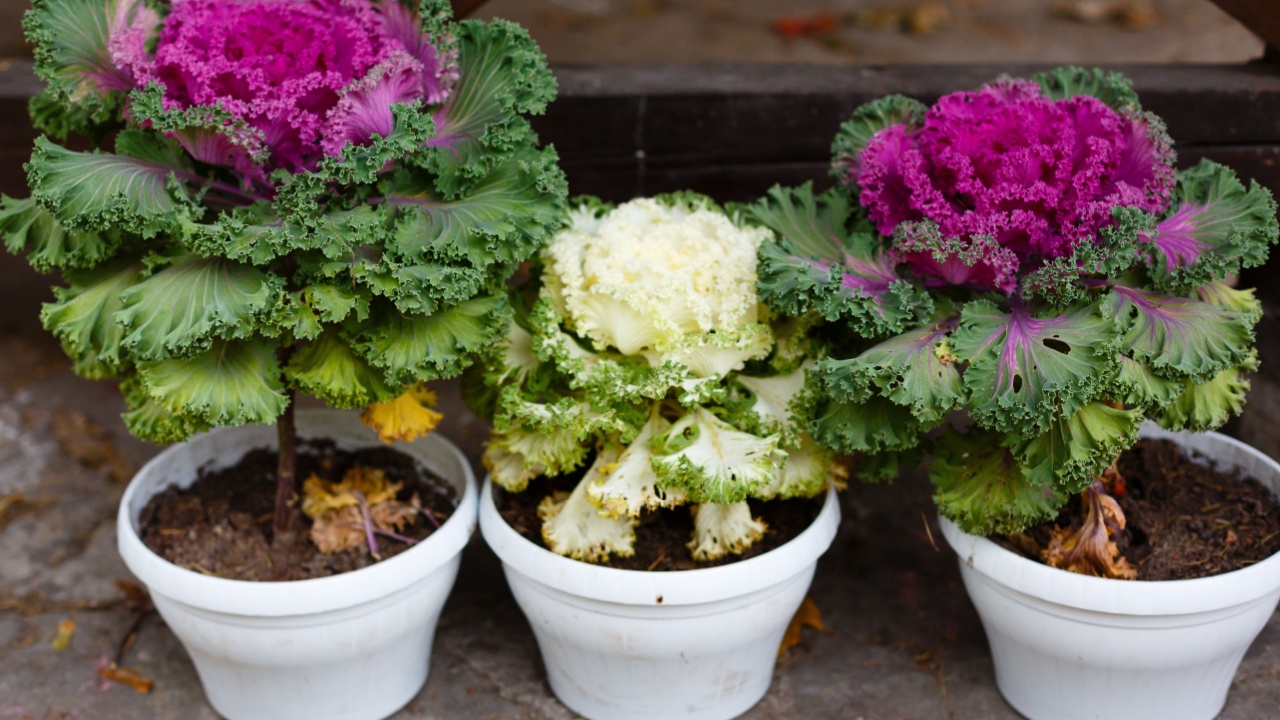
Image Credit: Shutterstock.
For a final touch of winter interest, ornamental kale is an excellent option. While it’s a member of the cabbage family, this plant is grown for its frilly, colorful leaves rather than for eating. The centers of the plants develop beautiful rosettes of pink, purple, or white leaves.
What’s most interesting is that their color actually intensifies after a frost. Plant them in containers or at the front of a border for texture and color that will last through the coldest months.
Enjoy Your Year-Round Blooms
Image Credit: Shutterstock.
Picture the end of the year, twelve months filled with vibrant blooms, a few muddy boots, and a growing sense of accomplishment. Don’t just plan; set a reminder, grab one packet of seeds or a single tray for each month, and let the plants do the heavy lifting. Invite your kids or a neighbor to plant beside you and turn that monthly moment into a little tradition. Keep a garden journal. Looking back, you’ll see a living scrapbook: colors you never expected, tiny pollinators visiting for the first time, and moments of calm sandwiched between life’s everyday busyness.