6 Foods Always Worth Making from Scratch at Home
Many home cooks view “from scratch” with a mixture of awe and terror. The phrase summons images of sweating over a hot stove for hours, milling your own wheat, or milking a cow in the backyard at dawn. Convenience wins most days because modern life moves fast. But somewhere along the way, we traded flavor and health for plastic packaging and unpronounceable ingredients.
The truth is often less dramatic than the kitchen nightmares playing in your head. Making food at home requires a few good ingredients and a little curiosity. You gain control over sodium levels, sugar content, and flavor profiles. You also save money. This list explores six specific items that taste infinitely better when prepared in your own kitchen. Prepare to reclaim your pantry.
1. Sauerkraut
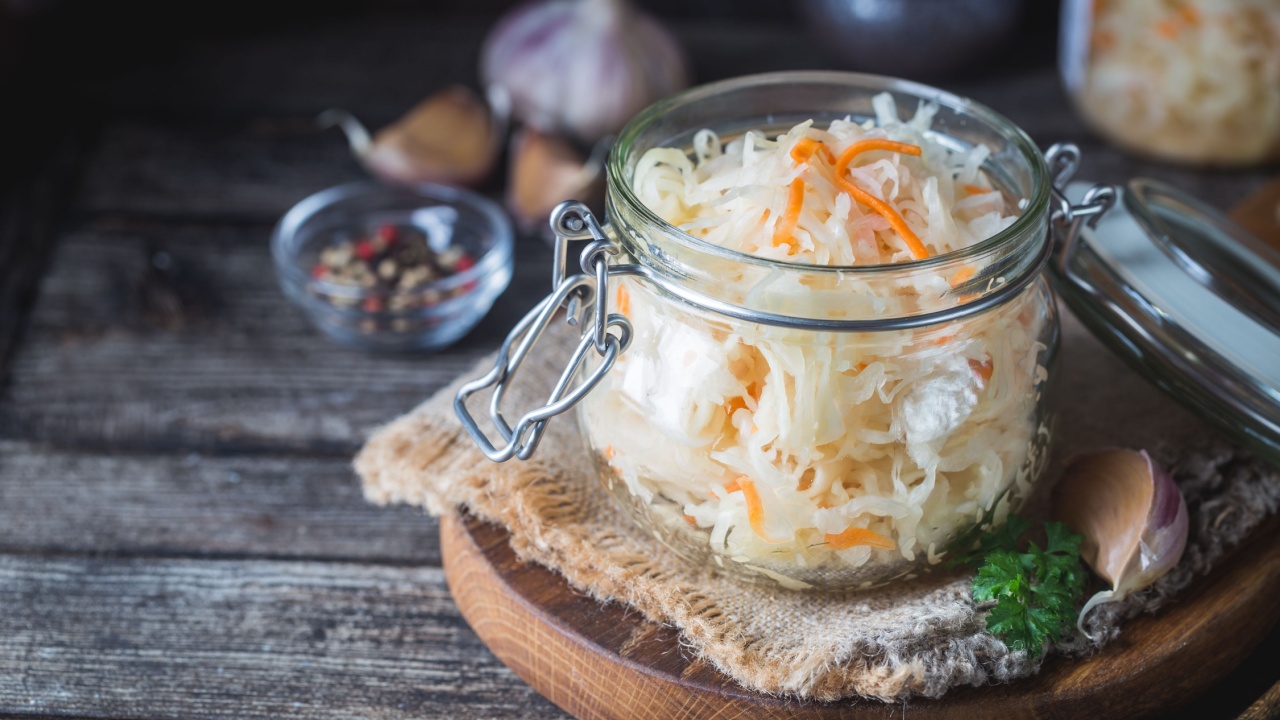
Fermentation sounds like a complex science experiment best left to professionals in white lab coats. In reality, making sauerkraut is one of the most foolproof cooking methods available. You need only two things: cabbage and salt. Commercial processing often uses heat, which destroys the beneficial bacteria responsible for gut health.
When you make it yourself, you nurture a colony of probiotics that aid digestion. Shred a head of cabbage, massage it with salt until it releases liquid, and pack it into a clean jar. Time does the rest of the heavy lifting. The salt creates a brine where bad bacteria die and good bacteria thrive. After a few days or weeks on the counter, the cabbage transforms into a sour, crunchy condiment. It costs pennies to produce and delivers a nutritional punch no supplement can match.
2. Tomato Sauce
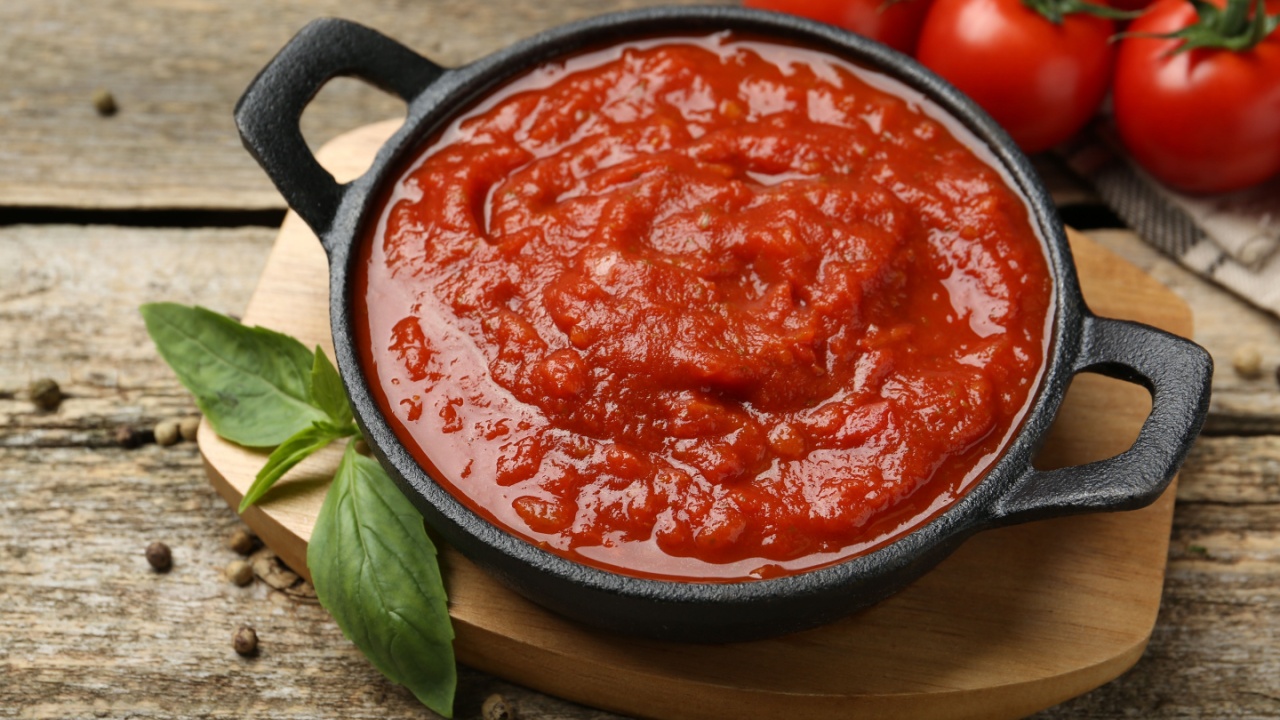
Jarred pasta sauce is a pantry staple for good reason. It gets dinner on the table in ten minutes. However, flip that jar over and read the label. You will likely find added sugar, soybean oil, and calcium chloride near the top of the list. Companies add sugar to mask the taste of low-quality, under-ripe tomatoes. You deserve better than sugary ketchup on your spaghetti.
Making tomato sauce from scratch allows the natural acidity and sweetness of the fruit to shine. Simmering crushed tomatoes with garlic, onions, and fresh herbs creates a depth of flavor that manufactured sauces lack. You control the texture. You decide if it needs a pinch of chili flakes or a handful of basil. For gardeners with too many tomatoes each year, this is the ultimate way to preserve a bumper crop.
3. Ancient Grains

The term “ancient grains” might sound intimidating, like something you need to hunt for in an archaeological dig. Farro, quinoa, millet, and barley are simply grains that have remained largely unchanged for thousands of years. They offer more fiber, protein, and vitamins than refined white rice or pasta.
Cooking these grains from scratch is no harder than boiling water. Most follow a simple ratio of grain to liquid. Rinse the grains, combine with water or broth, bring to a boil, then simmer until tender. A pot of quinoa or farro keeps well in the fridge for days. You can toss them into salads, stir them into soups, or serve them as a hearty side dish. The texture of freshly cooked grains retains a pleasant chewiness that mushy instant packets simply cannot replicate.
4. Guacamole

Pre-made guacamole is a tragedy of modern food manufacturing. To keep the avocado from turning brown, companies pump the mixture with acids, stabilizers, and preservatives. The result is often a strange, neon-green paste with a chemical aftertaste. Avocados are delicate. They demand fresh preparation.
You can assemble a superior bowl of guacamole in five minutes. Mash a ripe avocado with a fork. Stir in lime juice, salt, chopped cilantro, and maybe some diced onion or jalapeño. That is the entire process. The difference in quality is staggering. You get chunks of creamy fruit rather than a homogenized puree. You also avoid the fillers often used to bulk up store brands, such as pea protein or starch. Since avocados oxidize quickly, making it fresh means you eat it at its peak flavor and color.
5. Ricotta Cheese

This entry might seem surprising. Making cheese feels like a dark art practiced in caves. Ricotta, however, is exceptionally forgiving and requires zero aging. Store-bought tubs often have a grainy, rubbery texture because of stabilizers like guar gum or carrageenan. Fresh, homemade ricotta is sweet, milky, and unbelievably creamy.
The process involves heating milk and cream, adding an acid like lemon juice or vinegar, and waiting for the curds to separate from the whey. You then strain it through cheesecloth. That is it. The reaction happens right before your eyes. You can adjust the consistency by draining it for a shorter or longer period. Use it on toast with honey, stir it into pasta, or bake it into lasagna.
6. Salad Dressing

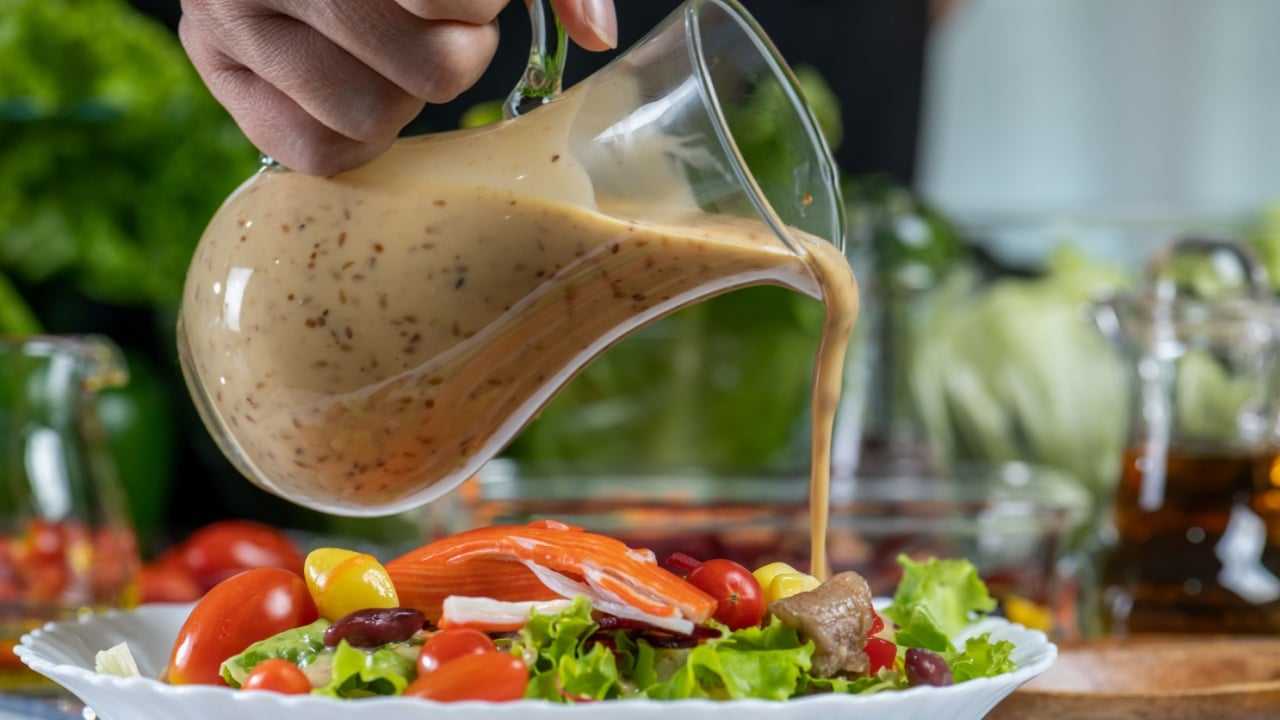
Bottled salad dressing may be one of the biggest scams in the grocery aisles. You pay a premium for oil, water, thickeners, and artificial flavorings. These products often rely on low-quality oils like canola or soybean oil, which can be inflammatory for some people. A classic vinaigrette requires a simple ratio: three parts oil to one part acid.
Whisk together high-quality olive oil with vinegar or lemon juice. Add mustard to help it emulsify, along with salt and pepper. You have just created a dressing that tastes fresh and vibrant. You can change the profile instantly by swapping vinegar types or adding herbs. There is no need for xanthan gum or potassium sorbate in your salad bowl. A small jar and a vigorous shake are all the tools you need to elevate your greens.
Take Charge of Your Kitchen Journey

Making more foods from scratch can turn simple meals into something much more satisfying. When a homemade sauce simmers, or fresh ricotta appears in the fridge, it brings a bit of delight and a lot more flavor.
Gradually, packaged shortcuts lose their appeal, and familiar recipes deliver a nice upgrade. Organize your space for easy wins. Clean jars and clear labels mean leftovers don’t get lost behind a lettuce graveyard. Familiar habits in the kitchen lead to less stress and better results, swapping out drive-thru fatigue for something you actually look forward to eating.